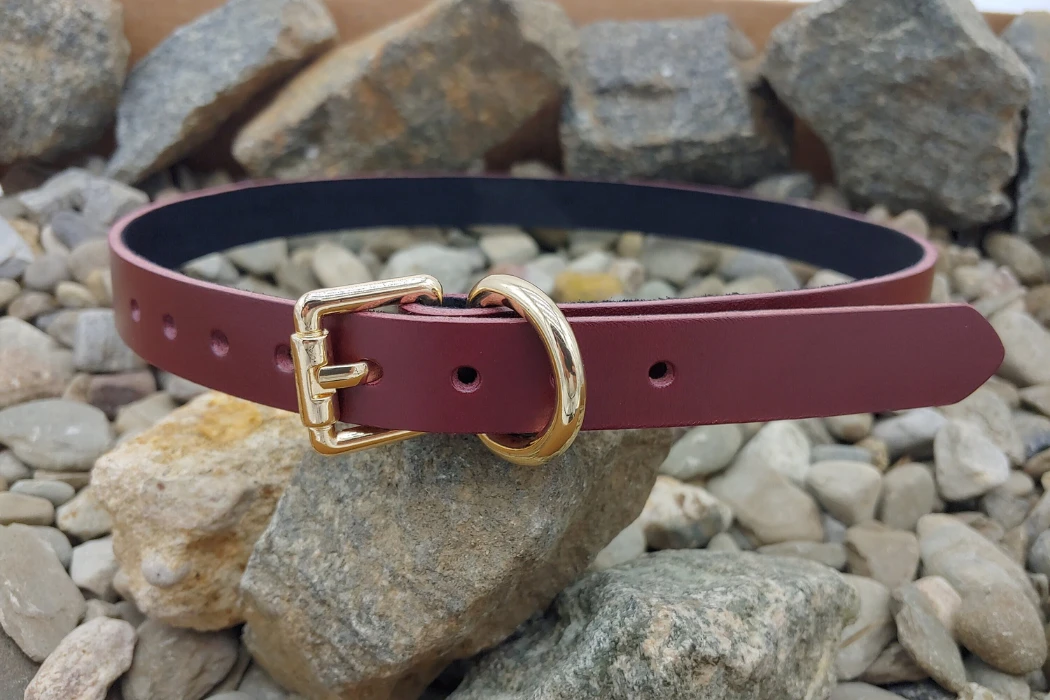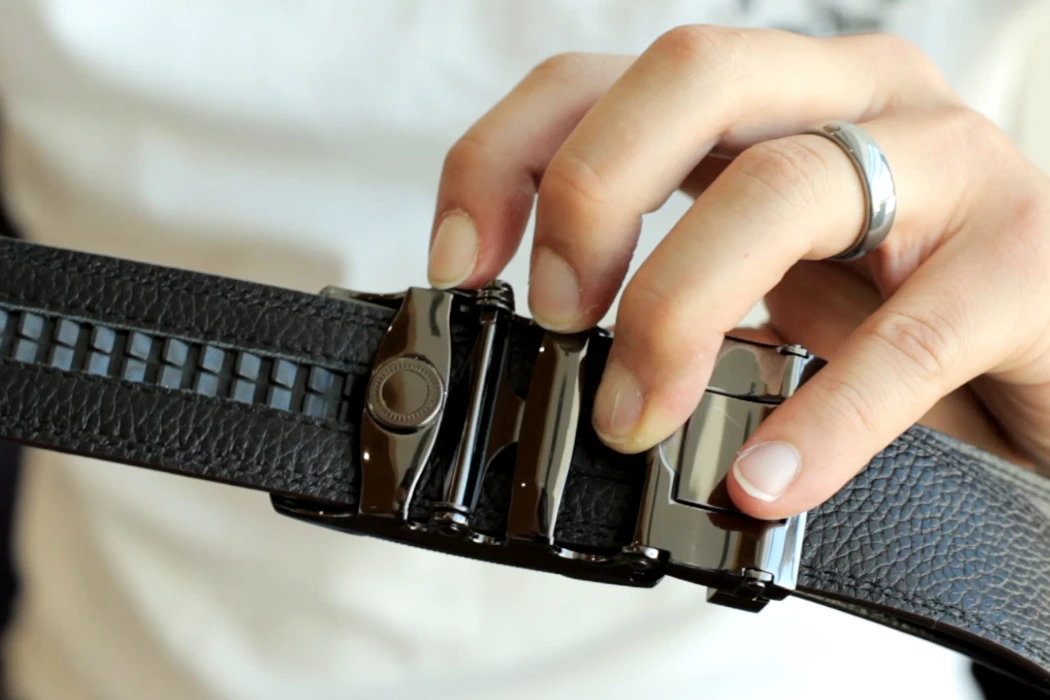
Pebbled leather describes a raised grain texture, not a particular animal, hide layer or quality grade. The same visual idea can appear on animal leather and on embossed PU. For a bag, belt or wallet collection, specify what sits underneath the texture before approving its appearance.
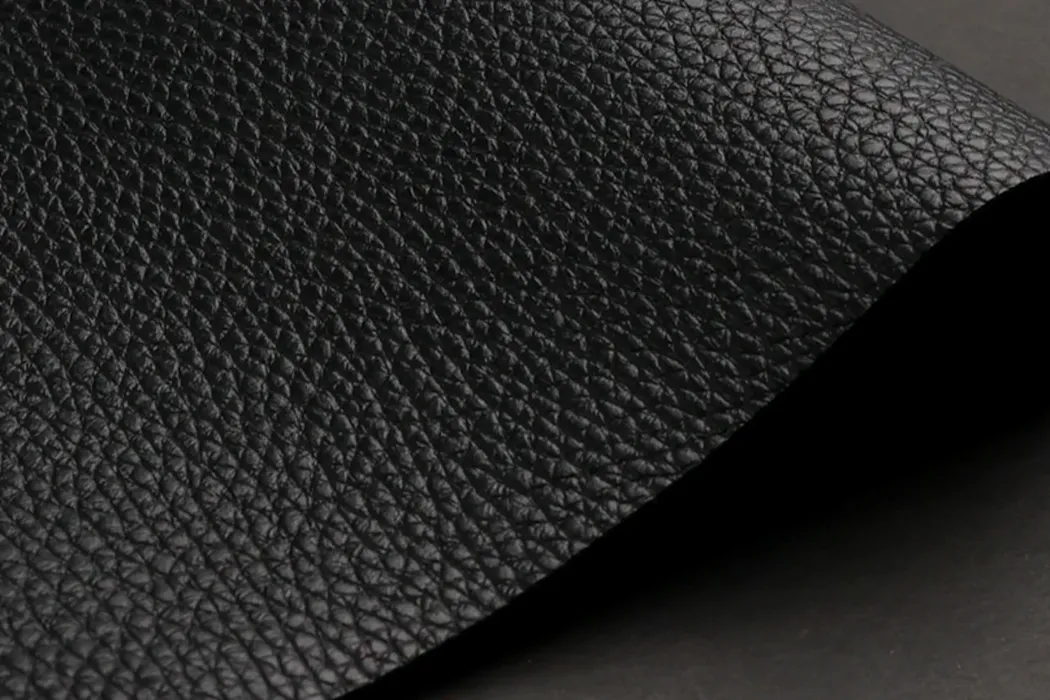
Is pebbled leather real leather?
It can be. A supplier may offer pebbled cowhide, coated split leather or a PU material with a pebble pattern. “Pebbled” alone does not distinguish them. Ask for the material composition, hide layer where applicable, finish description and article code. Keep this declaration with the approved sample and purchase order.
A repeating grain does not prove a material is synthetic: real leather can also be embossed. A textile backing is worth investigating, but reinforcement may be attached to leather too. When composition is uncertain, inspect an authorised cut sample and obtain laboratory identification instead of relying on touch, smell or a water drop. The material identification guide explains a purchasing workflow.
Natural grain development and embossed patterns
Tumbling can develop the natural grain and change the handle. Embossing uses tooling to apply a selected pattern. A material may use a combination of processes. Their settings depend on the leather and finish system; a universal temperature or processing time is not a useful buying specification.
| Route | What to approve | Production consideration |
|---|---|---|
| Grain developed through tumbling | Texture and handle across representative hide areas | Natural variation may require panel selection and matching |
| Embossed pebble | Pattern size, depth, repeat and surface feel | Agree tooling, reference swatches and acceptable variation between lots |
| Embossed PU alternative | Pattern plus coating and backing construction | Check the selected material as a separate article, including its ageing behaviour |
Neither route automatically makes a bag soft or rigid. Thickness, tannage, finish, lining and reinforcement contribute to the assembled shape. Ask for a sewn sample if the silhouette is important; a loose swatch cannot show whether a tote stands or a hobo bag collapses as intended.
What changes when you choose pebble instead of smooth leather?
A textured surface can make some small marks less conspicuous, but it does not make the material scratch-proof. Deep scuffs, worn peaks and damaged coatings may remain visible. Compare the same colour and a similar construction in both finishes rather than comparing an unprotected smooth leather with a heavily coated pebble article.
Saffiano and cross-grain describe other patterned surfaces. Their geometry may suit a different design language or logo treatment. Water behaviour and cleaning requirements still depend on the complete material. Do not rank pebble, smooth and cross-hatch finishes by a single durability score.
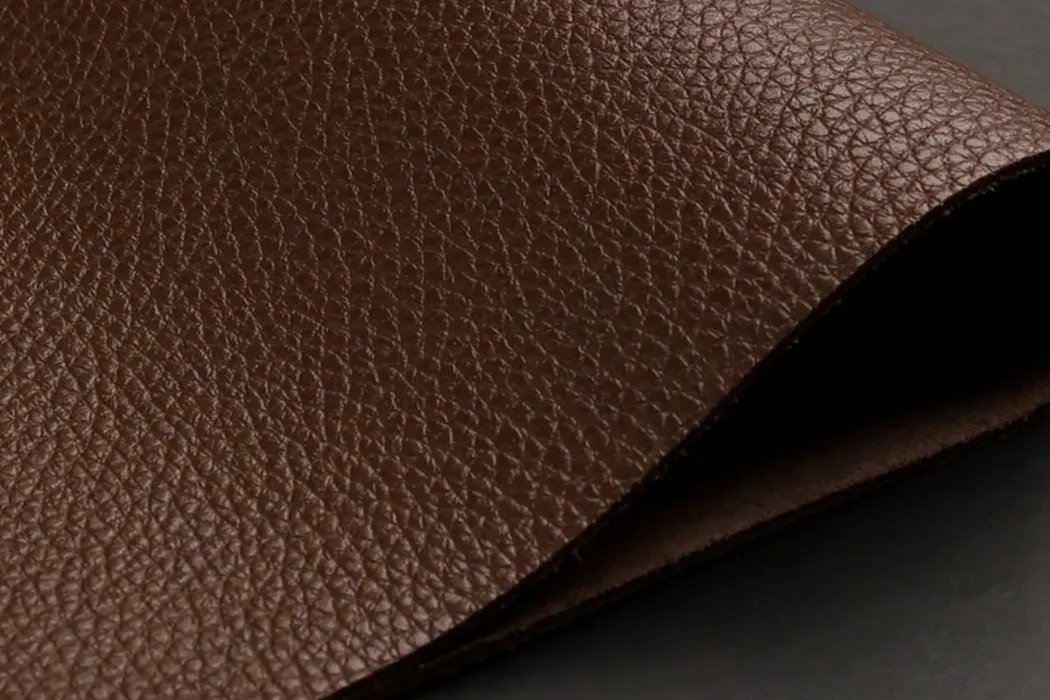
Match the texture to the product and its details
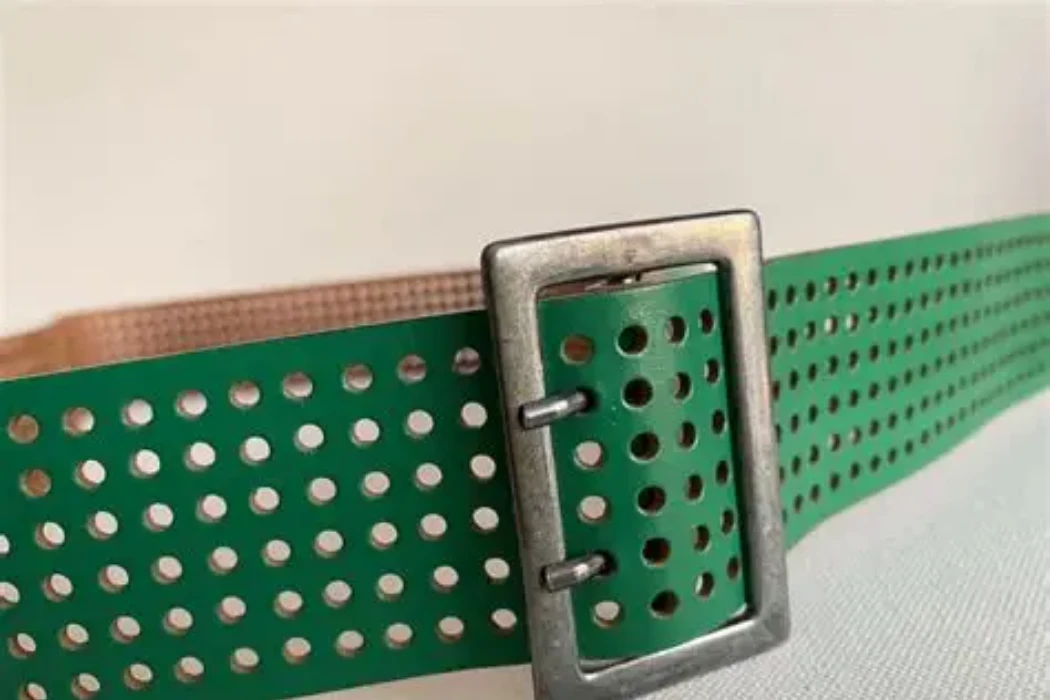
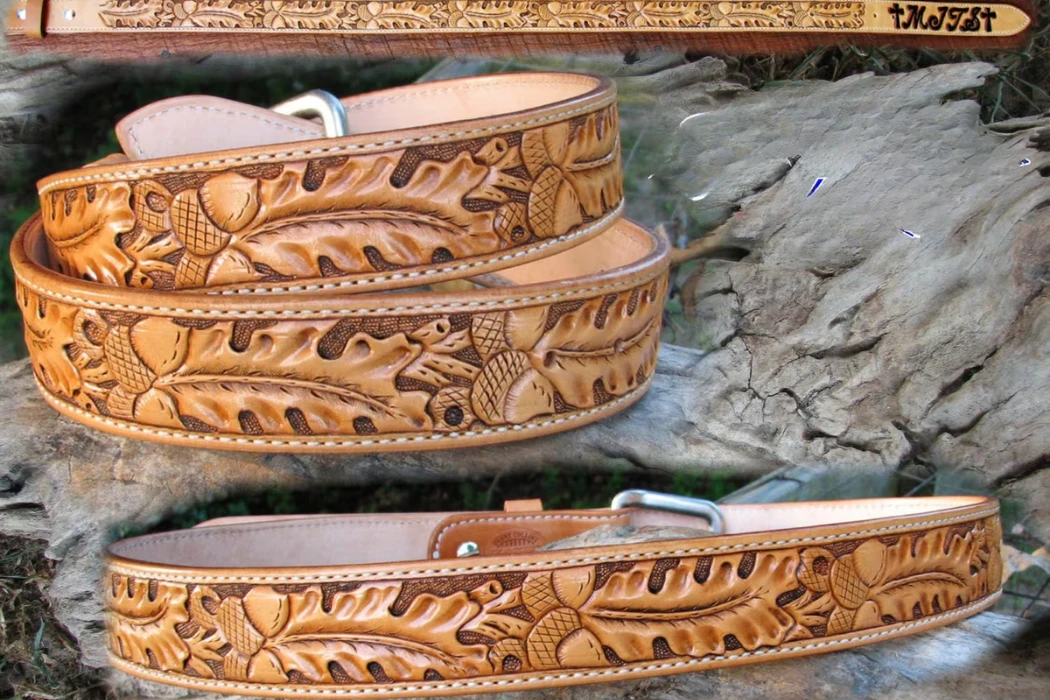
For a handbag, review matching between the front, gusset and handles. For a wallet, check how the grain looks after skiving and folding. For a belt, inspect the surface around adjustment holes and the buckle fold. These areas expose problems that a large flat swatch can hide.
A fine logo can disappear into a deep texture. Compare debossing, foil, printing and a separate badge on the actual finish. Approve legibility, placement and the edge of each character after the intended adhesion or rub check. A larger logo is not automatically better: it must still fit the brand’s artwork and the product proportions.
Edges need attention too. Ask for a finished sample with the selected edge treatment. Grain depth, skived areas and a coating at the cut edge can affect how cleanly the edge system is applied.
A purchasing specification for pebbled leather
- Material: species or synthetic construction, hide layer, supplier and article code.
- Appearance: colour, sheen, pebble size and depth, plus acceptable variation shown with reference swatches.
- Handle: thickness, firmness and the finished product’s shape.
- Construction: lining, reinforcement, stitch details, edge treatment and logo method.
- Verification: relevant flex, tear, finish adhesion and colour-transfer checks, with agreed test conditions and acceptance criteria.
- Continuity: lot identification, approved sample and written control of material changes.
Colour transfer and surface damage are different observations. A finish may look acceptable while staining a light-coloured garment. SATRA’s rub-fastness equipment description explains assessment of both surface marring and transfer under dry or wet conditions. Select requirements for the product’s contact conditions rather than treating one numerical result as a universal pass.
Cost, cleaning and sourcing questions
Cost depends on the base material, finish, tooling, colour quantities and cutting yield. Ask whether an existing grain plate can meet the design and whether a custom texture introduces a separate charge. Confirm these choices before approving the sample; changing texture late can require new logo and edge trials.
For cleaning instructions, use the material supplier’s approved method. Dirt can collect in the texture, while an unsuitable cleaner can affect colour or gloss. Validate care instructions on the production finish and include them with the product. Avoid claiming waterproofing or a fixed lifetime based on the pebble texture.
For custom bags, Hoplok’s confirmed MOQ is 200 leather bags or 1,000 PU bags. Belt and wallet MOQs are 300 leather pieces or 1,000 PU pieces. Send a reference for the texture, product dimensions, quantity and logo artwork through the contact page so the material and construction can be quoted together.