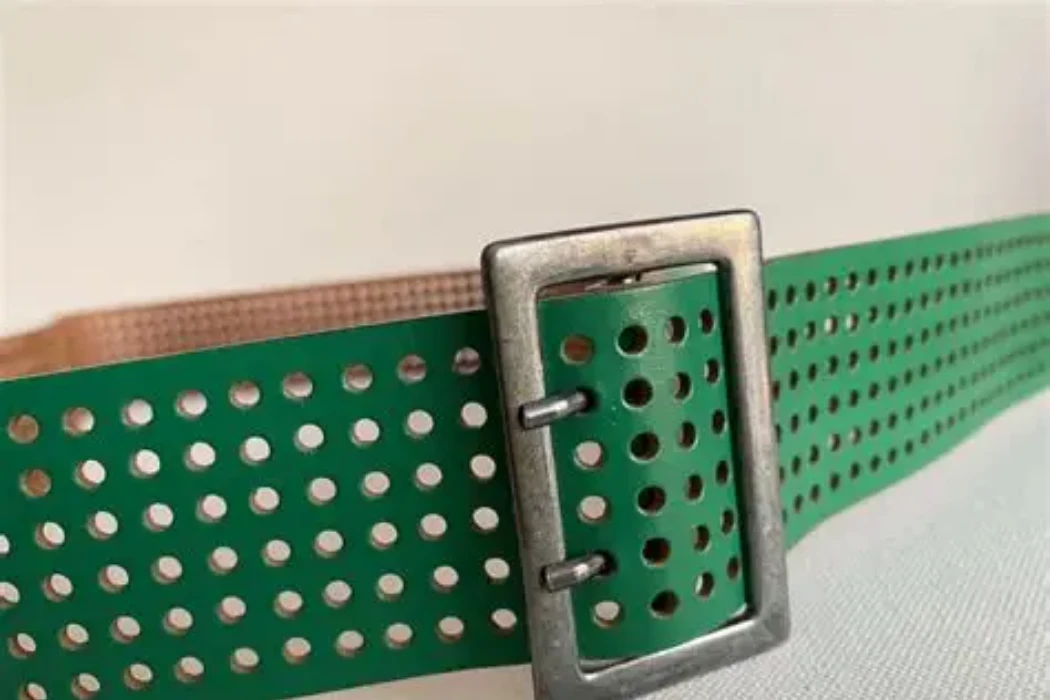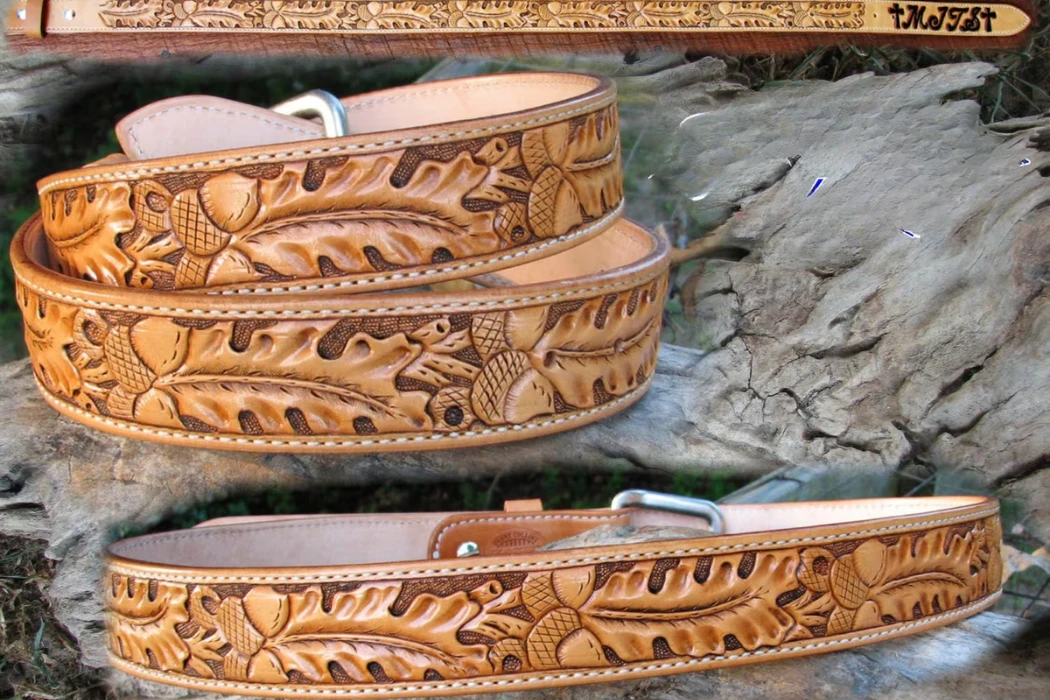
You cannot reliably confirm leather composition from smell, softness or a surface pattern alone. For a purchasing decision, combine a material declaration with inspection of an authorised sample, and use laboratory identification where the construction remains uncertain. The aim is to establish what each component is, not to guess from a finished product’s appearance.
Start with a precise material declaration
Ask the supplier to identify the face material, hide layer where applicable, coating, backing, lining and reinforcement. Tie that declaration to a supplier article code and an approved sample. “Leather belt” may describe only one layer of a laminated strap; it does not tell you what is inside it.
“Genuine leather” does not establish a quality grade or the complete construction. Full-grain, corrected-grain, split and bonded materials are different descriptions. PU alternatives have a different composition again. The leather grades guide helps turn labels into questions that can be answered by evidence.
Use visual and tactile checks as screening clues
| Observation | What it can help you inspect | Why it is not proof |
|---|---|---|
| Grain pattern | Surface texture, pores and repeated embossing | Animal leather can be embossed; synthetics can imitate irregular grain |
| Back surface | Visible fibre or textile structure | Leather can have a bonded backing or lining |
| Cut edge | Layers, coating and reinforcement | Paint or compressed edges can obscure the construction |
| Handle and flex | Softness, stiffness and folding behaviour | Both leather and alternatives come in many constructions |
| Smell | An unusual odour worth investigating | Finishes, adhesives and storage affect odour in either material |
A smooth edge is not proof of plastic, and a fuzzy back is not enough to identify the species or grade. Treat contradictions as reasons to request better evidence. Avoid giving an inspection method a percentage accuracy without a validated study.
How to inspect a belt’s internal layers
Request a spare piece made with the same face, core, lining, adhesive and edge process as the production belt. Photograph its cross-section alongside the bill of materials. Examine the buckle fold and adjustment holes as well as the central strap; construction can vary at an attachment.
Record what each layer is intended to do. A reinforcement or lining is not automatically a defect or deception. The problem is a mismatch between the declared construction, approved sample and delivered product. If the order requires a single leather strap, that requirement should be explicit rather than inferred from the term “leather belt.”
Thickness should be recorded by component where necessary. A stated total thickness does not reveal how much of it is face leather. The belt development page provides a route to discuss material, lining and hardware together.
Why water, heat and flame tests are poor purchasing shortcuts
Water absorption is influenced by the surface treatment, so a water-repellent face does not establish that a material is synthetic. Wetting can also mark an approved sample. Temperature, odour and wrinkle behaviour likewise vary with construction and conditions.
Do not burn or heat a finished product to identify it. The test destroys the sample, can release fumes, and does not provide a dependable declaration for a multilayer construction. If a technical identification is needed, send an authorised specimen to a competent laboratory.
When to ask for laboratory identification
Use a laboratory when the supplier declaration conflicts with the specimen, the cross-section is unclear, or a customer requires independent confirmation. Ask the laboratory which method suits the identification question and what the result can establish. Identifying collagen-based leather, distinguishing a coating from its backing and verifying a species are different tasks.
Keep the report linked to the sample code and material lot. An unrelated report from a supplier’s previous article is not confirmation of the current batch. For a disputed result, retain the sample and the order documents so the same construction can be investigated.
Authentication and quality are separate approvals
A material can be correctly described as leather and still fail the intended application. Composition identification does not replace flexing, colour-transfer, tear or other performance checks. Conversely, a well-specified PU product is not a counterfeit leather product when its composition is honestly described.
For a belt, review the finished attachment, holes and edge system. For a bag, include handles, seams and lining contact. For a wallet, inspect folded thickness and pocket edges. Agree tests and acceptance criteria for those constructions rather than promising durability from the material name alone.
Keep the evidence through production
- Approve the material declaration and full bill of materials.
- Retain labelled swatches and a representative finished sample.
- Record which reports apply to the actual article and lot.
- Require approval before changing the material source, coating or internal construction.
- Compare production samples with the retained references during inspection.
A facility certification should also be checked for its proper scope. It does not independently prove the composition of every component in a finished belt. At Hoplok, specifications for leather and PU products can be discussed through the quality and compliance process. Send the required material declaration and the intended product construction with your enquiry.