Split leather is animal leather made from a layer beneath the original grain. Leather splitting is the process of separating a hide into layers. The two terms are linked, but one identifies a material and the other identifies an operation.
For bags, belts and wallets, the useful question is whether a particular split construction meets the design and performance requirements. This guide explains the difference between split, suede and coated materials, and the information buyers should request before approving a sample.
Understanding the Difference Between Split Leather and Leather Splitting

Leather splitting separates a hide into layers to obtain the required substance. The grain-bearing layer and the lower split can then follow different processing routes. Splitting may take place at different stages of manufacture.
The Leather Naturally manufacturing guide explains that splitting can occur before or after tanning. Therefore, “split leather” should not be understood as leather torn away accidentally or as a synthetic substitute.
What is Split Leather?
Split leather is made from a lower layer that lacks the original grain surface. Its fibrous structure is still derived from animal hide. It may be finished with a nap for suede or receive a coating or laminate for another surface appearance.
The finish changes what a buyer sees
A smooth-looking coated split and a napped suede can feel very different even though both may use split substrates. Ask for the substrate, thickness and finish description rather than assuming every split is thin, soft or low quality.
Split leather is not the same as bonded material. A bonded or reconstituted material combines leather particles or fibers with a binder; it does not retain an intact hide layer in the same way.
What is Leather Splitting?
A splitting machine separates material across its thickness. The selected setting and starting hide affect the resulting layers. The operation can reduce the thickness of a grain-bearing piece while leaving the original grain intact.
Specify the result you need
For a purchasing specification, distinguish finished thickness from grain condition. “Full-grain” does not mean the hide has never been reduced from the flesh side, and “split” does not by itself state a fixed thickness.
Request the target thickness and permitted tolerance for the proposed component. Check how that material works after folding, lining, reinforcing or edge finishing in the completed accessory.
Why Split Leather is Used
Splitting allows the grain layer and underlying material to be directed to different uses. The lower layer can be processed for suede or a coated construction, giving manufacturers more than one useful material from a hide.
For a buyer, that does not establish a fixed price advantage or environmental result. Compare the proposed material, usable cutting area, finishing requirements and product construction. A cheaper material can require different processing or reinforcement, so the completed item is the relevant comparison.
The Production Process of Split Leather
The exact route varies with the hide and the stage at which it is split. Preparation, tanning, thickness adjustment and finishing all influence the eventual material.
Preparation and splitting
The hide is prepared for processing and divided into the required layers. Splitting is distinct from removing flesh residues, and its timing can vary. It does not simply discard the grain-bearing layer; both layers can have a production use.
Tanning and subsequent processing
Tanning stabilizes the hide structure. Depending on the route, a split may be obtained before or after this stage. Later operations can adjust color, handle and thickness for the intended application.
Finishing and approval
A napped, coated or laminated finish creates different handling and care needs. Obtain a material reference and sample for the exact version being quoted. Review the completed prototype before approving a finish or substrate change.
Types of Split Leather
Split suede
Suede is a napped leather surface, commonly produced using split leather. “Suede” describes the finish and does not exclusively identify a species or a fixed quality level.
Coated and laminated split
A split can receive a covering finish or a polymer layer. The surface and substrate both affect performance, so ask for the complete description. A PU-coated split contains animal material even though its surface includes PU.
What these terms do not mean
Nubuck is grain leather buffed on the grain side, not split leather made to feel soft. The Leather Research Laboratory suede and nubuck definitions make that distinction explicit.
“Genuine leather” is a broad leather description rather than a separate split type. For accurate product wording, distinguish intact leather layers from bonded constructions and from textile-backed imitations. The FTC Leather Guides are a relevant U.S. reference for leather representations.
Characteristics of Split Leather
Split leather lacks the original grain surface. Its other characteristics depend on thickness, hide region, processing and finish. Neither strength nor expected service life can be read from the word “split” alone.
Thickness and feel
A split can be supplied to a selected thickness and handle. A napped surface differs from a coated surface, so softness and smoothness are not conclusive signs of split construction.
Performance requirements
For the proposed product, decide which properties matter: stretching, tearing at an attachment, repeated bending, surface abrasion or finish adhesion. Ask for appropriate evidence on the selected material and evaluate the completed prototype. Care cannot compensate for an unsuitable construction.
Common Applications of Split Leather
Split constructions are used in products such as suede footwear, accessories and some upholstery. These are general material applications, and they require different specifications.
Bags and wallets
Review the body material, lining, reinforcement and seams together. Check folded corners, openings and handle attachments where applicable. A smooth coating should be evaluated for the intended flexing and surface exposure.
Belts
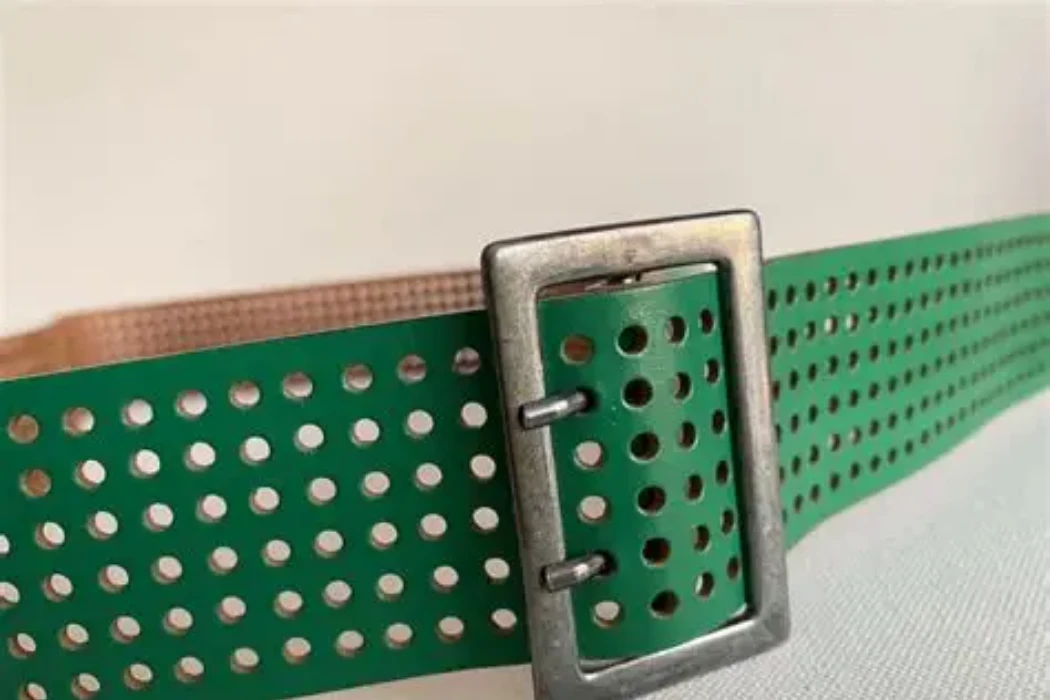
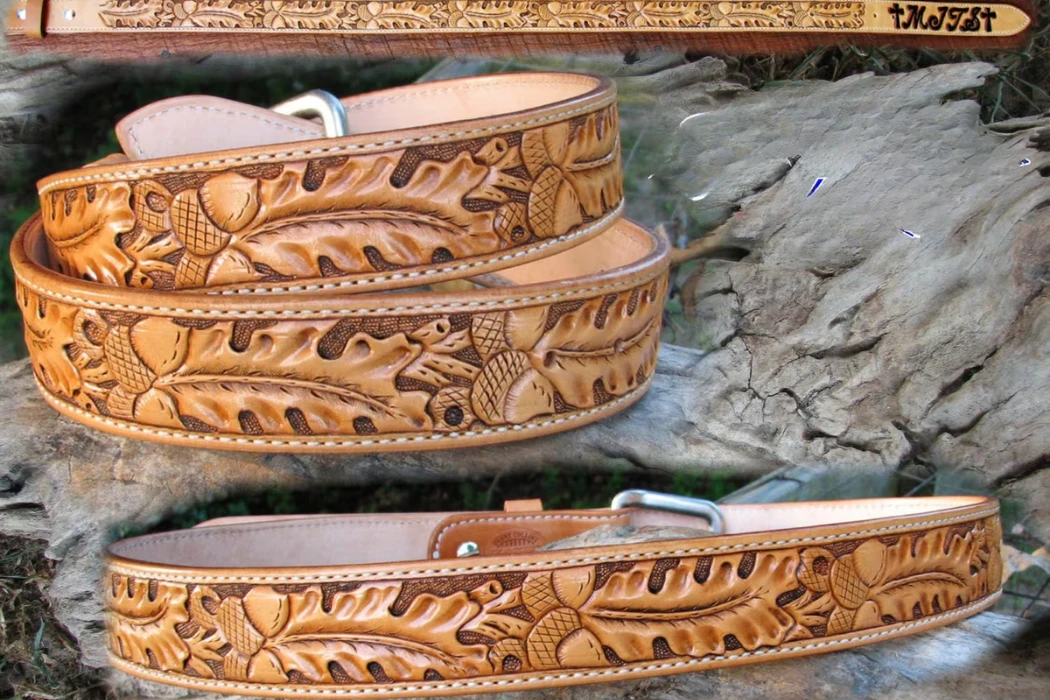
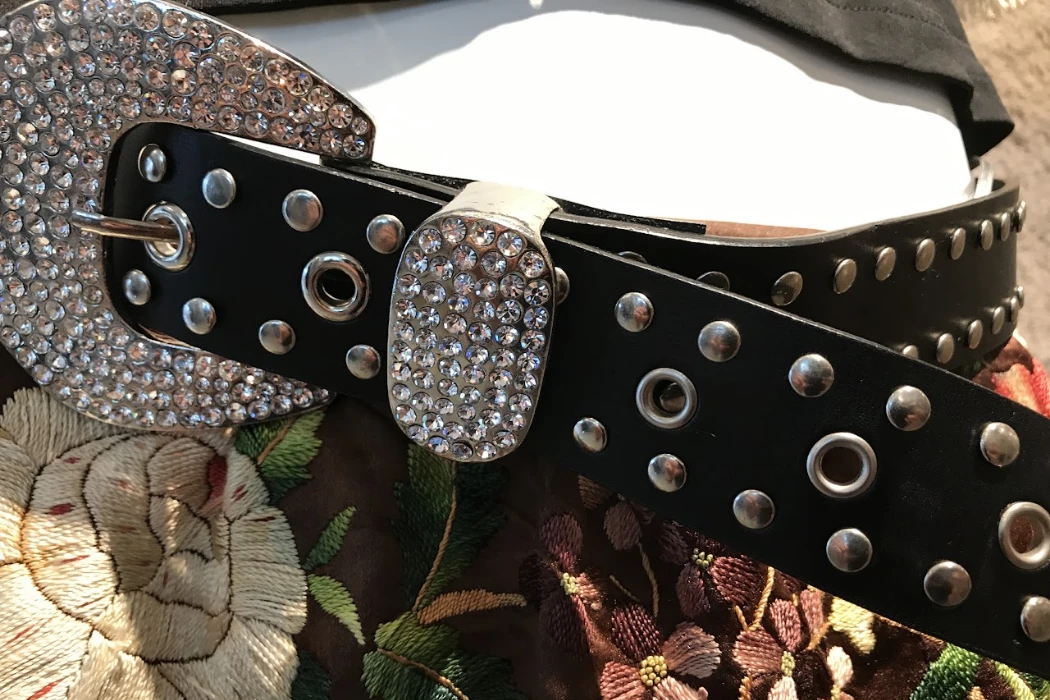
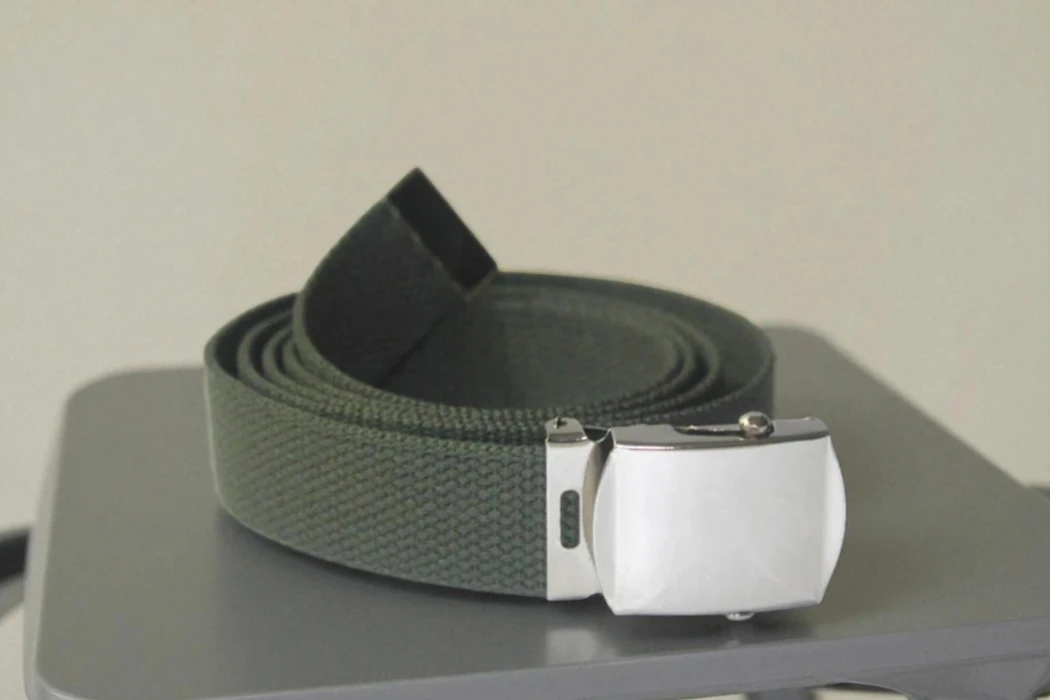
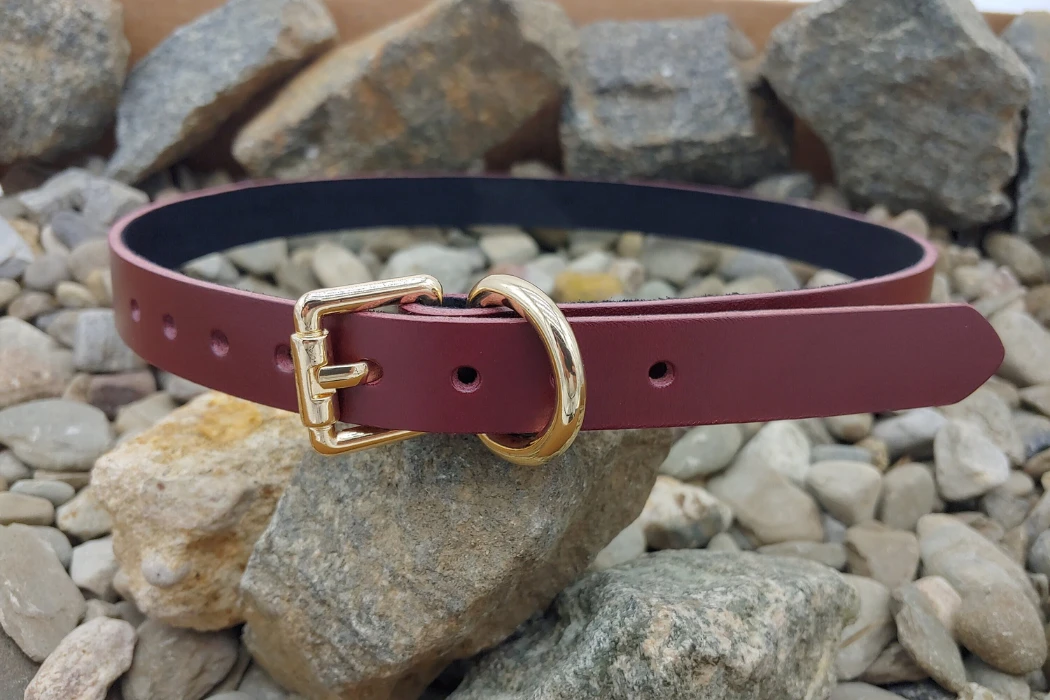
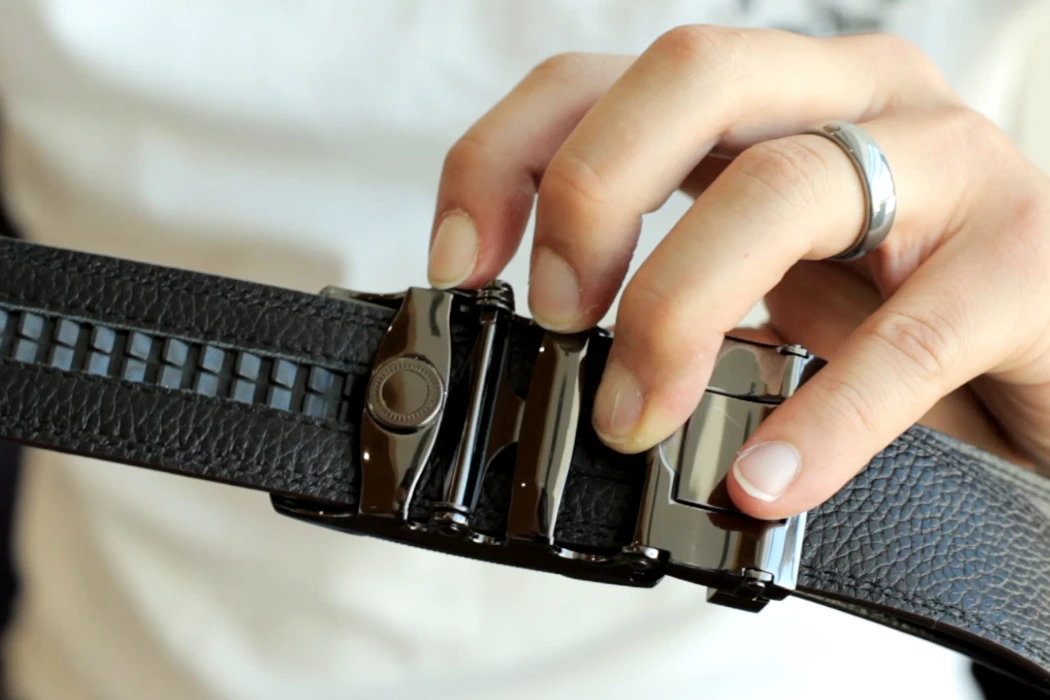
Assess the entire strap construction, including any lining or reinforcement. Inspect the buckle fold, adjustment holes, keeper and edges. Approve the selected material through a sample rather than assuming split belts are temporary or that thickness alone ensures durability.
For Hoplok, any proposed material must be assessed against the particular bag, belt or wallet design before a production commitment.
How to Identify Split Leather
Start with a written specification naming the substrate and finish. Request a material article reference that can be linked to the approved sample and order.
Supporting observations
An accessible cross-section can help show a coating and the underlying structure, but it may not resolve the exact leather layer without expertise. Price, softness, light weight and early wear are not reliable identification tests. Grain leather can be thin, and surface finishes can imitate a grain appearance.
If the supplier’s description is unclear, obtain clarification before approving the material. Where identity is disputed, a qualified leather laboratory can advise on suitable examination. Do not infer “split” simply because an item fails or a sample feels soft.
How to Care For Split Leather
Choose care by the surface finish. Split suede and a polymer-coated split should not automatically receive the same cleaner, conditioner or water treatment.
Suede care
Use tools and products intended for suede and permitted by the maker. Avoid applying ordinary smooth-leather oils or waxes unless the finish supplier specifically recommends them; they can change the nap and appearance. Leatherology’s care guide separates suede care from its other leather care instructions.
Coated split care
Use cleaning products compatible with the coating. A leather conditioner is not a guaranteed remedy for surface peeling or delamination. For damage beyond routine cleaning, seek appropriate repair advice rather than applying adhesive or oil indiscriminately.
Drying and storage
Remove dirt gently and let damp items dry naturally away from direct heat. Keep them in suitable ventilated storage and follow the maker’s guidance. There is no single humidity target or conditioning schedule that this material name establishes.
The Leather Naturally care guide recommends patch testing and appropriate treatments. For a private-label project, check care instructions on the approved finish before printing them.
What are the Advantages and Disadvantages of Split Leather?
A split construction can offer a suitable nap, covered surface or price for a particular design. The buyer should confirm these advantages through the actual sample and quotation, rather than assuming all splits are cheap or readily available.
Potential advantages
- A napped finish when split suede suits the design.
- A coated appearance that can be specified for the collection.
- Another material option to compare within a defined accessory brief.
Trade-offs to assess
Coated versions add a surface layer whose adhesion and behaviour need evaluation. Napped finishes require appropriate care. Thickness, stretch and attachment performance should also be considered in the completed product.
Split leather should be labeled accurately. A lower price does not make it less authentic animal leather, while an attractive finish does not establish its performance or make it full-grain.
Comparing Split Leather and Other Types of Leather
Split and full-grain
The difference is the presence of the original grain surface. Full-grain retains it; a lower split does not. Select between them using the required texture, finish, construction and evidence, not an assumed fixed lifespan.
Split and top-grain
The Leather Research Laboratory uses top-grain as a synonym for full-grain, while commercial usage can differ. Ask the supplier to name the layer and state whether the grain has been corrected. This resolves more than a generic “premium leather” description.
Split and bonded material
Split retains a hide layer; bonded material combines leather particles or fibers with a binder. These are different structures and should not be grouped as the same material. Ask for composition and labeling appropriate to the market.
Split and faux leather
Common faux leather uses a textile substrate with a leather-like coating. A polymer-coated split still has an animal-leather base. Confirm the substrate whenever an animal-free claim is part of the brief.
Conclusion
Split leather is a useful material description, not a verdict on authenticity or a promise of short service life. Its finish and construction determine which questions to ask about performance, appearance and care.
For repeatable sourcing, identify the substrate, approve the material and completed sample, document permitted variation and retain the reference used for the order.
Discuss a Custom Leather Goods Project with Hoplok
Hoplok manufactures custom bags, belts and wallets in genuine leather and PU. Send the design, material preference, quantity, dimensions, hardware, packaging and destination market so the proposed construction can be reviewed.
Genuine leather MOQ is 300 for belts, 200 for bags and 300 for wallets; PU MOQ is 1,000. Belt samples take 2–3 weeks, bag samples take 3–4 weeks, and bulk production takes 60–90 days, subject to the agreed project scope and schedule.
Contact Hoplok to discuss the design, or review the custom belt page to prepare the construction details for a belt inquiry.