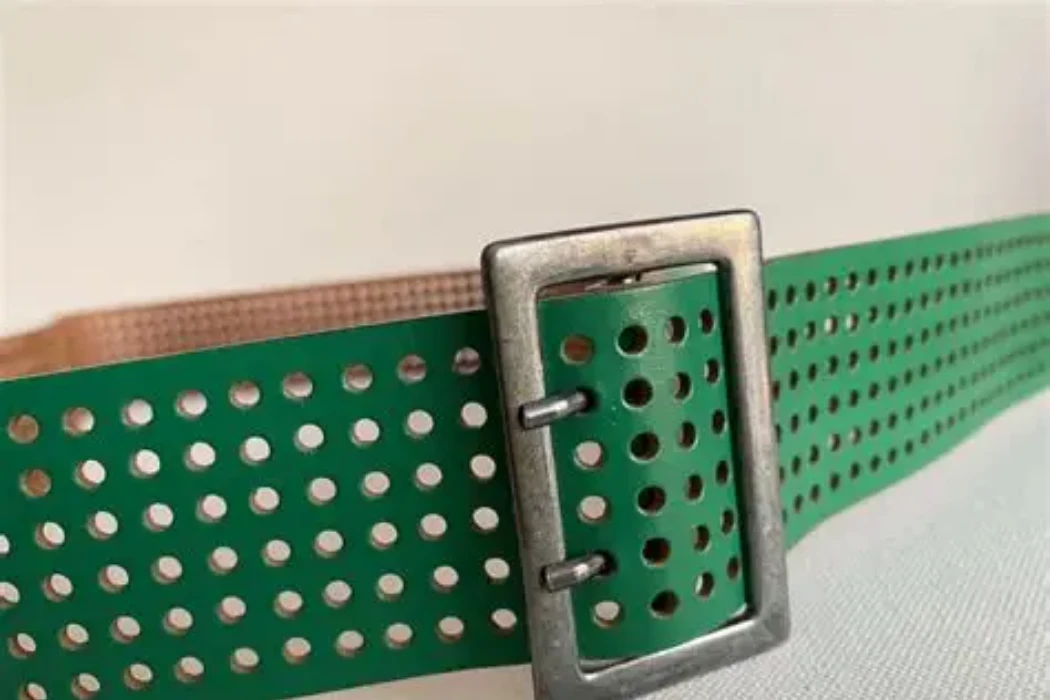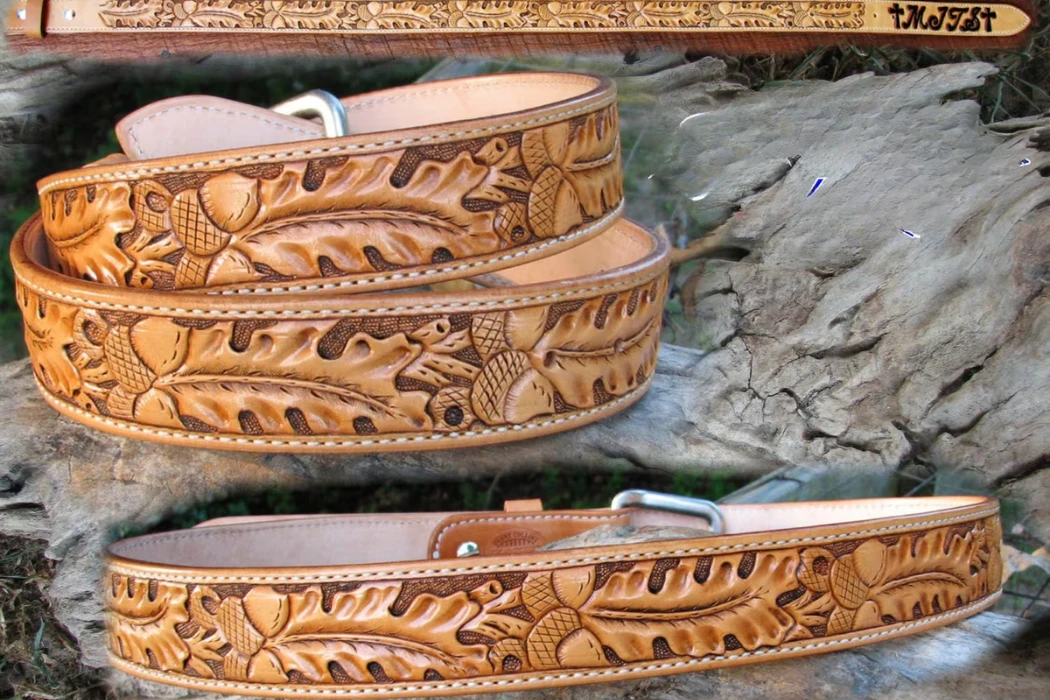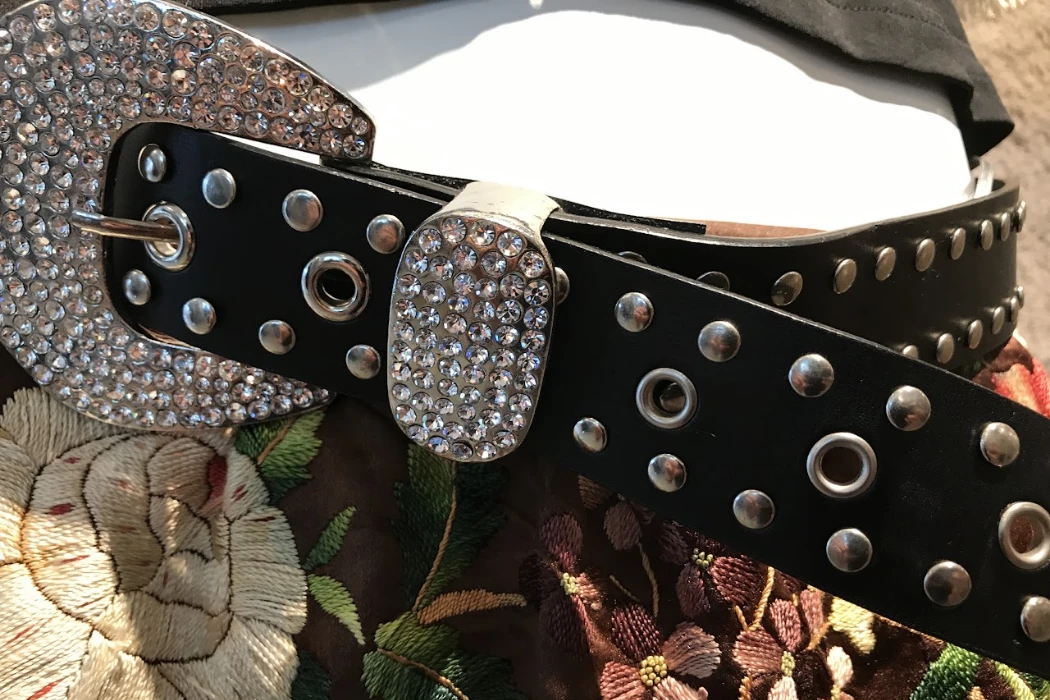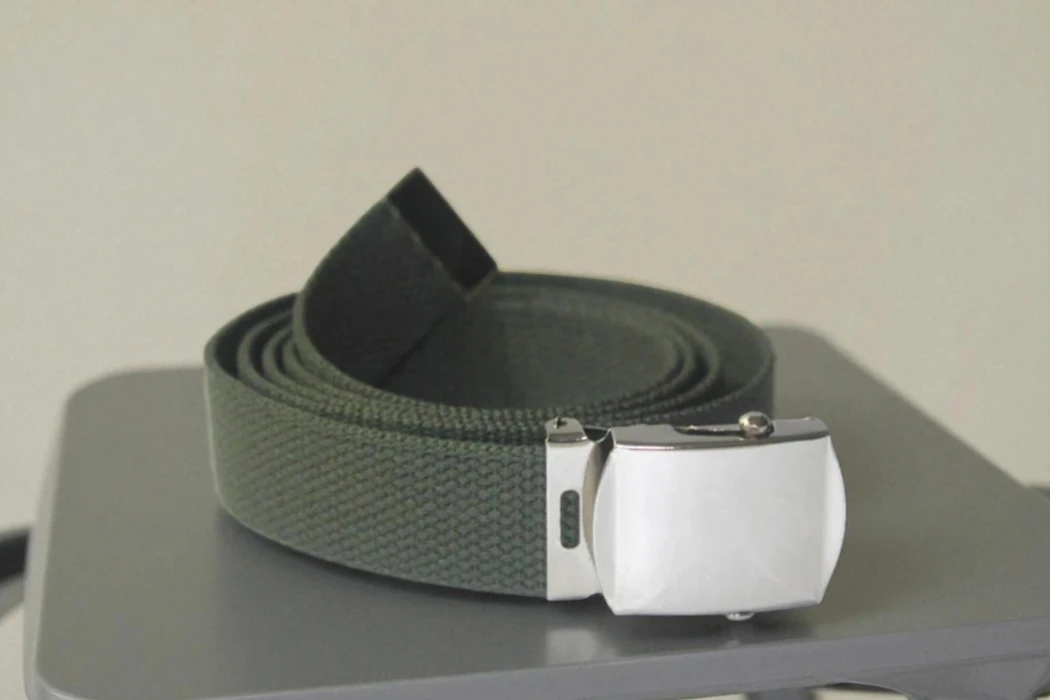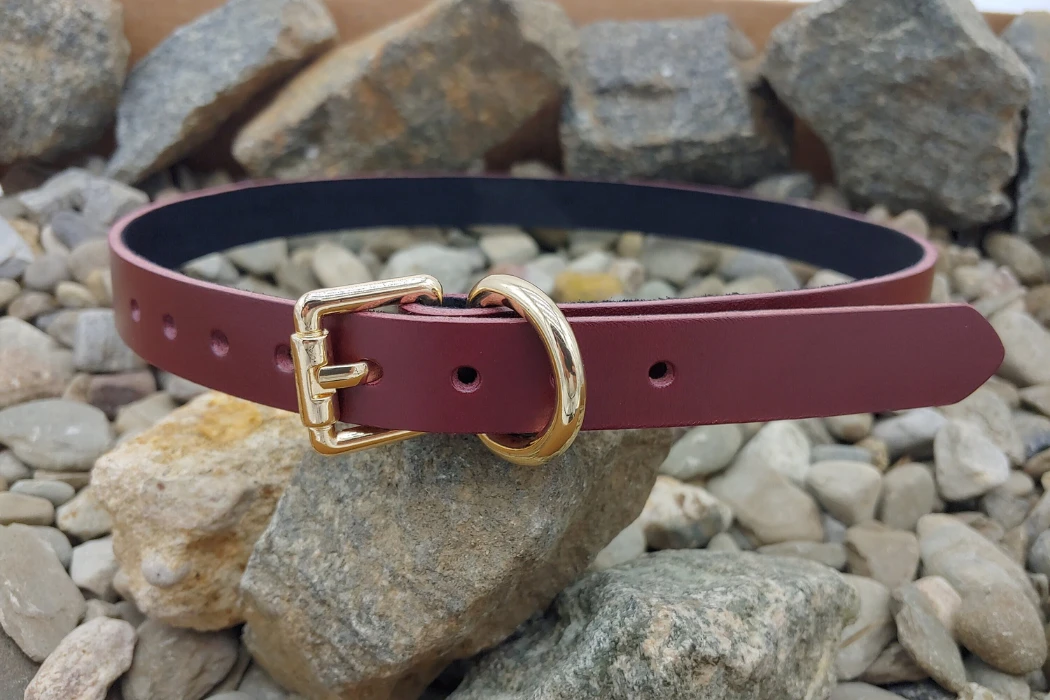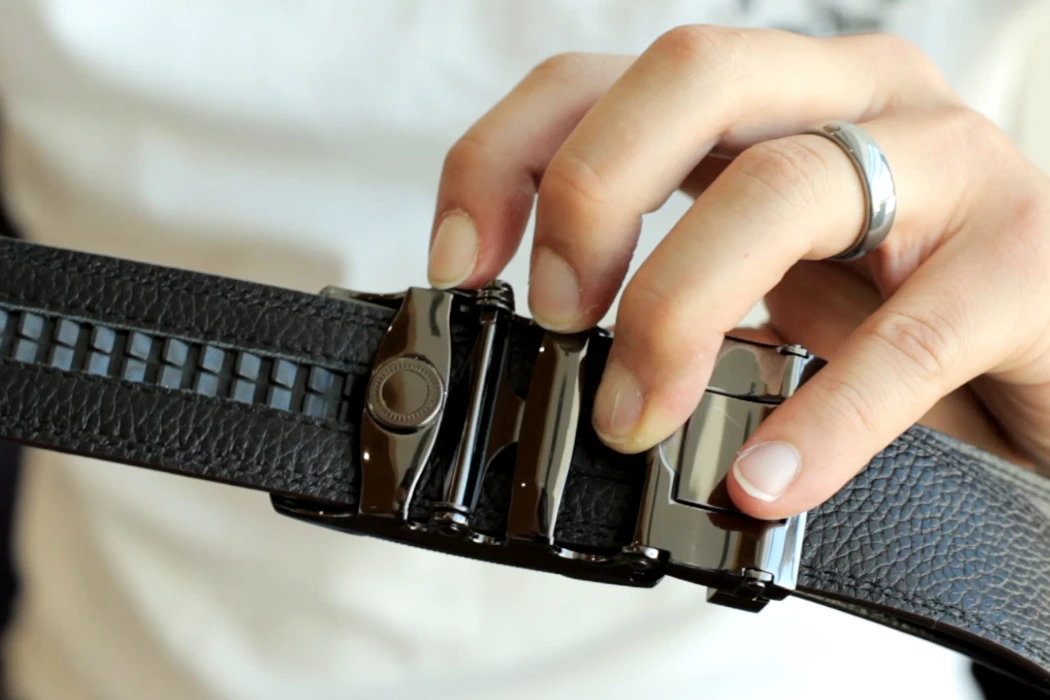
A split leather belt uses leather from below the natural grain surface of a hide. It may have a suede surface or an applied coating. On a coated split belt, flexing around the buckle and holes can expose weaknesses in coating adhesion, the leather substrate or the construction. Peeling is a possible failure mode, not an inevitable result on a fixed timetable.
If the surface of a belt lifts or flakes near its holes, inspect both the finish and the underlying material. The words “genuine leather” alone do not identify a particular grade or explain why the product failed.
This guide explains how split leather differs from grain leather and bonded material, which finish-related problems to check, and what a brand should specify before ordering custom leather belts.
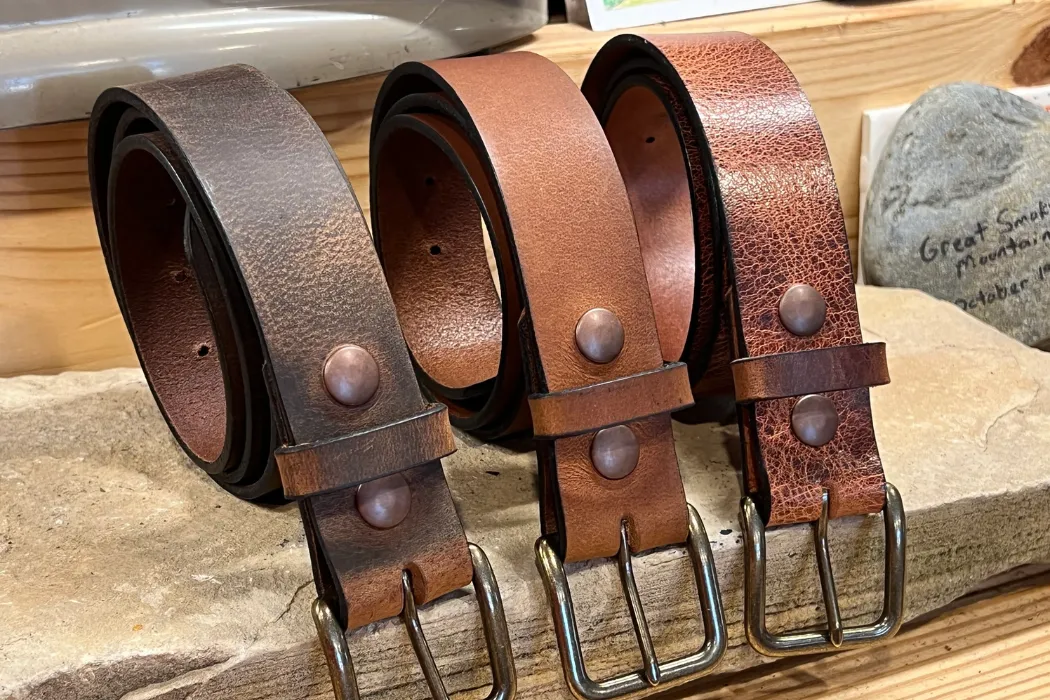
How Is Split Leather Created in the Tannery?
Splitting divides a hide horizontally into layers. The grain-bearing layer retains the original outer surface; a flesh split comes from below it. The number and thickness of usable layers depend on the hide and intended material. A split remains a continuous leather structure, unlike a sheet made from reconstituted leather fibers.
The Mechanical Splitting Process
- The machine: A band-knife splitter separates layers to a selected thickness. The supplier should state the delivered thickness range and measurement method.
- The result: The grain-bearing layer and the underlying split have different surfaces. The split can be processed for suede or for a coated finish; neither a fixed hide size nor a universal machine tolerance should be assumed.
Biological Differences: Grain vs. Flesh
A flesh split does not retain the original grain surface. Its strength and stretch depend on the hide area, thickness and processing, so a fixed fiber-density multiplier cannot predict belt performance. Compare material samples and test the finished strap, including the hole and buckle-fold areas, against the intended use.
The Cost Advantage for Manufacturers
Split leather can offer a different cost and appearance option, but the saving must come from comparable quotations. Include coating, backing or reinforcement, finishing, cutting yield and inspection. A low price per square foot does not establish the cost of an acceptable finished belt or the retailer’s margin.
What Are the Common Finishes for Split Leather Belts?
Split leather may be buffed to a suede finish or given an applied surface coating. Coated and laminated constructions should be described by their actual leather substrate, coating and backing. Request a cross-section and supplier composition statement rather than relying only on names such as “bycast.”
PU Coating and Embossed Grain
- Applied surface: A polyurethane-based coating or film can give split leather a smoother surface. The coating formulation and adhesion to the substrate affect flexing performance.
- Embossing: An impressed grain can create a consistent visual pattern. It does not recreate the natural grain structure or establish a durability rating.
Suede Finishing
Buffing can produce a napped suede surface without a smooth applied topcoat. An uncoated surface cannot lose a coating it does not have, but the finished belt may still contain bonded layers or backing that require adhesion checks. Evaluate rub fastness, marking and care requirements on the selected suede rather than assuming immediate staining or universal water resistance.
Finish Types Comparison
| Finish | Construction to Confirm | Priority Checks |
|---|---|---|
| Coated split | Leather substrate, coating and any backing | Flexing near holes, coating adhesion and rub fastness |
| Suede split | Napped leather and any reinforcement or lining | Color transfer, surface marking and finished strap strength |
| Laminated / bycast | Film composition, thickness and bond to substrate | Film adhesion, repeated bending and agreed conditioning |
How Does Split Leather Compare to Full-Grain and Bonded Leather?
These names describe different material structures, not a universal performance ladder. Full-grain leather retains its natural grain surface; split leather comes from a lower layer; bonded material combines leather fibers with binding substances. Thickness, finish, reinforcement and belt construction can change their practical performance.
Comparing Material Structures
- Full-grain: Retains the natural grain surface. Check the selected hide area, thickness and any surface finish.
- Split leather: Retains a continuous hide-derived structure below the grain. Specify coating and reinforcement where used.
- Bonded material: Contains reconstituted leather fibers and binders; obtain the actual composition. It is inaccurate to say that it contains no fibers.
The Longevity Gap
A leather category or price tag does not establish a belt’s service life. Repeated bending, loading, moisture, storage, fit and care affect wear. For a procurement comparison, test representative finished belts under the same agreed conditions and inspect for coating cracks, hole elongation, layer separation and buckle failure. Laboratory cycles are not a direct conversion into years of consumer use.
Belt Material Performance Matrix
| Material | Structure | Evidence Needed Before Approval |
|---|---|---|
| Full-grain | Natural grain surface retained | Finished strap tests and any coating or lamination checks |
| Coated split | Split leather with an applied surface | Substrate strength, coating adhesion and flexing results |
| Bonded material | Leather fibers combined with binders | Composition disclosure, layer adhesion and finished-belt performance |
How Can Buyers Verify a Split Leather Belt Specification?
Edges and backing can provide clues, but paint, lining and finish can conceal the structure of several leather types. Neither a painted edge nor the words “genuine leather” prove a belt is split leather. For sourcing, ask for a labeled material swatch, cross-section and bill of materials, then check that these match the production sample.
The Edge Paint Inspection
An exposed cross-section can show whether the strap is a single layer or an assembly with lining and reinforcement. Edge paint itself is not proof of inferior leather: it can be used on different constructions. Ask the supplier to identify each layer rather than judging grade from edge appearance alone.
The “Wrinkle Test”
Gentle bending can reveal visible cracking, bubbling or separation, but it cannot reliably identify leather grade. Do not force a retail belt beyond its intended bend to “test” it. For production approval, define repeatable flexing and adhesion checks on samples, then examine the coating near the holes and buckle fold.
Deciphering Industry Labels
“Genuine leather” is not a standardized third-grade ranking, and “100% leather” should not be treated as a synonym for bonded material. Ask for precise substrate and coating descriptions. The FTC Leather Guides address misleading composition claims; a material statement should reflect the actual product and the rules applicable to its destination.
Frequently Asked Questions
The questions below focus on material identification and performance evidence, rather than predicting a service life from a leather label.
Is split leather considered “fake” leather?
Split leather is made from animal hide. A PU coating is a separate applied surface, so describe both the leather substrate and finish accurately. Split leather and entirely synthetic PU material are not interchangeable descriptions.
Why is my belt peeling like plastic?
An applied coating or film may be separating from the substrate, or a layer within the belt may be failing. Repeated bending, moisture, aging or poor adhesion can contribute. Inspect a sample to identify the failed interface before deciding on a material or process correction.
Can a Supplier Predict Belt Service Life from Price?
Price and leather category cannot provide a reliable lifespan. Ask what construction, intended use, care instructions and warranty apply. For a brand order, use comparative sample tests and documented acceptance criteria instead of publishing an unsupported number of months or years.
Can split leather belts get wet?
Water response depends on the coating, exposed edges, backing and construction. Avoid prolonged soaking and follow the maker’s care instructions. If moisture exposure is part of the intended use, include appropriate conditioning and follow-up inspection in the agreed test plan.
What is “Bi-cast” leather?
The term generally refers to leather, often split leather, with a separately formed coating or film bonded to its surface. Confirm the film chemistry, thickness and substrate with the supplier; the name alone does not establish gloss, cold resistance or service life.
Conclusion: When is Split Leather the Right Choice?
Split leather can suit a belt program when its appearance, cost, labeling and tested construction meet the buyer’s requirements. Compare coated split, suede and grain-leather samples on the same brief rather than assuming a fixed cost advantage or failure date.
For a Hoplok custom belt project, send the desired finish, construction, quantity and test requirements. Confirm material availability and sample performance before approving production; an “anti-peel” description alone is not a performance guarantee.