Since its 1941 start in a Manhattan workshop, Coach has symbolized American luxury. As it grew into a global powerhouse, its manufacturing moved beyond the USA, leading many to see tags like “Made in Vietnam” or “Made in China.” This raises a key question for shoppers: Does a bag’s origin affect its quality and luxury status? The “Made In” label influences our perception of value, but the reality of modern luxury is a blend of global production and strict quality control.
As of 2025, Coach manufactures most of its bags in Asia, with primary production hubs in China, Vietnam, Cambodia, and the Philippines. While very few bags still come from the USA, Coach enforces strict quality control standards across all its international factories. The brand maintains its commitment to craftsmanship through rigorous material selection, specialized artisan training, and consistent oversight to ensure every bag meets its New York-rooted heritage and quality benchmarks, regardless of its origin.
This in-depth guide explores the full story of Coach’s manufacturing journey. We’ll cover its history, current production sites, the specific materials defining its quality, and sustainability efforts. You’ll also get expert tips on spotting fakes, helping you understand the true value behind the tag. Let’s uncover the truth.
What Is the History of Coach Bag Manufacturing?
To understand where Coach makes its bags today, we have to look back at where it all began. The brand’s journey from a small American workshop to a global manufacturing leader tells the story of modern luxury. This history shaped its identity and the very definition of its craftsmanship.
How Did Coach Bags Start in New York Workshops?
Artisans proudly made the original Coach bags in New York City. The company started in 1941 as a family-run workshop right in the heart of Manhattan. Here, six artisans handcrafted leather goods with meticulous care.
- The Inspiration: The brand’s founder drew inspiration from the soft, supple feel of a worn-in baseball glove. He wanted to create leather that was just as durable and would get better with age. This led to the creation of Coach’s signature glovetanned leather.
- Handmade in the USA: For decades, artisans handmade every Coach bag in the USA. This dedication to local, artisanal production built the brand’s reputation for unmatched quality and durability.
What Caused the Shift to International Production?
As Coach’s popularity exploded, the small New York workshop couldn’t keep up with the massive global demand. The company needed to scale its operations. This led to a strategic shift towards international manufacturing, which began to accelerate in the late 1990s and early 2000s.
- Key Timeline Events: The journey to becoming a global brand included major business moves. Sara Lee Corporation acquired Coach in 1985, which helped fuel its expansion. In 2017, the brand became part of Tapestry, Inc., a larger luxury group, further solidifying its global strategy.
- The Main Reasons for the Move: The shift wasn’t just about one thing. A need for cost efficiency, access to skilled artisans worldwide, and the ability to produce enough bags to meet international demand drove the decision.
How Has Manufacturing Evolved Since 1941?
Coach’s manufacturing evolution mirrors the changes in the fashion industry itself. It started with a deep focus on artisanal, handmade quality. As the brand grew, it integrated modern technology to ensure consistency and efficiency. The move to global production after the 2000s was a careful balancing act. Coach aimed to preserve its heritage of fine craftsmanship while operating on a massive, international scale. This blend of tradition and technology defines its production today.
Where Are Coach Bags Manufactured Today?
Today, Coach operates on a truly global scale. A diverse network of factories across the world has replaced the simple “Made in New York” tag. While this surprises some, it’s a strategic approach that allows the brand to meet worldwide demand while managing a complex supply chain. The company now centers the majority of production in Asia.
Which Countries Are the Main Production Hubs for Coach Bags?
Factories in Asia now make over 70% of Coach’s products. The brand has built strong relationships with expert manufacturers in several key countries. This diversification helps them balance production and maintain a resilient supply chain. Based on the latest data, the primary hubs are:
- China
- Vietnam
- Cambodia
- The Philippines
- India (specializing in certain items)
Smaller production runs also happen in places like Turkey and the Dominican Republic to meet specific regional demands.
| Country | Reported Handbag Shipments | Primary Specialty |
|---|---|---|
| China | 786,114 | High-volume leather & fabric bags |
| India | 462,048 | Specialty leather goods, wallets, belts |
| Vietnam | 417,091 | Synthetic materials & canvas bags |
Is China Still the Primary Manufacturing Location?
Yes, China remains a central hub for Coach’s production. With nearly 800,000 handbag shipments in 2022 alone, its role is undeniable. But why China?
- Skilled Artisans: Regions like Guangzhou and Jiangsu have a long history of textile and leatherwork, providing a highly skilled workforce.
- Advanced Infrastructure: The country’s advanced manufacturing infrastructure allows for high-volume production without sacrificing precision.
- Efficiency: Established supply chains in China allow Coach to produce and ship products efficiently on a global scale.
What Role Do Vietnam and Other Southeast Asian Countries Play?
Vietnam has become an increasingly important player for Coach, now accounting for around 10% of total production and growing. Cambodia and the Philippines are also key partners.
- Vietnam: It is a major hub for Coach’s synthetic leather and coated canvas products. The country offers an efficient and skilled workforce, making it a strong alternative to China.
- Cambodia & The Philippines: These countries are crucial to Coach’s diversification strategy. By spreading production across multiple nations, Coach reduces risks in its supply chain and can manage costs more effectively.
So, finding a “Made in Vietnam” tag isn’t a red flag. It’s a sign that you’re holding an authentic, modern Coach product that manufacturers create as part of a deliberate global strategy.
Who Are the Key Manufacturers for Coach Bags?
Coach doesn’t own its factories. Instead, it partners with a select group of world-class manufacturers who can meet its strict standards. These partners are crucial for bringing Coach’s designs to life with precision and quality.
What Does Guangzhou Shimen Handbags in China Contribute?
This manufacturer is one of Coach’s key partners in China, known for its expertise in high-quality leather goods.
- Specialty: They are masters of producing both premium leather and fabric handbags.
- Reputation: They are known for creating durable, stylish bags that meet Coach’s high expectations for fit and finish.
- Volume: They have the capacity to handle high-volume orders, making them essential for Coach’s most popular product lines.
How Does Jiangsu Changshu Mediyang in China Support Coach?
Another major Chinese partner, Mediyang provides versatility, producing a wide range of products for the brand.
- Diverse Production: They make everything from men’s and women’s handbags to travel bags, backpacks, wallets, and briefcases.
- Material Flexibility: They are skilled in working with both real and synthetic materials, allowing Coach to produce a diverse product mix.
What Is Fullin Plastic’s Role in Vietnam?
As Coach expands its use of non-leather materials, partners like Fullin Plastic in Vietnam are essential.
- Synthetic Leather Supply: Fullin is a major supplier, reportedly providing around 50% of Coach’s synthetic leather.
- Quality and Stability: With multiple factories, they ensure a stable and high-quality supply chain for Coach’s popular coated canvas and synthetic lines.
What Materials Are Used in Coach Bags?
The quality of a Coach bag starts long before assembly. It begins with the selection of high-end, durable materials. While famous for its leather, the brand uses a variety of premium fabrics and hardware to create its signature look and feel.
Which Leathers and Fabrics Define Coach’s Quality?
Yes, Coach makes most of its classic bags from real, high-quality leather. The brand built its reputation on it. However, they also use premium coated canvas and other fabrics for many popular styles.
- Glovetanned Leather: This is Coach’s original, iconic leather. It’s incredibly soft yet durable and is designed to burnish and develop a beautiful patina over time.
- Pebble Leather: This leather has a distinct textured appearance that is both stylish and highly resistant to scratches and everyday wear.
- Sport Calf Leather: A smooth, fine-grained leather that is often used for men’s bags and wallets, known for its polished and sophisticated look.
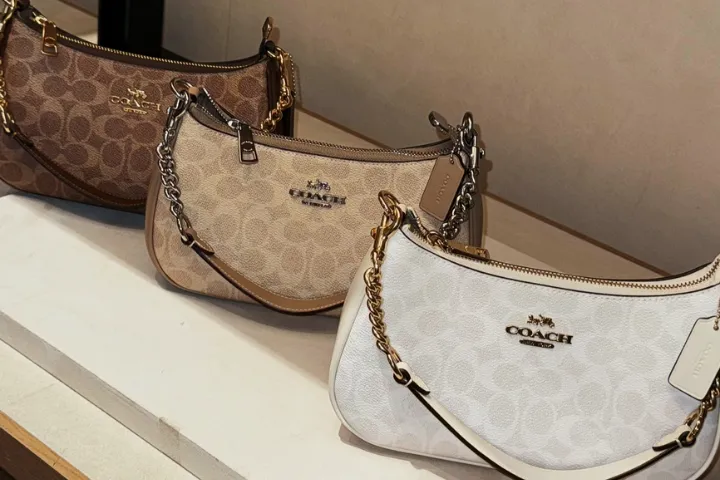
- Coated Canvas: Many bags featuring the signature “C” logo are made from coated canvas. This material is lightweight, waterproof, and extremely durable, making it perfect for everyday use.
- Hardware: Coach uses high-quality solid brass and nickel hardware. The zippers, clasps, and buckles are sturdy and built to last, adding to the bag’s overall durability.
How Are Coach Bags Made: The Craftsmanship Process?
A Coach bag is more than just its materials or where it’s made. It is the product of a detailed and carefully controlled process that blends traditional handcrafting with modern technology. This ensures that every bag, no matter where it is assembled, lives up to the Coach name.
What Steps Ensure Durability in Production?
The journey of a Coach bag is a global one, designed for quality at every stage. It’s a system that combines creative vision with precise execution.
- Step 1: Design in New York City. Every Coach bag begins its life as a concept and design at the company’s headquarters in NYC. This is where the brand’s core identity is maintained.
- Step 2: Global Material Sourcing. Coach sources its premium leathers and fabrics from top tanneries and suppliers around the world to ensure only the best materials are used.
- Step 3: Precision Cutting. Artisans then cut the materials with extreme precision. While machines handle some of this for consistency, skilled artisans often handle intricate or delicate pieces by hand.
- Step 4: Skilled Stitching and Assembly. This is where the bag truly comes together. Artisans, trained in Coach’s specific techniques, stitch the pieces together. They reinforce key stress points to ensure the bag will last for years.
- Step 5: Finishing Touches. The final step includes attaching the hardware, painting the edges for a clean seal, and conducting a final inspection before the bag is ready for sale.
What Quality Control Measures Are Implemented?
To ensure a bag made in Vietnam is identical in quality to one made in China, Coach relies on a rigorous quality control system enforced by its parent company, Tapestry.
- Strict Global Standards: Every manufacturing partner must adhere to the same set of high standards for materials, construction, and finishing.
- Multi-Stage Inspections: Inspectors check bags at multiple points during the production process, not just at the end. This catches any potential issues early.
- Authentication Features: Coach integrates specific details like high-quality YKK zippers, precise logo alignment, and detailed credo patches that are difficult for counterfeiters to replicate.
- Technology for Consistency: Coach uses modern technology to ensure that colors, textures, and dimensions are consistent across millions of bags produced in different locations.
Are Coach Bags Still Made in the USA?
This is one of the most common questions from long-time fans and new customers alike. Given the brand’s strong American heritage, it’s natural to wonder if any production remains in its country of origin. The answer, however, reflects the reality of modern global luxury.
How Much Production Remains in the United States?
Today, very little Coach production remains in the United States. The era of all Coach bags being made in New York is a thing of the past. However, you can still occasionally find USA-made products.
- Special Editions: Coach sometimes releases limited-edition collections, like the “Made in New York” line, that it produces in the USA to honor its heritage. These are rare and often command a higher price.
- Vintage Bags: Many collectors seek out vintage Coach bags from the 1990s and earlier, which artisans made in the USA. These bags are known for their particularly thick, durable leather and simple, timeless designs.
Why Has Production Moved Overseas?
The decision to move manufacturing overseas was a strategic business choice, not a reflection of declining quality. Scalability and cost-effectiveness were the primary drivers.
- Meeting Global Demand: As a global brand, Coach needs to produce millions of bags a year. It is simply not feasible to do this on a large scale from US-based factories.
- Debunking the Quality Myth: A common myth is that “Made in China” or “Made in Vietnam” automatically means lower quality. This isn’t true for Coach. The brand enforces the same strict quality standards and uses the same premium materials in all its factories, ensuring a consistent product for customers worldwide.
What Are Coach’s Sustainability and Ethical Practices?
In today’s world, consumers judge a luxury brand by more than just the quality of its products. People want to know that the items they buy are made responsibly. Coach, as part of Tapestry, Inc., has made significant commitments to improving its environmental and ethical footprint across its global supply chain.
How Is Coach Advancing Sustainable Manufacturing?
Coach actively works to make its products more sustainable by focusing on materials and processes that reduce its environmental impact. This is a key part of its modern brand identity.
- Responsible Leather Sourcing: The brand has set a goal to source 90% of its leather from tanneries rated Silver or Gold by the Leather Working Group (LWG) by 2025. The LWG is a global organization that audits tanneries for environmental performance.
- Eco-Friendly Materials: Coach is increasingly using more sustainable materials, including vegetable-tanned leathers and fabrics made from recycled materials, such as plastic bottles.
- Coach (Re)Loved Program: This circular program allows customers to trade in or repair their old Coach bags, giving them a second life and keeping them out of landfills.
Are There Ethical Concerns and Solutions?
With a large global supply chain, ensuring ethical labor practices is a major priority. Coach addresses this through its parent company’s robust social responsibility programs.
- Supply Chain Transparency: Tapestry regularly publishes reports on its supply chain, providing transparency and holding its partners accountable to strict labor standards.
- Worker Well-being: The company has programs in place to support the well-being of workers in its partner factories, focusing on fair wages and safe working conditions.
- The Future of Production: Coach is exploring new technologies, like AI, to make its supply chain even more efficient and sustainable, further reducing waste and its carbon footprint.
How Do You Identify Authentic Coach Bags?
With Coach’s popularity, the market is unfortunately flooded with fakes. Knowing how to spot an authentic bag is key to ensuring you get the quality you paid for. Coach integrates several features into its products that are difficult for counterfeiters to copy accurately.
What Authentication Features Should You Verify?
Checking a few key details can quickly reveal whether a bag is genuine. Pay close attention to the small things, as this is where fakes often fall short.
- The Credo Patch & Serial Numbers: Since 1994, most bags have a leather patch inside with a unique serial number (e.g., F5D-9966). The text should be clear and well-stamped.
- Hardware Quality: Authentic Coach bags use heavy, high-quality hardware. Coach almost always uses zippers from the brand YKK, and the logo should be cleanly engraved, not stamped or printed.
- Logo and Stitching: Check the “C” pattern on signature bags. It should be perfectly aligned and symmetrical. The stitching on an authentic bag will be even, tight, and consistent, with no loose threads.
How long does it take to make one Coach bag? It’s an artisanal process. Depending on the complexity of the design, a single bag can take days or even weeks to complete, involving many skilled hands. This careful process is impossible to replicate in cheap fakes.
How Can You Avoid Counterfeits?
The best defense against fakes is to be a smart shopper.
- Buy from Authorized Retailers: The safest way to get an authentic bag is to buy directly from Coach stores, the Coach website, or authorized department stores.
- Trust Your Instincts: If a deal seems too good to be true, it probably is. Also, inspect the bag for any irregularities. Counterfeits often have sloppy stitching, cheap-feeling materials, and misspelled logos.
What Are Popular Coach Bag Styles?
Coach’s ability to blend timeless design with modern trends is a huge part of its success. Certain styles have become icons, showcasing the brand’s commitment to quality craftsmanship and functional luxury. These bags are popular for a reason—they are versatile, durable, and stylish.
Which Iconic Designs Showcase Coach’s Craftsmanship?
While Coach releases new designs every season, a few key styles have become modern classics. These bags perfectly represent the brand’s quality.
- The Tabby: Perhaps the most recognizable modern Coach bag, the Tabby is known for its structured shape and signature “C” hardware. It’s incredibly versatile, often coming with multiple straps to be worn as a shoulder bag or crossbody.
- Pebble Tabby: A variation made from durable, textured pebble leather, this version is perfect for everyday wear as it’s highly resistant to scratches and scuffs.
- Quilted Tabby: This version adds a touch of modern elegance with plush, quilted leather, showcasing the brand’s precise stitching and finishing.
- The Studio: A minimalist and chic shoulder bag, the Studio is celebrated for its clean lines and practical, multi-functional pockets, making it a favorite for work and weekends.
- The Bandit: A spacious and sophisticated shoulder bag, the Bandit is a classic design known for its refined hardware and high-quality leather, embodying understated luxury.
Is a Coach Bag a Good Investment in Terms of Durability?
When you buy a Coach bag, you’re not just buying a fashion accessory—you’re investing in a piece of craftsmanship designed to last. The brand’s focus on high-quality materials and durable construction means their bags offer excellent long-term value, making them a smart and cost-effective choice for any wardrobe.
How Long Do Coach Bags Last?
A well-cared-for Coach bag is a long-term companion. The lifespan of a bag depends on its materials and how its owner maintains it, but you can generally expect impressive durability.
- Modern Bags: With regular care, a new Coach bag made from leather or coated canvas will easily last for many years, often looking great for 2 to 4 years or more of consistent use.
- Vintage Potential: The legendary durability of older, USA-made Coach bags from the 1970s to 1990s is well-known. Made from thick glovetanned leather, many of these bags are still in use today and have the potential to last a lifetime.
- Maintenance is Key: The secret to a long life for any Coach bag is simple maintenance. Regularly cleaning the material, conditioning the leather, and storing it properly in a dust bag away from sunlight will preserve its beauty and strength.
What Makes Them Cost-Effective?
While a Coach bag is an initial investment, its durability and timeless style make it a very cost-effective luxury. The value extends far beyond the initial purchase price.
- Strong Resale Value: Unlike fast-fashion items, Coach bags hold their value well. The pre-owned market for popular styles is strong, meaning you can often recoup a significant portion of the cost if you decide to sell it later.
- Cost-Per-Wear: Think about the cost over time. A $400 bag that you use for four years costs just $100 per year. This is excellent value for a high-quality, durable accessory you can use almost daily.
- Timeless Appeal: Coach designs are classic. They don’t chase fleeting trends, so your bag will remain stylish for years, saving you money on constantly updating your accessories.
FAQ Section
Are all Coach bags made in China?
No. While China is a primary manufacturing hub, factories also make Coach bags in Vietnam, Cambodia, the Philippines, India, and other countries to diversify their supply chain.
Where are Coach bags made besides China?
Major production also takes place in Vietnam (especially for synthetic materials), Cambodia, and the Philippines. India is a key location for specialty leather goods like wallets.
How to clean Coach bags?
For leather, use a soft, dry cloth and a specialized leather cleaner, then apply a conditioner. For coated canvas, simply wipe it with a damp cloth and mild soap.
Are there any Coach products made outside of Asia?
Yes, but it’s rare. Some minor production may occur in Turkey or the Dominican Republic, and the company makes very limited, special editions in the USA.
What are the most popular Coach bag styles?
Some of the most popular modern styles include the versatile Tabby, the chic Studio bag, and the classic Bandit, each showcasing different aspects of Coach’s craftsmanship.
How does the quality differ by production location?
The quality does not differ. Coach enforces the same strict material and craftsmanship standards across all its global factories to ensure a consistent, high-quality product.
Why are Coach bags primarily manufactured in China now?
Coach manufactures in China to leverage the country’s skilled workforce, advanced manufacturing infrastructure, and efficient supply chains, which are essential for large-scale global production.
Conclusion
The story of where Coach bags are made is one of precision and modern technology. While production is now primarily in countries like China and Vietnam, Coach maintains rigorous quality control to protect its luxury brand status. Its success relies on a global strategy that upholds the standards of craftsmanship first established in New York, proving that quality is about process, not just location.
If your brand is inspired by Coach’s commitment to quality craftsmanship, consider partnering with an expert manufacturer. At Hoplok Leather, we offer custom solutions for premium leather goods, blending traditional skills with modern efficiency. Contact us at sales@hoplokleather.com today to inquire about pricing and start creating your own line of exceptional leather products.