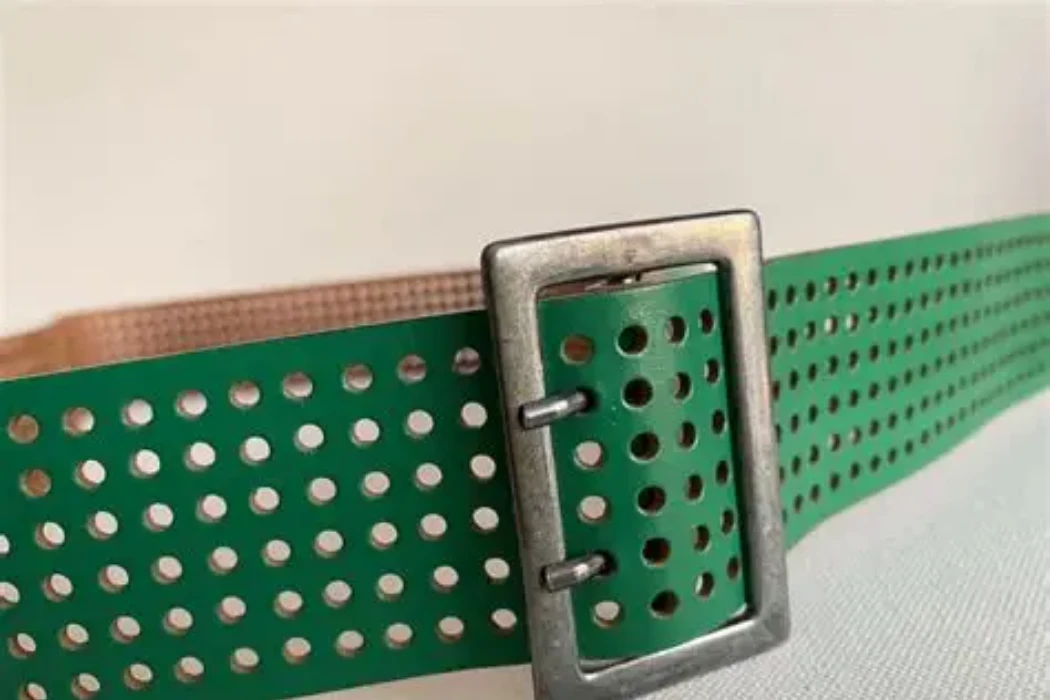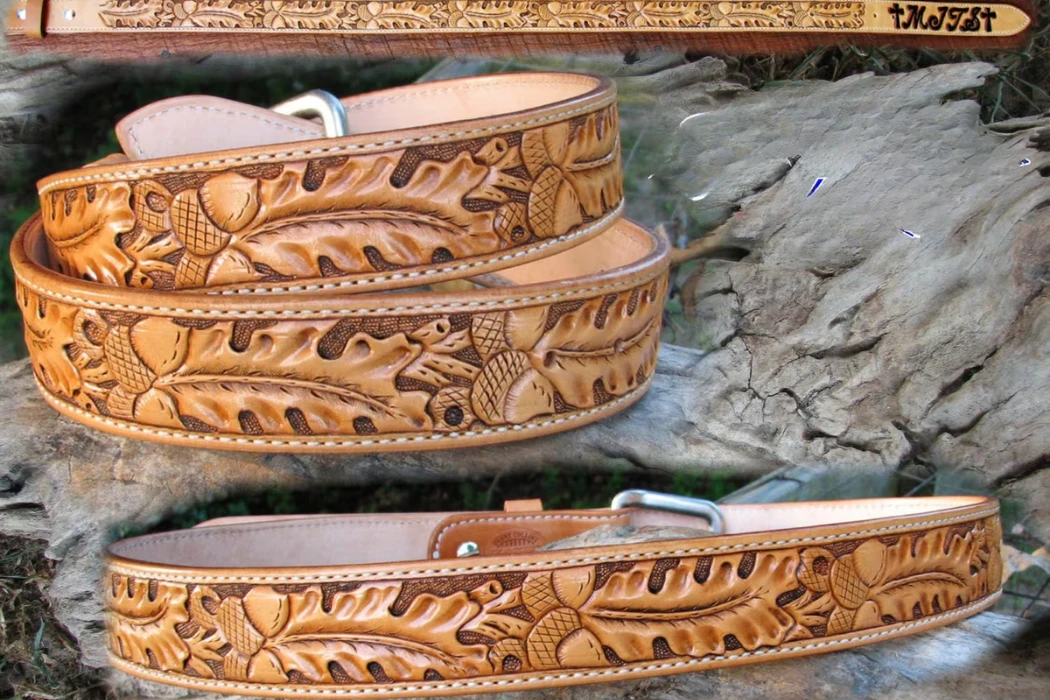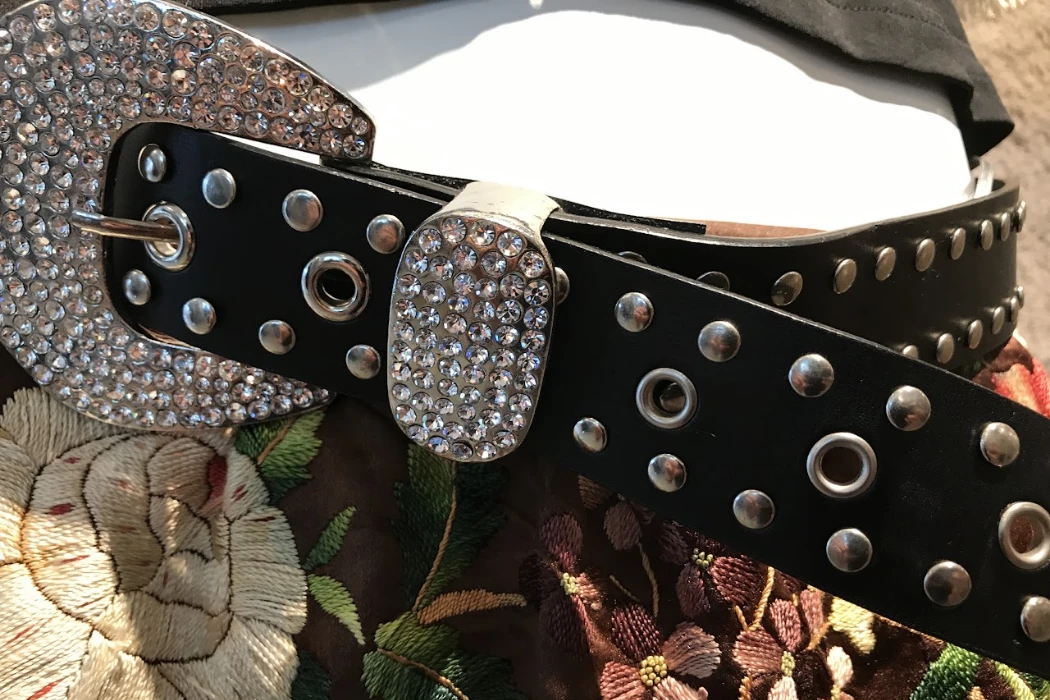
Leather can be suitable for a belt, bag or wallet collection and still introduce purchasing risks. Natural variation, cutting yield, surface care, colour transfer and sourcing evidence all need to be addressed. The useful question is which disadvantages matter for the intended product and how they will be checked before production.
The main disadvantages of leather for a brand
| Risk | How it can affect an order | What to agree before purchase |
|---|---|---|
| Natural variation | Panels differ in grain, shade or visible marks | Acceptable variation samples and cutting rules |
| Irregular usable area | Material consumption changes with pattern size and selection | Pattern-based yield and the appearance standard used in the quote |
| Surface sensitivity | Scuffs, stains or colour transfer produce complaints | Finish-specific testing and approved care instructions |
| Moisture and storage | Appearance, odour or shape may change during storage and use | Suitable packaging, storage guidance and relevant checks |
| Material claims | A label overstates quality, composition or sustainability | Traceable declarations and evidence for each claim |
Cost and cutting yield are less predictable than a flat swatch suggests
A hide is not a perfectly uniform sheet. Large matched panels, long straps and tight restrictions on natural marks can affect yield. A low material price is therefore not necessarily a low finished-product cost. Ask the manufacturer to price the actual pattern and approved appearance limits.
Sample approval should include representative variation, not only the cleanest piece available. For a collection that needs close visual matching, agree how panels will be paired and when a lot falls outside the accepted range. The leather cost guide explains how yield enters a quotation.
Scratches, stains and water behaviour depend on the finish
An exposed or napped surface has different care needs from a coated finish. Some marks may blend into an intended patina; others will be unacceptable to the buyer. Define that difference with samples instead of promising that all leather improves with age.
Colour transfer deserves its own check. Review contact with clothing, lining and packaging, especially with contrasting colours. Surface marring and transferred colour are not the same result. SATRA’s discussion of colour fastness and rub testing describes why both matter for leather goods.
Leather should not be called waterproof simply because water beads on its face. Edges, seams, closures and treatment of the complete product matter. Set any water-related claim from suitable evidence for the finished design.
Care and repair need to match the material
Customers may not want a bag that needs special cleaning or careful protection from marks. That can make some finishes a poor fit for the collection, even if their appearance is attractive. Ask the supplier to approve practical care instructions and try them on the final colour, coating and logo treatment.
Repairability also varies. A replaceable buckle or strap can be designed into the product. A damaged coating or a large stain may be much harder to restore invisibly. Review likely wear points during sampling rather than making a blanket claim that every leather product can be repaired indefinitely.
Environmental and animal-origin concerns require evidence
Leather has an animal origin, which can conflict with a customer’s material policy. A facility audit does not change that. If animal-free composition is a condition of the brief, a suitable alternative and its complete bill of materials should be evaluated.
For environmental claims, ask about the relevant supply-chain stages, chemical management and traceability evidence. Avoid universal carbon, water or biodegradation claims. A comparison between materials needs compatible boundaries and an understanding of the product being made.
Hoplok’s ProPelli facility receives crust leather from partner tanneries and performs leather finishing; it is not a tannery. ProPelli holds a current LWG Gold rating. The LWG manufacturer standard assesses leather-processing facilities. The rating should be described within that scope rather than as proof that all finished products are environmentally superior.
Do different leather types have different disadvantages?
Yes, but avoid a simple good-to-bad ladder. Full-grain leather can show natural marks that a uniform collection does not accept. A corrected or pigmented finish may provide a controlled appearance but needs appropriate finish checks. Suede and nubuck need careful review of nap, shade and care. Coated splits and bonded materials have constructions that must be disclosed and tested for the intended use.
Thickness, reinforcement, seam placement and the edge system also influence performance. Choosing a more expensive face material does not compensate for an unsuitable construction at a buckle fold or handle attachment.
Compare alternatives against the same product brief
PU and other leather alternatives may fit an animal-free requirement or a different aesthetic. Their coating, backing, ageing behaviour and repair options need review too. “Vegan” does not on its own establish a lower environmental impact or a longer service life.
Compare complete samples under the same use assumptions. Record appearance after flexing and contact, ease of cleaning, construction changes and the actual quotation. The vegan leather guide sets out the composition questions for alternatives.
Turn the disadvantages into an approval plan
List the product’s contact points, expected handling, appearance limits and customer claims. Select a candidate material, make a representative sample and agree tests with clear acceptance criteria. Keep the approved sample and require written agreement for substitutions. This gives purchasing and quality teams the same definition of an acceptable order.
For a leather or PU belt, bag or wallet project, send Hoplok the product brief with the material concerns that matter most. The development discussion can then address those trade-offs before they become production commitments.