The global accessories market is crowded, yet specific belt niches are experiencing rapid growth as buyers shift away from “one-size-fits-all” fast fashion. For startups, the real opportunity lies not in general retail sales, but in solving specific functional problems for distinct user groups.
Success in these niches depends entirely on matching the correct engineering specifications to the user’s daily needs. A tactical belt requires rigid material stiffness and load-bearing hardware to support heavy equipment, whereas a formal dress belt prioritizes flexibility, clean edge painting, and aesthetic plating. Failing to align material thickness—often ranging from 3.0mm to over 4.0mm—with the intended use is the primary reason new manufacturing programs fail.
This guide analyzes ten specific high-value belt niches suitable for new brands. We will compare the manufacturing costs, required testing standards, and technical barriers for each category to help you identify the most viable entry point for your business.
What Are the Core Manufacturing Differences Between Tactical, Dress, and Casual Belts?
Manufacturing a belt is not simply about cutting a strip of material. It is an engineering challenge that requires specific construction methods based on the load the belt must carry. Tactical belts demand rigid reinforcement to hold heavy gear without sagging, while dress belts require flexibility and refined edge finishing for comfort in an office setting. The primary difference lies in the material thickness and the internal stiffeners used during the lamination process.
Understanding Construction and Thickness Specs (3.0mm vs. 4.0mm+)
Thickness is the most critical specification in belt manufacturing because it dictates both durability and the type of machinery required for sewing.
- Tactical Belts (4.0mm – 5.5mm): These are often double-layered. Factories sandwich a rigid PE board or heavy nylon webbing between layers of leather or Cordura. This thickness prevents vertical rolling when carrying holsters or tools.
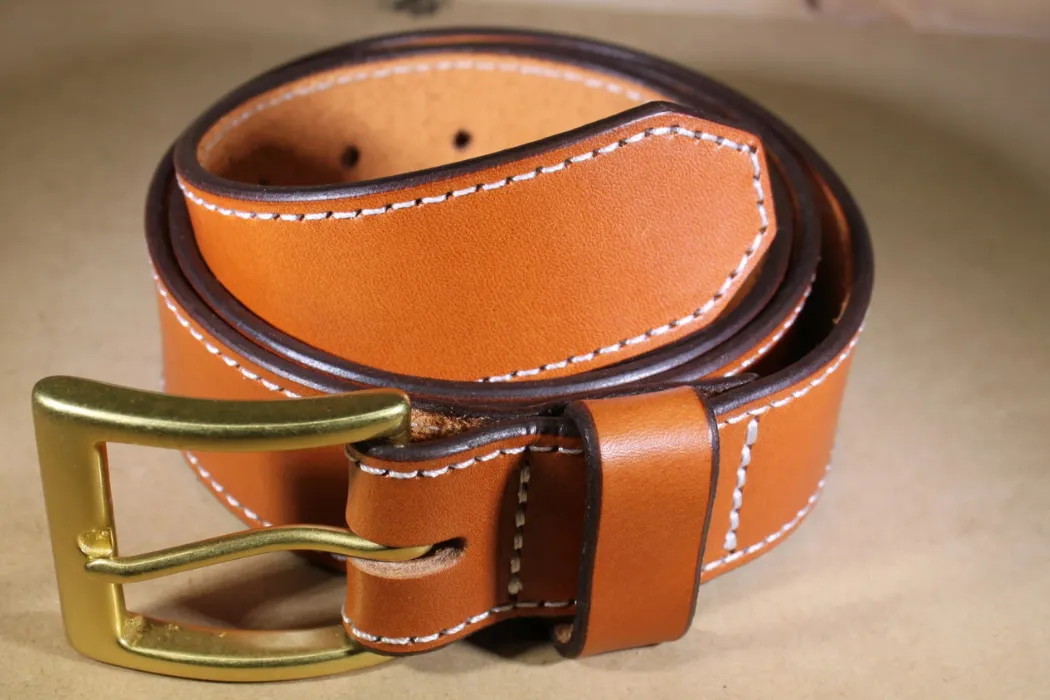
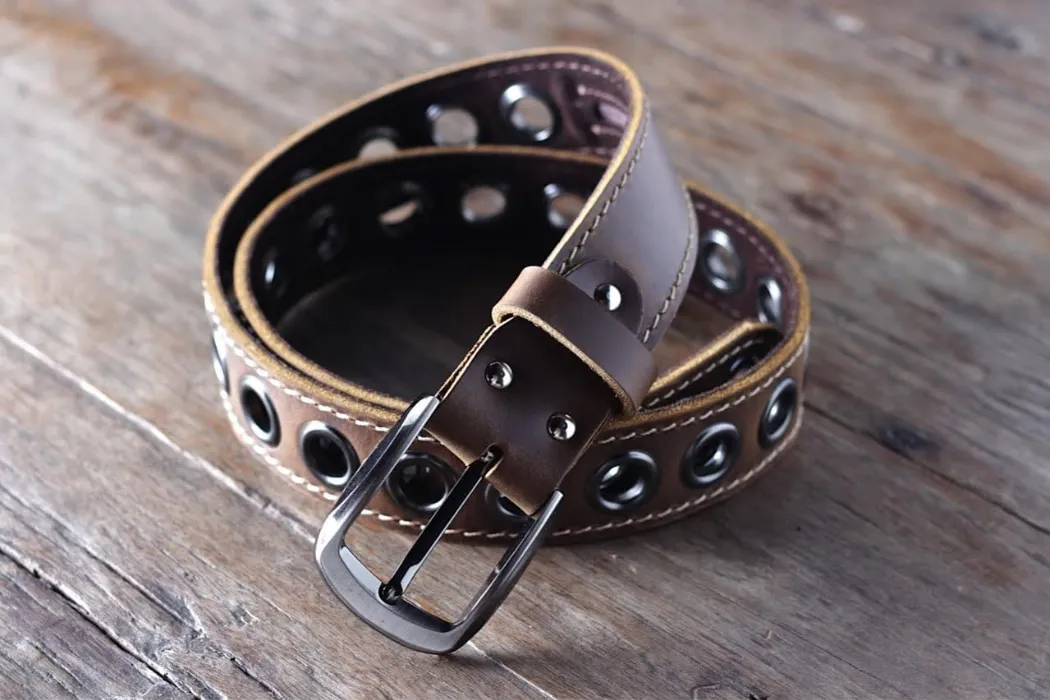
- Casual Belts (3.5mm – 4.0mm): typically made from a single layer of vegetable-tanned leather. The thickness comes from the natural hide, providing strength without synthetic stiffeners.
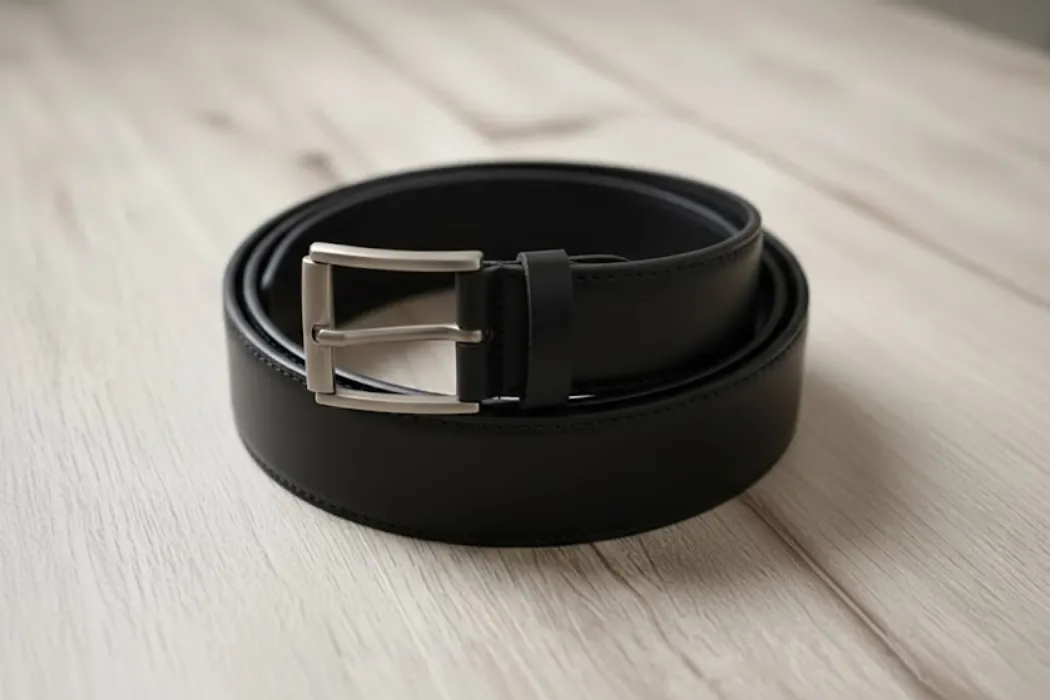
- Dress Belts (2.8mm – 3.2mm): These utilize a “feather-edge” construction. A thin top layer of leather (approx 0.8mm) is glued and stitched over a domed filler material to create a sleek, professional profile that slides easily through suit loops.
Choosing the wrong thickness is a common mistake; a dress belt thicker than 3.5mm will feel bulky and uncomfortable under a tailored suit jacket.
Hardware Load-Bearing Requirements vs. Aesthetic Plating
The buckle is the mechanical heart of the belt, but its purpose varies drastically between niches.
- Load-Bearing (Tactical): Hardware in this niche, such as Cobra buckles or V-ring fasteners, must be rated for safety. They often require tensile strength testing exceeding 500kg to ensure they do not fail during physical activity.
- Aesthetic Plating (Dress): Dress hardware focuses on surface finish. We test for corrosion resistance using a Salt Spray Test (usually 24 hours) to ensure the plating does not peel or tarnish after exposure to sweat.
- Durability (Casual): Casual buckles are often made of solid brass or heavy zinc alloy. They prioritize weight and “hand-feel” over load ratings or high-gloss shine.
Tactical hardware costs significantly more than fashion hardware because it requires certified safety ratings, whereas dress hardware costs are driven by the quality of the electroplating.
| Category | Typical Thickness | Strap Material Structure | Buckle Type | Reinforcement Method |
|---|---|---|---|---|
| Tactical | 4.0mm – 5.5mm | Nylon Webbing or Reinforced Leather | Quick-Release / Cobra (Load Rated) | Internal PE Stiffener Board |
| Dress | 2.8mm – 3.2mm | Top Grain Leather + Filler | Pin Buckle (Zinc/Stainless) | Bonded Fiber Filler |
| Casual | 3.5mm – 4.0mm | Full Grain Vegetable Tan | Roller or Plate Buckle | Natural Leather Fiber (No Filler) |
Which 10 Belt Niches Offer the Best Opportunities for Startups?
Finding a profitable niche requires looking for “underserved” functional needs rather than just copying popular trends. We have identified ten specific categories where startups can compete effectively against established giants by offering better specs or more specialized features.
The Tactical & Utility Sector (Niches 1-3)
This sector demands the highest engineering standards because the user’s safety often depends on the product.
- 1. EDC (Everyday Carry) / Gun Belts: This is currently the highest-growth niche. These belts must support a holster without twisting. We use a double-layer construction with a rigid core insert. The standard width is 1.5 inches (38mm) to fit standard holster clips.
- 2. Heavy-Duty Workwear: Designed for electricians and carpenters. These require thick Full-Grain Buffalo Leather (often 4.0mm+) because it resists abrasion better than cowhide. The buckle must be a solid, non-plated metal to hide scratches.
- 3. Outdoor Hiking & Adventure: Focuses on weight and water resistance. While often nylon, high-end versions use hydrophobic treated leather. The key selling point here is a “low profile” buckle that does not dig into the stomach while wearing a backpack hip belt.
Startups in the tactical space must prioritize tensile strength testing over aesthetics, as customers in this niche scrutinize failure points heavily.
The Formal & Professional Sector (Niches 4-6)
While the traditional dress belt market is saturated, specific sub-niches are seeing renewed interest due to changes in office attire.
- 4. Minimalist “Buy It For Life”: A reaction against fast fashion. These are single-layer, thick (3.5mm) straps with burnished edges and zero stitching. The value proposition is the quality of the vegetable-tanned leather which develops a patina over time.
- 5. Reversible Corporate Travel: A practical solution for business travelers. The engineering challenge is the Swivel Buckle mechanism, which is the most common failure point. High-quality production requires testing the swivel spring for 10,000+ cycles.
- 6. Premium Vegan / Eco-Dress: Moving beyond cheap PU. This niche uses bio-based materials like Cactus or Apple skin. The manufacturing challenge is bonding these materials to non-leather fillers without peeling (delamination).
Success in the professional sector relies on “perceived value”—clean packaging, perfect edge painting, and high-gloss hardware are mandatory.
The Casual & Lifestyle Sector (Niches 7-10)
This category allows for the most creative freedom but competes heavily on price.
- 7. Western & Denim Heavyweight: These belts are wide (40mm – 45mm) and require specialized “tooling” machinery to emboss patterns. They consume significantly more raw material per unit.
- 8. Braided & Woven: A complex manufacturing process. These are not cut from a single hide but woven from scraps or elastic cords. They are excellent for inventory management because they are “size-flexible” (no fixed holes).
- 9. Personalized & Giftable: Focuses on the unboxing experience. The belt itself is simple, but the leather must be vegetable-tanned to accept custom laser engraving or hot stamping clearly.
- 10. Vintage Distressed: Pre-washed leather that looks aged. Achieving this look requires a “tumbling” process in giant drums with stones or ceramic balls, which softens the fibers significantly.
Casual niches are less about technical specs and more about “hand-feel” and unique visual textures that stand out in online photos.
| Niche Name | Startup Difficulty | Avg Retail Price | Primary Material Cost |
|---|---|---|---|
| EDC / Gun Belt | High (Strict QC) | $60 – $110 | High (Reinforced) |
| Minimalist Dress | Low (Simple Design) | $45 – $85 | Medium (Quality Leather) |
| Eco/Vegan Dress | Medium (Sourcing) | $40 – $70 | Medium (Bio-Materials) |
| Western / Denim | Medium (Tooling) | $50 – $90 | High (Volume of Leather) |
| Braided Casual | Low (Sizing Easy) | $25 – $45 | Low (Scrap/Fabric) |
How Do Material Costs Vary Across These Categories?
A common misconception among startups is that the price of the belt is determined solely by the amount of leather used. In reality, the cost structure shifts dramatically depending on the tanning method, the hardware certification, and the complexity of the assembly labor.
Calculating Costs for Vegetable Tanned Leather vs. Chrome Tanned
The choice between these two leathers is the single biggest factor in your Bill of Materials (BOM).
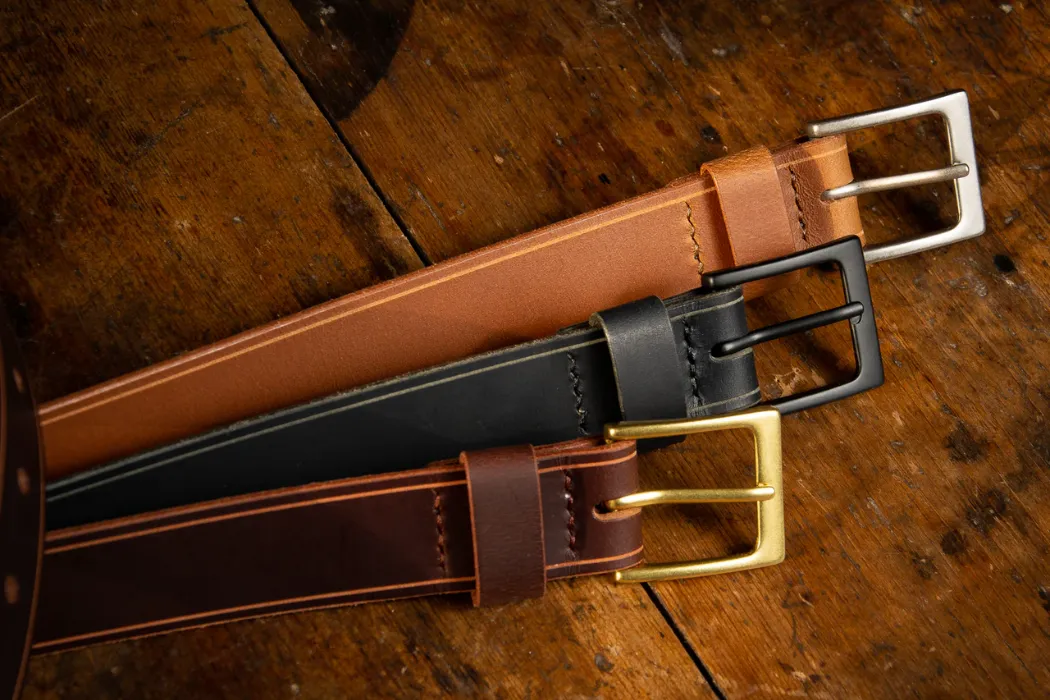
- Vegetable Tanned (High Cost): This traditional method uses tree bark tannins and takes 40 to 60 days to complete. Because of this slow process, veg-tan leather is significantly more expensive, often costing 30-50% more per square foot than chrome leather. It is rigid, thick, and ideal for casual or minimalist belts that need to hold their shape.
- Chrome Tanned (Lower Cost): This modern method uses mineral salts and takes only 1 to 3 days. It produces soft, flexible leather used in dress belts (as the top layer) or fashion bags. It is cheaper and more consistent in color, reducing waste during cutting.
For a startup, using Vegetable Tanned leather requires a higher upfront capital investment for raw materials, but it often lowers labor costs because the edges can be simply burnished rather than painted.
The Hidden Cost of Nylon Webbing vs. Genuine Leather
Many assume nylon tactical belts are “cheap” to make because nylon webbing costs pennies per meter. This is a trap.
- Leather: The material is expensive, but the construction is linear: Cut -> Edge -> Buckle. The labor time is moderate.
- Nylon / Tactical: The material is cheap, but the labor cost is high. A proper tactical belt requires expensive computerized sewing machines to create “Bar-Tack” reinforcement stitches (dense stitching patterns). It also requires sandwiching internal stiffeners and Velcro layers perfectly straight.
If you are building a tactical brand, your budget will go toward skilled sewing labor; if you are building a heritage brand, your budget will go toward premium hides.
Hardware Pricing: Zinc Alloy (Casual) vs. Cobra/AustriAlpin (Tactical)
Hardware can range from 10% to 60% of your total product cost depending on the niche.
- Zinc Alloy (Standard Casual/Dress): Most fashion buckles are die-cast zinc. They are inexpensive (often $0.50 – $1.50 per unit) and easy to plate in silver, gold, or gunmetal finishes.
- AustriAlpin / Cobra (Tactical): These are patented, load-rated safety buckles machined from 7075 aluminum. A genuine Cobra buckle can cost $15.00 – $25.00+ per unit just for the part itself.
Startups often try to use “fake” Cobra-style buckles to save money, but in the tactical niche, users can spot a non-branded knockoff immediately, which can destroy brand trust.
Do Testing Standards Differ for Fashion and Functional Belts?
Testing protocols are not just paperwork; they are your insurance policy against product liability and returns. A tactical belt requires safety certification, whereas a dress belt requires aesthetic durability testing. Startups often fail to specify these tests in their tech packs, leading to batches that look good but fail in real-world use.
Tensile Strength Requirements for Tactical Gear (Safety focus)
For a tactical belt, the primary risk is catastrophic mechanical failure. If a buckle snaps or stitching tears while carrying a holster or climbing gear, the result could be injury.
- The Standard: A true load-bearing belt must withstand a straight pull force of at least 200kg (approx 440 lbs). Specialized safety lanyards require ratings up to 15kN (approx 1500kg).
- Failure Points: We rarely see the webbing break. Instead, failure usually occurs at the bar-tack stitching (where the thread rips) or the buckle prong (which bends under pressure).
Fashion belts are typically only tested to 40-50kg, which is sufficient to hold up trousers but dangerous for carrying equipment.
Flex Testing and Color Fastness for Dress Belts (Aesthetic focus)
Dress belt owners do not care about load ratings; they care about appearance longevity. The two most common complaints are “cracking leather” and “dye staining shirts.”
- Flex Testing (Bally Flexometer): This machine bends the leather repeatedly to simulate daily wear. A high-quality dress belt strap should survive 5,000 to 10,000 flex cycles without the surface coating cracking or peeling.
- Color Fastness (Rub Test): We rub a white cloth against the belt surface (wet and dry) for 50-100 cycles. The result is graded on a scale of 1 to 5. A formal belt must achieve Grade 4-5 to ensure it never stains a white suit shirt.
| Test Type | Tactical Standard | Dress Standard | Why It Matters |
|---|---|---|---|
| Tensile Strength (Pull) | > 200kg (Critical) | > 40kg (Basic) | Prevents buckle snapping under load. |
| Flex Resistance | Not Critical (Stiff) | > 5,000 Cycles | Prevents surface cracking at holes. |
| Color Fastness (Rub) | Grade 3-4 | Grade 4-5 (Strict) | Stops dye from ruining clothing. |
| Salt Spray (Corrosion) | 12 Hours (Matte) | 24 Hours (Shiny) | Ensures hardware does not rust or pit. |
Why Is Choosing the Right Manufacturer Critical for Your Niche?
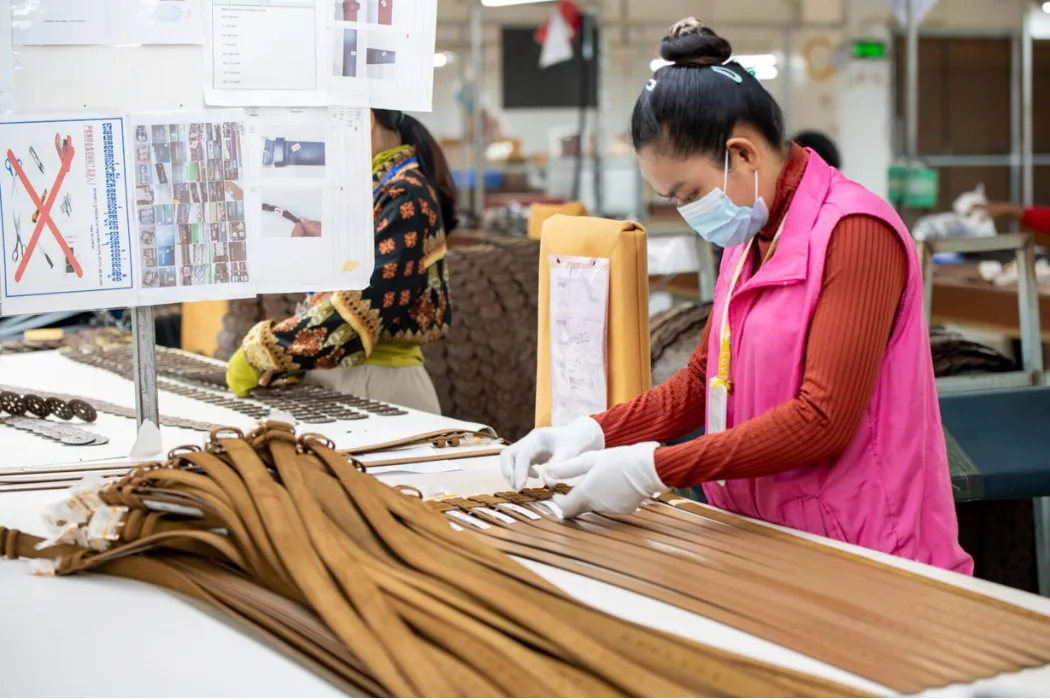
The most common mistake startups make is selecting a factory based solely on the lowest price per unit. However, belt manufacturing requires specialized heavy-duty machinery that general “sewing factories” simply do not possess. Choosing the wrong partner leads to delayed shipments and inconsistent quality.
Factory Specialization: Why “Bag Factories” Struggle with “Stiff Belts”
Many brands try to produce belts at the same factory that makes their handbags to consolidate shipping. This is often a technical error.
- Machinery Torque: Handbag factories use sewing machines designed for soft, flexible materials. When they attempt to sew through 4.0mm of rigid vegetable-tanned leather or reinforced tactical webbing, the needles deflect. This causes crooked stitch lines and broken threads.
- Edge Painting Automation: High-volume belt production requires automated “inking” machines to apply edge paint evenly along a 40-inch strap. Bag factories usually paint edges by hand, which is too slow and inconsistent for belt orders over 500 pieces.
For tactical or heavy casual belts, you must verify that the factory owns computerized pattern sewers capable of punching through multi-layer laminations without skipping stitches.
The Importance of Vertical Integration for Leather Finishing
Buying pre-finished leather from a third-party tannery is the most expensive way to manufacture. It also limits your control over the final look.
- The “Crust” Advantage: Advanced manufacturers buy “crust” (unfinished) leather and operate their own finishing lines in-house. This allows them to spray custom colors or apply oil/wax finishes on demand.
- Cost & Speed: Integrated factories can correct color variations immediately without waiting weeks for a new batch from a tannery. This vertical control stabilizes your supply chain and significantly lowers the cost per square foot.
If your niche relies on specific aesthetics, like “Vintage Distressed” or precise Pantone color matching, a vertically integrated partner is essential for maintaining consistency across batches.
Understanding MOQs (Minimum Order Quantities) for Custom Hardware
Hardware determines your minimum commitment. While leather straps can be cut in small batches, metal buckles require industrial casting.
- Standard Molds (Low MOQ): If you choose an existing buckle mold from the factory’s catalog, you can often start with orders as low as 300 pieces.
- Custom Molds (High MOQ): Designing your own unique buckle shape requires paying a mold fee (typically $500 – $1,500). More importantly, metal casting factories usually require a minimum run of 1,000 to 3,000 pieces per finish to heat up the furnace.
For startups, the smartest strategy is to launch with standard hardware to test the market, then invest in custom tooling once sales volume justifies the high MOQs.
Frequently Asked Questions
What is the best leather thickness for a gun belt?
A functional gun belt requires a minimum thickness of 4.0mm to 5.0mm. Standard leather (3.5mm) will sag under the weight of a holster. Most brands achieve this by gluing two layers of leather together with a rigid core in the middle.
How much does it cost to manufacture a custom leather belt?
Costs vary widely by specs. A simple casual leather belt might cost $8 – $12 (FOB), while a complex tactical belt with a rated Cobra buckle and reinforced stitching can range from $18 – $28. Custom hardware molds add upfront costs.
What is the difference between full-grain and top-grain belts?
Full-grain is the outer layer of the hide with natural fibers intact, offering maximum strength for workwear. Top-grain has the outer surface sanded off to remove imperfections, making it smoother and more suitable for dress belts but slightly weaker.
Can I make tactical belts using leather?
Yes, but they must be reinforced. Leather alone stretches over time. To make a “tactical leather belt,” you must sandwich a stiffener (like a PE board or nylon webbing) between two layers of leather to prevent vertical rolling.
What is the standard width for a men’s dress belt?
The global standard for formal suits is 30mm to 35mm (1.25 to 1.35 inches). Anything wider than 35mm looks too casual for a suit; anything narrower looks feminine or dated.
Is vegetable tanned leather better for casual belts?
Generally, yes. Vegetable-tanned leather is stiffer and develops a rich patina over time, which appeals to the “heritage” and casual denim market. Chrome-tanned leather is too soft and stretchy for a single-layer casual belt.
Conclusion
Success in the belt industry is not about finding the “coolest” design, but about choosing a niche where you can solve a specific problem—whether that is holding up 5kg of tools or looking pristine in a boardroom. Startups must align their material specifications, testing protocols, and hardware choices with the real-world demands of their end user.
However, finding a manufacturer capable of switching between heavy-duty tactical stitching and refined dress edge-painting is difficult. This is where Hoplok Leather Goods excels. With 22+ years of experience and integrated factories in both China and Cambodia, we provide the technical versatility to handle complex specs for any niche. Whether you need load-rated utility gear or hand-finished luxury leather from our in-house Pro Pelli facility, Hoplok delivers the engineering precision your brand needs to scale.