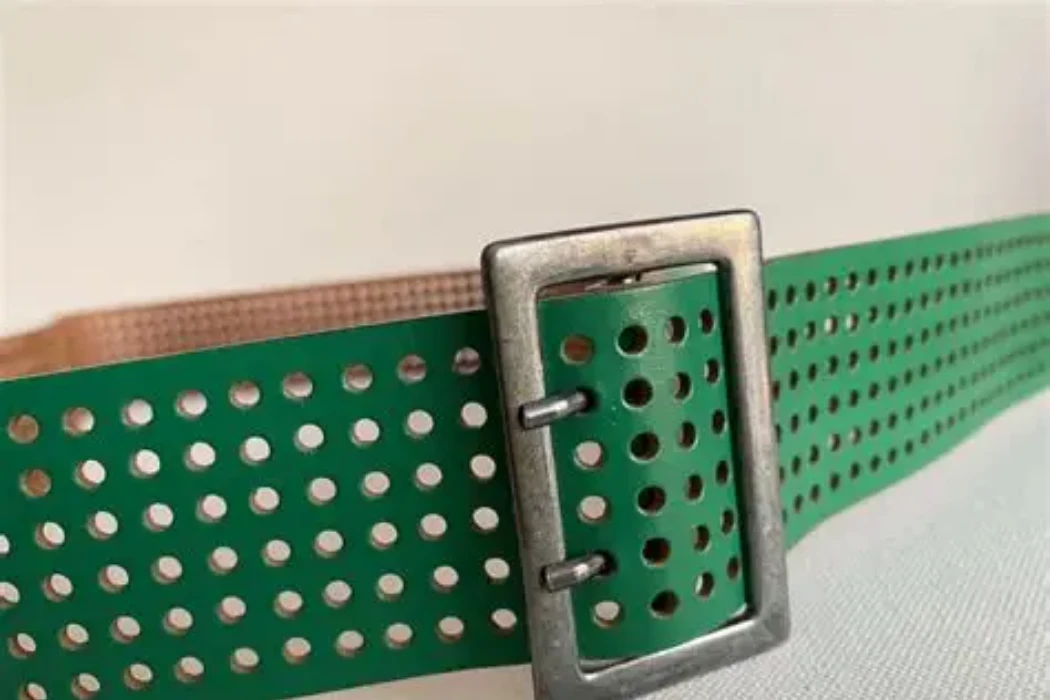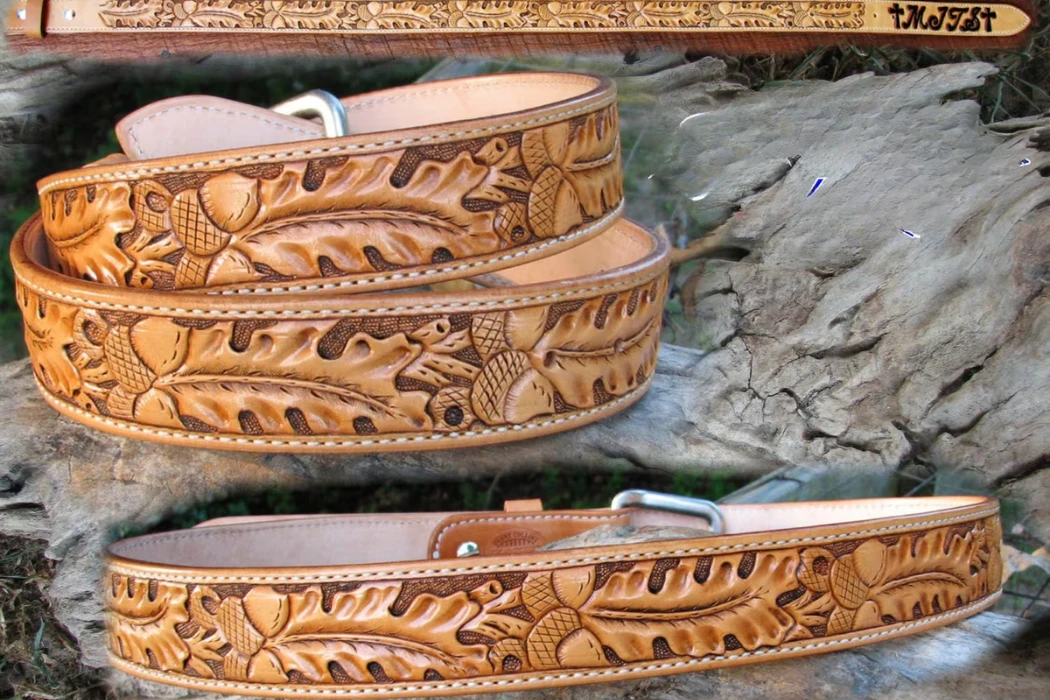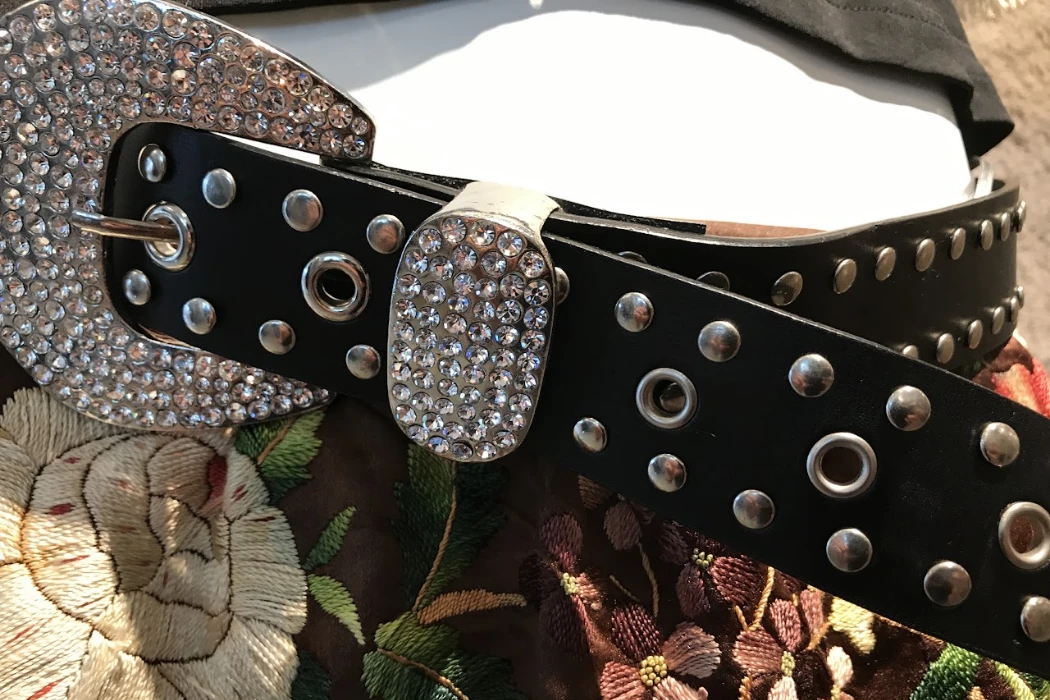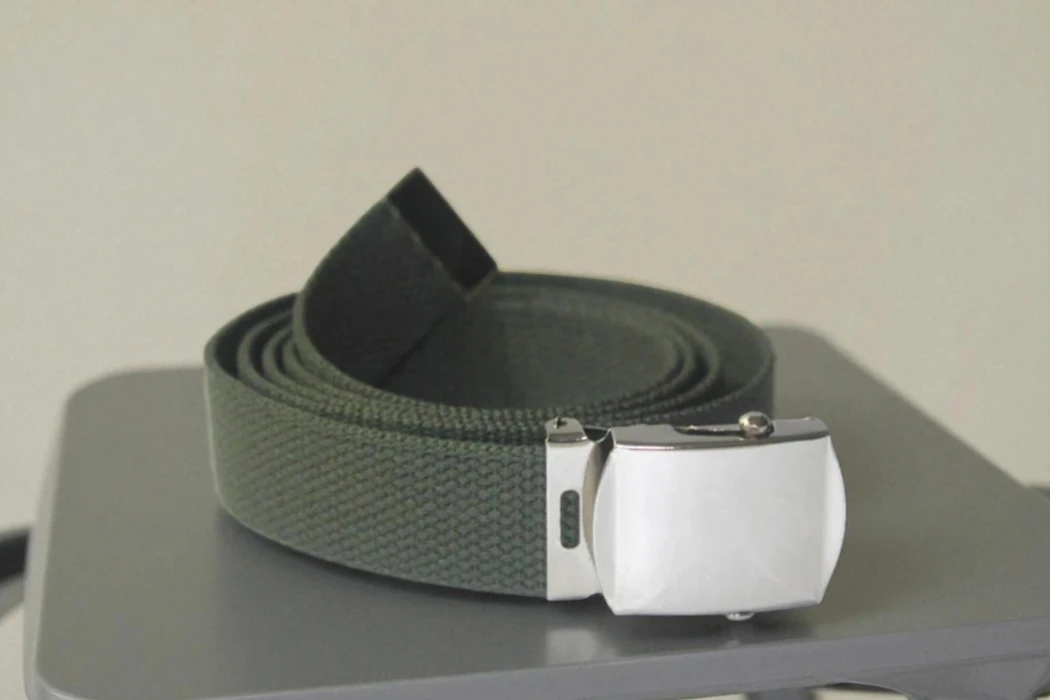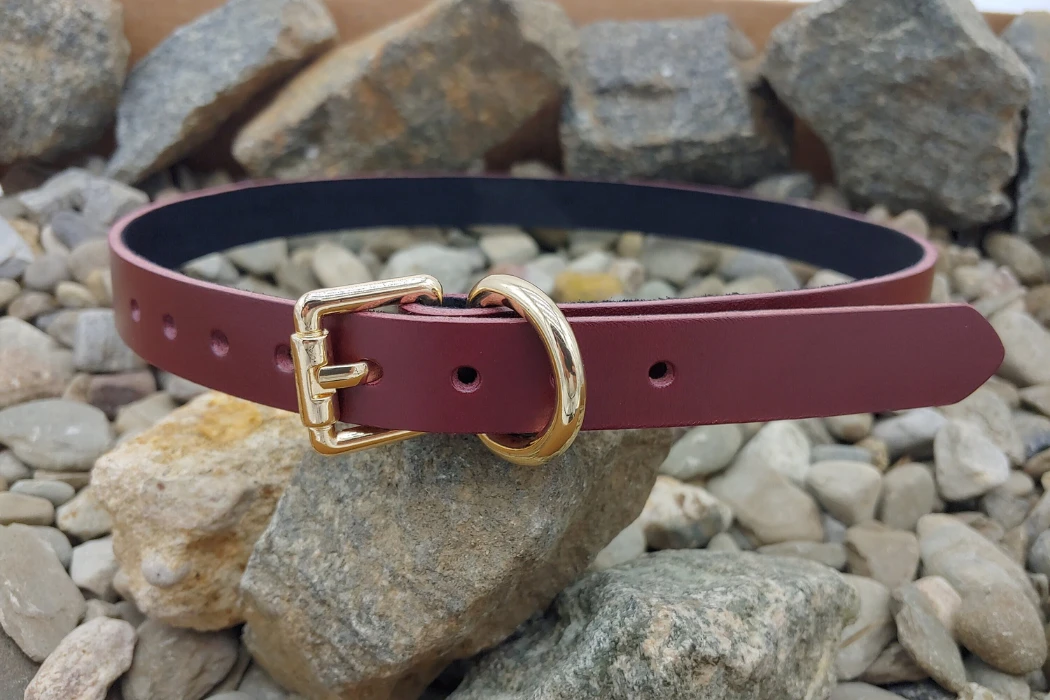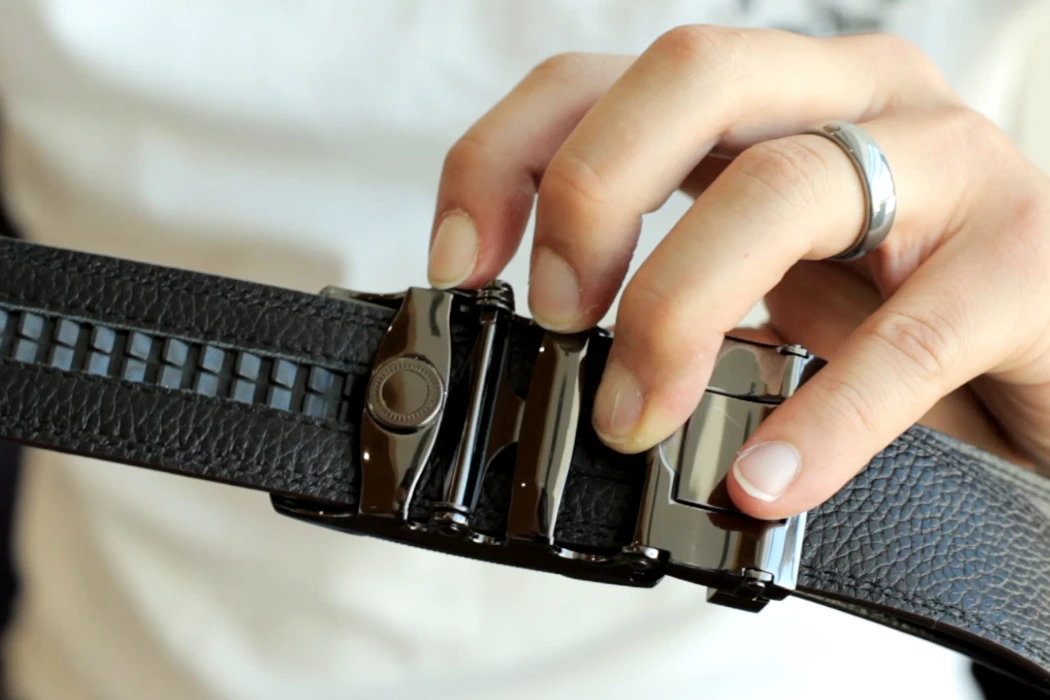
Choose belt packaging for the retailer’s display, product protection, required information and delivered cost. The appropriate format depends on the belt, distribution route and sales channel; a packaging style alone does not establish better sales or fewer claims.
This guide compares five packaging formats and the decisions needed to approve them. Evaluate materials, graphics, packing labor, transport volume and relevant tests on the complete packed product.
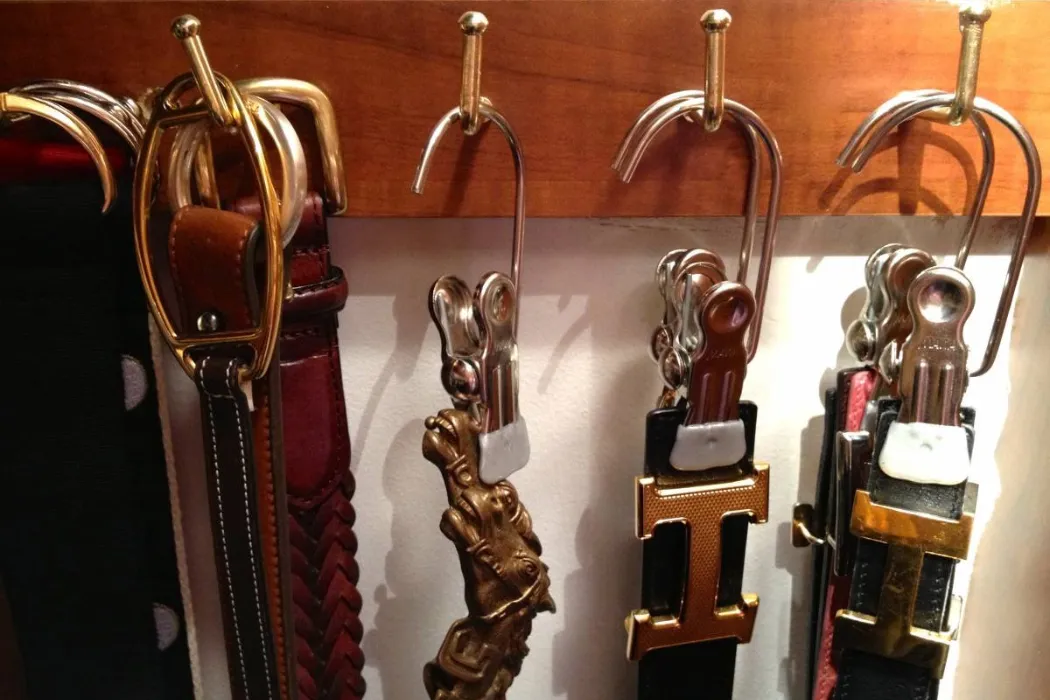
5 Types of Retail Packaging for Belts
Quick Comparison
| Format | Intended role | What to approve |
|---|---|---|
| Hangtags & J-Hooks | Rack presentation | Attachment, information and separate transit protection |
| Rigid Gift Boxes | Boxed presentation | Insert fit, packed volume and transport testing |
| Canvas Dust Bags | Storage or presentation pouch | Composition, transfer risk and any reuse claim |
| PDQ Displays | Countertop presentation | Retailer dimensions, stability and replenishment |
| Kraft Sleeves | Paper wrap or band | Fit, graphics and protection from other packing |
Role: Rack presentation. Review: Attachment, information and separate transit protection.
Rigid Gift Boxes
Role: Boxed presentation. Review: Insert fit, packed volume and transport testing.
Canvas Dust Bags
Role: Storage or presentation pouch. Review: Composition, transfer risk and any reuse claim.
PDQ Displays
Role: Countertop presentation. Review: Retailer dimensions, stability and replenishment.
Kraft Sleeves
Role: Paper wrap or band. Review: Fit, graphics and protection from other packing.
Packaging and Product Presentation
Packaging can communicate the collection’s visual identity and product information. Choose the presentation using retailer requirements and brand evidence, then balance it with protection and cost. It does not guarantee a higher retail price or repeat purchase.
Approving Feel, Weight and Appearance
Approve a physical sample for board or fabric feel, print, color, finish and opening method. Black-and-gold or heavier packaging may suit some briefs, but these are design choices rather than universal signs of quality. Check the packed belt alongside the package.
Product Information and Brand Consistency
Use accurate, legible information and consistent approved artwork. Evaluate display performance with the retailer’s actual shelf or rack. Any sourcing or certification statement printed on packaging should match the evidence and permitted scope.
Specifying Presentation and Claim Evidence
For the packaging brief, specify the intended finish, graphics, dimensions and any reuse feature. Environmental or material claims printed on the package need their own evidence. If ProPelli’s current LWG Gold rating is mentioned, identify it as a leather finishing facility rating rather than a certification of every packaged belt.
Logistics: Barcoding & Drop Testing
Define the retailer’s label requirements and a suitable transit-test plan for the actual route. Barcode accuracy and package performance need separate checks. Neither a barcode nor a passed sample test guarantees error-free delivery.
Barcode Systems for Tracking and Sorting
Obtain buyer-approved identifiers, data, layout and placement for product and carton labels. Verify artwork and scanning on the final pack. Confirm data exchange requirements separately; Hoplok does not provide customer ERP/API or EDI integration.
Drop Testing for Shipping Durability
Agree the relevant test procedure, packed configuration and acceptance criteria before testing. ISTA guidance emphasizes defining product-damage and package-degradation allowances. Carton ply count alone cannot establish protection, and tested results apply to the evaluated configuration.
Scale Your Brand With Premium Belts
Plan the belt and packaging together. Hoplok’s belt MOQ is 300 genuine leather or 1,000 PU units; confirm packaging minimums, sampling and the production schedule for the selected design.
Start Your Custom Project →
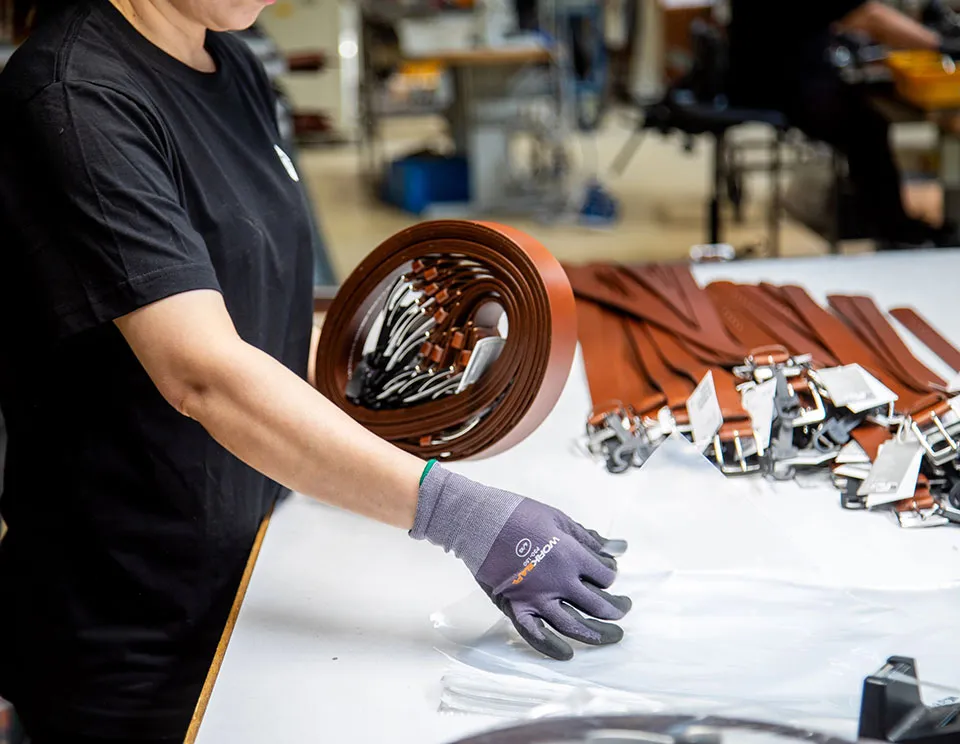
Use a hangtag or hanger where it meets the retailer’s display method. Specify product information, attachment and presentation. Confirm separate protection for transport and storage where the tag or hook does not cover the product.
Customization and Material Options
Specify tag dimensions, board or other material, printing, holes and attachment. Approve any foil, embossing or reinforcement on a sample. A fixed cardstock thickness is not required for every tag.
Primary Applications and Markets
Check rack clearance, hanging orientation, access to size information and removal after purchase. Validate the hook or attachment with the actual belt weight and finish so display does not damage the product.
Production and Ordering Considerations
Confirm tag/hanger quantities, setup charges, artwork approval and attachment responsibilities in the quotation. Packaging minimums and lead times may differ from belt production. Approve the packed sample before release.
Type #2: Rigid Gift Boxes (Luxury)
A rigid box can support a boxed presentation, but its protection depends on dimensions, board, insert and outer transport pack. Compare the approved sample and delivered cost with the retailer’s requirements.
Common Box Structures
Review lid-and-base, shoulder, drawer or closure designs where suitable. Check opening, retention, artwork alignment and packing steps on the sample. The preferred structure should serve the presentation and distribution brief.
Materials and Protection
Define board, wraps, insert materials and contact surfaces. Secure the strap and buckle while checking for rubbing, color transfer or pressure marks. Confirm whether coatings, foams or textiles affect any recycling or material claims.
Logistical Considerations
Measure the packed belt and approve the required clearance with the insert. Calculate carton quantities, packed volume and handling weight from the actual design.
Type #3: Canvas Dust Bags (Storage and Presentation)
A dust bag may serve as a storage or presentation pouch. Specify the fabric and construction and assess whether it provides the desired protection. Reuse potential does not automatically establish a lower footprint or biodegradability.
Material Composition and Claim Evidence
Request the actual fiber composition and evidence for any organic or recycled-content claim. Review inks, coatings, drawcords and other components. A harmful-substance certificate has a defined scope and does not prove absolute safety, organic content or compostability.
Storage Function and Reuse Requirements
Approve the opening size, drawcord, seam quality and product fit. Check rubbing or color transfer where fabric touches the belt. If reuse is part of the brief, evaluate the relevant construction and care guidance rather than promising years of use.
Cost and Sourcing Considerations
Compare actual material, printing, sewing and logistics costs at the required quantity. Review the evidence behind environmental comparisons; cotton, recycled blends or water-based inks are not automatically preferable under every assessment. The FTC Green Guides summary explains why environmental packaging claims need substantiation and appropriate qualification.
Type #4: PDQ Displays (Countertop)
A countertop display can organize a defined belt assortment at the retailer’s approved location. Obtain the permitted footprint, height, product count and merchandising requirements. A PDQ format does not guarantee impulse sales.
Function and Strategic Placement
Confirm the retailer’s actual display location and replenishment method. Test visibility, access, stability and removal of individual belts on the packed sample. Do not assume every checkout permits the same display size or presentation.
Display Materials and Construction
Specify the display board, construction and load configuration. Validate assembly steps and stability with the intended products. Decide whether it ships loaded or separately and provide appropriate outer transport protection.
Display Artwork and Branding
Approve the dieline, artwork, finish and product fit with the retailer. Keep graphics readable at the intended viewing distance and avoid obstructing product information. Confirm tooling, printing and assembly costs for the approved version.
Type #5: Kraft Sleeves
A sleeve or belly band can carry graphics and product information around a folded or rolled belt. Specify the paper, dimensions, closure and contact surfaces, then test fit and removal without marking the leather. It usually needs an appropriate outer packing system for transit protection. Assess recyclability from the actual paper, coatings, adhesives and available collection route rather than from the kraft appearance alone.
Final Thoughts
Compare the complete packaging system against display, protection, information and cost requirements. Select the format from approved samples and relevant transit results, with environmental statements limited to the evidence available.
For Hoplok custom belt projects, submit the packaging brief with the belt specification. Confirm material availability, artwork, separate packaging samples and approval timing in the project schedule.
Frequently Asked Questions
What is the minimum order quantity (MOQ) for custom belt packaging?
Plan retail packaging alongside your belt order. Hoplok’s belt MOQ is 300 pieces in leather or 1,000 pieces in PU. Packaging suppliers may have separate setup costs or quantity requirements; request these as distinct quotation items.
Can we customize the retail packaging with our own branding?
Discuss the required package structure, logo, color, graphics and finish with the belt order. Confirm feasibility, minimums, artwork and the approved physical sample before production.
What are the typical production lead times for custom packaging?
Belt sampling takes 2–3 weeks and bulk production takes 60–90 days. Agree on packaging artwork, materials, approvals and any separate packaging samples in the project schedule; do not assume that packaging approval alone starts belt production.
Do you offer sustainable or eco-friendly packaging options?
Request materials that support the specific environmental goal, then review composition and claim evidence. Recycled content, recyclability and compostability are different claims; no blanket REACH or CPSIA guarantee follows from an “eco-friendly” description.
How do you ensure the packaging is durable enough for shipping?
Agree the outer carton, interior protection, packing configuration and relevant transit tests for the actual product and route. Carton ply count alone does not prove that the belt and buckle will arrive undamaged.
What are the best packaging ideas for belts?
Compare hangtags or hooks, rigid boxes, dust bags, PDQ displays and sleeves against the retailer’s requirements and the product’s protection needs. Approve the structure, print, insert and transport configuration together instead of selecting on appearance alone.
How much do custom rigid gift boxes cost?
Request a packaging quotation for the actual dimensions, materials, printing, finishes and quantity. Identify packaging samples and any tooling or setup charges separately from the belt price so the costs can be compared on the same basis.
What is the standard size for a belt hang tag?
Choose the hang-tag dimensions to suit the product, retail presentation and required information. Include the brand, agreed size reference and accurate material composition. ProPelli’s LWG Gold facility rating should not be used as the material composition field.