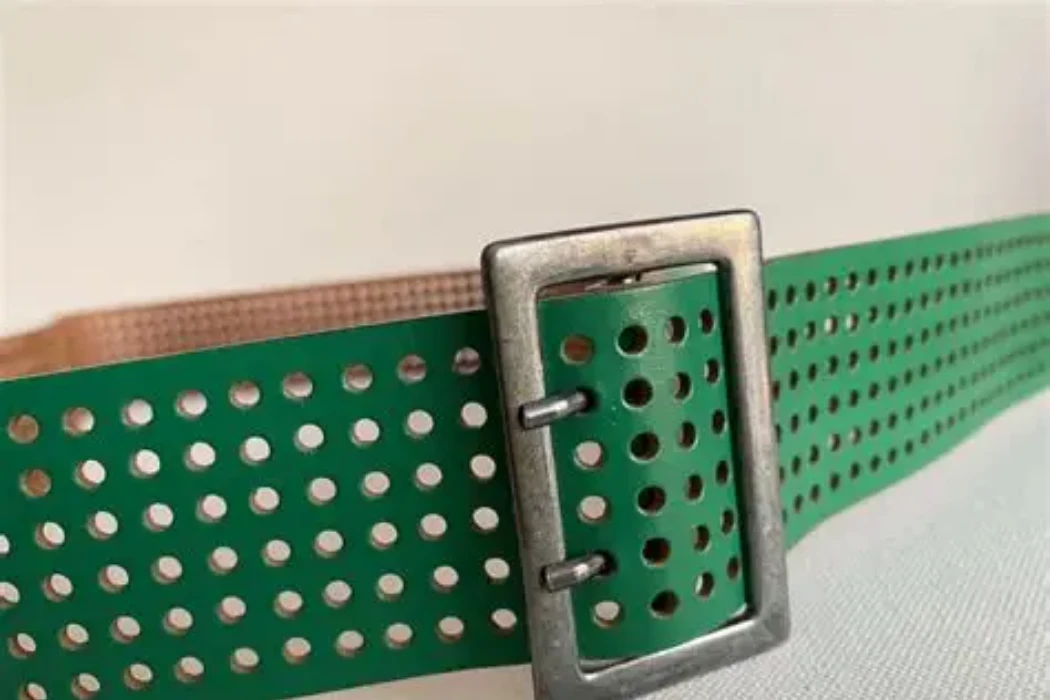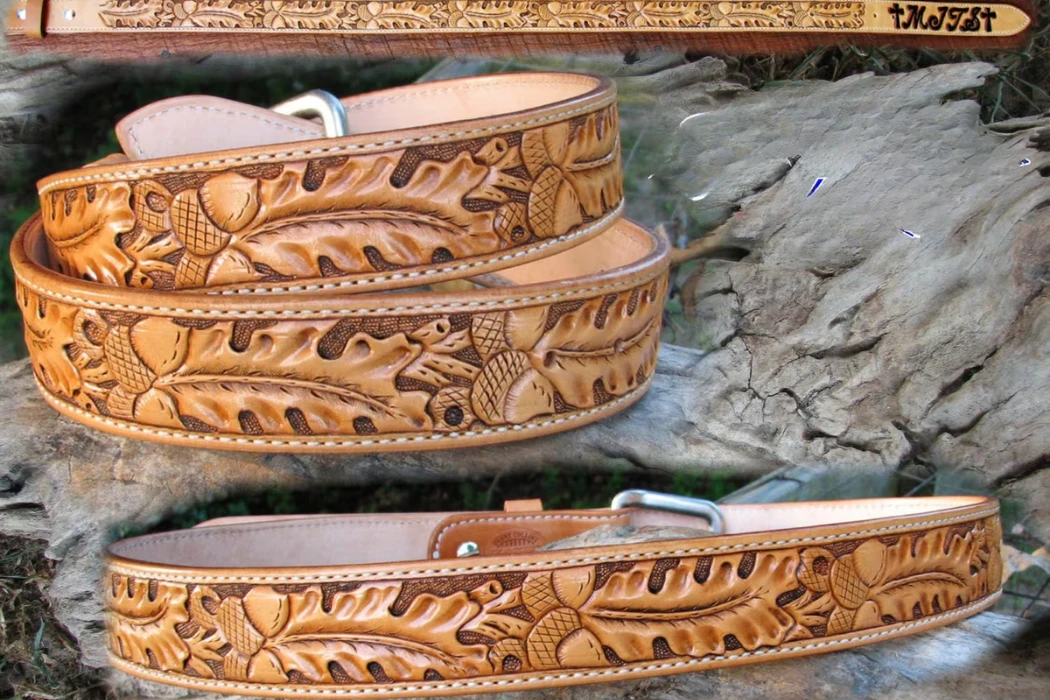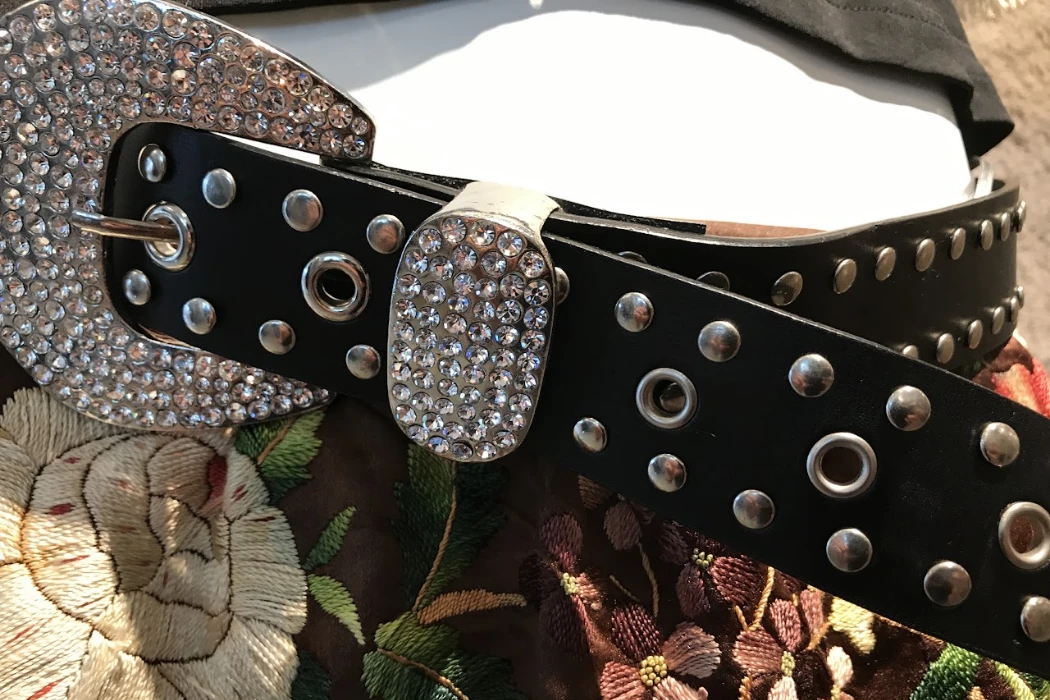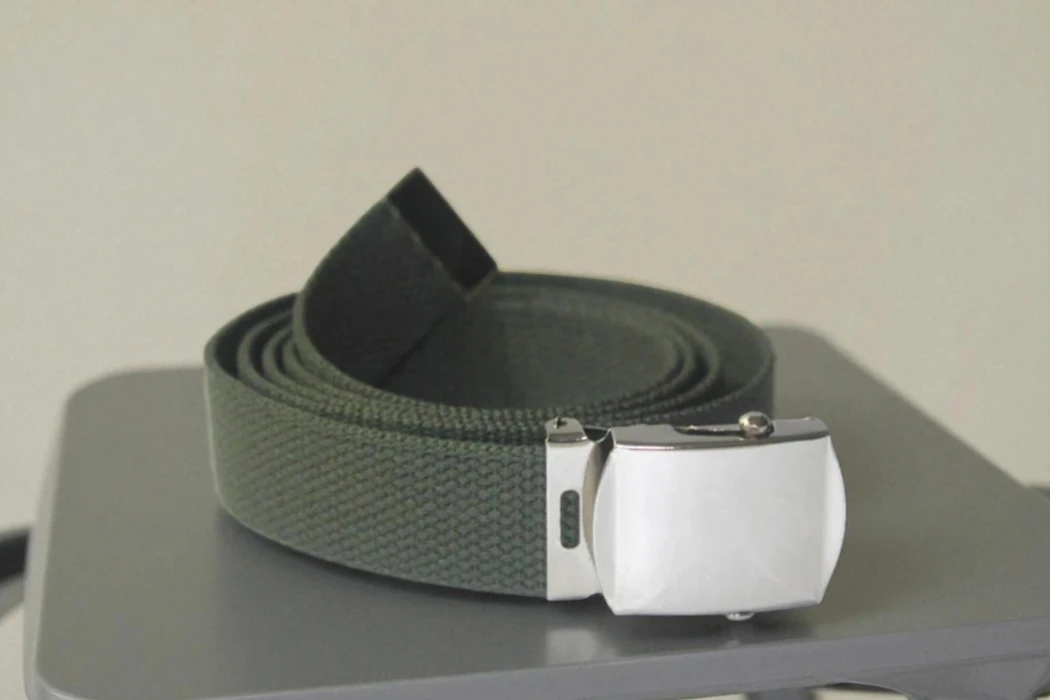
A brand name does not, by itself, make a wallet and belt set more durable. The materials, component design, construction, finish and intended use determine how each item performs. A coordinated gift box can contain well-developed products or poorly specified ones at many price levels.
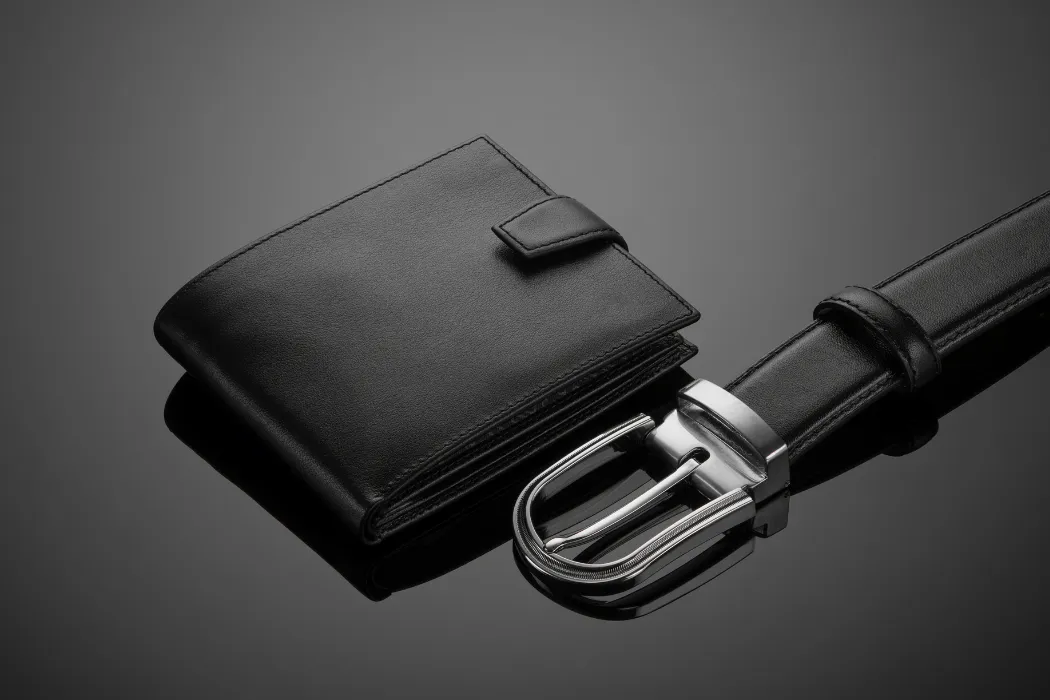
For a private-label buyer, evaluate the wallet and belt as two products before approving them as one set. Matching their color is only part of the job: a strap repeatedly bends at its wearing hole, while a wallet flexes around a stack of cards and lining.
Build two specifications and one matching standard
The belt and wallet may need different leather thicknesses and firmness even when they share a color and grain. Requiring an identical material construction can make the wallet too bulky or the strap unsuitable for its buckle. Approve the visual relationship alongside each item’s functional requirements.
| Specification | Belt | Wallet |
|---|---|---|
| Material | Face, backing, reinforcement and total strap construction | Outer, internal panels, lining and reinforcement |
| Dimensions | Width, measured fit, holes, tip and buckle opening | Closed size, card-slot dimensions and loaded thickness |
| Construction | Buckle attachment, keeper, edges and stitching | Folds, seam allowances, slot reinforcement and closure |
| Appearance | Color, grain, sheen and permitted variation | Matching relationship to the belt, including skived and folded areas |
| Branding | Logo method and location away from unsuitable stress points | Logo legibility without interfering with pockets or folds |
Material labels do not establish a lifespan
“Genuine leather” does not identify a precise leather layer, finish or performance level. Full-grain describes a retained natural grain surface; it does not make a product indestructible. Ask for the actual material construction and evaluate it in the approved sample.
Single-layer and laminated belts solve different design problems. A layered construction can support a particular silhouette or finish, provided its materials and bonding are qualified. It should not automatically be described as a disposable product. Likewise, a leather-lined wallet is not automatically stronger or more practical than every textile-lined design.
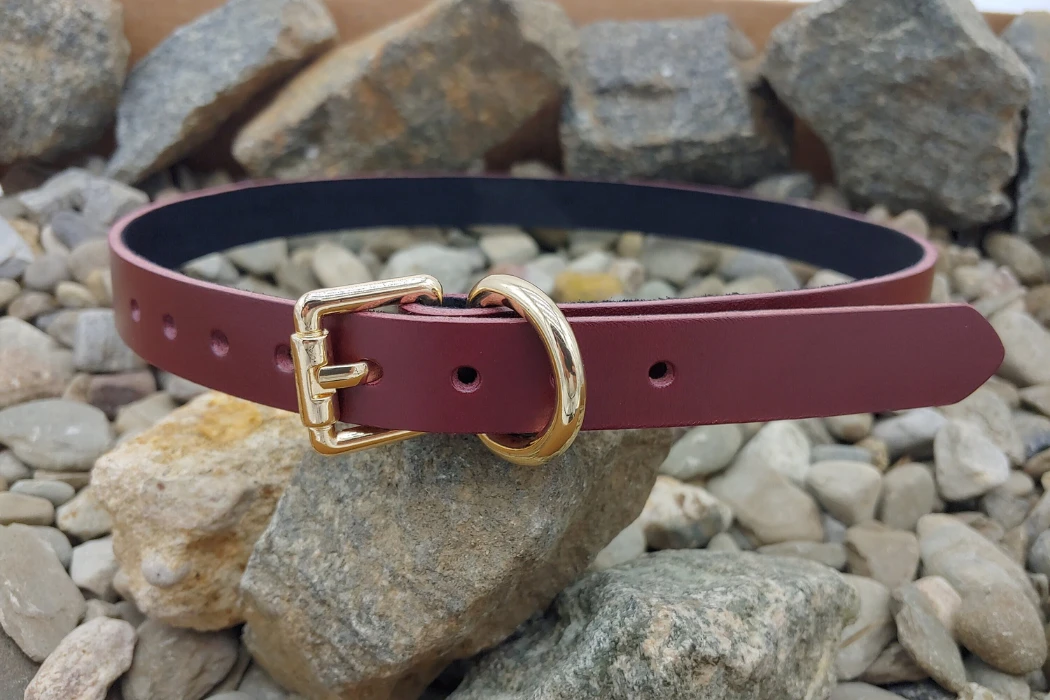
Distinguish the metal substrate from its color finish. “Gold-tone” does not identify an alloy, and a heavy buckle does not prove strength. Specify the component, attachment and finish, then check the assembled belt rather than assigning quality from weight or smell.
Test the stress points that the customer actually uses
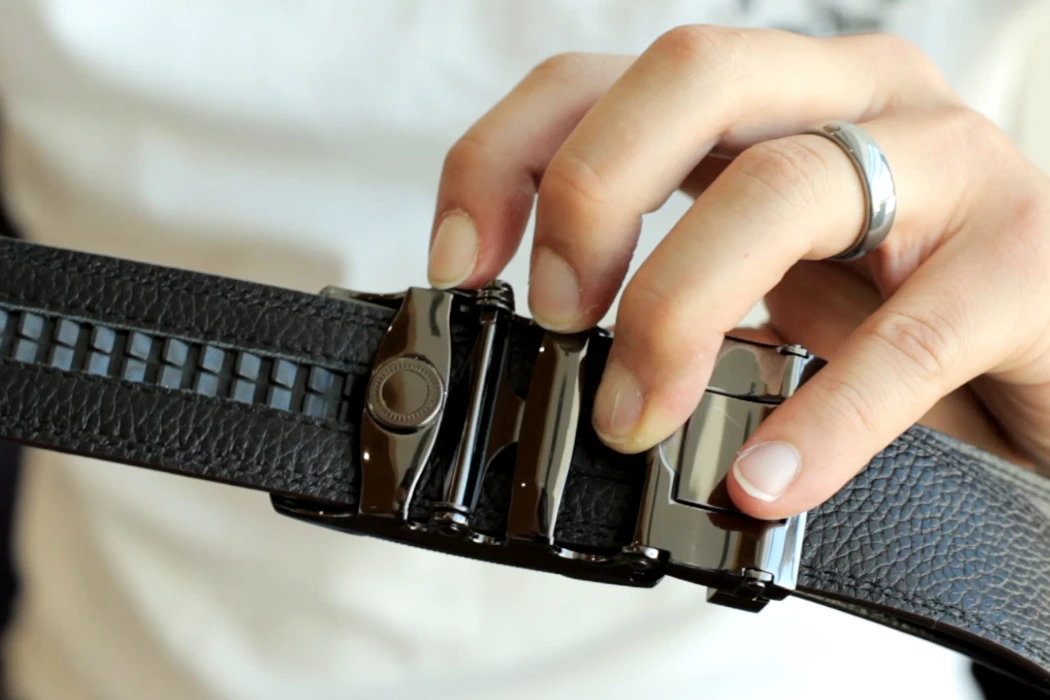
For the belt, inspect the buckle fold, hole area, keeper and edge. Check the pin’s fit, the ease of fastening and whether the strap passes through the intended garment loops. A detachable buckle needs its own attachment and retention requirements; a permanent fixing is not automatically inferior.
For the wallet, load the intended card and currency formats. Check insertion and removal, pocket access, closure alignment and whether the folded stack strains the seams. Review corners and internal edges as well as the attractive outer panel.
Painted and burnished edges should be judged against their intended appearance and use. They are different processes. Neither a painted edge nor a particular stitch count guarantees failure, and burnishing does not melt collagen into an unbreakable seal.
Turn durability into an acceptance plan
Agree the visual, dimensional and functional checks for each product, plus any relevant laboratory testing. Identify the method, sample, conditions and pass criteria. A test-method reference alone is not a performance promise.
- Review flexing and finish appearance on the relevant folds.
- Check color transfer where the product contacts clothing or its partner item.
- Assess hardware operation and its attachment in the completed construction.
- Inspect the assembled wallet with the agreed contents.
- Record unacceptable defects and approved natural variation.
- Define how a changed material or component triggers another approval.
A warranty is a separate commercial commitment. Its duration, exclusions and remedy should be written clearly. Avoid deriving a ten-year service life from a material name or publishing a lifetime guarantee that has not been approved.
Include packaging in the product trial
A presentation box needs to hold both products without forcing the wallet fold or sharply bending the belt. Protect the leather from direct buckle contact and evaluate whether colored inserts or printed surfaces can transfer onto the goods.
Ask for a packed sample and record the positioning, protective materials, labels and carton arrangement. A different gift-box size can change freight volume and packing work even when the product price is unchanged.
Compare quotations without inventing brand margins
Separate the belt, wallet, packaging, development and testing costs. A retail price does not reveal how a competitor allocates its budget. Compare proposals on the same specification and order quantity instead of assuming a famous logo means either better construction or deliberate corner-cutting.
Hoplok’s confirmed minimums are 300 leather belts and 300 leather wallets, or 1,000 pieces for each PU category. Confirm the set quantity and accepted assortment in the quotation. Belt samples take 2–3 weeks; wallet sampling must be confirmed separately. Bulk lead time is 60–90 days.
Start with your product brief through Hoplok, and review the separate belt and wallet manufacturing requirements. Approve a complete matched set before releasing the order.