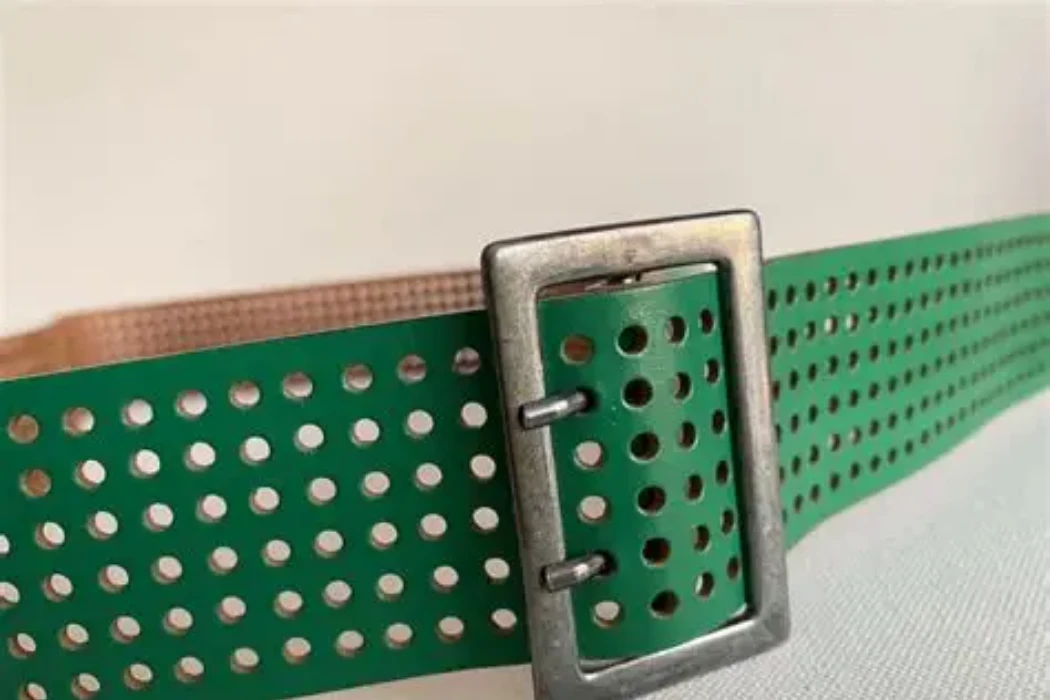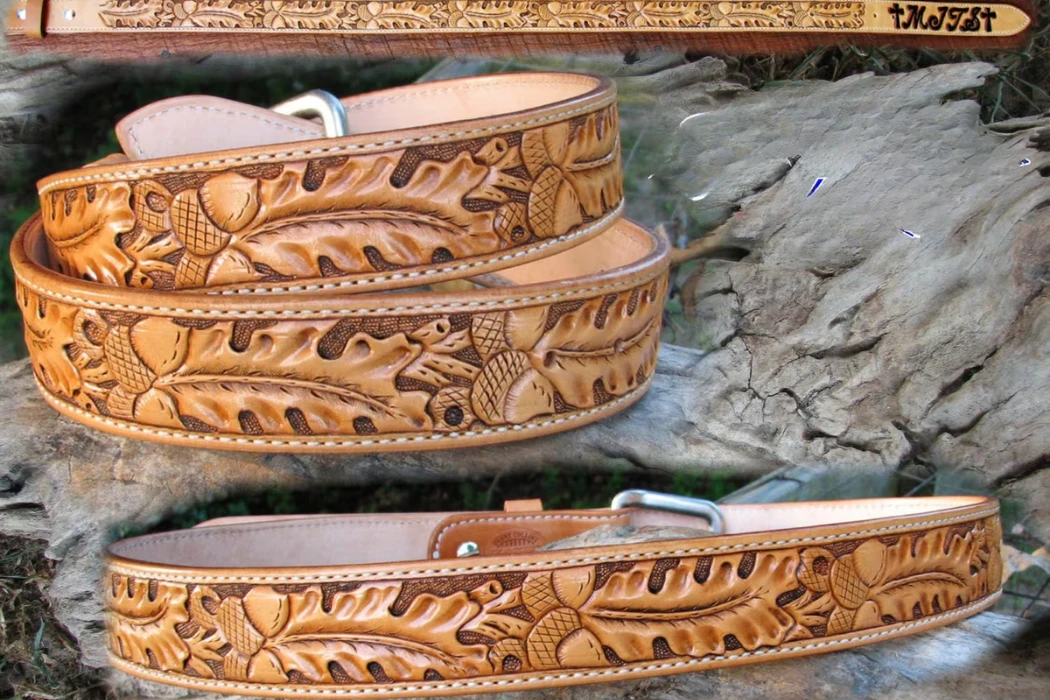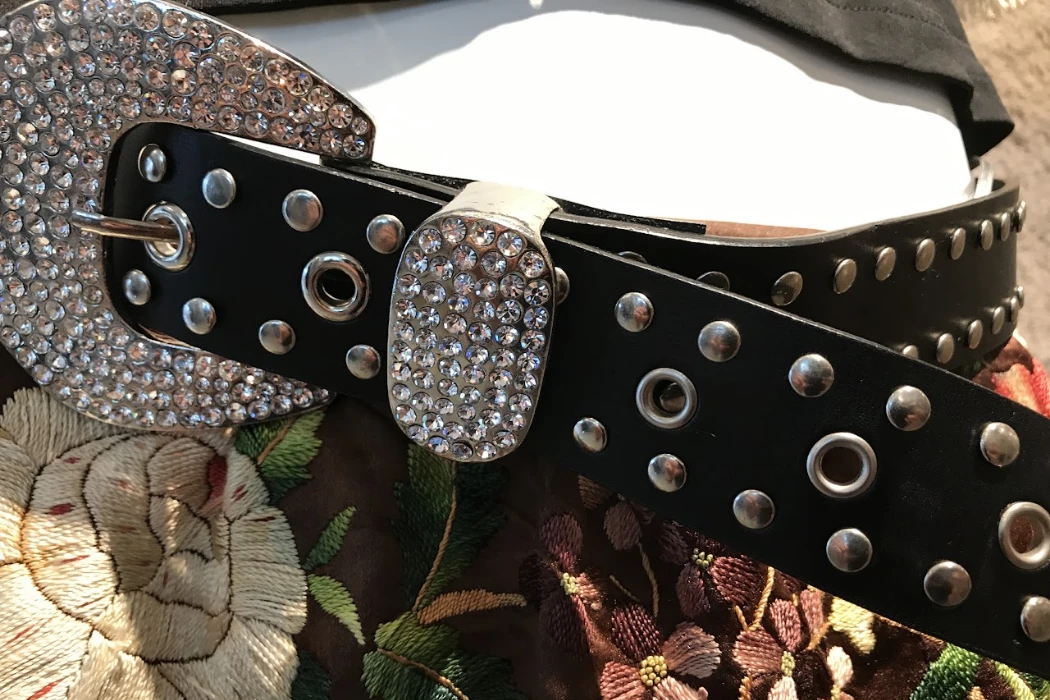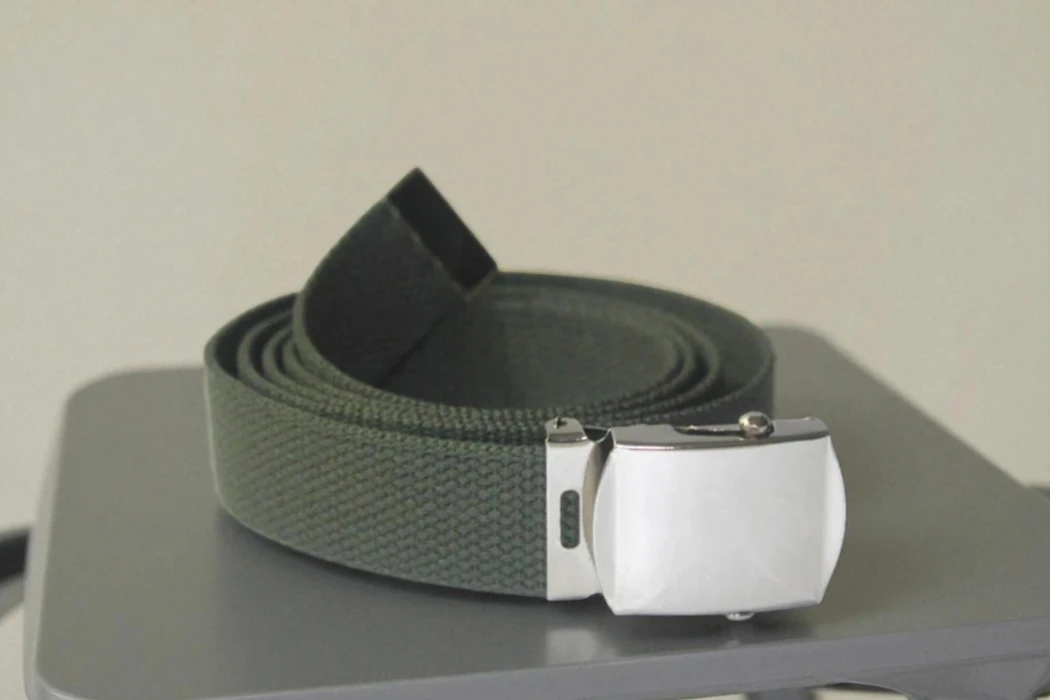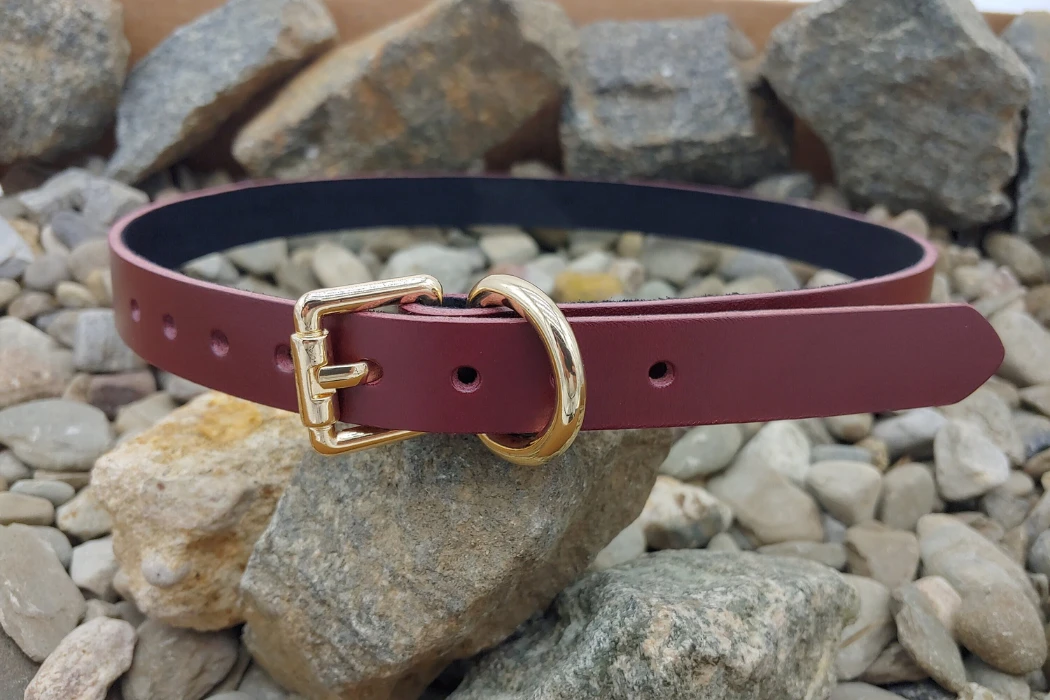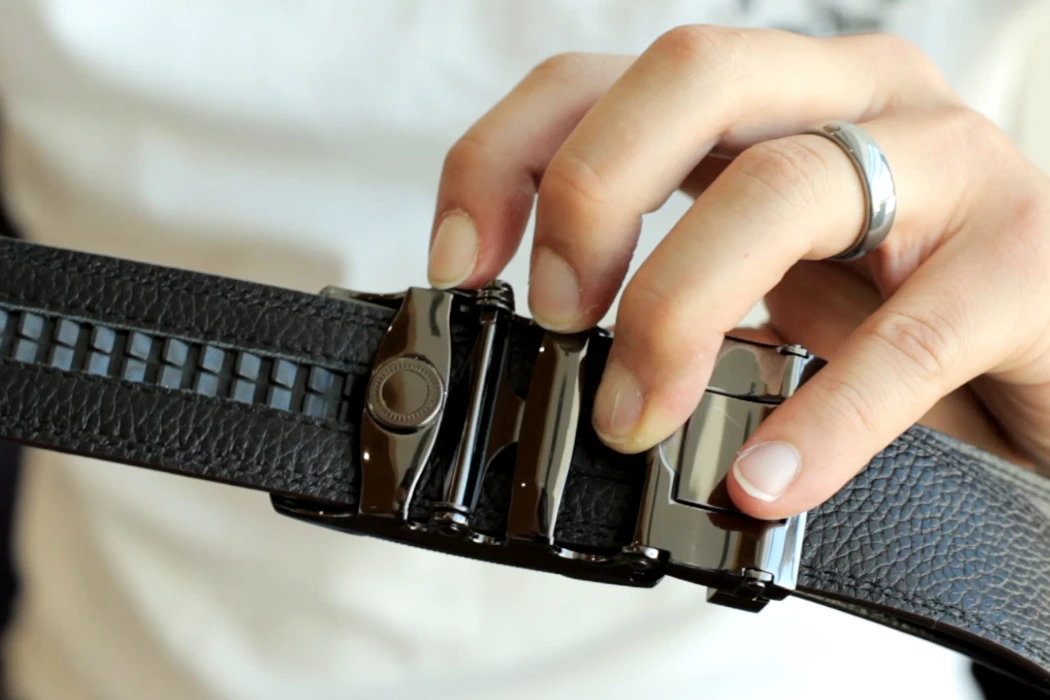
A leather fashion belt combines materials and components with different performance and chemical requirements. Buyers should define the intended user, market and construction before choosing tests. A well-prepared specification connects the leather, lining, adhesive, thread and hardware to the evidence needed for the finished product.
Component selection should address both performance and applicable legal requirements. REACH is an EU regulation and CPSIA is US legislation; they are not generic product certifications. The relevant provisions depend on the material, product category and intended user. A facility certificate does not replace product-specific evidence.
This guide reviews leather structure, bonding, finishing, hardware and testing. It distinguishes useful technical checks from legal thresholds and shows where scope must be confirmed before a buyer applies a number to a belt.
What Makes A Durable Leather Belt Component?
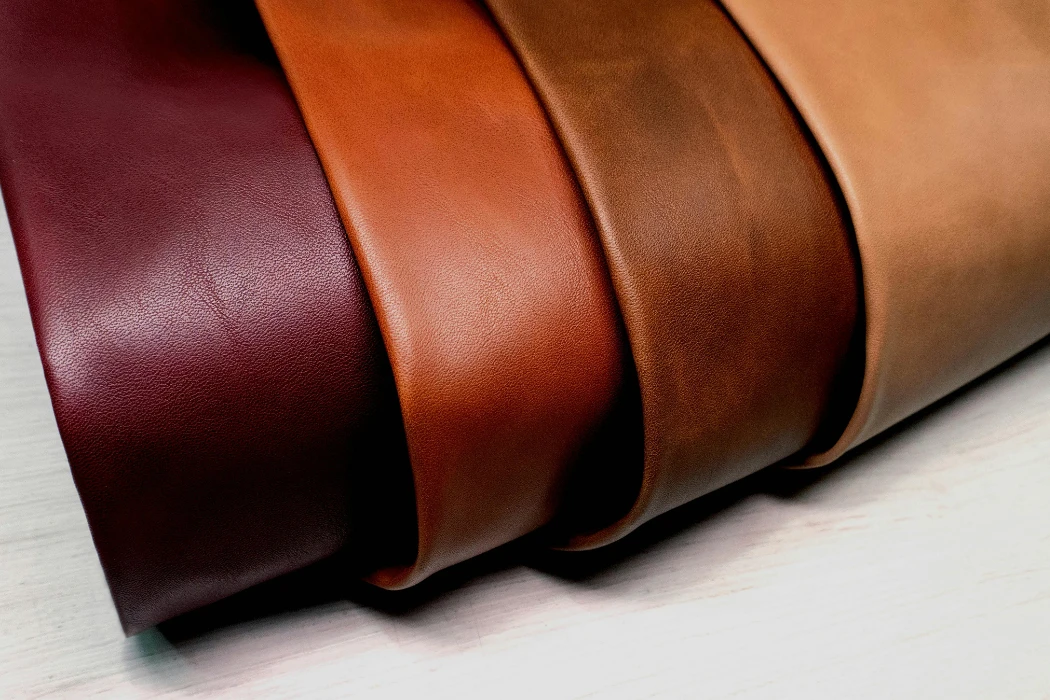
A belt’s durability depends on its complete construction: leather condition, layer bonding, seams, edges and buckle attachment. Inspect representative samples against the design and intended use instead of expecting one grade or finishing method to guarantee the result.
Full-Grain vs. Corrected-Grain Leather Structures
The outer leather contributes to both appearance and performance, but lining, reinforcement and assembly also matter.
- Full-grain leather: Retains the original grain surface without surface removal by buffing or sanding. It is not an automatic highest-strength guarantee.
- Corrected-grain leather: Has an altered grain surface, often followed by a finish or embossing. Specify the actual article and assess it for the intended component.
- Belt dimensions: Choose width and thickness to suit the design, garment loops and buckle opening; there is no universal structural width series.
Compare the actual articles on the same test and construction basis. Full-grain and corrected-grain labels alone do not establish a price or tear-strength ranking.
Backing Materials and Bonding Strength
A lined dress belt may combine several layers, while other designs use a single strap. Record the construction in the bill of materials.
- Split leather: May be used in a component where its properties suit the design. Identify it accurately rather than assuming all backing is a cheap lower layer.
- PU-coated material: Confirm the substrate, coating and adhesive compatibility when used as a lining or backing.
- Bonding: Select the adhesive and application conditions for the actual materials, following the product supplier’s instructions and sample validation.
Where bonding is structural or affects appearance, agree a suitable adhesion or peel assessment with stated conditions and acceptance criteria.
Edge Burnishing and Edge Paint Adhesion
Edge treatment can affect appearance and wear, but it does not automatically waterproof the belt.
- Burnishing: Mechanical rubbing and appropriate treatments can smooth a suitable leather edge; confirm the material’s response.
- Edge paint: Follow the named product’s preparation, application and drying or curing instructions. Heating is not a universal requirement.
- Raw edges: Assess the intended appearance, surface condition and wear behavior on the actual strap.
Approve the edge after relevant flexing and handling checks. A smooth initial appearance does not establish years of durability or a sealed waterproof construction.
How Do Chemical Safety Standards Affect Leather Belts?
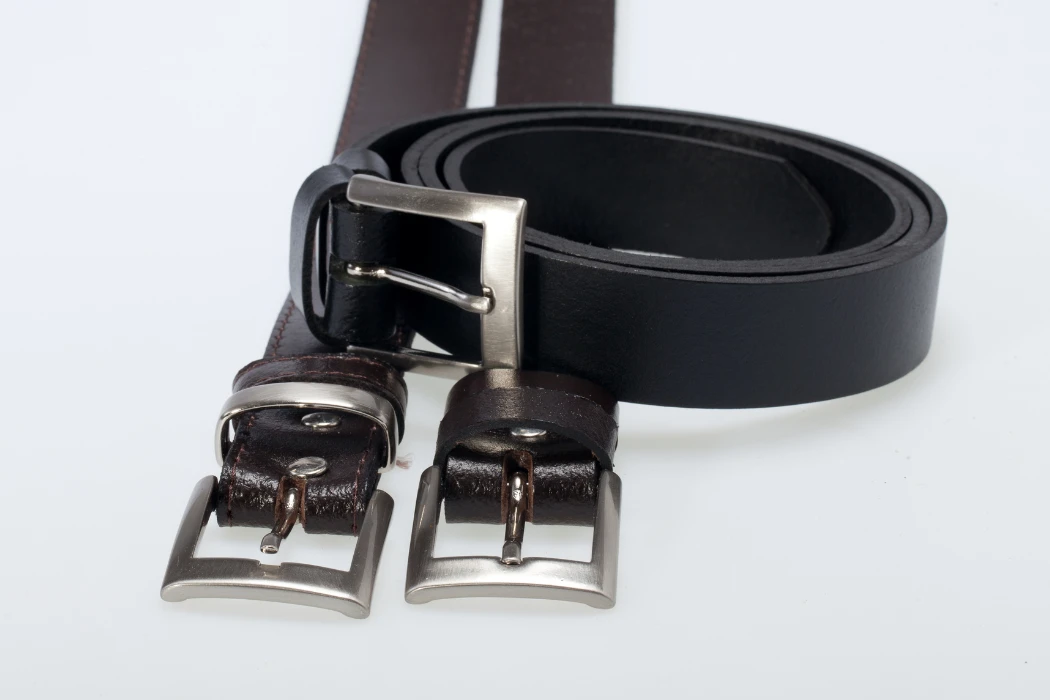
Chemical requirements can concern products, components or manufacturing activities. Identify the applicable obligations and obtain evidence matching the actual material and product. A failed requirement can prevent lawful sale, but an automatic customs rejection or recall is not the outcome of every test result.
REACH Compliance in European Markets
For an EU order, review the REACH restrictions applicable to the article and its components, together with other relevant product requirements.
- Azo colorants: The restriction concerns certain colorants capable of releasing specified aromatic amines under defined conditions; it is not a blanket ban on all azo dyes.
- Chromium(VI): For leather articles or leather parts coming into contact with skin, the REACH restriction prohibits concentrations equal to or above 3 mg/kg of the leather’s total dry weight. Confirm the relevant test and material scope.
- Market requirements: Identify the responsible economic operator’s obligations and the evidence required for the product. Passing one chemical panel does not establish every condition for sale.
Use ECHA’s REACH restriction information to identify the applicable provisions, then agree a scoped test plan. Keep material identity and test reports traceable to the order.
CPSIA Requirements for the US Market
For US sales, distinguish children’s-product requirements from those applicable to general-use adult belts.
- Children’s-product lead content: CPSC sets a 100 ppm total-lead limit for accessible component parts, subject to the applicable rules and exclusions. It is not a universal CPSIA limit for all adult belt hardware.
- Phthalates: The federal restriction on eight phthalates applies to accessible plasticized components of covered children’s toys and child care articles. A PU-backed belt is not automatically in that category.
- Testing and certification: Determine whether the belt is a children’s product and which rules, third-party tests, certificates and tracking requirements apply.
Review the CPSC lead guidance and phthalate guidance for their specific scopes. Other applicable federal, state or buyer requirements may also need assessment.
LWG Facility Certification and Its Limits
LWG evaluates facilities in the leather supply chain under its standards. Check the named site, scope and certificate validity.
- Environmental evidence: Review the relevant facility assessment rather than assuming one wastewater-treatment claim applies to every certified operation.
- Chemical evidence: A facility audit does not establish that every finished leather article passes every restricted-substance requirement.
- Traceability: Ask what information is available for the actual material and supplier chain; certification does not automatically prove complete farm-level traceability.
LWG’s claims guidance distinguishes facility certification from individual products. Use the applicable evidence and permitted wording, and assess finished-product chemistry separately.
| Standard Name | Primary Market | Key Engineering Focus Area |
|---|---|---|
| REACH | European Union | Apply relevant substance restrictions to the actual article and contact conditions. |
| CPSIA | United States | Assess applicable children’s-product provisions; do not apply one limit to all adult belts. |
| LWG certification | Global | Verify the leather facility’s environmental assessment and scope; not a product-safety guarantee. |
Which Finishing Techniques Suit the Belt Design?
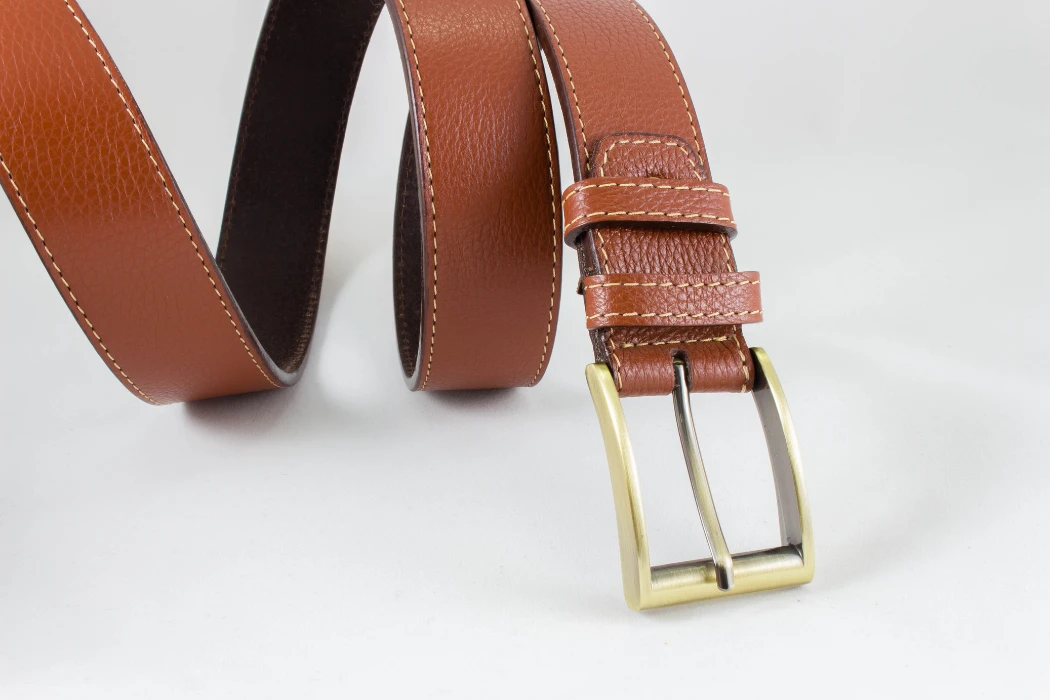
Finishes influence appearance, feel and surface behavior. Oils, waxes, polishing and milling can produce different effects, but none guarantees that the belt will remain strong, clean or unchanged for years. Specify and assess the offered leather article.
Oiled, Waxed and Pull-Up Finishes
Oil and wax treatments can change the leather’s feel and visual response. Ask how the offered article is tanned and finished rather than assuming an oily surface identifies the tanning process.
- Oiled leather: A commercial description that needs clarification of the actual tanning and finishing route. Adding oil to crust is not itself proof of “oil tanning.”
- Pull-up effect: Movement of oils or waxes can produce a lighter appearance when the material is flexed or stretched; confirm the desired effect on the sample.
- Crazy Horse: A commercial finish description, commonly associated with an aged or pull-up appearance. It does not establish species, a fixed recipe or self-repairing scratches.
Check surface marking, transfer, flexing and care instructions for the actual finish. An oil treatment does not guarantee that a belt cannot dry, crack or break.
Polishing, Glazing and Surface Finish
Surface finishing may use mechanical action, coatings or other treatments according to the required article. Confirm the actual method and its compatibility with the leather.
- Polishing: Approve the surface appearance and check that the operation does not cause unacceptable marks or damage.
- Gloss or glaze: Clarify whether the description refers to mechanical glazing or an applied finish. Do not assume every glazed leather carries a separate film.
- Available output: Ask the named facility to confirm capacity for the exact article; there is no universal daily square-foot output for finishing.
Evaluate finish adhesion, flexing and appearance under the agreed conditions. A polished surface does not prove that fibers are locked together or that the belt will keep looking new.
Drum Milling for Structural Softness
Leather may be mechanically softened to achieve the specified hand feel. This is a controlled operation on processed leather, not simply an instruction to tumble raw hide.
- Milling: Leather is tumbled under controlled conditions appropriate to the article.
- Hand feel: Mechanical flexing can soften the leather; settings should be selected to avoid unacceptable damage.
- Surface effect: Milling may emphasize grain or texture. Approve the actual appearance rather than assuming every article develops the same pebble pattern.
Check both the resulting feel and relevant performance. Milling does not guarantee that all original material strength remains unchanged.
Are Hardware Components Tested For Heavy Metals?
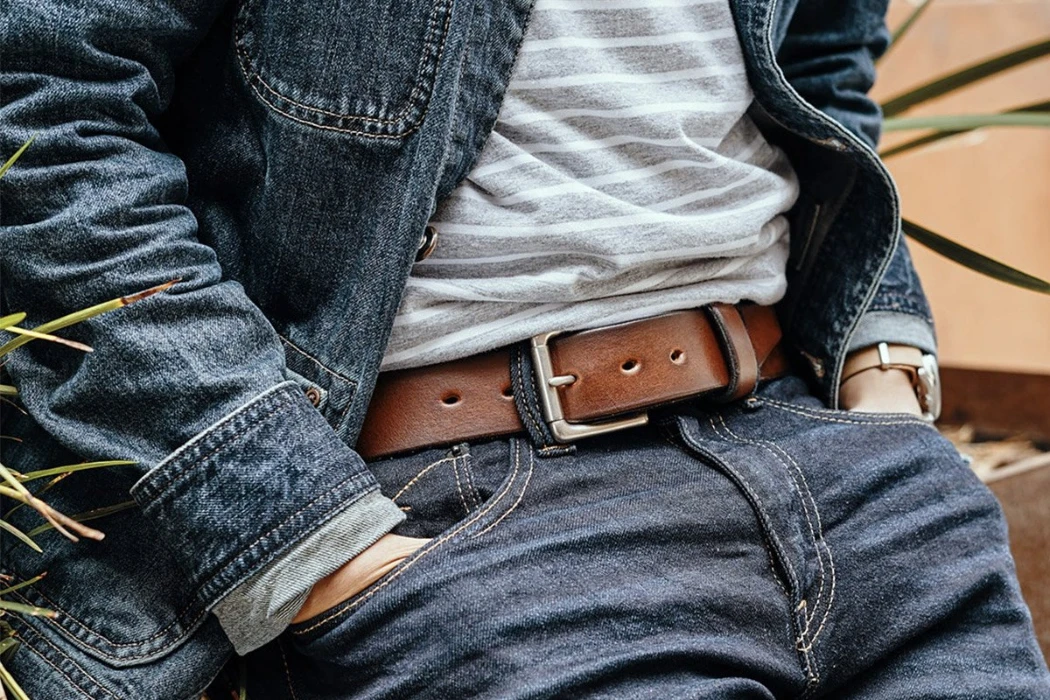
Hardware may need chemical testing depending on the alloy, coating, intended contact, user and destination. Select the applicable requirements and test methods before approving the buckle, rivets or snaps. A material name alone does not prove that a component is suitable for skin contact.
Brass vs. Stainless Steel Buckle Integrity
Compare the proposed alloy, geometry, finish and attachment against both functional and chemical requirements.
- Brass: Specify the actual alloy and finish. Evaluate corrosion behavior and applicable lead or other substance requirements; color and price do not reveal composition.
- Stainless steel: Confirm the grade and finished component. Stainless steel is not automatically nickel-free or non-allergenic.
- Zinc alloy: Confirm the alloy and complete coating system, then test the relevant component where required. Plating alone does not prove skin-contact suitability.
Approve the buckle as a complete component. Base-metal selection, casting or forming quality, geometry and coating can all influence the result.
Lead and Cadmium Testing Limits
Substance limits differ by jurisdiction, product category and component. Avoid using a single “global safe limit” table without those qualifications.
- Total lead: The CPSC 100 ppm requirement concerns accessible components of children’s products within its scope. Confirm whether it applies to the belt.
- Cadmium: REACH restrictions have specific material and article scopes. The limit for certain jewelry parts is not a blanket limit for every belt metal part; confirm the relevant entry and buyer specification.
- Surface coatings: Where the US lead-in-paint rule applies, the limit is 90 ppm. Assess coating and substrate requirements separately using the CPSC guidance.
Ask the laboratory to select a suitable method and sampling approach for the component and requirement. Analytical results have a defined scope and reporting limits; they are not an absolute guarantee that every possible substance has been detected.
Nickel Release Restrictions
Nickel release can matter for articles intended for direct and prolonged skin contact. Evaluate the actual contact conditions and finished component.
- Applicability: Determine which parts are intended to contact skin directly and for a prolonged period; do not assume every buckle has the same exposure.
- EU restriction: Covered articles must not release nickel above 0.5 µg/cm²/week from the relevant skin-contact parts. Review ECHA’s contact guidance and the applicable test conditions.
- Coatings: Where compliance relies on a coating, assess the applicable durability and release requirements. A “nickel-free” coating label alone is insufficient.
Verify the relevant result for the finished hardware and intended use. Passing a specified release requirement is not a guarantee that no individual will ever have an allergic reaction.
| Heavy Metal | Requirement scope | Criterion / action |
|---|---|---|
| Lead (Total Content) | US children’s products: accessible components | 100 ppm, subject to applicable scope and exclusions |
| Cadmium | EU REACH: article/material-specific restrictions | Confirm applicable entry; no blanket all-hardware limit |
| Nickel Release | EU: direct and prolonged skin-contact parts | 0.5 µg/cm²/week; verify applicability and test conditions |
Do Physical Stress Tests Prove Belt Reliability?
Physical tests provide evidence of performance under defined conditions. They should be selected for the material and complete construction, with agreed acceptance criteria. They do not guarantee a fixed service life or that every belt will remain unaffected under all conditions of use.
Tensile Behavior and Construction Requirements
For a fashion belt, assess the intended fastening and handling conditions; do not treat it as load-bearing safety equipment.
- Leather tensile test: ISO 3376 addresses leather tensile strength and elongation under specified conditions. Material strength is distinct from the breaking force of a complete buckle assembly.
- Extension: Specify whether the concern is elongation at a load, at maximum force or residual deformation; these are different measurements.
- Complete belt: Agree relevant assembly checks for the fashion product. Hoplok does not supply tool-carrying, industrial safety or other load-rated belts.
Record the method, sample construction and result. A satisfactory test supports the specification but should not be converted into an unsupported years-of-use promise.
Wet and Dry Rub Fastness Testing
Rub-fastness testing helps assess color transfer under stated rubbing conditions.
- Dry rubbing: Select a suitable leather method and agreed cycle count. ISO 11640 uses wool felt to assess leather surface behavior under to-and-fro rubbing.
- Wet rubbing: Specify the required wet conditions. A wet rub test is not automatically a perspiration or rainfall test.
- Assessment: Use the method’s prescribed evaluation and the buyer’s acceptance requirement. “Near 100% color retention” is not a universal rub-fastness pass grade.
Match the check to the product’s likely contact with clothing or skin and keep the result tied to the tested finish. Passing one test does not prove zero transfer in every real-world situation.
Stitching Tension and Hole Tear Resistance
Inspect holes, seams and buckle attachment because their geometry and construction can create concentrated stresses.
- Hole or attachment test: Agree the fixture, loading direction, conditioning and acceptance requirement for the actual design.
- Seam assessment: Check the seam and record the failure mode under the specified test, rather than assuming thread must always break before leather.
- Buckle fold: Inspect the complete fold and attachment after the agreed functional or flexing assessment.
Evaluate any reinforcement as part of the complete construction. Its presence alone cannot guarantee that a hole or seam will never tear.
| Physical Test Type | Engineering Purpose | Pass / Fail Indicator |
|---|---|---|
| Tensile Strength Test | Assesses tensile behavior of the specified sample | Result meets the agreed method and requirement |
| Wet & Dry Rub Fastness | Assesses surface behavior and transfer under defined rubbing | Required assessment grade under stated conditions |
| Hole Tear Resistance | Assesses the specified hole/attachment construction | Result meets the agreed test and requirement |
How Can Brands Meet Global Market Compliance?
Build the product requirements into material approval, production controls and final review. Assign responsibility for documentation and changes. This helps identify problems earlier but does not eliminate every defect, recall or market-access risk.
Raw Material Inspection Protocols
Define an incoming inspection plan for the actual materials and risks.
- Leather: Compare identity, thickness, finish, usable area and condition with the approved reference.
- Hardware: Check the specified dimensions, finish, operation and relevant supporting reports.
- Lining: Verify the specified material and assess relevant bonding, transfer and performance requirements.
Segregate and resolve nonconforming incoming material before it is used in the order.
In-Line Production Monitoring
Checking the belt while workers make it is just as important as checking the raw leather.
- Cutting: Check pattern accuracy, orientation and material condition against the specification.
- Sewing: Inspect stitch formation, seam position and attachment details against the approved sample.
- Finishing: Compare surfaces and edges under the agreed appearance and workmanship criteria.
Record findings and corrective actions so recurring issues can be addressed. Inline inspection does not establish a guaranteed low defect rate.
Final Lot Chemical and Physical Audits
Before release, review the agreed final inspection, relevant laboratory reports and unresolved deviations for the order.
- Product review: Check appearance, dimensions and component function using the agreed inspection plan.
- Performance evidence: Review the required material or assembly tests and verify that they cover the offered construction.
- System evidence: If ISO 9001 or ISO 14001 is claimed, verify the facility and scope. These management-system standards do not certify every batch’s product safety.
Keep the release decision and supporting records traceable to the order. A final test report does not guarantee customs clearance or satisfy unrelated market requirements.
People Also Ask
What chemicals are restricted in leather belt manufacturing?
Requirements depend on the market, product and material. EU REACH includes scoped restrictions relevant to certain leather articles and hardware. US children’s-product lead rules differ from adult-product requirements, and the federal phthalate rule has a specific toy/child-care scope. Agree a product-specific test plan.
How do engineers test the tensile strength of a leather belt?
Use an appropriate method for the question being asked. ISO 3376 addresses leather tensile strength and elongation; a complete belt or buckle attachment may need a separate assembly test. Results apply to the tested conditions and do not guarantee indefinite daily use.
What does LWG certification mean for leather belts?
LWG certification concerns the named leather-supply-chain facility within its assessment scope. It does not automatically certify a finished belt’s chemical safety, durability or complete traceability. Review product evidence separately.
Are zinc alloy buckles safe for direct skin contact?
Suitability depends on the alloy, coating, intended contact and applicable requirements. Test the finished component where required. For EU direct and prolonged skin contact, assess nickel release in µg/cm²/week and coating durability as applicable; no coating guarantees freedom from all allergic reactions.
How do you check leather color fastness?
Use a defined rubbing method, conditions, cycle count and assessment criterion, such as an agreed ISO 11640 program. Review the result for the actual finish. A clean test felt under one condition does not guarantee that the product can never mark clothing.
What is the standard thickness and width for a leather dress belt?
There is no single mandatory width or thickness for all dress belts. Set dimensions from the intended garment, buckle opening, material stack and visual brief, then approve fit and function on a complete sample.
Building Reliable Belts for the Global Market
A reliable fashion-belt specification connects the material, construction, relevant requirements and test evidence. For a custom leather-belt project, provide Hoplok with the design, material brief, quantity, intended user and destination. Belt sampling takes 2–3 weeks and bulk production takes 60–90 days, with approvals, material readiness and shipping planned separately. ProPelli’s LWG Gold rating concerns its leather-finishing operation. Contact the team to confirm the applicable project scope and evidence.