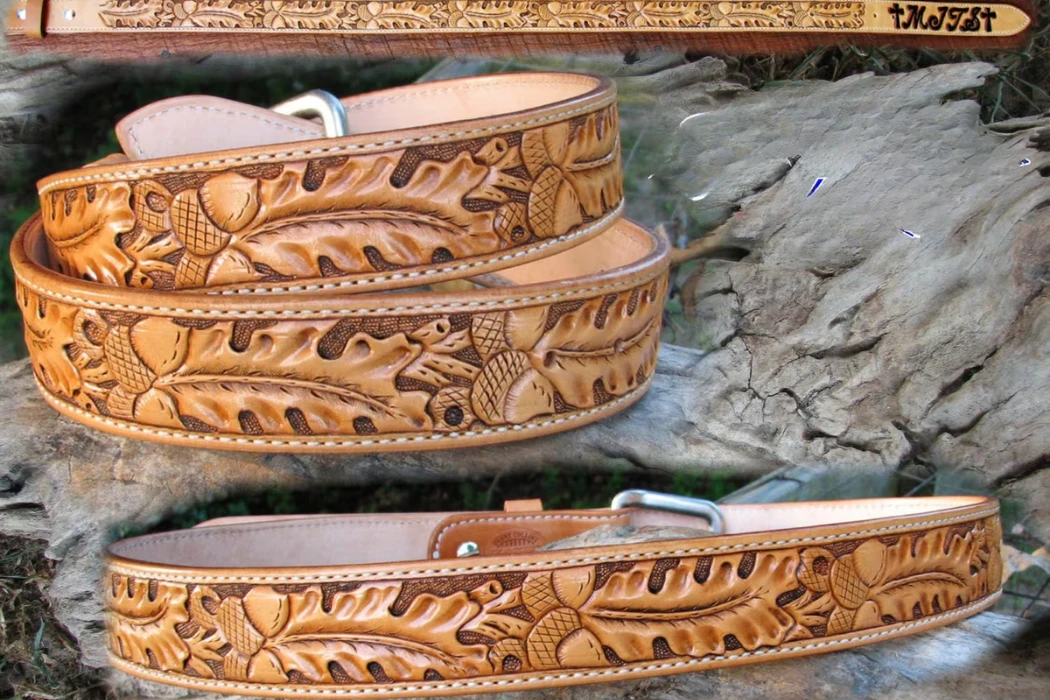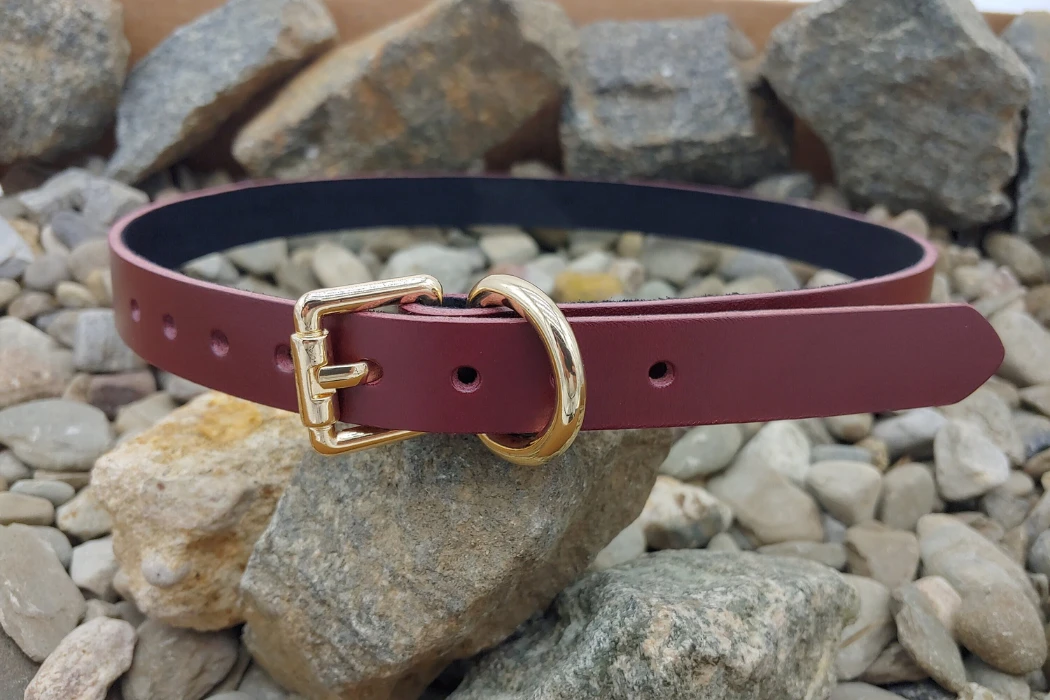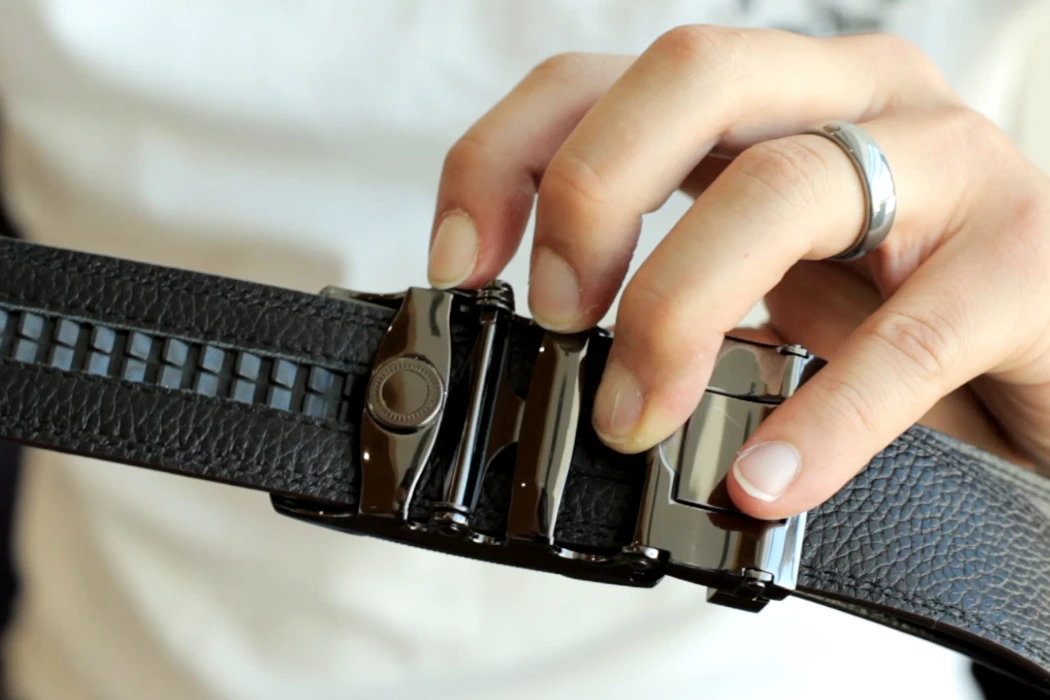
An unpainted belt edge needs a defined profile, surface finish and inspection standard. Here, “raw edge” means the exposed cut edge of tanned leather, not an untreated raw hide. Beveling, creasing and burnishing are separate operations, and the design may use some or all of them.
Beveling removes material from a corner. Creasing creates a line near the edge, with heat or without it depending on the tool and material. Burnishing smooths the exposed edge through an appropriate process. A decorative crease is not a waterproof barrier, and none of these operations guarantees a fixed product lifespan.
For custom leather belt sourcing, approve the intended edge on the actual leather article before setting production parameters. The following workflow explains how to select tools, run trials and define a repeatable result for ordinary fashion belts.
What Are the Differences Between Beveling, Creasing and Burnishing?
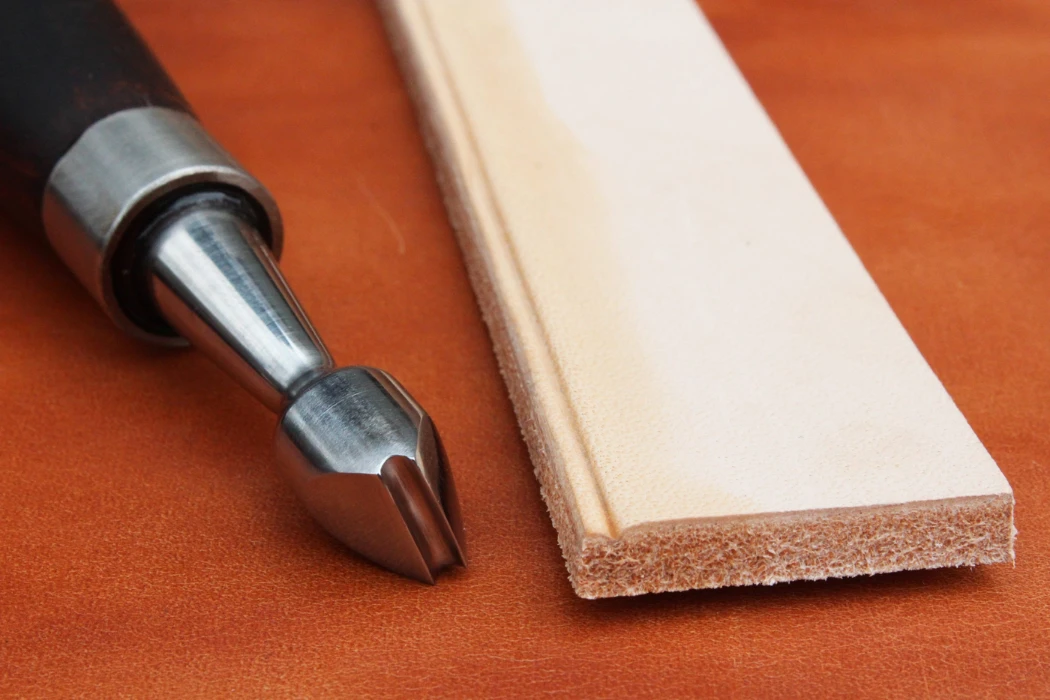
The three operations address different parts of the edge. Beveling changes the corner profile; creasing adds a controlled line on the face near the edge; burnishing works on the exposed edge surface. Their sequence and suitability depend on the construction and the approved appearance.
Beveling: control the corner profile
An edge beveler cuts a narrow strip from the corner. The goal is the agreed shape and feel, while retaining the required width and thickness. Excessive removal can leave an edge too thin or uneven. A bevel does not correct every defect from cutting, so inspect strap dimensions and cutting quality first.
Creasing: define the border detail
A creaser marks a line at the selected distance from the edge. Some tools have a guide; others rely more on operator control. Heat can change the appearance on a suitable article, but a crease does not necessarily darken and is not proof of superior strength. Specify line position, width, continuity and acceptable contrast on the sample.
Tool maker Vergez-Blanchard describes bevelers as edge-shaping tools and creasers as border-marking tools, with hot or cold use depending on technique and leather. These functions should remain distinct in a production brief.
Unpainted and painted edges are design options
An exposed, burnished edge can suit a particular leather article and aesthetic. An edge-painted construction can also be appropriate when the system is matched to the substrate and use. Paint is not proof of cheap split leather, and an unpainted edge is not proof of full-grain quality. Inspect either finish for the agreed appearance and performance.
| Operation | Physical action | Approval criteria |
|---|---|---|
| Beveling | Removes material at a corner | Profile, consistency and retained dimensions |
| Creasing | Marks a line near the edge | Position, continuity, contrast and absence of damage |
| Burnishing | Smooths the exposed edge surface | Feel, appearance and surface behaviour |
| Edge painting, if specified | Applies a selected edge-coating system | Coverage, adhesion, flexing and appearance |
How Do You Choose Tools for the Actual Leather?
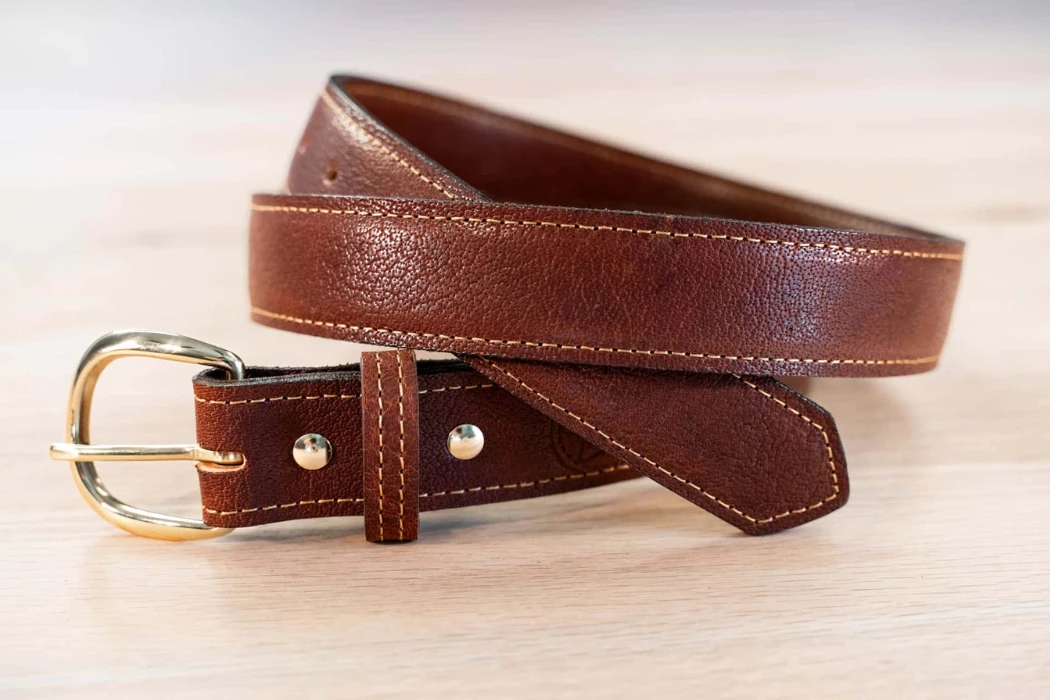
Choose the tool by its geometry and the sample result. Numbered beveler sizes are product-specific; a #3 from one range need not cut the same profile as a #3 from another. Record the manufacturer, model and cutting width alongside the approved leather thickness.
Use size charts as a starting point
Tandy’s Craftool Straight Edge Beveler and TandyPro Rounded Keen Edge Beveler use different dimensions and recommended leather ranges for their numbered sizes. This is why a universal “3.5 mm leather equals size #3” rule is unreliable. Compare candidate tools on the same scrap article and choose the profile that matches the drawing.
Select a creaser and guide for the design
A cold creaser may suit some vegetable-tanned articles; a heated tool may suit a different finish or desired appearance. A manually used tool does not necessarily require an open flame. Follow the tool maker’s operating instructions and confirm the guide distance against the available edge width and any stitching.
Record settings in the tool’s own terms
A controller marking is not automatically a temperature in degrees Celsius. For example, Regad’s FC creasing iron guidance refers to controller markings for a particular iron and power supply. Do not transfer those markings to another model or turn them into a general leather temperature rule.
Maintain the cutting and contact surfaces
Inspect beveler sharpness and creaser cleanliness before production. Follow the maker’s maintenance method and preserve the tool geometry. Abrasive grit, polishing compound and maintenance frequency should be appropriate to the tool; a mandatory daily diamond-paste treatment or sanding prescription is not universal. Recheck the sample after sharpening or changing a tip.
What Workflow Produces a Consistent Beveled Edge?
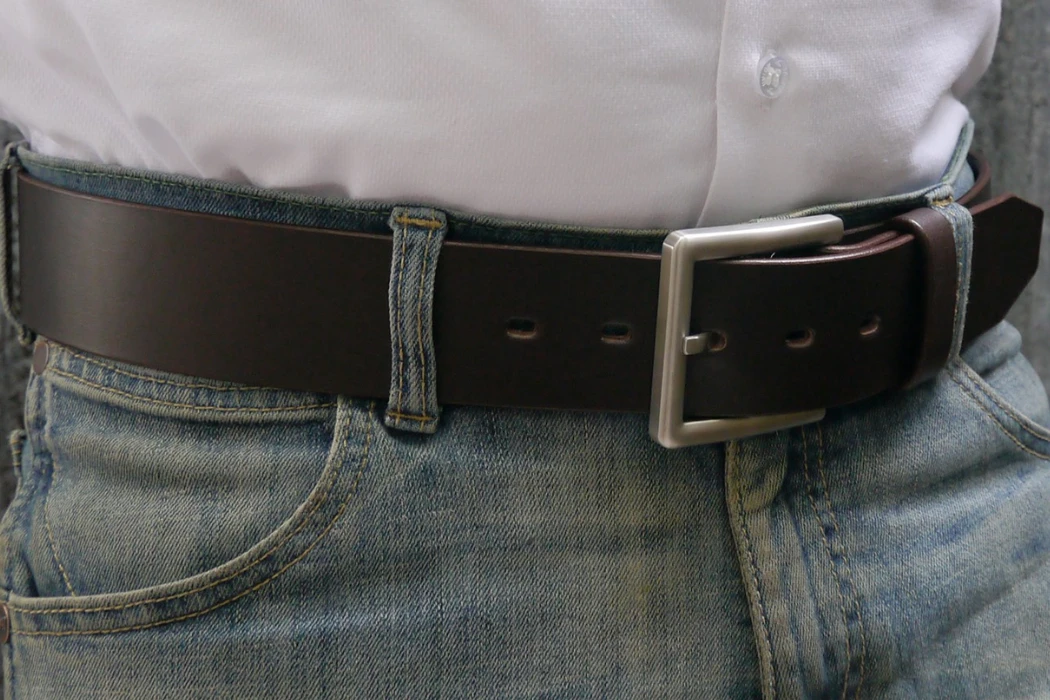
Establish the process on a representative piece before moving to finished straps. Include the same leather article, thickness, finish and relevant preparation as production. Keep an approved physical reference so operators and inspectors evaluate the same result.
1. Inspect and support the strap
Check width, thickness, cutting accuracy and surface defects. Support the work securely and position hands outside the cutting path. An uneven or moving strap makes a consistent edge difficult even with a sharp tool. Correct the underlying cutting issue before attempting to hide it with a deeper bevel.
2. Trial the tool geometry
Follow the tool maker’s guidance for orientation and movement. Let the cutting channel engage the corner without forcing it into the face. Adjust on scrap until the removed section and remaining edge match the approved profile. No single hand angle works for every beveler design and leather article.
3. Work through the planned sequence
Use a controlled motion and inspect the edge as work progresses. Treat ends, curves and buckle-fold areas according to the drawing rather than forcing the same stroke everywhere. If the tool skips, stop to check sharpness, geometry, support and the local leather structure before continuing.
4. Prepare the finish
Remove loose debris without damaging the face. If sanding, moisture, gum, wax or another burnishing aid is part of the proposed route, confirm its compatibility and effect on appearance. Follow the material and equipment instructions. A fixed abrasive grit or powered-burnisher speed is not suitable for all leather, tools and finishes.
5. Inspect the result before release
Check both faces and the full edge length, including the tip and buckle end. Look for gouges, thin spots, uneven rounding, loose fibres and changes in strap dimensions. Keep any allowed rework within the agreed specification and confirm the result after rework.
| Process record | Example of what to document |
|---|---|
| Material | Article reference, colour, finish and thickness range |
| Tool | Manufacturer, model, size and condition |
| Profile | Approved bevel appearance and retained dimensions |
| Finishing route | Preparation, compatible finishing aid and sequence |
| Acceptance | Visual reference, critical defects and permitted rework |
When Is Moisture Preparation Appropriate?
Some leatherworking processes use controlled dampening, often called casing, but it is not a universal requirement before creasing. The appropriate preparation depends on the leather and its finish, the tool and the intended mark. Water can change colour or leave marks on some articles, so test compatibility before applying it to production.
Confirm the preparation with the material and tool guidance
Use a representative scrap to compare the proposed dry or damp process. Record the amount and method of application in practical production terms. Do not prescribe an exact waiting time or sponge-water percentage for every article; absorption and drying vary with material and conditions.
Check for visible and dimensional changes
Inspect for water marks, colour differences, swelling, distortion and finish damage after the trial has dried. Do not try to blend an accidental mark by wetting the entire belt unless that rework method has been approved for the article. A process that looks acceptable while damp may differ after drying.
Avoid unsupported heat-and-moisture assumptions
A wet surface is not a protective barrier that makes any hot-tool setting safe. Nor does a particular waiting period prove that moisture has reached a safe depth. Follow the approved trial and the equipment instructions; stop if the surface blisters, scorches or changes unexpectedly.
- Record whether the approved process uses any moisture.
- Use the same material preparation during the trial and production.
- Assess the finished appearance after drying and handling.
- Reassess after a leather article, colour or finish changes.
Keep moisture preparation distinct from a water-resistance claim about the final belt. Creasing and burnishing do not automatically make an exposed edge waterproof.
How Should Heat, Pressure and Movement Be Controlled?
The result depends on the tool, material, pressure, contact time and movement together. A setting suitable for one article can damage another. Neither the tanning label nor the word full-grain establishes one safe temperature or a required force.
Approve a process window on representative material
Start from the tool maker’s guidance and trial the intended material. Change one relevant setting at a time and compare the result with the approved appearance. Record the controller setting, tip, preparation and operating method, including any warm-up or verification steps required by the equipment.
Define the line rather than a universal recipe
Specify line position, continuity, contrast and acceptable depth or appearance in the drawing and physical sample. Select a guide that works with the edge profile and stitching. Do not use a fixed 1.5–2.0 mm offset, 2 kg force or travel speed unless it has actually been approved for that design.
Check handling consistency
Maintain controlled contact and support as the tool moves through straight sections and curves. Excessive dwell, pressure or heat can damage a material, but no universal one-second burn threshold applies. If the result changes during production, inspect the tip, settings, material preparation and operator method before restarting.
| Observed issue | Items to investigate |
|---|---|
| Wavy or displaced line | Guide contact, strap shape, support and tool selection |
| Variable contrast | Material variation, preparation, contact and heat setting |
| Dragging or scratching | Tip condition, contamination, geometry and surface finish |
| Scorching or blistering | Process compatibility, heat, contact time and preparation |
| Over-cut or thin edge | Beveler geometry, tool control and starting dimensions |
Do not automatically repeat a hot pass or re-wet a damaged area. Decide whether rework can meet the approved specification; reject or recut a component when it cannot. Inspection of the finished edge should include both appearance and any relevant product-performance checks.
Frequently Asked Questions
Can you crease leather without heat?
Yes, some tools and leather articles can be cold-creased. Confirm the method and appearance on a sample. Cold creasing is not inherently inferior, and a dark heated line is not required for every design.
What size beveler suits a 3.5 mm belt?
Check the dimensions and recommendations for the exact tool range, then trial it on the material. Size numbers are not universal across manufacturers or models. Approve the remaining edge profile rather than the number alone.
Why does a beveler skip or tear the edge?
Possible causes include a dull or unsuitable tool, inconsistent support, tool orientation or local material variation. Inspect these factors before changing pressure or removing more material. Follow the maker’s sharpening guidance when maintenance is needed.
How close should a crease be to the edge?
Set the distance in the design, considering the bevel, strap width, stitching and desired border. A guided tool can help repeat the approved distance, but no single offset is mandatory for all belts.
Should beveling come before burnishing?
Where both operations are specified, beveling generally shapes the corner before the final burnished surface is established. Confirm the full sequence with the actual material and decoration so later operations do not damage the approved result.
What temperature should be used on vegetable-tanned leather?
Use the equipment maker’s guidance and a material trial. Record the exact tool and controller setting; do not assume that a controller number is a measured tip temperature or that one range applies to all vegetable-tanned leather.
Approve an Edge Specification for Production
A repeatable unpainted edge starts with a defined profile and a trial on the intended leather. Record the tool, preparation, sequence and acceptance criteria, then inspect production against the physical reference. Neither a decorative crease nor a polished edge replaces testing of the complete belt.
For a Hoplok belt project, send the material preference, strap dimensions, edge reference, stitching and crease-line drawing. Confirm the proposed finishing route and approve it through sampling. Minimum orders are 300 genuine-leather belts or 1,000 PU belts; belt sampling generally takes 2–3 weeks and bulk production 60–90 days, with shipping planned separately.