Powerlifting requires serious safety equipment because the human spine faces immense pressure during heavy lifts like squats and deadlifts. Standard fashion belts bend easily and cannot support these extreme mechanical loads. Therefore, strength athletes rely on highly specialized powerlifting belts to protect their core and prevent catastrophic injuries.
A true powerlifting belt works by giving the stomach muscles a rigid, unyielding wall to push against. This specific action creates vital intra-abdominal pressure, which stabilizes the entire torso. To achieve this extreme rigidity, manufacturers do not use a single piece of soft leather. Instead, they carefully bond and stitch multiple layers of high-density hide together into a thick, uniform structure.
Designing these heavy-duty training tools requires precise engineering and a deep understanding of biomechanics. Brands and equipment buyers must understand the strict international rules around thickness, width, and raw material strength. Next, we will explore exactly how factories construct these multi-ply leather belts to meet the rigid specifications needed for professional weightlifting and maximum performance.
What Makes a Powerlifting Belt Different from Standard Belts?
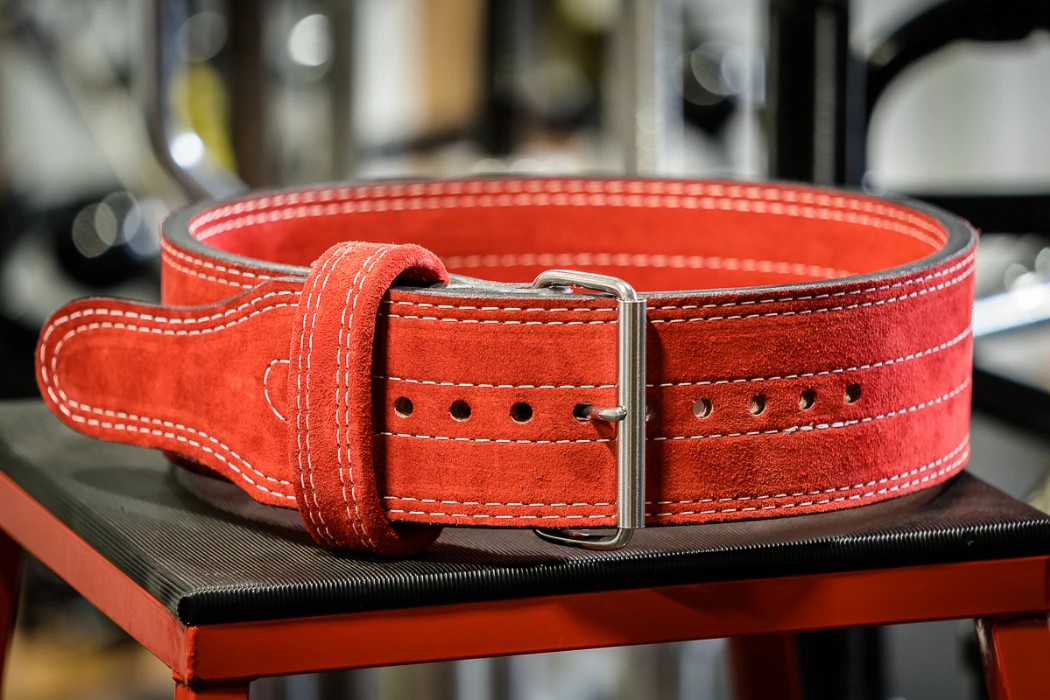
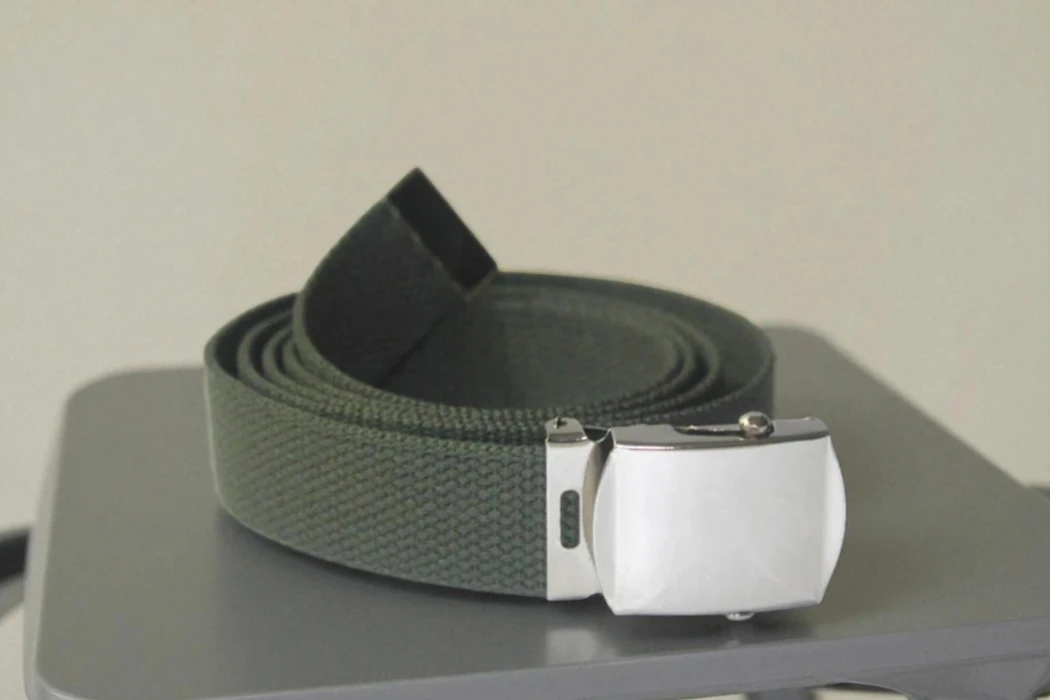
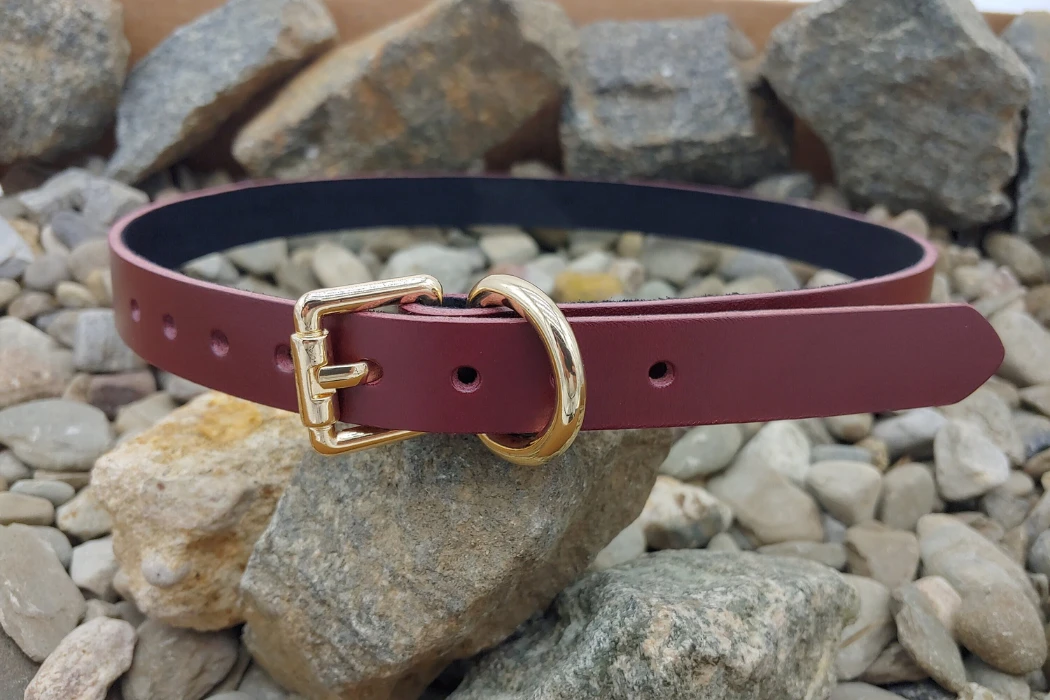
Standard fashion belts simply hold up your pants. They use thin, single-ply leather that bends easily. But a powerlifting belt acts as a structural brace for your spine. Factories build these athletic tools using strict thickness and width measurements so they can endure extreme tension without stretching or snapping.
The role of intra-abdominal pressure
When athletes lift heavy weights, they must protect their spine by breathing deeply into their stomach.
- The stiff belt provides a rigid wall for the abdominal muscles to push against.
- This outward push generates intense internal pressure around the entire core.
- The high pressure wraps around the spine to lock it safely in place.
So, a lifting belt does not support the back directly, but it helps the body create its own internal support system.
Consistent width rules for competition
Professional powerlifting federations enforce strict gear rules to keep competitions fair and safe.
- Most standard powerlifting belts must maintain a consistent width of exactly 4 inches (about 10 cm) all the way around.
- Unlike bodybuilding belts, they do not taper or get thinner at the front.
- This uniform 4-inch width ensures maximum surface area for the stomach muscles to push against during a heavy lift.
Then, the athlete gets equal, balanced support across the entire front and back of their torso.
Stiffness requirements for heavy loads
Soft leather feels comfortable, but it fails under extreme barbell loads.
- Powerlifting belts require extreme stiffness to prevent the material from folding or collapsing under pressure.
- Engineers use high-density vegetable-tanned leather because it naturally resists stretching.
- Factories stack multiple layers to reach exact thickness targets, usually between 10mm and 13mm.
Because the leather is so dense and thick, lifters must often break in the new belt over several weeks before it fits perfectly.
| Feature | Powerlifting Belt | Standard Fashion Belt |
|---|---|---|
| Primary Purpose | Core stabilization and spine safety | Holding up garments |
| Typical Thickness | 10mm to 13mm | 2mm to 4mm |
| Construction | 4 to 6 ply laminated and stitched | Single ply or split leather |
| Width Profile | Uniform 4-inch width all around | Tapered or narrow (1 to 1.5 inches) |
| Leather Type | High-density vegetable-tanned hide | Soft, flexible, or corrected-grain |
How Do Makers Construct Multi-Ply Leather Belts for Maximum Rigidity?
To build a belt that will not bend under pressure, factories fuse several layers of thick leather together. They use industrial adhesives to glue the layers, then secure them with heavy-duty thread. Finally, workers seal the edges so the layers do not split apart. This multi-ply process creates a solid, brick-like structure that safely supports massive barbell weights.
Bonding multiple layers together
Engineers cannot find a single piece of leather thick enough to provide total core support, so they must stack thinner pieces carefully.
- They select 3 to 4 layers of premium vegetable-tanned hide.
- Each individual layer usually measures exactly between 2.5mm and 3.5mm thick.
- Workers rough up the surface of each layer with a sanding machine because glue grips rough surfaces better.
- They apply an even coat of industrial-grade contact cement between every single layer.
- Heavy hydraulic presses then squeeze the stack under extreme high pressure for several hours to remove any trapped air bubbles.
This intense bonding process completely fuses the separate hides into one solid block. If makers skip this step, the internal layers will slide, and the belt will lose its stiff structure.
Heavy-duty stitching patterns
Glue alone absolutely cannot hold the heavy layers together when a massive athlete strains against the belt, so factories must add high-strength stitching.
- Makers use massive industrial sewing machines equipped with incredibly thick steel needles to punch through the dense block.
- They thread these machines with military-grade Tex 210 nylon thread, because standard cotton thread snaps immediately under heavy load.
- Factories typically sew 4 to 6 rows of perfectly parallel stitches along the entire length of the leather strip.
- They adjust the machines to space each stitch exactly 4mm to 5mm apart.
- This precise spacing maintains extreme thread tension without accidentally slicing through the rigid leather fibers.
These aggressive, thick stitching patterns lock the layers permanently in place. Therefore, the belt will never delaminate or split apart, even during a world-record squat attempt.
Edge finishing for durability
Raw, unfinished edges expose the freshly bonded layers to sweat, chalk, and gym moisture, which will quickly ruin the interior leather.
- Workers first use sharp beveling tools to slice a 45-degree angle along the sharp top and bottom edges, preventing them from digging into the athlete’s ribs.
- Next, they sand all the edges perfectly flat using high-speed rotary sanding machines.
- Technicians then rub a specialized hard wax compound directly onto the newly sanded edges to seal out water and sweat.
- Finally, friction from a fast-spinning wooden wheel burns and melts the wax deep down into the raw leather fibers.
This traditional burnishing technique creates a perfectly smooth, hardened shield on the outside edge. Consequently, the belt stays structurally intact, resists curling, and reliably protects the athlete for decades.
Which Leather Types Work Best for Heavy Duty Weightlifting?
Engineers carefully select specific hides to build a reliable powerlifting belt. Not all leather can handle the brutal force of a heavy barbell squat. Makers look for extreme density, natural stiffness, and high tensile strength to protect the athlete.
Sole leather and vegetable-tanned hides
Premium weightlifting belts almost exclusively use vegetable-tanned leather because it provides the highest natural rigidity.
- Tanneries soak raw hides in natural tree bark extracts for up to 60 days.
- This long, slow process tightly binds the leather fibers together.
- Engineers often choose sole leather, which is the same ultra-hard material shoemakers use for the bottoms of heavy work boots.
- Vegetable-tanned hide easily reaches a thickness of 3mm to 4mm per layer without losing its dense structure.
So, this specific tanning method creates a stiff, durable foundation that will never stretch or deform under a heavy physical load.
Suede lining for grip and comfort
While the inner core provides stiffness, makers often glue a thin layer of suede to the very inside and outside of the belt.
- Factories use a 1mm to 2mm layer of genuine suede leather for the top and bottom exterior.
- Suede features a rough, textured surface that grabs onto the lifter’s clothing.
- This intense friction prevents the heavy belt from sliding up or down the torso during a lift.
- The soft surface also absorbs sweat, which protects the inner vegetable-tanned core from moisture damage.
Therefore, adding suede improves the physical grip and securely protects the structural integrity of the main leather block.
Avoiding soft or corrected-grain leathers
Serious lifting belts must never use cheap, chemically treated leathers because they fail under intense mechanical stress.
- Engineers actively avoid chrome-tanned leather because the fast chemical process makes the hide too soft and stretchy.
- They also reject corrected-grain leather, which has the strong top skin sanded off and replaced with a fake plastic texture.
- Makers skip cheap genuine leather scraps that factories glue together, because these weak bonds break easily.
- A stretchy belt drops internal abdominal pressure by up to 30 percent, which exposes the spine to serious injury.
But when manufacturers strictly use top-grain or full-grain vegetable-tanned hides, they guarantee the belt will support the athlete safely.
Why Are Thickness and Width Specifications Crucial for Support?
Engineers design powerlifting belts using strict dimensional rules to guarantee athlete safety. A belt that is too thin will fold, while a belt that is too narrow will focus too much pressure on one small spot. Therefore, international powerlifting federations regulate exact thickness and width limits.
10mm vs 13mm thickness standards
Manufacturers build heavy-duty belts in two primary thickness categories because different athletes have different support needs.
- The 10mm thick belt is the global standard for most competitive lifters.
- It offers an excellent balance of rigid support and physical comfort.
- A 10mm belt breaks in faster and fits easily around different body types.
- The ultra-thick 13mm belt provides the absolute maximum rigidity allowed in competition.
- Engineers recommend the 13mm thickness specifically for massive athletes moving extremely heavy weights.
So, a 10mm belt works best for versatile training, but a 13mm belt delivers ultimate stopping power for world-record attempts.
The 4-inch width rule
Federations also regulate the exact height of the belt so it supports the core without damaging the ribs or hips.
- The maximum legal width in almost all powerlifting competitions is exactly 4 inches (or 10 cm).
- This specific dimension covers the entire abdominal wall from the bottom of the ribs to the top of the pelvis.
- A full 4-inch width evenly distributes the immense internal pressure.
- If a belt measures over 10 cm wide, it will brutally pinch the skin and limit how deeply the athlete can squat.
Because manufacturers strictly follow this 4-inch rule, they prevent serious bruising and ensure the belt fits properly during deep movements.
Tapered vs non-tapered profiles
The physical shape of the belt completely changes how it handles heavy internal pressure.
- Standard weightlifting belts usually feature a tapered profile, where the back measures 4 inches wide but the front drops to 2 inches.
- A narrow front allows more physical mobility for Olympic-style lifts like the clean and jerk.
- However, powerlifting belts strictly use a non-tapered profile, meaning they stay exactly 4 inches wide around the entire waist.
- This constant width gives the stomach muscles a massive, flat surface to push against.
Then, the non-tapered design generates significantly more intra-abdominal pressure, which is mandatory for stabilizing the spine during heavy squats and deadlifts.
| Thickness & Width | Profile Shape | Ideal Lifting Application |
|---|---|---|
| 10mm / 4 inches | Non-Tapered | Standard powerlifting, daily heavy squats and deadlifts |
| 13mm / 4 inches | Non-Tapered | Elite competitive powerlifting, super-heavyweight athletes |
| 10mm / 4 to 2 inches | Tapered | Olympic weightlifting, CrossFit, general gym training |
Are Prong and Lever Buckles Rated for the Same Load?
A heavy-duty leather strap needs an equally strong closure system because a broken buckle during a squat can cause severe injury. Engineers generally use two main types of closures: traditional prongs and mechanical levers. Both systems can handle massive weights safely, but they operate very differently.
Single and double prong reliability
Traditional prong buckles offer extreme reliability because they feature a very simple, solid mechanical design.
- Engineers use thick stainless steel or solid brass to forge the buckle frame and prongs.
- A single prong buckle is very popular because it is fast and easy to secure tightly.
- A double prong buckle uses two thick pins that spread the mechanical load across two separate holes.
- However, athletes often struggle to align a double prong buckle while wearing a stiff 13mm thick belt.
- Both styles easily support over 1,000 pounds of outward pressure without bending.
So, prong buckles remain a top choice for athletes who want foolproof, simple hardware that almost never breaks.
Quick-release lever systems
Many modern lifters prefer lever systems because this mechanical closure creates extreme tightness instantly.
- The athlete uses a screwdriver to lock the metal lever mechanism perfectly into the back of the belt.
- To tighten the belt, the lifter simply pulls the heavy metal handle across a steel pivot pin.
- This mechanical leverage easily pulls the thick leather tighter than human hands can pull a standard prong buckle.
- After a heavy lift, the athlete can release the immense pressure in a fraction of a second by simply flicking the handle outward.
Because the lever system offers rapid tightening and instant release, it helps athletes save valuable physical energy during tiring training sessions.
Metal casting and hardware strength
The hardware must carefully match the strength of the multi-ply leather, so factories strictly select heavy-duty metals.
- Cheap fashion belts use brittle zinc alloys that shatter instantly under the brutal stress of a heavy squat.
- Professional powerlifting levers and buckles use pure stainless steel or high-strength cast iron.
- Engineers design the steel pins holding the lever together to measure at least 4mm to 5mm thick.
- Some manufacturers also apply a thin nickel plating over the steel to prevent rust from gym sweat.
Therefore, investing in premium metal hardware ensures the belt closure will safely hold back the massive internal pressure of a powerlifter’s core.
Frequently Asked Questions
What is the difference between a 10mm and 13mm lifting belt?
A 10mm belt offers a great balance of support and comfort for general heavy lifting. But a 13mm belt is the thickest size allowed in competition. It provides the absolute maximum rigidity for elite athletes lifting massive loads.
Why do powerlifters use leather belts instead of nylon?
Nylon bends easily and stretches under heavy outward pressure. Therefore, nylon cannot support extreme barbell weights safely. Powerlifters use high-density vegetable-tanned leather because it creates a solid, rigid wall that completely locks the spine in place.
How stiff should a new weightlifting belt be?
A high-quality multi-ply leather belt should feel extremely stiff and slightly uncomfortable at first. This intense stiffness proves the leather is dense and highly durable. The belt will slowly mold to your exact body shape after several weeks of heavy training.
Can a powerlifting belt be too thick?
Yes. If a belt exceeds 13mm, it usually violates international federation rules. A belt that is too thick will also pinch the skin brutally. Then, the athlete cannot bend down properly to start a heavy deadlift.
What is a multi-ply leather belt?
Engineers cannot find a single piece of leather thick enough to provide total core support. So, they stack 3 to 4 thinner layers of hide together. They glue and stitch these layers to create one thick, multi-ply block of extreme rigidity.
Do powerlifting belts break in over time?
Yes, even the thickest vegetable-tanned leather will slightly soften and adapt to the athlete’s waist. However, a properly constructed multi-ply belt will never lose its vertical stiffness or core structural support.
Engineering Reliable Support for Global Brands
Producing a professional powerlifting belt requires strict engineering, dense vegetable-tanned leather, and heavy-duty hardware. Factories must precisely laminate, stitch, and finish these belts so they safely support elite athletes under massive mechanical loads. If the physical construction fails, the lifter risks severe spinal injury. For global fitness brands and retailers seeking these exact high-performance standards, Hoplok Leather Goods provides a trusted OEM manufacturing solution. With advanced multi-ply construction capabilities and integrated tanneries, Hoplok engineers custom powerlifting belts that deliver uncompromising rigidity, strict competition compliance, and lifetime durability.