
Recycled vs. Virgin Leather: Bonded Materials, GRS and Buyer Checks
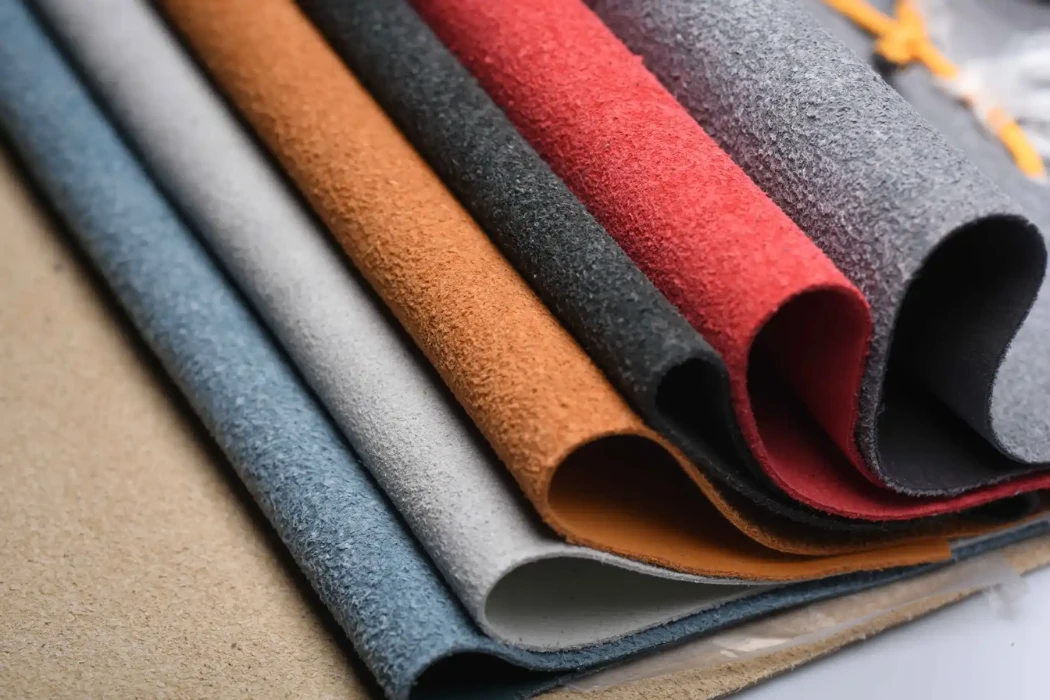
A recycled-content claim and a material specification answer different purchasing questions. A bag or belt material may contain recovered leather fibers, yet its strength, finish and manufacturing behavior still need evaluation. Buyers should establish the construction and composition before comparing price, performance or environmental claims. In this guide, “virgin leather” means newly produced hide or […]
Leather Traceability: Supplier Records and EU Scope Checks
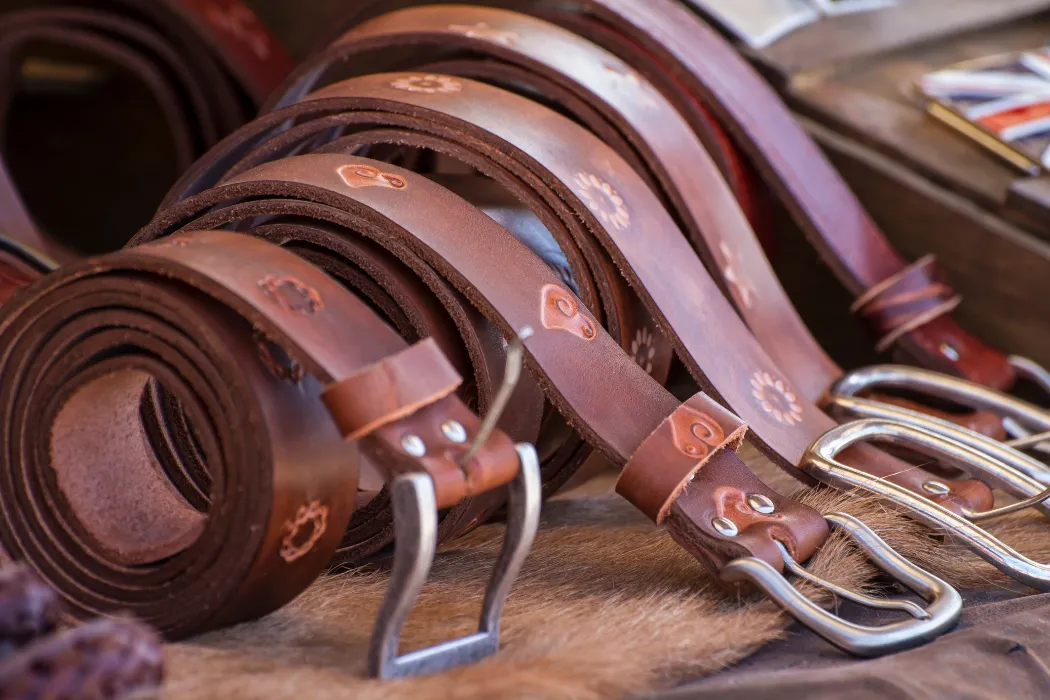
Leather traceability helps buyers connect a finished order to the materials and suppliers used. For EU-facing programs, start by checking which rules apply to the actual product and CN classification, then define the records required by the importer and customer. A traceability system connects incoming material references, processing batches and finished production orders. Upstream detail […]
How Are Reversible Belts Engineered? A Guide to Dual-Sided Production
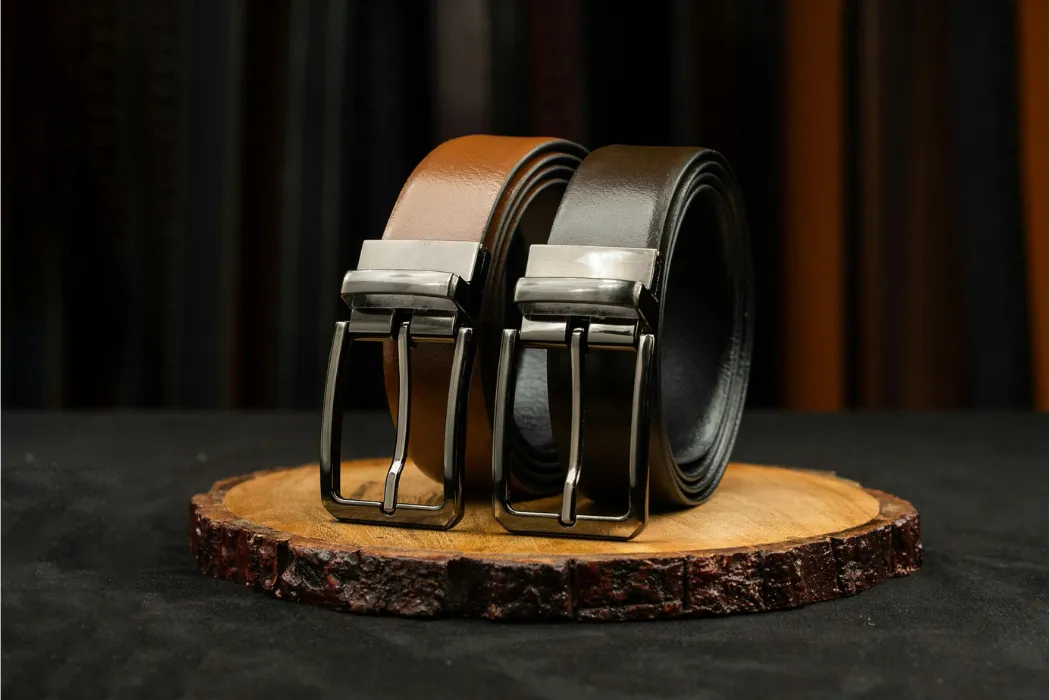
A reversible fashion belt provides two usable faces, so its material stack, edge treatment and fastening mechanism must work in both orientations. The development brief should identify how reversal happens and which appearance and functional checks apply. A design may use bonded or stitched layers, reinforcement and a rotating or detachable buckle. The construction is […]
Leather Belt Manufacturing MOQ: What Buyers Need to Know
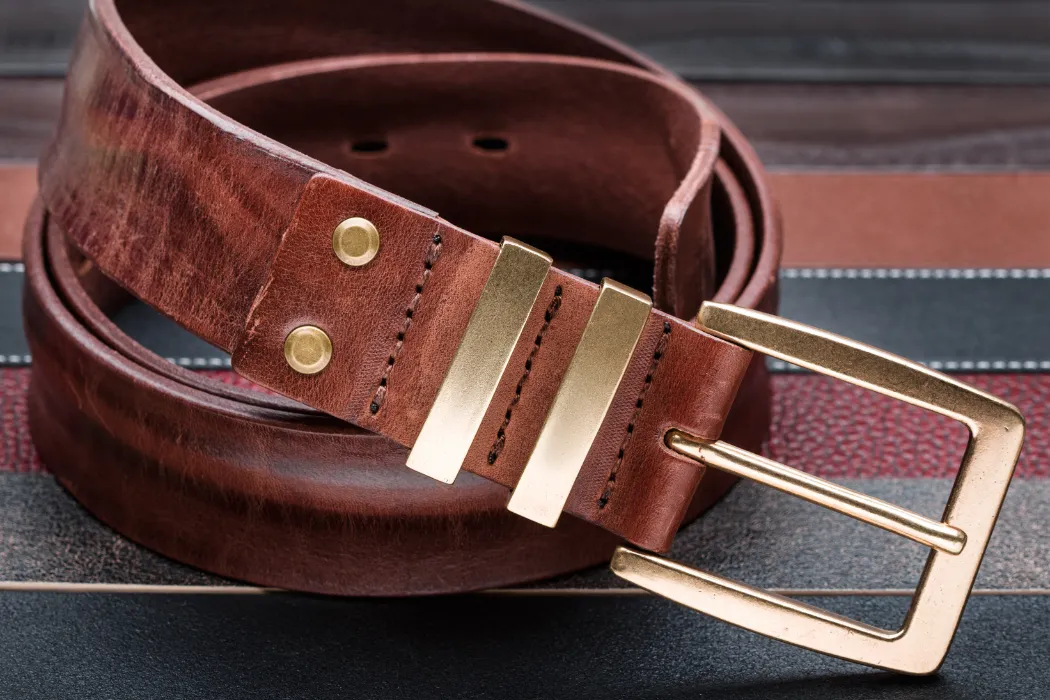
Minimum order quantity, or MOQ, is the smallest order a supplier agrees to accept under a particular offer. For a belt brand, it affects inventory, cash flow and assortment planning. Ask what the minimum applies to: the finished order, a material, a color, a style or a hardware component. Material availability, supplier minimums, setup work, […]
China vs Cambodia Belt Sourcing: Factory Quotes and Landed Cost
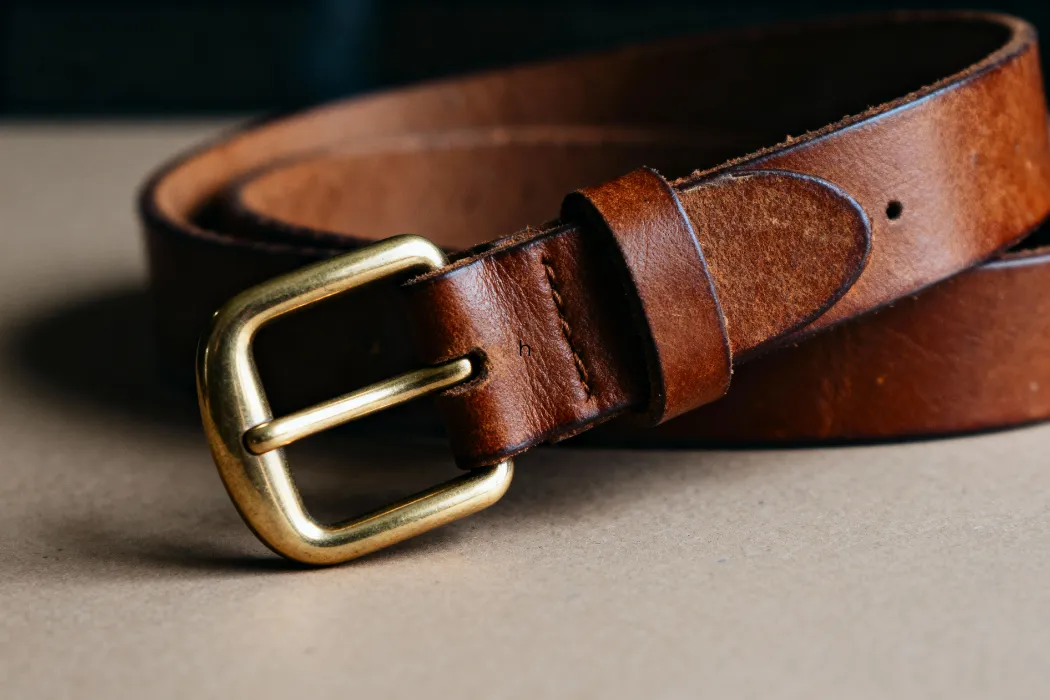
Compare China and Cambodia belt proposals using the same specification, material readiness, capacity, delivery basis and verified import assumptions.
Dual-Country Leather Goods Production: Risk and Cost Checks
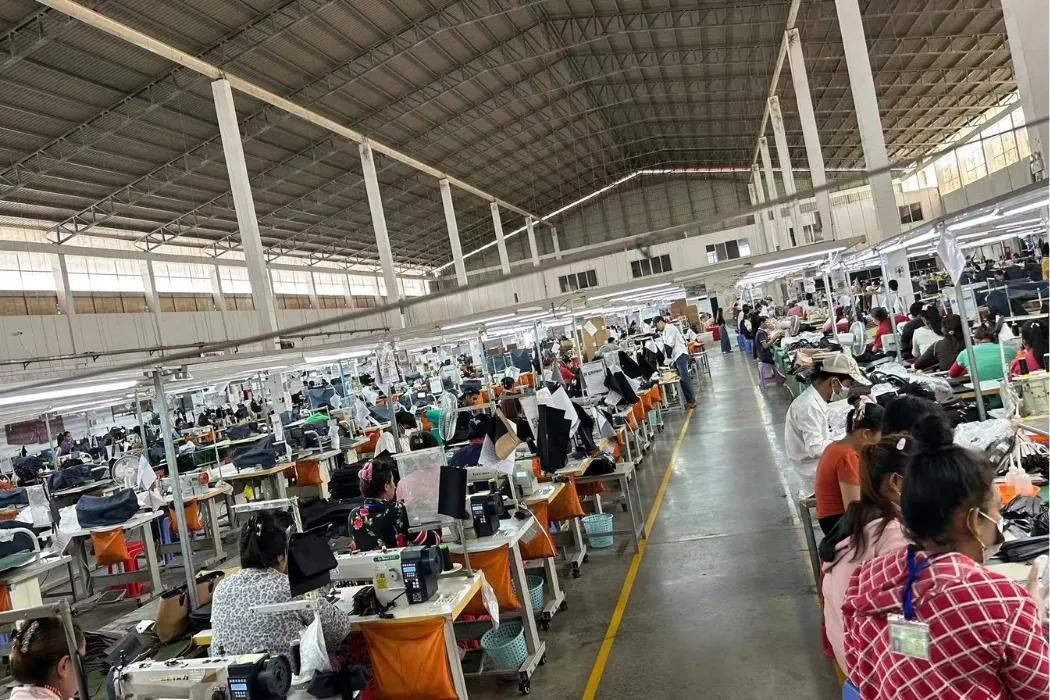
Evaluate a China and Cambodia production plan for supply continuity, material consistency, available capacity and verified import costs.
Importing Leather Goods from Cambodia: Duties, Origin and Documents
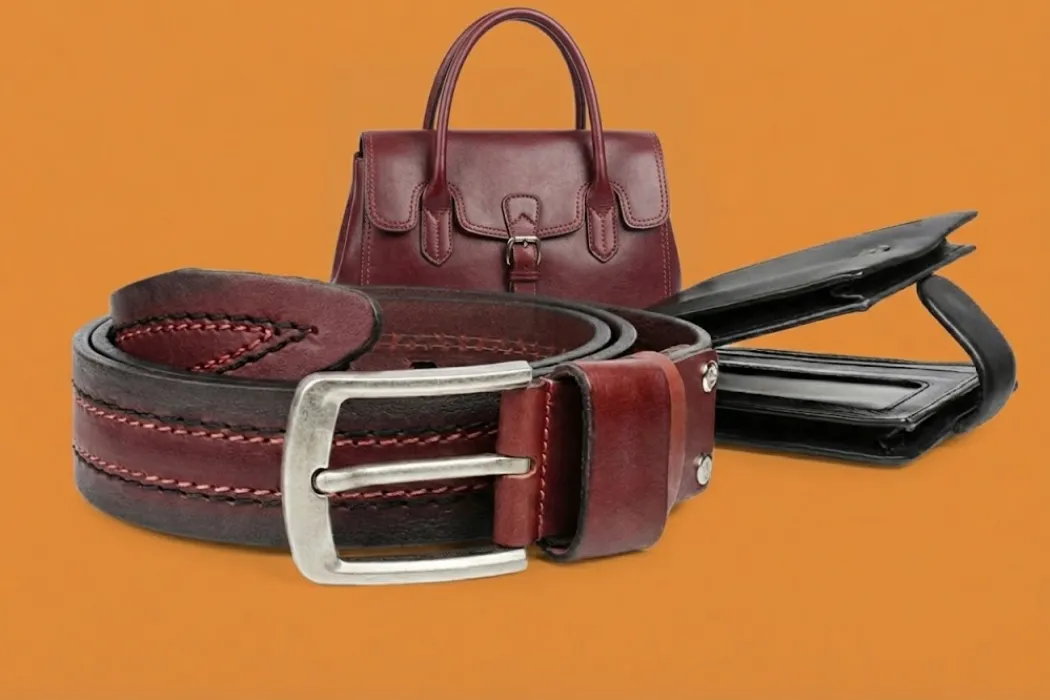
Check product classification, origin, current import treatment and supporting records before budgeting Cambodia belt or bag orders. Duty-free entry is conditional.
Vegetable vs. Chrome-Tanned Belts: Performance and Sourcing
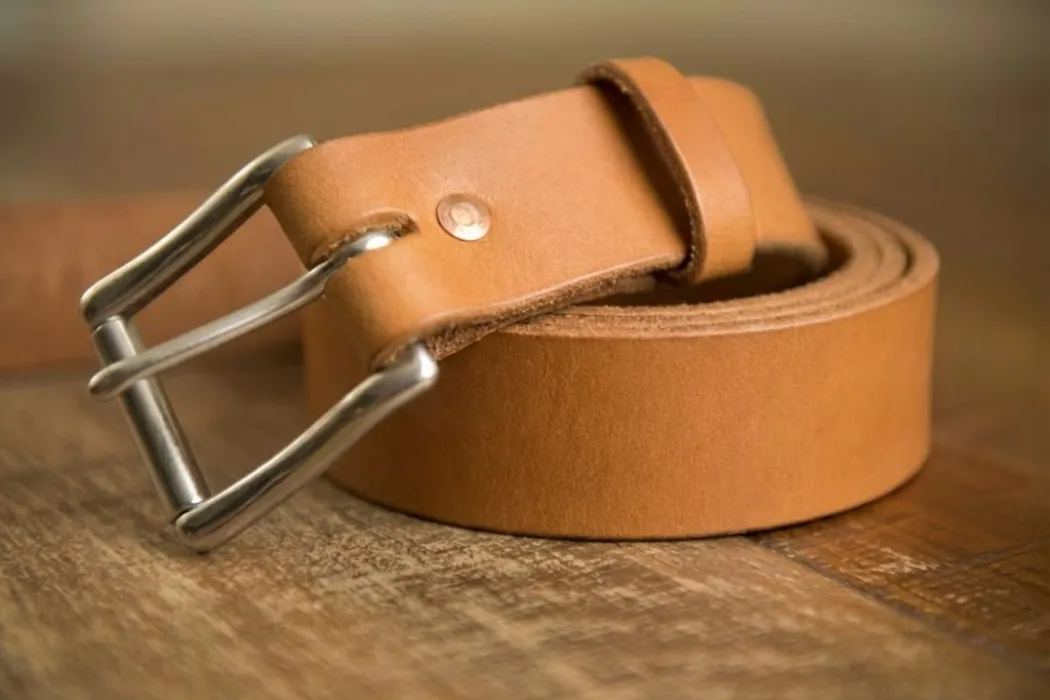
Vegetable-tanned and chrome-tanned leather are two options for a fashion-belt collection. The tanning route influences the material, but the finished article also depends on retanning, lubrication, thickness and surface finish. Compare the actual offers against the design and intended use rather than assigning a lifespan or environmental ranking to the tanning name. Vegetable tanning uses […]
What is LWG Gold Certification and Why Does Your Belt Brand Need It?
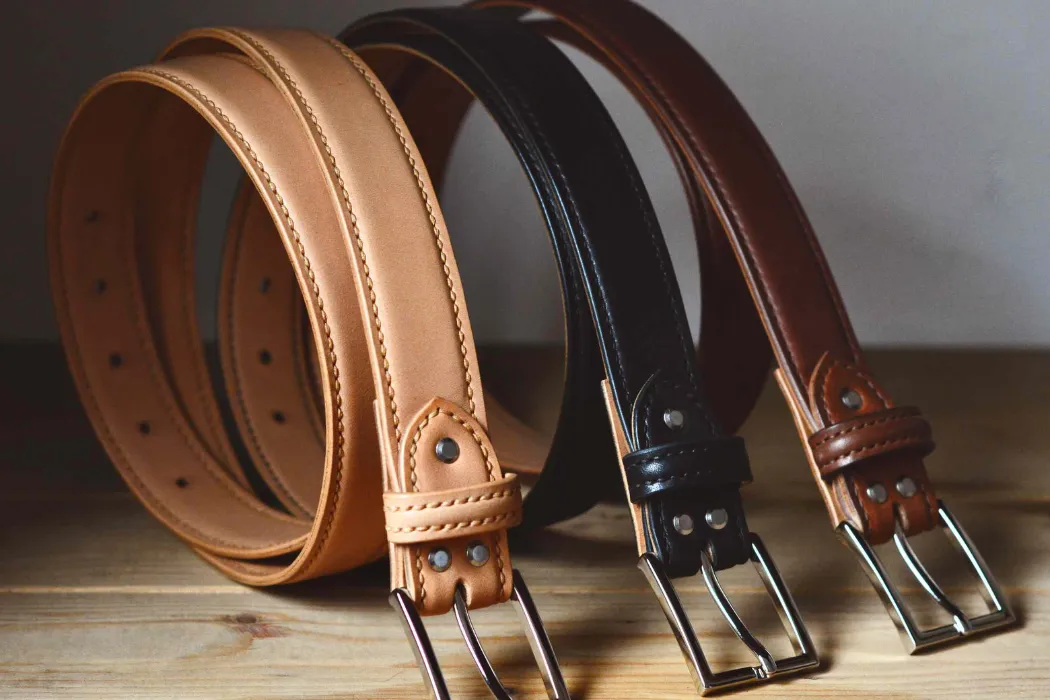
LWG Gold is a rating for a qualifying leather manufacturing facility. It can support a brand’s supplier assessment, but it does not certify an individual belt, guarantee chemical safety or provide automatic access to every market. Buyers need to connect the facility’s status to the actual material supply route. This guide explains the rating, its […]
Sustainable Belt Manufacturing: LWG and Sourcing Evidence
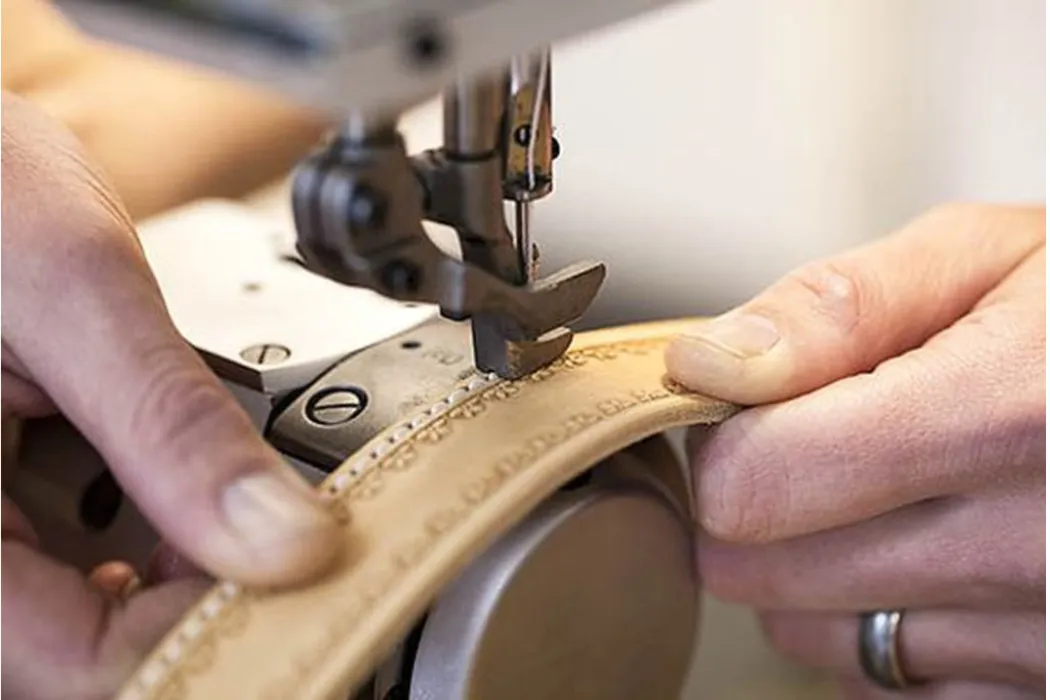
Check LWG facility scope, material traceability and environmental claims. Build a belt sourcing brief supported by order-specific evidence.
China Plus One for Belts: Evaluate a Hybrid Supply Plan
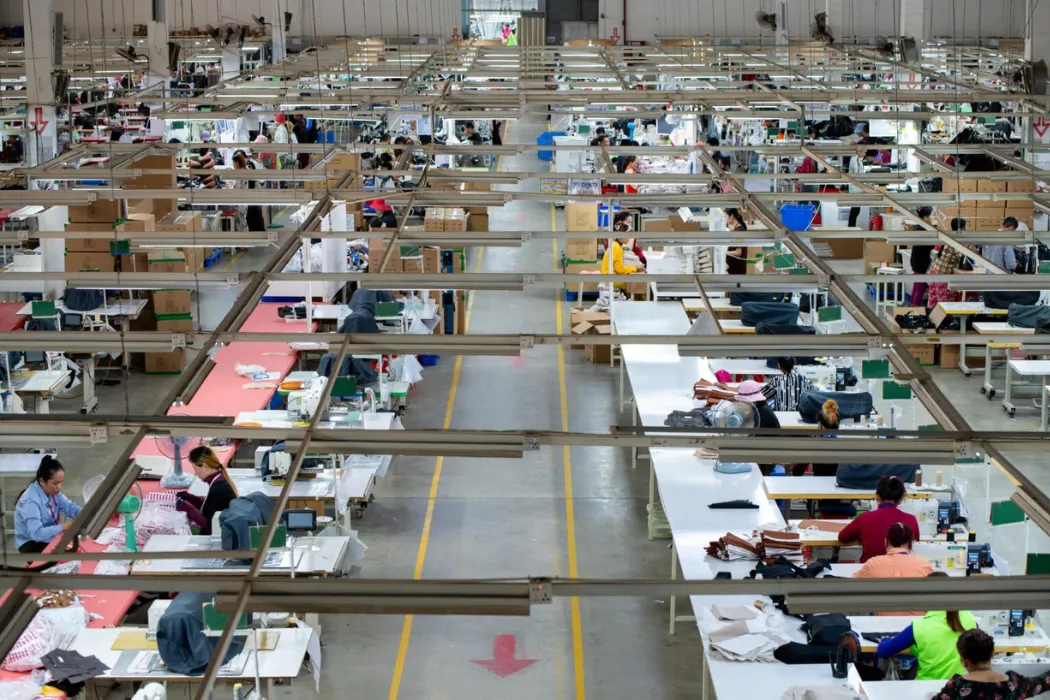
Assess a China and Cambodia belt production plan through development, material transfer, quality controls and verified landed costs.
Six Ways to Review Leather Belt Manufacturing Costs

Compare material, cutting yield, hardware, labor and delivered costs on an approved belt specification. Verify duties before comparing origins.