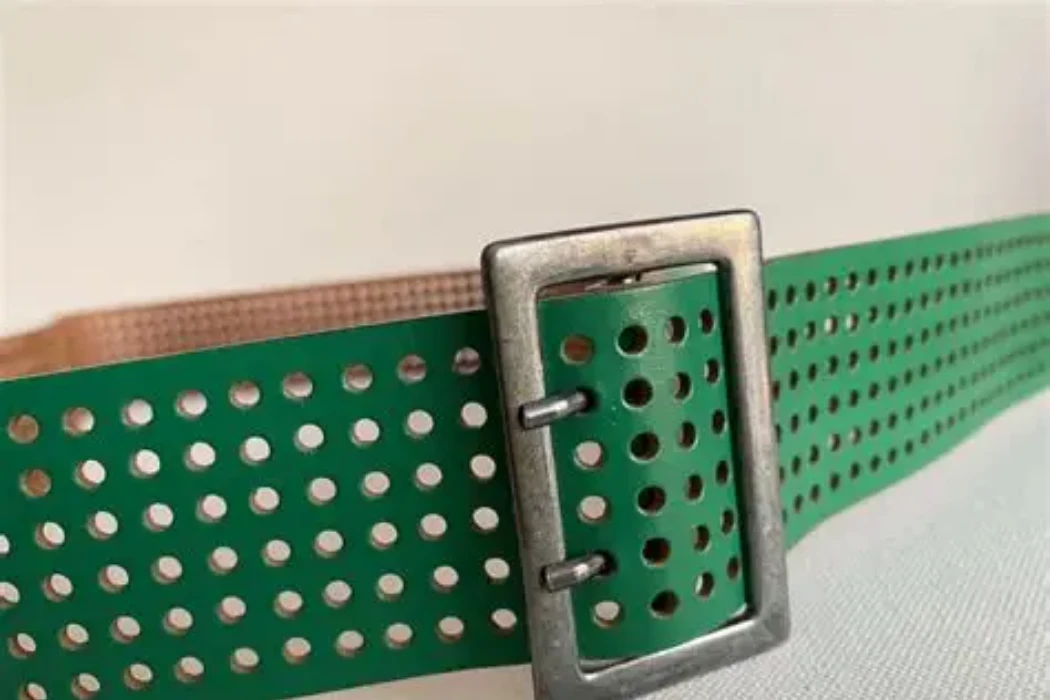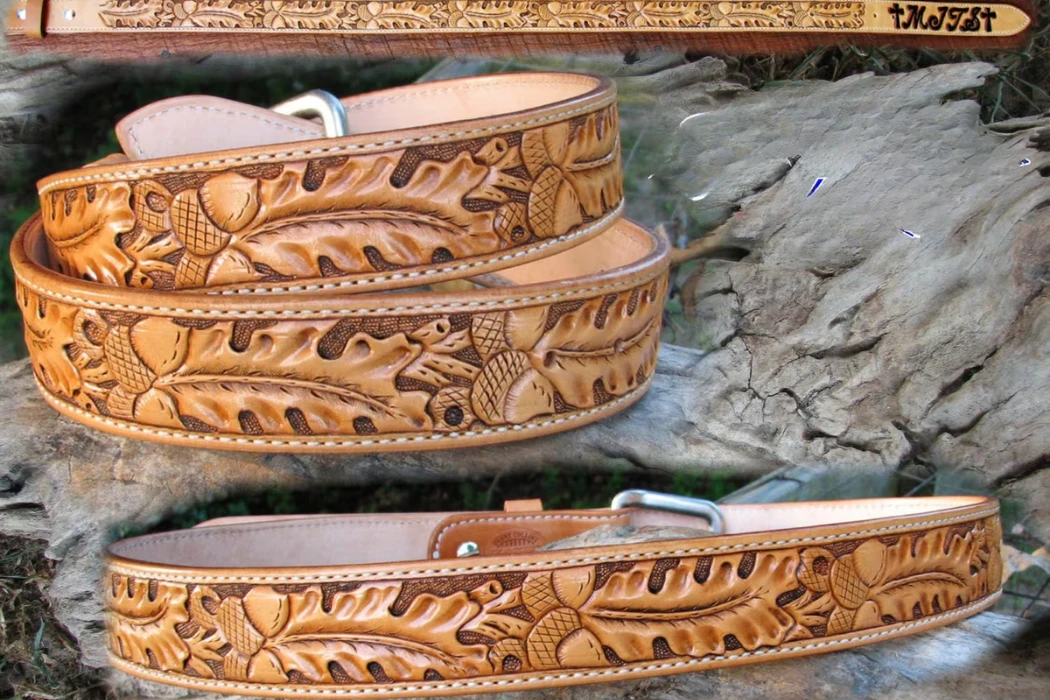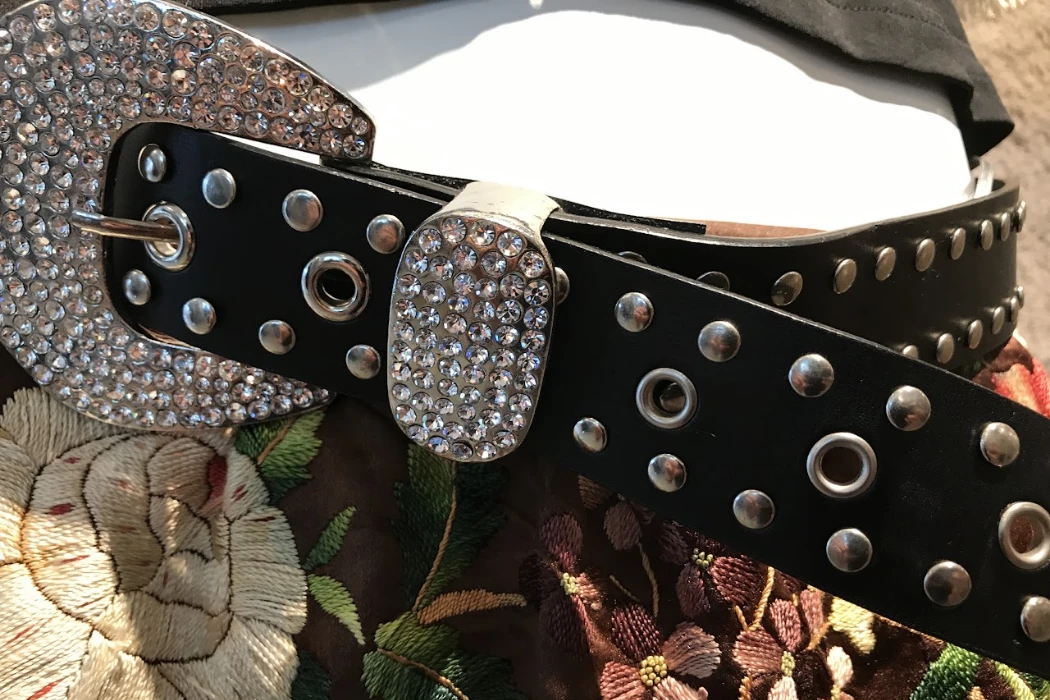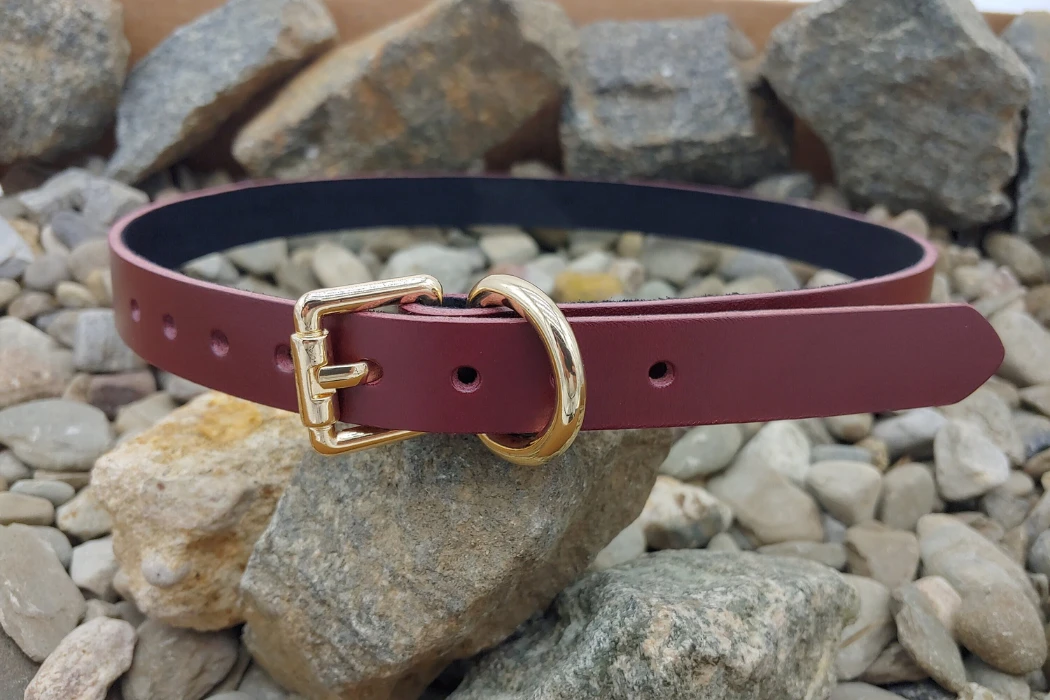
A belt cost review should identify which specification and supply decisions drive the quoted price. Start with the approved product and order mix so proposed savings can be compared without obscuring changes in appearance, performance or delivery.
Cost reduction can start with the specification: cutting yield, material selection, hardware and assembly steps. Compare those changes on approved samples, then calculate landed cost from actual factory and freight quotations with verified duties.
The factory price is one part of delivered cost. Compare product, freight, insurance, clearance, duties and other costs on a consistent basis and avoid double-counting items already included in the quotation. The six areas below support a review of the actual costed sample.
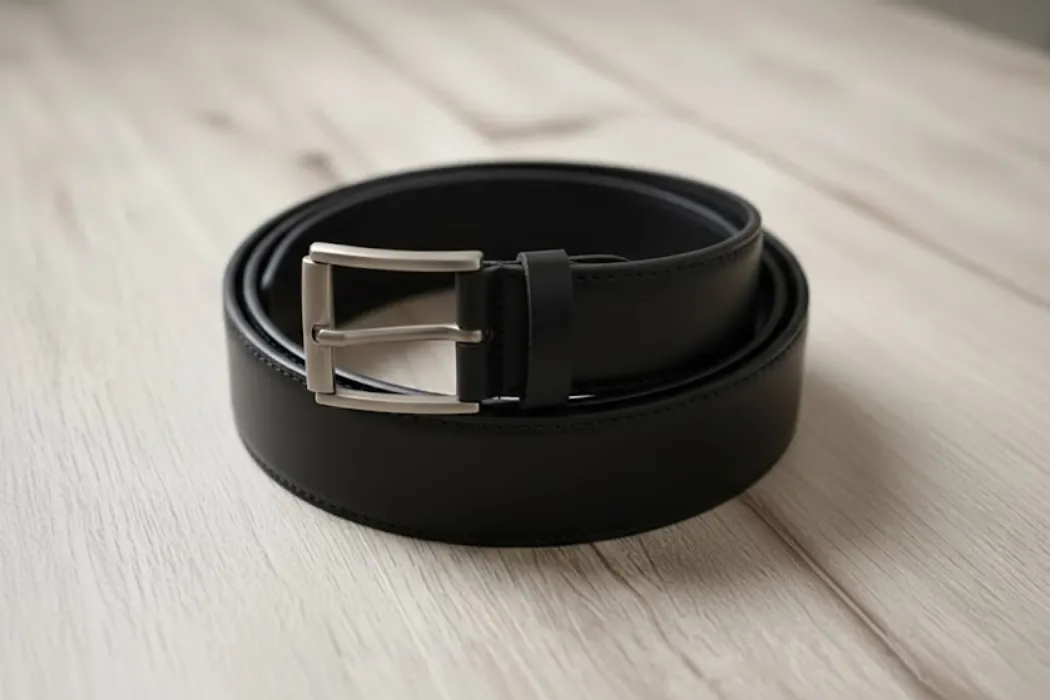
How Does Leather Grade Selection Impact Final Price?
Compare identified leather articles at the same thickness, finish, quantity and acceptance requirements. The share of leather in total cost varies by design. Ask for costed alternatives instead of assuming one material change produces a fixed percentage saving.
Comparing Full Grain vs. Corrected Grain vs. Split Leather
Specify the layer and grain treatment accurately. Full grain retains the natural grain; corrected grain has surface correction, while split leather uses another hide layer and may have different finishes. “Top grain” requires clarification rather than automatic equivalence to corrected grain. Compare actual performance and price, not a universal grade ladder.
| Material option | Cost-review question |
|---|---|
| Full grain | What appearance variation and cutting yield are accepted? |
| Corrected grain | Does the proposed finish meet the collection requirements? |
| Split leather | What construction and finish are supplied and tested? |
| Reconstituted-fiber material | What composition, claims and performance are approved? |
The “Yield Factor”: Why Cleaner Hides Save Waste
Evaluate usable area for the actual belt pattern and defect allowance. A lower price per area can be offset by lower cutting yield, but the result needs evidence from the selected hides. Ask the factory to explain material consumption and how approved natural variation affects the layout.
When to Swap to High-Quality PU or Bonded Leather
Consider alternative materials where they meet the buyer’s brief, with accurate composition and marketing descriptions. Approve the appearance, hand feel, flexing and other required properties on a sample. Do not assume a price threshold makes genuine leather impossible or that a composite material has almost no waste.
How does manufacturing location affect landed cost?
Compare the full delivered cost before moving a belt program. A lower factory quotation can be offset by material transit, freight, clearance or additional inventory holding time.
Compare China and Cambodia on the same SKU
For US imports, confirm the complete HTS classification, origin, customs value and entry date, including any applicable Chapter 99 duties. Check the current US tariff schedule.
Cambodia’s EU EBA preferences are partially withdrawn for certain products. Check the exact commodity code, origin rule and documentation before claiming a preference. European Commission: Cambodia trade arrangements.
| Input | Buyer action |
|---|---|
| Material and construction | Use the same approved bill of materials for both quotations |
| Manufacturing origin | Document where relevant processing occurs and verify the destination’s origin rule |
| Duties and taxes | Use the applicable rate and valuation basis for the expected entry date |
| Delivery | Compare the same named destination, freight scope and approval schedule |
Put any saving beside its scheduling cost
Compare quotations on the same specification and delivery term. Record product cost, freight, insurance, clearance, applicable duties and inland delivery separately; subtract costs already included in the quotation. Ask how material transfers affect the production start and shipping date. A second manufacturing location is useful only when the qualified product and delivery plan support the order.
Does Sourcing Directly from Tanneries Cut the Middleman?
Compare direct and intermediated offers on the same article, quantity and delivery scope. A distributor may provide stock access, logistics or smaller releases. Removing an intermediary does not guarantee a fixed margin saving once these services and responsibilities are included.
Comparing Crust Finishing with Finished-Leather Sourcing
Crust is tanned, fatliquored and dried leather before finishing; it can also be dyed. Buying it for later finishing may suit some programs, while finished leather may suit others. Compare the final approved article, processing cost, yield, minimums and responsibilities rather than assuming crust is always the cheapest route.
Vertical Integration Improves Agility
Hoplok’s ProPelli operation finishes externally sourced crust. Discuss whether that route supports the required finish and release plan. Confirm material and finished-product minimums in the quote; in-house finishing does not automatically create a particular stock level or smaller MOQ.
Can Simplifying Hardware Finishes Save Money?
Quote the selected buckle against approved alternatives in base material, geometry and finish. Confirm appearance, function and relevant testing before accepting a change. Hardware’s share of the BOM depends on the design.
Zinc Alloy vs. Solid Brass: The Material Gap
Compare actual alloys, component weights, tooling and finishing processes. Brass and zinc alloy can support different designs, but neither belongs exclusively to a fixed retail price tier. Obtain quotations and evaluate the assembled sample rather than assuming a three- or four-fold price ratio.
The “Open Mold” Strategy
An existing hardware design may reduce new-tooling work if it meets the brief and is available for lawful use. Confirm tooling charges, customization, component minimums and lead time. “Open mold” does not automatically mean free, exclusive or unrestricted.
| Hardware decision | Quote and approve |
|---|---|
| Base material | Actual alloy, dimensions and weight |
| Existing design | Availability, permitted use and any fees |
| Custom design | Tooling charge, ownership and schedule |
| Finish | Approved color and relevant performance checks |
Plating: Do You Need PVD?
Compare hardware finishes on the selected base metal and approved color sample. Ask the supplier to quote the coating system and agree the relevant abrasion, adhesion or corrosion assessment with its conditions and acceptance criteria. A finish name does not guarantee a salt-spray result or a service life.
What Role Does Cutting Efficiency Play in Unit Price?
Review pattern layout, hide shape, permitted variation and required material orientation. Use measured or trial consumption for the actual style to estimate cost. There is no universal waste percentage for all belt materials and designs.
Understanding “Nesting”: The Tetris of Manufacturing
Nesting arranges patterns to use available material while meeting cutting rules. Compare layouts and consumption for the approved size mix. Any allowance for natural marks must be written into the acceptance criteria; cost savings do not justify concealing structural defects.
Belt Shape: Straight vs. Curved
A curved pattern can use material differently from a straight strap, but its fit benefit may be part of the design brief. Compare actual layouts and samples before changing the shape. Do not assume a fixed consumption penalty or describe every contoured design as inefficient.
Amortizing Cost with Off-Cuts
Where suitable, use off-cuts for approved smaller components. Include sorting, cutting and assembly costs and check thickness, appearance and performance. Recovered material does not make the finished component free.
How Do Design Tweaks Affect Labor Hours?
Review the operations needed for the actual construction, equipment and order mix. A simpler design may reduce work, but unit cost also depends on material, setup, throughput and inspection. Validate the proposed change with a costed sample.
Edge Finishing: Cut Edge vs. Folded Edge
Compare the approved edge appearance and performance against its quoted processing cost. Painted cut edges and folded edges involve different preparation and finishing steps. Neither is always cheapest, and no fixed three-times labor ratio applies to every construction.
Stitching Complexity
Extra rows, curves or visible contrast may change sewing and inspection work. Ask for the actual cost effect and evaluate whether the design feature adds value. Define workmanship tolerances rather than assuming contrast stitching has zero allowable variation.
Simplify Packaging to Speed Up Packing
Compare packaging alternatives that still meet protection, labeling and retailer requirements. Include materials, assembly time, packed volume and transit validation. A simpler pack can change cost, but the saving should come from the quotation and trial packing.
Frequently Asked Questions (FAQ)
Use these questions to request comparable quotations and evaluate the approved construction.
What is the cheapest genuine leather type for belts?
Compare the available articles for the actual order. A split-leather option may be considered, but no fixed price discount or universal cheapest type applies across thicknesses, finishes and supply conditions.
Does manufacturing belts in Cambodia save on import taxes?
Potential savings depend on the product, origin, destination and entry-date rules. Verify the current duty treatment and preference conditions, then compare the two delivered quotations. Cambodia production does not establish an automatic US or EU exemption.
How much does a custom belt buckle mold cost?
Request a tooling quote for the drawing, material and required process. Confirm ownership, maintenance, storage and any shared-design alternative; no universal mold fee or free existing-design policy applies.
Is split leather good quality for belts?
Suitability depends on the selected split, finish, reinforcement and construction. Approve relevant tests and the finished sample against the buyer’s requirements rather than assigning one durability level to all split leather.
What is the standard waste rate for leather cutting?
Estimate consumption from the actual hide selection, pattern, size mix, orientation and defect allowance. Validate the figure through a layout or production trial instead of using a universal waste band.
How can I lower the MOQ for custom leather belts?
Ask whether available materials and existing hardware simplify the order. Hoplok’s MOQ is 300 genuine leather belts or 1,000 PU belts; confirm style/color allocation and material minimums in the quotation.
Review the Costed Sample Before Release
Hoplok can discuss leather finishing and belt construction across its China and Cambodia facilities. ProPelli finishes externally sourced crust and holds valid LWG Gold status for its operation. Send the material brief, hardware, quantities and destination for a custom belt quotation, and compare any location advantage using verified delivered costs.