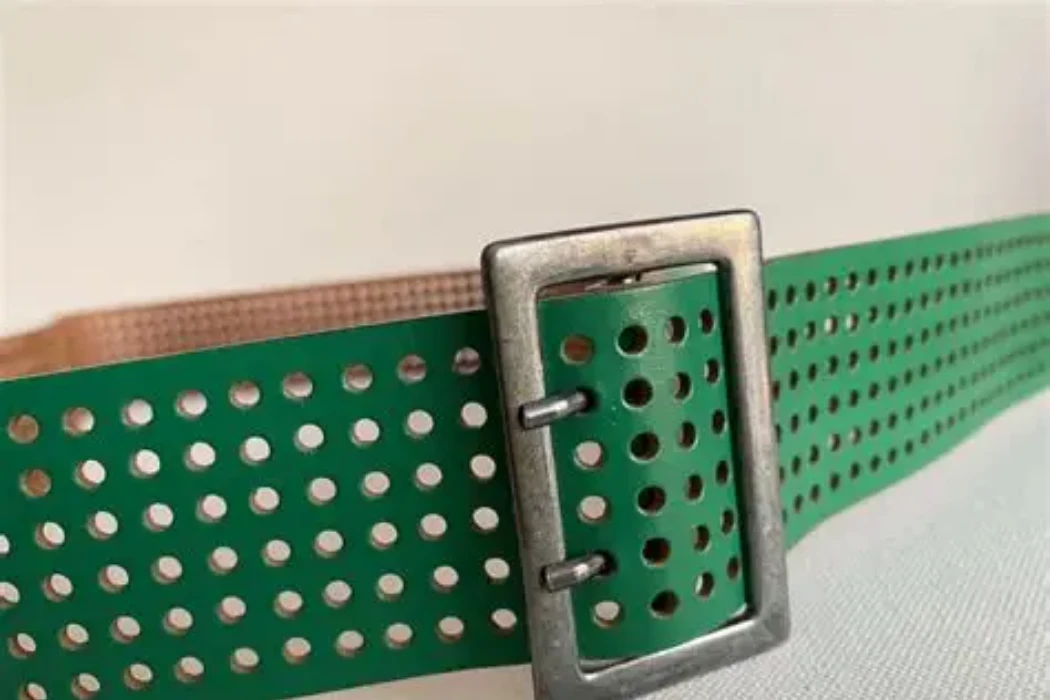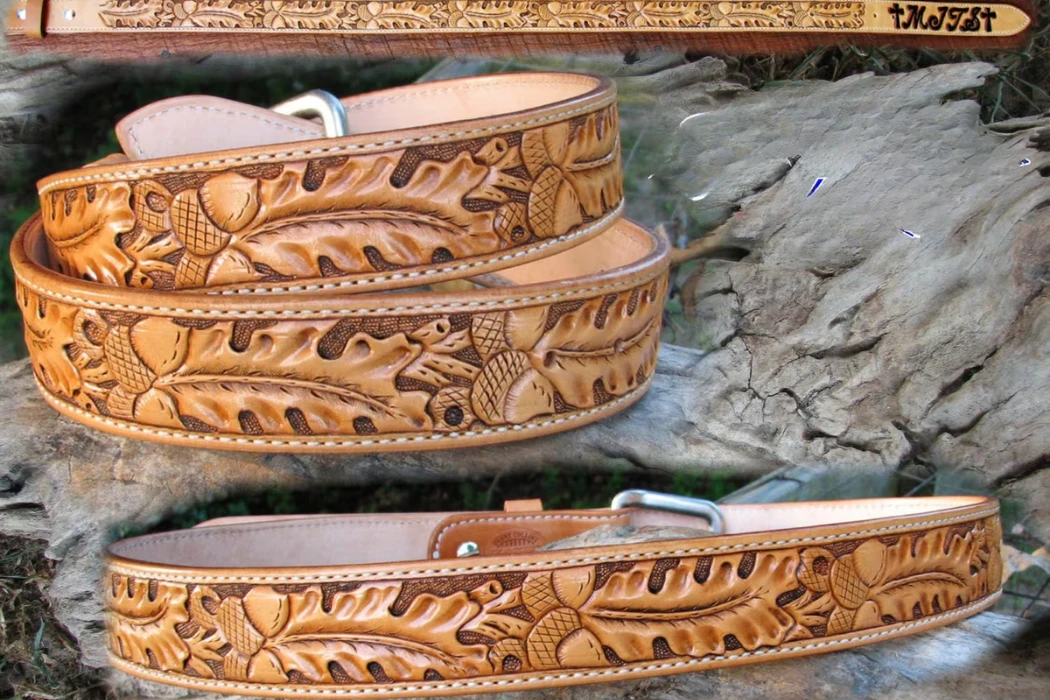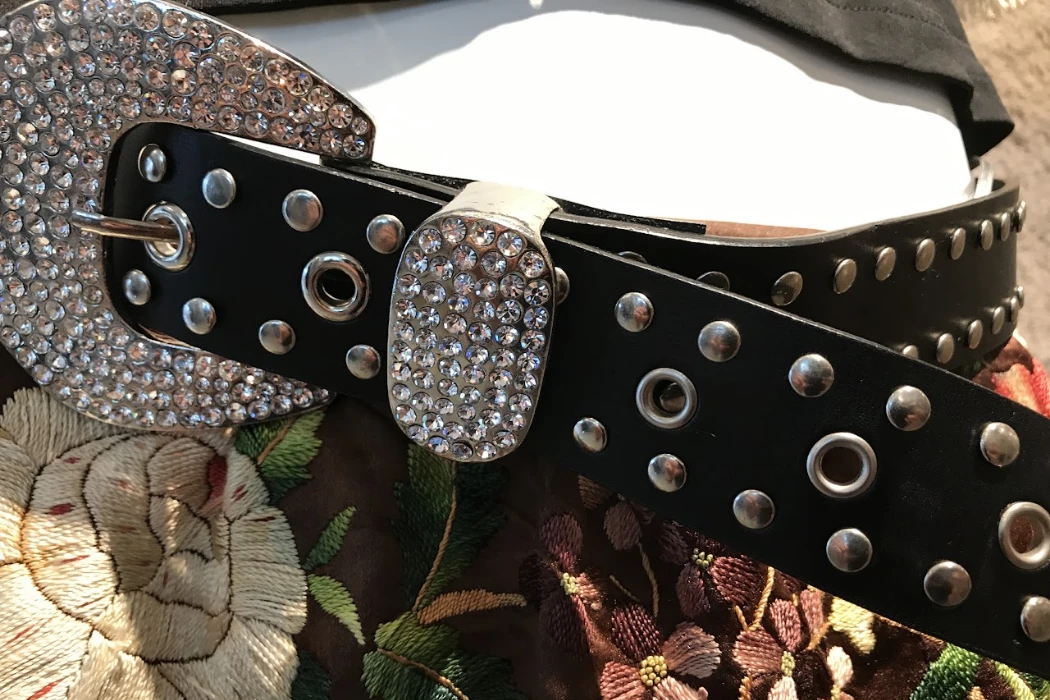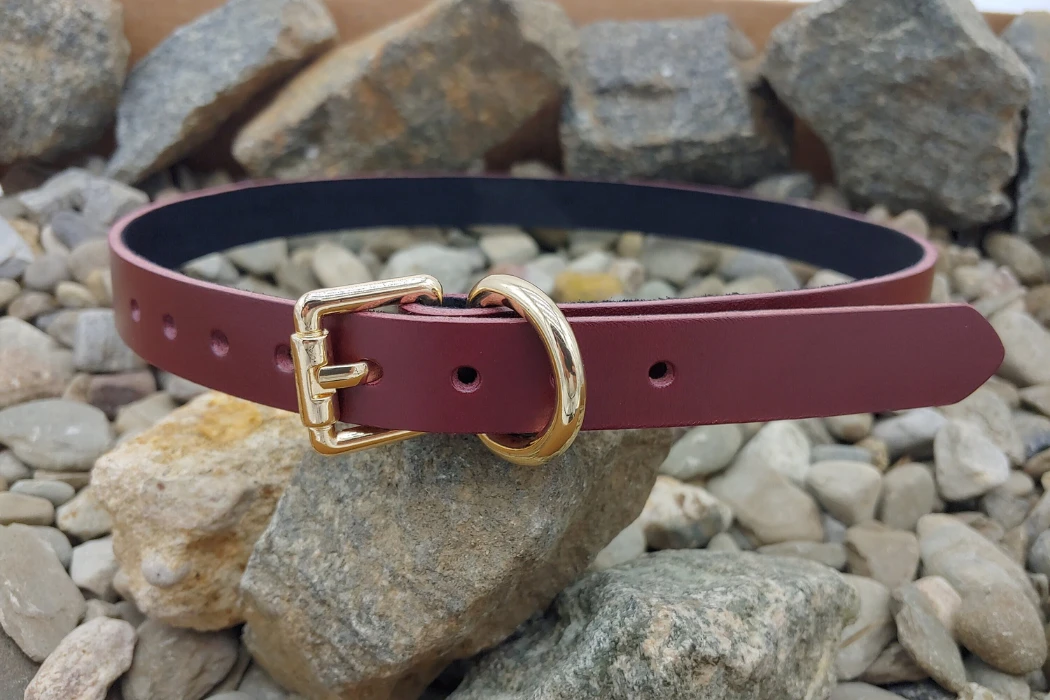
Dual-country sourcing gives buyers two production locations to evaluate. Its value depends on whether the specific product can be made at each site and whether the sites share materials, tooling or transport dependencies.
A second production country can give a brand another sourcing option, provided the product, materials and production slot are approved there. China and Cambodia proposals should be compared on the same specification, including verified import costs. Moving an order is a planned transfer, not an automatic emergency switch.
The practical question is how much disruption a prepared transfer can absorb. Compare the operating requirements below before allocating orders between China and Cambodia.
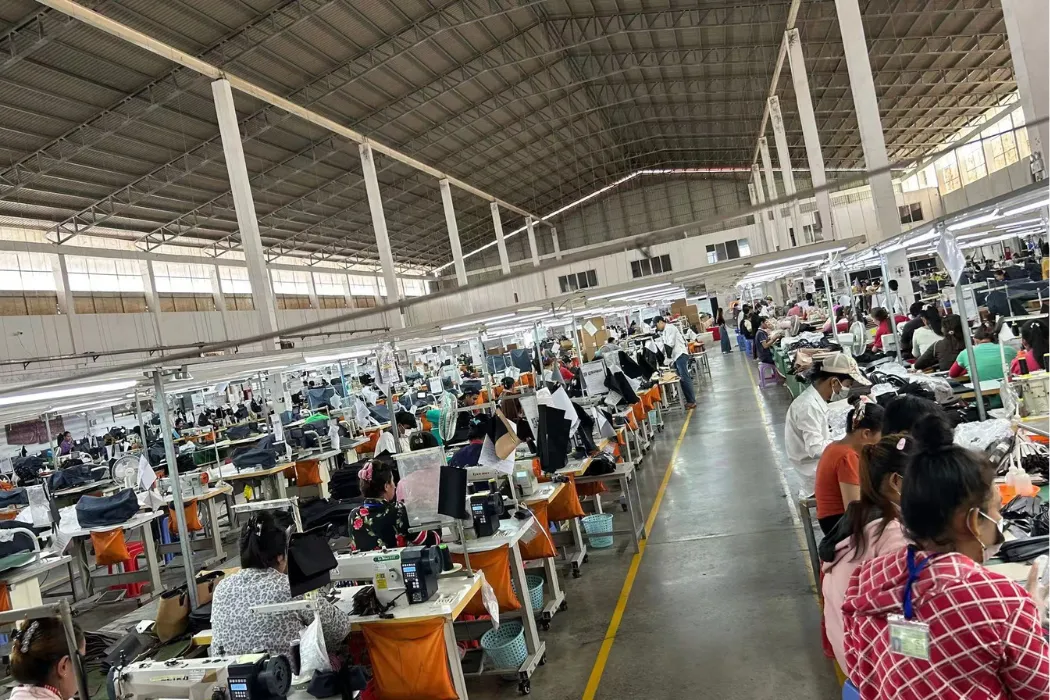
How should a dual-country footprint be compared for import costs?
A factory address does not establish the duty on a belt or bag. The importer needs the product’s construction, manufacturing history and destination rules before assigning a customs rate.
Build two comparable landed-cost sheets
Compare quotations on the same specification and delivery term. Record product cost, freight, insurance, clearance, applicable duties and inland delivery separately; subtract costs already included in the quotation. Use the same order quantity, packaging and delivery point for both proposals. Different freight assumptions can erase an apparent factory-price saving.
- For US imports, confirm the complete HTS classification, origin, customs value and entry date, including any applicable Chapter 99 duties. Check the current US tariff schedule.
- Cambodia’s EU EBA preferences are partially withdrawn for certain products. Check the exact commodity code, origin rule and documentation before claiming a preference. European Commission: Cambodia trade arrangements.
- For Canada, the UK or another destination, check that market’s current tariff and preference rules independently. Approval in one market does not establish eligibility elsewhere.
| Comparison item | China proposal | Cambodia proposal |
|---|---|---|
| Product and classification | Document the finished SKU and applicable code | Document the same SKU and applicable code |
| Origin | Record materials and processing locations | Record materials and processing locations |
| Duty assumption | Current entry-date treatment | Current entry-date treatment; preference only if eligible |
| Operating decision | Confirm materials, capacity and shipping route | Confirm materials, capacity and shipping route |
Allocate production after both sheets are complete. Recheck the duty assumptions before shipment if tariff measures or the product construction change.
Can a multi-factory model protect against regional lockdowns and port strikes?
A second location can offer a route around a local disruption, but an order still needs materials, capacity and an approved shipping plan. Shared upstream suppliers or transshipment ports can expose both locations to the same delay.
List which risks are local and which dependencies both sites share. Review them against the actual bill of materials and freight route.
- Power: Ask each site to document its current operating constraints and contingency arrangements. A separate electricity network does not establish available production capacity.
- Labor calendar: Obtain the planned closure dates and staffing schedule for both sites. Include material suppliers and subcontractors in the holiday plan.
- Ports: Ask the forwarder to quote feasible routes from each factory, including inland transport, consolidation and transshipment dependencies.
Treat a transfer as a production change requiring approval. Check the time needed to move or remake tools, inspect the receiving line and secure the new route.
Planning Exercise: A Material Supply Interruption
A contingency exercise is useful before a disruption occurs. Work through one order and record what the second site would need to begin acceptable production.
- Scenario: In this hypothetical planning exercise, material movement to one factory is interrupted. This is not a reported customer case.
- Response: Check whether the alternative site has approved samples, tooling, materials and an available production slot before proposing a transfer.
- Decision: Compare the transfer schedule with waiting for the original route. Record the buyer’s approval and any change in cost or shipping date; no fulfillment percentage is assumed.
The exercise should identify the transfer owner, approval points and unresolved dependencies. Geographic separation alone does not guarantee continuity.
How can finishing control support material consistency across borders?
Material color and feel can differ between production lots. Buyers need a common approved reference and a repeatable acceptance process when the same style is made at more than one site.
The “Crust-to-Finish” Solution
Hoplok’s ProPelli facility finishes externally sourced crust leather in Cambodia; it is not an upstream tannery. This gives the team a defined finishing stage to control, while incoming material and finished lots still require approval.
- Raw material: Record the supplier, article and lot for the crust leather. Even within a batch, inspect natural variation, thickness and suitability for the cutting plan.
- Centralized finishing records: Use an approved finish sample and recorded recipe as references. Agree the visual assessment conditions and any instrumental color tolerance for the material. A finishing facility is distinct from the upstream tannery.
- Finish effects: Approve the requested effect on actual material and define acceptable variation. Confirm that the receiving site can reproduce it before allocating the order.
Keep the approved master sample with the finishing specification and lot records. Compare production samples under agreed viewing conditions rather than assuming an identical recipe eliminates natural variation.
Chemical Control and Global Compliance
Control of finishing can improve visibility into the chemicals and processes used. It does not guarantee compliance: review the actual material, intended market and relevant test evidence.
For an integrated proposal, request the relevant chemical and material records and agree product testing before production:
- EU restricted substances: Identify the applicable restrictions for the material and intended use, then request relevant test results.
- US market requirements: Confirm the applicable product and exposure requirements with the importer and testing provider; a generic chemical list is insufficient.
- Facility evidence: Review current LWG documentation for the named facility and its scope. It is separate from product chemical test results.
Finishing records help investigate a difference between lots. They should be reviewed with the upstream material records and product test evidence.
How can manufacturers align quality controls across sites?
Country of manufacture does not establish a product’s quality. Compare the actual site, its assigned processes, sample results and inspection controls.
The “Golden Sample” Protocol
Start with an approved sample and a controlled technical specification covering materials, dimensions, construction, finish and packaging. Confirm which site will perform development and which will produce the order.
Provide the receiving site with the current sample, patterns and tooling information. Approve its pre-production sample before treating the style as transferable.
Training and Responsibility
Confirm the responsible technical and quality contacts at each location. Ask how line training and production changes will be documented instead of assuming staff experience from the country name.
- Training: Ask who will train the receiving line on the approved construction and how first-production samples will be checked.
- Defect definitions: Use the same written criteria and reference samples at both sites, with an agreed process for disputed inspection findings.
Quality Control Records to Compare
Use the following comparison to check responsibilities and evidence for each proposal.
| Operational Metric | China proposal | Cambodia proposal |
|---|---|---|
| Primary Function | Confirm development and production scope | Confirm development and production scope |
| Quality Standard | Approved sample and current technical specification | Approved sample and current technical specification |
| Technical responsibility | Name the development and QC contacts | Name the production and QC contacts |
| Inspection Protocol | Agree inspection stages, sampling and defect criteria | Agree inspection stages, sampling and defect criteria |
| Order allocation | Match construction, material and available capacity | Match construction, material and available capacity |
Investigate any missing responsibility or inconsistent criterion before bulk production starts.
Can a dual-country model support brand growth?
A supplier with more than one location may support a change in order volume, but each allocation still needs a capacity and cost review. Business continuity and environmental impact are separate questions.
Scalability: From Prototype to Container
When a style grows, check that material availability, tooling, inspection and packing can support the new order. Do not assume that a site approved for one volume is ready for another.
Review development and scaling separately:
- Development: Confirm where sampling will take place and which minimum quantities apply to the selected material and construction.
- Scaling: Re-approve the production plan when volume or location changes. Confirm the contracting entity, price, quality responsibilities and delivery terms in writing.
Unified Compliance Architecture
Request current facility documents for every site proposed for your order. Review the named legal entity, address, audit scope, validity and open corrective actions.
One supplier contact may simplify coordination, but it does not make one site’s certificate or audit apply to every factory. Verify any claimed ISO certification or social audit for the specific facility before relying on it.
Frequently Asked Questions
Q: Is leather quality lower in Cambodia compared to China?
A: Compare the specific material and finished samples. Country and a crust-to-finish arrangement do not by themselves establish equal quality.
Q: What are the lead time differences between the two regions?
A: Request an order-specific schedule covering materials, sampling, production and transit. Hoplok’s confirmed belt sampling period is 2–3 weeks, bag sampling is 3–4 weeks, and bulk production is 60–90 days; any transfer needs a separate schedule review.
Q: Do I need to manage two separate contracts for a dual-country setup?
A: Confirm the contracting entity and who may approve a site change. The contract should identify production responsibilities, inspection rights, origin records and remedies; a shared group name alone does not settle them.
Q: How does the Leather Working Group (LWG) certify facilities in emerging markets?
A: LWG applies its audit framework across locations. Check the named facility and scope. Hoplok has confirmed a valid LWG Gold rating for ProPelli, its leather-finishing facility; this does not certify all Hoplok factories or finished products. See LWG certification scope.
Conclusion
A dual-country strategy works when both sites can reproduce the approved product and the transfer plan is ready. Compare capacity, material availability, quality controls and verified landed cost. Geographic diversity can reduce a particular disruption’s impact, but it does not guarantee duty savings or uninterrupted shipments.
Hoplok’s four-factory footprint totals 19,000 m²: HongDing in China (5,000 m²), and the Hoplok bag factory (4,000 m²), Hongcen Max belt factory (5,000 m²) and ProPelli leather-finishing facility (5,000 m²) in Cambodia. For a custom leather belt program, request a proposal that identifies the production site, material route and transfer requirements for your SKU.