Bonded leather is a reconstituted material containing leather fibres or particles, usually combined with binders and sometimes a backing or surface coating. It differs from an intact piece of tanned hide. For buyers, the useful questions are what it contains, where it appears in the product and whether the specified construction meets the intended use.
This guide covers composition, manufacturing, applications, comparison with hide leather, verification and care. A low price or leather-like surface cannot identify the material on its own. Start with a supplier specification and a clearly described bill of materials.
What Is Bonded Leather?
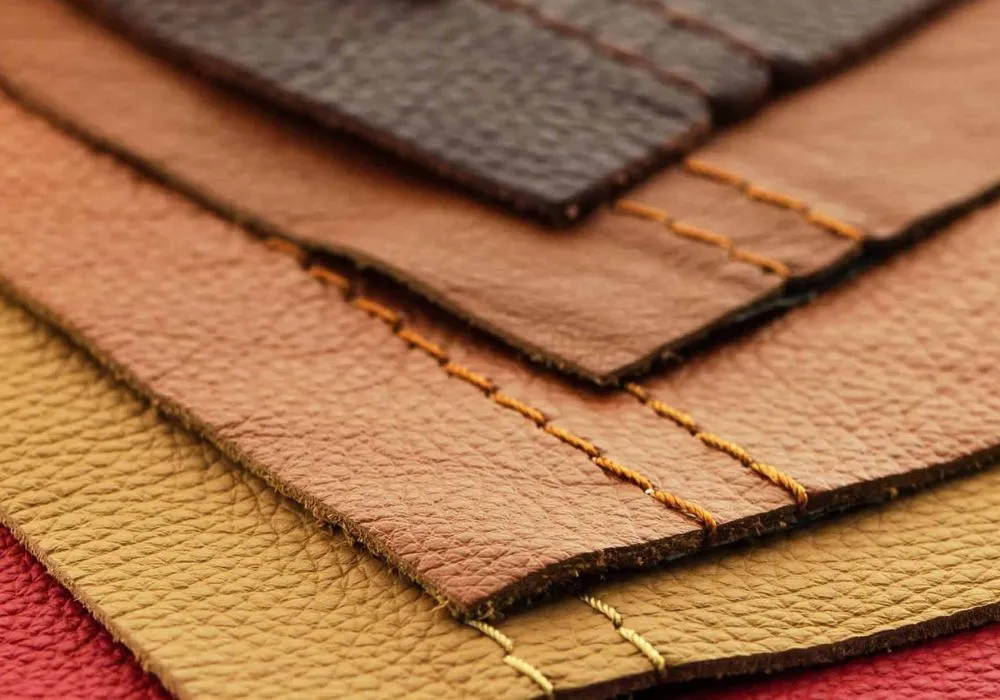
The term describes a family of reconstituted leather-fibre materials rather than one recipe. Leather content, binder, density, thickness, backing and finish can differ. A sheet used as internal reinforcement is not necessarily the same product as a coated material used on an exposed surface.
Ask the supplier to identify each layer and state the composition of the material offered. Do not assume a universal leather percentage or thickness range. Because it contains animal-derived leather, bonded leather should not be grouped with animal-free materials merely because it also contains polymers.
Full-grain leather retains the grain surface of the hide; split leather comes from a separated hide layer. Neither description is interchangeable with bonded leather, whose original hide structure has been broken down and reformed. “Genuine leather” alone is also not a precise quality grade or a synonym for full-grain.
How Is Bonded Leather Made?
Manufacturing routes differ. Italy’s leather research institute SSIP describes a wet sheet-forming route for SALPA and distinguishes it from leather-fibre nonwoven production. Its description does not support treating extrusion through a die as the universal process.
Prepare the fibres
Leather residues are reduced to fibres or particles. Feedstock selection and preparation belong in the material producer’s process specification.
Mix and refine
In the wet route described by SSIP, the material is dispersed in water, treated and refined, then combined with binders such as latex or synthetic resins.
Form, press and dry
The mixture is formed on a filtering support, dewatered and pressed before drying. Subsequent rolling and finishing can adjust thickness and surface appearance.
Finish for the application
Colouring, embossing, coating or other treatments depend on the article. Not every bonded material is glossy, coated, fragranced or intended as a visible imitation-leather surface.
For procurement, request the producer’s article code, composition, thickness tolerance, supply format and intended applications. Ask whether a change in feedstock, binder, backing or finish requires a new approval. These details are more useful than a generic process diagram when a repeat order must match a sample.
What Are the Practical Benefits and Limitations?
Potential benefits
A specified sheet material can offer a consistent format and appearance for cutting or reinforcement. Some constructions may meet a target cost more readily than the chosen hide-leather alternative. These advantages need to be demonstrated in the actual quotation and production sample.
- Compare usable area, thickness consistency and cutting yield for the proposed part.
- Review colour, texture and surface finish against an approved sample.
- Check whether the material provides the intended stiffness or flexibility in the assembly.
- Document any leather-residue or recycled-content claim instead of assuming that the product is automatically low impact.
Limitations to assess
The binder, fibre structure, finish and backing affect how the material behaves. Possible concerns include cracking, delamination, tearing at attachment points, finish wear and changes under moisture or heat. Their significance depends on the article and product construction; they do not establish a universal failure date.
Repair options can be limited when a composite layer separates or breaks down. Ask how defects and returns will be handled before approving an exposed application. Cleaning ease, colourfastness and flexibility should also be checked rather than inferred from the material name.
Using leather residues can be one documented material attribute, but it does not prove near-zero waste, recyclability or a lower overall environmental impact than every alternative. FTC guidance on environmental marketing claims stresses the need for clear, supported claims rather than broad unqualified environmental benefits.
Where Can Buyers Consider Bonded Leather?
Separate exposed surface applications from internal components. The same product may contain hide leather on the outside and a leather-fibre reinforcement inside. Describe those layers accurately instead of treating the entire product as one material.
Belts
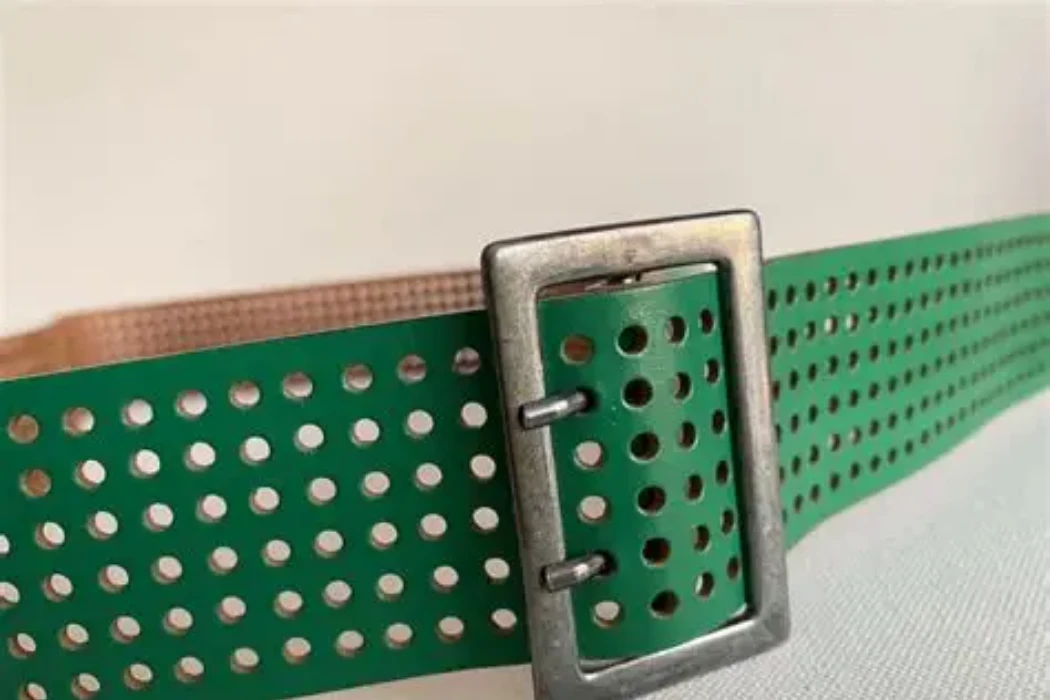
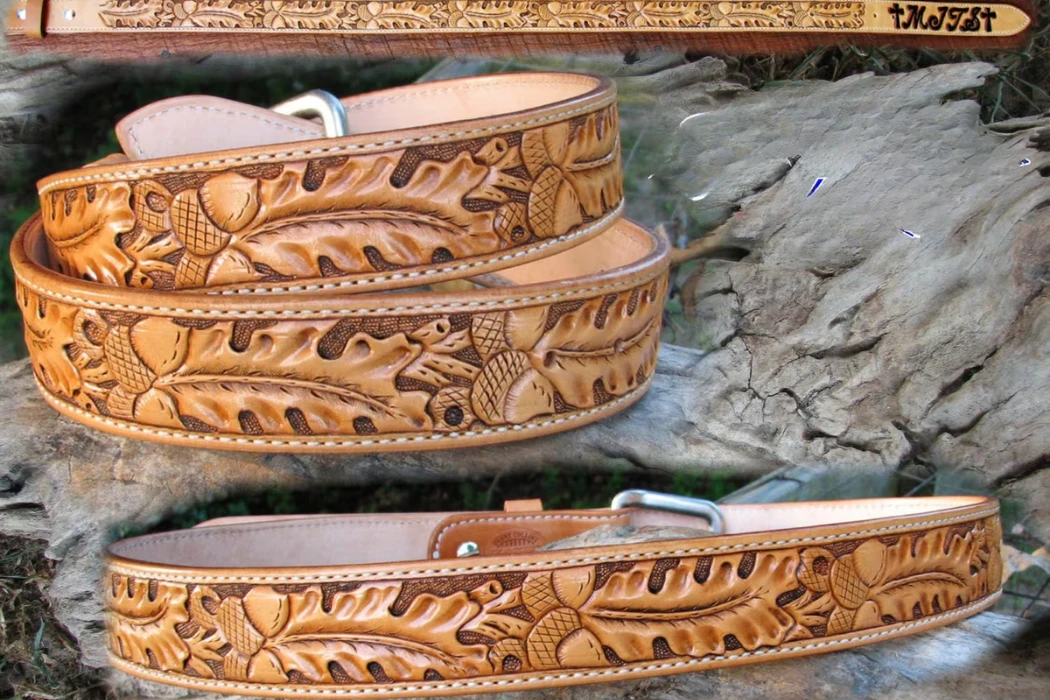
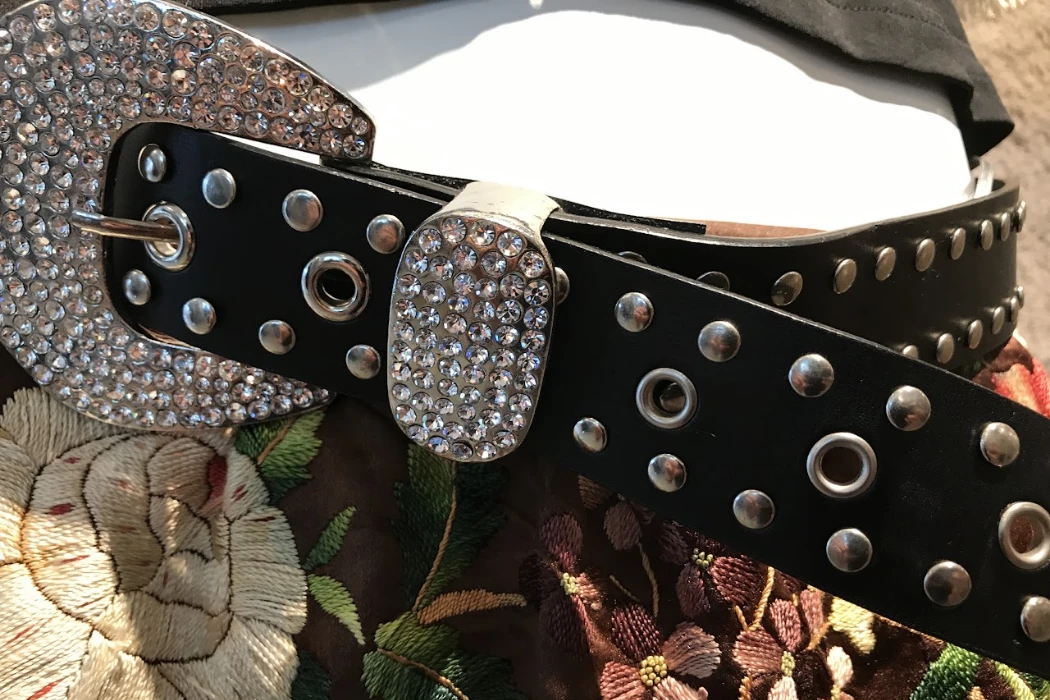
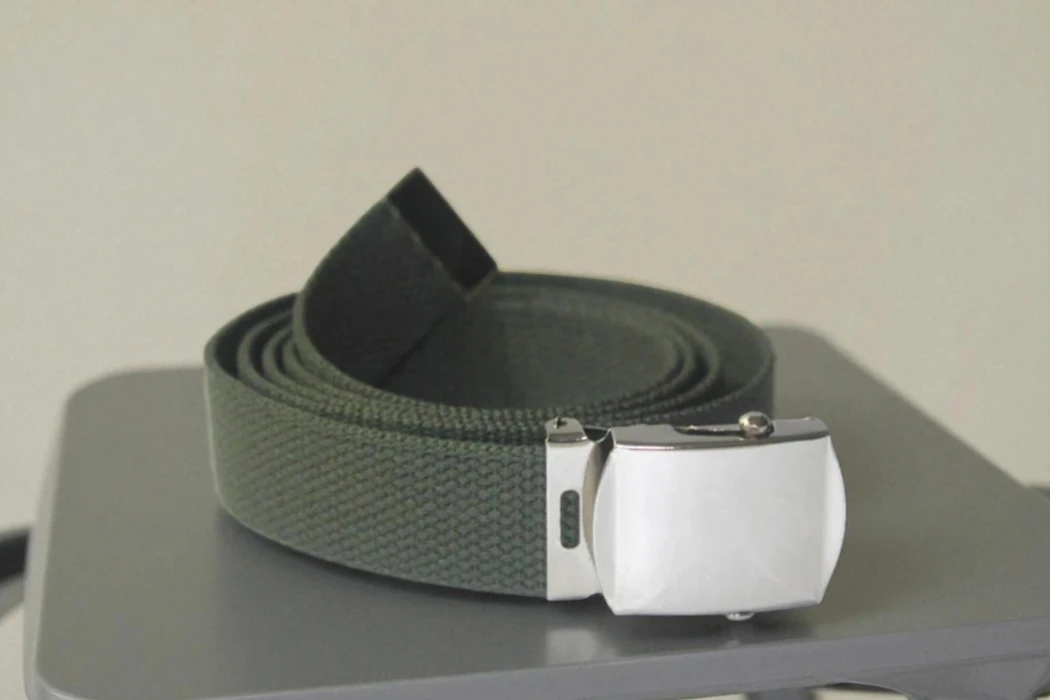
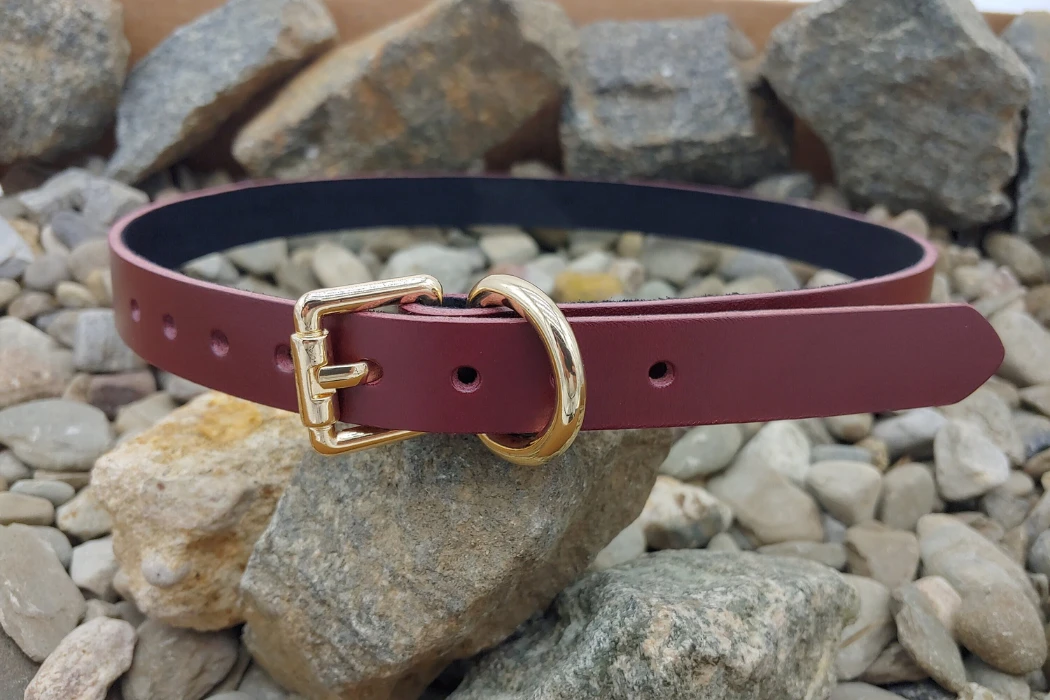
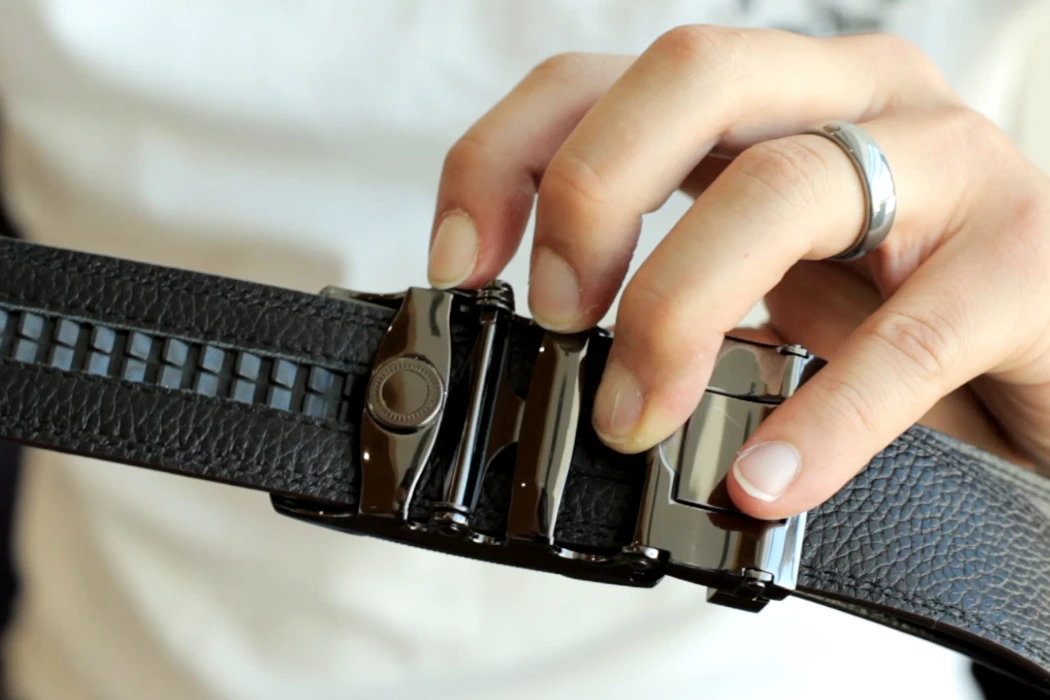
For a fashion belt, identify the face, core, lining, edge treatment and buckle attachment. A material proposed as a core requires different approval from an exposed strap surface. Check the complete assembly around holes, folds and stitching; a smooth appearance does not establish adequate performance.
Bags and small leather goods
A leather-fibre sheet may be proposed for reinforcement or other parts of a bag, wallet or accessory. Specify the part and evaluate its contribution to structure, thickness and flexing. Do not approve it for a handle, fold or hinge merely because it worked in a flat panel.
Book covers and presentation goods
A finished reconstituted material can be considered where its appearance, folding behaviour and handling performance suit the product. Cover construction, hinge design and expected use still need evaluation. A “leather-like” finish alone does not justify a full-leather label.
Other industries
Furniture coverings, apparel and interior surfaces require their own material and product specifications. A material suitable for bookbinding or reinforcement is not automatically an upholstery, flooring or protective-clothing material. This guide focuses on sourcing fashion belts, bags and accessories rather than qualifying those other applications.
| Proposed role | Approval focus |
|---|---|
| Belt face or lining | Rubbing, flexing, appearance and attachment areas |
| Internal reinforcement | Stiffness, thickness, adhesion and fold behaviour |
| Bag or wallet panel | Assembly, seams, exposed edges and intended handling |
| Book or presentation cover | Folding, surface wear and material description |
How Does It Differ from Hide Leather?
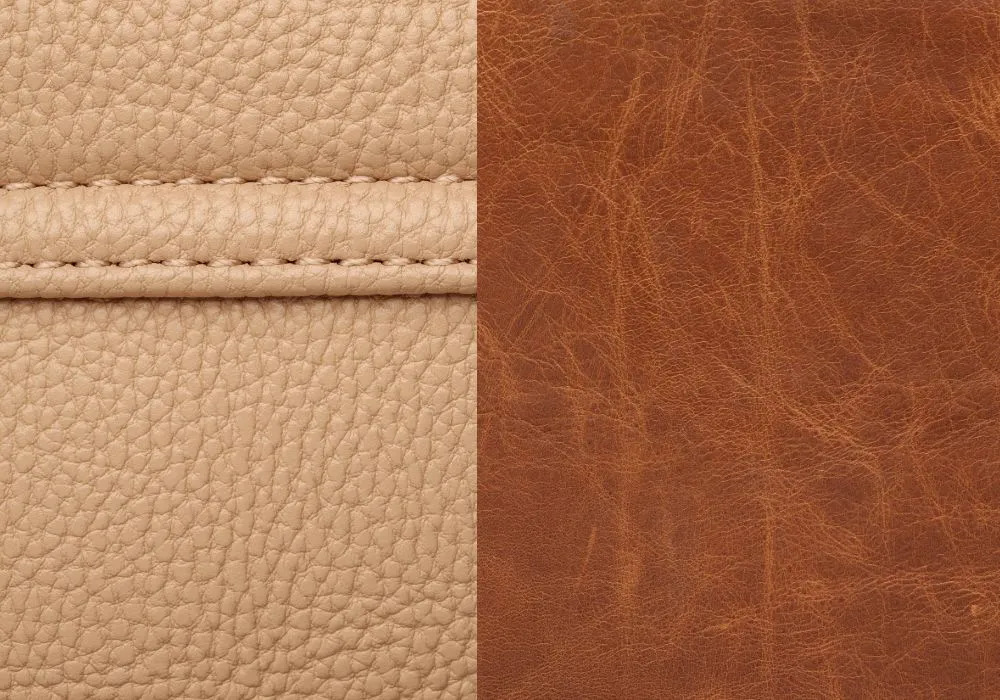
The clearest distinction is structure. Hide leather retains the original hide’s fibrous structure, while bonded leather has been broken down and reformed. Both categories can include finishes and other treatments, so colour, shine and surface feel are not reliable identifiers on their own.
| Comparison | Bonded leather | Hide leather |
|---|---|---|
| Underlying structure | Reconstituted fibres or particles | Original tanned hide structure |
| Specification | Composition, binder, backing, finish and article grade | Species, hide layer, tannage, finish and article grade |
| Surface appearance | Depends on finish and construction | Depends on grain treatment and finish |
| Performance | Verify the actual material and assembly | Verify the actual material and assembly |
| Cost | Compare usable material and finished-product quote | Compare usable material and finished-product quote |
Performance and aging
Do not compare the best hide-leather article with an unspecified composite and call the result universal. Some leathers develop a valued patina; others have finishes designed for a more uniform appearance. Hide leather can also crack, lose finish or fail when poorly specified or used outside its capabilities.
Commercial comparison
Compare material area, usable yield, reinforcement, assembly labour, inspection, packaging and reject risk on the same basis. A cheaper sheet does not automatically produce a cheaper acceptable product, and a higher retail price does not prove material authenticity or a longer life.
How Should Buyers Compare Product Samples?
A meaningful comparison uses identified materials and the same intended product requirements. General claims that one belt lasts decades and another fails within months are not a substitute for records. The examples below are evaluation tasks, not reported Hoplok case studies.
Belt comparison
Make the compared constructions explicit: face, core, lining, buckle and stitching. Review fit, flexibility, hole and attachment performance, edge condition and appearance after agreed checks. Keep the material reference and sample result together so an apparent difference can be investigated.
Bag and wallet comparison
Use the actual folds, seams and reinforcements from the design. Check whether the material creases, separates or changes shape during relevant handling. A flat swatch can screen appearance but may miss problems in an assembled fold or attachment.
Cover-material comparison
Evaluate the completed cover and hinge arrangement, surface handling and the agreed care method. Record the result rather than assigning a lifespan from the words “bonded” or “real.”
Ask the buyer or laboratory to select relevant test methods and acceptance criteria. Results should identify the sample and conditions. Test cycles do not translate automatically into calendar years, and a fashion-accessory evaluation does not establish protection in a motorcycle accident.
How Can Buyers Verify Composition and Labelling?
Request documentation first
Obtain the material specification and a component-level bill of materials. Ask for leather-fibre content, other constituents, backing and finish, and confirm which part of the finished product each description covers. Where the answer is uncertain, use an appropriate independent material analysis.
Use appearance as a clue, not proof
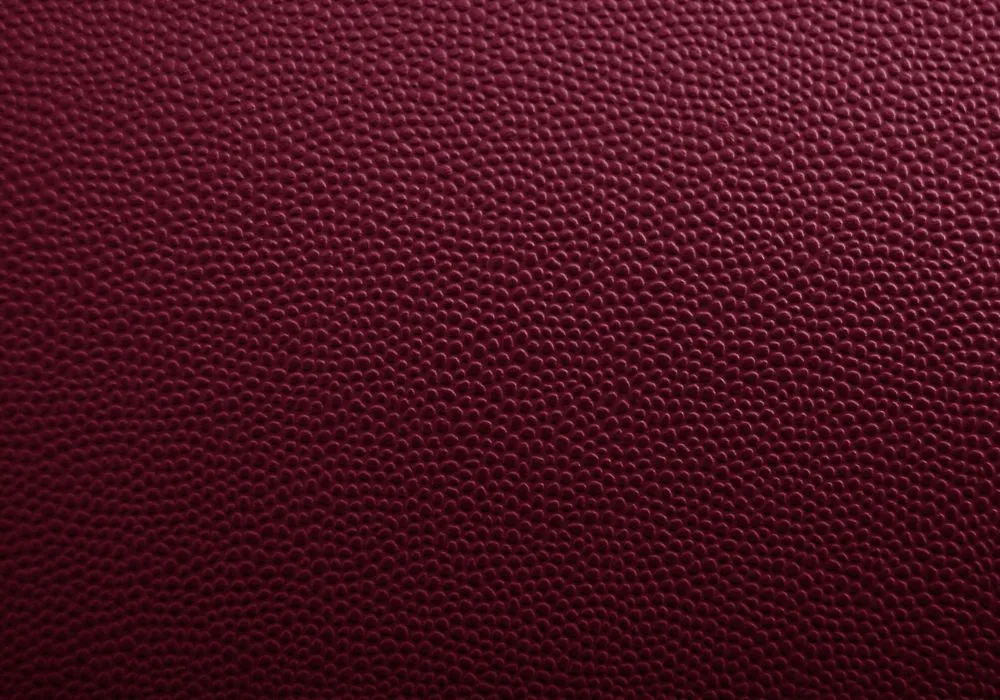
A cut-edge or cross-section sample may help a qualified examiner understand the construction, but embossing and coatings can disguise the visible surface. Price, smell, wrinkle response or a photograph cannot conclusively identify composition. Added or residual odours also do not provide a dependable authenticity test.
Avoid burn and water-drop shortcuts
Burning a product can damage it and produces an unreliable interpretation of a multi-component material. Water absorption mainly reflects the exposed finish and construction: some hide leathers resist water at the surface. Neither a flame nor a drop of water is a suitable substitute for a supplier specification or material analysis.
Keep material names distinct
“Vegan,” “polyester,” “leatherette” and “bonded leather” do not mean the same thing. Bonded leather contains leather-derived material, while an animal-free claim requires its own substantiation. Do not assume an embossed grain makes a material full-grain leather.
For relevant products marketed in the United States, 16 CFR 24.2(f)–(g) addresses reconstituted and bonded materials. It says they should not be represented simply as leather; when bonded-leather terminology is used for a leather-appearing material, disclose the percentages of leather fibres and non-leather substances. Disclosures should be clear and carried on the product or an attached label, tag or card, with corresponding advertising disclosures where needed. Confirm the applicable market’s wording before approving artwork.
Keep the approved composition statement consistent across purchase orders, labels, product listings and sales material. A supplier’s trade name should not silently replace the actual composition in the buyer’s records.
How Should Care Instructions Be Developed?
Use the material producer’s guidance for the exact finish and validate it on the finished product. A method suitable for a coated exposed surface may not suit an uncoated edge, lining, adhesive or internal reinforcement.
- Start with the least aggressive approved cleaning method.
- If a damp cloth or cleaner is proposed, test an inconspicuous sample area and check colour transfer or surface change.
- Avoid soaking, abrasive scrubbing or adding oils and solvents unless specifically approved.
- Let the product dry under the approved conditions before use or storage.
- Specify storage that avoids damaging heat, moisture and prolonged direct sunlight.
Care instructions can help preserve the approved appearance, but they do not restore a failed composite structure or establish a guaranteed lifespan. If a material shows delamination or cracking, review the construction and cause rather than promising that routine conditioning will repair it.
Make the Selection from Composition and Product Evidence
Bonded leather can be a deliberate material choice for a defined role. The decision should connect its composition, intended application, sample performance, cost and accurate marketing description. Avoid treating it as either a guaranteed substitute for hide leather or an automatically unsuitable material.
Before bulk approval, keep the material specification, component drawing, tested sample and label wording together. Resolve any difference between the quoted material and the approved sample before production proceeds.
Discuss the Material Brief with Hoplok
For a custom belt, bag or wallet project, send the intended use, component construction, appearance target and market requirements. Confirm whether a proposed leather-fibre component is appropriate and available for the project through sampling; this guide does not establish a standard Hoplok bonded-leather formulation.
Hoplok’s genuine-leather minimums are 300 belts, 200 bags or 300 wallets; PU products start at 1,000 units. A proposed mixed or bonded construction needs its own quotation and classification. Belt sampling generally takes 2–3 weeks, bag sampling 3–4 weeks, and bulk production 60–90 days excluding shipping. Confirm wallet sampling and project-specific arrangements in the quote.