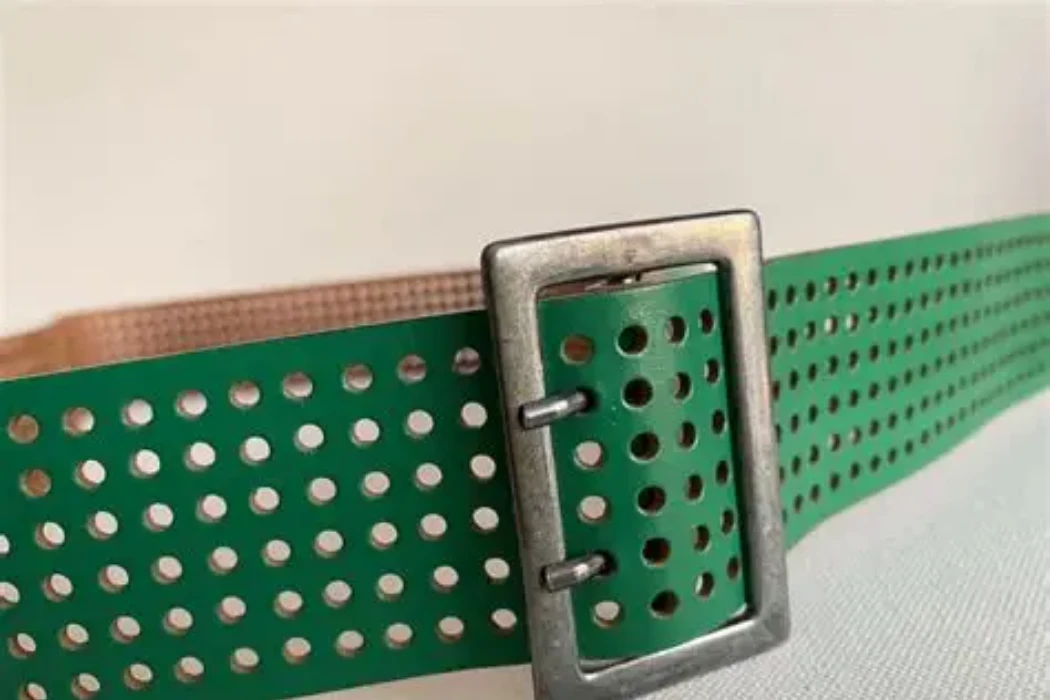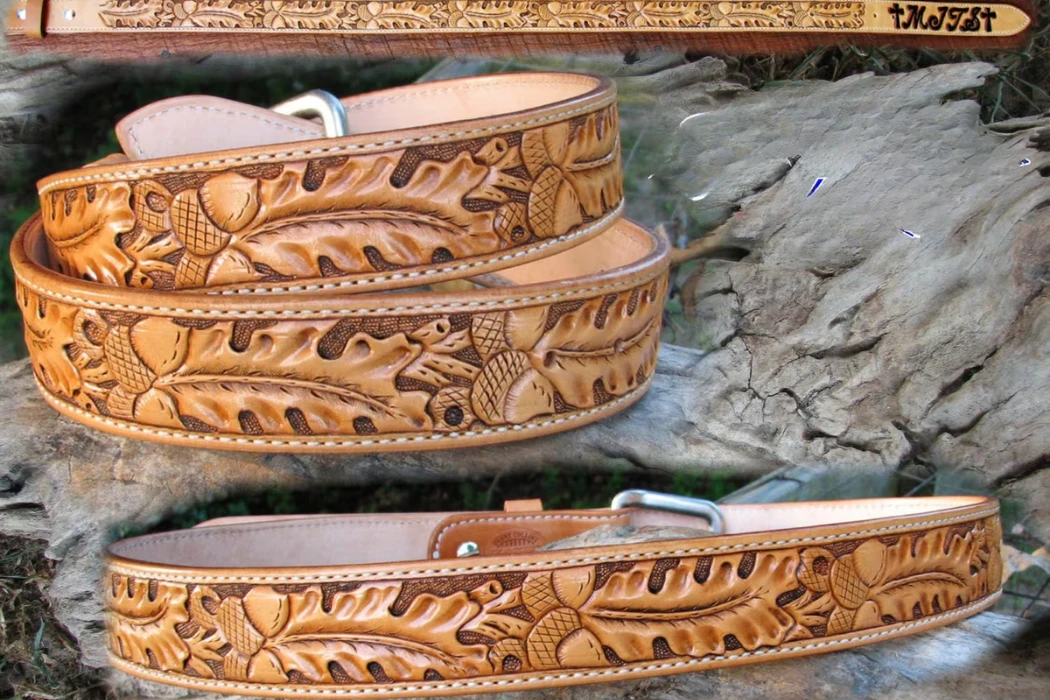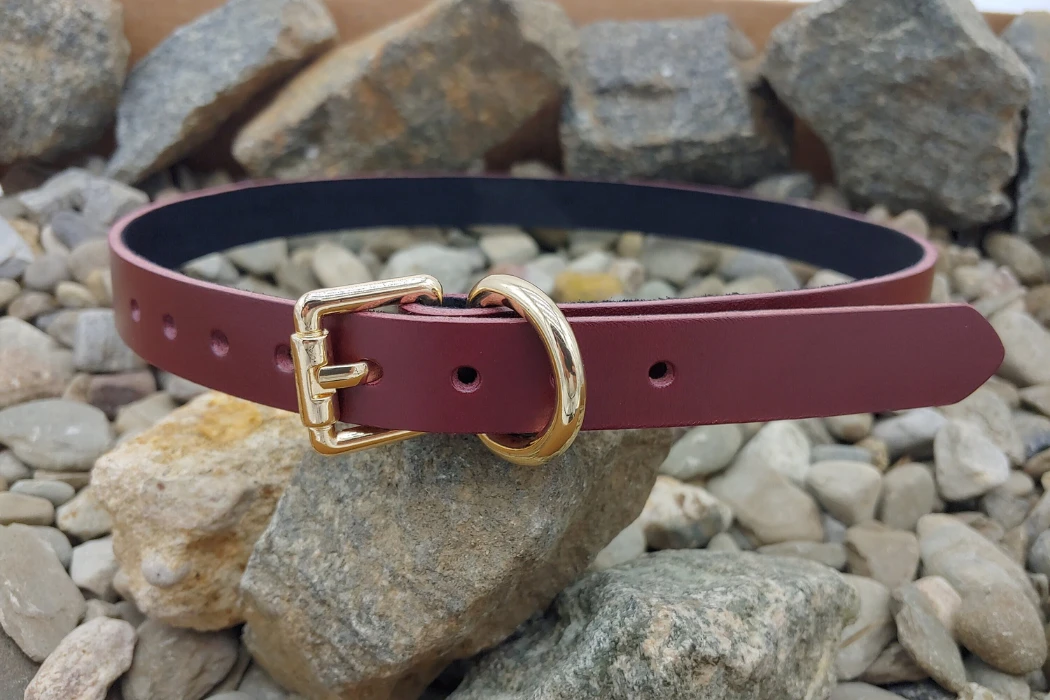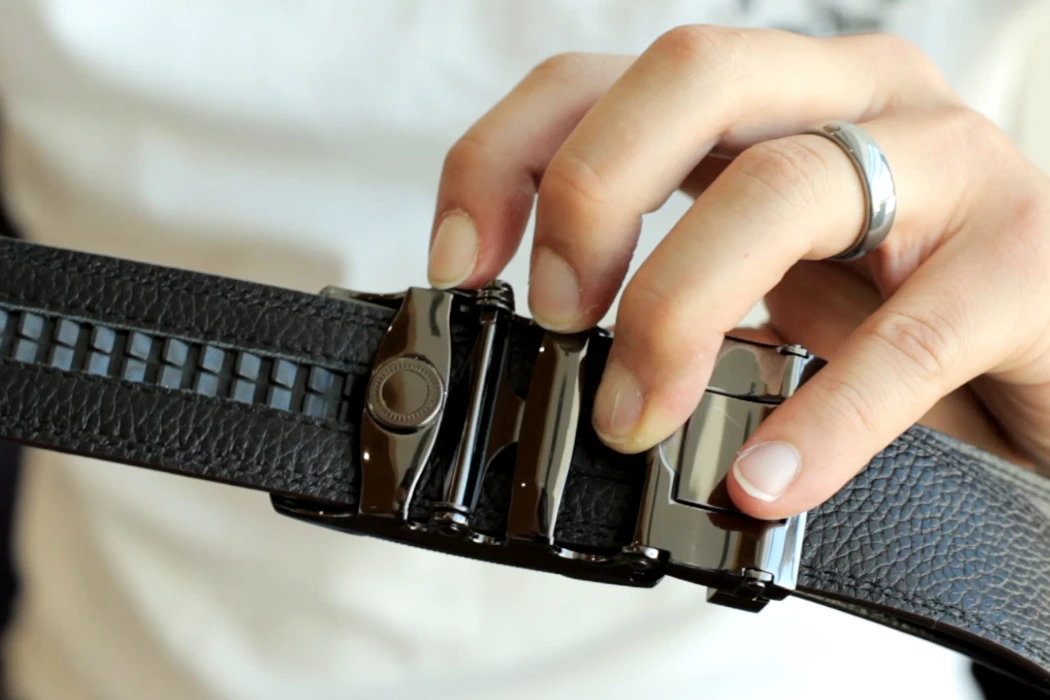
Leather dyeing adds color to suitable leather; it is different from applying an opaque surface pigment or repainting a finished item. For brands developing belts, bags and wallets, the objective is a repeatable color and finish that works through cutting, assembly and use.
A workshop dye application is not interchangeable with an industrial material specification. Start by identifying the supplied leather, its existing finish and the color effect required. Then agree a trial and approval process with the material supplier or finishing facility.
Distinguish penetrating dye, pigment and protective finish
| Part of the system | Purpose | What a buyer should approve |
|---|---|---|
| Penetrating dye | Colors a suitable absorbent substrate | Shade, penetration and natural variation |
| Pigmented coating | Provides surface color and coverage | Opacity, texture, flexibility and adhesion |
| Top finish | Adjusts surface protection, sheen and handle | The finished appearance and relevant performance |
| Edge color system | Colors or finishes cut edges | Compatibility with the actual layered construction |
Products within these categories are not interchangeable. For example, Fiebing’s describes its Leather Dye as a penetrating product and explains that existing finishes can restrict penetration. Follow the technical instructions for the selected product rather than treating all dyes, reducers and finishes as one system.
A transparent dye does not cover an existing dark color in the same way as an opaque coating. Natural marks and differences in absorption may remain visible. When an order needs a uniform pale shade, discuss the appropriate substrate and finish from the beginning instead of assuming a dark finished leather can simply be dyed lighter.
Write a color brief before mixing or applying anything
Provide a physical color reference, the desired sheen and a handle reference. A screen image can communicate a direction but does not define the final appearance. State whether natural variation is welcome or whether panels must fall within a tighter agreed range.
Identify the product construction. A wallet needs to be reviewed where several skived layers fold together; a belt exposes its edges and repeatedly bends around the buckle; a bag may place large panels next to differently oriented trim. These details affect how the approved color will be judged in the finished item.
- Record species, leather layer, tannage information supplied and article code.
- Describe any existing oils, waxes, coatings or treatments.
- Specify face, reverse and edge appearance separately.
- Define the viewing conditions used for color approval.
- Keep an approved reference and agreed variation samples.
Use a controlled trial on the actual material
The finishing team should choose the application method, compatible products, preparation and drying or curing conditions. Do not copy a dilution ratio, number of coats or hairdryer instruction from an unrelated leathercraft project. Product instructions and safety data govern handling and ventilation; “water-based” does not mean every mixture is harmless.
Record the trial material and product batches, formulation reference and process conditions. Assess the sample after the complete finish has developed, not while it is still wet. Wet appearance, application color and final dry shade can differ.
Check enough of the actual material to understand variation before approving production. A small swatch can establish a direction, while larger panels and assembled samples reveal differences around folds, seams, embossed areas and edges.
Approve performance as well as shade
A color match alone cannot show whether the finished leather is suitable for its use. Agree checks for color transfer, flexing, finish adhesion and other relevant requirements with the supplier or laboratory. Name the test method, sample condition and acceptance criteria rather than using an unexplained “colorfast” claim.
Review the complete combination of leather, lining, adhesive, edge treatment and hardware. A finish that looks satisfactory on a flat swatch may behave differently after skiving, folding or logo application. Check packaging contact as well, especially for pale linings or light-colored presentation materials.
Diagnose variation before changing the recipe
| Observed problem | What to investigate |
|---|---|
| Patchy color | Substrate variation, surface contamination, existing finish and application consistency |
| Color transfer | Selected color system, drying/curing, cleanup and final finish |
| Shade differs between panels | Material lot, hide location, finish application and panel matching |
| Cracking at folds | Complete finish system, material flexibility and product construction |
| Logo or edge looks different | Process sequence and compatibility of the local treatment |
These are investigation prompts, not a remote diagnosis or a universal recipe. Reworking a finished item can change its color, coating and warranty position. Keep production development separate from consumer repair advice.
Coordinate leather finishing with product sampling
ProPelli is Hoplok’s Cambodia leather finishing facility. It receives crust leather from partner tanneries and specializes in belt leather and other leather finishing. It is not a tannery. The material and process suitable for a specific shade should be confirmed through development.
Discuss your reference through material sourcing and finishing, then approve it on the intended belt, bag or wallet. Hoplok’s confirmed sample lead times are 2–3 weeks for belts and 3–4 weeks for bags; bulk lead time is 60–90 days. Confirm any additional material-development stages in the quotation.