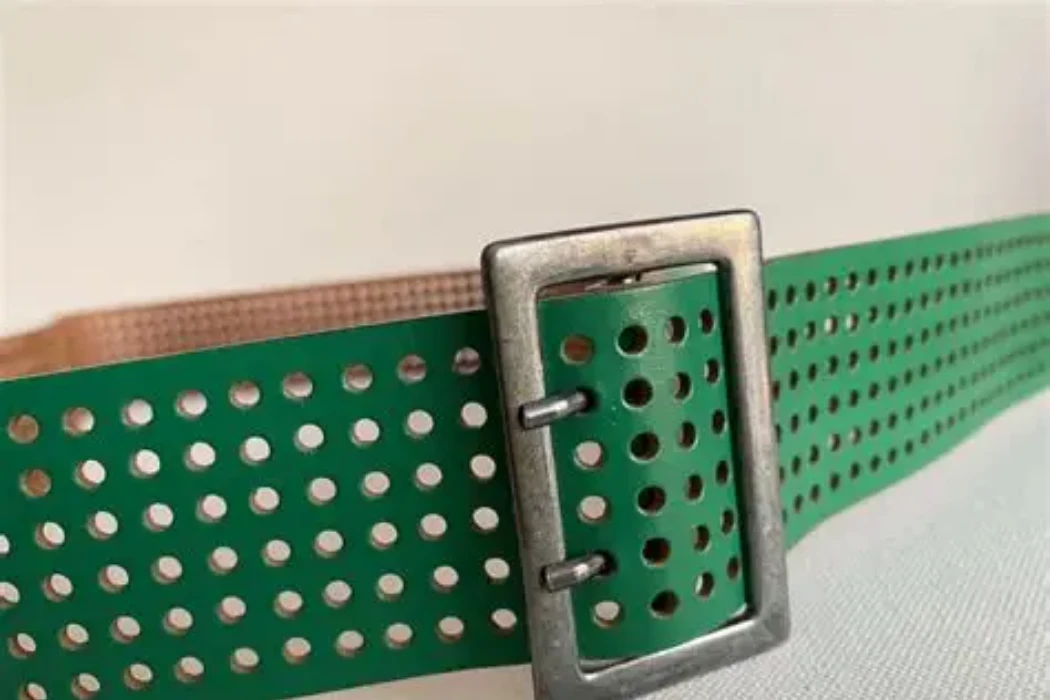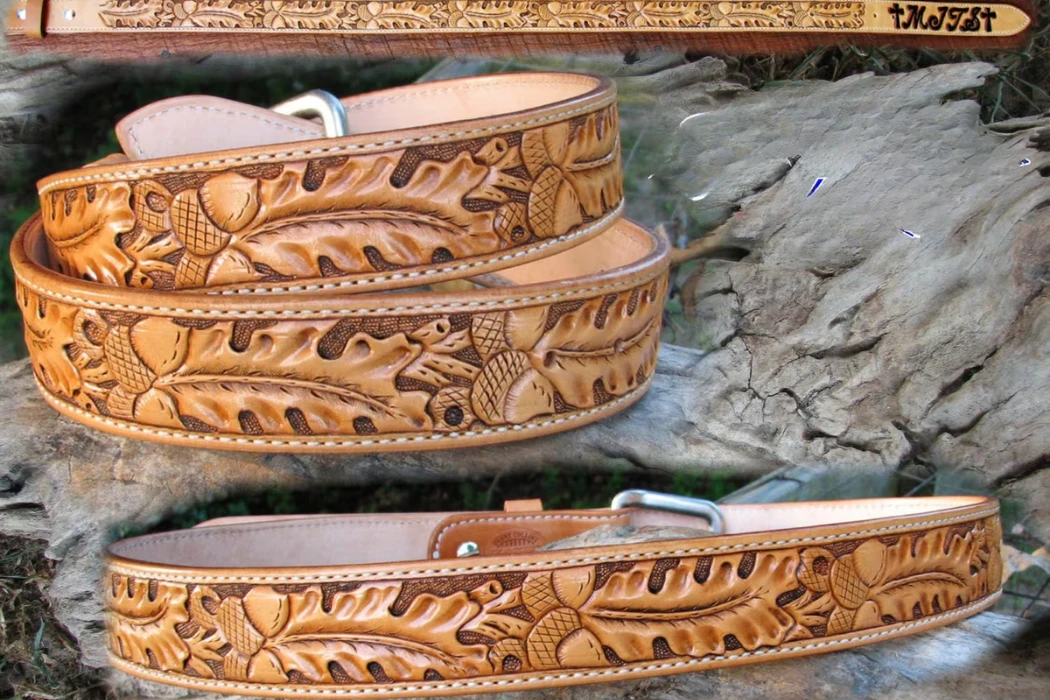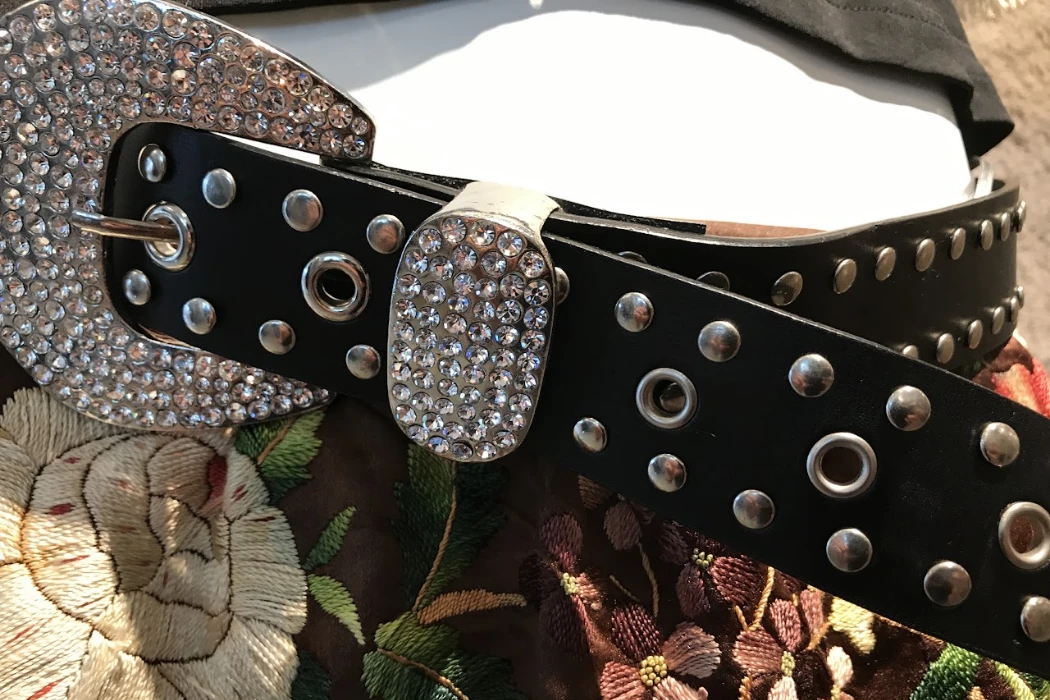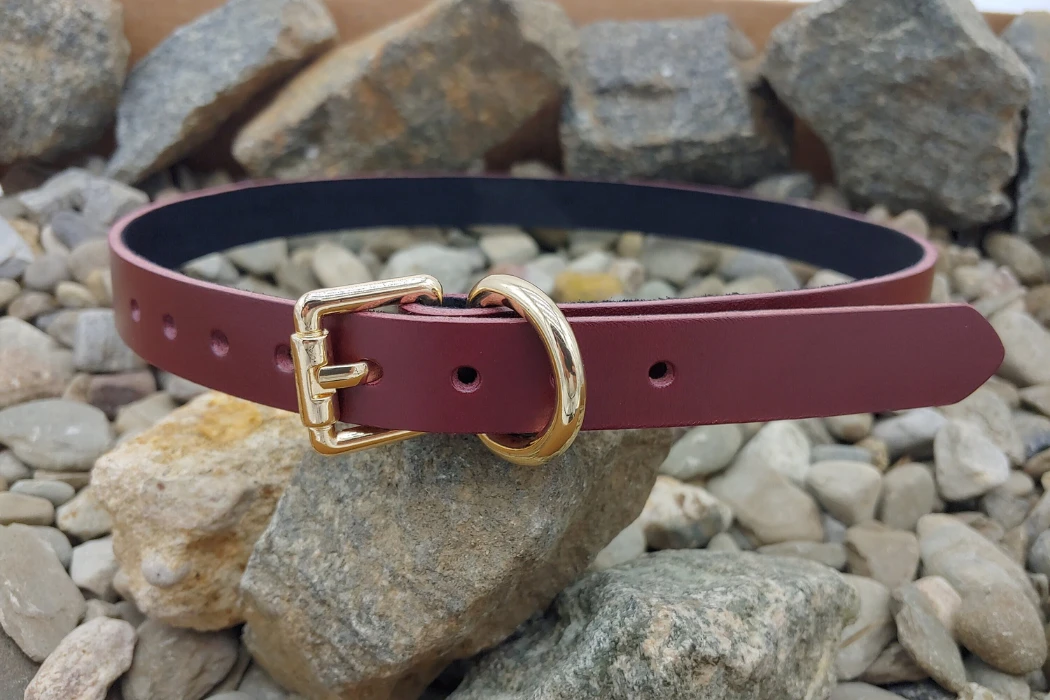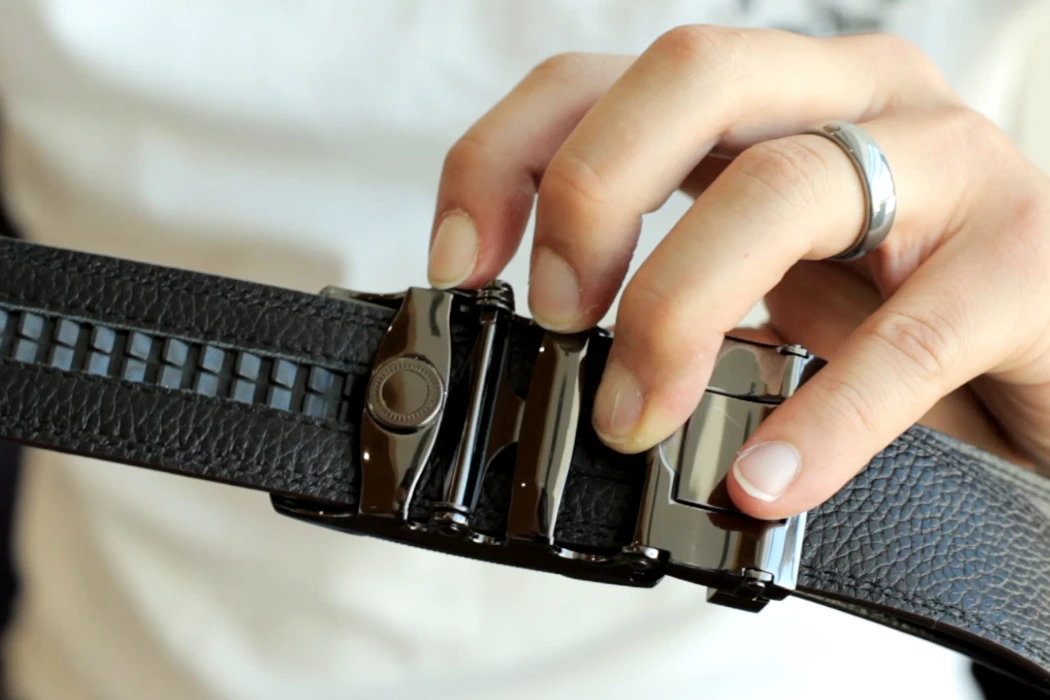
Shared terminology helps a brand and factory turn a belt design into an agreed specification. Use the 50 terms below to clarify materials, construction, hardware, defect reports and commercial requirements. Definitions support communication; they do not replace drawings, samples, test criteria or a purchase agreement.
Key Takeaways for Sourcing Managers
- Identify the actual leather layer, grain condition and finish instead of relying on a grade label.
- Connect process terms to drawings and approved samples.
- Describe defects with locations, measurements and photographs before assigning a cause.
- Define commercial and compliance requirements for the actual order and destination.
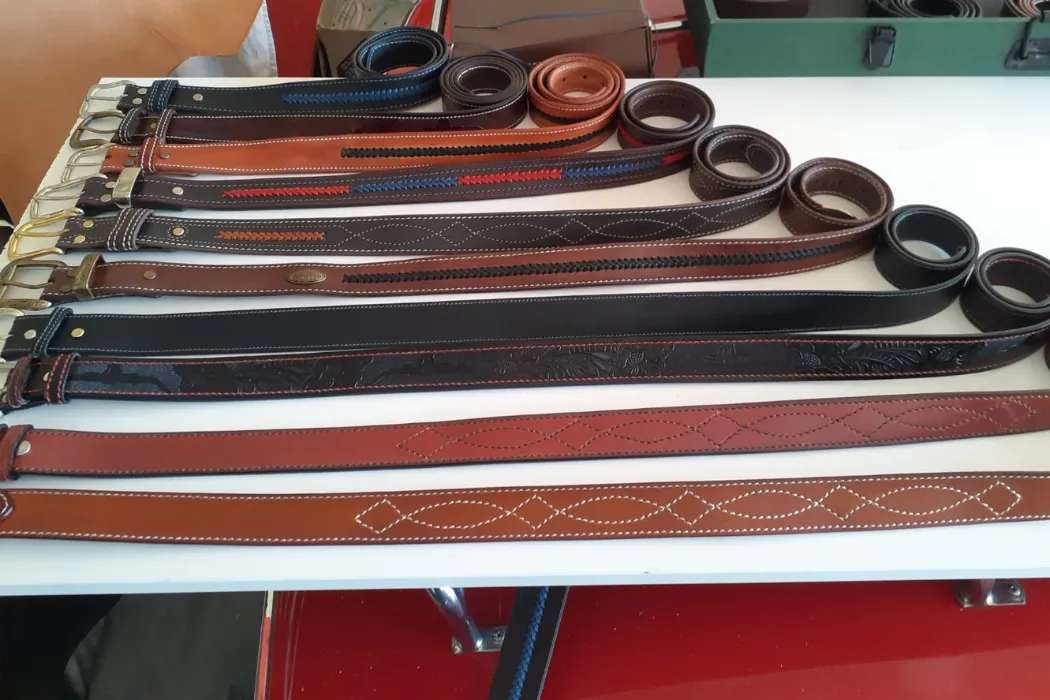
What Are the 12 Critical Terms for Raw Material Grading?
These terms describe different aspects of leather, including grain condition, processing stage and finish. They do not form a universal price or durability ladder. The LWG definitions distinguish intact grain, corrected grain, split leather and finishing terms.
Understanding the Grain and Layer Terms
- Full-Grain: Leather retaining its grain without corrective mechanical surface removal. This does not mean the epidermis is retained or the hide remains unsplit.
- Top-Grain: A trade term whose intended meaning should be clarified. Specify whether the grain is intact or corrected rather than treating this as a fixed second grade.
- Genuine / Split Leather: “Genuine” is broad composition wording; split leather identifies a hide layer separated below the grain-bearing layer. The terms are not synonyms. Specify its finish and construction.
- Bonded Leather: A reconstituted material containing leather fibers or particles and binders. Identify composition and the appropriate market description; it is not intact hide leather.
Processing State: From Wet to Dry
- Wet Blue: A wet intermediate leather after chrome tanning. Confirm the actual processing stage supplied.
- Crust: Tanned, fatliquored and dried leather before finishing; crust can also be dyed.
- Temper: The material’s perceived firmness or flexibility. Use an agreed physical reference or evaluation rather than assuming all belts need one temper.
Tanning and Finishing Technology
- Veg-Tan (Vegetable-Tanned): Leather tanned with vegetable tanning agents. Specify the actual article; the term does not guarantee rigidity, patina, biodegradability or environmental superiority.
- Chrome-Tan: Leather tanned using chromium salts. Its final feel and performance also depend on subsequent processing and finishing.
- Aniline: Leather whose natural grain remains clearly visible, without a surface coating or with a non-pigmented coating. The word does not prove complete through-dyeing.
- Pigmented: Leather with a pigment-containing finish that conceals the natural grain or surface. Performance depends on the actual finish.
- Patina: A change in surface appearance through handling and use. Whether it is desirable depends on the product brief and finish.
Drum Dyeing and Color Penetration
Drum dyeing describes a process; through-dyeing describes color penetration. A drum process does not automatically achieve complete penetration. Inspect a cut sample if through-color is required. Surface coloring may be intentional, so define the approved face and cross-section appearance.
B2B Tip: Writing a Defensible PO
Use an identified material code, layer, grain treatment, thickness and tolerance, finish and color reference in the BOM and order documents. State which sample and revision are approved. Specific wording helps resolve ambiguity but does not itself guarantee quality or determine every legal remedy.
| Description | What to add |
|---|---|
| Full grain | Species, layer thickness, finish and variation |
| Top grain | Actual grain condition and treatment |
| Split leather | Surface construction and performance criteria |
| Composite material | Fiber/binder composition and labeling |
How Do These 10 Fabrication Terms Dictate Labor Costs?
These terms identify construction and processing choices. Their cost depends on the material, equipment, order and approved workmanship. Request a costed sample instead of using a fixed labor-time difference between finishing methods.
Thickness and Profiling
- Splitting: Dividing leather horizontally or reducing its thickness using a splitting process. Specify the required layer or finished thickness.
- Skiving: Local thinning at an edge, fold or other defined area. State the location, remaining thickness and transition; it need not be reduced to zero.
- Feather Edge: A profile tapering from a thicker center toward thinner edges. Define the cross-section rather than assuming it means a folded edge.
- Bombé: A raised or rounded profile. Record how the shape is built, including any filler or reinforcement.
Edge Finishing Techniques
- Raw Edge: A cut edge left without a further finishing treatment. Approve its appearance and suitability for the selected material.
- Burnishing: Rubbing or polishing an edge, often with a suitable dressing, to achieve the approved surface. It does not guarantee a permanently sealed or damage-free edge.
- Inking (Edge Paint): Applying an edge-coating system. Specify the approved appearance and relevant adhesion/flexing checks rather than using coat count as a quality grade.
Components and Shapes
- Keeper Loop: A loop retaining the free strap end. Identify fixed or floating construction, dimensions and attachment.
- Point End: A pointed strap tip. Draw the required outline because trade names alone may be interpreted differently.
- English Point: A named pointed tip style; use a dimensioned drawing or approved die reference to fix the actual shape.
Lining Materials and Stitch Density
Specify lining composition, thickness, finish and placement; neither PU nor nubuck automatically establishes quality. SPI means stitches per inch. Agree stitch density with thread, needle, seam layout and material, then validate the seam rather than assigning a universal luxury SPI.
| Edge option | Approval focus |
|---|---|
| Burnished | Surface, consistency and relevant wear |
| Painted | Appearance, adhesion and flexing |
| Turned/folded | Fold geometry, thickness and assembly |
| Raw | Cut quality and intended surface finish |
Which 8 Hardware Terms Define Mechanics and Plating?
Hardware specifications combine base material, surface treatment and mechanism. Define the component drawing and assembled function, then agree relevant performance evidence. No finish name automatically guarantees a service life.
Base Metals: The Core Material
- Zamak (Zinc Alloy): A family of zinc casting alloys. Identify the selected alloy and process; weight, strength and corrosion behavior depend on the component.
- Solid Brass: A copper-zinc alloy material description. Specify the alloy and finish; it is not mandatory for any retail price tier.
- Stainless Steel: A family of alloys with differing properties. Grades 304 and 316 are not inherently nickel-free or allergy-free, and stainless components are not indestructible.
Finishing Technologies
- Electroplating: Depositing a metal layer using an electrochemical process. Specify the coating system and relevant appearance/performance requirements.
- PVD (Physical Vapor Deposition): A family of vacuum deposition processes. The selected coating and substrate must be identified; no universal ten-times-hardness or fade-proof claim follows from the name.
- Lacquer / E-Coat: Lacquer is a coating description; E-coat refers to an electrodeposition process. Specify the actual coating and application rather than treating all clear coats as equivalent.
Mechanical Components
- Prong (Tongue): The pin that engages the strap hole in a pin buckle. Check its shape, length and clearance with the hole and frame.
- Chicago Screw: A mating threaded post and screw used for an attachment. Specify dimensions, installation and retention requirements, including any approved servicing procedure.
Specifying Protective Coatings
A protective coating may support the intended finish performance, but it must be compatible with the substrate and plating. Agree the required appearance and corrosion or wear checks. “Double lacquer” is not an automatic remedy or a quantified extension of service life.
Chicago Screws vs. Rivets for B2B
A modular attachment may support component changes if designed and approved for that use. Compare the inventory, assembly, retention and service implications with a riveted or stitched option. Do not assume that removable hardware always lowers total cost.
How Should You Describe These 10 Defects in a QC Report?
Use the terms below with photographs, location, extent and the applicable specification. A visual label does not prove the root cause or assign responsibility. Agree acceptable natural variation and structural requirements before production.
Natural Imperfections vs. Process Faults
- Loose Grain: A loose or wrinkled grain appearance on flexing. Document the observation and have the material assessed; do not diagnose one hide region or cause solely from the term.
- Vein Marks: Visible markings associated with the hide’s vascular structure. Acceptability depends on the agreed appearance zones.
- Fat Wrinkles: A trade description for pronounced natural creases. They do not by themselves prove strength or quality.
- Healed Scars: Marks from injuries healed before hide processing. Define permissible size, location and effect on the product.
- Tick Marks: A description for marks associated with bites or similar surface damage. Assess severity and allowed variation.
Manufacturing and Finishing Defects
- Spew / Bloom: A surface deposit or haze needing diagnosis. Do not assume every white deposit is harmless fat or can simply be wiped away.
- Crocking: Color transfer by rubbing. Specify the applicable method and acceptance rating.
- Color Migration: Color movement into an adjacent component or surface. Record materials, conditions and affected area.
- Piping: A term used for certain surface wrinkling or separation appearances on bending; also used for a sewn trim. Define the observed defect with photographs to avoid ambiguity.
- Branding Marks: Marks from livestock branding, generally a natural hide feature. Acceptance depends on the approved specification, not a universal product category.
Selecting a Color-Transfer Test
Choose the relevant method with the laboratory. ISO 11640 addresses leather rubbing with wool felt. Textile methods and leather methods should not be treated as automatically interchangeable. Agree conditions, cycles and ratings for the actual product.
Agreeing Defect Acceptance by Zone
Define visible and less-visible areas on a drawing and approve reference photographs. Apply structural requirements throughout the product, including concealed areas. Record defect categories and disposition rules in the order’s quality plan rather than assuming a universal Hoplok A/B-zone policy.
| Observation | Report and assess |
|---|---|
| Loose grain | Location, flexed photograph and material review |
| Natural marks | Size, zone and approved appearance reference |
| Color transfer | Method, conditions and measured rating |
| Cracked edge | Extent, location and relevant finish test |
What Are the 10 Key Acronyms for Trade and Compliance?
Commercial abbreviations need the full agreed meaning in the quote and purchase agreement. Product regulations and tariff preferences must be checked for the actual goods, destination and date.
Commercial Terms
- MOQ (Minimum Order Quantity): The minimum quantity accepted for an order or defined style. Hoplok’s belt MOQ is 300 genuine leather or 1,000 PU units; confirm allocation in the quote.
- MCQ (Minimum Color Quantity): The agreed minimum per color. Confirm it separately rather than assuming a universal 100-unit color allowance.
- BOM (Bill of Materials): The component list, including hidden layers, thread, adhesive, hardware and packaging, with approved references.
- Tech Pack: The controlled design and production document set, including drawings, dimensions, materials and approval requirements as relevant.
Incoterms (Logistics)
- EXW (Ex Works): Under Incoterms, delivery occurs when goods are placed at the buyer’s disposal at the named place, normally without loading or export clearance by the seller. Confirm practical responsibilities and the applicable edition.
- FOB (Free On Board): A sea/inland-waterway term: risk transfers when goods are on board the vessel at the named shipment port. Export clearance is the seller’s responsibility.
- LDP (Landed Duty Paid): Commercial shorthand whose scope must be defined; it is not one of the ICC Incoterms 2020 rules. State which duties, taxes, destination charges and delivery tasks are included.
Use the ICC guidance to select a rule appropriate to the shipment and name the relevant place or port.
Compliance and Regulations
- REACH: The EU framework for registration, evaluation, authorisation and restriction of chemicals. Identify requirements relevant to the product and substances; it is not a general certification label.
- Prop 65: California’s listed-chemical exposure warning law. The obligation is not determined merely by chemical presence; assess applicable exposure rules and exemptions.
- GSP (Generalized System of Preferences): A trade-preference scheme whose eligibility, rates, origin rules and validity depend on the importing jurisdiction and product. It does not grant every Cambodia shipment zero duty.
Verifying Tariff Preferences in the Cost Model
Verify classification, origin, customs value and entry-date rules before using a preference in the cost model. Cambodia’s EU EBA treatment includes partial withdrawal for certain goods. Compare the actual delivered quotations rather than assuming a fixed China-to-Cambodia saving.
| Term | Order document |
|---|---|
| MOQ/MCQ | Quantity and style/color allocation |
| BOM | Approved component list and revision |
| Delivery term | Rule, edition and named place |
| Compliance | Applicable requirements and accepted evidence |
Frequently Asked Questions
These clarifications help turn the glossary into a consistent belt specification.
What are the different parts of a belt called?
Common terms include strap, buckle, prong, keeper, buckle attachment or chape, and tip. Identify the actual parts on the drawing; designs without a prong or with a different attachment need their own labels.
What is the difference between full grain and top grain leather?
Full grain describes retention of the grain without corrective surface removal. Clarify the supplier’s use of “top grain” and specify intact or corrected grain explicitly. Neither label establishes a fixed strength result.
What does skiving mean in leather manufacturing?
Skiving locally reduces thickness at a specified area, such as a fold or edge. Define the remaining thickness and transition on the drawing and confirm it on the sample.
What is the loop on a belt called?
It is a keeper or keeper loop. Specify fixed or floating placement and the dimensions needed to retain the tail across the intended adjustment range.
Is bonded leather considered real leather?
It is a reconstituted material rather than intact hide leather. Confirm composition and the destination’s labeling requirements, and avoid wording that implies a full-grain or other intact-leather construction.
What is a burnished edge on a leather belt?
It is an edge finished by rubbing or polishing, often with an appropriate dressing. Approve the appearance and performance on the selected leather; it is not automatically superior to every painted edge.
The Verdict: Language is Power
Use precise terms together with drawings, material codes, tolerances and approved samples. The goal is a specification both sides can interpret consistently and inspect against.
We Speak the Same Language
For Hoplok projects, identify any uncertain term during development and agree the corresponding material, component or construction reference before production.
Audit Your Tech Pack Today
Send your drawings, material references, quantities and questions for a custom belt specification review. Confirm sample and test requirements for the proposed design.