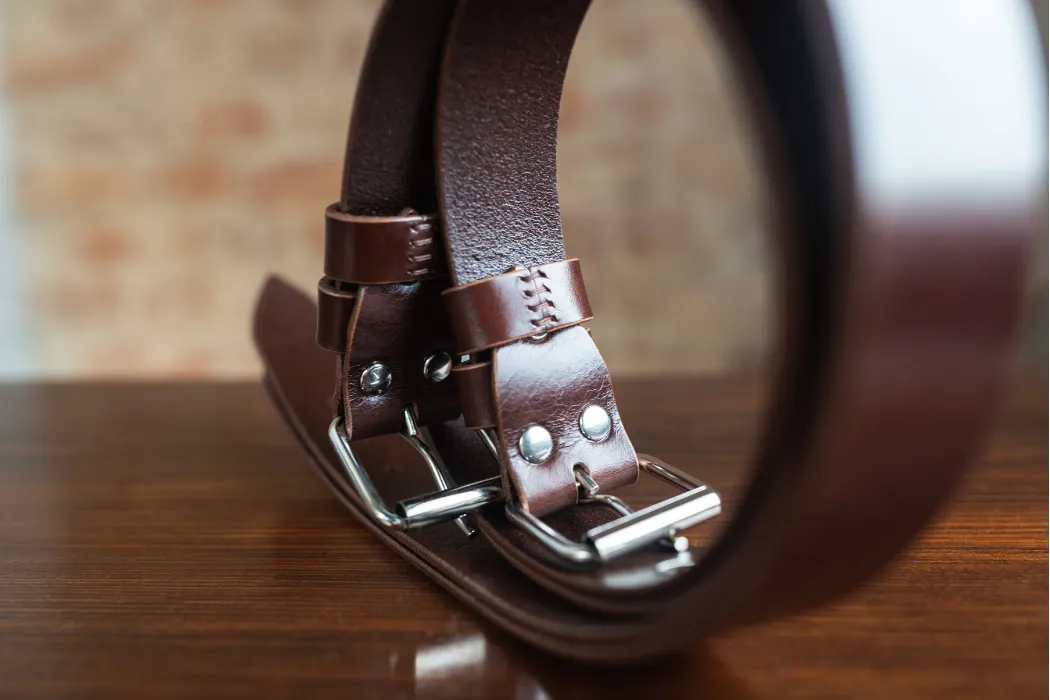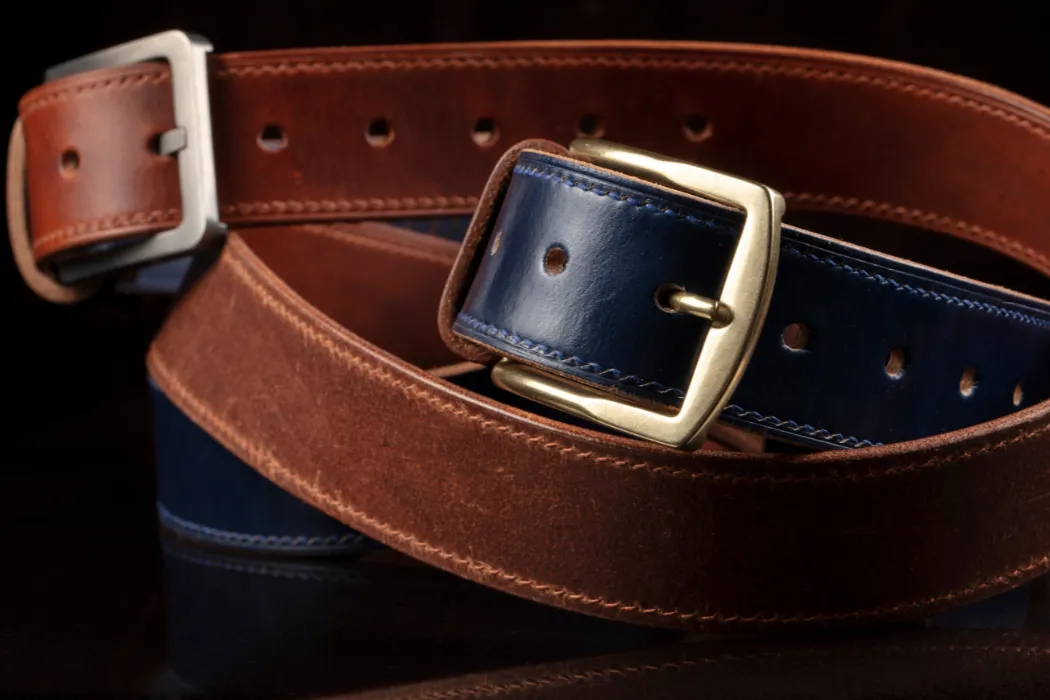
The edge paint vs burnishing decision directly impacts your belt’s durability and perceived value. Choosing the wrong finish for your leather type leads to premature cracking or fraying, increasing return rates and damaging your brand’s reputation in the market.
This analysis benchmarks each method against our core manufacturing standard: perfectly smooth edges with no rough fibers. We evaluate performance on specific materials, from vegetable-tanned to chrome-tanned leather, to clarify the impact on labor costs, durability, and your final factory-direct price.
What is Edge Painting (The Modern Look)?
Edge painting seals raw leather edges with specialized paint. It creates a smooth, durable, and clean surface with a uniform color, delivering a polished modern look for fashion belts.
The Principles of a Clean, Modern Finish
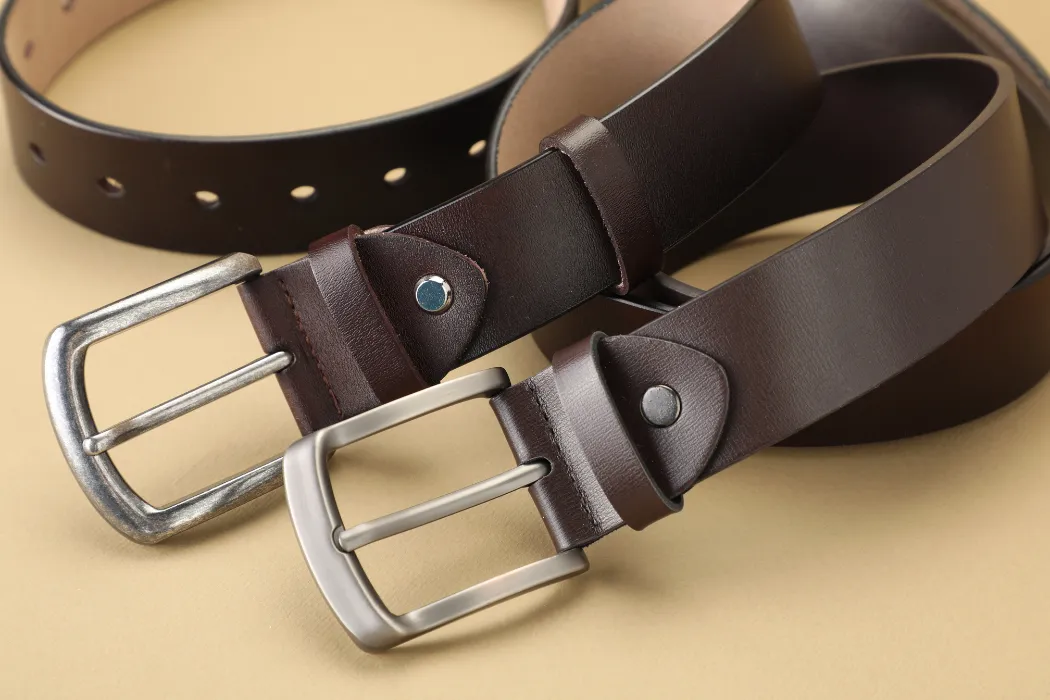
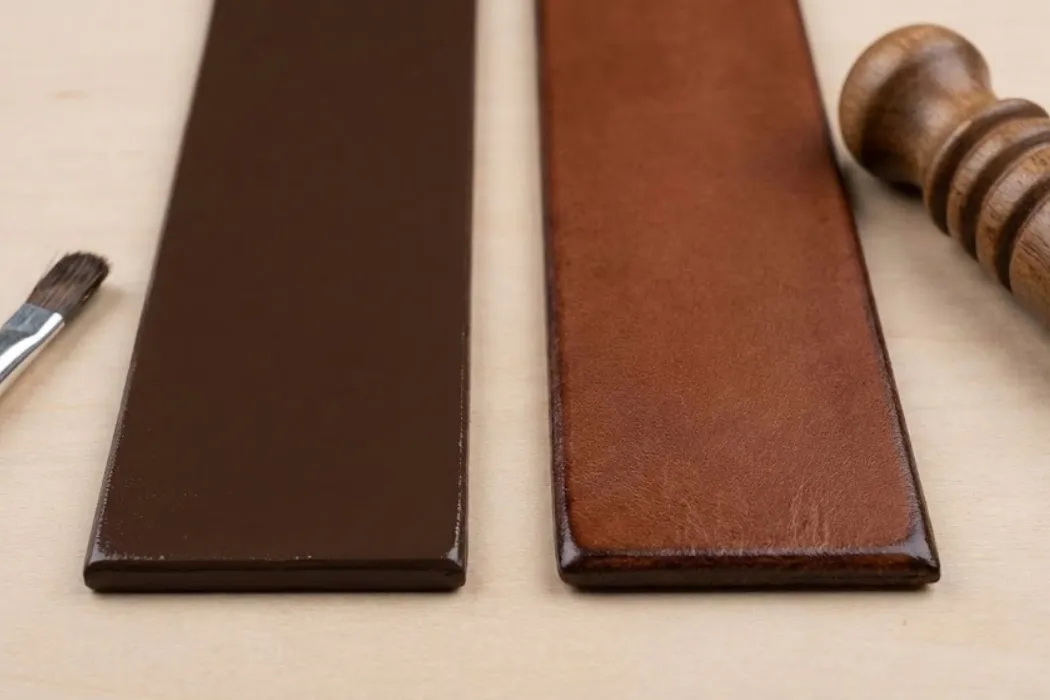
Edge painting is defined by its sharp, clean lines and a flat, solid color application. The main goal is to create a perfectly smooth surface where no rough leather fibers or texture are visible. The paint completely seals the edge.
This technique results in a precise, calculated appearance that aligns with minimalist and contemporary designs. It provides a bold, modern flair that brand owners value for its visual clarity and professional, finished look, especially on dress belts and fashion accessories.
Our Standard for Smoothly Painted Edges
Our manufacturing specification for all custom belts requires painted edges to be perfectly smooth, with no rough fibers exposed. This isn’t a premium add-on; it’s a fundamental indicator of our construction quality and is applied consistently.
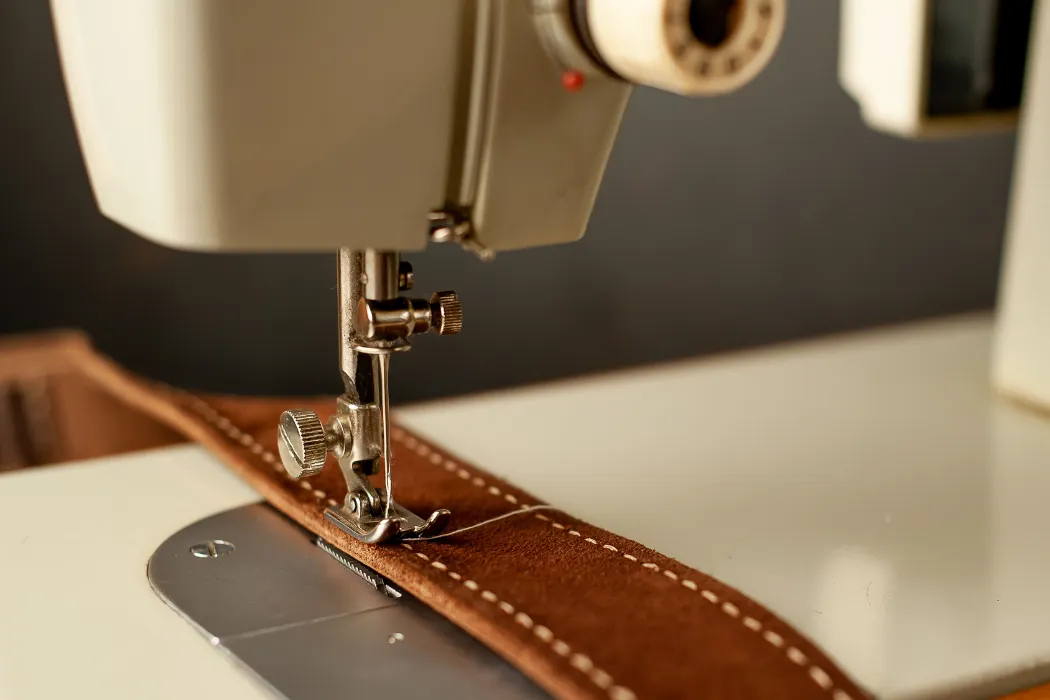
We use a high-durability paint that resists cracking and complements the heavy-duty stitching on our belts. The result is a refined and reliable product built for the market, not just for looks.
What is Burnishing (The Natural Look)?
Burnishing is a traditional technique where friction heats and compresses raw leather edges. This seals the fibers, creating a durable, glossy, and natural-looking finish without paint, perfect for high-quality belts.
How Friction Creates a Sealed Edge
Burnishing isn’t about adding a coating; it’s about physically transforming the leather’s edge. The entire process relies on pressure and friction. When an operator runs a burnishing tool along the edge at high speed, the friction generates heat. This heat, paired with firm pressure, causes the raw, loose fibers to compress and meld together.
Think of it like polishing a rough surface. Microscopic peaks are smoothed down into the valleys, creating a dense and uniform finish. This process work-hardens the surface, which naturally seals the leather and helps it resist fraying and moisture damage over time.
Our Standard for Burnished Edges
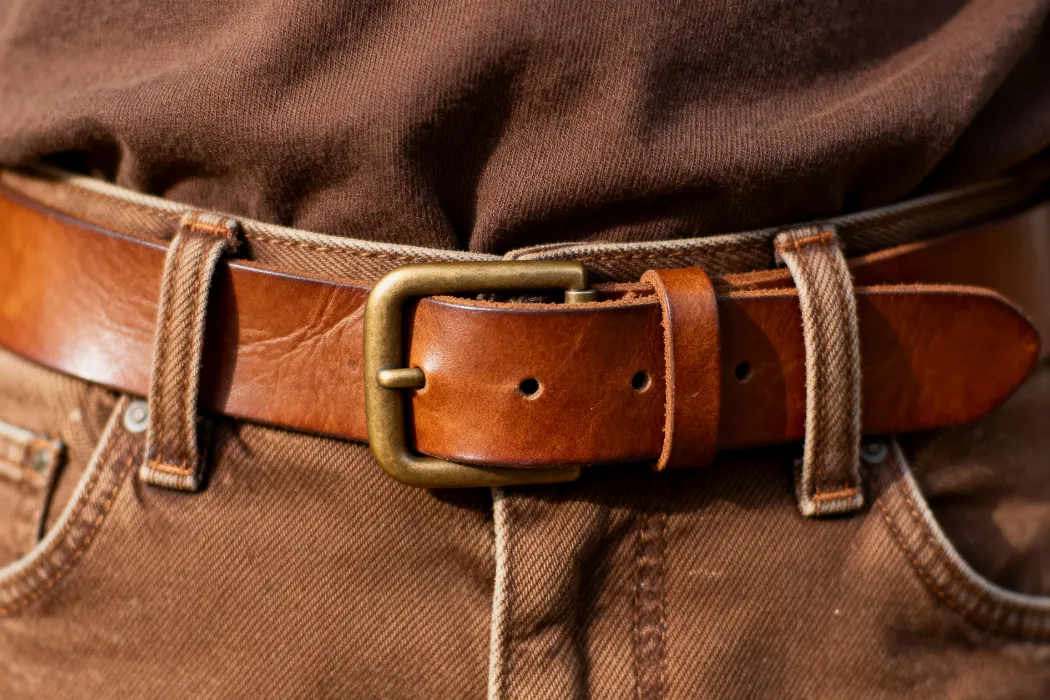
A perfectly burnished edge is a non-negotiable quality marker for us. Our standard is simple: we deliver smoothly burnished edges with no rough fibers. This finish is the default choice for rugged casual or work belts made from full-grain or vegetable-tanned leather, as these materials have the firm structure needed to achieve a great polish.
This method provides an authentic, natural look that highlights the quality of the underlying material instead of covering it up. The result is a durable edge that feels right at home on a premium, long-lasting belt.
Scale Your Brand with Premium Custom Belts
Durability Face-Off: Which One Cracks First?
Edge paint cracks and peels, while burnished edges fade and dull. The better choice depends entirely on the leather type and how well the finish is applied.
How Each Finish Wears Out: Cracking vs. Fading
Edge paint is a separate layer of material applied on top of the leather. Think of it as a flexible, plastic-like coating. The main problem is that leather expands, contracts, and flexes with use and changes in humidity. The paint layer doesn’t always move at the same rate. This stress eventually causes the paint to develop fractures, leading to cracking and peeling off in flakes, especially at bend points like where a belt wraps around a buckle.
Burnishing is completely different. It doesn’t add a new layer. Instead, it uses friction and pressure to compress and smooth the leather’s own fibers into a dense, polished surface. Because it’s integrated into the material itself, a burnished edge won’t crack or peel. Its failure mode is a gradual loss of polish. Over time, the compressed fibers can loosen, causing the edge to look dull, less shiny, and a bit “puffy.”
Matching Edge Treatment to Leather for a Lasting Finish
There is no single “best” solution. The durability of an edge finish depends almost entirely on matching the technique to the right type of leather. In our manufacturing, we utilize both painted and burnished edges, selecting the method based on the specific leather chosen for a project. For instance, many chrome-tanned and softer leathers simply don’t have the firm fiber structure needed for a proper burnish. Trying to force it results in a weak, messy edge. For these leathers, edge paint is the correct professional choice.
Conversely, classic vegetable-tanned leather is perfect for burnishing and produces a beautiful, sleek finish. Getting this decision right is a core part of our construction quality. By applying the right technique for the material, we ensure the edge is smooth and durable, preventing the kind of premature failure that reflects poorly on a brand. It’s a small detail that has a big impact on the product’s lifespan.
Leather Compatibility: Veg Tan vs. Chrome
Vegetable-tanned leather is firm, making it ideal for a polished burnished edge. Softer chrome-tanned leather doesn’t burnish well, so it’s a better fit for a clean painted edge.
How Tanning Affects Leather Structure
The tanning process directly changes the physical properties of a hide. Vegetable-tanned leather uses natural tannins, which create a firm and dense material. Its fibers can be tightly compacted and polished under pressure, making it the perfect candidate for a durable, burnished edge.
Chrome-tanned leather, on the other hand, is made with chromium salts. This method produces a much softer and more flexible hide. Its internal structure just doesn’t compact well, so trying to burnish it is usually ineffective. But that softness makes it a great surface for edge paint, which provides a clean, sealed finish.
Matching Our Leathers to Your Edge Style
Choosing the right edge finish starts with the right material. If you’re aiming for a classic, high-end burnished edge for your belts, we exclusively recommend using our LWG-certified vegetable-tanned leather. We have decades of experience burnishing this material in-house to create that smooth, polished look.
If your brand’s aesthetic calls for a crisp, modern painted edge, we have more flexibility. We can use a wider range of our genuine leather options to achieve a smooth and consistent color finish that aligns with your design requirements.
Cost Comparison: Labor Hours per Edge
Edge painting is more labor-intensive, leading to a higher cost for premium products. Burnishing is faster and more cost-effective for large-scale orders, directly impacting your factory-direct price.
Labor Factors: Painting vs. Burnishing
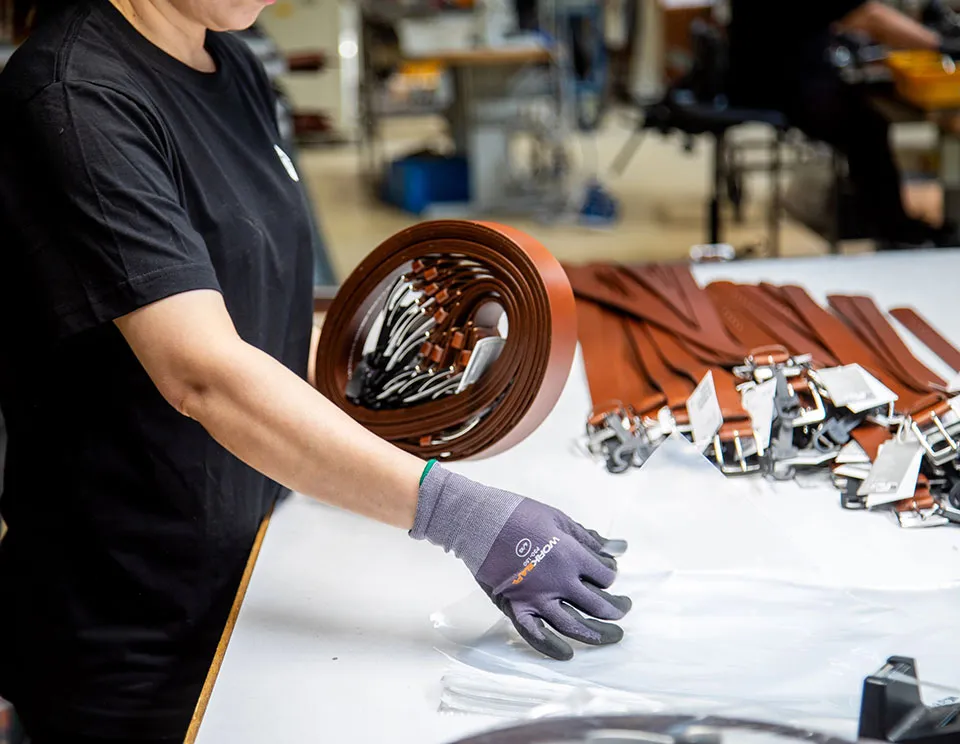
Edge painting is a multi-step process that requires more time and skilled labor. Each edge needs multiple layers of paint, with sanding and drying time between each coat. This meticulous approach creates a smooth, uniform finish but drives up the hours—and cost—per unit, which is why it’s typically reserved for fine leather goods.
Burnishing uses heat and friction to smooth and seal the leather’s own fibers. It can be a much faster process, but its efficiency depends on the material. Vegetable-tanned leather burnishes well, while other types don’t. The process still demands proper preparation like beveling and conditioning to achieve a clean, professional look.
Optimizing Edge Finishing Costs
We provide both smoothly painted and cleanly burnished edge options. This allows you to select the precise finish that aligns with your product’s design, target market, and budget. You aren’t locked into one method; you choose what makes sense for your brand.
Our dual-country manufacturing strategy gives you a clear cost advantage. We handle labor-intensive painted edges in our specialized Dongguan, China facility, which excels at complex, high-end work. For large-scale orders requiring efficient burnishing, our Cambodia factory provides a cost-effective solution, helping you control unit costs without sacrificing quality.
Aesthetics: Clean Lines vs. Rugged Edge
Painted edges create a clean, modern look for formal dress belts. Burnished edges provide an authentic, rugged feel for casual and work belts, highlighting the leather’s character.
The Minimalist Appeal of Clean Lines
A clean, painted edge is all about minimalism. It creates a smooth, uniform border that signals precision and sophistication for a brand. This style emphasizes simplicity and an uncluttered composition, creating a timeless and elegant look. It’s the standard for formal styles like our Classic Dress Belts, where a smooth finish is non-negotiable.
The Authentic Character of a Rugged Edge
A rugged edge tells a different story. Instead of perfect uniformity, burnishing celebrates the leather’s inherent texture and organic form, showcasing its raw aesthetic. It’s the right choice for brands that want to convey authenticity and craftsmanship. This finish pairs perfectly with specialty leathers like Crazy Horse, Oil Tanned, or our Vintage/Washed effects to create durable Casual or Work Belts.
The Verdict: When to Use Which?
Use burnishing with firm, vegetable-tanned leather for a natural, rugged look. Choose edge painting for pliable leathers to create a clean, modern, and perfectly sealed finish.
| Criteria | Choose Burnishing (Natural Finish) | Choose Edge Painting (Modern Look) |
|---|---|---|
| Ideal Leather Type | Firm leathers with strong fiber structure, specifically vegetable-tanned leather. The material needs to be dense enough to handle the friction. | Supple or pliable leathers that lack the firmness to burnish well. This ensures a clean result without mashing the edge. |
| Final Aesthetic | A natural, less-finished appearance that darkens and polishes the edge. It celebrates the leather’s raw character. | A smooth, consistent, and fully sealed edge. It delivers a uniform, high-quality look associated with fine leatherworking. |
| Best For Product Lines | Our Casual/Jeans Belts and Work/Heavy Duty Belts, where a rugged and authentic style is the goal. | Our Classic Dress Belts and high-end Fashion Belts, which require a pristine, professional finish and consistent visual lines. |
| Key Advantage | The process integrates with the leather itself, creating an organic finish that ages with the product. It’s a hallmark of traditional craftsmanship. | Provides complete edge protection and allows for precise color control, including full Pantone color matching for specific brand requirements. |
Frequently Asked Questions
What is the main difference between edge painting and burnishing?
Edge painting applies a liquid coating to seal the leather edge, creating a smooth, colored finish. Burnishing uses friction to heat and compress the leather’s own fibers into a natural, glossy polish. Paint covers the edge completely, while burnishing enhances the material itself.
Why does edge paint crack over time?
Edge paint can crack because leather naturally expands and contracts with changes in temperature and humidity. Cracking also occurs if the paint fails to adhere properly, which can happen on oily leathers or if an edge was burnished too smooth before application, preventing the paint from penetrating the fibers.
Which edge finish is better for vegetable-tanned leather?
The choice depends on the desired look. Burnishing is traditional for vegetable-tanned leather, creating a beautiful, polished edge that highlights the material’s natural quality. Edge paint is a faster alternative that offers more color options and a uniformly sealed finish.
Can chrome-tanned leather be burnished?
Burnishing chrome-tanned leather is not recommended. Its soft fiber structure does not respond well to the friction needed for a clean polish. The industry standard for a professional and durable finish on chrome-tanned leather is to use a quality edge paint.
Is edge paint more durable than a burnished edge?
They offer different kinds of durability. Edge paint provides a strong, sealed surface but can eventually peel or crack as the leather flexes. A burnished edge creates a natural finish that may fade or scuff with wear but will not peel off like a surface coating.
Final Thoughts
Choosing the wrong edge finish to save a few cents is a direct risk to your brand’s reputation, leading to returns from cracked paint or frayed edges. Our manufacturing standard matches the finish to the leather—a non-negotiable detail that protects your investment. This is how you build a product line distributors trust.
Don’t leave this critical detail to chance—verify our quality firsthand. We recommend ordering samples to compare our painted and burnished finishes on the exact leathers you need. Contact our team to discuss the technical requirements for your next collection and get a factory-direct quote.