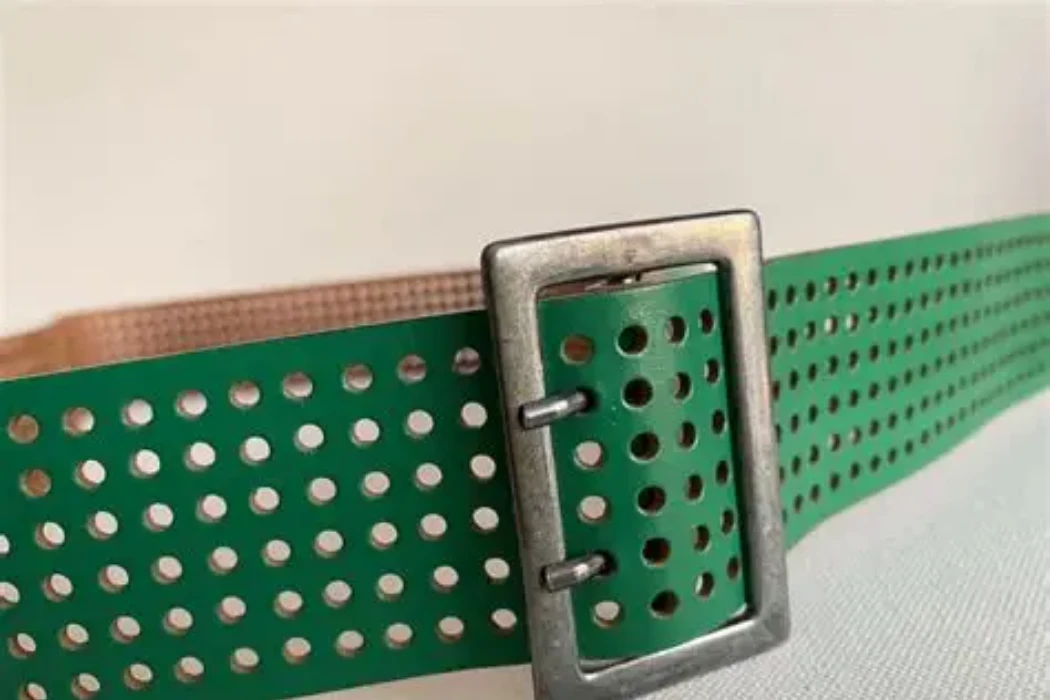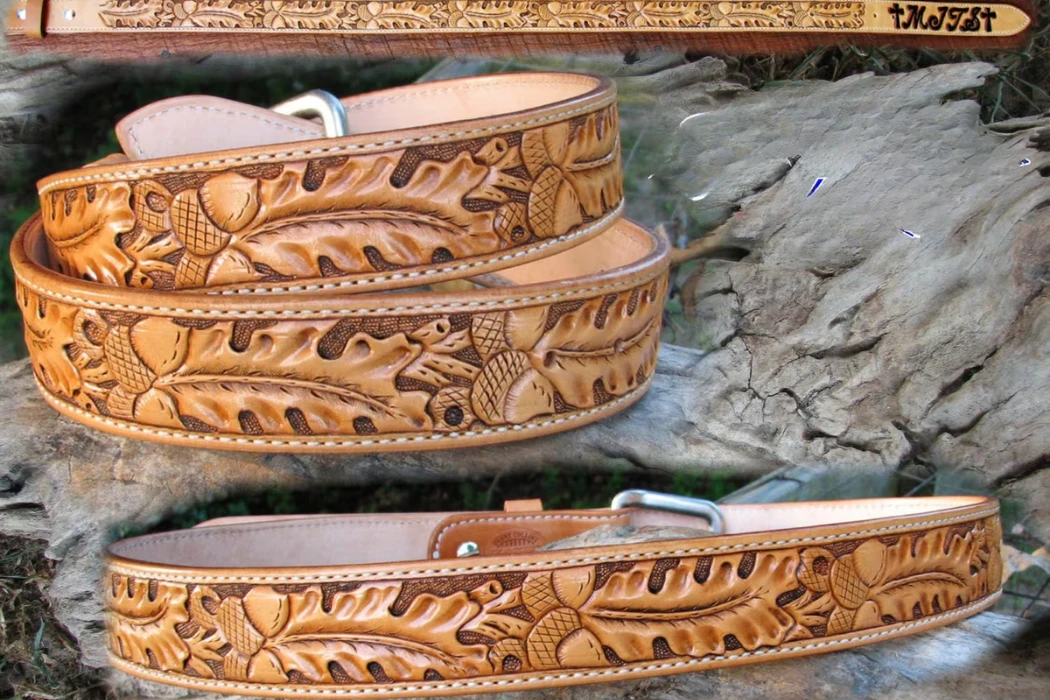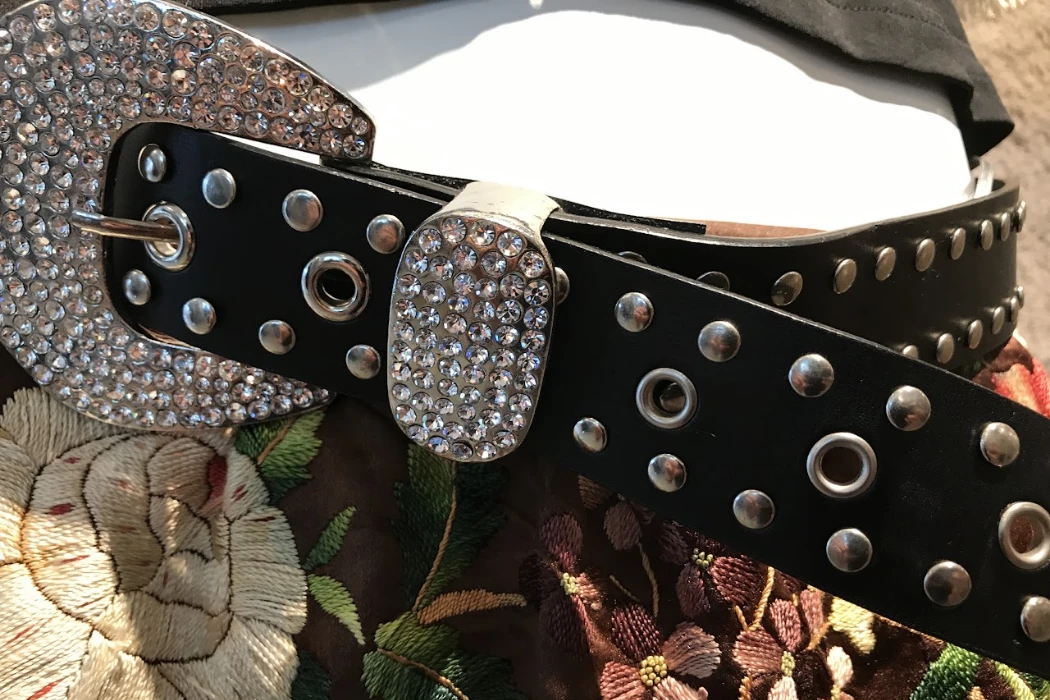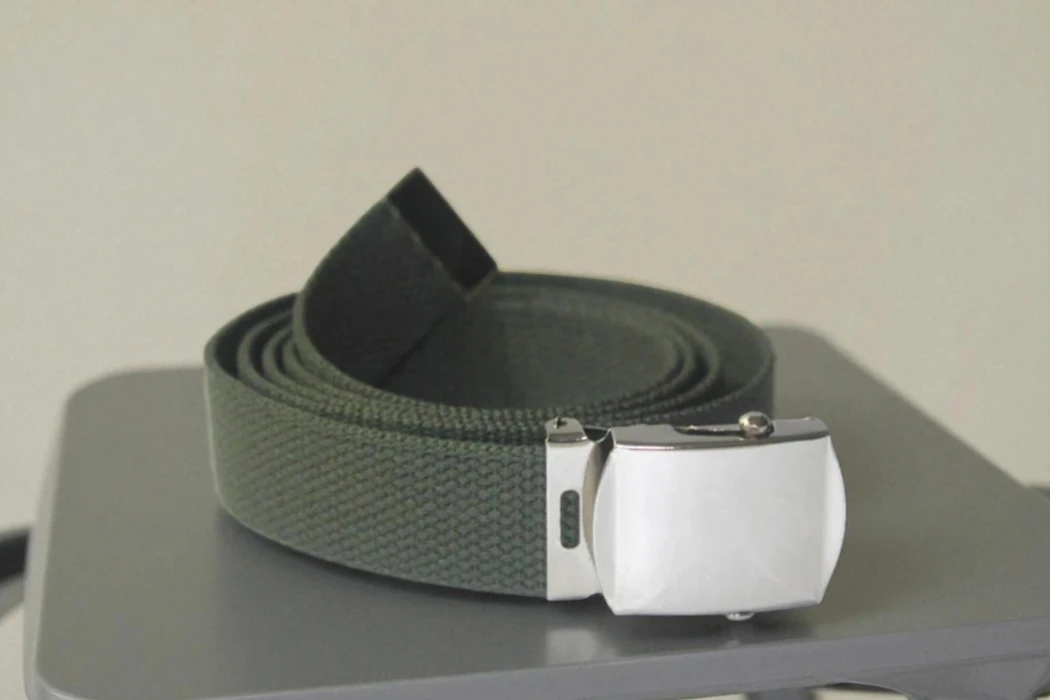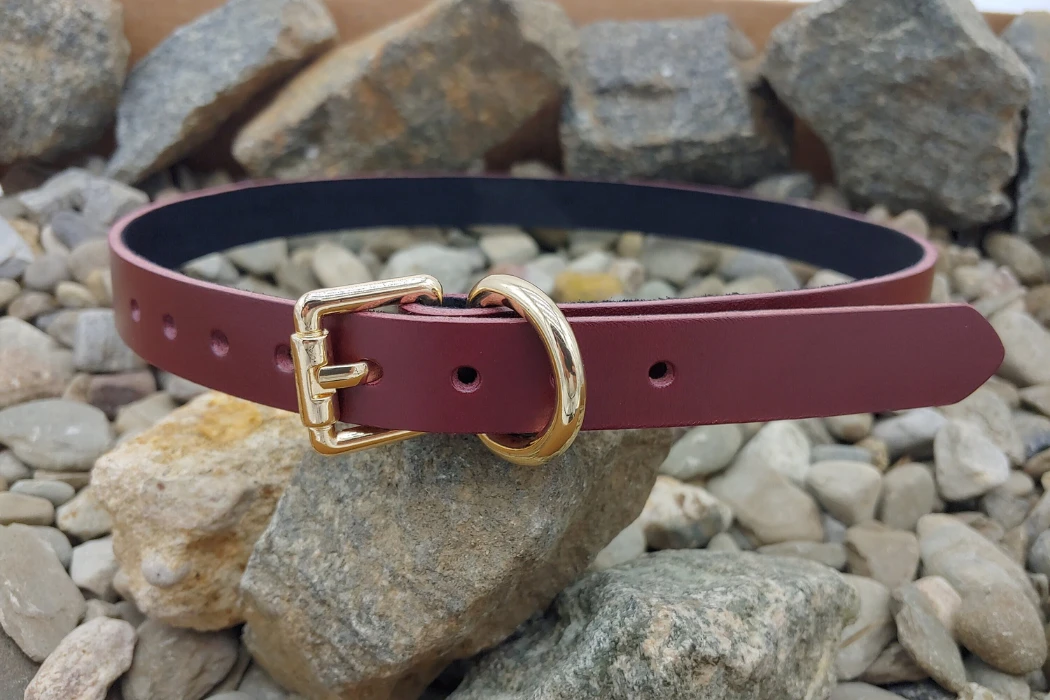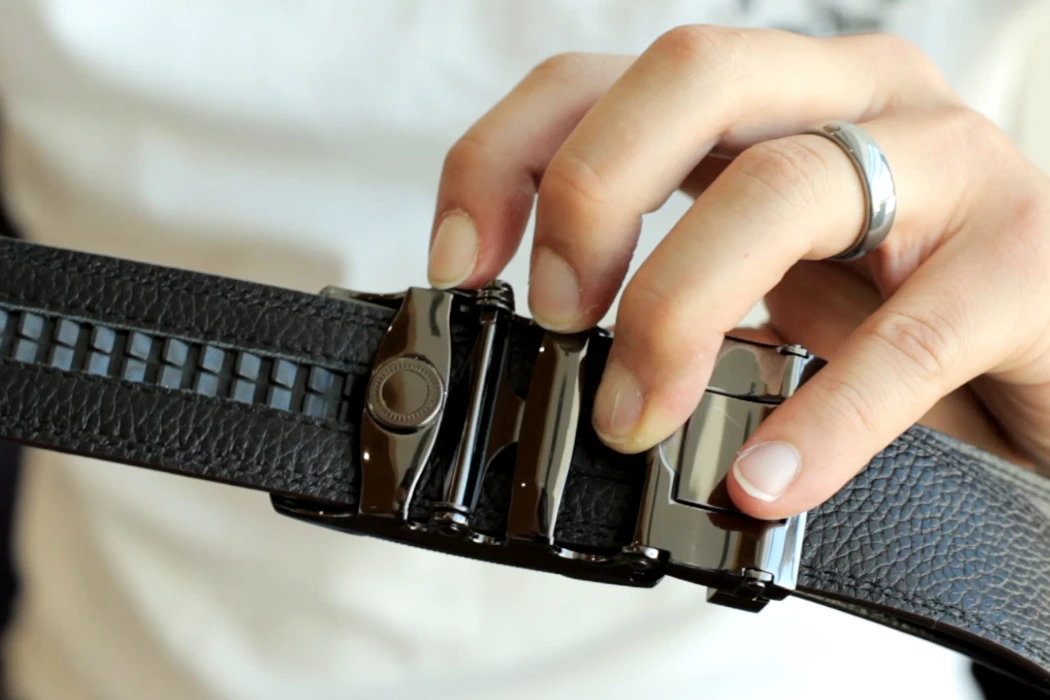
Belt leather descriptions combine several different ideas: the hide layer, any correction of the grain, the surface finish and the finished strap construction. A purchase order that says only “premium genuine leather” leaves most of those decisions unresolved.
Full grain, corrected grain and split leather describe material features; they are not a universal league table of belt lifespans. Thickness, tanning, finish, cutting position, reinforcement and assembly also affect performance. Compare proposed materials in the belt construction you intend to sell.
This guide explains the terms and turns them into a supplier brief: what material is being offered, how it will look, what evidence to request and how to compare cost without invented yield or service-life figures.
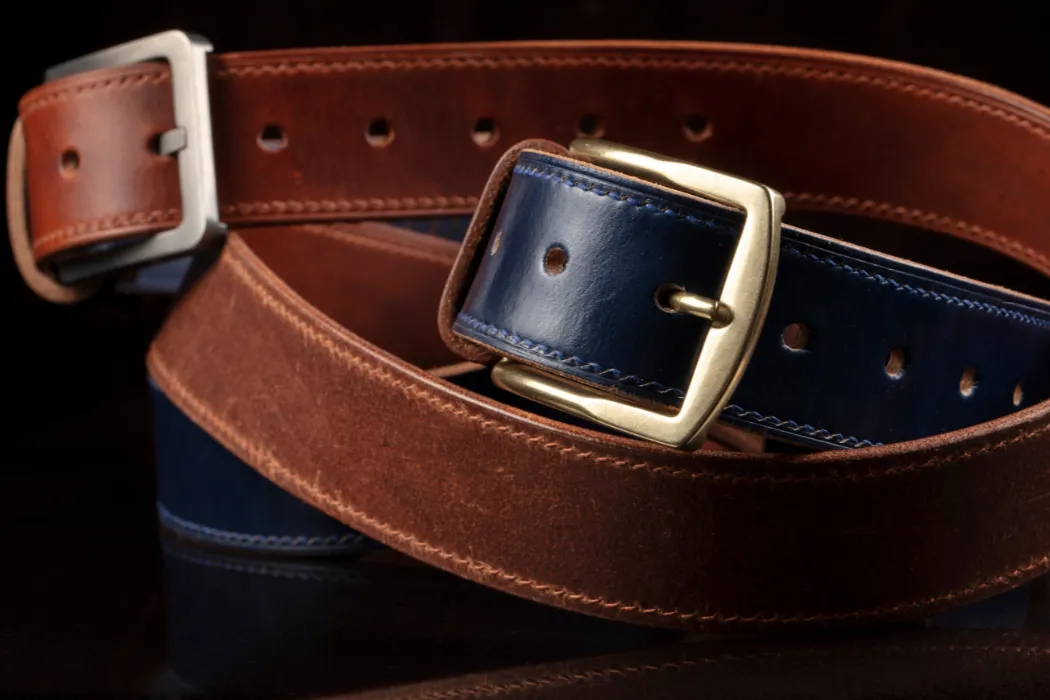
What Exactly Is Full Grain Leather?
Full grain means the grain surface has not been removed by corrective mechanical treatment. It does not mean that a belt contains the entire original hide thickness, is unfinished or uses a particular tanning process. The LWG definitions distinguish grain condition from finishing terminology.
The grain surface and the strap below it
The grain is the outer face associated with the hair follicles. Leather can retain this surface while being split or skived from the flesh side to reach a specified thickness. Ask the supplier to identify the material and the finished strap build instead of assuming “full grain” means a single thick piece.
Appearance, wear and patina
Some full grain articles show natural variation and change visibly with handling. Others have protective or pigmented finishes. Patina, scratch response and water absorption depend on that finish and the leather; none is a reliable authentication test. Full grain leather can still crack, tear, stain or develop finish damage.
- Approve acceptable natural marks and colour variation with actual swatches.
- Inspect holes, buckle folds and edges in the proposed assembled belt.
- Require evidence for any claimed water resistance or durability.
- Do not promise self-healing or decades of wear from the grain description alone.
What affects the quotation?
A strict cosmetic selection can reduce the area available for visible strap cutting. That does not mean every scarred hide is discarded or that full grain must always be the most expensive choice. Species, tannage, finish, selection, thickness, supplier and order quantity all belong in a comparable quotation.
How Should Buyers Interpret Top Grain and Corrected Grain?
“Top grain” is used inconsistently in commercial offers. Some suppliers use it broadly for leather from the grain-bearing upper layer; others use it to mean corrected grain. Do not assume that every top-grain offer has been sanded, or that full grain and top grain must be mutually exclusive descriptions.
Specify correction directly
If the surface has been mechanically buffed and then finished to improve its appearance, ask for a corrected-grain description. Do not specify removal of “a few millimetres” of grain as a standard process. The supplier should select a process compatible with the actual leather and agreed surface.
Agree the finish separately
Embossing and pigment can help achieve a controlled appearance, but they do not make every belt identical or guarantee stain resistance. Compare grain pattern, gloss, colour range and hand feel on the proposed material. A corrected surface is not automatically softer or thinner than a full grain alternative.
| Question | Full grain offer | Top grain offer |
|---|---|---|
| Grain condition | Confirm no corrective removal of the grain surface | Ask whether the supplier means full grain or corrected grain |
| Finish | Record colour, coating and texture separately | Record the same details; do not infer them from the name |
| Performance | Test the proposed material and construction | Use the same relevant methods and criteria |
| Price | Compare an actual matched quotation | Compare an actual matched quotation |
For a dress-belt range, a consistent finish may matter more than a visibly natural surface. For a casual range, natural variation may be intentional. Choose against an approved design brief rather than a universal ranking.
Does Genuine Leather Identify a Quality Grade?
No. “Genuine leather” alone does not tell a buyer the hide layer, surface correction, tannage, finish or belt construction. It should not be treated as a synonym for low-quality split leather, nor as sufficient evidence of a premium specification.
Ask for the missing material description
Request species, grain or split construction, supplier article reference, finish and thickness. Where a belt has a leather face, lining and other internal materials, record each component separately. A label on the finished belt may not describe every layer in enough detail for purchasing.
Keep split and reconstituted materials distinct
Split leather is a separated layer retaining its leather structure. Reconstituted or bonded materials are made by breaking leather down and forming a new sheet, usually with other constituents. They should not be casually grouped together as the “genuine” grade.
Labelling rules depend on the destination. For the US, the FTC Leather Guides address potentially misleading leather and composition descriptions, including disclosure for materials described with terms such as bonded leather. Have the final description checked for the actual product composition and market.
Evaluate the actual offer
A vague label is a reason to ask for documentation, not proof that the supplier is deceptive or that a belt will peel within months. Require a traceable material reference and an approved sample before making a quality or price comparison.
What Is Split Leather and When Should Manufacturers Use It?
Split leather comes from a separated layer below the grain-bearing layer. It can be finished with a nap or with a surface coating. A coated leather split and a PU-coated textile are different substrates, even when both have a similar smooth appearance.
Evaluate the actual split
The material name does not establish tensile strength or the correct thickness for a belt. Ask for the supplier article, selection and test results where relevant. Check how it behaves at holes, stitched edges and folds in the proposed construction; avoid claims that all splits tear like fabric.
Nap and coated surface options
A suede-style surface and a smooth coated split require different appearance and care criteria. For a napped surface, review colour direction and rubbing behaviour. For a coated split, review coating adhesion and flexing response. A smooth coating does not turn the substrate into full grain leather.
- Specify the base material separately from a PU surface coating.
- List lining, reinforcement and adhesive layers in the bill of materials.
- Approve any embossing or coating on the actual proposed split.
- Use a material-specific description on specifications and labelling.
Compare usable area and finished cost
Yield depends on the supplied selection, hide shape, strap lengths, direction, defect rules and nesting. Correction may improve appearance but cannot make structural defects disappear. Do not use fixed 60–70%, 80–90% or 95–100% yield figures for every material.
| Quotation item | Buyer check | Why it matters |
|---|---|---|
| Material price and unit | Same material, thickness, selection and measurement unit | Prevents comparing unlike offers |
| Cutting plan | Actual strap widths, lengths and defect rules | Connects material usage to the range |
| Construction | Single layer or specified assembled layers | Changes labour and component consumption |
| Finishing and rejection allowance | Agreed appearance and inspection criteria | Makes the cost assumption reviewable |
Compare cost per approved finished belt after these assumptions are aligned. A cheaper sheet or hide price does not by itself establish the lower finished cost.
What Can a Buyer Check Before Laboratory Testing?
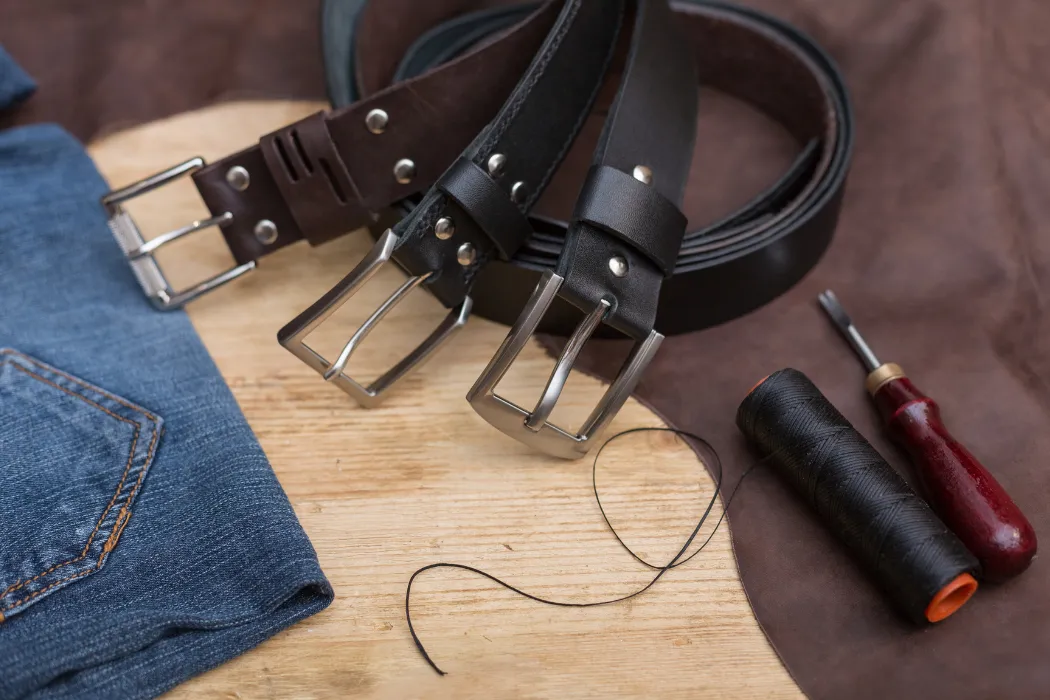
Visual and handling checks help identify questions for the supplier. They do not authenticate a leather grade or replace controlled testing. Use an authorised sample and agree the handling procedure so the review itself does not create avoidable damage.
Look at the material and construction
Inspect a supplied cross-section or offcut alongside the bill of materials. Identify the face, lining, reinforcement and edge treatment. Multiple layers are normal in many intentionally assembled belts; their presence is not proof of poor quality. Edge paint can conceal construction, so ask for an uncoated cross-section if needed.
Check the assembled belt
Look for uneven holes, rough edges, loose stitches and misaligned hardware. Operate the buckle with the matched strap and examine the buckle fold. Compare the sample with the approved drawing and retain photographs of any issues. Record whether a mark was present before or appeared during handling.
Avoid destructive shortcuts
Water absorption, fingernail scratching and bending backwards cannot reliably distinguish full grain, corrected grain and split leather. Finishes strongly affect these responses. Do not use flame, solvents or unapproved soaking as purchasing tests. Ask for a material declaration and appropriate laboratory identification if composition remains disputed.
Turn an observation into a repeatable check
If a coating lifts or a hole deforms, document the location, procedure and sample version. Agree a suitable test method and acceptance criterion with the supplier and laboratory. A single hand test cannot be converted into years of expected service.
Which Leather Specification Fits Your Belt Range?
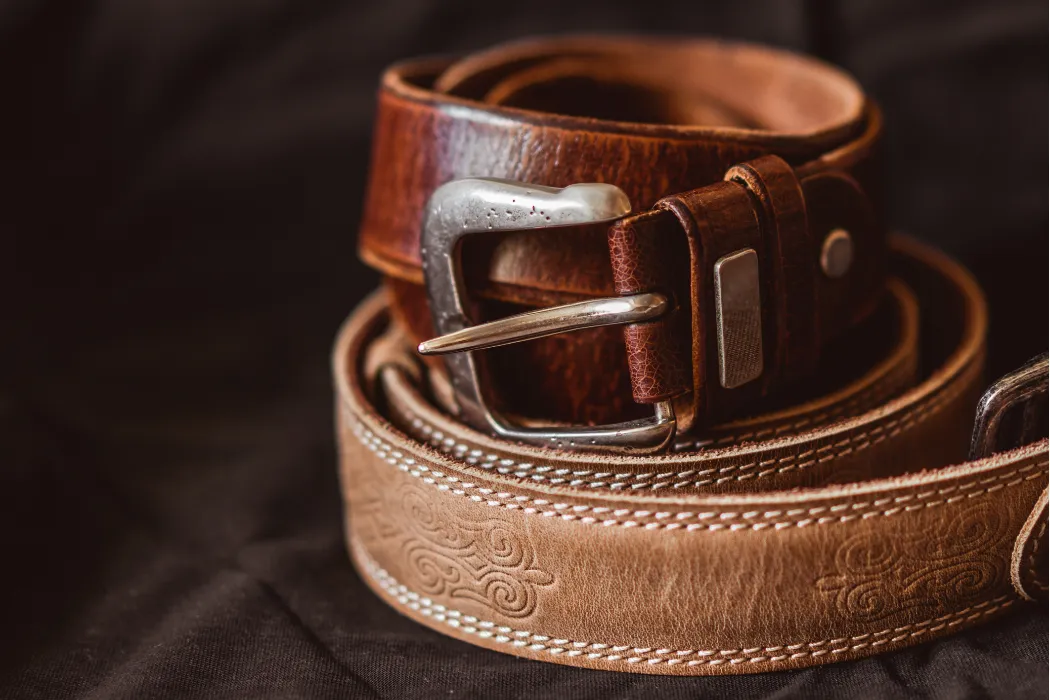
Start with the intended appearance, ordinary apparel use, construction and target landed cost. Luxury does not require only full grain, and a low price does not justify ignoring material disclosure or durability. Approve the proposed belt against the brief.
Match the material to the design
Ask for alternatives that solve the same design task. Compare actual samples and quotations, including hardware, edge finish, packaging and testing. A retail price is not a reliable way to infer the leather inside a belt.
| Belt style | Material decision | Approval focus |
|---|---|---|
| Casual apparel | Natural or controlled surface; single-layer or specified construction | Fit, hole behaviour, fold and edge appearance |
| Dress | Smooth or embossed finish with agreed consistency | Profile, buckle match, colour and finish |
| Reversible fashion | Specify both faces and the complete bonded or stitched build | Alignment, flexibility and interface adhesion |
| Promotional range | Document the selected material and realistic cost assumptions | Material disclosure, function and agreed inspection |
This discussion concerns ordinary fashion belts. Hoplok does not offer load-bearing safety, powerlifting, tactical or construction tool-belt programmes.
Keep chemical compliance separate from grade
Specify destination, age group, contact and materials so the laboratory can identify applicable restrictions. REACH obligations and California Proposition 65 are not interchangeable blanket “chemical-free” certificates. A tannery or facility rating does not prove every finished belt complies with every market requirement.
Check reports against the actual material, colour, finish and hardware. A later coating or component substitution may change the evidence needed. Include the approved composition and testing scope with the production record.
Frequently Asked Questions
Does full grain leather scratch easily?
Scratch response depends on the leather and finish. Some marks blend into an intentionally changing appearance; others are defects against the approved standard. Full grain does not mean uncoated or self-healing.
What should a buyer investigate when a belt cracks?
Identify whether the leather, surface coating, edge finish or bonded interface has failed. Review the material lot, construction and handling conditions. Cracking alone does not prove the belt is bonded leather or establish the supplier’s material description.
Is top grain leather real leather?
It generally refers to grain-bearing leather, but commercial usage varies. Ask whether the surface is full grain or corrected and obtain the complete material and finish specification. The term is not a separate guaranteed performance grade.
How thick should a leather belt be?
Agree the finished thickness and tolerance for the design, buckle and trouser-loop fit. Record component thicknesses for assembled belts. There is no universal cutoff below which every belt will stretch or above which every belt is durable.
What is bonded leather versus split leather?
Split leather retains the fibrous structure of a separated hide layer. Bonded or reconstituted materials are formed from broken-down leather with other constituents. Obtain the composition and use a suitable market-specific description; compare actual performance rather than assuming a fixed strength ratio.
Does expensive leather last longer?
Price reflects many factors, including appearance, selection and processing. It does not guarantee lifespan. Evaluate the proposed leather in the finished belt and agree performance requirements appropriate to its use.
Build the Material Description Into the Order
A useful belt specification identifies the hide layer and grain condition, finish, thickness, construction and required checks. Keep supplier article references, approved swatches and the signed sample together so a later substitution can be reviewed against the same requirements.
Hoplok can discuss material options for custom leather belts. ProPelli handles the finishing of externally sourced crust leather; it is not a tannery processing raw hides. Its valid LWG Gold certification applies to that facility and does not certify every finished belt.
Send your design, material preference, target quantity and destination for a quotation. Hoplok’s stated MOQ is 300 pieces for leather belts and 1,000 for PU belts; confirm style and colour allocation. Belt sampling typically takes 2–3 weeks, with bulk production typically 60–90 days from agreed start conditions. Allow separately for approvals and shipping.