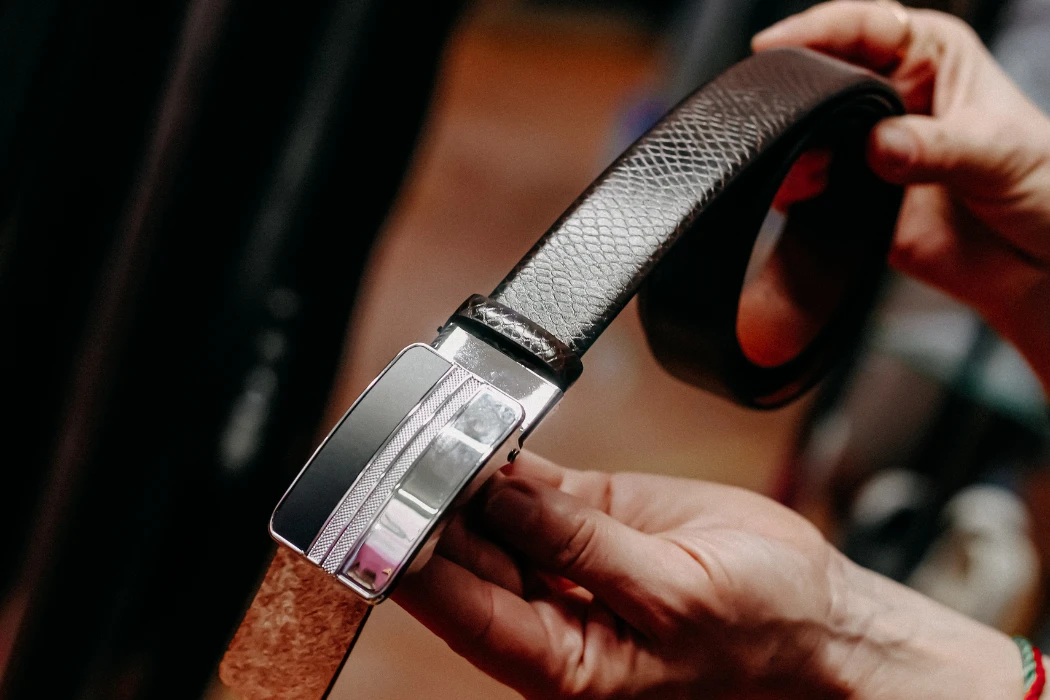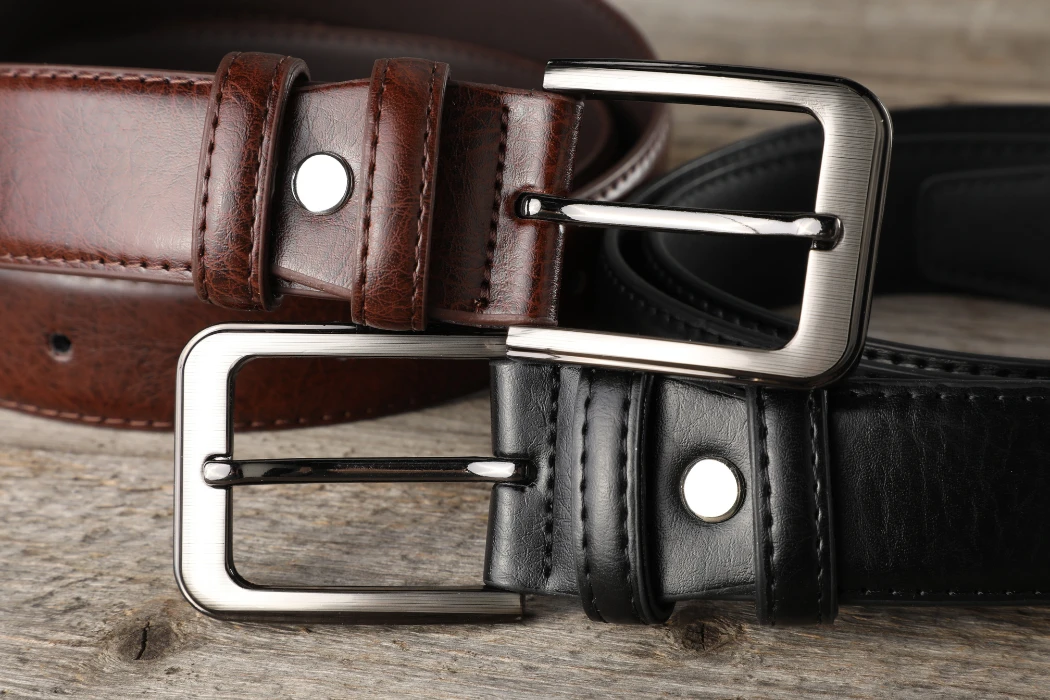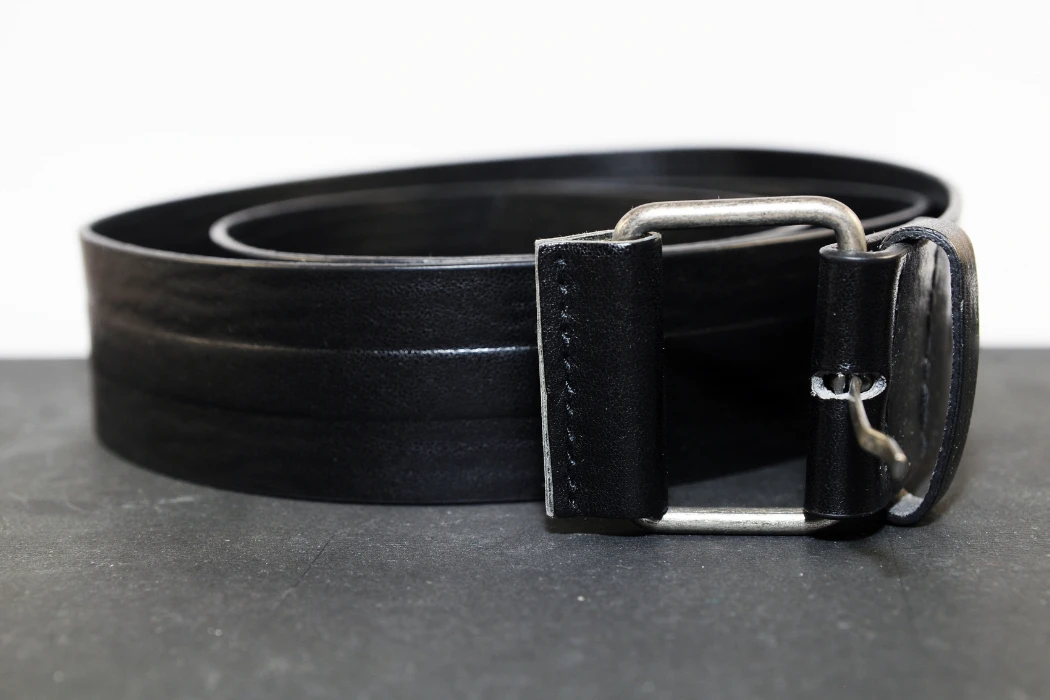
Imagine managing orders for 50,000 leather belts going to 500 different retail stores. Manual data entry for this massive volume is simply too slow. Human errors also cause expensive mistakes. Big box retailers cannot afford delays on their store shelves. Because of this, major global brands demand a faster, error-free system to handle their inventory and shipping data.
This required system is called EDI, or Electronic Data Interchange. EDI acts as a secure digital bridge between a leather goods manufacturer and a large retail partner. Instead of sending paper documents or typing out PDF emails, their computers talk directly to each other. They use strict codes to instantly exchange purchase orders, packing details, and final invoices.
Understanding this digital bridge is critical for any leather factory that wants to supply global retail chains. So, how exactly do these automated systems communicate? Below, we will explore the core EDI documents needed for leather belt and bag orders. We will also look at technical standards across different countries, and how factories integrate this data into production.
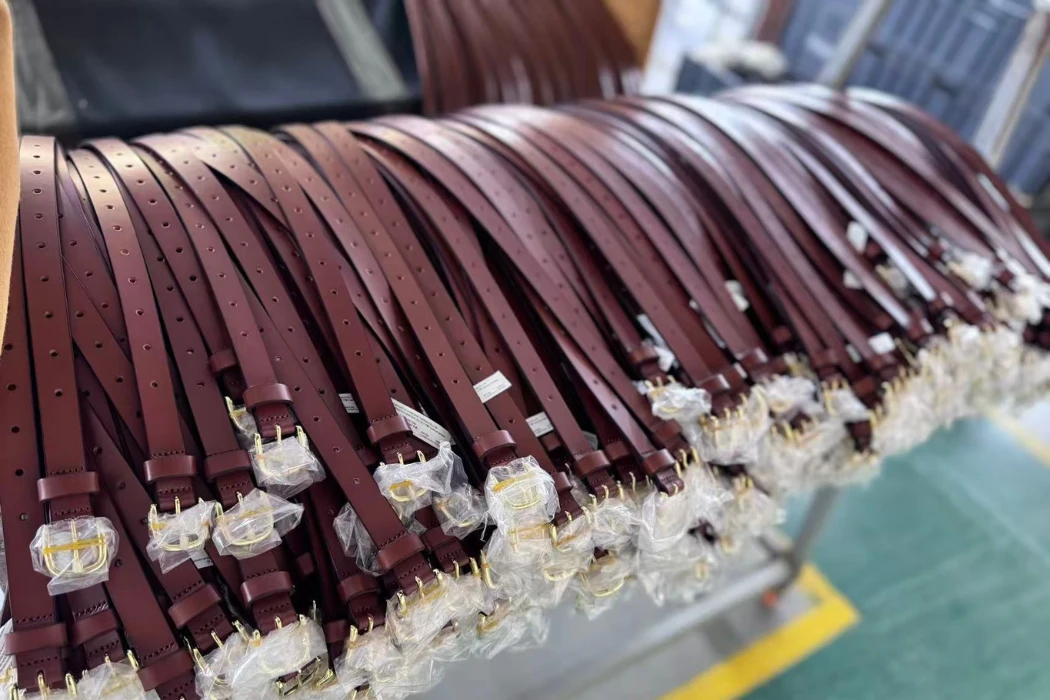
What Is EDI and Why Do Big Box Retailers Require It?
EDI stands for Electronic Data Interchange. It is a computer-to-computer system that replaces physical paper documents. Big box retailers require EDI because it processes huge orders instantly. Without it, typing thousands of product codes takes days and causes massive errors. EDI forces both the retail buyer and the leather manufacturer to speak the exact same digital language. This guarantees that stock levels, shipping dates, and payments stay perfectly aligned.
The shift from paper to digital data
Moving away from paper documents is the first major benefit of using an EDI system.
- Traditional orders often rely on PDFs or fax machines, which require manual human review and typing.
- An EDI setup translates a standard retail purchase order into a standardized digital file, like an ANSI X12 document.
- This digital file moves securely over the internet in just 2 to 3 seconds.
Because the data travels instantly, factories can start planning their leather cutting and hardware sourcing the exact same day the order arrives.
Speeding up purchase orders and invoices
Speed is everything when a large store needs to restock popular leather belts before a holiday season.
- Retailers use an 850 Purchase Order code to instantly request thousands of specific SKUs.
- Factories immediately reply with a 997 Acknowledgment code, proving they successfully received the data.
- When the goods ship, the factory system automatically generates an 810 Invoice to trigger the payment.
So, the entire financial conversation happens in the background. This allows the production team to focus strictly on crafting quality leather goods instead of chasing paperwork.
Eliminating human data entry errors
Human error is incredibly expensive, especially when dealing with complex leather product variations like color, size, and texture.
- A manual data entry clerk has a typical error rate of 1% to 2%.
- In a large order of 50,000 leather wallets, a 1% error rate equals 500 mistakes in size or style.
- EDI drops this error rate to practically 0% because the computers map exact barcode data directly into the factory system.
By removing human typing from the process, retailers avoid costly return shipments, and factories successfully protect their profit margins.
| Processing Method | Order Speed | Typical Error Rate | Labor Requirement |
|---|---|---|---|
| Manual (PDF/Email) | Hours to Days | 1% to 2% | High (Dedicated Clerks) |
| EDI (Automated) | 2 to 3 Seconds | 0% | Low (System Automated) |
How Does EDI Connect Leather Manufacturers to Major Stores?
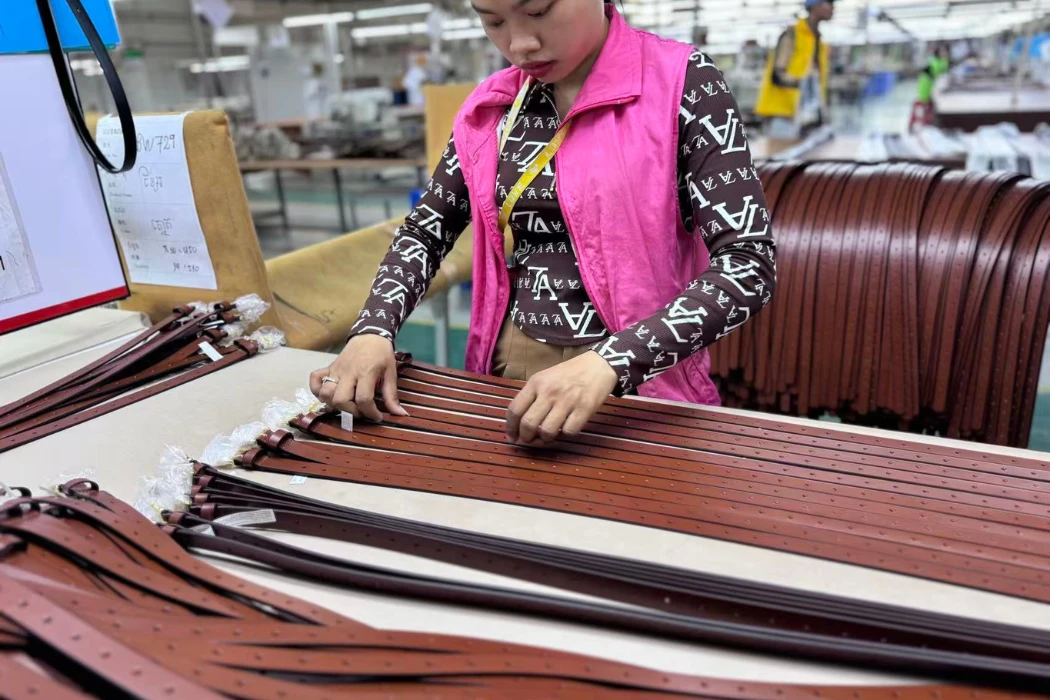
Connecting a global retail brand with a specialized leather factory requires a flawless digital pipeline. Retailers use complex software systems, and factories use their own production software. EDI acts as the universal translator between them. By linking these systems together, factories can directly receive orders and send back critical shipping data without a single manual email.
Mapping specific data fields for leather goods (like color and size)
Connecting two different computer systems requires a clear and highly accurate data map.
- Retailers use specific internal codes for a belt’s width, like 35mm or 40mm, while factories might use completely different internal names.
- EDI software maps these exact fields so a retailer’s code for “Chestnut Brown” automatically translates to the factory’s correct leather dye formula.
- This mapping process handles complex retail variations, easily managing up to 50 different size and color SKUs in a single digital order transmission.
Because the data maps perfectly, the factory floor cuts the exact right leather and prepares the correct hardware without ever needing to ask for clarification.
Testing the digital connection before going live
Before exchanging real financial orders, both parties must thoroughly test the digital connection.
- Retailers send test data packets to confirm the factory can receive and read the ANSI X12 or EDIFACT format correctly.
- The factory then sends back test invoices to ensure the retailer’s accounting system successfully processes the 100% automated payment trigger.
- This mandatory testing phase usually takes 2 to 4 weeks to complete, depending heavily on the retailer’s strict IT security requirements.
Thorough testing prevents disastrous communication failures when real, high-volume peak season orders start flowing into the factory.
Transmitting daily inventory and shipping updates
A live EDI connection also works constantly in the background to keep retail shelves properly stocked.
- Factories send daily or weekly 846 Inventory Advice documents to show exactly how much raw leather or finished goods remain in their warehouse.
- When a production run finishes, the system sends an 856 Advance Ship Notice (ASN) before the truck even leaves the loading dock.
- This vital ASN includes precise data like carton weights, barcode numbers, and the exact quantity of 1,000 leather wallets packed securely inside.
Retailers rely entirely on these constant updates to confidently plan their store displays, track incoming cargo, and launch online sales promotions.
Which EDI Documents Are Most Important for Belt and Bag Orders?
Retailers and factories exchange dozens of different EDI documents. However, a few core documents handle the bulk of the heavy lifting. These specific codes manage the entire lifecycle of a leather goods order, from the initial request to the final financial payment.
The 850 Purchase Order (Getting the exact order details)
The entire manufacturing process always starts with the buyer sending an automated purchase order.
- The 850 Purchase Order contains all the critical data the factory needs to start production.
- It lists exact quantities, prices, and expected delivery windows for specific items, like a 35mm men’s leather belt.
- It also provides unique UPC barcodes that the factory must print and attach to the final products.
Because this document outlines the exact requirements, the factory uses it to immediately order raw leather hides and metal buckles.
The 856 Advance Ship Notice (ASN) with carton barcodes
Retailers need to know exactly what is arriving at their distribution centers before the truck even backs up to the door.
- Factories automatically generate the 856 Advance Ship Notice (ASN) right after packing the boxes.
- This complex document maps the exact contents of every single shipping carton using a unique GS1-128 barcode.
- If a carton contains 50 black wallets and 50 brown wallets, the ASN tells the retailer’s computer exactly how they are packed.
This ASN allows the retail warehouse staff to scan one single barcode on the outside of a pallet and instantly receive thousands of items into their inventory.
The 810 Invoice (Triggering the payment process)
After the factory ships the leather goods, they need to get paid quickly and accurately.
- The 810 Invoice replaces the traditional paper bill sent through the mail.
- The retailer’s computer automatically compares the 810 Invoice against the original 850 Purchase Order and the receiving dock’s physical scan.
- If all three records match perfectly, the system completes a secure 3-way match.
When the match is successful, the retailer’s accounting software automatically schedules the payment, which drastically improves cash flow for the manufacturing factory.
| EDI Code | Document Name | Typical Sender | Primary Purpose |
|---|---|---|---|
| 850 | Purchase Order | Retail Buyer | Triggers factory production and specifies SKUs. |
| 997 | Functional Acknowledgment | Both Parties | Confirms that a digital file arrived safely. |
| 856 | Advance Ship Notice (ASN) | Leather Factory | Details the exact contents of shipping cartons. |
| 810 | Invoice | Leather Factory | Requests final payment after goods ship. |
Are There Different EDI Standards for USA and European Retailers?
Yes, there are two main EDI standards used globally. Retailers in the United States and Canada almost exclusively use the ANSI X12 standard. However, European brands rely on a different format called EDIFACT. Because these two systems use completely different digital languages, a leather factory must set up their software to translate both formats properly to work with international buyers.
Using ANSI X12 for North American retail partners
North American retail giants require a highly structured format to manage massive supply chains.
- The ANSI X12 standard was developed in 1979 to standardize business documents across North America.
- This format relies on strict numerical codes, like the 850 for an order and the 856 for a shipping notice.
- Over 300,000 companies worldwide currently use this specific data structure for their daily operations.
Because of this strict numerical structure, USA-based department stores can easily process millions of leather belts automatically.
Using EDIFACT for European brands
European fashion brands and retailers use a completely different standard approved by the United Nations.
- The EDIFACT system stands for Electronic Data Interchange for Administration, Commerce, and Transport.
- Instead of simple numbers, this system uses complex six-letter codes, like ORDERS for a purchase order or DESADV for a dispatch advice.
- It handles multiple different currencies and complex international taxes, which is critical for moving goods across 27 different European Union borders.
Factories exporting leather handbags to Europe must configure their software to read these complex alphabet-based codes correctly.
How a Value-Added Network (VAN) bridges the gap
Setting up a direct connection to every single retailer in different countries is technically exhausting.
- Factories often use a Value-Added Network (VAN) to simplify the entire communication process.
- A VAN acts like a secure digital post office, reliably routing over 10,000 transactions an hour between different international systems.
- It automatically translates a European EDIFACT order into a format the factory’s local software can easily read.
By paying for a VAN service, the leather manufacturer avoids building an expensive, custom IT connection for every single new retail partner.
Can Factories Integrate EDI Directly with Their Production Floor?
Yes, modern leather factories can and must integrate EDI directly into their internal Enterprise Resource Planning (ERP) systems. Instead of treating EDI as a separate messaging tool, smart factories connect it straight to the machines and warehouse floors. This deep integration allows digital data to drive physical manufacturing steps automatically.
Syncing raw material inventory with incoming digital orders
Connecting the EDI data feed to the raw materials warehouse prevents costly production delays.
- When an 850 Purchase Order arrives, the integrated system instantly checks the current stock of leather hides and brass buckles.
- If the order requires 2,000 square feet of full-grain cowhide, the system reserves that exact amount immediately.
- If stock is low, the software automatically triggers an alert to purchase materials within 24 hours.
Because the system syncs instantly, the factory never accidentally accepts a massive retail order without having the required materials ready.
Automating the printing of retail-specific shipping labels
Big box retailers charge massive financial penalties if incoming cartons have incorrect or unreadable barcodes.
- Integrated EDI systems pull data directly from the purchase order to generate a perfect GS1-128 shipping label.
- The factory’s label printers automatically print these specific tags for all 5,000 cartons without human data entry.
- This guarantees that the barcode format strictly matches the ANSI X12 routing requirements of the destination warehouse.
Automating this printing process eliminates label mistakes, completely protecting the manufacturer from expensive retail chargebacks.
Tracking production stages to update buyers automatically
Buyers at major department stores demand total visibility into the manufacturing timeline of their seasonal collections.
- As workers finish cutting, sewing, and edge-painting, barcode scanners on the factory floor track the batch progress in real-time.
- The integrated ERP system converts these physical scans into digital milestones.
- The system then automatically transmits an 855 Order Acknowledgment or status update to the buyer’s computer every 48 hours.
By automatically pushing these updates, the production team maintains total transparency with the retailer while keeping their focus on crafting leather goods.
Frequently Asked Questions (FAQ)
What happens if an EDI transmission fails?
If a file fails, both systems automatically flag the error using a 997 Acknowledgment code. The factory’s IT team receives an instant alert to fix the data mapping issue before the purchase order is permanently lost or delayed.
Do all large retailers use the exact same EDI setup?
No. While they use standard formats like ANSI X12, each retailer has highly specific “mapping” rules. A factory must customize and test its EDI software slightly for each new retail buyer.
How long does it take a factory to become EDI compliant?
Setting up a new direct EDI connection typically takes 2 to 6 weeks. This timeline includes software configuration, document mapping, and mandatory testing phases with the retail partner’s IT department.
Can small leather factories use web-based EDI?
Yes. Web-based EDI allows smaller manufacturers to securely log into a web browser portal. They can receive digital orders and print retail-compliant shipping labels without installing expensive internal server software.
What makes an Advance Ship Notice (ASN) so critical?
The ASN allows the retailer to scan a single barcode upon arrival to instantly know the exact contents of hundreds of shipping cartons. This entirely eliminates manual counting at the crowded receiving dock.
Do factories need an in-house IT team for EDI?
Not necessarily. Many manufacturing factories outsource this highly technical work to a Value-Added Network (VAN) provider. The VAN handles the complex digital translations and ensures secure data routing across borders.
Conclusion
EDI transforms leather goods manufacturing by eliminating human error, speeding up purchase orders, and ensuring massive retail shipments arrive perfectly organized. From ANSI X12 standards to complex ASN barcodes, this digital integration is mandatory for efficient global supply chains. For brands seeking a reliable partner already equipped with these advanced technical standards, Hoplok Leather provides the ultimate solution. With over 22 years of experience and integrated B2B manufacturing across Cambodia and China, Hoplok seamlessly manages large-scale custom leather bags and belts, ensuring total compliance from the digital order to the physical delivery.