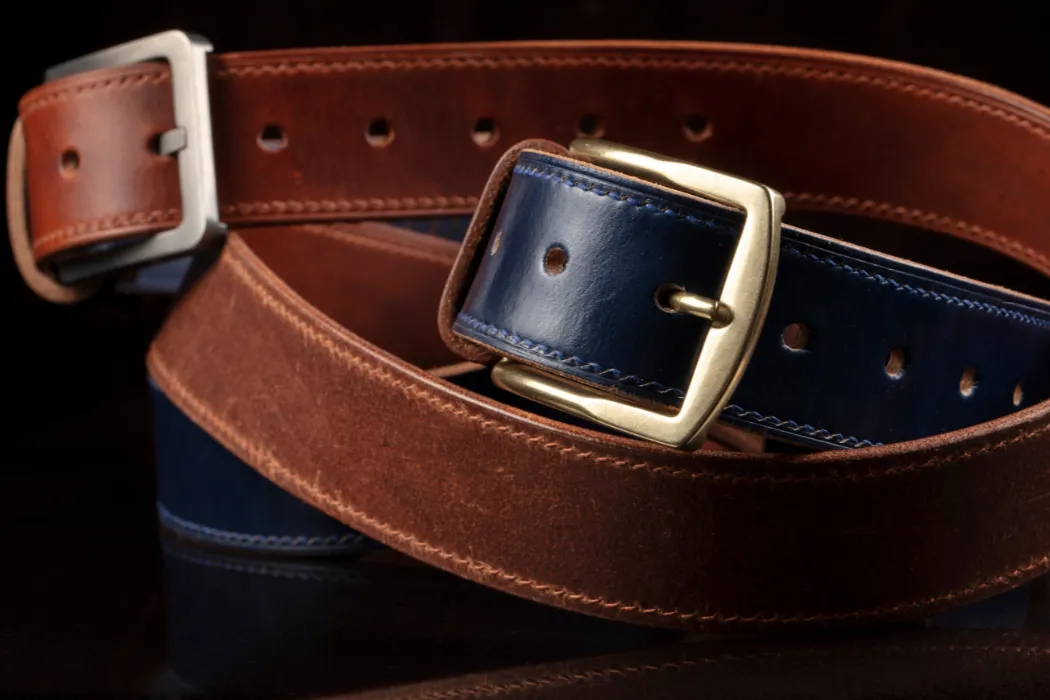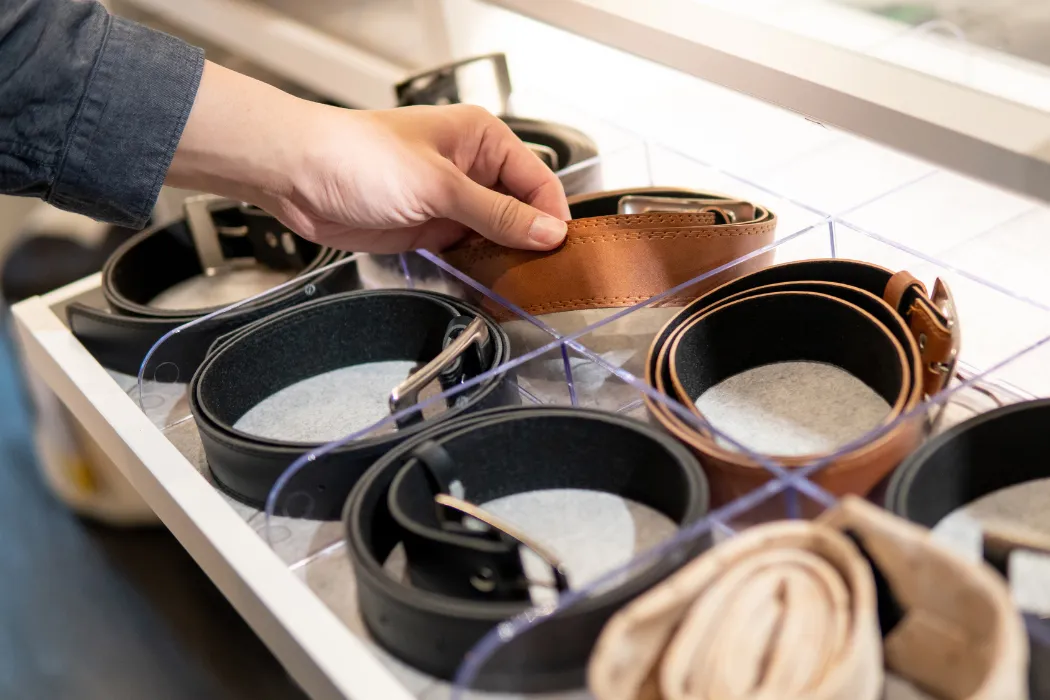
In the luxury leather goods market, your product is only as strong as its weakest link; while fine leather attracts the customer, it is the hardware that defines the “luxury feel” and determines the bag’s lifespan. For B2B buyers and manufacturers, choosing between materials like zinc alloy and solid brass isn’t just an aesthetic choice—it is a critical engineering decision that impacts everything from tensile strength to long-term brand reputation. Poor hardware selection often leads to high return rates and costly warranty claims that can take four to six weeks to process, eating away at your bottom line.
This buying guide provides a professional technical analysis for choosing hardware that meets global standards. We will compare the cost-efficiency of zinc alloy against the 23% higher yield strength of solid brass, explore the molecular advantages of PVD plating which offers a 5–10 year lifespan compared to traditional electroplating, and examine the structural requirements for zippers and load-bearing components. From navigating REACH and California Prop 65 compliance to mastering salt spray testing for corrosion resistance, this article serves as your roadmap to engineering durable, high-performance leather accessories.

Why does hardware define the “luxury feel” of a leather bag?
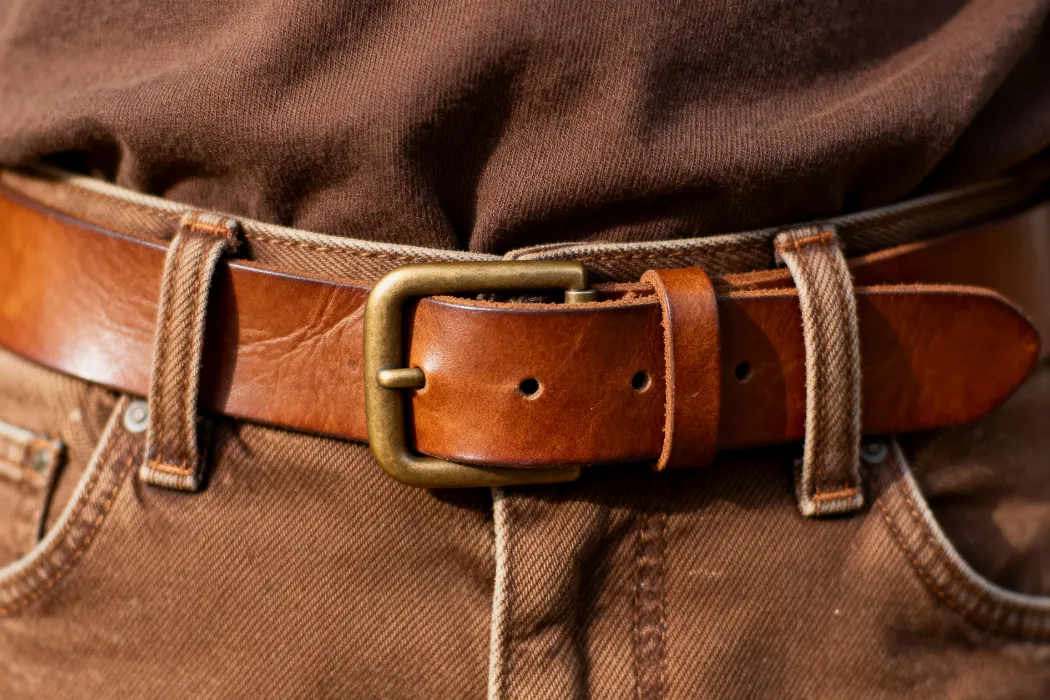
Hardware serves as the ‘jewelry’ of a leather bag, signaling luxury through high-density materials like solid brass and stainless steel. Beyond aesthetics, the luxury feel is defined by hefty weight, smooth mechanical operation, and thick precious metal plating (18k-24k gold) that ensures long-term corrosion resistance and durability.
The Tactile and Visual Impact of Premium Metals
The distinction between high-end fashion and mass-market accessories is often found in the density and finishing of the metal components. Solid brass and stainless steel are established industry standards for luxury because they provide a significant heft and natural resistance to corrosion that lighter zinc alloys cannot match. When a user handles a luxury bag, the physical weight of the hardware provides an immediate sensory signal of quality and permanence.
Visual depth is further achieved through the application of genuine precious metals. Luxury hardware typically features 18-karat or 24-karat gold and silver plating applied in thick layers. Unlike synthetic coatings or “gold-tone” paints, this authentic plating creates a distinctive luster and a rich color profile that resists fading. To ensure a smooth tactile experience, these components undergo rigorous hand-polishing and hand-finishing of the edges to eliminate micro-burrs, ensuring that every interaction with a clasp or zip is seamless and refined.
Engineering Standards: Durability and Tensile Strength
Luxury positioning is justified through technical performance benchmarks that ensure the product survives decades of use. High-performance buckles and clasps are not merely decorative; they are engineered to withstand extreme mechanical stress without failure.
- Components are engineered to withstand tensile strength exceeding 200 pounds of force.
- Copper rivets are utilized for structural reinforcement, capable of handling shear forces greater than 100 pounds at primary stress points.
- Metal feet crafted from brass or stainless steel protect the leather base from moisture and surface abrasion.
- Plating specifications require multiple microns of precious metal application to prevent tarnishing from daily contact with skin oils and environmental factors.
By adhering to these rigorous engineering standards, luxury brands ensure that the “feel” of the bag remains consistent over time. The hardware’s ability to age gracefully—often developing a desirable patina rather than chipping or rusting—is a hallmark of superior craftsmanship and material selection.
Factor 1: Material Selection (Zinc Alloy vs. Solid Brass)
Zinc alloy is the industry standard for mid-range bags due to its 80-90% market share and cost-efficiency, while solid brass is the premium choice for luxury goods, offering 15% more weight, higher yield strength, and superior resistance to fracture under heavy loads.
Zinc Alloy: The Industry Standard for Versatility and Cost
Zinc alloy occupies a dominant position in the global fashion market, accounting for approximately 80-90% of all handbag hardware. This prevalence is largely due to the material’s low melting point, which facilitates high-precision die-casting. This allows manufacturers to create intricate logos and complex geometric shapes that would be cost-prohibitive in other metals.
- Requires protective lacquering or multi-layer coating as zinc is naturally corrosive and prone to oxidation without a barrier.
- Offers a significant cost advantage over stainless steel, which can be up to 10 times more expensive than zinc options.
- Suitable for mid-range production where complex shapes and varied finishes are prioritized over extreme load-bearing requirements.
While zinc is cost-effective, its performance is highly dependent on the quality of its plating. Since zinc is inherently reactive, industry standards require robust multi-layer coatings to prevent the metal from degrading when exposed to humidity or salt air.
Solid Brass: Engineering Longevity and Stress Resistance
For luxury brands and heritage manufacturers, solid brass remains the benchmark for durability. As an alloy of copper and zinc, brass possesses superior mechanical properties that prevent the catastrophic failures often seen in cheaper, more brittle materials. The technical profile of brass is focused on high-stress applications where the bag’s structural integrity is paramount.
- Brass provides 23% higher yield strength in sand-cast variants compared to die-cast zinc, resisting deformation under loads exceeding 50 lbs.
- Exhibits superior malleability, allowing hardware to stretch slightly under stress rather than fracturing like more brittle alloys.
- Increased density results in a 15% weight premium compared to zinc, contributing to the substantial ‘luxury feel’ of high-end handbags.
- Industry standards for quality hardware require a minimum load capacity of 100 pounds of force for critical components like D-rings and strap hooks.
Beyond its strength, brass offers a natural resistance to corrosion that ensures longevity across decades. In high-tension areas such as strap attachments and base feet, the ability of brass to deform rather than crack under sudden force provides an essential safety margin for heavy, premium leather goods.
Factor 2: Plating Longevity (PVD vs. Electroplating)
PVD (Physical Vapor Deposition) is the gold standard for luxury hardware, offering a 5–10 year lifespan and superior hardness (HV2000–4000). In contrast, standard electroplating typically lasts only 1–2 years and exhibits signs of corrosion in salt spray tests within 48 hours, making PVD the essential choice for premium, long-lasting leather goods.
| Metric | PVD Coating | Traditional Electroplating |
|---|---|---|
| Expected Lifespan | 5–10 Years | 1–2 Years |
| Vickers Hardness | HV 2000–4000 | HV 400–800 (Avg) |
| Salt Spray Resistance | Up to 1,000 Hours | 24–48 Hours |
| Bonding Type | Atomic/Molecular Level | Surface Layer Adhesion |
Understanding the Molecular Difference: PVD vs. Electroplating
The fundamental distinction between these two finishes lies in how the decorative layer attaches to the base metal. While electroplating sits as a separate layer on top of the hardware, PVD utilizes a vacuum-based “dry” process known as magnetron sputtering to create a molecular bond that essentially fuses the coating to the substrate.
- Hardness: PVD coatings achieve a Vickers hardness of HV2000–4000, which is 3–5 times harder than traditional electroplating, providing extreme scratch resistance.
- Sustainability: Unlike the hazardous chemical baths required for electroplating, PVD is an environmentally friendly process with no toxic runoff.
- Wear Profile: Because of the molecular bond, PVD finishes wear down gradually and gracefully over a decade, whereas electroplated surfaces are prone to sudden chipping or unappealing peeling.
Technical Performance and Salt Spray Standards
To quantify durability for quality assurance, industrial standards often look at salt spray testing and atomic-precision thickness. These metrics provide a clear window into how hardware will behave in high-humidity or coastal environments where luxury goods are frequently used.
- Corrosion Resistance: PVD-treated surfaces endure up to 1,000 hours of salt spray exposure without degradation, outperforming the 48-hour limit of standard gold plating.
- Coating Precision: PVD achieves superior durability through an atomic-precision thickness of 0.1–5 micrometers (μm), ensuring details of the hardware design remain sharp.
- Substrate Synergy: When PVD is applied to high-grade stainless steel or titanium, it creates a hardware set that carries a minimum 2-year professional guarantee, though it often lasts a lifetime.
- Industrial Validation: In high-friction sectors like automotive engineering, PVD components achieve three times the service interval of non-coated parts, a performance jump that scales directly to the friction points on luxury bag clasps and rings.
Scale Your Brand with Premium Custom Leather Bags
Factor 3: Zipper Performance (Metal vs. Nylon Coil)
Metal zippers offer superior tensile strength and a high-end aesthetic for heavy-duty leather bags, while nylon coil zippers provide 30–60% less weight and greater flexibility for curved designs. Choosing between them depends on whether the bag requires structural rigidity or lightweight, moisture-resistant performance.
Material Composition and Structural Strength
The fundamental distinction between these fastenings lies in their construction. Metal zippers are engineered using individual teeth—typically crafted from brass, nickel-plated brass, aluminum, or stainless steel—clamped onto the carrier tape. This discrete tooth structure provides maximum shear resistance, making them nearly impossible to burst under lateral pressure.
In contrast, nylon coil zippers utilize a continuous spiral strand of polyester or nylon sewn into the tape. While this design is highly efficient, it creates a specific hierarchy of durability that designers must consider when planning high-load luxury goods:
- Metal Zippers (#3 to #10): These provide the highest tensile strength and are the industry standard for hardware longevity.
- Molded Plastic (VISLON): Offers a middle ground with high rigidity but less shear resistance than metal.
- Nylon Coil: Provides the lowest tensile strength and is most prone to “splitting” or “popping” if the bag is overstuffed.
Weight Ratios and Functional Application
Weight management is a critical factor in luxury leathercraft, especially when working with supple or thin-walled hides. Metal zippers are approximately four times heavier than their nylon coil counterparts. This significant weight difference can cause “sagging” or structural deformation in lightweight bags if the leather is not reinforced with internal stays or heavy-duty interlining.
Designers must select the zipper type based on the specific geometry and intended environment of the piece:
- Curved Designs: Nylon coil zippers excel in navigating tight radiuses and gussets without jamming or tooth shifting.
- Travel Gear: Because nylon coil variants are 30–60% lighter, they are preferred for oversized travel duffels and backpacks.
- Heavy-Duty Goods: Large gauge metal zippers (#7 through #10) remain the preferred choice for leather jackets, workwear, and luxury boots where the hardware must survive decades of mechanical stress.
- Moisture Resistance: Synthetic coils are naturally resistant to corrosion and UV degradation, making them superior for items exposed to the elements.
Ultimately, while metal zippers offer the “audible luxury” and tactile click favored by high-end fashion houses, the nylon coil offers functional advantages in weight and flexibility that are indispensable for technical or complex leather construction.
Factor 4: Compliance and Product Safety (Nickel/Lead-Free)
Premium bag hardware must adhere to global safety standards like REACH and California Prop 65, restricting lead to under 90ppm and ensuring nickel-free finishes to prevent skin irritation. High-end manufacturers utilize materials like 316L stainless steel or Zamak alloys to meet these rigorous non-toxic compliance requirements.
Global Regulatory Standards: REACH, RoHS, and Prop 65
To navigate the international luxury market, brands must ensure their hardware components meet stringent chemical safety thresholds. Failure to comply with these regional mandates can result in significant legal liabilities, product recalls, and restricted market access for high-end fashion accessories.
- California Prop 65 Compliance: Mandatory lead-free limit of under 90ppm for all metallic components in bag hardware.
- EU REACH & Commission Regulation 494/2011: Strict prohibitions on cadmium (limit 0.01% by weight) and lead content in consumer jewelry and accessories.
- Nickel Release Testing: Compliance with BS EN 1811:2011 standards to ensure nickel release rates stay below safe skin-contact thresholds.
- Restricted Substances: Elimination of mercury, hexavalent chromium, and toxic additives commonly found in low-grade electroless nickel plating.
Technical Solutions for Compliant Plating and Materials
Modern manufacturing has evolved to replace traditional heavy-metal stabilizers with non-toxic alternatives without compromising the structural integrity or aesthetic brilliance of the hardware. By utilizing specialized alloys and ELV-compliant plating systems, manufacturers can achieve the same “Mirror Effect” of luxury finishes safely.
- Material Selection: Utilization of 304/316L stainless steel and Zamak 3/5 zinc alloys as naturally compliant foundations for high-end hardware.
- Compliant Electroless Nickel: Adoption of ELV-compliant plating systems that replace traditional 0.03-0.1% lead stabilizers with non-toxic alternatives.
- Performance Integrity: Maintaining 96-hour salt spray resistance and an 890°C melting point in lead-free finishes to match conventional hardware durability.
- Quality Verification: Supplier validation through tin-based NF (nickel-free) finishes and third-party laboratory testing to maintain defect rates below 1%.
Transitioning to these compliant systems involves precise control over the plating environment. Manufacturers maintain bath stability between pH 4.8 and 5.2 and operate at temperatures around 87°C to ensure optimal appearance and adhesion. This rigorous technical oversight ensures that the hardware is not only beautiful but also safe for prolonged skin contact and environmentally responsible.
Factor 5: Hardware Weight and Structural Balance
Hardware weight influences a bag’s ‘luxury feel’ and longevity; solid brass is 15% heavier than zinc, providing superior tensile strength. For structural balance, hardware frames should be 85-92% of the bag’s base width and thickness must scale with load, such as using 6-10mm frames for heavy-duty bags exceeding 5kg.
The Strategic Balance of Material Weight and Load Capacity
The relationship between hardware mass and the bag’s intended carrying capacity is a critical engineering consideration. The choice of material dictates not only the aesthetic “hand-feel” but also the mechanical limits of the attachment points under stress.
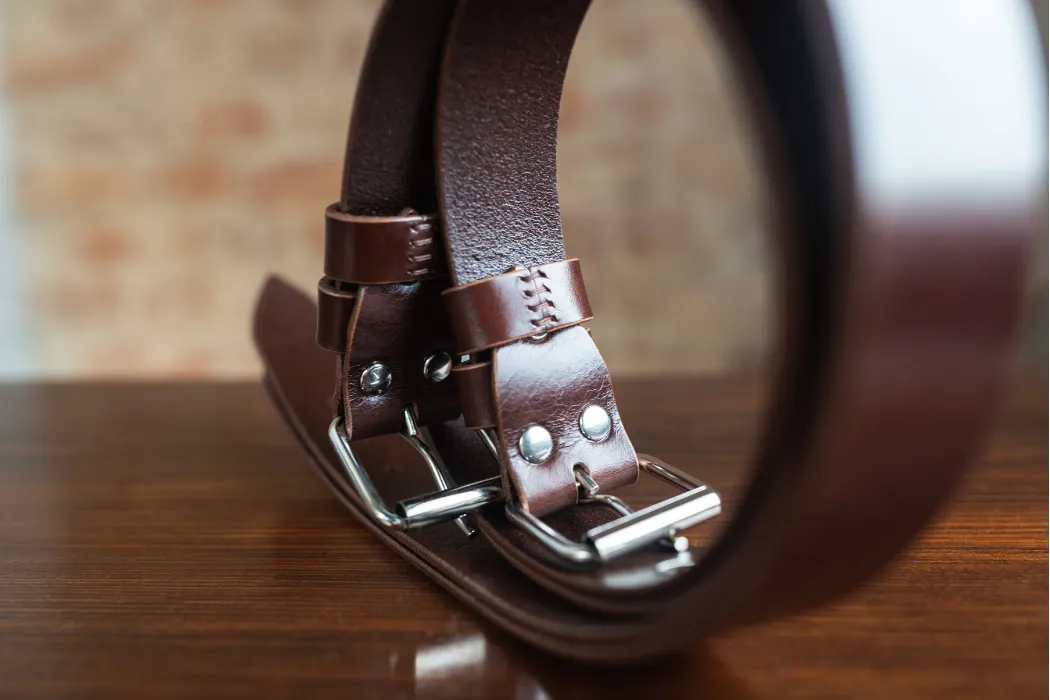
- Material Density: Solid brass and stainless steel are approximately 15% heavier than zinc alloys, providing a ‘high-end’ tactile weight and higher tensile strength for load-bearing points.
- Load-to-Hardware Ratio: Daily bags designed for 2-8kg loads require hardware rated for ≥20 lbs (9kg) per attachment point to prevent structural failure.
- Ultimate Load Safety: High-tension hardware for professional or travel bags should withstand ≥100 lbs of force during pull tests.
- Yield Strength Factors: Sand-cast zinc alloys offer 23% higher yield strength than standard die-cast alternatives, making them ideal for complex shapes requiring durability.
Engineering Proportions and Structural Reinforcement
To prevent leather deformation and ensure an even distribution of weight, technical specifications must align with the physical dimensions of the bag. Proper frame sizing and cross-sectional geometry are essential to maintaining the bag’s silhouette over years of use.
- Frame Sizing: To ensure stability, bottom frames should represent 85-92% of the bag’s base width, while structured handbag frames should cover 80-95% of the total width.
- Thickness Standards: Use 3-5mm thickness for light-load bags (<3kg) and scale to 6-10mm for heavy-duty loads (>5kg) to maintain structural geometry.
- Static Load Testing: Hardware must pass a 72-hour static load test at 200% capacity with less than 0.5mm of deformation.
- Bending Resistance: Implementing U-shaped or L-shaped cross-sections in heavy hardware components improves bending resistance by more than 50% compared to flat profiles.
- D-Ring Synchronization: Match hardware thickness to strap width, such as utilizing 10mm rings specifically for 25mm straps to distribute stress concentrations.
Furthermore, structural ratios play a vital role in ergonomics. Side frame heights should typically range between 40-60% of the total bag height, while hinges should be positioned 15-25mm from the edge to ensure smooth operation and longevity of the mechanical joints.
What are the common hardware mistakes that cause bag returns?
Most hardware-related returns stem from plating failures like peeling and discoloration, or structural breakage caused by components failing to meet the 100-pound tensile strength benchmark. Dimensional mismatches, such as using the wrong D-ring size, also compromise the bag’s functionality and aesthetic proportions.
Material and Plating Failures: The Aesthetics of Durability
Surface-level finishing errors are among the most visible reasons for customer dissatisfaction. Metal plating problems, including peeling, corrosion, or discoloration, act as primary drivers for warranty claims. These issues often lead to significant logistical delays, as processing such claims can take anywhere from four to six weeks, damaging the brand’s reputation in the interim.
Durability issues frequently arise when manufacturers skip critical testing phases. Failing to conduct salt spray or chemical resistance tests during the sampling stage results in hardware that is unprepared for real-world environmental factors like moisture and sweat. Furthermore, a lack of component reinforcement at high-stress areas—specifically zippers and buckles—leads to gradual deformation and aesthetic failure over time.
Structural and Dimensional Errors: Load-Bearing Integrity
To prevent physical breakage and ensure long-term functionality, bag hardware must adhere to strict technical specifications regarding force resistance and sizing.
- Standard hardware must withstand at least 100 pounds of static force, while rivets specifically require shear force resistance exceeding 100 pounds to avoid strap detachment.
- Industry benchmarks for high-performance components, such as ITW Nexus buckles, set the bar at tensile strengths exceeding 200 pounds.
- Dimensional inconsistencies, like using a 38mm D-ring for a narrow strap, cause functional sticking, misalignment, and poor aesthetic proportions.
- Bulk procurement errors, such as skipping prototype samples or selecting incorrect sizes from catalogs, lead to expensive double-ordering and high defect rates.
According to Hoplok standards, maintaining a defect rate below 1% is essential for operational efficiency. Avoiding these structural pitfalls requires a move away from generic catalog selection toward precise specification matching and rigorous pre-production prototyping.
How to test hardware durability through salt spray and pull tests?
Hardware durability is validated through ASTM B117 salt spray tests to measure corrosion resistance (24 to 1,000+ hours) and pull tests to verify structural integrity. These tests ensure plating like PVD or Zinc-Nickel alloy can withstand environmental exposure and mechanical stress without failure or aesthetic degradation.
| Hardware Grade | Salt Spray Duration | Expected Result |
|---|---|---|
| General Fashion | 24 – 48 Hours | No surface pitting or plating peel |
| Luxury / Coastal | 96 – 240 Hours | Zero white/red rust accumulation |
| Marine / Industrial | 720 – 1,000+ Hours | Performance of Zinc-Nickel or PVD coatings |
Salt Spray Testing (ASTM B117) and Corrosion Standards
The ASTM B117 standard is the foundational protocol for evaluating electrochemical corrosion in hardware. This test accelerates environmental degradation by subjecting components to a continuous 5% sodium chloride fog at a standardized temperature. The goal is to simulate years of exposure to humidity and salt air in a matter of days, allowing manufacturers to quantify the lifespan of various plating finishes.
- Atmospheric Control: Standards require a fog fallout rate of 1-2 mL/80 cm²/hour to ensure consistent exposure across all samples.
- Material Benchmarks: Conventional electroplated zinc typically fails at 96 hours, whereas premium Zinc-Nickel alloys can exceed 1,000 hours without exhibiting red rust.
- Quality Verification: Measuring coating thickness in microns provides a direct correlation between the chemical barrier and the long-term warranty claims of the product.
Mechanical Validation: Pull Tests and Structural Integrity
Mechanical durability ensures that hardware remains functional under weight loads and repetitive stress. While corrosion resistance preserves the aesthetic, pull testing is safety-critical, particularly for hardware that bears the weight of the bag’s entire contents, such as D-rings and swivel hooks.
- Force Measurement: Pull tests calculate the specific Newton (N) force or pound-force (lbf) required to induce structural deformation or complete detachment from the bag body.
- Stress Simulation: Advanced protocols use cyclic testing to simulate real-world material fatigue, alternating between mechanical tension and environmental exposure.
- Regulatory Compliance: Adherence to CPSIA and REACH ensures that even after reaching mechanical failure points, the hardware does not fracture into sharp or hazardous edges.
Ultimately, the combination of these two methodologies—chemical corrosion resistance and mechanical load capacity—defines the total reliability of the hardware. For premium bag manufacturing, specifying these metrics provides a quantifiable assurance of quality that transcends visual inspection alone.
How to choose hardware colors that complement leather tones?
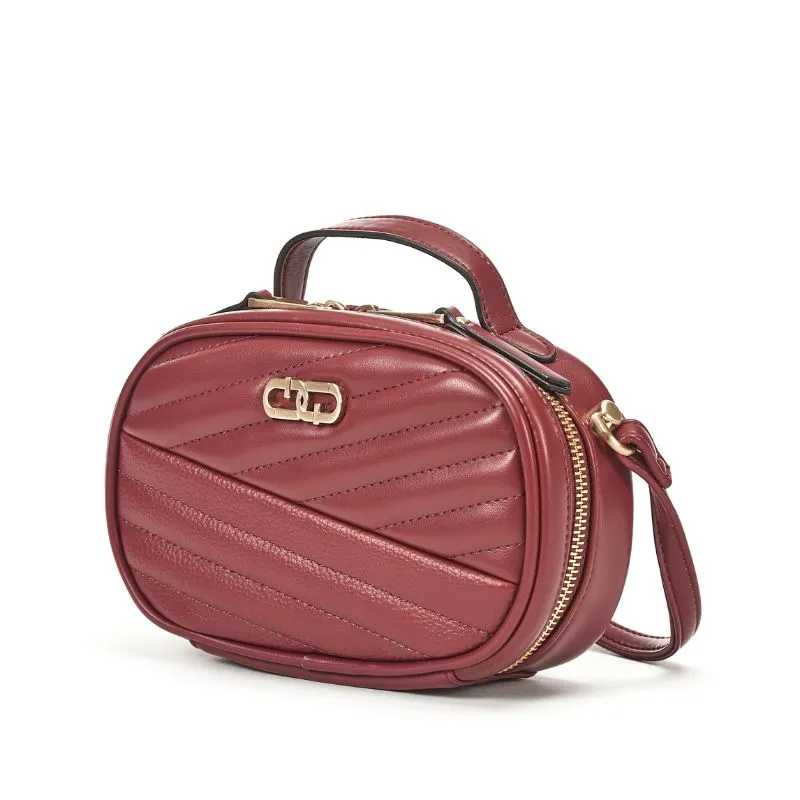
Choosing hardware involves balancing leather warmth with metal finishes like silver, light gold, or gunmetal. Use monochromatic schemes for subtle luxury or complementary tones—such as gold hardware on burgundy leather—to create high-contrast visual appeal. Precision remains in selecting specialized finishes like Permabrass for high-end customization.
Core Color Schemes: Monochromatic vs. Complementary Pairings
Selecting the right metal for a leather canvas requires a foundational understanding of color theory. Designers typically move between discreet harmony and intentional contrast to define a brand’s aesthetic language. By manipulating saturation and temperature, hardware ceases to be a mere fastener and becomes a primary design element.
- Monochromatic Schemes: Utilizing single hues with varying saturation and texture for a sophisticated, understated aesthetic.
- Analogous and Complementary Pairing: Matching warm leathers like orange or burgundy with gold and copper, or using silver and gun nickel for cooler, modern contrasts.
- Achromatic Versatility: Implementing black or gunmetal hardware which pairs universally with virtually any leather tone from neon to neutral.
- Neutral Base Coordination: Focusing on the “Big Five” (black, brown, tan, beige, gray) to provide a grounded, versatile foundation for wardrobe collections.
Standard Finishes and Specialized Tones for Luxury Goods
The luxury market relies on a specific vocabulary of finishes to differentiate product tiers. While standard silver and gold remain ubiquitous, specialized alloys offer a unique “signature” that high-end collectors recognize. These finishes must be applied consistently across all components—from zippers to base feet—to maintain visual integrity.
- Industry-Standard Finishes: The strategic application of silver, gun nickel, light gold, brushed bronze, and rose gold to align with brand positioning.
- The Permabrass (PBHW) Standard: A specialized champagne blend of gold and palladium often reserved for high-end custom orders.
- Strategic Leather Matching: Pairing Permabrass or light gold specifically with dark blues and greens to enhance depth without over-powering the natural grain of the hide.
- Visual Consistency: Ensuring the hardware finish remains uniform across zippers, d-rings, and buckles to prevent aesthetic clashing and perceived loss of quality.
Ultimately, the choice of hardware dictates the “temperature” of the piece. Cooler metals like silver and gunmetal lean toward contemporary or minimalist styles, while warmer golds and bronzes evoke traditional luxury and heritage craftsmanship. Achieving the correct balance ensures that the metalwork enhances rather than distracts from the leather’s natural beauty.
Final Thoughts
Selecting professional hardware is far more than a stylistic choice; it is a critical engineering decision that dictates the functional lifespan and perceived value of a leather bag. While zinc alloys and nylon coils offer necessary versatility for the mid-range market, true luxury is anchored in the density of solid brass, the molecular resilience of PVD plating, and the uncompromising shear strength of metal zippers. By prioritizing high-performance materials that meet REACH and Prop 65 standards, manufacturers can eliminate the common pitfalls of plating failure and structural breakage that drive costly product returns.
Ultimately, the “jewelry” of a bag must be as enduring as the hide it adorns. Implementing rigorous testing protocols—such as ASTM B117 salt spray exposure and 100-pound pull tests—provides the quantifiable data needed to guarantee quality in a global marketplace. When designers harmonize these technical benchmarks with thoughtful color coordination and structural balance, they move beyond simple assembly into the realm of heritage craftsmanship, ensuring every clasp, ring, and pull reflects a commitment to excellence that customers can feel in every interaction.
Frequently Asked Questions
What is the best material for high-end bag hardware?
The best hardware depends on usage: stainless steel (304/316L) offers maximum corrosion resistance, while solid brass is preferred for premium aesthetics and natural patina. For 80-90% of fashion bags, zinc alloy (Zamak 3/5) is the industry standard due to its versatility and cost-effectiveness.
Is brass hardware better than zinc alloy?
Yes, brass is generally superior for luxury applications because it possesses higher tensile strength and better long-term durability. However, zinc alloy remains the dominant choice for 80-90% of the market because it is easier to die-cast into complex shapes and more affordable for mass production.
How long does rust protection last on bag hardware?
Standard ferrous hardware treated with water-based or oil-based inhibitors typically resists rust for 6 months to 1 year in indoor environments. For maximum longevity, manufacturers prioritize coatings that meet ASTM D1748 humidity cabinet testing standards.
What are the standard sizes and strengths for bag zippers and buckles?
Industry standard zippers range from #5 to #10 (5.0–10.0mm tooth width) for heavy-duty use. For custom buckles, a 1-inch POM plastic buckle typically handles a pull strength of 30-100 KG, while stainless steel variants can exceed 1000 lbs of force.
What is PVD plating and why is it used for handbag accessories?
PVD (Physical Vapor Deposition) is a vacuum coating process that applies a thin layer (typically 1.27-12.70µm) of titanium nitride or similar materials. It provides superior abrasion and corrosion resistance compared to traditional electroplating, making it the gold standard for high-wear luxury hardware.