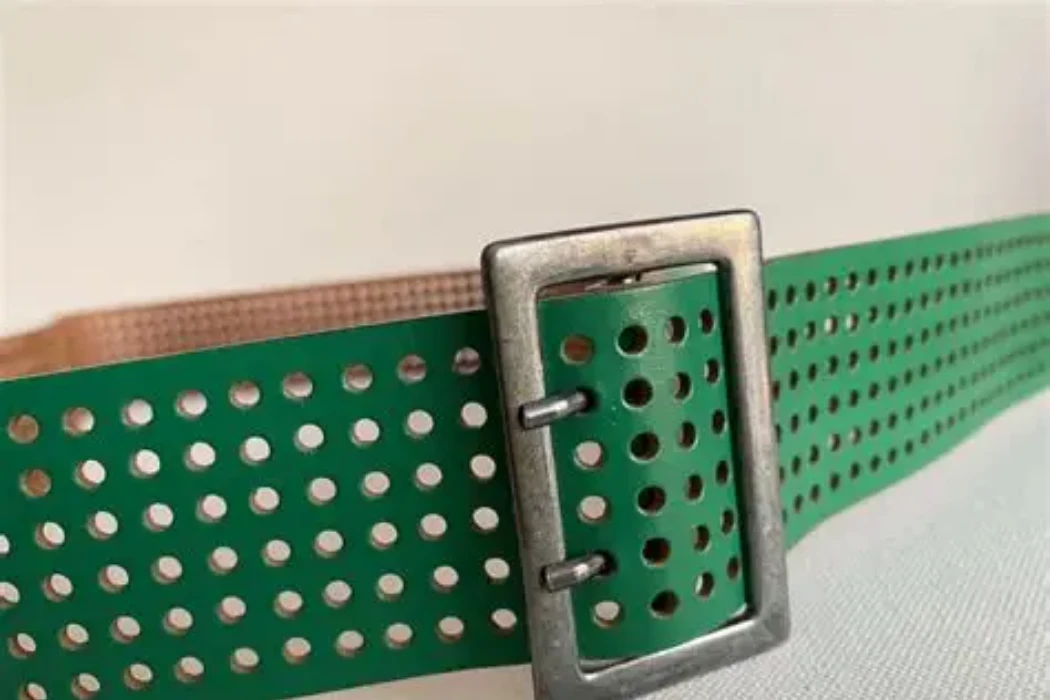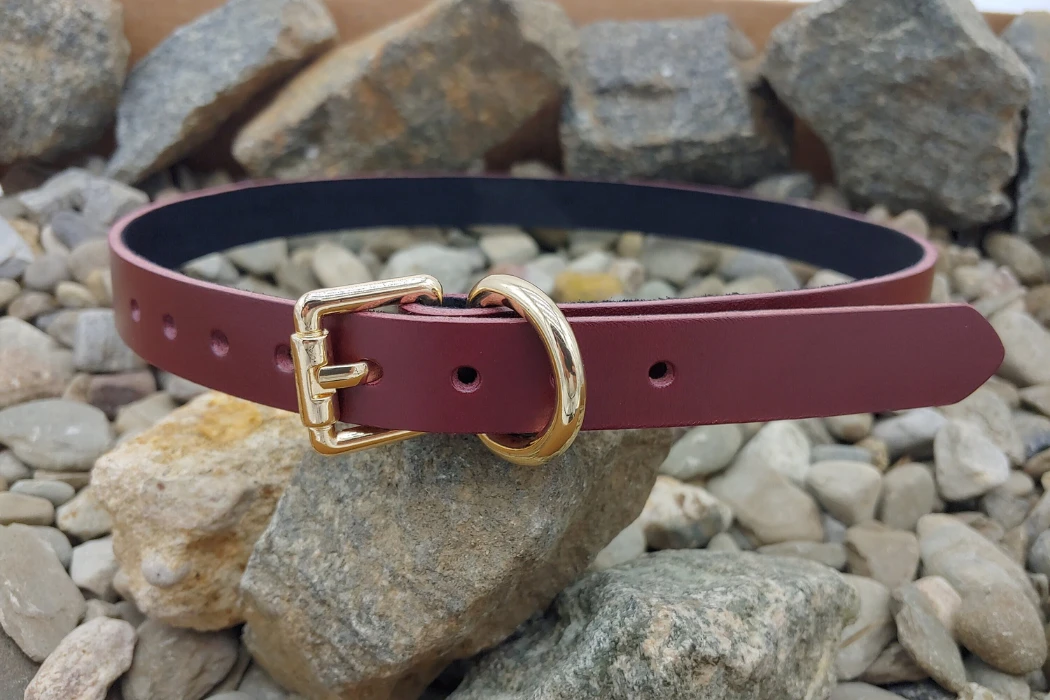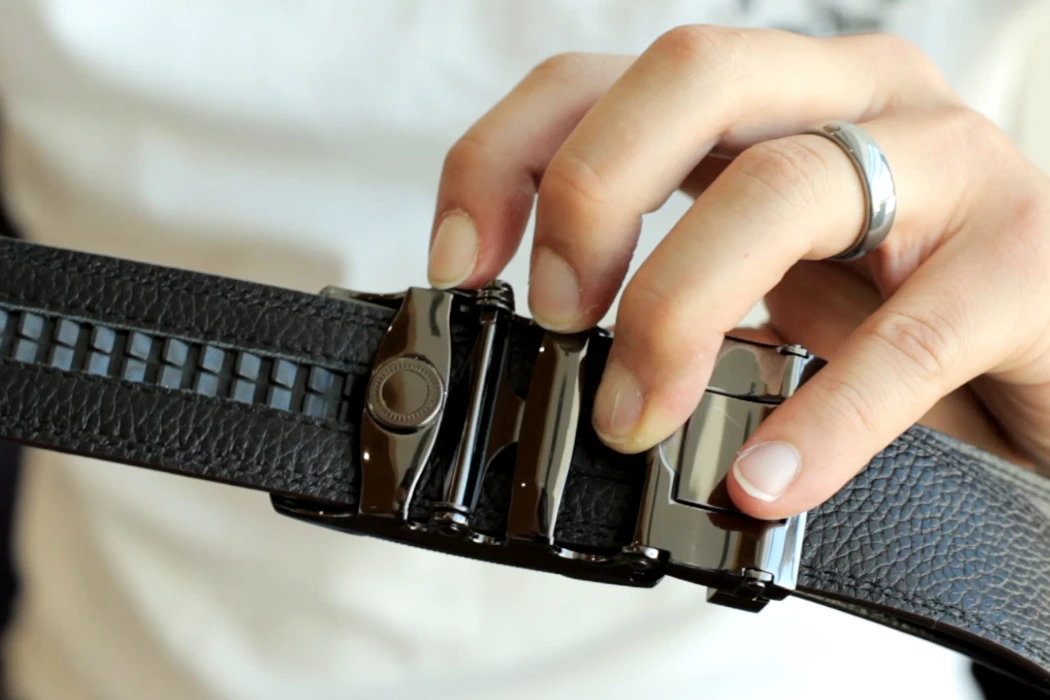
For faux leather, start with the care instructions for the specific coating and finished article. A soft cloth and a supplier-approved mild cleaning method may be suitable for routine dirt, but “faux leather” covers different coatings, backings and surface finishes. Do not assume that a cleaner accepted on one PU material will be accepted on another.
Brands should validate care on the actual bag, belt or wallet, including stitching, edges and lining. A successful wipe on a flat swatch does not show what happens when liquid reaches a seam or adhesive layer.
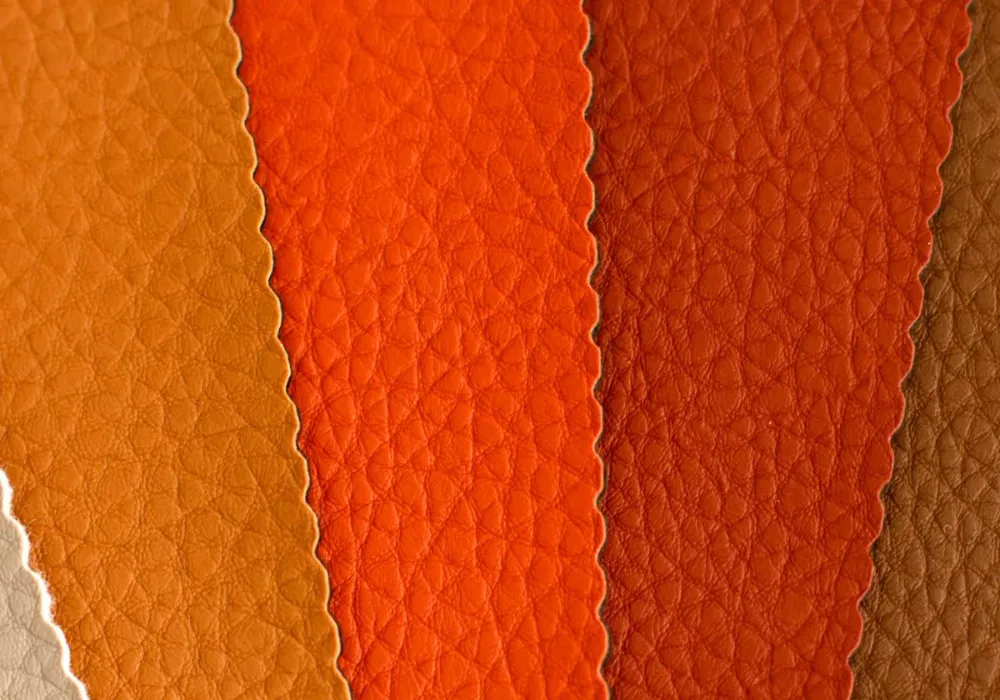
Find out what “faux leather” means for this product
Ask for the material reference, coating type, backing and finish. PU and PVC are common synthetic coating families, but the family name alone does not establish cleaning compatibility, breathability, waterproofness or life expectancy. “Vegan” describes a different aspect of a product claim and does not uniquely identify a cleaning method.
Separate the outer coated material from a fabric lining, edge paint, decorative print, metal finish and bonded reinforcement. If the care label covers only the face, request the missing information before making a whole-product recommendation.
A routine cleaning procedure to validate
- Empty the article and gently remove loose dust with a clean soft cloth.
- Check for flaking, cracks, tackiness or separated layers. If present, stop cleaning and request an assessment.
- Use the specified cleaner or mild soap-and-water method only if approved for the actual material. Follow its stated dilution rather than inventing one.
- Test a concealed area of the same finish and colour, let it dry and compare gloss, colour and feel.
- Use the minimum amount needed on the cloth. Avoid flooding seams, pockets, zippers and edges.
- Remove cleaner residue as instructed and allow natural drying away from heat and sunlight.
Do not immerse or machine-wash a leather-look accessory unless its finished-product instructions explicitly permit it. A water-resistant surface does not protect every opening and backing layer.
Why care instructions differ between suppliers
Ultrafabrics publishes cleaning instructions for its own materials, including specific stain-treatment provisions. Those provisions do not authorise the same chemicals on unrelated PU bag material. Ask the actual material supplier for a compatible procedure and verify it on the finished product.
How to respond to stains and surface changes
| Problem | First check | Next action |
|---|---|---|
| Ordinary surface dirt | Material care instructions | Use the approved routine method without aggressive rubbing |
| Ink or dye transfer | Stain source, time and existing treatments | Seek an approved stain procedure; do not default to household alcohol |
| Greasy mark | Whether the deposit is on the surface or accompanied by coating change | Blot excess gently; assess before stronger cleaning |
| Sticky surface | Cleaner residue versus material degradation | Stop adding products and compare an untreated reference |
| Cracking, peeling or delamination | Extent, location and construction | Treat as a material or product condition; cleaning is not a repair |
Do not use oil-based leather conditioner as a general fix for synthetic coating damage. Household oils, petroleum jelly and polish can leave a film without restoring the layer bond. A commercial repair filler may alter appearance but is not proof that the original material performance has returned.
Cleaning a faux-leather bag with a lining
Remove loose debris without pulling a fixed lining out of the seams. A detachable lining can be handled separately according to its own instructions. Any spot treatment needs to avoid liquid and colour passing through to the shell. Test both the lining colour and adjacent coated material during sample approval.
Keep separate cloths for metal hardware and the outer material. Do not let a metal polish or zipper treatment spread onto the coating. After cleaning, check closures, lining seams and edge bonding as well as the visible face.
Develop an easy-care specification
Replace the vague request “easy to clean” with a list of expected exposures and a proposed care method. For a light-coloured handbag, clothing dye and cosmetics may be relevant. For a wallet, handling and pocket contact matter. The supplier and buyer should choose realistic checks and acceptance criteria rather than copying an unrelated upholstery protocol.
- Record the material and finish version, colour and backing.
- Retain an untreated control and representative finished samples.
- Document the approved cleaner, dilution, cloth, application and residue removal.
- Compare colour, gloss, texture, tackiness and construction after drying.
- If repeated cleaning is part of the claim, agree the repeated-use assessment and its limits.
- Keep the final care wording consistent with the validated method.
Do not claim that a cleaning check proves long-term hydrolysis resistance or a fixed number of years of service. Those are separate questions requiring appropriate evidence.
Discuss PU products with Hoplok
Hoplok’s confirmed MOQ for PU belts, bags and wallets is 1,000 pieces in each category. Belt sampling takes 2–3 weeks; bag sampling takes 3–4 weeks. Wallet sampling timing must be confirmed for the project. Bulk lead time is 60–90 days, with the order schedule and quantity split agreed in the quotation.
Send the coating reference and intended care routine with your bag, belt or wallet brief via contact us.
Frequently asked questions
Can I use real-leather conditioner on PU?
Do not use it by default. It is not a repair for a peeling synthetic coating; use the actual material supplier’s care directions.
Does faux leather mean the entire bag is waterproof?
No. The coating, backing, seams, closures and assembly all affect the finished article.
Is every vegan material cleaned like PU?
No. The term does not identify one material formulation. Obtain the actual composition and care instructions.