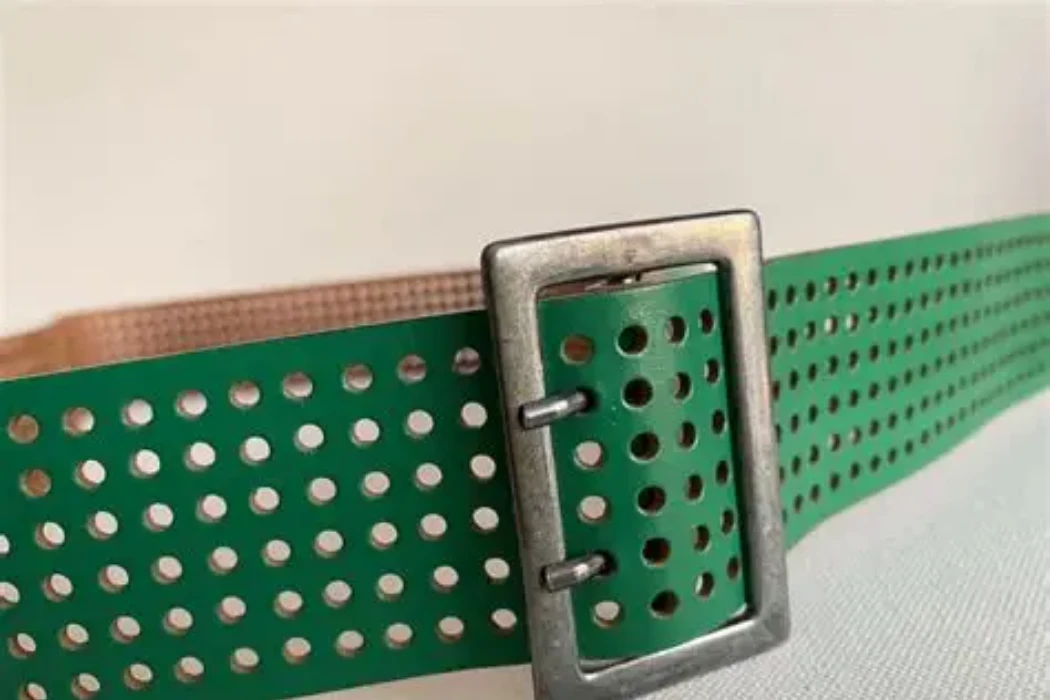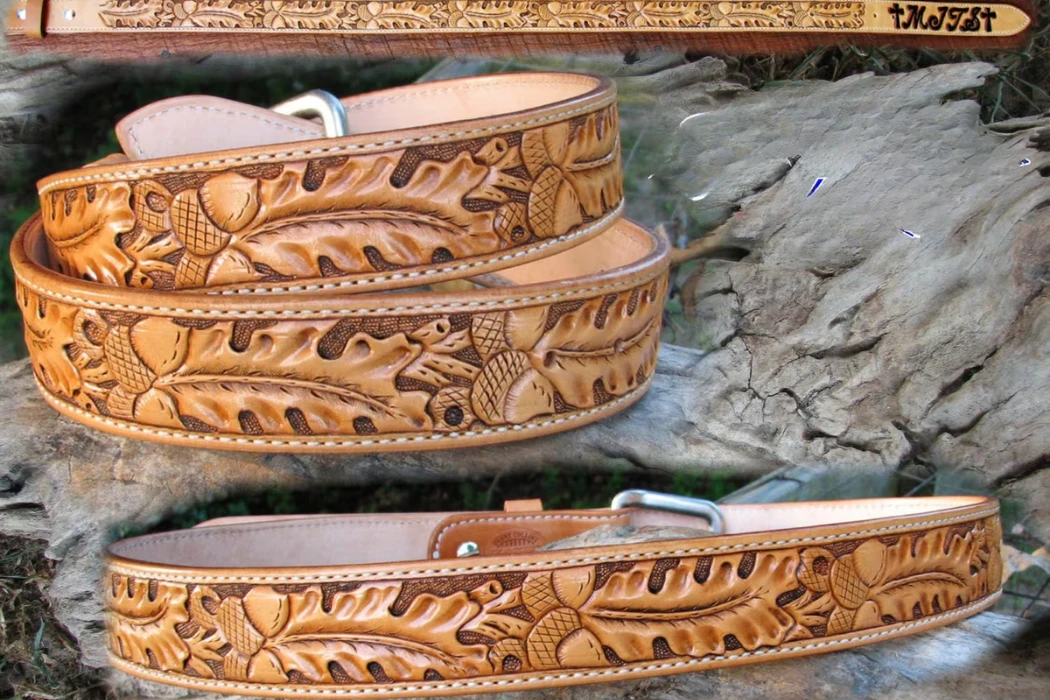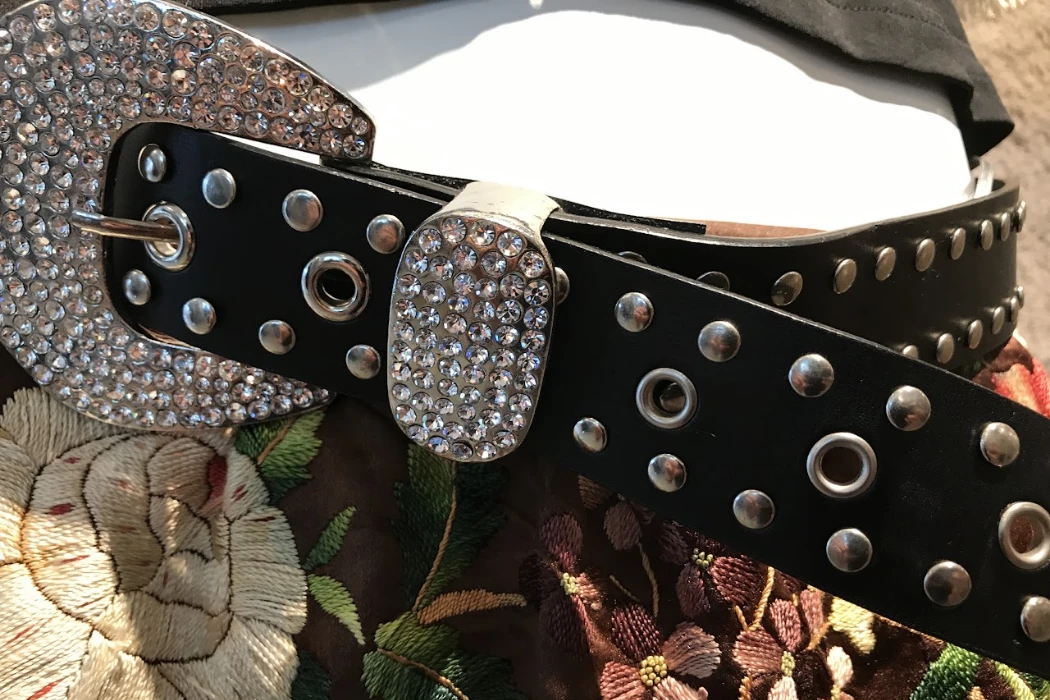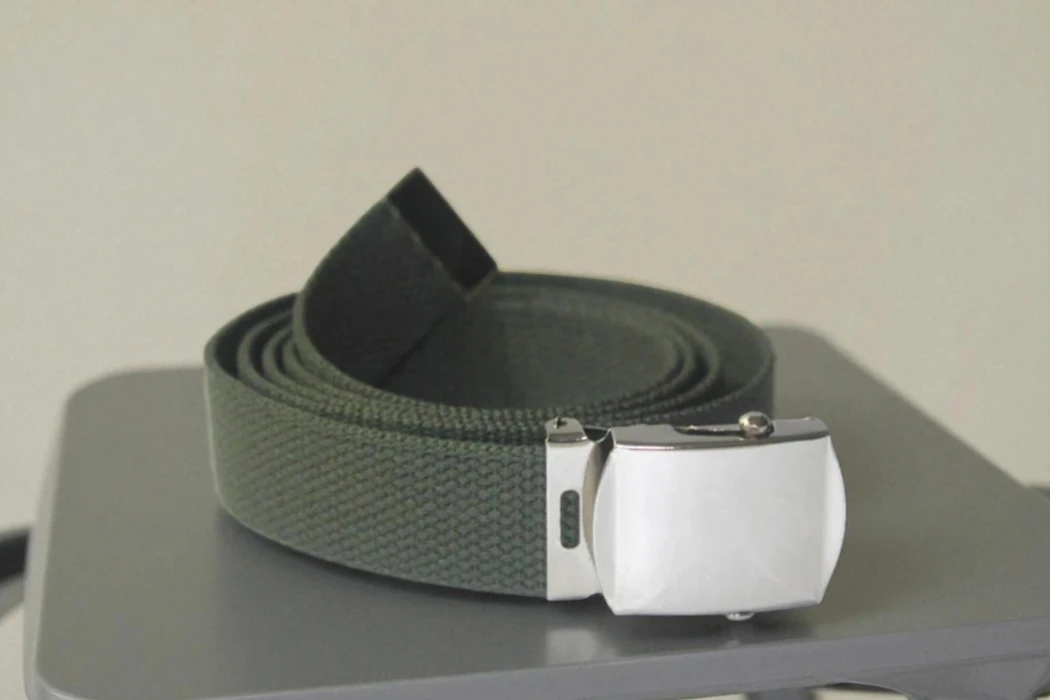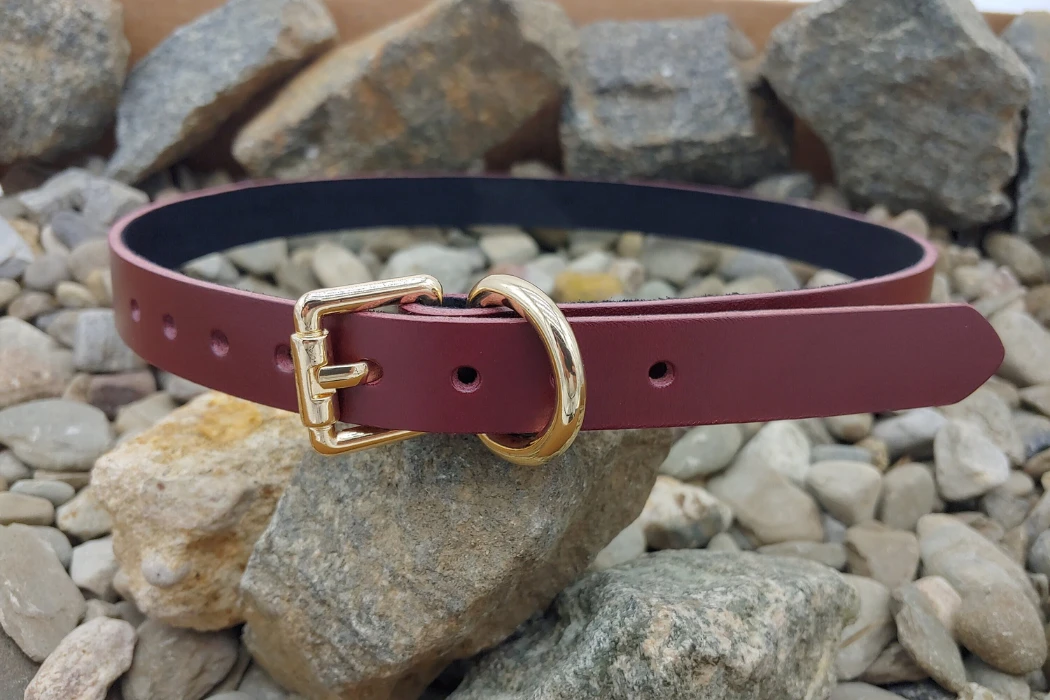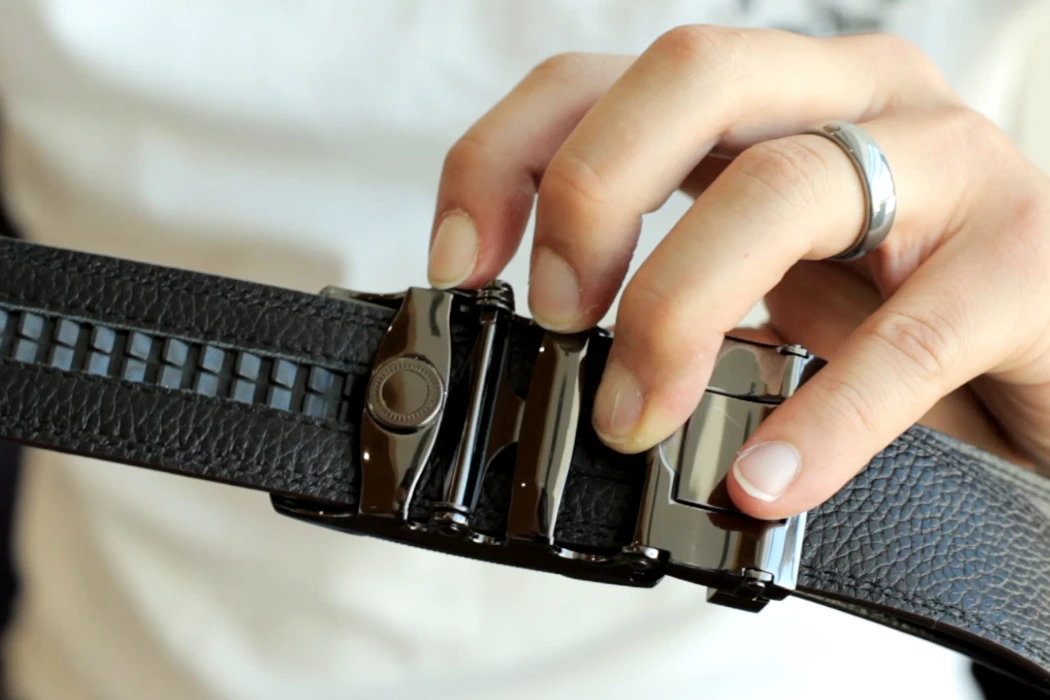
High-volume PU belt sourcing depends on repeatable materials and construction, sufficient production allocation and a clear release plan. A uniform-looking roll or a large factory capacity figure does not establish quality for a particular order.
This guide covers how buyers can specify PU belts, approve texture and durability, organize compliance evidence and compare production costs. Hoplok’s stated monthly PU belt capacity is 600,000–800,000; confirm the portion available for the proposed program.

Why is high-quality PU leather a staple for mass-market retail?
PU-coated textiles can offer repeatable grain and color options for retail belt programs. The actual material grade and production controls determine whether that appearance remains consistent through the order.
| Procurement priority | Specify | Check before release |
|---|---|---|
| Appearance | Material code, shade, grain and gloss | Reference sample and permitted batch variation |
| Function | Strap layers, size, holes/track and hardware | Complete belt sample and agreed tests |
| Volume | Assortment, quantities and delivery splits | Material availability and production allocation |
| Claims | Composition and intended market statements | Relevant documentation and product evidence |
Use the same approved specification across purchase orders. Ask suppliers to identify any material substitution rather than assuming that an identically embossed surface is the same grade.
“High-quality PU” should refer to performance against that specification. It does not imply a universal formulation, UV grade or service life.
How does PU belt manufacturing differ from genuine leather production?
The material supply chains differ, but both PU and leather belts still require conversion into a finished product. Cutting, reinforcement, bonding, stitching, hole or track work, edge finishing and buckle assembly may be relevant to either construction.
Separate material manufacture from assembly
A PU-material supplier makes the proposed coated textile; the belt factory converts it into the agreed strap and hardware assembly. Not all PU materials contain PVC, use the same solvent or share the same coating process.
Leather originates from tanned hide or skin. At Hoplok, ProPelli finishes crust received from partner tanneries. That confirmed role should not be read as a claim that ProPelli manufactures PU resin or operates a synthetic-leather coating line.
- Record the source and specification of the outer material and reinforcement.
- Define each strap layer and its thickness contribution.
- Approve the relevant cutting, assembly and edge appearance on a complete sample.
- Identify the responsible supplier when investigating coating, backing or assembly defects.
Use actual material data and process controls. Unrelated resin viscosity, oven temperatures or laboratory values do not establish the quality of a proposed belt.
What are the modern durability benchmarks for “Vegan” leather?
Vegan describes an animal-free claim, not a mechanical-performance standard. PU, plant-containing and other materials need evidence for the particular grade and belt construction.
- Assess repeated flexing at folds and adjustment areas.
- Assess coating/backing adhesion and any laminated strap layers.
- Check rubbing, surface wear and color transfer under relevant conditions.
- Review appropriate aging evidence for the material and intended climate.
- Check holes, tracks and hardware attachment on the finished belt.
ISO 1419 concerns accelerated-aging tests for rubber- or plastics-coated fabrics. A testing provider can determine whether it is relevant to the proposed material and which conditions to use. A result does not automatically translate into a consumer lifespan.
Brand names, star ratings or animal-free labels are not comparable durability reports. Compare the same method, specimen, condition and endpoint; verify the full bill of materials separately for a vegan claim.
Custom Leather Belts Tailored for Your Brand
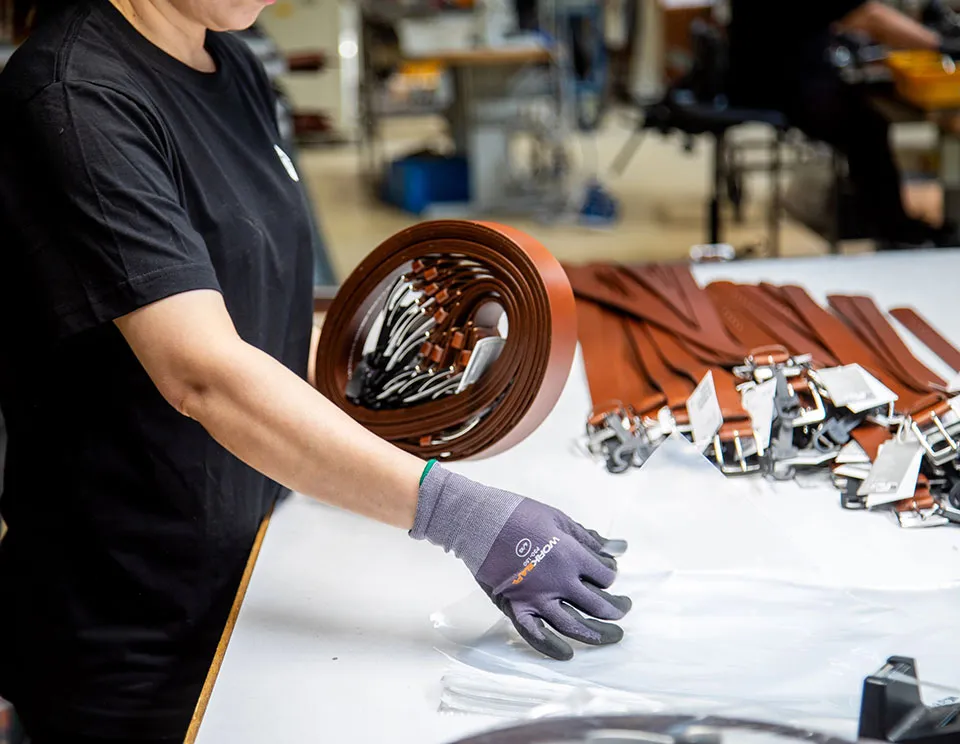
How to achieve a realistic leather “hand” and texture on PU surfaces?
Hand feel reflects softness, flexibility, surface friction and the way the material bends. Evaluate those qualities on both a swatch and the assembled belt.
Approve a usable appearance reference
- Review color, gloss and grain at the intended viewing distance and lighting.
- Bend and fasten the assembled sample to assess wrinkles and surface behavior.
- Check the effect of backing and reinforcement on thickness and flexibility.
- Inspect edges, holes and any logo marks; they can reveal differences hidden on a flat swatch.
Ask the supplier which proposed grade meets the reference. Changes in the backing or coating can alter feel even where the printed or embossed grain looks similar.
Record acceptable variation and retain a sealed approval sample. A soft feel or water-vapor result alone does not establish hydrolysis resistance, tear strength or long-term texture retention.
What chemical safety standards (Lead-Free/Phthalate-Free) are required?
Determine requirements by destination, intended user, component and marketing claim. Laws, brand restricted-substance lists and certification programs have different scopes; there is no single global ppm table for all PU belts.
| Requirement type | How to use it |
|---|---|
| Applicable law | Identify current restrictions relevant to the actual components, user and destination. |
| Buyer RSL | Record the retailer’s agreed substances, methods and limits for materials or finished goods. |
| Manufacturing RSL | Review requirements for chemical inputs where the program applies; keep them separate from finished-item results. |
| Product certification | Verify the program, certificate validity and covered material/product scope. |
Avoid mixing unlike limits
For example, CPSC phthalate guidance addresses specified children’s toys and child care articles. It is not a blanket phthalate requirement for every adult belt. Children’s-product lead rules also distinguish substrate content from paint or surface coatings.
For EU sales, have the importer and laboratory identify the REACH restrictions applicable to the specific components and use. Record the current criteria and relevant reports instead of calling REACH a universal product certification.
Keep each record in scope
ZDHC addresses chemical formulations and MRSL conformance; finished-product RSL evidence is a separate question. OEKO-TEX programs also have defined scopes: do not assume a leather-program certificate covers every synthetic material.
Agree sample identity, laboratory method and acceptance criteria. Verify the proposed belt’s evidence when materials or finishes change; facility audits do not replace this product review.
How Can Volume Planning Affect PU Belt Cost?
A stable forecast may reduce repeated setup or support more efficient material purchasing, but savings depend on the actual assortment and production proposal. Company capacity is not the quantity required for one order or a guaranteed cost reduction.
Compare quoted cost drivers
- Separate development/tooling charges from recurring unit cost.
- Compare material utilization and waste using the actual patterns and roll width.
- Identify added setup or material minimums caused by colors and different constructions.
- Include inspection, packing, delivery splits and freight in the comparison.
Hoplok’s stated PU belt capacity is 600,000–800,000 per month and its PU MOQ is 1,000. Confirm a production allocation for the proposed order rather than assuming the full monthly capacity is available.
Ask for revised quotes under credible quantity or assortment scenarios. Larger batches can also increase inventory exposure and storage requirements; approve changes using the program’s total cost and sales plan.
ProPelli’s leather-finishing role does not establish control over PU coating inputs. Identify the actual material supplier and assembly facility when discussing process efficiencies.
What are the environmental realities of modern synthetic leather?
A PU belt’s environmental profile depends on the material formulation, backing, manufacturing, useful function and disposal route. A comparison with leather needs consistent lifecycle boundaries and documented assumptions.
- Ask which portion of a recycled or bio-based claim applies to the coating, backing or complete material.
- Identify the processes and facilities covered by emissions or resource-use data.
- Check the same useful function and service-life assumptions in a comparative assessment.
- Review whether collection and treatment routes exist for the proposed end-of-life claim.
Do not combine unrelated per-square-meter footprint figures or infer a universal reduction from avoiding animal hide. Likewise, a material’s chemical compliance does not establish its total environmental impact.
The FTC Green Guides summary describes evidence requirements for environmental marketing. Broad “sustainable,” biodegradable or recyclable statements should be supported for the scope in which they will be understood.
How to Market PU Belts with Supported Material Claims?
Describe the actual product and the attributes the supplier can support: material composition, approved finish options, design details and care instructions. Treat environmental or animal-free statements as specific claims with their own evidence.
Build a claim record
- State exactly what the claim covers: one material layer, the strap or the complete belt.
- Keep the supporting declaration, certificate or report and its validity/scope.
- Define wording that does not turn a limited attribute into an overall environmental promise.
- Recheck the claim after changes in material, finish or supplier.
An animal-free claim requires the relevant components to exclude animal-derived material. PU can coat real leather, so “PU” alone is insufficient. A claim that a tested substance is below a specified limit is also different from claiming absolute absence.
Avoid assigning a fixed life expectancy to every belt. Base durability communication on appropriate evidence and the agreed product specification.
What are the standard lead times for mass-produced PU collections?
For Hoplok, belt samples take 2–3 weeks, bag samples take 3–4 weeks and bulk production takes 60–90 days. Confirm the proposed program’s start conditions, material readiness and production slot.
| Planning stage | What to confirm |
|---|---|
| Material and design | Available grade, shade, hardware and quantity |
| Sampling | Applicable sample schedule and approval responsibilities |
| Additional development | Timing for new tooling, finish or packaging |
| Bulk production | 60–90-day plan linked to approvals and allocation |
| Release and transport | Inspection, packing, booking and arrival requirements |
A presentation-folder schedule or another supplier’s domestic run is not a benchmark for a custom belt collection. New materials or hardware may add separate development stages; request an order-specific plan.
Keep production completion and final arrival distinct. Include review time, revisions, shipment and distribution when working back from a retail launch date.
Final Thoughts
High-volume PU belt programs work best with a controlled material code, an approved complete sample and a realistic assortment plan. Use the same requirements for incoming materials, production checks and release.
Confirm the available allocation and quote for the actual order. Keep product performance, chemical requirements and marketing evidence linked to the selected construction rather than relying on general claims about PU.
Frequently Asked Questions
Is PU leather durable for belts?
A suitable grade and construction can meet defined belt requirements. Check flexing, surface wear, layer adhesion and fastening function rather than assigning durability from the name.
How long does a PU belt last?
There is no universal service life. Material formulation, construction, use, storage and care affect performance.
What’s the difference between PU and bonded leather?
PU-coated textile uses a synthetic coating on a textile base. Bonded material combines leather fibers or particles with binders and may have additional layers. Request the actual composition; no fixed leather percentage applies to every bonded material.
Does PU leather peel easily?
Peeling is a possible coating or layer failure. Assess the proposed material with appropriate adhesion, flex and aging checks; a test result is not a guaranteed number of years.
Is PU leather vegan friendly?
Textile-backed PU may support an animal-free brief, but confirm all components. PU-coated split leather contains animal leather.
How can you identify high-quality PU leather?
Use a complete material specification, approved sample and relevant results for the intended belt. A retailer’s unrelated tolerance or a leather-only test does not establish the quality of every PU construction.