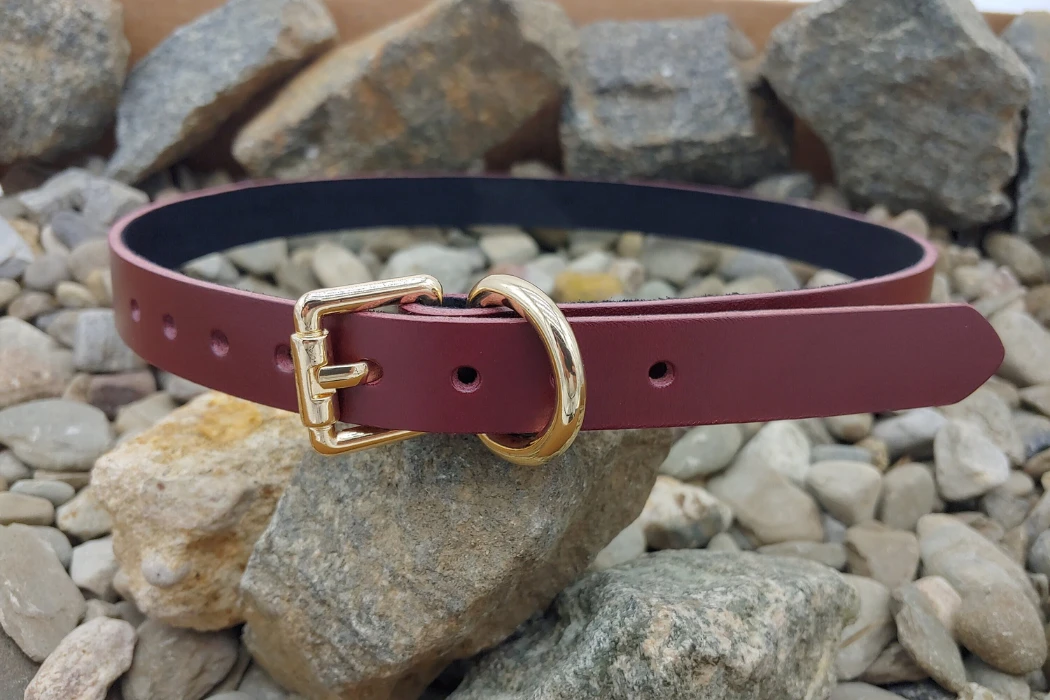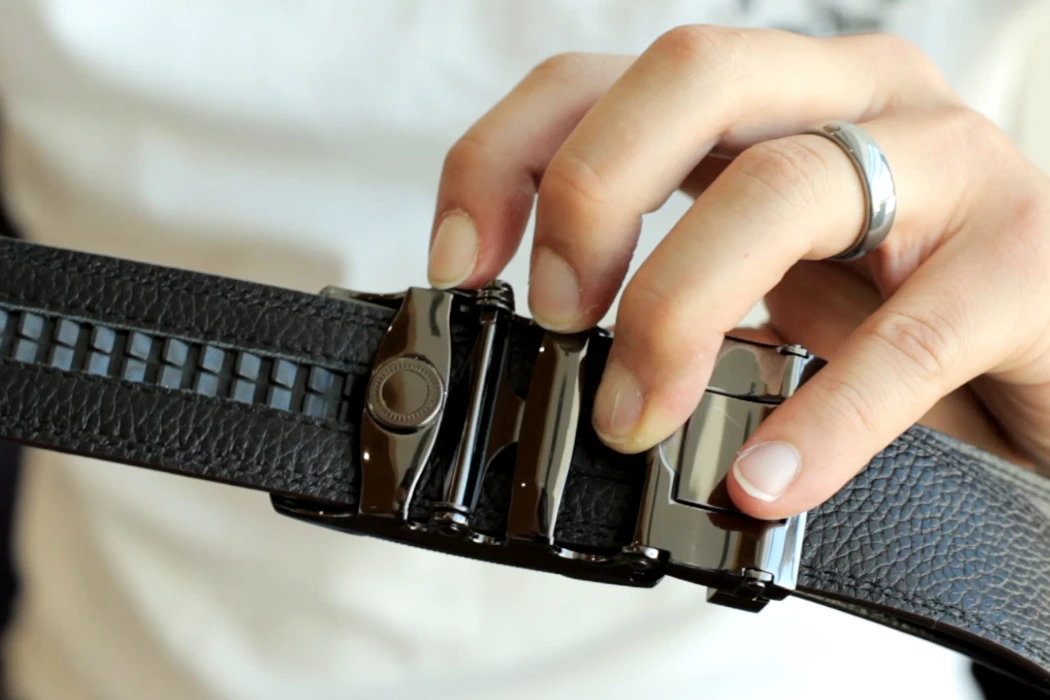
To evaluate a Mexican leather belt, separate three questions: where it was made, how its decoration was produced and whether its construction meets the intended use. A country stamp, strong leather smell or elaborate pattern cannot answer all three.
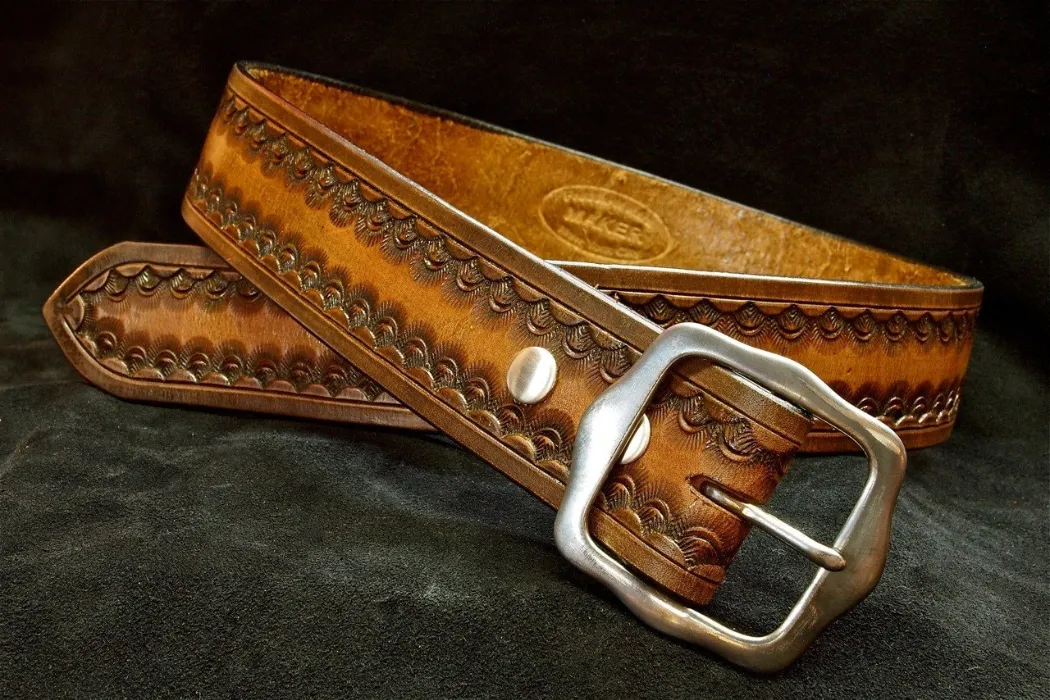
For brands sourcing a Western-inspired collection, the same distinction prevents misleading product descriptions. A machine-embossed pattern can be an intentional design choice, but it should not be sold as hand carving. A Mexican-inspired design made elsewhere should not be presented as made in Mexico.
Understand the craft description before judging the sample
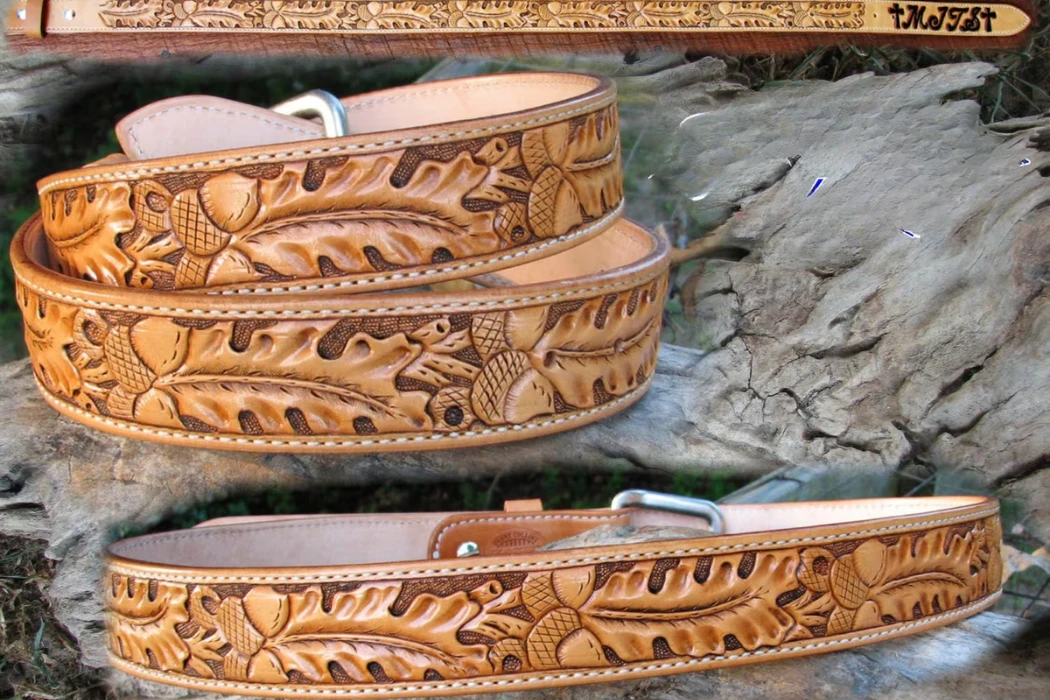
Tooled decoration, embossing and embroidery produce different effects. Ask the maker which operations are performed by hand, which use tools or dies and what material is used for the decorative thread. Approve the method along with the pattern.
Mexico’s Secretaría de Cultura describes piteado as leather decorated with pita embroidery. That cultural description should not be stretched into a claim that any pale embroidered belt is authentic piteado, waterproof or impossible to break. Where a specific fiber or regional craft is part of the selling story, obtain supporting information from the maker.
| Description | Evidence to request | Sample detail to approve |
|---|---|---|
| Hand-tooled pattern | Process description and relevant work-in-progress evidence | Pattern depth, placement and acceptable hand variation |
| Machine embossing | Die or repeat-pattern reference | Repeat alignment, texture and consistency |
| Pita embroidery | Thread identity, maker and craft information | Pattern, stitching security and finish |
| Made in Mexico | Manufacturing records and applicable origin support | Labeling that matches the actual production |
Inspect the pattern without relying on a one-step authenticity test
Hand work may show variation, while a die can produce repeats. Neither observation is conclusive on its own: a skilled craftsperson can work consistently, and production can combine manual and machine operations. Pattern depth is also affected by the leather, design and process.
Review the complete motif at the buckle fold, wearing holes, tip and keeper. Check whether a repeated design ends awkwardly at a size change. For embroidery, inspect both sides and agree how thread ends and the reverse are finished.
Do not scratch, wet or sharply bend a saleable belt to authenticate it. A finish can repel water on real leather, and odor is affected by treatments and storage. Use a traceable material declaration and, where needed, appropriate analysis of an approved sample.
Specify the leather and the complete strap
Ask for the leather layer, tannage information, finish, thickness and permitted variation. “Mexican leather” describes an origin claim, not a single thickness, tannage or quality grade. The same is true of Italian, American and Chinese leather descriptions.
For a lined or reinforced strap, identify each layer. Review the total thickness at the buckle fold and the wearing area. A material suitable for a carved decorative surface may need different preparation from a soft fashion strap; the finished sample should establish the construction.
Check whether decoration changes flexibility or creates vulnerable points near holes and edges. Approve any skiving and reinforcement needed for the specific design instead of imposing a universal minimum thickness on all authentic craft.
Assess hardware, attachment and edge finishing
Detachable buckles are useful when interchangeability is part of the product, but screws and snaps need secure, well-specified attachments. A sewn or riveted buckle can also be appropriate. The right choice follows the collection brief and intended maintenance.
Confirm buckle opening, pin or hook geometry and strap fit. Record the base metal and finish rather than judging by color or weight. Decorative hardware should not catch the garment or interfere with fastening.
Burnished, painted and folded edges offer different appearances. Inspect the chosen edge for comfort, consistency and performance after relevant flexing. Do not treat edge paint as proof of poor quality or a polished edge as a guarantee of permanence.
Compare makers with a consistent order brief
Send the same dimensions, size distribution, leather reference, pattern, hardware and quantity to each maker. Ask how manual variation will be controlled and how additional sizes affect the artwork. Separate development, tooling, decoration, assembly and packaging costs.
There is no universal price below which a belt is proven counterfeit or above which it is proven handmade. Resolve the craft and origin claims with records and samples. For repeat orders, keep the approved pattern and variation references, and ask what happens if the maker or material changes.
Develop a clearly described collection with Hoplok
Hoplok’s belt manufacturing facilities are in Dongguan, China and Cambodia. The company does not claim Mexican production or authentic Mexican piteado capability here. Share the visual direction and required process so that the feasible material, decoration and production route can be confirmed.
For custom belt development, minimums are 300 leather belts or 1,000 PU belts. Belt samples take 2–3 weeks and bulk production takes 60–90 days, with project conditions confirmed in the quotation. Use the inquiry page to provide the artwork, dimensions and quantity.