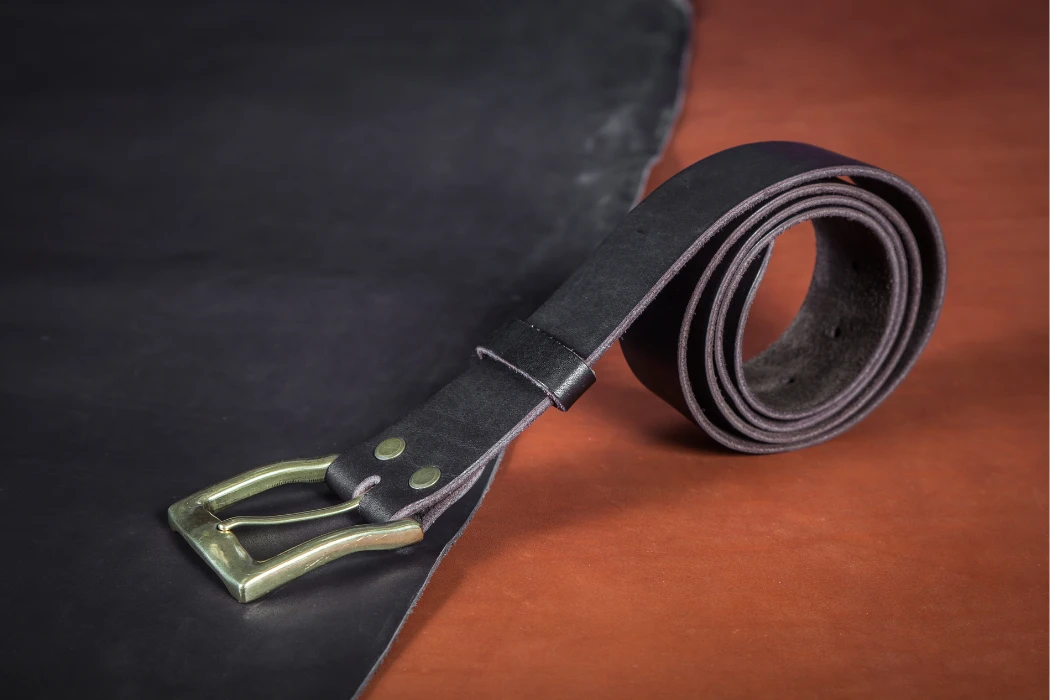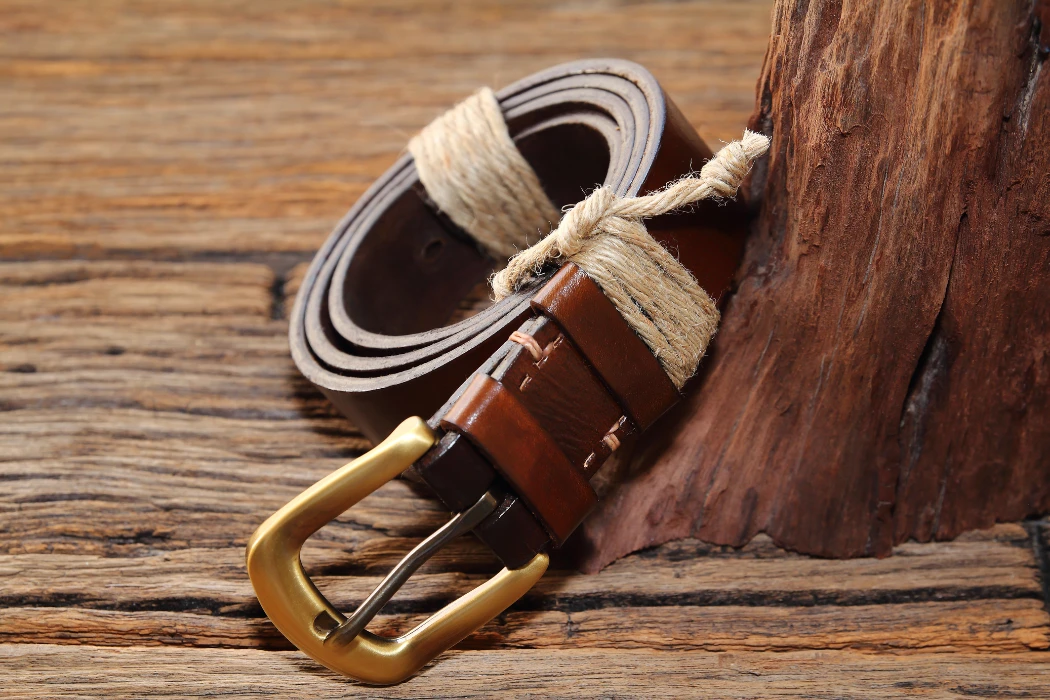
Yes, Nubuck is 100% real leather. In fact, it is often considered a higher quality material than most standard leathers. Nubuck is created from Top-Grain Cattle Leather that has been sanded or buffed on the grain side (the outer surface) to produce a short, soft nap of protein fibers. This process gives it the extreme tensile strength and durability of full-grain leather, combined with the velvety touch of suede. Often confused with suede, Nubuck is significantly thicker, stronger, and typically costs 30-50% more to produce due to the high grade of hide required.
Why do iconic brands like Timberland choose Nubuck for their rugged work boots instead of smooth leather? Why do luxury weekenders favor this material over standard cowhide? The answer lies in its unique duality: it is as tough as a boot but as soft as velvet.
This guide will take you under the microscope to examine the fiber structure of Nubuck. We will distinguish it from its cheaper cousin, Suede, reveal the expensive manufacturing process that creates its signature “nap,” and provide a definitive guide on how to maintain this delicate yet rugged material.
What Exactly Is Nubuck Leather? (Definition & Origin)
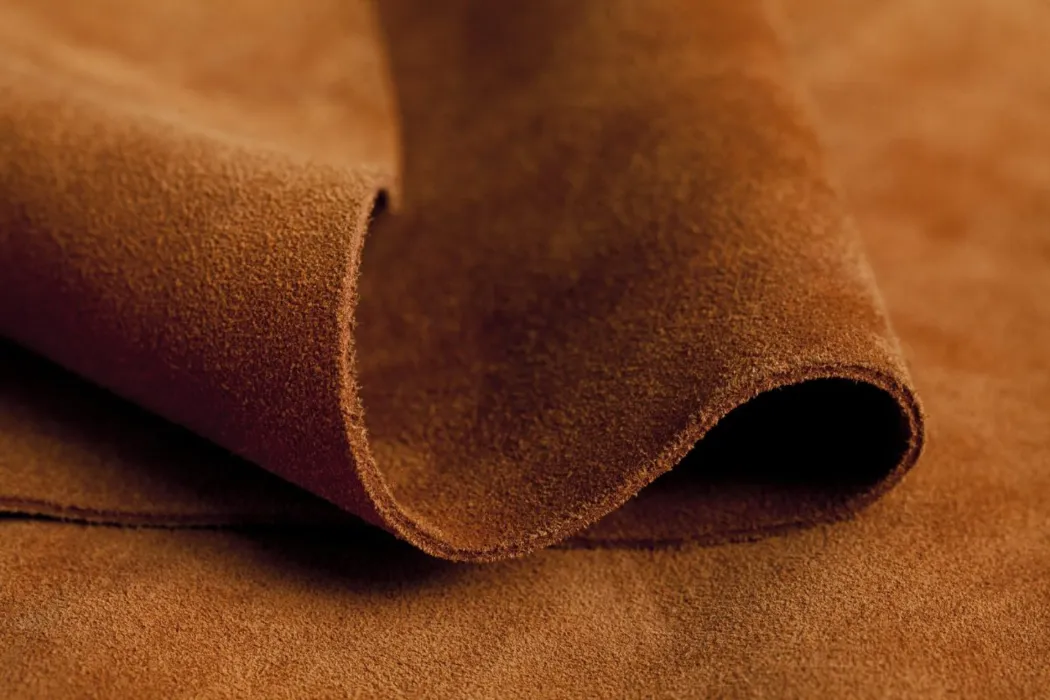
Technically, Nubuck is Top-Grain Leather that has been subjected to a precision buffing process. Tanneries use high-speed rollers with fine-grit sandpaper to abrade the hide’s grain layer (the outer side). This action breaks the short protein fibers, creating a soft, velvety texture known as “Nap.” This is the critical distinction from Suede, which is created by sanding the flesh side (the inner side) or a lower split layer.
The Anatomy of the Hide: Why Top-Grain Matters
To understand Nubuck’s durability, you must look at the cross-section of the hide. The “Grain” (the outer surface) contains the tightest, densest collagen fibers, evolved to protect the animal. Because Nubuck is made from this Top-Grain layer, it retains 100% of this structural integrity. It possesses high tensile strength (resistance to tearing) and thickness (typically 1.6mm – 2.0mm). This is why Nubuck is used for heavy-duty applications like combat boots and workwear, whereas Suede, made from the loose, fibrous “Corium” layer underneath, is too thin and weak for structural use.
The Sanding Process: Creating the “Nap”
Creating the signature “Nap” is a delicate manufacturing art. The tannery must remove just enough of the surface to create the velvet feel, but not so much that they weaken the grain or sand through to the loose fibers below. It requires precise pressure control. The result is a surface that feels soft to the touch but is actually the toughest part of the hide. Unlike “corrected grain” leather that is sanded to remove imperfections and then painted, Nubuck is sanded to enhance the texture, leaving the pores open and breathable.
Sourcing Flawless Hides (Hoplok Insight)
For a manufacturer, Nubuck is one of the most difficult leathers to produce. Why?
Manufacturer’s Insight (Hoplok): Nubuck cannot hide anything. Unlike pigmented leather where a heavy coat of paint covers scars, or embossed leather where a fake grain hides bug bites, Nubuck is naked. The sanding process actually highlights natural defects. Therefore, at Hoplok, we must select only Grade A raw hides for our Nubuck production. A single scar or vein mark means the hide is rejected or downgraded. This strict selection process is why genuine Nubuck raw material costs are often 30-50% higher than standard pigmented leather.
How Is Nubuck Different from Suede? (The Confusion)
While they share a similar velvety texture, Nubuck and Suede are structural opposites derived from different layers of the hide. Nubuck is sanded from the Grain side (outer layer), preserving the dense, tough fibers of the skin, which gives it structural rigidity and a thickness of 1.6mm – 2.0mm. Suede is sanded from the Flesh side (inner layer) or a split, resulting in a looser, longer nap that is much thinner (0.6mm – 0.9mm) and structurally weaker.
Structural Integrity: Grain vs. Corium
The difference in durability comes down to the fiber density of the layer used.
- Nubuck (The Outer Shield): Because it utilizes the outer “Grain” layer, the collagen fibers are tightly packed and interwoven. This gives Nubuck high tensile strength. It can hold stitches under tension and maintain the shape of a boot or bag without reinforcement.
- Suede (The Inner Filler): Suede comes from the “Corium” or split layer. Here, the fibers are looser, longer, and more parallel. While this creates a softer, shaggier nap, it lacks structural strength. Suede is stretchy and porous. If used for a bag, it almost always requires a fabric or leather lining to prevent it from stretching out of shape.
Thickness & Weight Differences
In manufacturing, the thickness of the material dictates its use.
Nubuck is typically produced in weights of 4-5 oz (1.6 – 2.0 mm). It feels substantial, stiff, and heavy.
Suede is typically split much thinner, often 1.5-2.5 oz (0.6 – 1.0 mm). It feels floppy and cloth-like. This makes Suede excellent for lining or lightweight garments, but poor for heavy-duty applications where Nubuck excels.
Nubuck vs. Suede Comparison Matrix
Use this table to quickly identify which material is being used based on its physical properties.
| Feature | Nubuck | Suede |
|---|---|---|
| Raw Material Source | Top-Grain (Outer side sanded) | Split / Corium (Inner side sanded) |
| Durability | High (Resists tearing) | Low (Prone to stretching) |
| Texture / Nap | Short, fine, velvet-like | Longer, shaggier, softer |
| Cost | High (Requires Grade A hides) | Low (Uses lower splits) |
| Typical Use | Work Boots, Luxury Bags | Linings, Shoes, Apparel |
Is Nubuck Leather Durable? (Real-World Performance)
Yes, Nubuck is exceptionally durable. Because it retains the full thickness (typically 1.6mm – 2.0mm) and the dense fiber structure of the top-grain, it is physically stronger and more resistant to punctures than most synthetic alternatives or even standard smooth leathers. However, its durability comes with a caveat: stain resistance. Because the sanding process opens the pores, Nubuck is highly absorbent. Without treatment, it will soak up oil, water, and dirt instantly, making it structurally tough but visually vulnerable to staining.
Tensile Strength vs. Surface Vulnerability
When evaluating durability, manufacturers distinguish between “structural failure” and “aesthetic failure.”
- Structural Strength (High): Nubuck is a powerhouse. It is often used for heavy-duty work boots (like Timberland) because it can withstand scrapes, impacts, and high tension without tearing. Its tensile strength is often rated higher than corrected-grain leather because the fibers haven’t been weakened by chemical stripping.
- Surface Vulnerability (High): The “nap” acts like a sponge. A drop of oil on a finished leather bag might wipe off; on Nubuck, it penetrates deep into the fibers within seconds. This makes it a poor choice for environments with heavy grease (like a mechanic’s workshop) unless it is heavily waxed.
The “Patina” of Nubuck: How It Ages
Unlike suede, which can look “balding” or shabby as it ages, Nubuck develops a distinct and desirable character. Over years of use, the raised velvet nap will naturally be matted down by friction and body oils.
This creates a smooth, shiny area known as “burnishing” or patina. A pair of 5-year-old Nubuck boots will often look darker, smoother, and richer than a new pair. This transformation is considered a feature of high-quality leather, proving that the material is alive and reactive, rather than a static plastic coating.
Engineering Water-Resistant Nubuck (Hoplok Insight)
The biggest consumer fear regarding Nubuck is water damage. Brands can solve this at the manufacturing stage.
Manufacturer’s Insight (Hoplok): We don’t just rely on surface sprays. At our ProPelli tannery, we engineer “Waterproof Nubuck” by introducing hydrophobic agents (like 3M Scotchgard or silicone-based oils) directly into the drum during the fatliquoring stage. This treats the leather fibers all the way through. The result is a Nubuck that retains its soft velvet feel but beads water on the surface, passing the Maeser Flex Test for over 15,000 cycles without leaking.
Nubuck vs. Faux Nubuck (Microfiber): How to Tell the Difference?
The market is flooded with high-quality synthetic alternatives, often labeled as “Microfiber Leather” or “Synthetic Nubuck,” which mimic the look of the real thing. To distinguish authentic Nubuck from a fake, rely on three sensory tests: 1. Touch: Real Nubuck has a “writing effect” where the color shifts when brushed; 2. Smell: It should possess a rich, earthy leather aroma, never a chemical or glue scent; and 3. Water Test: Real Nubuck absorbs a small drop of water and darkens temporarily, whereas faux nubuck typically repels water due to its plastic composition.
The “Writing Effect” (Finger Trace Test)
This is the most fun and immediate way to identify Nubuck. Because the surface consists of millions of tiny, upright protein fibers (the nap), they can be pushed in different directions.
- The Test: Run your finger firmly across the surface of the item.
- Real Nubuck: You will see a distinct line where you traced. The color will appear darker or lighter depending on which way the fibers are laying. You can “erase” it by rubbing in the opposite direction.
- Faux Nubuck: While some high-end microfibers simulate this, most synthetic nubuck feels flatter and “dead.” The writing effect is either non-existent or very faint because the flocking is glued on stiffly.
Microfiber PU: The Vegan Alternative
It is important to note that “Faux Nubuck” is not necessarily a low-quality product. High-end Microfiber PU is an engineered material consisting of a non-woven fiber mat coated with polyurethane resin. It is uniform, durable, and water-resistant.
However, it lacks the breathability and patina potential of real leather. Real Nubuck molds to your foot or body over time; Microfiber retains its original shape and eventually peels or cracks rather than wearing in. For heavy-duty boots where foot health (airflow) is a concern, real Nubuck is chemically superior.
Real Nubuck vs. Synthetic Nubuck Comparison
Use this matrix to test any potential purchase.
| Test Method | Real Nubuck Reaction | Synthetic / Microfiber Reaction |
|---|---|---|
| Water Drop | Absorbs quickly, darkens spot (unless waterproofed). | Beads up, sits on surface, no color change. |
| Smell | Rich, organic, earthy scent. | Chemical, plastic, or glue smell. |
| Grain Uniformity | Natural variations, pores visible under loop. | Perfectly uniform, repeating pattern. |
| Writing Effect | Strong contrast when brushed. | Weak or non-existent. |
What Are the Pros and Cons of Using Nubuck for Products?
For brands and consumers, Nubuck represents a specific trade-off between luxury comfort and maintenance. Pros: It offers superior breathability (often 30% higher than coated leathers), requires almost zero break-in time due to its softened fibers, and provides a premium matte aesthetic that hides minor scuffs. Cons: It commands a high manufacturing cost (requiring top 10-15% of hides), is highly susceptible to oil and water staining, and requires regular brushing to prevent the nap from matting down.
Best Applications: Boots, Upholstery, Luxury Bags
Nubuck excels in products where comfort and structural durability must coexist.
- Work Boots: The iconic Timberland Yellow Boot is the most famous example. Nubuck is used because it is thick enough (2.0mm+) to protect the foot but soft enough to flex without cracking. Its matte finish also hides the scratches of a construction site better than polished leather.
- Luxury Upholstery: High-end furniture brands use Nubuck because it feels warm and soft against the skin, unlike the cold, slippery feel of “corrected grain” leather sofas.
- Weekend Bags: For duffels and totes, Nubuck offers a relaxed, “slouchy” structure that looks expensive and feels substantial.
Why It’s Bad for: High-Oil Environments
Despite its toughness, Nubuck has an “Achilles’ heel”: Oil absorption. Because the protective top grain has been sanded open, the leather fibers act like a wick.
It should never be used for footwear in professional kitchens or mechanic workshops. If a drop of hot grease or motor oil touches Nubuck, it penetrates instantly and permanently darkens the spot. Unlike smooth leather, you cannot simply wipe it off. Once the oil is in the fiber matrix, it is effectively permanent.
The Breathability Factor
The sanding process does more than just create a fuzzy texture; it mechanically opens the pores of the hide. Standard smooth leather often has a finish (wax, pigment, or PU) that seals these pores.
Nubuck is left open. This allows for significantly higher vapor permeability. For footwear, this means sweat can escape, keeping feet cooler and drier. For gloves or apparel, it means the item regulates temperature better than synthetic or heavily coated alternatives, making it a premium choice for all-day wear performance.
How to Care for and Clean Nubuck? (Maintenance Guide)
Nubuck cannot be cleaned like standard leather; applying wax or shoe polish will ruin its velvety texture instantly. The primary rule for Nubuck maintenance is “Dry Cleaning.” For daily care, use a Crepe Brush or Brass Brush to lift the nap and remove dust. For stains, use a specialized Nubuck Eraser to physically rub the dirt out of the fibers. Wet cleaning should be a last resort, using only a foaming cleaner designed for nubuck, followed by immediate brushing while drying. Hydrophobic Spray is the most critical preventative measure.
The Daily Ritual: Brushing the Nap
Dust is the enemy of Nubuck. Because the surface is open fibers, dust settles deep into the nap, mixing with moisture to create a “cement” that mats the leather down.
- The Tool: Use a stiff nylon brush for daily dusting or a brass-bristle brush for deep cleaning heavy-duty boots. For delicate luxury bags, a soft crepe (rubber) brush is safer.
- The Technique: Brush the item vigorously in multiple directions. This does two things: it flicks out dust particles trapped deep in the fibers, and it “fluffs up” the nap, restoring the velvety look that can get flattened by wear.
Removing Stains: The Eraser Technique
Because water can stain Nubuck, liquid cleaners are risky. The industry standard for stain removal is the Nubuck Eraser (often a block of rubber and sand grit).
It works like a pencil eraser. You rub the block firmly over the stain. The friction causes the rubber to crumble, lifting the dirt and oil out of the leather fibers along with it. It is a mechanical cleaning process, not a chemical one. After erasing, you simply brush away the crumbs, often removing 90% of dry surface stains without ever wetting the leather.
Why You Should Never Use Shoe Polish
Standard shoe polish, wax, or mink oil is designed for smooth leather. It creates a shiny layer on top.
If you apply shoe polish to Nubuck, the wax will glue the fine protein fibers together. This destroys the “nap,” turning your soft, velvety boots into a greasy, smooth, and patchy mess. Once Nubuck has been waxed, it is almost impossible to restore its original texture. Instead of wax, use a Spray-On Renovator which adds color and conditioning oils without matting the fibers.
Nubuck Care vs. Smooth Leather Care Matrix
Use this table to ensure you are using the right product for the right material.
| Step | Nubuck / Suede | Smooth (Full-Grain) Leather |
|---|---|---|
| Cleaning | Dry Brush & Eraser (Avoid water) | Damp Cloth & Saddle Soap |
| Conditioning | Spray-on Conditioner (Light) | Cream or Oil (Deep penetrating) |
| Polishing | NEVER (Will ruin texture) | Wax Polish & Buffing Cloth |
| Protection | Hydrophobic Spray (Monthly) | Wax or Oil coating |
Frequently Asked Questions
1. Is Nubuck waterproof?
Naturally, no. In its raw state, Nubuck is highly absorbent due to the open pores created by the sanding process. A drop of water will soak in immediately. However, high-quality Nubuck is often treated with a Durable Water Repellent (DWR) spray or infused with hydrophobic oils during the tanning process. With proper treatment, it can become highly water-resistant, but it will never be 100% waterproof like rubber.
2. Can I wax Nubuck?
You can, but it changes the material entirely. Applying wax (like Dubbin or Sno-Seal) to Nubuck will mat down the nap permanently, turning it dark, smooth, and greasy. This creates a style known as “Waxed Flesh” or “Waxed Nubuck.” It dramatically increases water resistance and durability but destroys the soft, velvety texture you paid for. Only do this if you want a rugged, work-boot aesthetic.
3. Is Nubuck expensive?
Yes, it is typically more expensive than standard smooth leather. Producing Nubuck requires Grade A hides with virtually no scars or defects, as the surface cannot be painted or corrected. Only about 10-15% of raw hides are suitable for Nubuck production. This scarcity, combined with the extra labor of buffing, drives up the wholesale cost by 30-50% compared to pigmented leathers.
4. Does Nubuck scratch easily?
Yes, but scratches are temporary. The surface fibers are easily displaced by a fingernail or branch, leaving a lighter-colored mark. However, unlike smooth leather where a scratch is permanent damage, a “scratch” on Nubuck is usually just the nap being pushed down. A quick vigorous brushing with a nylon or crepe brush will lift the fibers back up, and the scratch will disappear.
5. Can I wash Nubuck with water?
Avoid it if possible. Water can cause Nubuck to stiffen as it dries. If you must deep clean it, do not soak the leather. Use a specialized Nubuck Foaming Cleaner. Apply the foam to a brush, scrub the leather, and then wipe away the dirty foam with a cloth. Crucially, you must brush the leather while it is drying to prevent the nap from drying flat and hard.
Conclusion: The Perfect Balance of Tough and Soft
Is Nubuck real leather? It is perhaps the most real leather. It is an honest material that hides nothing. It represents the pinnacle of leather craftsmanship, proving that “rugged” does not have to mean “stiff,” and “soft” does not have to mean “fragile.” It bridges the gap between the structural durability of full-grain workwear and the tactile luxury of suede.
For fashion and footwear brands, Nubuck offers a unique value proposition: it elevates a product’s perceived value through texture. However, it demands a manufacturing partner who understands the chemistry of protection. A Nubuck product that stains on day one is a return; a Nubuck product engineered with hydrophobic fatliquors is a customer favorite for life.
Hoplok Leather has mastered this balance. Our ProPelli tannery creates Water-Repellant Nubuck that beads water instantly while retaining a silky hand-feel. Whether you need heavy 2.2mm Nubuck for industrial boots or soft, tumbled Nubuck for luxury bags, we can engineer the perfect hide. Contact Hoplok Leather today to source this premium material for your next collection.