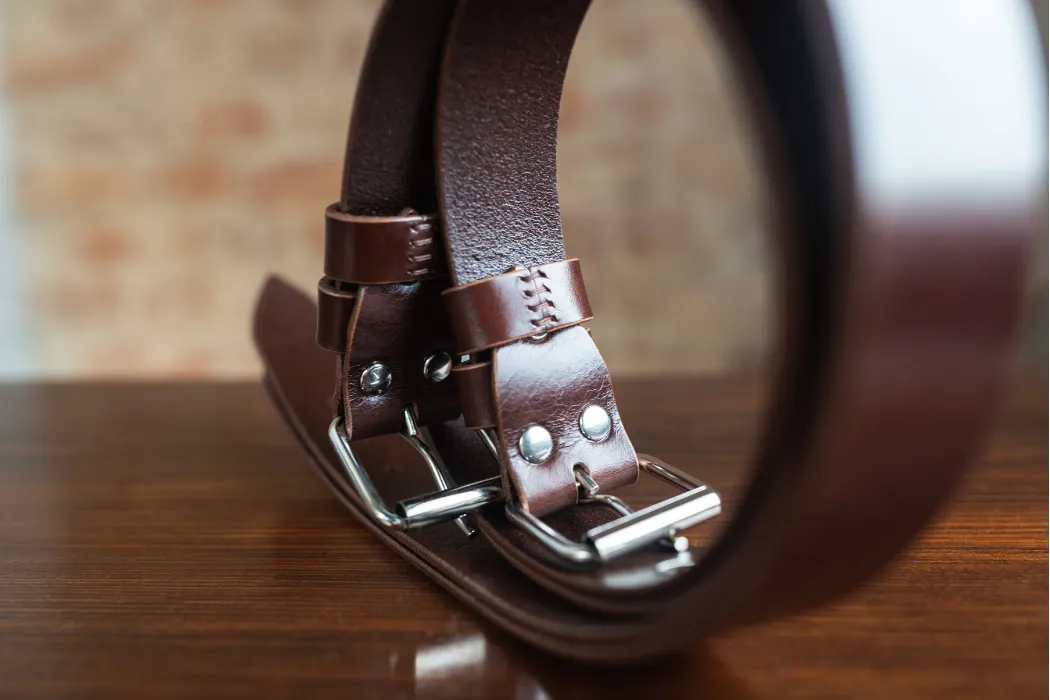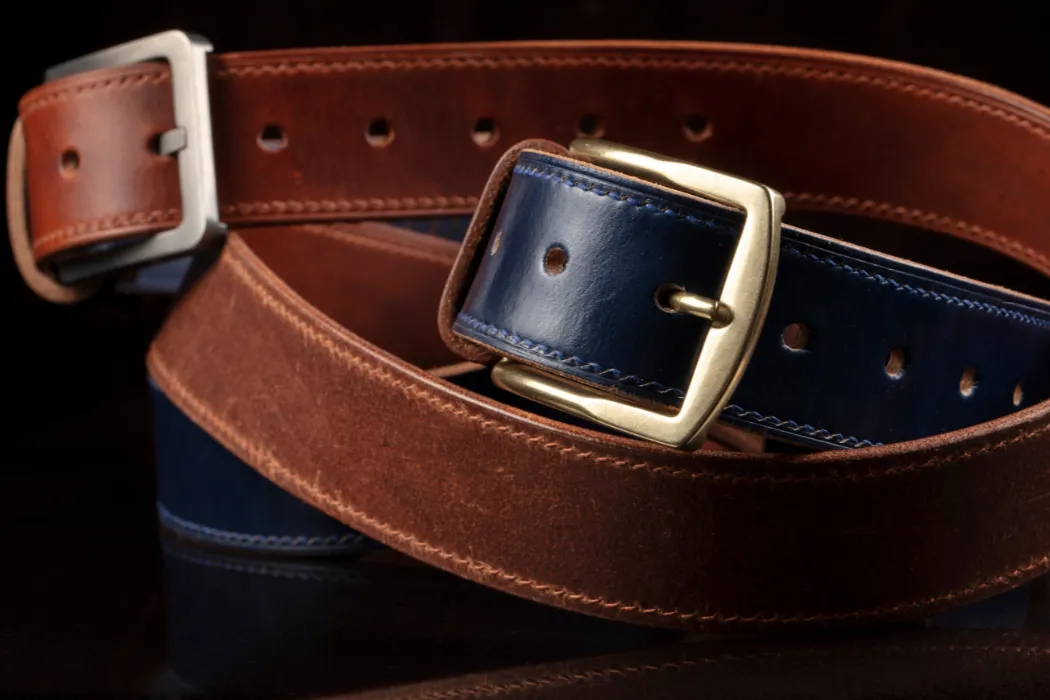
Global Sourcing Strategy is the decision-making framework used to select manufacturing hubs based on Total Landed Cost rather than just EXW (Ex-Works) price. For the leather belt category, capacity is concentrated in six major hubs: China (Volume/Speed), Italy (Luxury), India (Buffalo/Weaving), Cambodia/Vietnam (Duty-Free), Turkey (EU Fast Fashion), and Mexico (Nearshore). The optimal choice depends on the brand’s Retail Price Point and the Tariff Regime of the destination market.
Key Takeaways for Supply Chain Directors
- China (The Baseline): Remains the undisputed leader in supply chain completeness and R&D speed, but is burdened by Section 301 Punitive Tariffs (25%+) for US importers.
- Cambodia (The Arbitrage): Offers a strategic 15–20% Landed Cost advantage due to GSP/MFN duty-free status, making it the new standard for high-volume replenishment programs.
- Italy (The Premium): The “Made in Italy” label justifies a 3x–5x retail markup, essential for luxury goods retailing above $200.
- Hybrid Strategy: The most efficient model often involves Dual-Soring: developing complex hardware and samples in China, then transferring bulk production to Southeast Asia for tax efficiency.
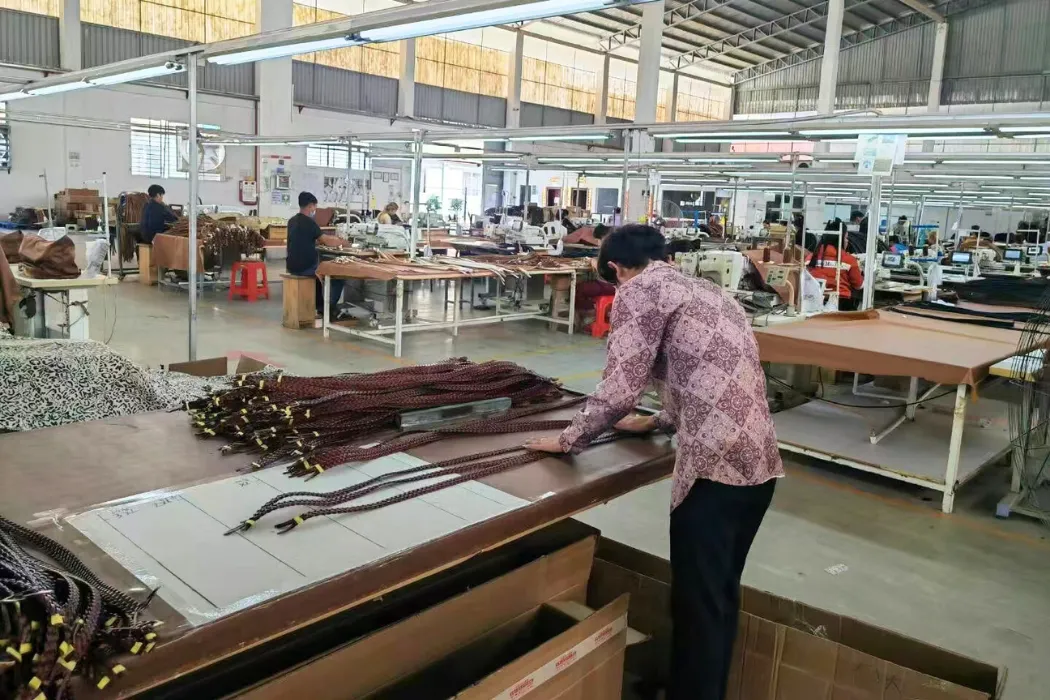
Executive Summary: The Top 6 Manufacturing Hubs at a Glance
| Country | Primary Strength | Duty to US (Est.) | Avg. Total Turnaround* | Best For |
|---|---|---|---|---|
| China | Speed & Complexity | High (25%+) | 50–60 Days (to US) | Fashion / Complex Hardware |
| Cambodia | Cost & Duty Free | 0% – Low | 75–90 Days (to US) | Volume Basics / Core Lines |
| Italy | Brand Prestige | Medium | 90+ Days (Global) | Luxury / Heritage ($200+) |
| India | Veg-Tan / Weaving | Low / Medium | 75–90 Days (to US) | Rugged Casual / Boho |
| Turkey | Speed to Europe | Medium | 25–35 Days (to EU) | European Fast Fashion |
| Mexico | Speed to US | Free (USMCA) | 25–35 Days (to US) | US Replenishment / Western |
*Total Turnaround = Production Time + Standard Freight Time.
Is China Still the World’s Factory for Leather Goods Despite Tariffs?
Yes, for speed and complexity, China remains unrivaled. No other country matches China’s Vertical Integration—access to hardware plating, edge paint chemistry, and tanning all within a 50km radius. While the Section 301 Tariffs make it expensive for US commodity belts, it remains the primary hub for high-complexity, low-volume “Fashion” belts where labor skill outweighs duty cost.
The Ecosystem Advantage: Shiling and Wenzhou
The “China Speed” is not just about fast sewing machines; it is about the density of the supply chain ecosystem. In hubs like Shiling (Guangzhou) and Wenzhou, a factory can source a custom-dyed YKK zipper, a laser-engraved brass buckle, and a specific Pantone edge paint within 24 hours. The suppliers are neighbors.
- Turnaround Time (30 Days): This proximity allows for an industry-leading production cycle of just 30 days from order to shipment. If your brand relies on “Fast Fashion” trends or complex designs involving mixed materials (e.g., leather + canvas + embroidery), China is the only viable option. Moving this complexity to Southeast Asia often results in delays because the sub-components must still be imported from China.
The Cost of Speed: The Tariff Penalty
For US buyers, this speed comes with a steep price tag. Under the ongoing trade war, leather belts (HTS 4203.30) made in China are subject to the standard MFN duty plus an additional 25% Section 301 punitive tariff.
- The DDP Calculation: If you import a $10 belt from China, the duty alone adds $2.50+ to your landed cost. Unless your retail margins are extremely high (Luxury), this tariff erodes the profitability of basic, high-volume items. This creates a clear strategic divide: Source high-margin, complex fashion items in China; move low-margin, high-volume basics elsewhere.
Hoplok’s Strategic Role: R&D in Guangzhou
We do not abandon China; we leverage it. Hoplok maintains a dedicated R&D and Sample Room in Guangzhou. Why? Because prototyping requires speed. We can iterate a new buckle design 3 times in one week in China. Once the “Golden Sample” is approved and the tech pack is finalized, we transfer the tooling and raw materials to our Cambodia facility for the bulk production run. This “China Brain, Cambodia Muscle” strategy offers the best of both worlds.
Why Are Brands Migrating Volume to Southeast Asia (Cambodia/Vietnam)?
The driver is purely geopolitical arbitrage. Countries like Cambodia benefit from GSP (Generalized System of Preferences) or Normal Trade Relations, allowing leather goods to enter the US and EU at 0% or significantly reduced duty rates. Combined with lower labor costs (approx. $200 min wage vs $800+ in China), this region is the new champion for basic, high-volume programs (Replenishment Orders).
The “China Plus One” Strategy in Practice
As brands seek to de-risk their supply chains, the “China Plus One” model has become the industry standard. This involves keeping complex R&D in China while moving labor-intensive assembly to Southeast Asia. However, this is not as simple as changing a shipping label.
- The Rule of Origin Compliance: To legally claim “Made in Cambodia” and access Duty-Free benefits, goods must undergo “Substantial Transformation.” You cannot simply ship finished belts from China to Cambodia and re-box them (Transshipment)—that is illegal customs fraud.
- Hoplok’s Value Add: We import raw leather straps and hardware components into our Cambodia facility. We then perform the cutting, stitching, edge painting, and assembly locally. This creates the necessary “local value content” to qualify for a legitimate Certificate of Origin (Form A), ensuring your shipment clears US/EU Customs audit-free.
The Logistics Trade-off: The Feeder Leg
Cost savings come with a time penalty. Unlike China’s direct “Super Port” connections, shipping from Sihanoukville (Cambodia) or Ho Chi Minh (Vietnam) typically requires a feeder vessel.
- The 10-Day Lag: Goods must be loaded onto a smaller feeder vessel to Singapore or Hong Kong before connecting to the trans-pacific route. This adds approximately 7–10 days to the total transit time. Sourcing managers must build this buffer into their “Open-to-Buy” calendar. The savings are massive, but the planning horizon must be longer.
Hoplok Advantage: Legal Tax Avoidance
For a US buyer importing $500,000 worth of leather belts annually, the math is undeniable. Sourcing from China incurs approx. $125,000 in duties (25%). Sourcing from Hoplok Cambodia incurs $0. This $125,000 saving goes straight to your bottom line, far outweighing the slightly higher logistics cost of moving raw materials to Southeast Asia.
| Comparison Metric | Manufacturing in China | Manufacturing in Cambodia (Hoplok) |
|---|---|---|
| EXW Unit Price | $6.00 (Baseline) | $6.20 (Includes material transit) |
| US Import Duty | $1.50+ (25% Punitive Tariff) | $0.00 (Duty Free / GSP) |
| Total Landed Cost | $8.00 (Approx.) | $6.80 (Approx.) |
| Production Lead Time | 30 Days | 45 Days |
| Best Application | Fashion / Complex / Rush | Core Basics / High Volume |
When Does the “Made in Italy” Premium Pay Off?
It pays off when Brand Equity exceeds BOM Cost. Italy (specifically the Tuscany/Florence region) commands the highest manufacturing cost globally due to skilled labor rates and strict environmental laws. However, the legal right to print “Made in Italy” on the product justifies a 3x–5x retail markup. It is the mandatory sourcing destination for brands targeting the $200+ luxury bracket where “Heritage” is the primary selling point.
The Ecosystem of Santa Croce sull’Arno
The “Italy Premium” is not just marketing; it is rooted in a unique raw material ecosystem. The region between Florence and Pisa is home to the Consorzio Vera Pelle Italiana Conciata al Vegetale (The Genuine Italian Vegetable-Tanned Leather Consortium). Factories here have access to proprietary tanning recipes that have been refined over centuries.
- The Sensory Advantage: Italian veg-tan leather has a distinct olfactory signature—a sweet, woody scent derived from chestnut and quebracho extracts—that Chinese or Indian leather struggles to replicate perfectly. For a luxury consumer, this smell is part of the unboxing experience.
- Chemical Mastery: Italian finishing houses excel at “Hand-Padding” and “Cloudy” finishes that give new leather an instant antique depth. If your design DNA relies on complex, artisanal finishes, Italy is the only option.
The Operational Reality Check: Speed and MOQ
Sourcing from Italy requires patience and capital. It is the antithesis of “Fast Fashion.”
- The August Shutdown (Ferragosto): This is a critical logistics risk. The entire Italian manufacturing sector effectively shuts down for the month of August. If your Fall/Winter production isn’t shipped by July 25th, you will not see it until mid-September. Sourcing managers must plan their calendars with this rigid blackout period in mind.
- High MOQs: Unlike Asian factories that might accept 300 units, Italian tanneries often demand minimums of 500–1,000 sq. ft. per color. They rarely hold stock of finished hides, meaning every order is made-to-order (MTO), pushing lead times to 90+ days.
The “Made in Italy” Legal Loophole
A sophisticated buyer must understand the nuance of EU “Rules of Origin.”
- The Eastern European Connection: To combat high Italian labor costs, many “Italian” brands actually perform the cutting and sewing labor in Romania, Albania, or Tunisia. The semi-finished belts are then shipped back to Italy for the final buckle attachment, finishing, and packaging.
- Substantial Transformation: Under EU law, this final step qualifies as the “last substantial transformation,” legally allowing the “Made in Italy” stamp. While legal, this adds a layer of logistics complexity and lead time that brands must manage closely.
Is India the Right Hub for Buffalo Leather and Intricate Weaving?
India dominates specific niches: Buffalo leather and hand-weaving. Kanpur and Chennai are global hubs for Vegetable-Tanned Buffalo, a rugged, thick leather ideal for casual and workwear belts. India is also unbeatable for labor-intensive designs like Macramé or hand-braided belts due to the availability of skilled artisan labor at competitive rates. However, sourcing managers must be vigilant regarding hardware plating consistency, which often lags behind Chinese standards.
The Material Distinction: Buffalo vs. Cow
India is the world’s largest producer of Buffalo leather. Understanding the structural difference between “Buff” and “Cow” is critical for product positioning.
- Grain Structure: Buffalo leather has a coarser, more porous grain with visible hair follicles compared to the tight, smooth surface of Cow leather. This gives it a naturally rugged, “pebbled” aesthetic that is perfect for jeans belts, western wear, and vintage styles but unsuitable for formal dress belts requiring a glass-smooth finish.
- Cost Advantage: Due to the massive domestic dairy industry, Buffalo hides in India are significantly cheaper than imported Cow hides. For brands seeking a heavy, thick strap (3.8mm+) at a lower price point than cowhide, Indian Buffalo is the strategic choice.
The “Handmade” Advantage: Weaving and Braiding
Where China excels at automation, India excels at manual dexterity. The cost of skilled hand-labor allows for complex constructions that would be cost-prohibitive elsewhere.
- Macramé and Mesh: For intricate woven leather belts, India offers the best value proposition globally. The artisanal workforce in regions like Uttar Pradesh can execute complex hand-braiding patterns that machines cannot replicate. If your Summer collection features woven textures, India is your primary hub.
Strategic Risks: The Monsoon and Hardware
Sourcing from India requires specific risk mitigation protocols in your supply chain.
- The Monsoon Effect: High humidity during the monsoon season (June–September) poses a severe mold risk. Indian tanneries sometimes struggle with moisture control during curing. Sourcing managers must mandate Anti-Mold Chips and silica gel in all packaging and avoid shipping LCL during these months.
- Hardware Gap: While leather quality is high, domestic hardware plating in India often lacks the salt-spray resistance of Chinese fittings. A common hybrid strategy is to nominate Chinese hardware suppliers (like SBS or private mold factories) to ship buckles to India for final assembly, ensuring the metal quality matches the leather durability.
Does Turkey Offer the Best Speed-to-Market for European Brands?
For EU brands, Turkey is the undisputed “Speed King”. Situated at the edge of Europe, Turkey leverages Trucking Logistics (3–5 days to Germany/France) rather than slow ocean freight. This proximity enables a “Fast Fashion” replenishment cycle of just 4 weeks. Furthermore, Turkey’s membership in the EU Customs Union eliminates duty barriers. Their leather quality, particularly Lambskin and Sheepskin, is superb, effectively bridging the gap between Chinese pricing and Italian quality.
The Logistics of Trucking vs. Sailing
For a fashion brand headquartered in Paris or Berlin, the lead time from China is a rigid 30 days on the water. Turkey changes the mode of transport entirely.
- The TIR Trucking System: Goods manufactured in Istanbul or Izmir can be loaded onto trucks and driven directly to distribution centers in Western Europe. The transit time is 3 to 5 days. This allows brands to operate on a “Just-in-Time” inventory model, reacting to sales trends within the season rather than forecasting 6 months out.
- Reaction Speed: While Chinese factories might require 60 days for a re-order (production + shipping), Turkish factories can often turn around a repeat order in 21–28 days door-to-door. This agility commands a premium price but reduces markdown risk.
The Customs Union Advantage
Unlike Asian countries that rely on GSP (which can be revoked), Turkey has a permanent Customs Union agreement with the EU.
- Frictionless Trade: Leather goods travel between Turkey and the EU with Zero Duty and minimal customs friction. There is no need for complex Certificate of Origin Form A processing for every shipment. This administrative ease reduces the overhead for European sourcing teams significantly.
Material Specialty: The Soft Leather Niche
Every region has a geological specialty. Turkey is world-renowned for small skins: Lambskin and Sheepskin.
- Garment-Quality Leather: Turkish tanneries excel at producing incredibly soft, pliable leathers traditionally used for jackets. For belts, this translates to high-end Obi belts, sash belts, or intricate braided styles that require a soft hand-feel. However, for heavy, rigid vegetable-tanned straps (like a gun belt), Italy or India remain superior.
The Geographic Limitation (North America)
Sourcing is regional. While Turkey is a miracle for Europe, it offers little advantage for US brands.
- No Logistic Edge: Shipping from Turkey to New York takes roughly the same time (via ocean) as shipping from China, but often at a higher freight rate due to lower volume routes. Unless you specifically need Turkish lambskin quality, there is no logistic or duty arbitrage for American buyers compared to sourcing from Mexico or Southeast Asia.
Can Nearshoring to Mexico Solve Inventory Latency for US Brands?
Mexico is the rising star for North American speed. Under the USMCA (NAFTA 2.0) agreement, qualifying leather goods enter the US duty-free. The proximity of the León and Guanajuato tanning region allows for 3-day trucking to Texas distribution centers. It is the ideal solution for brands prioritizing Inventory Turnover and “Just-in-Time” stocking over the absolute lowest unit price.
The “Speed to Shelf” Equation
For US brands, the math is about inventory carrying costs. Sourcing from Asia requires locking up capital in inventory for 30–45 days on the water. Sourcing from Mexico cuts this to 3–5 days.
- Reaction Mode: If a specific belt style trends on TikTok, you can restock from Mexico in 4 weeks. From China, you would miss the trend entirely. This agility reduces the need for deep discounting at the end of the season.
- Duty-Free (USMCA): To qualify for 0% duty, the leather must generally be tanned in North America. Mexico has a robust domestic supply of hides, making compliance relatively straightforward compared to Asian GSP rules.
The Manufacturing Ecosystem in León
León is the leather capital of the Americas. It creates a vertical cluster similar to Guangzhou.
- Western & Workwear Strength: Mexico excels at heavy, oil-tanned leathers and complex tooling (embossing). If your brand aesthetic is “Western,” “Americana,” or “Rugged,” Mexico is the cultural and technical home for these products.
- Component Limitations: While leather is abundant, high-end hardware (solid brass, PVD) and specialized edge paints are often imported from China or Italy. This can create a bottleneck. Smart sourcing managers will nominate Chinese hardware suppliers to ship components to Mexico for final assembly.
| Feature | Sourcing from China | Nearshoring to Mexico |
|---|---|---|
| Logistics Time | 30–40 Days (Ocean) | 3–5 Days (Truck) |
| US Import Duty | 25% (Section 301) | 0% (USMCA Compliant) |
| Unit Labor Cost | Medium | Medium (Higher than Asia) |
| Supply Chain Depth | Complete (All components) | Partial (Imports hardware) |
Frequently Asked Questions
Which country currently offers the lowest FOB for leather belts?
India and Bangladesh typically offer the lowest pure FOB (Ex-Factory) prices. This is due to lower labor costs and domestic raw material availability (Buffalo hide). However, buyers must factor in higher potential defect rates and longer lead times compared to the mature industrial ecosystem of China or the duty-advantaged status of Cambodia.
How much can I save on duty by sourcing from Cambodia vs China?
For US importers, the saving is massive—often exceeding 25%. Chinese belts face a standard MFN rate plus the Section 301 punitive tariff (25%). Cambodian belts, under GSP or NTR status, often enter Duty-Free. On a $100,000 order, sourcing from Cambodia can yield $25,000+ in pure profit savings immediately upon landing.
What is the average lead time difference between Vietnam and China?
China is faster by about 2–3 weeks. A re-order in China might take 30–45 days total turnaround. Vietnam and Cambodia typically require 45–60 days. This is because specialized raw materials (like custom-plated hardware or specific edge paints) often must be imported from China to the SE Asian factory, adding a logistical leg to the production cycle.
Is the quality of leather tanning in India comparable to Italy?
Generally, no. While India produces excellent Vegetable-Tanned Buffalo leather for rugged/casual wear, Italian tanneries remain the global benchmark for fine calfskin finishing, color consistency, and strict chemical compliance (REACH). The water quality and chemical recipes in Tuscany justify the significant price premium for luxury goods.
Why are Italian-made belts considered the benchmark for luxury retail?
It is about Heritage and Perception. The “Made in Italy” label allows brands to legally charge a 3x–5x retail markup. The ecosystem in Santa Croce offers unique access to centuries-old tanning recipes and artisanal hardware that mass-market hubs cannot replicate, creating a sensory experience (smell, touch) that defines luxury.
What are the logistical risks of nearshoring belt production to Mexico?
Security and Raw Material Availability. While fast, trucking in Mexico faces higher risks of cargo theft compared to Asian shipping lanes. Additionally, high-end hardware often needs to be imported from Asia, which can negate the speed advantage if not managed by a factory with sophisticated inventory planning.
The Verdict: Geography is Strategy
There is no single “Best Country” for manufacturing; there is only the best country for your specific business model. If you sell luxury, go to Italy. If you sell fast fashion, go to China or Turkey. If you sell volume basics to the US, go to Cambodia.
Hoplok’s Global Solution
At Hoplok, we do not force you to choose between speed and cost. We offer a hybrid solution. We utilize our China facility for rapid R&D and complex hardware tooling, and then transfer the tech pack to our Cambodia facility for duty-free mass production. You get the engineering quality of China with the landed cost of Southeast Asia.
Calculate Your Duty Savings
Are you still paying 25% tariffs on your leather goods? Contact the Hoplok Sourcing Team today. We will provide a free Landed Cost Calculation comparing your current supply chain against our Cambodia Duty-Free solution.
— The Hoplok Global Supply Chain Team