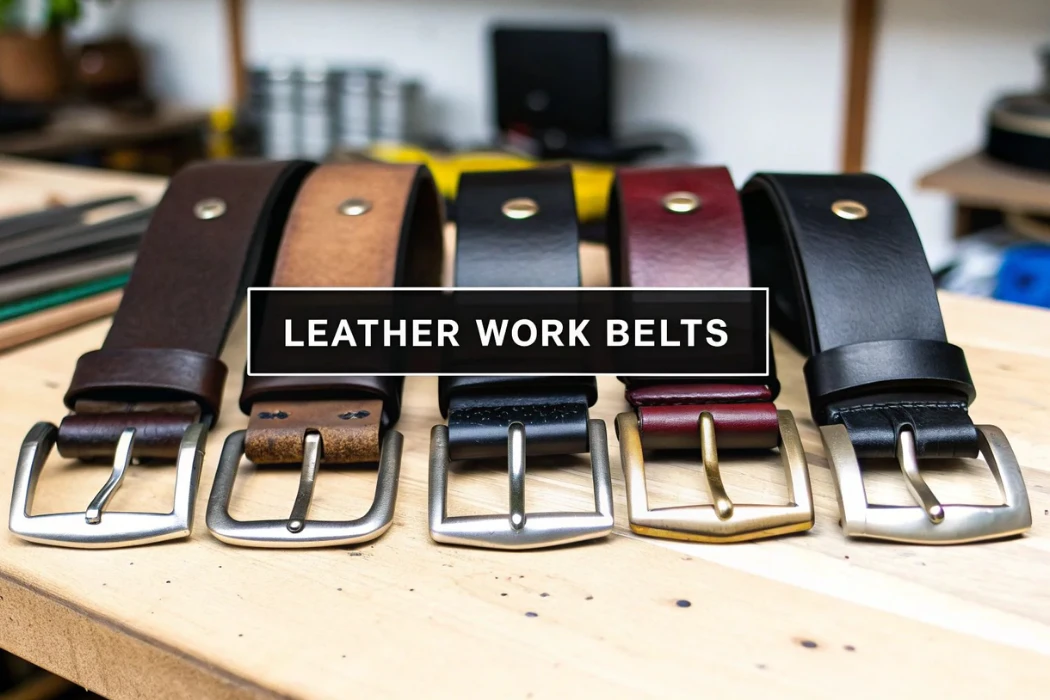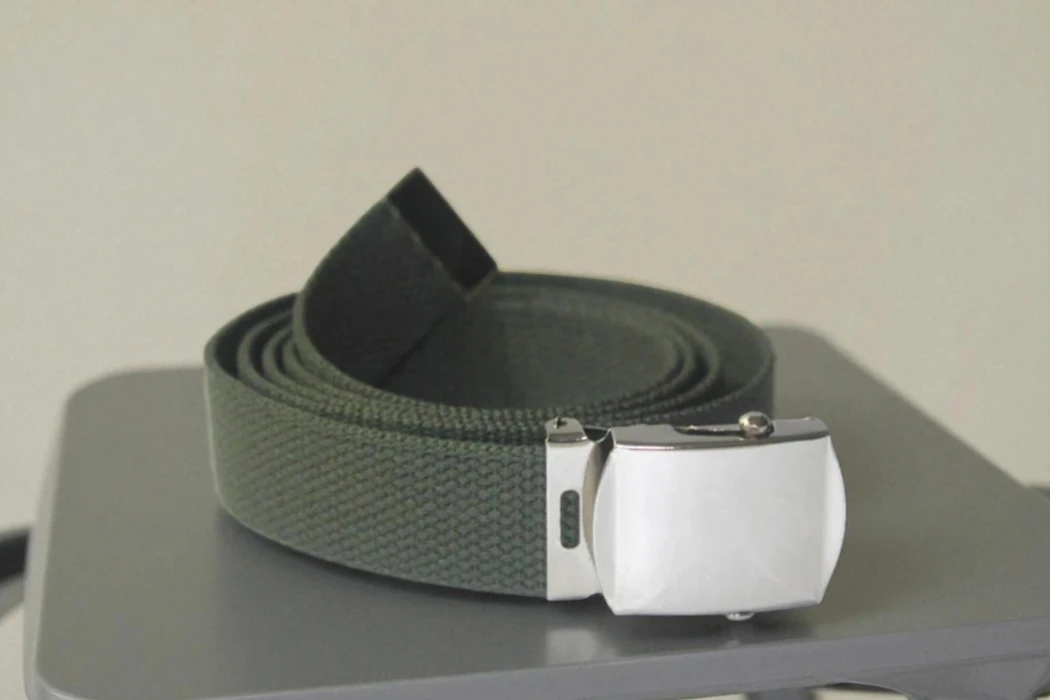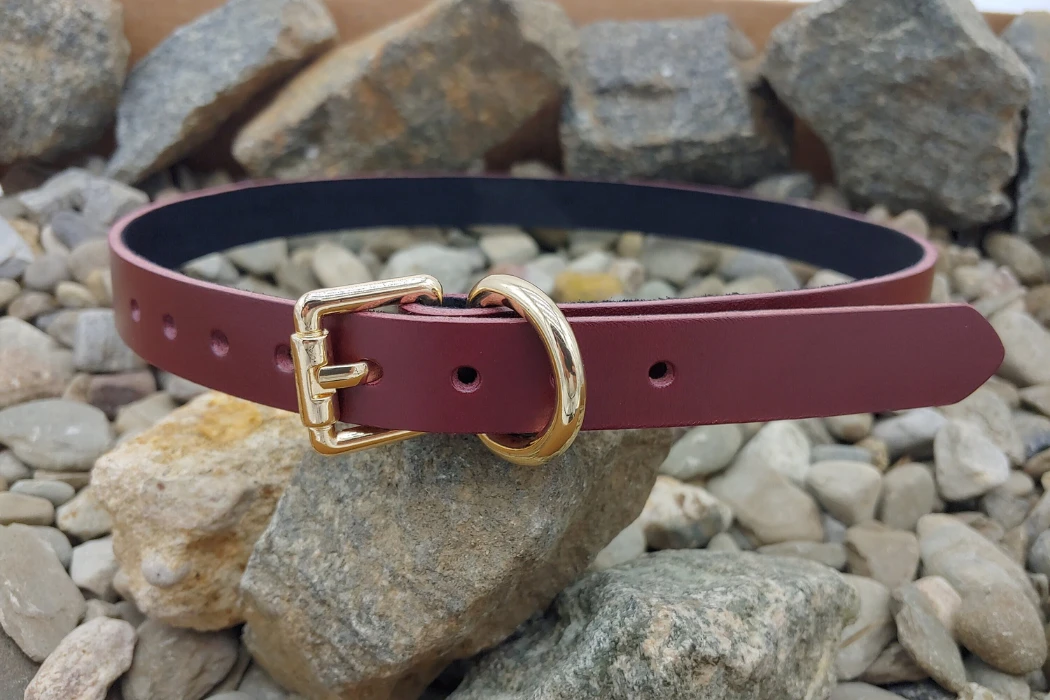
Manufacturing leather belts for industrial and aviation environments requires absolute precision. In high-risk settings, a belt is not merely a fashion accessory. Instead, it is a critical piece of safety equipment. Workers rely on these belts to carry heavy tools, secure equipment, and withstand extreme environmental conditions daily.
So, what makes these heavy-duty belts different from standard retail products? The secret lies in strict engineering standards. Factories must use premium full-grain leather, heavy-duty hardware, and specialized finishing processes. Because safety is paramount, these belts undergo rigorous tensile strength and environmental resistance testing. This ensures the leather will not snap or degrade under high physical pressure.
But how do factories actually build these heavy-duty items? Understanding the production process helps global B2B buyers make informed sourcing decisions. The following guide explores the exact steps needed to manufacture compliant, high-performance leather belts. It examines raw hide selection, complex finishing techniques, and strict quality control protocols used by top international manufacturing facilities.
What Defines a High-Risk Environment Leather Belt?
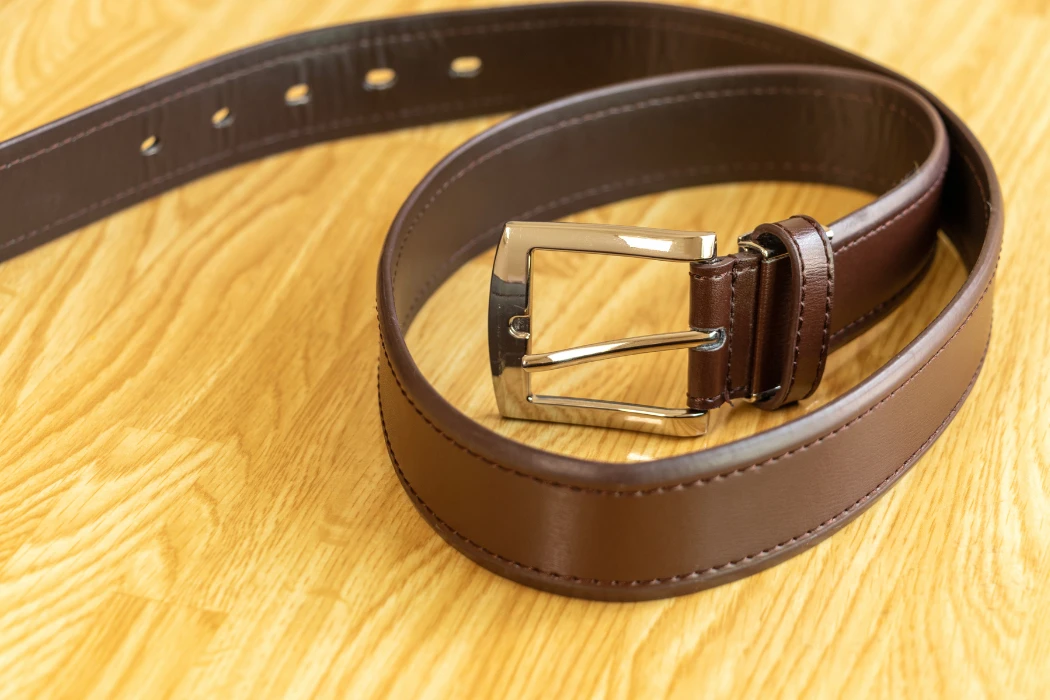
A high-risk environment leather belt is a specialized safety tool built for extreme durability. Standard fashion belts focus on looks, but industrial belts focus on survival. They are engineered to hold heavy tools safely and resist severe conditions like intense heat, sharp edges, or chemical exposure. Because lives depend on them, these belts must use premium materials and pass strict international safety codes to guarantee absolute reliability.
Defining Industrial and Aviation Load Requirements
Factory workers and aviation mechanics carry heavy equipment daily, so proper load capacity is a critical factor for any safety belt.
- Industrial belts must securely support heavy tool pouches often weighing between 10 lbs and 15 lbs without sagging.
- They require high tensile strength to prevent the leather from stretching under constant, downward physical pressure.
- Engineers strictly control the belt width, usually standardizing at 1.5 inches to 2 inches, to distribute heavy weight evenly across the worker’s waist.
- The belt edges are reinforced to prevent fraying when heavy metal clips rub against the sides repeatedly.
Engineers carefully calculate these load metrics because a failing belt can cause serious workplace injuries or drop dangerous tools.
The Role of Full-Grain Leather in Extreme Conditions
The core raw material completely dictates how well the safety belt survives in harsh industrial settings.
- Factories primarily use full-grain cow leather because it retains the natural, tightest fiber structure of the animal hide.
- This natural top layer resists moisture, sudden heat, and minor abrasions much better than weakened split-grain or bonded leather options.
- Full-grain hides maintain their flexibility in freezing weather, so the belt will not suddenly crack or snap during outdoor aviation maintenance.
- Over time, this material develops a protective patina instead of peeling away like cheaper synthetic alternatives.
By choosing the highest grade of leather, manufacturers guarantee that the belt remains a reliable safety barrier for many years.
Safety Standards for High-Risk Environments
Heavy-duty belts must pass intense physical tests to prove they are genuinely safe for rigorous industrial use.
- The leather must resist extreme elongation, ensuring the sizing holes do not tear open under high tension.
- Aviation environments often require specific chemical resistance, so the leather surface must repel oils, fuels, and standard hydraulic fluids.
- Hardware components, like the buckle and rivets, must remain locked and intact even when subjected to sudden, violent impacts.
- The leather must be breathable to prevent worker fatigue and severe skin irritation during long, 12-hour physical shifts.
Meeting these strict engineering standards is exactly what separates professional safety gear from everyday retail clothing accessories.
How Do Engineers Select Raw Hides for Heavy Duty Work?
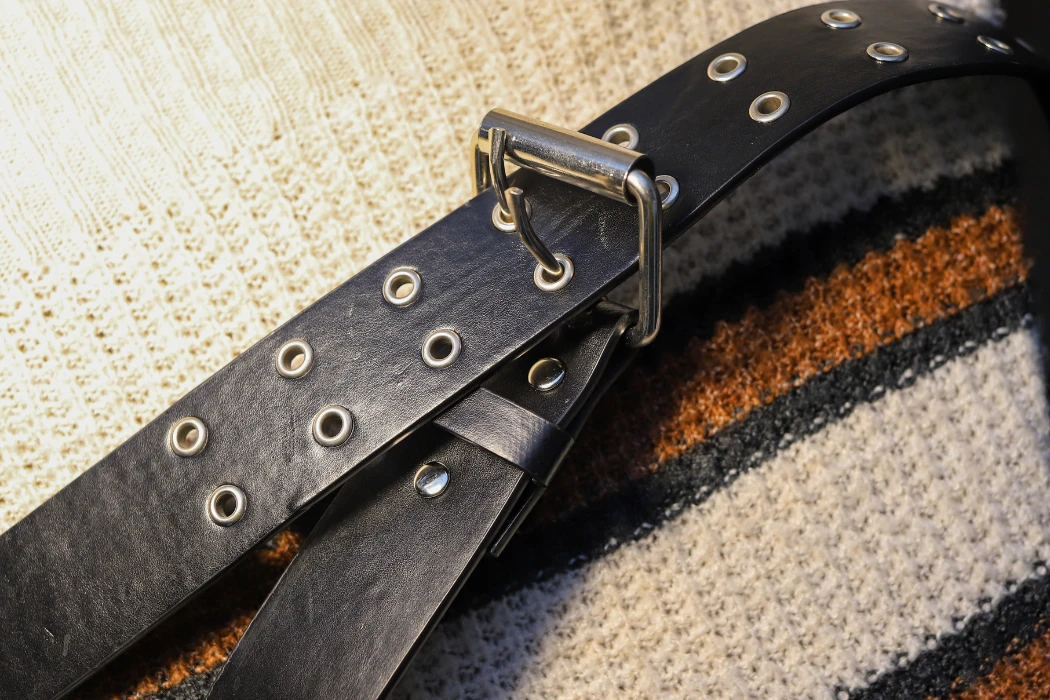
Selecting raw hides is the most crucial step in making heavy-duty belts. Engineers cannot use just any leather. Instead, they carefully inspect hides for natural strength, proper thickness, and fiber density. They must find pliable leather that can bend without breaking. By sourcing from certified global tanneries, engineers ensure the raw material is strong enough for extreme industrial use.
Inspecting Natural Imperfections and Grain Quality
Every animal hide is unique, so experts must perform a strict visual and physical inspection first.
- Inspectors check the surface for deep natural imperfections like excessive bug bites or large scars that might create weak points.
- They examine the grain direction to ensure the leather fibers are tightly packed and uniform across the entire hide.
- Experts feel the texture by hand to confirm it is authentic, high-quality leather rather than a heavily corrected, weaker surface.
- Only the cleanest sections of the hide are approved for cutting into long belt straps to maximize overall structural integrity.
This rigorous grain inspection prevents hidden weak spots from causing unexpected belt failures in the field.
Evaluating Thickness and Pliable Leather Traits
A heavy-duty belt must be incredibly thick but also comfortable enough to bend around the waist.
- Engineers typically select hides with a raw thickness of 3.5mm to 4.0mm to provide maximum support for heavy tool holsters.
- Despite this extreme thickness, the leather must remain pliable so it wraps smoothly without causing painful pressure points.
- Workers test the flexibility by sharply bending the thick leather to ensure the surface fibers do not crack or split open.
- The core fibers are checked for density, ensuring the sizing holes will not stretch out of shape after repeated daily buckling.
Balancing extreme thickness with natural flexibility is the secret to manufacturing a comfortable yet indestructible work belt.
Sourcing Hides from Certified Global Regions
High-quality leather depends heavily on where the animals are raised and how the tanneries process the hides.
- Top manufacturers source premium raw hides from specialized agricultural regions like Italy, Argentina, and Brazil.
- These regions produce hides with superior fiber structures because of their specific climates and advanced cattle farming techniques.
- Engineers strictly partner with tanneries holding Leather Working Group (LWG) certifications to ensure eco-friendly and safe chemical processing.
- A globally diversified supply chain guarantees that factories always have access to the highest grade of raw materials without interruption.
Controlling the global supply chain ensures that only the strongest, most ethically processed hides enter the manufacturing floor.
Which Finishing Processes Create Maximum Resistance?
Raw leather needs specialized chemical and physical finishing to survive in industrial environments. Tanneries apply hot oils, intense heat, and protective glazes to seal the leather fibers tightly. These specific finishes create a barrier against moisture, sharp abrasions, and chemical spills. By choosing the right finishing process, factories drastically improve the belt’s overall lifespan and physical resistance.
Utilizing Oil Tanned and Crazy Horse Effects
Oil-based finishes penetrate deep into the leather core to increase flexibility and water resistance.
- Workers heavily saturate the raw crusts with natural oils to create highly durable oil-tanned leather.
- This heavy oiling process ensures the leather remains incredibly supple, preventing it from drying out and cracking in hot industrial plants.
- Tanneries also use special waxes to create the Crazy Horse effect, which changes color when bent but remains completely waterproof.
- These waxed finishes naturally repel mild acids and industrial lubricants, making them ideal for heavy aviation maintenance work.
Infusing the leather with deep oils and waxes guarantees it will survive harsh, messy work environments.
Applying Heat Polishing for Surface Durability
Heat polishing physically seals the top layer of the hide to stop deep scratches and scuffs.
- Large industrial machines press the leather against heated metal rollers at temperatures exceeding 150 degrees Celsius.
- This intense heat melts the natural top fibers together, creating a much harder, smoother surface shield.
- The polished surface actively deflects sharp metal tools from cutting deeply into the belt strap during a busy shift.
- Heat polishing also locks in the underlying dye colors, preventing them from bleeding onto the worker’s uniform when sweating.
By hardening the top grain with extreme heat, engineers significantly reduce the risk of structural surface damage.
| Finishing Method | Primary Protective Benefit | Best Industrial Application |
|---|---|---|
| Heavy Oil Tanning | Deep moisture and cracking resistance | Outdoor construction, extreme heat |
| Crazy Horse Waxing | Waterproofing and mild chemical deflection | Aviation maintenance, mechanic shops |
| Heat Polishing | Hardened surface against sharp abrasions | Heavy manufacturing, metalworking |
| Film Glazing | Absolute fluid and hydraulic oil sealing | Chemical plants, wet environments |
Glazing and Film Application Techniques
For the most hazardous environments, factories apply synthetic films to completely seal the leather.
- Technicians use automated machines to spray a very thin, clear protective glaze evenly across the entire leather hide.
- In some cases, a micro-thin polyurethane film is heat-pressed onto the surface to create a completely impenetrable barrier.
- This film actively blocks harsh aviation hydraulic fluids and industrial cleaning chemicals from soaking into the raw fibers.
- The glaze makes the belt very easy to clean quickly with just a damp cloth after a dirty shift.
These advanced film coatings provide the ultimate level of chemical protection for workers in high-risk zones.
Is Precision Cutting Necessary for Load-Bearing Belts?
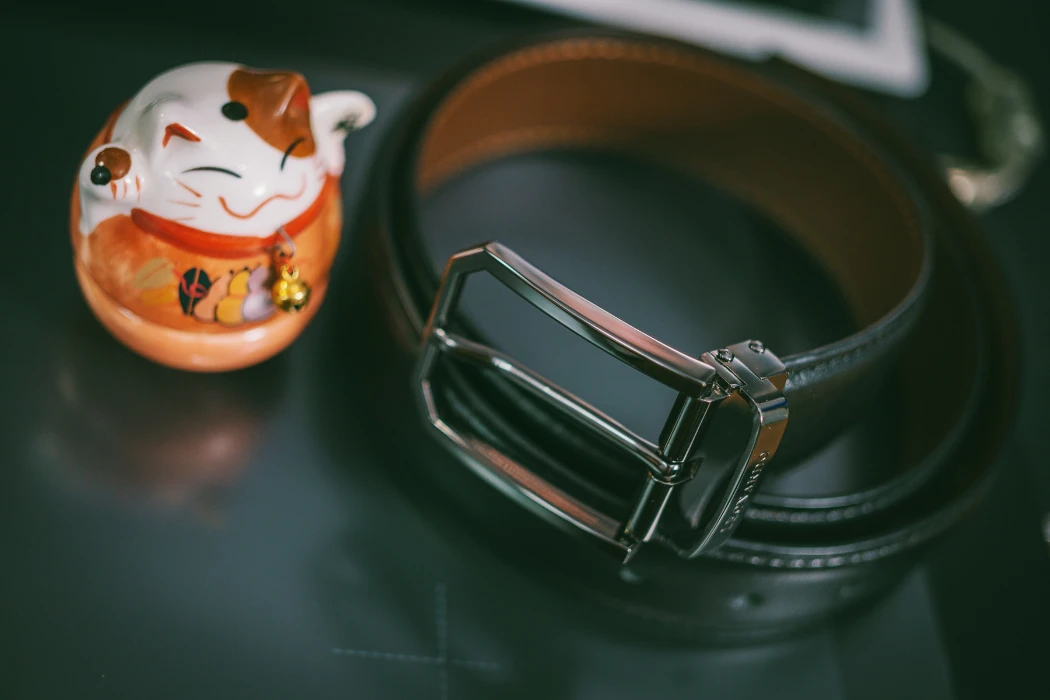
Precision cutting is absolutely critical for heavy-duty belts because it prevents structural failure. Engineers do not cut leather randomly. Instead, they carefully study the hide’s natural grain lines before making a single slice. Improper cutting creates hidden weak points that will snap under heavy tool weight. Therefore, strict measuring and cutting protocols are essential for workplace safety.
Aligning Leather Cuts with Natural Grain Direction
Leather has a natural internal structure, and cutting against it destroys the belt’s overall strength.
- Hide fibers grow in specific directions along the animal’s back, commonly called the “backbone line”.
- Engineers strictly cut long belt straps parallel to this strong backbone line to capture the tightest, most rigid fiber bundles.
- If a worker cuts perpendicular to the grain, the leather will naturally stretch out of shape much faster under heavy loads.
- Laser-guided cutting tables ensure the blade perfectly follows these invisible grain lines across the entire 50-inch strap length.
Following the natural grain direction is the only way to guarantee maximum vertical load-bearing capacity.
Minimizing Waste While Maintaining Structural Integrity
Premium full-grain leather is expensive, so factories must maximize usage without compromising worker safety.
- Inspectors map out the exact location of natural scars or bug bites to avoid including them in the final belt straps.
- Computer software calculates the most efficient cutting pattern to yield the highest number of straps from a single 50-square-foot hide.
- However, engineers strictly discard the softer belly leather, because it is too stretchy to support heavy industrial tools.
- Only the dense back and shoulder sections are approved for cutting, ensuring uniform thickness and strength.
Careful planning ensures that only the strongest parts of the hide are used, minimizing costly raw material waste.
Standardizing Widths for Heavy Equipment Interfaces
Industrial belts must fit perfectly with standardized metal clips and heavy tool pouches.
- Factories precisely cut heavy-duty belts to standard widths, most commonly 1.5 inches, 1.75 inches, or 2.0 inches.
- This exact standardization ensures that heavy metal tool holsters will not slide around or flip over while the worker moves.
- A wider 2.0-inch strap provides a much larger surface area to distribute a heavy 15-pound tool load across the hips.
- Automated cutting blades guarantee the width is perfectly uniform from the buckle end all the way to the final sizing hole.
Precision width control guarantees the belt functions seamlessly with all standard international industrial equipment.
Do Hardware and Assembly Techniques Affect Belt Lifespan?
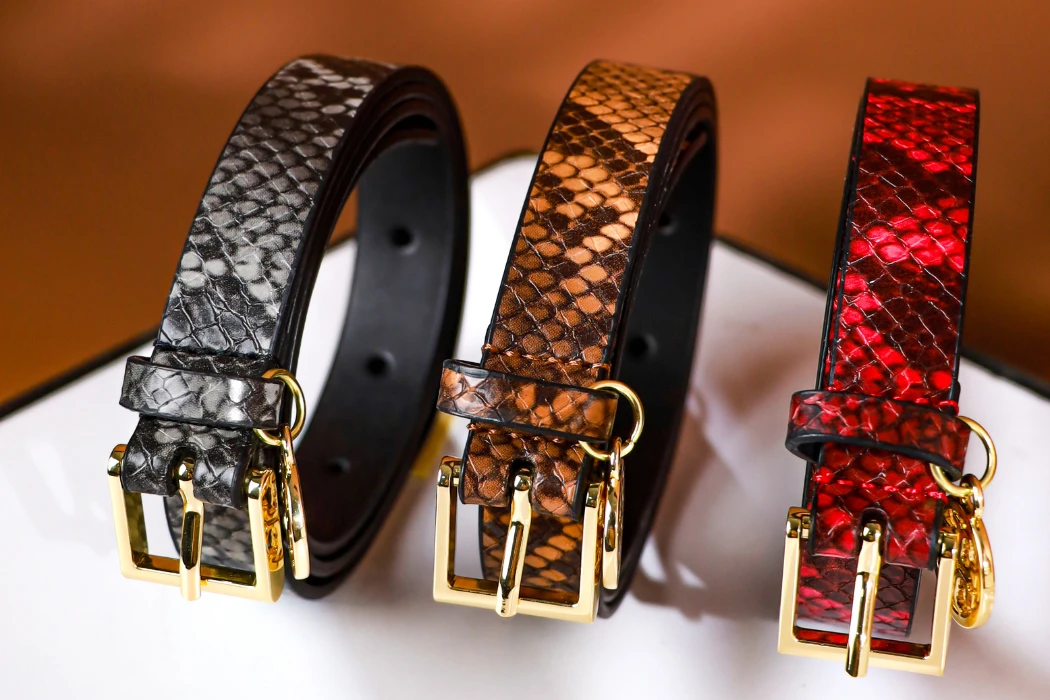
Hardware and assembly techniques completely determine the operational lifespan of heavy-duty leather belts. Even the strongest leather strap will fail if the buckle snaps or the stitching unravels. Therefore, engineers must select incredibly tough metals and use specialized sewing methods. By reinforcing every connection point, manufacturers ensure the belt safely carries heavy tools without breaking apart.
Selecting Brass Solid and Stainless Steel Buckles
The buckle is the main anchor point, so it requires extreme metallic strength.
- Factories typically avoid cheap zinc alloys and instead use a brass solid buckle or a stainless steel buckle.
- These premium metals resist severe impacts, ensuring the clasp stays locked when a worker drops a heavy 15-pound tool bag.
- Engineers often incorporate a metal roller buckle design to reduce friction against the leather strap during daily adjustments.
- Stainless steel components actively resist deep rust and corrosion in damp outdoor aviation environments.
Selecting genuine heavy-duty metals prevents catastrophic buckle failures during high-stress industrial tasks.
Monitoring Stitching Consistency and Seam Strength
Strong thread and consistent sewing patterns hold the entire belt structure together safely.
- Inspectors heavily monitor stitching consistency to ensure every thread loop sits perfectly tight against the leather.
- Factories use heavy-duty nylon or bonded polyester threads because they offer much higher seam strength than standard cotton.
- Operators often apply joints triple stitching at the buckle fold to prevent the heavy metal hardware from tearing out.
- Quality control teams check the straight stitches to confirm no loose loops exist that could snag on sharp machinery.
Flawless stitching techniques lock the leather layers together to handle extreme vertical loads.
Reinforcing Stress Points with Industrial Rivets
Hardware rivets provide crucial backup support in areas where heavy tools pull downward continuously.
- Engineers use strap rivet reinforcement alongside stitching to double the load-bearing capacity near the buckle.
- Workers punch a precise stainless steel hole before setting the rivet to prevent the surrounding leather from cracking.
- They install flat-backed rivets to guarantee a comfort back side that will not scratch the worker’s uniform or skin.
- These metal fasteners stop the leather layers from peeling apart when workers carry heavy aviation testing equipment.
Strategically placed rivets create an indestructible bond that standard thread alone cannot achieve.
| Component | Standard Retail Specification | Heavy-Duty Industrial Specification |
|---|---|---|
| Buckle Material | Lightweight Zinc Alloy | Brass Solid Buckle or Stainless Steel |
| Stitching Method | Single Cotton Thread | Joints Triple Stitching with Nylon |
| Stress Reinforcement | Glue or Basic Stitching | Strap Rivet Reinforcement |
Can Strict Testing Methods Prevent Belt Failures?
Strict testing methods absolutely prevent dangerous belt failures in the field. Industrial safety gear cannot rely on visual inspections alone. Instead, quality assurance teams push finished belts to their physical limits inside specialized laboratories. They stretch, rub, and measure every component meticulously. These aggressive tests guarantee the belt meets harsh industrial standards before it ever reaches a worker.
Executing Tensile Strength and Stress Tests
Laboratory technicians stretch the leather straps forcefully to measure their ultimate breaking point.
- Machines execute rigorous tensile strength tests by pulling the belt from both ends until the material finally snaps.
- This process proves the leather can easily support a continuous 15-pound downward pull from heavy metal tool pouches.
- Inspectors also perform sudden impact stress tests to ensure the metal buckle pins do not bend under sudden force.
- Belts that stretch too far or break early immediately fail the quality control inspection and enter the rejection pile.
Testing the maximum load capacity ensures the belt will never break and drop dangerous equipment.
Measuring Wet Rub and Dry Rub Fastness
Aviation and industrial workers sweat heavily, so the leather dye must stay locked securely inside the belt.
- Quality control experts conduct a strict wet rub fastness test using damp cloths pressed tightly against the finished leather.
- This test ensures the rich colors will not bleed onto expensive work uniforms during a hot, sweaty shift.
- Similarly, the dry rub fastness test checks if daily friction rubs away the protective top grain finish.
- Engineers require passing scores on these tests to verify the tannery applied the correct chemical sealants during production.
Rub fastness tests prove the belt will maintain its professional appearance and color integrity in harsh climates.
Verifying Dimension Accuracy and Functionality
Perfect sizing and smooth operation are mandatory for any compliant industrial safety accessory.
- Inspectors use laser tools for dimension accuracy checks to confirm the strap perfectly matches the specified 1.5-inch or 2.0-inch width.
- Accurate dimensions ensure the belt slides effortlessly through standard worker uniform loops without catching or folding over.
- The team tests the overall functionality by buckling and unbuckling the clasp rapidly hundreds of times.
- They verify the metal roller spins smoothly and the sizing holes firmly grip the buckle pin without expanding.
Checking precise measurements guarantees the belt works flawlessly with standard international workwear uniforms.
| Quality Control Test | Testing Objective | Industrial Safety Benefit |
|---|---|---|
| Tensile Strength Tests | Measure maximum pulling force before breakage | Prevents belts from snapping under heavy tool loads |
| Wet Rub Fastness | Check color stability under moisture | Stops dye from bleeding onto sweaty uniforms |
| Dimension Accuracy | Verify exact width and length metrics | Ensures perfect fit with standard tool holsters |
Why Are Global Certifications Important for Aviation Belts?
Global certifications prove that a factory consistently manufactures safe, high-quality industrial belts. Brands cannot simply claim their belts are durable. Instead, they must prove it to independent international auditors. These certifications verify that the factory uses safe chemicals, ethical labor, and standardized quality control. Therefore, partnering with a fully certified manufacturer is mandatory for global B2B buyers.
Implementing ISO9001 Quality Management Systems
The ISO9001 certification guarantees that a factory has strict rules for every single production step.
- Auditors verify that the factory documents exactly how they cut, stitch, and test every heavy-duty belt.
- This system ensures that the first belt manufactured is identical in strength and quality to the ten-thousandth belt.
- Management teams must continuously train their workers on proper safety and assembly protocols.
- If a defect occurs, the ISO system requires a strict investigation to stop the error from ever happening again.
Maintaining ISO9001 proves the factory operates with professional consistency, reducing risk for global buyers.
Meeting Leather Working Group (LWG) Standards
The Leather Working Group (LWG) certification focuses strictly on how tanneries process raw animal hides.
- LWG auditors ensure the tannery safely handles heavy chemicals used during the tanning and finishing stages.
- They verify the facility treats wastewater properly, preventing toxic pollution from entering local rivers.
- Certified tanneries must prove their raw hides come from ethical, traceable global agricultural sources.
- Sourcing from LWG tanneries allows brands to meet strict environmental regulations in European and US markets.
Partnering with LWG-certified facilities guarantees the leather is strong, safe, and environmentally responsible.
Ensuring Compliance with International Safety Protocols
Heavy-duty belts must pass specific regional safety laws before workers can wear them legally.
- Factories must pass SMETA and BSCI social compliance audits to prove they treat workers fairly and ethically.
- Belts exported to Europe must comply with REACH standards, proving the leather contains no banned toxic chemicals.
- US imports often require specific structural testing documentation to meet local industrial safety codes.
- Factories use third-party laboratories to generate official reports that guarantee the products are completely legal to sell.
Meeting these global protocols ensures the belts easily clear international customs and enter the market legally.
FAQ
What is the strongest leather for industrial work belts?
Full-grain cow leather is the strongest material for industrial belts. It retains the tight, natural top layer of the animal hide, providing maximum resistance against tearing, stretching, and surface abrasions.
How thick should a leather belt be for heavy-duty use?
A heavy-duty industrial belt should typically be 3.5mm to 4.0mm thick. This extreme thickness provides the necessary rigidity to support heavy tool holsters without sagging or folding over.
Do leather belts stretch under heavy equipment weight?
Yes, cheap leather will stretch. However, properly engineered belts cut parallel to the hide’s natural backbone line will resist stretching, even when carrying continuous 15-pound tool loads.
Can leather belts resist chemical and oil spills?
Yes, belts finished with deep oil tanning, Crazy Horse waxes, or synthetic film glazes can actively repel industrial lubricants, mild acids, and harsh aviation hydraulic fluids.
What type of hardware buckle is best for aviation use?
Engineers strongly recommend a brass solid buckle or a stainless steel buckle. These premium metals resist severe impacts and will not rust in damp or corrosive outdoor aviation environments.
How do engineers test the tensile strength of a belt?
Laboratories use specialized machines to pull the leather strap from both ends with extreme force. The tensile strength test measures exactly how much weight the belt can handle before it finally snaps.
Are full-grain leather belts better than split-grain for safety?
Absolutely. Full-grain leather maintains the natural, dense fiber structure of the surface hide. Split-grain leather is heavily sanded and processed, making it significantly weaker and prone to tearing under high physical stress.
Conclusion
Manufacturing heavy-duty leather belts requires precise material selection, specialized chemical finishes, and rigorous laboratory testing. Every detail, from the full-grain leather to the joints triple stitching and brass solid buckle, ensures worker safety. For global brands requiring these exact industrial and aviation standards, Hoplok Leather provides fully compliant, certified manufacturing solutions. Operating highly integrated facilities in China and Cambodia, Hoplok delivers durable, tested, and reliable safety belts engineered for the world’s most demanding environments.