Leather plays a critical safety role inside modern aircraft cabins. However, raw animal hides are not naturally ready to survive a fire. They must pass the strict FAR 25.853 standard before flying.
So, what exactly is FAR 25.853? It is a federal aviation regulation that mandates specific fire resistance levels for all cabin interior materials. This rule ensures that materials like seat covers and wall panels will not easily ignite or spread flames.
Because passenger safety is the top priority, the testing process is extremely rigorous. Engineers must use specialized chemicals and precise manufacturing controls to pass these tests. Next, we will break down exactly how this flammability standard works and what it means for aviation leather.
What Are the Core Requirements of FAR 25.853 for Leather?
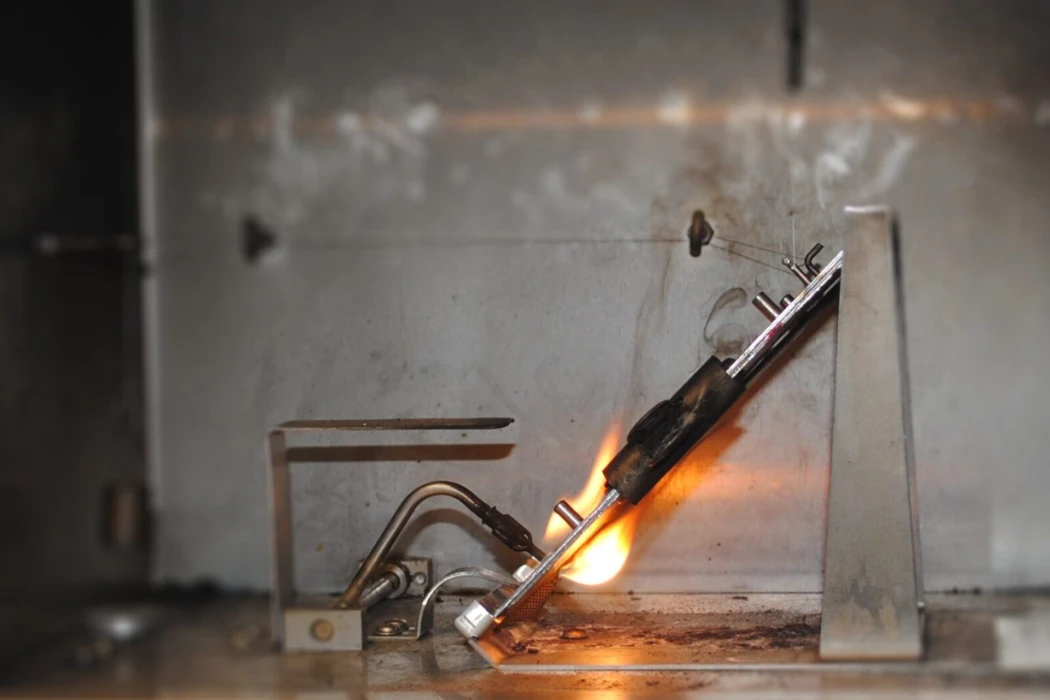
To ensure passenger safety, aviation authorities enforce a highly specific burn test. Leather materials must survive this direct flame exposure without spreading the fire.
The 12-Second Vertical Burn Test
The core of this standard is the vertical burn test.
- Technicians expose the leather to a 1550°F flame.
- The flame remains directly on the sample for exactly 12 seconds.
- The material hangs vertically, which forces the fire to travel upward.
This method aggressively tests how well the leather resists catching fire.
Burn Length Limits and Extinguishing Time
After the burner is removed, the lab measures two critical numbers.
- The flame must self-extinguish in under 15 seconds.
- The total burn damage length cannot exceed 8 inches (203 mm).
- If the fire burns longer or further, the batch fails completely.
These strict limits ensure the fire will not quickly spread across the cabin.
Drip Flame Restrictions
The standard also intensely monitors melting and dripping materials.
- Some synthetic materials melt and drop flaming pieces during the test.
- These flaming drips cannot continue burning for more than 3 seconds after hitting the floor.
- Natural leather usually ashes instead of melting, making it much safer here.
Controlling flaming drips prevents secondary fires from starting on the cabin floor.
| Test Parameter | Maximum Allowed Limit (FAR 25.853(b)) |
|---|---|
| Direct Flame Exposure | 12 seconds |
| Flame Time After Removal | 15 seconds |
| Total Burn Length | 8 inches (203 mm) |
| Drip Extinguishing Time | 3 seconds |
How Do Engineers Treat Leather to Pass Flammability Tests?
Raw animal skins burn easily. Therefore, tanneries must completely alter the internal chemistry of the hide to meet aviation safety laws.
Flame Retardant Chemical Soaking
Raw leather needs major chemical help to stop fires.
- Engineers soak the hides in specialized chemical fat liquors.
- These synthetic oils bond deeply with the microscopic leather fibers.
- During a fire, these chemicals release gases that push oxygen away.
This soaking process builds permanent fire resistance directly into the material core.
Surface Coating Adjustments
The protective topcoat on the leather also plays a major role.
- Workers apply a thin, sealed polyurethane or acrylic finish.
- This layer locks the flame retardant chemicals safely inside the hide.
- However, a thick plastic topcoat can burn too quickly and fail the test.
So, engineers must perfectly balance the coating thickness for both safety and beauty.
Managing Leather Thickness and Density
Physical thickness drastically changes how the fire behaves.
- Denser hides naturally block flames better than loose, porous hides.
- Standard aviation leather is usually milled to exactly 1.0mm to 1.2mm thick.
- Thinner leather catches fire faster, while overly thick leather traps heat inside.
Therefore, precise density control is absolutely essential during the early manufacturing stages.
Why Do Natural Leather Characteristics Affect Fire Resistance?
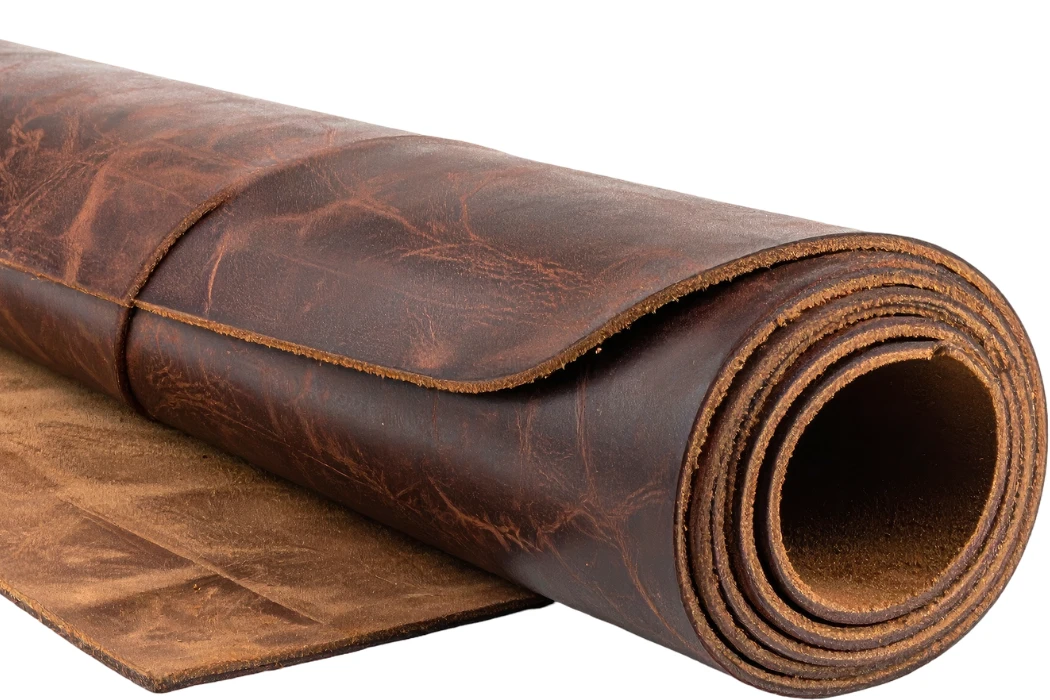
Leather is an organic material. Because of this, its natural physical properties heavily influence how it reacts to a 1550°F flame.
The Impact of Fat Liquors and Oils
Natural animal oils can be highly flammable in the air.
- Standard fashion leathers use natural fats that act as dangerous fuel.
- Aviation leather replaces these entirely with synthetic, fire-resistant oils.
- Too much oil creates heavy smoke, but too little makes the leather crack.
Finding the perfect oil balance is always a complex engineering challenge.
Grain Structure versus Split Leather
The specific cut of the hide impacts the burn test directly.
- Top-grain leather has a tight, dense surface that effectively deflects heat.
- Split leather is looser and easily allows oxygen to feed the flame.
- Because of this, split leathers require much heavier and costly chemical treatments.
Top-grain hides are almost always preferred for high-safety aviation seating projects.
Moisture Content in Aviation Environments
Water hiding inside the leather actually helps fight the fire.
- Healthy aviation leather holds exactly 12% to 14% internal moisture.
- This water turns to steam during a fire, absorbing massive amounts of heat.
- Unfortunately, dry aircraft cabin air can slowly pull this vital moisture out.
Regular maintenance ensures the leather keeps its natural water barrier fully intact.
| Material Type | Natural Burn Behavior | Chemical Treatment Level Needed |
|---|---|---|
| Top-Grain Natural Leather | Chars and ashes slowly | Moderate (Deep fat liquors) |
| Split Suede Leather | Ignites and burns quickly | High (Heavy chemical load) |
| Synthetic PU Leather | Melts and drops flaming drips | Very High (Anti-drip compounds) |
Which Testing Methods Validate Aviation Leather Compliance?
Passing the standard is not just about burning a piece of leather. It requires a highly controlled, scientific laboratory environment to ensure global accuracy.
Sample Preparation and Conditioning
Labs cannot just burn random pieces of leather off the factory floor.
- They cut exactly three samples measuring 3 inches by 12 inches.
- These samples sit in a climate chamber for exactly 24 hours.
- The chamber stays at a strict 70°F (21°C) and 50% relative humidity.
This strict conditioning ensures every test is fair and mathematically accurate.
Using the Bunsen Burner Apparatus
The actual fire source is highly controlled by a machine.
- Testers use a standard Bunsen burner fed by pure methane gas.
- The flame height is locked at exactly 1.5 inches (38 mm).
- The flame sits precisely 0.75 inches (19 mm) below the bottom leather edge.
This exact positioning guarantees the fire hits the material’s weakest point.
Documenting the Test Results
Every single detail is recorded for the federal aviation authorities.
- High-speed cameras often record the exact second the flame extinguishes.
- Technicians measure the final burn mark with precision laser calipers.
- A certified lab director physically signs the final flammability compliance document.
Without this signed paperwork, the leather simply cannot board a commercial aircraft.
How Does FAR 25.853 Impact Custom Aviation Accessories?
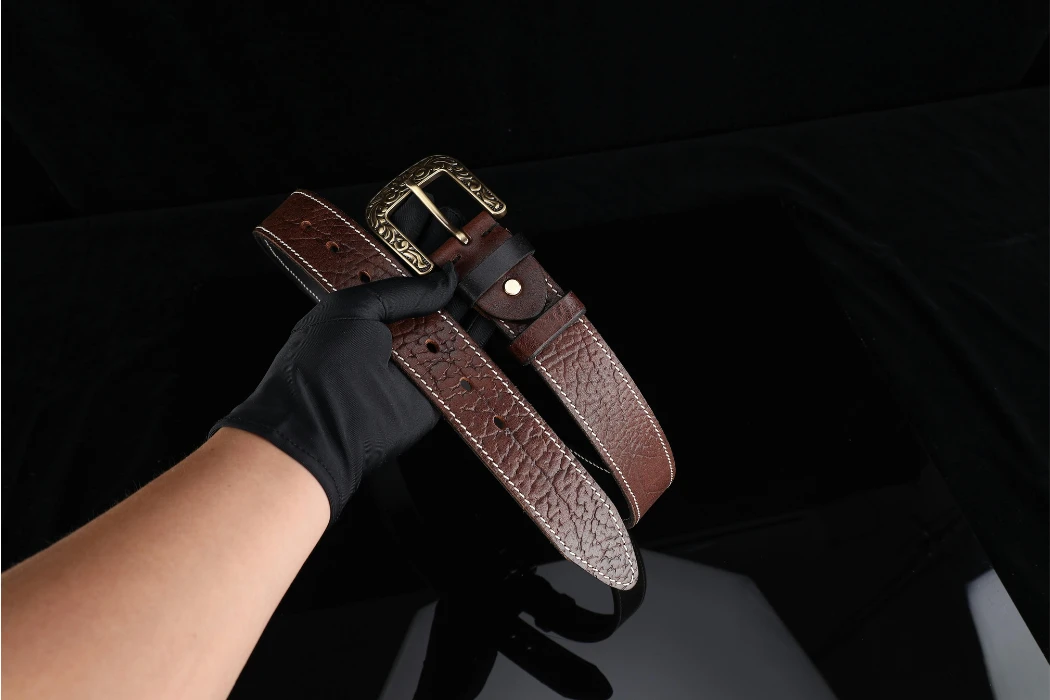
The flammability standard does not just apply to raw leather. It strictly governs how complete accessories and custom interior parts are designed and built.
Material Selection for Seat Covers and Panels
Every piece of fabric inside the cabin matters for legal certification.
- Seat covers must easily pass the standard 12-second vertical test.
- Large wall linings face an even harder 60-second flame exposure test.
- Custom pockets or decorative leather layers must also pass these identical rules.
Designers must carefully choose pre-approved materials before they even sketch the final product.
Thread and Stitching Flammability
Even the smallest manufacturing details can cause a massive safety failure.
- Standard cotton sewing threads catch fire and burn very quickly.
- Aviation accessories must use strong, fire-resistant nylon or Kevlar threads instead.
- Also, chemical glues used inside leather seams must be specially formulated.
A single flammable thread can completely ruin an entire custom leather panel.
Certification and Traceability
Aviation safety authorities demand extremely clear manufacturing paper trails.
- Every single leather batch gets a unique, permanent digital tracking number.
- Factories must keep the original burn test certificates securely for years.
- If an inspector asks, the brand must instantly prove where the leather originated.
This strict tracking absolutely protects passengers and keeps global airlines fully compliant.
Frequently Asked Questions
Is all genuine leather naturally fire retardant?
No, standard genuine leather is not naturally fire retardant enough for aviation use. It always requires specialized chemical tanning to pass the strict 12-second vertical burn test mandated by FAR 25.853.
What happens if aviation leather fails the 12-second test?
If a leather sample fails the 12-second test, the lab rejects the entire batch. The material cannot be installed in aircraft. Engineers must completely reformulate the chemicals before submitting a new batch.
Can you wash aviation leather without losing fire resistance?
Yes, but you must only use approved aviation cleaning methods. Harsh industrial solvents can strip the topcoat, potentially degrading the material’s ability to self-extinguish within the required 15 seconds.
Do synthetic PU leathers pass FAR 25.853 easier than real leather?
No, synthetic polyurethane (PU) leathers generally face a much harder time passing. Standard PU melts easily, so engineers must heavily load it with flame retardants to prevent dangerous flaming drips.
How long does the flame retardant treatment last on airplane seats?
The fire resistance is chemically built directly into the tanning process. Because it is not just sprayed on the surface, it lasts for the entire operational lifespan of the leather seat cover.
What is the difference between FAR 25.853(a) and (b)?
FAR 25.853(a) requires a severe 60-second test for major components like wall panels. FAR 25.853(b) requires the standard 12-second test for seat cushions, leather upholstery, and smaller cabin accessories.
Meeting Aviation Flammability Standards in Manufacturing
Passing the FAR 25.853 standard requires absolute control over every stage of leather production. Engineers must perfectly balance chemical fat liquors, hide density, and moisture content to survive the 1550°F flame. Creating custom aviation accessories demands even tighter oversight, as every layer of glue and thread impacts the test. For global brands seeking to guarantee these exact compliance standards, Hoplok provides integrated manufacturing solutions. With over 22 years of expertise and our own Pro Pelli tannery, we ensure every custom leather product passes strict aviation protocols.