Choose between nylon and leather handbags by comparing the actual material and finished construction against the intended use. Neither material name establishes a lifespan, waterproof rating or universal abrasion advantage.
A useful sourcing brief defines the carrying load, target weight, appearance, exposure and care requirements. The body material, lining, seams, handles, zippers and reinforcement all contribute to performance.
This guide compares the specification and testing questions for nylon, leather and mixed-material bags. Use approved samples and relevant reports to decide which construction fits the collection.
What Determines the Structural Durability of Each Material?
Bag strength depends on the material, pattern, seams, reinforcement, hardware and attachment design. Denier and leather thickness are useful specification fields, but neither predicts the completed bag’s performance on its own.
Leather: The Power of the Collagen Matrix
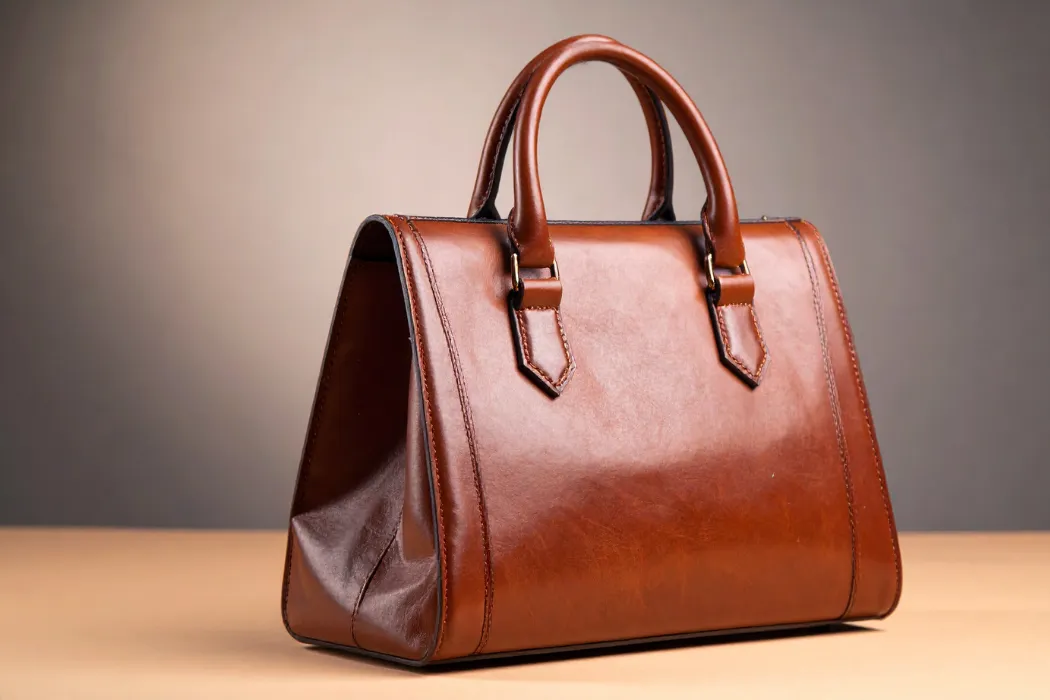
Leather’s fibrous structure is one part of its performance. Specify the species, layer, thickness, finish and acceptable variation, then test relevant material and handle-attachment properties. Do not assume that a full-grain tote can carry any load without tearing.
Nylon: Reading Beyond the Denier Number
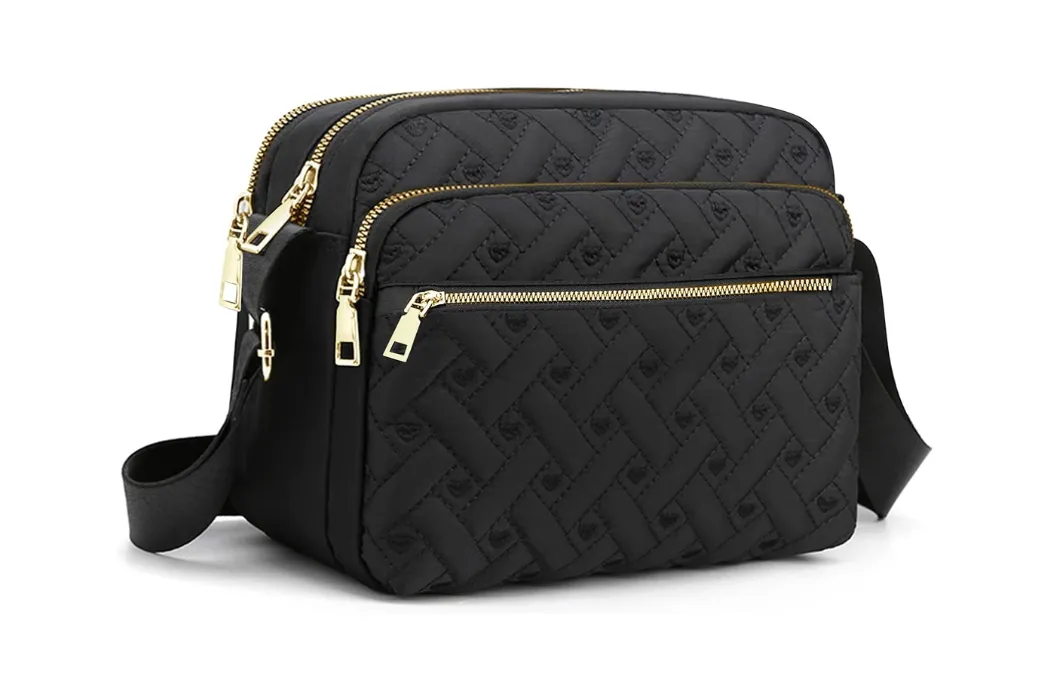
For nylon fabric, record yarn specification, weave, fabric weight, coating or backing and finish. Denier describes yarn linear density, not fabric weave density or a guaranteed strength ranking. Approve seam, tear and abrasion performance for the selected fabric and construction.
How Do They Handle Elements and Abrasion?
Assess the actual surface finish, fabric treatment, backing and assembled bag. Leather and nylon constructions vary widely. Define water, stain, abrasion or light-exposure requirements where relevant and test the claimed property under stated conditions.
Water Resistance: Material and Assembly Checks
Nylon is a polyamide and can absorb moisture; it should not be described as a material that cannot absorb water. Fabric wetting and bag water ingress also depend on coatings, seams and closures. Leather water response depends on its processing and finish. Test the full bag before making a waterproof or contents-protection claim.
Stain Resistance: Oil vs. Coffee
Test relevant stains and cleaning procedures on the selected materials. A coating can affect absorption and cleanability, but nylon does not repel every oil and leather does not always stain instantly. Approve care instructions for the complete bag.
Environmental Resistance Matrix
| Exposure | Leather review | Nylon review |
|---|---|---|
| Water | Finish response and whole-bag ingress | Treatment/backing, seams and closures |
| Stains | Approved stain and cleaning checks | Approved stain and cleaning checks |
| Light | Color and finish stability | Color and fabric stability |
| Abrasion | Surface and attachment performance | Fabric, seam and coating performance |
| Storage | Moisture and packing conditions | Moisture, backing and packing conditions |
Which Material Ages Better: Patina or Degradation?
Define the appearance expected after use. Some leather finishes develop visible patina; both leather and nylon products can suffer damage or discoloration. Neither a ten-year comparison nor a universal vintage-versus-disposable distinction is justified by the material name.
Evaluating Leather Appearance After Use
An oiled or waxed surface may disguise some light scuffs after suitable treatment, but leather is not self-healing tissue. Structural tears and worn coatings require separate assessment. Avoid promising that every scratch improves the product.
Evaluating Nylon Fabric and Backing After Use
Evaluate the chosen fabric and backing for the expected exposure and care. Fading, abrasion or coating deterioration are possible failure modes to assess, not an inevitable fixed five-to-seven-year deadline. A nylon bag is not inherently disposable.
Repairability: Can You Fix a Tear?
Repair options depend on access, construction, damage and available components. Both leather and textile bags may allow patching, seam repair or component replacement. Discuss repairability during development and set warranty terms from evidence and service capability, not a material label.
What Are the Maintenance Requirements for Each?
Validate care instructions for the material finish and complete bag. Do not prescribe a fixed conditioner schedule for all leather or assume every nylon bag can be washed with dish soap. Lining, adhesives and hardware also affect cleaning suitability.
Leather Care Instructions to Validate
Agree cleaning, storage and any conditioning treatment with the material supplier, then check it on the sample. Some products can discolor or damage a finish. Avoid a universal saddle-soap routine or an unsupported prediction that untreated handles fail within a fixed period.
Nylon Bag Cleaning Instructions to Validate
Confirm whether the assembled bag is wipe-clean or washable and how it should be dried. Test the proposed method on the fabric, backing, trim, lining and hardware. A synthetic body does not make every stain or spill harmless.
Maintenance & Care Comparison
| Care decision | Buyer evidence |
|---|---|
| Cleaning method | Approved instructions for all components |
| Frequency | Guidance based on use and finish |
| Products to use | Compatibility checked on the sample |
| Drying/storage | Conditions that preserve shape and materials |
| Repair | Access, replacement parts and service plan |
Which Material is Right for Your Brand’s Collection?
Compare the collection’s target weight, shape, feel, carrying function, appearance and price with the approved alternatives. Retail positioning does not force one material choice, and no fixed markup or resale advantage follows from using leather.
Scenario A: The Daily Commuter / Tech Bag
For a bag carrying a laptop and everyday items, define internal dimensions, carrying load, empty weight and protection requirements. Compare nylon, leather and hybrid samples with the same contents. Test handles, straps, seams and closures rather than assuming a denier value or leather trim guarantees protection.
Scenario B: The Boardroom / Statement Piece
For a structured briefcase or tote, specify the desired shape, standing behavior and surface appearance. Either body material may use reinforcement to achieve structure. Approve the assembled design rather than assuming nylon must slouch or leather automatically improves with age.
Material Selection Guide for Brand Managers
| Collection priority | What to compare |
|---|---|
| Low empty weight | Actual completed-sample weight |
| Structured profile | Panels, reinforcement and standing test |
| Exposure protection | Relevant material and whole-bag results |
| Surface character | Approved texture, gloss and expected wear |
| Cost | Equivalent specifications, quantities and delivery scope |
Frequently Asked Questions
Use these questions to compare actual bag specifications and evidence.
1. Is nylon cheaper than leather?
It can be, but compare equivalent material, construction, hardware and order requirements. Retail price is not a direct measure of raw-material cost.
2. Can nylon bags look professional?
Yes. Define the desired structure, proportions, surface and hardware in the brief and assess the sample against the intended collection.
3. Does leather scratch easily?
Scratch behavior depends on the leather and finish. Test appearance and handling requirements on the selected sample; surface scuff blending does not mean structural self-repair.
4. Is nylon waterproof?
The nylon name does not establish waterproofness. Coating, fabric construction, seams and closures affect the completed bag. Validate any water-protection claim using an appropriate test and stated conditions.
5. What should buyers verify about recycled nylon?
For recycled-nylon sourcing, identify the actual yarn and chain-of-custody evidence. Prada describes Re-Nylon as using Aquafil’s ECONYL regenerated nylon. It is a specific brand program, not a generic name for all recycled nylon or a basis for inferring another factory’s capabilities.
6. How should buyers specify an easy-clean travel bag?
For a high-spill travel or everyday bag, compare weight, access, stain resistance and the approved cleaning method on the complete sample. Material choice alone does not establish cleanability or suitability.
Conclusion: The Intersection of Function and Luxury
Choose the material and construction that meet the collection brief, then approve samples and the relevant tests. A hybrid bag can be considered where it serves a defined design purpose, with each interface checked. For Hoplok custom bag development, share intended use, dimensions, materials, quantities and target requirements so availability and feasibility can be reviewed.