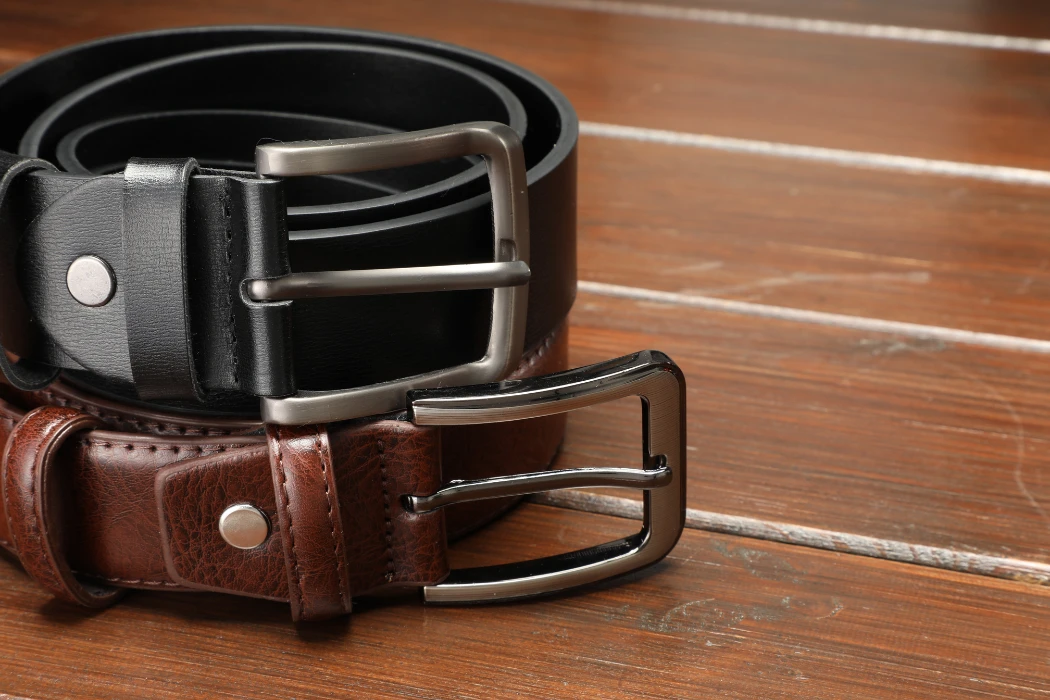
The fourth quarter is the busiest and most profitable time for global retail. Fashion brands absolutely need their leather belts on the shelves before the holiday rush begins. But peak season often brings severe manufacturing delays. Supply chains slow down, and missed delivery dates can easily ruin a brand’s yearly revenue targets.
Belt production lead times stretch dangerously during Q4 because raw material sourcing bottlenecks occur and overseas factories hit their maximum capacity. Smart brands prevent these costly delays by forecasting their high-volume core styles months in advance. They also standardise their hardware and leather textures. Most importantly, successful buyers avoid delays by partnering with vertically integrated manufacturers. Because these manufacturers control their own leather finishing facilities, they do not have to wait for external tanneries to deliver raw materials.
Understanding the exact root causes of these seasonal delays is the crucial first step to fixing them. So, let us explore exactly why these manufacturing bottlenecks happen. Then, we will look at how modern supply chain strategies keep holiday belt inventory moving smoothly and arriving on time.
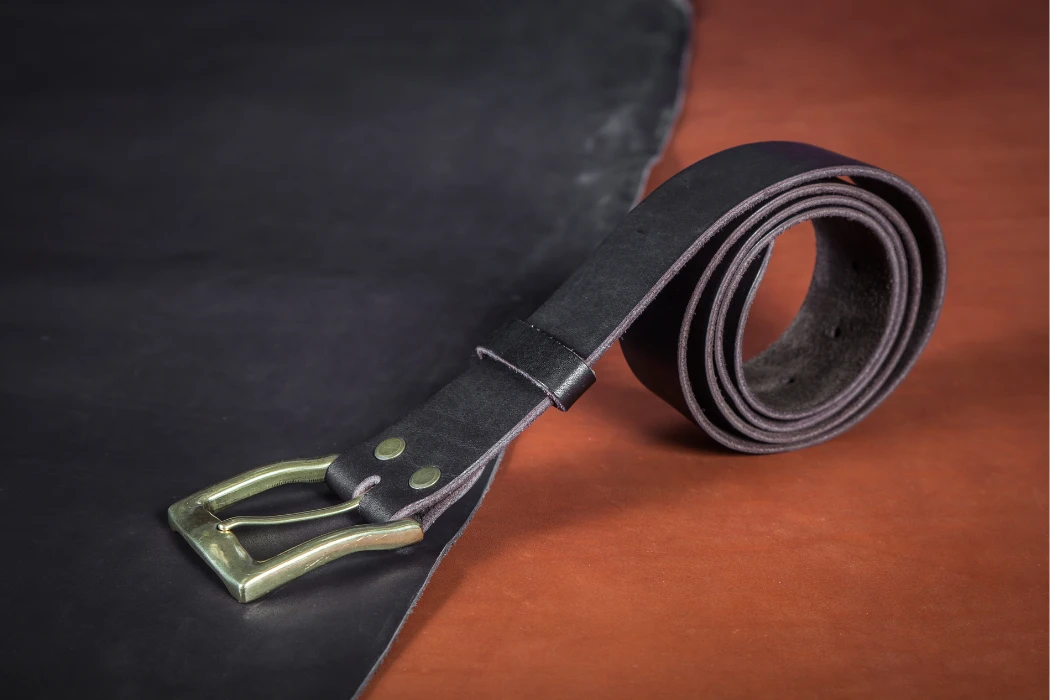
Why Do Q4 Belt Orders Experience Longer Lead Times?
Q4 belt orders take longer because global raw material supplies shrink and factories reach their absolute maximum limits. Every major fashion brand places their holiday orders at the exact same time. This massive sudden demand creates a severe production backlog. Tanneries run out of hides, cutting rooms overflow, and global shipping ports become extremely congested.
Many retail buyers assume that belt manufacturing is a fast, entirely automated process. They expect factories to simply turn on a machine and output thousands of belts. In reality, creating high-quality leather goods requires multiple precise, physical steps. Every single step becomes a potential traffic jam when global demand peaks between September and November. Leather engineers break down these seasonal delays into three main bottleneck categories.
Raw Material Sourcing Bottlenecks
Tanneries struggle to process enough leather hides during the late summer months to prepare for the massive Q4 rush.
- Tanneries need raw hides from reliable countries like Italy, Brazil, and Argentina. But global supply chains often delay these massive raw shipments.
- Processing specialised finishes, like crazy horse or vegetable-tanned leather, requires strict chemical curing times. Factories absolutely cannot skip these steps to save time.
- For example, thick full-grain cow leather used for men’s belts takes much longer to dry and finish than thin synthetic materials.
- Most stable tanneries only maintain a daily output of 20,000 to 50,000 square feet. They cannot suddenly double this volume overnight just because demand spikes.
So, if a factory does not stockpile raw crusts early, they will wait weeks just to receive the basic leather material.
High-Volume Factory Capacity Constraints
Belt manufacturing requires precise physical labour and highly specialised machinery that cannot run constantly without maintenance.
- A standard high-volume facility can comfortably produce 600,000 to 800,000 PU belts per month.
- Producing real leather is much slower. Facilities usually max out at 200,000 to 300,000 genuine leather belts per month.
- Workers must perform slow, careful tasks like edge burnishing, precise stitching, and attaching YKK metal zippers or heavy brass solid buckles.
- Every custom detail adds time. If a brand orders complex braided leather belts or requests deep embossed logo stamping, the workers must slow down to ensure perfect quality.
Because machines and skilled workers have hard daily limits, huge Q4 order volumes simply pile up in the factory queue.
Logistics and Global Shipping Delays
Moving finished leather belts from manufacturing hubs in Asia to Western retail markets becomes incredibly difficult during the final months of the year.
- Ocean freight vessels frequently experience “blank sailings”. This means large container ships skip entire ports because they are already completely full.
- Customs clearings take much longer. Inspectors must check large shipments for strict compliance with rules like REACH in Europe or CPSIA in the USA.
- Local truck transport from the destination port to the brand’s retail warehouse faces massive holiday driver shortages.
- Air freight becomes a very expensive alternative. Brands might pay triple the normal shipping rate to fly a pallet of 38mm waxy matte veg belts just to meet a Black Friday deadline.
Even if a factory finishes a belt order perfectly on time, intense port congestion can easily add another two to three weeks to the total delivery schedule.
How Does Vertical Integration Speed Up Belt Manufacturing?
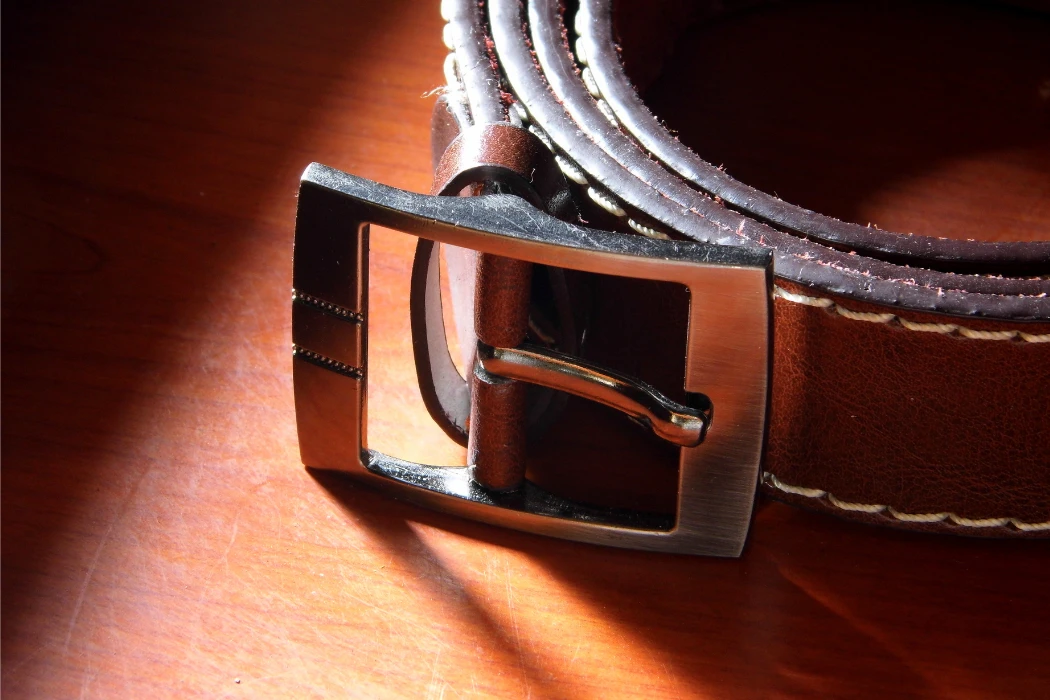
Vertical integration speeds up production because the manufacturer owns both the assembly factory and the leather finishing tannery. They process raw crusts directly in-house instead of waiting for external suppliers. This totally removes shipping delays between different vendors and cuts the overall lead time significantly.
The Advantage of In-House Leather Finishing
Having an in-house finishing facility allows factories to control the exact colour and texture of the leather immediately.
- Workers can quickly formulate specific effects like oil tanned, vintage/washed, or crackled leather right next to the main assembly line.
- A self-owned finishing facility can output up to 1,000,000 square feet of processed leather per month. This provides a massive material buffer during peak holiday seasons.
- Engineers can match Pantone color codes instantly on the factory floor without shipping sample swatches back and forth across the ocean.
- Quality controllers test the finished hides on the spot. So, they ensure only the best materials move directly into the cutting room.
Therefore, the factory never pauses its final belt production while waiting for a delayed chemical treatment from another independent company.
Eliminating Dependency on External Tanneries
Buying pre-finished leather from independent tanneries creates massive timeline risks during the fourth quarter.
- Independent tanneries usually prioritise their largest local clients first. This often forces overseas belt factories to the absolute bottom of the waiting list.
- A vertically integrated facility buys stable raw crusts from Leather Working Group certified tanneries in places like Korea or India well before the Q4 rush begins.
- They stockpile these basic raw crusts safely in their own dedicated on-site chemical and crust warehouses.
- When a retail brand places a large order, the factory simply moves the crusts from the warehouse straight to their own finishing machines.
Because they fully control the raw material inventory, vertically integrated manufacturers can start cutting and sewing almost immediately after the brand approves the final design.
| Production Stage | Traditional Separated Supply Chain | Vertically Integrated Factory |
|---|---|---|
| Material Sourcing | Wait 30 to 45 days for external tannery delivery | Pull crusts from internal warehouse in 1 to 2 days |
| Custom Finishing | Added transit time of 7 to 14 days between vendors | Finished in-house immediately alongside final assembly |
| Quality Corrections | Takes weeks to return and replace bad leather batches | Fixed on the spot within 24 to 48 hours |
| Total Bulk Lead Time | Often exceeds 45 to 60 days during peak Q4 | Usually completed reliably in 15 to 20 days |
What Role Does Dual-Country Manufacturing Play in Peak Season?
Dual-country manufacturing solves peak season problems by splitting orders across two different nations. Factories use China for complex, high-fashion developments and Cambodia for massive, cost-efficient bulk production. This strategy speeds up delivery times, avoids sudden factory bottlenecks, and helps brands legally bypass expensive import tariffs during the busiest time of the year.
Balancing Complex Designs and High Volume Production
Allocating different belt styles to specific regional factories prevents the assembly lines from slowing down.
- Factories in China usually act as the core development hub because they possess decades of advanced technical experience.
- Workers there handle complex constructions, fast sampling, and premium materials like delicate suede leather or intricate braided leather belts.
- Designers based in Western markets send trend reports directly to the Chinese development hub. Then, the Chinese team sources the exact YKK metal zippers before transferring the final tech pack to mass production.
- Meanwhile, factories in Cambodia focus entirely on large-scale, high-volume manufacturing for simpler, everyday styles.
- A robust Cambodian facility can easily output 600,000 to 800,000 PU belts and 200,000 to 300,000 genuine leather belts every single month because they utilise huge, streamlined production floors.
So, brands receive their complicated boutique items and their massive volume orders at the exact same time without stressing a single factory.
Mitigating Tariff and Supply Chain Risks
Operating across two countries acts as a powerful safety net against unpredictable global trade taxes and sudden local disruptions.
- Importing leather goods directly from China into the USA often triggers high trade tariffs, which destroys a brand’s Q4 profit margin.
- However, shipping identical belts from Cambodia often qualifies for duty-free status or significantly lower tax rates.
- Brands saving major percentages on import taxes can reinvest that money into better raw materials, like upgrading from synthetic materials to top-grain leather.
- If a severe weather event or local power outage stops production in one region, the manufacturer simply shifts the order to the other country.
- Both locations follow strict global compliance rules like BSCI, SMETA, and ISO9001, so the physical quality never drops when an order moves.
Because production remains flexible, brands completely avoid unexpected customs fees and secure their inventory even during a global crisis.
| Production Hub | Primary Manufacturing Focus | Best Used For | Key Strategic Advantage |
|---|---|---|---|
| Dongguan, China | Advanced R&D and complex constructions | Custom hardware, braided leather, and premium materials | Unmatched technical skill and fast 2 to 7 days sampling |
| Kandal, Cambodia | High-volume, large-scale assembly | Core PU belts and standard genuine leather belts | Massive monthly capacity and favourable tariff reductions |
When Should Buyers Finalize Designs and Order Samples?
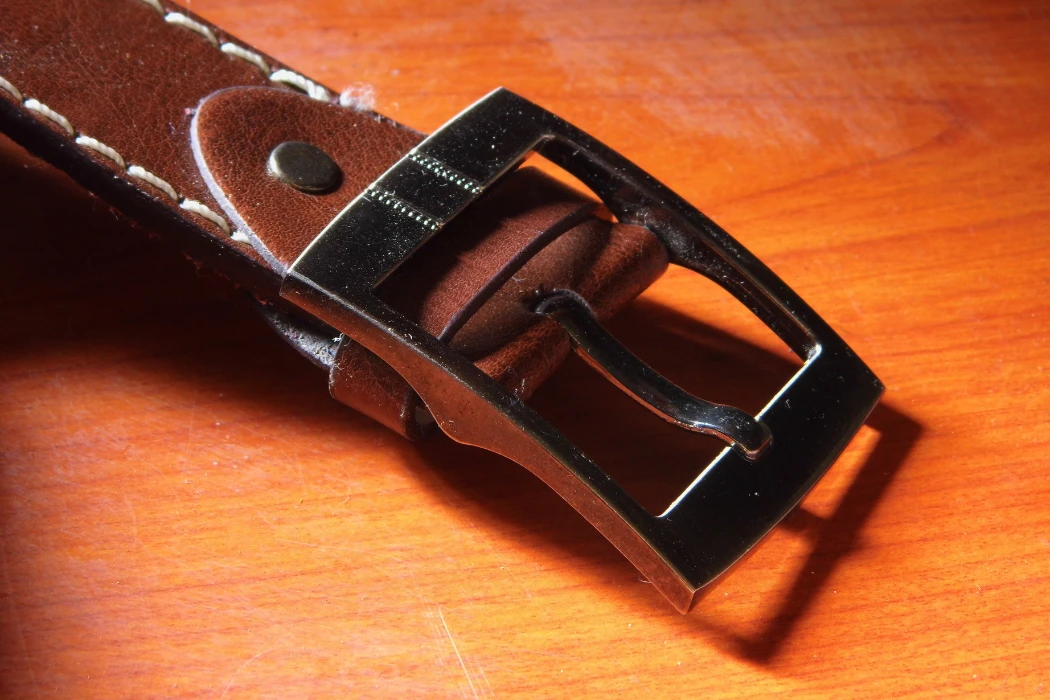
Buyers must finalise all belt designs and order their physical samples by July or early August at the latest. Waiting until September guarantees severe holiday shipping delays. Approving samples in late summer protects the brand. It gives vertically integrated factories enough time to source raw crusts and produce the bulk order. Then, the factory ships the inventory before global ports choke up.
Forecasting High-Volume Core Belt Styles Early
Smart purchasing managers secure their factory production slots by predicting their biggest sellers months before the holiday season.
- Brands must identify their essential staples, like classic genuine leather belts or reversible dress belts, during the spring months.
- Locking in these high-volume designs early allows the factory to order massive batches of raw materials from Italy or Argentina.
- Retailers often reserve up to 80% of their Q4 budget for these proven, safe styles.
- They leave only a small 20% margin for last-minute trendy items, like studded belts or fashion waist belts.
Forecasting the core collection early guarantees that the factory will never run out of the brand’s most profitable products.
Standardizing Hardware and Leather Textures
Reusing the same buckles and leather finishes across multiple different belt designs drastically speeds up the entire sampling process.
- Custom hardware, like a uniquely shaped brass solid buckle, takes weeks to mold and cast from scratch.
- Brands save massive amounts of time by selecting high-quality, pre-existing stainless steel holes or standard roller buckles.
- Buyers should also limit their leather base options to two or three versatile textures, such as pebble grain or smooth full-grain leather.
- The factory can then buy these materials in huge, efficient bulk quantities instead of waiting for dozens of tiny, separate leather shipments.
Therefore, standardising components allows factories to build a diverse belt collection much faster and with fewer supply chain risks.
Utilizing the 2-to-7 Day Fast Sampling Benchmark
Advanced manufacturing hubs use rapid sampling techniques to help buyers confirm physical details before launching full bulk production.
- A professional sample room can create a fully finished prototype in just 2 to 7 days.
- Designers first send their technical packs and digital 3D imagery directly to the factory development team.
- The development team quickly pulls standard materials, like PU leather or heavy cowhide, straight from their internal stockroom.
- They build the physical sample and ship it via express air freight so the brand can test the tensile strength and visual appeal immediately.
Because this rapid sampling phase happens so quickly, brands can confidently approve massive bulk orders well before the autumn manufacturing bottlenecks begin.
How Can Brands Ensure Quality During Rushed Q4 Production?
Brands ensure quality during rushed Q4 production by implementing rigid, multi-stage inspection protocols. Factories must monitor every single step, from raw leather selection to final hardware assembly. Buyers should also mandate specific physical tests, such as tensile strength and color fastness. Because the timeline is incredibly tight, strict quality control prevents disastrous product returns and protects the brand’s reputation during the critical holiday shopping season.
Implementing Strict Multi-Stage Quality Control
A robust quality control system catches tiny manufacturing errors long before the final belts ever reach the shipping carton.
- Inspectors first check the raw full-grain leather for natural imperfections, exact thickness, and proper grain direction.
- Then, they monitor the cutting process to ensure workers minimise waste and cut every strap to the exact millimetre.
- During assembly, technicians verify that the stitching alignment is perfectly straight and that the seam strength meets heavy-duty standards.
- Finally, the factory must finish the edges carefully so that treatments like oil waxed or vintage/washed look consistent across the entire bulk order.
Therefore, catching these minor visual and structural defects early prevents factories from scrapping entire batches of expensive leather.
Mandatory Testing for Tensile Strength and Color Fastness
Physical testing guarantees that the finished belt will survive daily wear and tear without snapping or bleeding dye onto clothing.
- Factories must perform strict tensile strength tests to ensure the belt strap can withstand heavy pulling without tearing or stretching out of shape.
- Technicians also execute wet rub fastness and dry rub fastness tests on every dyed batch of leather.
- This rubbing process proves that vibrant colours, especially on dark suede leather or PU leather, will never stain a customer’s light-coloured trousers.
- Inspectors then vigorously test the metal roller buckles and clasps to confirm they fasten securely and operate smoothly.
Because machines measure these physical properties objectively, retail brands can confidently guarantee long-lasting performance for their holiday shoppers.
| Inspection Phase | Key Elements Checked | Defect Prevented |
|---|---|---|
| Raw Material Verification | Leather grain, thickness, hardware finish | Scratched buckles, uneven leather texture |
| In-Line Production Monitoring | Accurate cutting, stitching alignment | Crooked seams, incorrect belt dimensions |
| Physical Performance Testing | Tensile strength, color fastness | Snapped straps, dye bleeding on clothes |
| Final Pre-Shipment Inspection | Packaging compliance, functional clasps | Broken hardware, rejected retail shipments |
Frequently Asked Questions
How early should brands place Q4 belt orders?
Brands should finalise designs and place bulk orders by July or early August. This early timing gives factories enough runway to source raw leather and finish bulk production before shipping ports become hopelessly congested in October.
What is the average lead time for bulk belt production?
Traditional supply chains often take 45 to 60 days during peak seasons. But vertically integrated factories usually finish bulk orders in just 15 to 20 days because they process their own raw materials directly in-house.
Can buyers speed up custom leather belt sampling times?
Yes, buyers speed up sampling by standardising hardware and leather textures. When factories use their in-stock materials, they can build and ship a fully finished prototype in just 2 to 7 days.
How does global leather sourcing affect belt lead times?
Sourcing leather from independent tanneries adds massive delays. If a factory waits for external suppliers to deliver finished leather, the entire assembly line pauses. Owning an internal finishing tannery completely eliminates this dangerous waiting period.
What are the most common delays in Q4 belt manufacturing?
The most common delays include raw hide shortages, factory capacity limits, and severe ocean freight congestion. These bottlenecks happen because every major retail brand places massive volume orders at the exact same time.
How do manufacturers handle sudden Q4 volume spikes?
Smart manufacturers use a dual-country strategy. They shift complex, high-fashion designs to development hubs in China. Then, they route massive volume orders to streamlined assembly plants in Cambodia to prevent dangerous factory overloads.
Does ordering PU belts take less time than genuine leather belts?
Yes, manufacturing synthetic PU belts is generally faster than genuine leather. PU materials do not require long chemical curing times. A high-volume facility can easily output up to 800,000 PU belts per month.
Securing Your Peak Season Belt Inventory
Managing peak season belt production requires smart planning, rapid sampling, and strict quality control. Brands absolutely must bypass raw material bottlenecks to deliver their holiday inventory on time. Relying on traditional, fragmented supply chains creates dangerous delays. So, smart buyers choose vertically integrated partners. Hoplok Leather Goods provides this exact manufacturing solution. With dual-country factories in China and Cambodia, plus an in-house leather finishing facility, Hoplok delivers premium custom belts in just 15 to 20 days. Partner with Hoplok today to secure your Q4 supply chain and protect your holiday revenue.