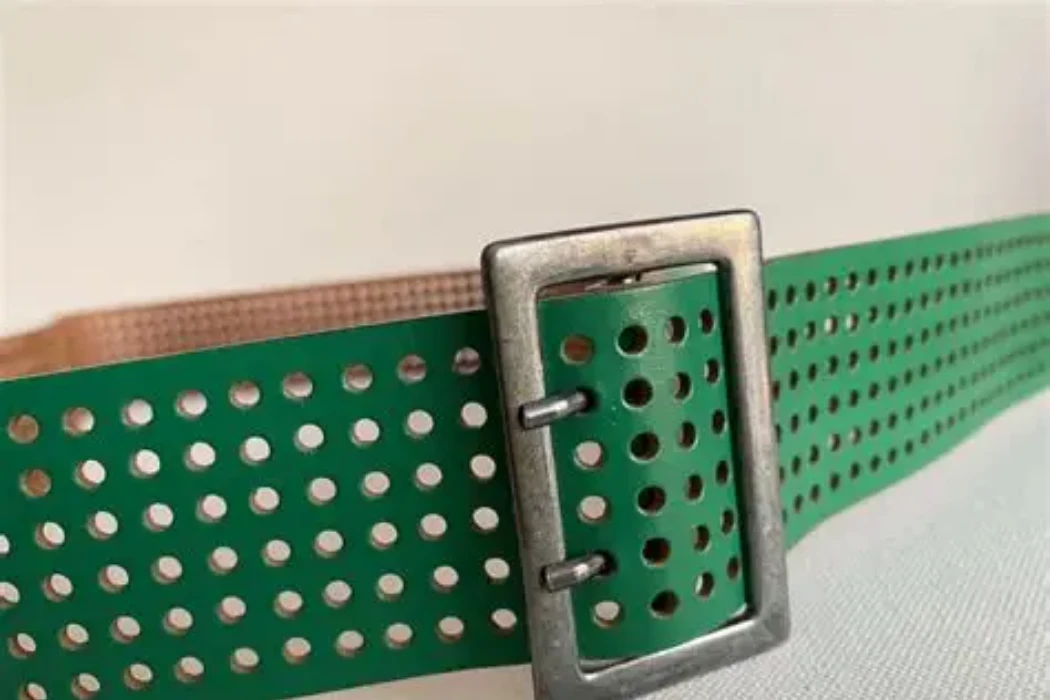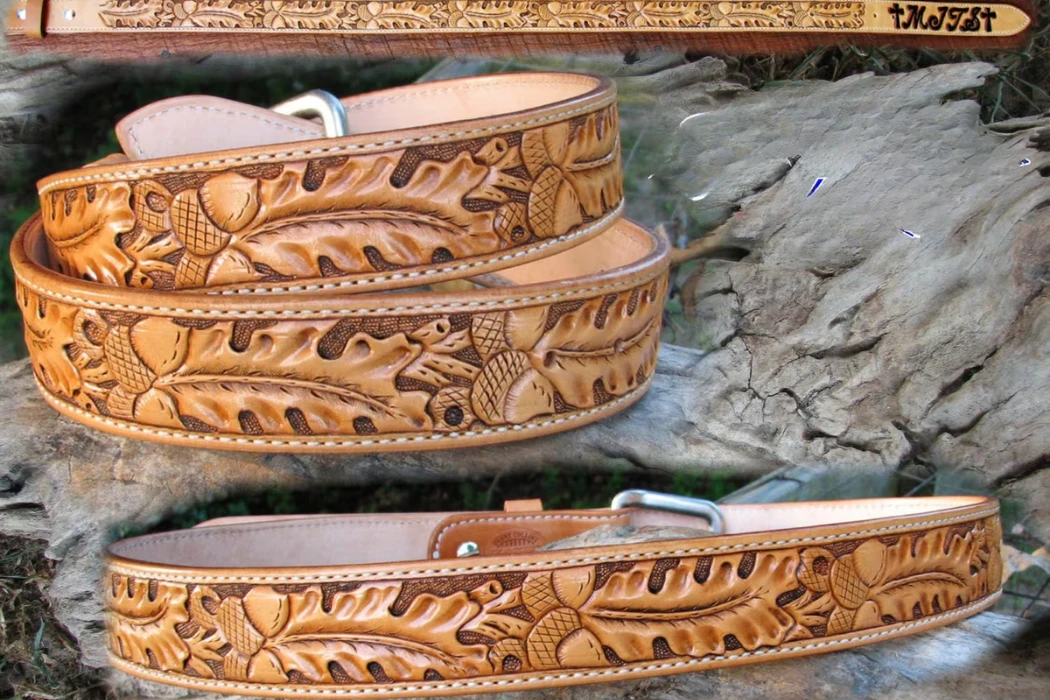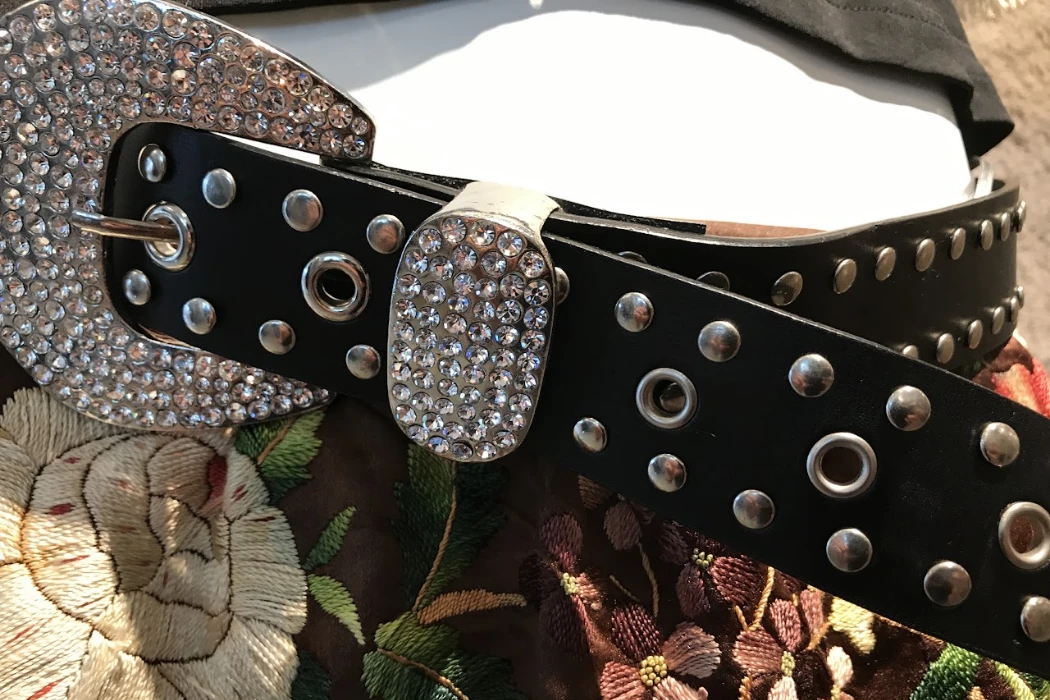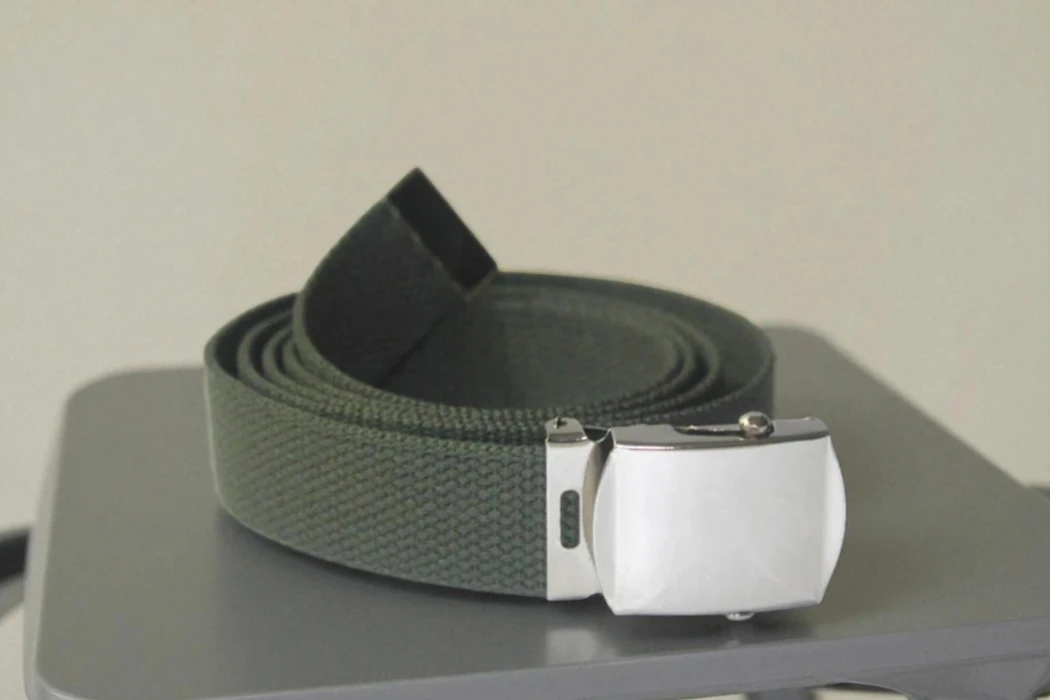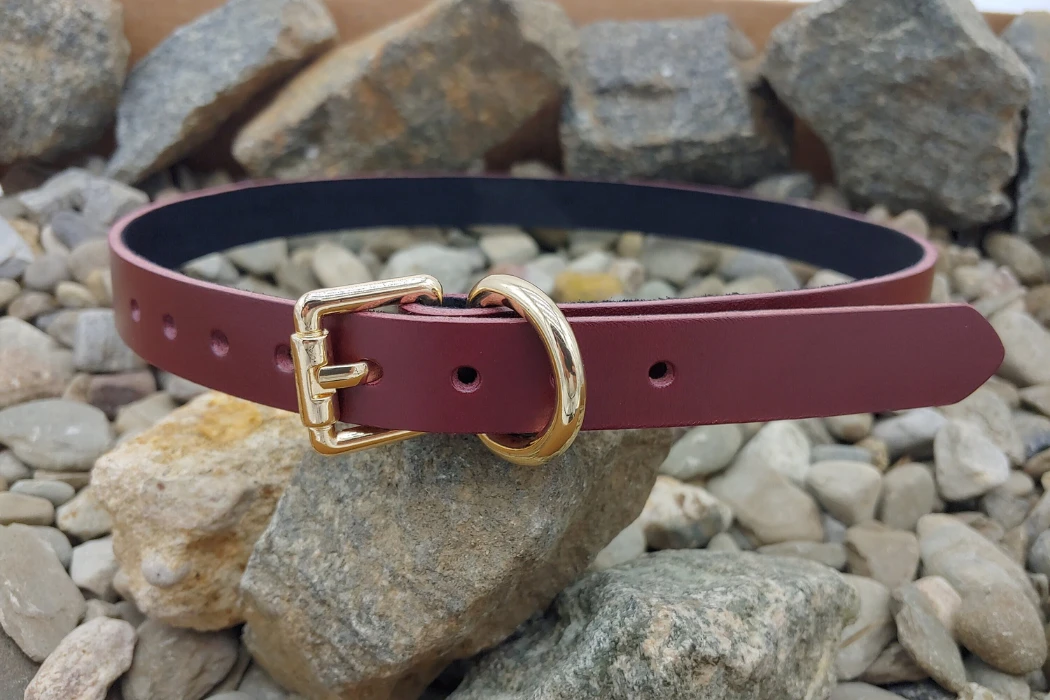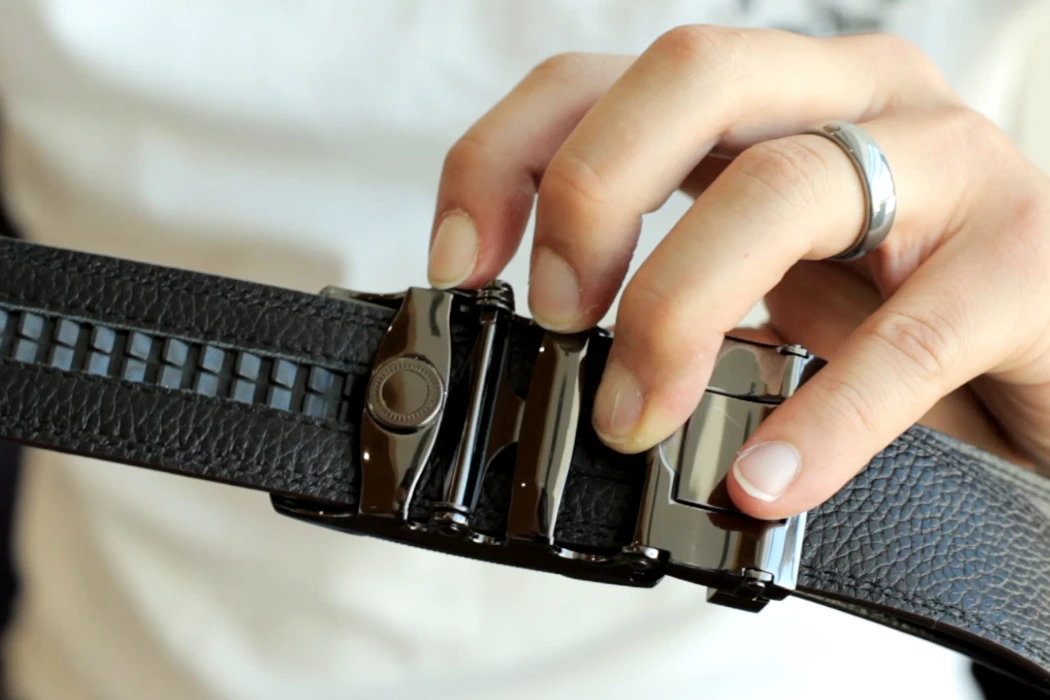
A vegan-versus-leather decision should start with the accessory brief: intended use, appearance, budget and the claims the brand wants to make. Neither label establishes the service life of a finished bag, belt or wallet.
Durability depends on the specified material, finish and construction. Compare representative samples and relevant test evidence rather than assigning leather a fixed number of decades or synthetics a fixed number of seasons.
This guide explains how to compare composition, wear behavior, care and cost before selecting a material for a new collection.
What Exactly Is “Vegan Leather” Made From?
“Vegan leather” is a marketing description for a leather-like material claimed to exclude animal-derived inputs. It is not a single polymer, structure or mechanical grade. Common proposals include PU- or PVC-coated textiles and plant-containing composites.
Obtain the actual composition
- Identify the backing, coating, binder and surface finish.
- Request the supplier’s material code and a representative swatch.
- For a plant-containing material, establish the declared amount and which layer it describes.
- For an animal-free product claim, include lining, reinforcement, trims and other relevant components in the review.
PU can also coat split leather. That material contains animal leather despite its synthetic surface. A plant-containing construction can include polymers, and neither plant content nor animal-free status establishes biodegradability.
Assess the chosen construction
Coated materials vary in backing strength, flexibility, adhesion and aging behavior. Avoid assuming that every PU is softer, more breathable or more durable than every PVC grade. Ask which data support the proposed accessory use.
What Defines the Durability of “Real Leather”?
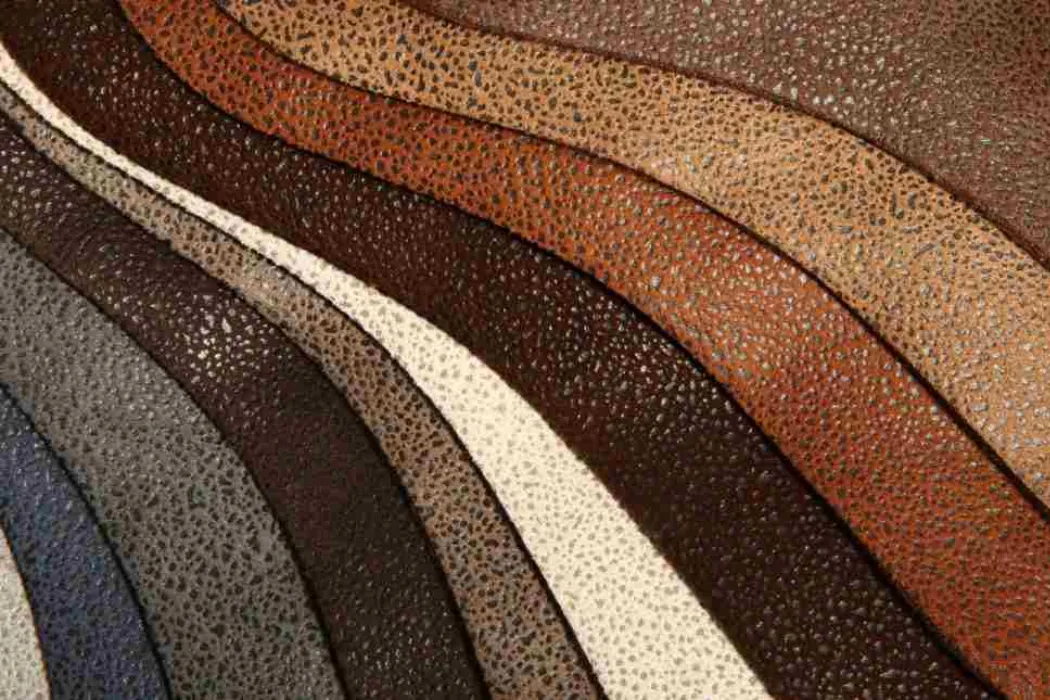
Leather performance depends on the hide layer, fiber structure, processing, finish and product construction. No single descriptor captures all of these variables.
Read the terms accurately
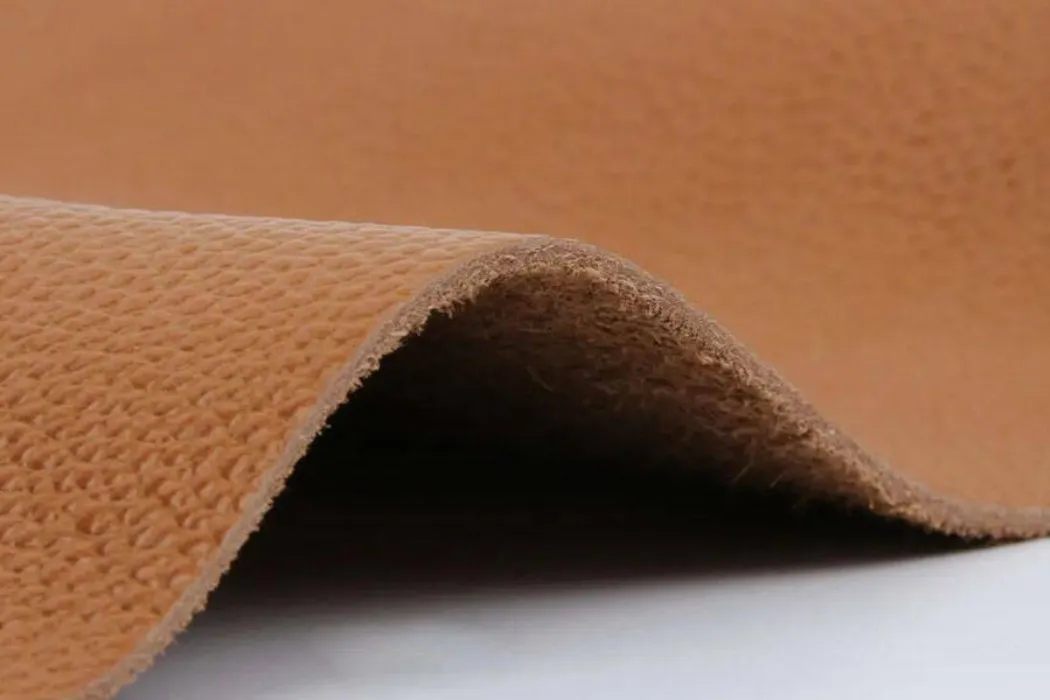
- Full-grain indicates retention of the natural grain surface. It does not guarantee a fixed tensile result, number of flex cycles or service life.
- Split identifies a layer separated from the grain-bearing portion. Its suitability still depends on the finish and intended construction.
- Corrected-grain describes alteration of the grain surface; it is not a universal failure prediction.
- “Genuine leather” is a general material claim, not a standardized label for the lowest quality grade.
The Leather Research Laboratory defines full-grain by the retained natural surface and notes synonymous use of top-grain. Where supplier terminology differs, specify whether buffing or correction has occurred and identify the finish separately.
Keep production audits separate from product results
Hoplok’s ProPelli facility finishes crust supplied by partner tanneries and holds a current LWG Gold rating for its scope. LWG certification is not a finished-belt strength or lifespan guarantee and does not guarantee the absence of restricted-substance failures in finished products.
A leather finish can crack, rub away or separate. Full-grain leather is not immune to surface failure simply because it retains its original grain.
How Should Durability and Cost Be Compared?
Use the same intended function and clearly identified material grades. Test results with different methods, loads or endpoints are not a reliable ranking, and laboratory cycles do not directly equal consumer years.
| Decision factor | Leather proposal | Vegan-material proposal |
|---|---|---|
| Material identity | Hide layer, surface correction and finish | Backing, coating/binder and animal-free evidence |
| Flex and attachment performance | Relevant material tests plus assembled-product checks | Relevant material tests plus assembled-product checks |
| Surface behavior | Approved wear/patina limits and finish checks | Approved surface appearance and coating checks |
| Environmental aging | Conditions relevant to the finish and use | Conditions relevant to the polymer system and use |
| Repair or replacement | Feasible component or surface repair route | Feasible component or surface repair route |
| Cost | Actual material yield and complete product quote | Actual material yield and complete product quote |
Use cost per wear only with explicit assumptions
Cost per wear equals the relevant purchase cost divided by the assumed or observed number of uses. Label whether those uses are measured or projected. A forecast based on an assumed ten-year leather life and two-year PU life does not prove either material’s value.
For sourcing, also compare tooling, material utilization, inspection, packing and any documented after-sale costs. Use a sensitivity range for uncertain assumptions rather than presenting a fabricated scenario as field data.
Do not promise “heritage” from a material label
A long-service product needs an appropriate construction, relevant evidence and a realistic repair or support plan. A finish designed to change with use may suit a heritage aesthetic, but that aesthetic alone does not establish that an item can be passed down for generations.
Which Material “Ages” Better Over Time?
The desired aging behavior belongs in the design brief. Some leather finishes develop visible changes in shade and sheen, often described as patina. Other leather finishes and synthetic surfaces are selected for a more consistent appearance.
Distinguish acceptable change from a defect
- Approve examples of permitted shade, gloss and crease changes.
- Define unacceptable coating separation, excessive transfer or loss of function.
- Check the actual finish at folds, corners, holes and contact areas.
- Use a suitable test plan to compare proposed and approved material lots.
Investigate the actual failure mechanism
The Association for Contract Textiles explains that PU-coated fabrics can experience hydrolysis and that resistance varies with chemistry and manufacturing. Its guidance also cautions that accelerated exposure weeks do not directly correlate to years of use. Upholstery-specific recommendations should not be copied as universal belt requirements.
Cracking or flaking can also relate to other exposure or construction factors. Plasticizer loss is not a universal explanation for every PU failure. Identify the affected coating, backing or assembled layer before selecting a corrective action.
A favorable abrasion result alone cannot establish adhesion, resistance to aging or the durability of a handle attachment. Combine the relevant assessments for the intended accessory.
How Does Proper Care Affect the Lifespan of Each?
Care should match the selected finish and the complete product. Neither all leather nor all vegan materials share one cleaning or conditioning routine.
| Care decision | Leather construction | Vegan-material construction |
|---|---|---|
| Routine cleaning | Use a method approved for the finish; assess color and appearance after drying. | Use a method approved for the coating/binder; assess color and appearance after drying. |
| Conditioner or protectant | Confirm compatibility; not every finish needs the same product or interval. | Do not assume a leather oil or vinyl spray suits the selected material. |
| Moisture | Follow the approved drying method and inspect other components if affected. | A resistant face does not protect every seam, edge or lining. |
| Storage | Specify appropriate environment and support for the item. | Specify appropriate environment and support for the item. |
Ask the supplier to validate the proposed care instructions during sampling, including their effect on edge paint, lining and hardware. Test a representative sample area before adopting a cleaner or treatment.
Care can reduce avoidable damage, but it does not restore every failed coating or guarantee a fixed service life. Communicate realistic repair and replacement options for the construction.
Which Is the Right Choice for Your Brand’s Next Collection?
Treat the decision as two or more specific proposals against one brief. A brand can select a leather or animal-free route for reasons beyond price, while requiring appropriate performance from either.
Brief A: visible natural character
If the collection depends on natural grain and a finish that changes with use, request leather samples that show the proposed variation. Review the assembled bag or belt and define which marks and changes are acceptable. Do not turn the aesthetic into an untested lifetime promise.
Brief B: an animal-free color program
If the collection requires animal-free composition and consistent colors, request suitable material options with supporting declarations. Check coating, backing, edge construction and attachment performance; animal-free positioning does not require accepting premature failure.
Approve the same evidence package
- Material composition and reference code.
- Representative finished sample and appearance standard.
- Relevant test plan with methods, conditions and acceptance criteria.
- Complete quote with development and recurring costs separated.
- Care instructions, permitted claims and any after-sale support arrangement.
Hoplok operates four facilities totaling 19,000 m² across China and Cambodia. ProPelli’s role is leather finishing; the proposed PU material and finished-product checks should be confirmed separately. Discuss the responsible production facility and available allocation for the actual order.
For a custom belt program, Hoplok’s minimum is 300 leather belts or 1,000 PU belts. Belt samples take 2–3 weeks and bulk production takes 60–90 days; account separately for approvals and additional hardware or material development.
Frequently Asked Questions
Is vegan leather more waterproof than real leather?
The result depends on the surface and construction. A coated face can resist water, but seams and openings affect the finished item. Verify any complete-product waterproof claim.
Does vegan leather scratch easily?
Scratch and abrasion behavior varies by grade and finish. Compare relevant results and samples rather than assuming a universal ranking against leather.
What is the most durable type of vegan leather?
There is no single winner for all accessories. Select a material that meets the actual flex, surface, aging and construction requirements with supporting evidence.
Can you repair peeling vegan leather?
Widespread coating delamination can be difficult to repair durably, but local repair or component replacement may be possible. Assess the actual failure and construction.
Is high-quality PU leather better than “genuine leather”?
Those labels do not specify comparable grades. Identify the backing/coating or leather layer/finish, then compare relevant performance and complete product cost.
Does vegan leather breathe?
Some constructions allow water-vapor transmission. Ask for a suitable result if it matters for the design; an animal-free label or polymer name does not establish it.
How do I clean a vegan leather bag?
Follow instructions validated for the actual coating and components. Check a sample area first; do not assume alcohol, leather conditioner or a protectant spray is compatible.
Conclusion: Durability Is a Choice, Not a Label
Choose from documented material constructions and representative finished samples. The comparison becomes useful when appearance, functional requirements, costs and product claims refer to the same approved specification.
Hoplok can review leather and PU options for the proposed accessory. Provide the drawing, quantity, target market and intended use so the sampling and evidence plan address the product the customer will receive.