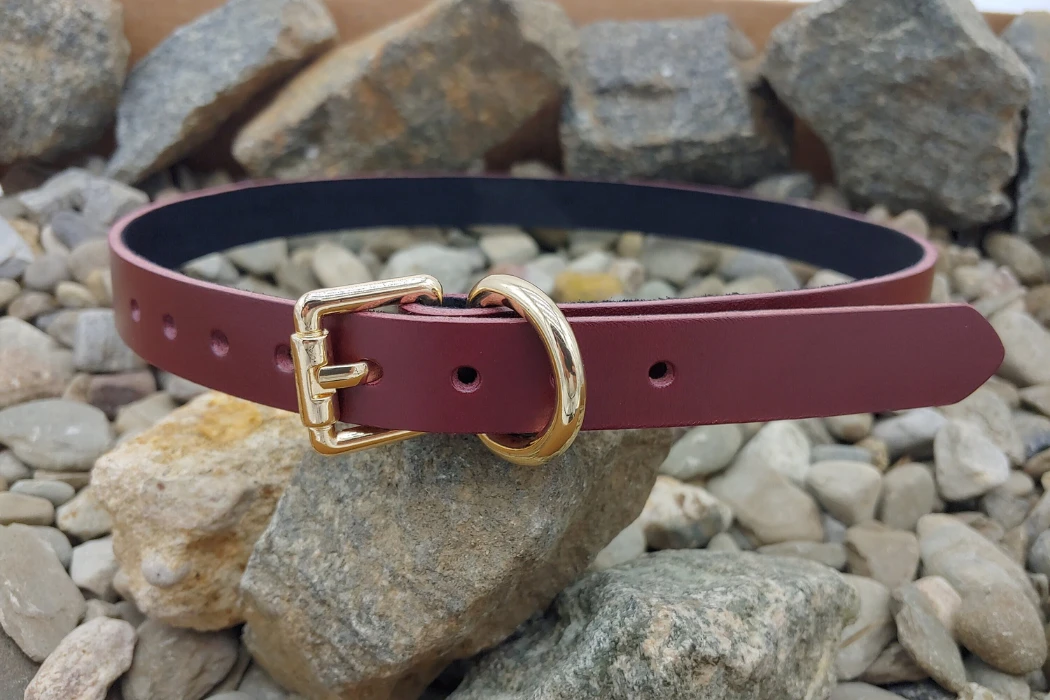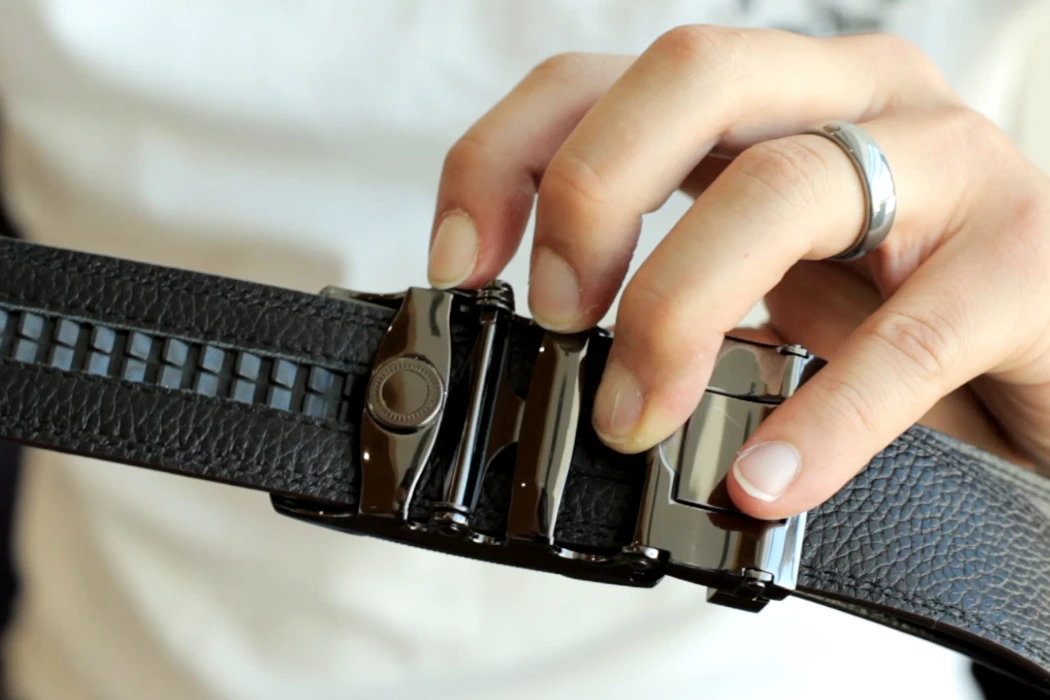
What Does Genuine Leather Mean?
“Genuine leather” is a broad real-leather description, not a defined third tier in a universal quality hierarchy. It does not, on its own, identify full grain, corrected grain, split leather, tannage, finish or expected lifespan. A full grain leather can also be genuine leather; the descriptions answer different questions.
For a buyer sourcing belts, bags or wallets, the useful next step is to request the actual material specification and complete product construction. That turns a reassuring label into something that can be quoted, sampled and checked.
This guide explains the main descriptions, how to investigate composition, what affects performance and price, and how to keep material and care claims accurate.
Where Does the Material Description Come From?
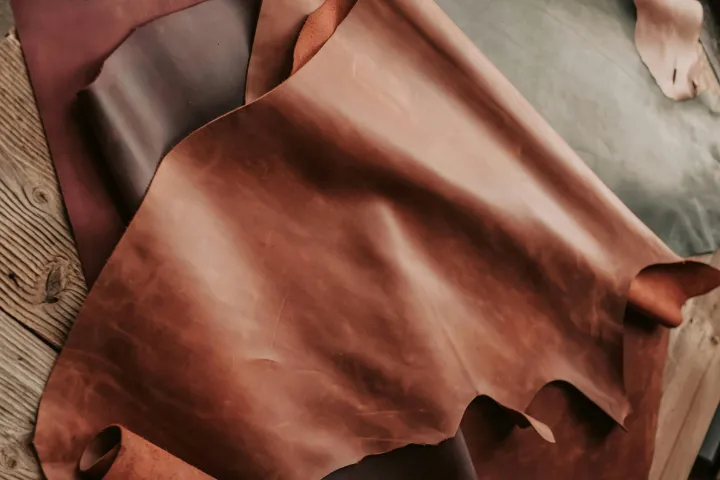
Leather is made from animal hides or skins through tanning. Hides can be split into layers and processed with different surfaces and finishes. These manufacturing choices explain why two products both described as genuine leather can have very different characteristics.
Animal source and hide layer are separate details
Ask for species as well as the layer and surface treatment. Cattle, sheep, goat and other sources can produce different leather articles, but the finished result also depends on selection and processing. The phrase “genuine leather” does not identify a particular animal or prove that the lower split was used.
Splitting creates material options, not a universal price ladder
A grain-bearing upper layer and the layers beneath it can be processed for different uses. Full grain retains the grain surface without corrective mechanical removal. Corrected grain and split leather have their own descriptions. The LWG definitions are useful for separating these attributes.
Read labelling claims in their market context
Do not assume a regulation requires every real-leather product to carry the exact words “genuine leather.” Composition disclosures and terminology vary by destination. For the US, the FTC Leather Guides address misleading leather and imitation-material descriptions and the scope of component claims.
| Stage in the material route | Record to request | Purchasing purpose |
|---|---|---|
| Source and supply | Species and supplier article reference | Identify the material being offered |
| Layer and grain treatment | Full grain, corrected grain or split description as applicable | Clarify the surface and substrate |
| Finishing | Colour, texture and coating reference | Make the appearance reproducible |
| Product assembly | Component list and approved sample | Connect the material to the finished item |
An unsupported story about the first splitting machine or the historical invention of a label does not establish what is in a current order. Trace the supplied article instead.
How Do Genuine, Full Grain, Top Grain and Split Relate?
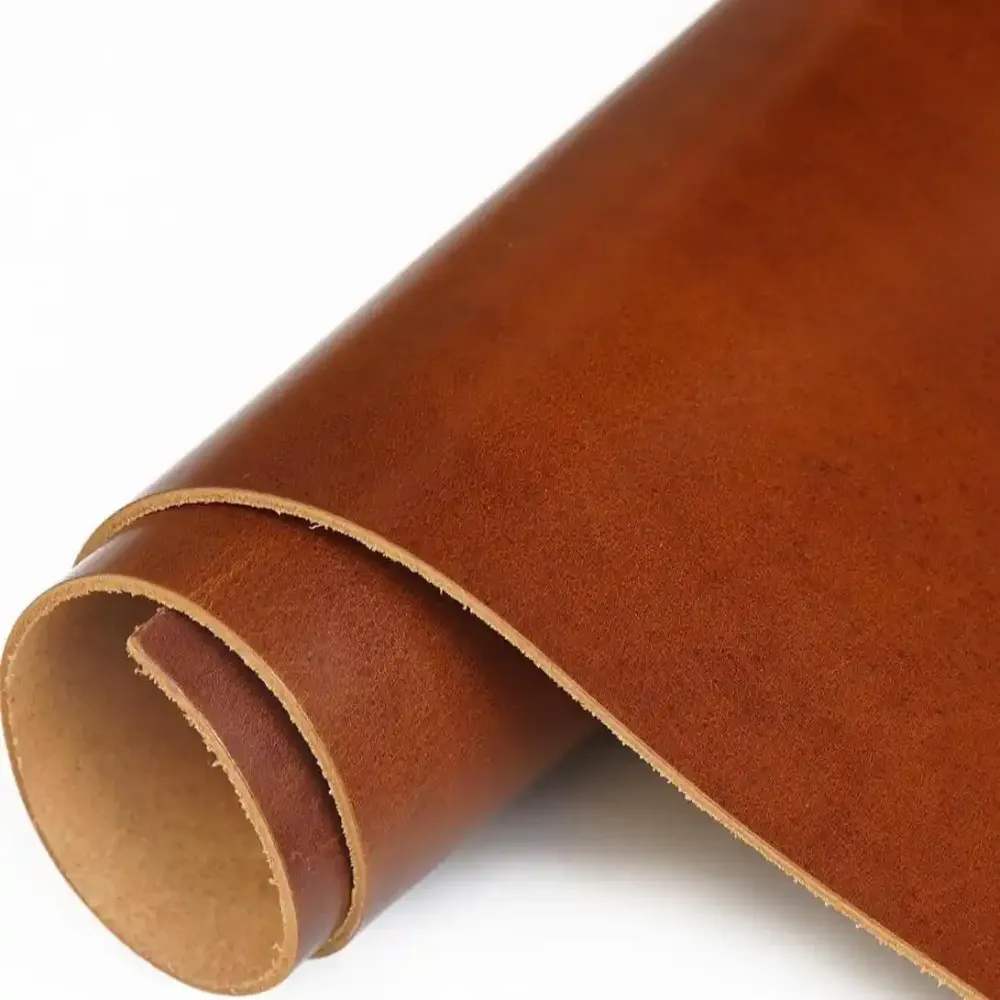
The terms are not four mutually exclusive rungs. Genuine is a broad authenticity description; full grain and corrected grain describe grain treatment, while split identifies a separated layer. Commercial “top grain” usage should be clarified with the supplier.
Full grain
The grain surface has not been removed by corrective mechanical treatment. This does not require an unfinished surface or the entire original hide thickness. Full grain can be thinned from the flesh side and can receive a finish. Its name alone does not guarantee strength, patina or years of use.
Top grain and corrected grain
Some suppliers use top grain for grain-bearing leather generally; others use it for corrected grain. Ask directly whether the grain has been corrected and what finish is applied. A corrected surface is not automatically lower quality for every intended product.
Split leather
Split leather retains the leather structure of a layer below the grain-bearing layer. It can be supplied with a nap or a coated surface. State the split substrate in the specification and review the actual finish and intended construction.
Bonded or reconstituted material
These materials are formed from broken-down leather constituents with other components such as binders or backing. They are different from an intact leather layer. Obtain the composition and appropriate market-specific description rather than assuming they belong under an unqualified genuine-leather label.
| Description | What it helps identify | What it does not establish |
|---|---|---|
| Genuine leather | A broad real-leather claim | A specific layer, finish or quality grade |
| Full grain | Retained grain surface | A particular tannage, thickness or lifespan |
| Corrected grain | Mechanical correction and finishing | Guaranteed inferior or superior performance |
| Split leather | A separated layer below the grain-bearing layer | The final coating or complete product construction |
| Bonded / reconstituted | Reformed material incorporating leather constituents | A fixed composition or service life |
Use the most informative accurate description for the actual component. The purchasing question is whether that specified material meets the brief.
Which Material Qualities Should a Buyer Specify?
The genuine-leather label cannot predict a uniform texture, a 1–2 mm thickness or a three-to-five-year lifespan. Record the qualities needed for the product and assess the proposed article against them.
Appearance and thickness
Specify colour, grain, gloss, acceptable natural variation and component thickness. An embossed surface may be intentional on real leather. A plain surface may have a protective finish. Approve an actual swatch rather than inferring construction from a photograph.
Strength and durability
Identify the parts of the design that carry stress or repeated movement. Belts need attention at holes and buckle folds; bags at handles and seams; wallets at pockets and folds. Select relevant tests and criteria for the material and finished construction.
Flexibility and comfort
Feel depends on the material, processing, finish and assembly. A flexible sheet may become firmer after lining or reinforcement. Check the completed product in its intended use condition rather than assuming genuine leather always starts stiff and softens in the same way.
Ageing and surface change
Some articles develop a changing colour or sheen, while others are intended to retain a controlled appearance. Patina does not authenticate the material or prove mechanical performance. Agree acceptable changes and distinguish them from coating failure, stains or other defects.
| Requirement | Approval reference | Evidence |
|---|---|---|
| Colour and texture | Physical swatch and variation range | Visual review under agreed conditions |
| Thickness and body | Component specification | Defined measurement and sample handling |
| Rubbing or flexing | Relevant exposure and failure criteria | Suitable material or product tests |
| Complete function | Approved assembled sample | Checks using intended contents or fit |
A material is suitable when it meets the agreed requirements. An unsupported ten-point quality rating adds little to that decision.
How Can Buyers Verify the Material?
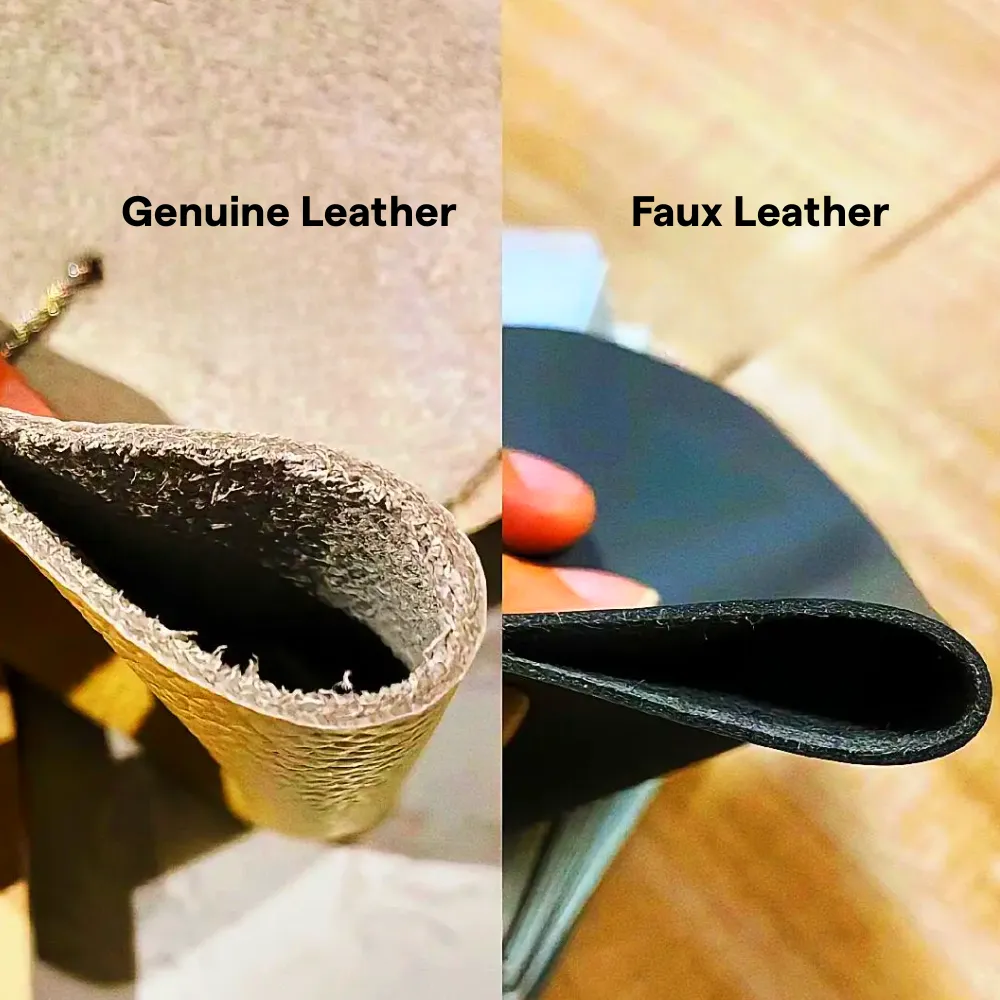
Start with a supplier declaration, material reference and component list. Surface appearance, smell, warmth and water absorption can be affected by finishing; none is a reliable stand-alone authentication test.
Image note: The two labelled samples illustrate different appearances and cross-sections. They are not a universal visual test for identifying every leather or synthetic material.
Review a representative cross-section
Ask for an authorised offcut or unfinished cross-section and compare it with the bill of materials. Identify the face, backing, lining and reinforcement. A multi-layer construction may be intentional and well made; it is not proof of inferior material.
Do not equate a regular grain with a fake
Leather can be embossed into a repeating pattern. Synthetic materials can be textured to imitate irregular grain. The appearance can raise a question, but it does not settle the material identity or predict a test result.
Avoid water, flame and solvent shortcuts
A water drop may stain an approval sample and a protective finish may prevent absorption on real leather. Smell is also influenced by processing and finishing. Do not use burning, solvents or unapproved soaking to establish composition.
Resolve discrepancies before production
If the declaration, sample and quotation do not agree, ask for clarification and appropriate laboratory identification. Label each sample with its source and version. Preserve the approved material reference so later deliveries can be compared with the same specification.
- Confirm which part a “leather” description covers.
- Request disclosure of different face, backing or lining materials.
- Review the proposed market label against actual composition.
- Require approval for substitutions before bulk production.
How Should Buyers Judge Value for Money?
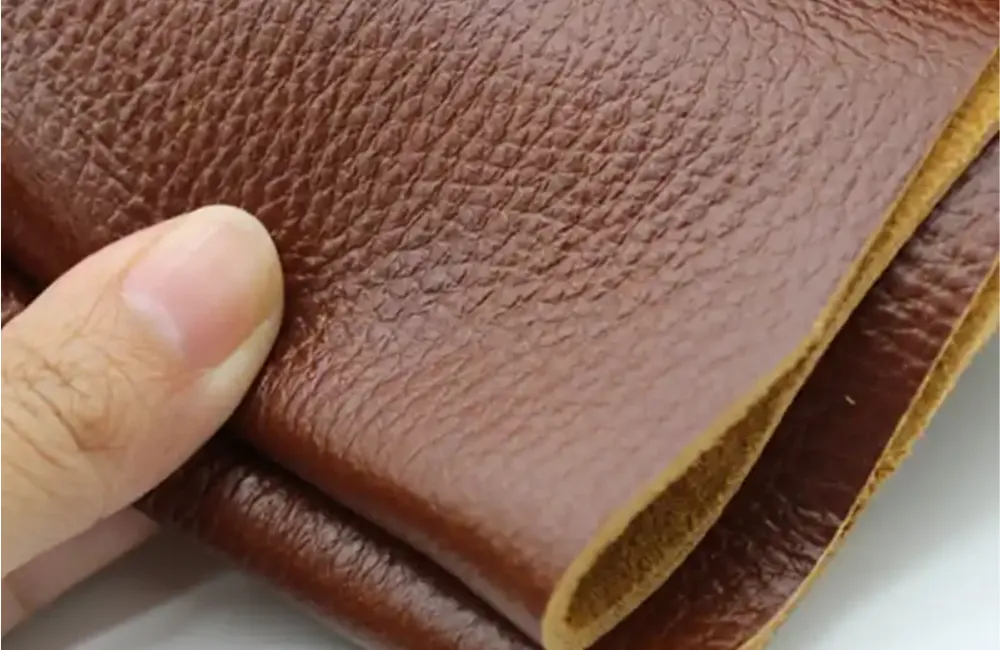
There is no single price or performance profile for all genuine leather. Compare specified materials in the same design, quantity and inspection scope. A low price, natural appearance or familiar label is only part of the decision.
Reasons a specified leather may fit the brief
A proposed article may provide the desired texture, feel, ability to take decoration or compatibility with the construction. Confirm those advantages on samples. A corrected or embossed article may be useful where appearance consistency is a priority; a natural-looking article may suit a different design.
Costs and limitations to account for
Consider material selection, cutting consumption, lining, reinforcement, finishing, testing and rejection criteria. A lower material price may require additional assembly or a different edge treatment. The complete quotation should make those assumptions visible.
Choose for the actual product
A seasonal design still needs fit, safety, material disclosure and agreed function. A daily-use bag needs a construction suited to the intended contents. Avoid deciding that one label is only for short-lived fashion and another automatically produces an heirloom.
Ask for two clearly specified alternatives if the first option misses the cost target. Compare what changes in appearance, construction and evidence instead of accepting an undefined lower “grade.”
How Does Leather Compare With Other Material Options?
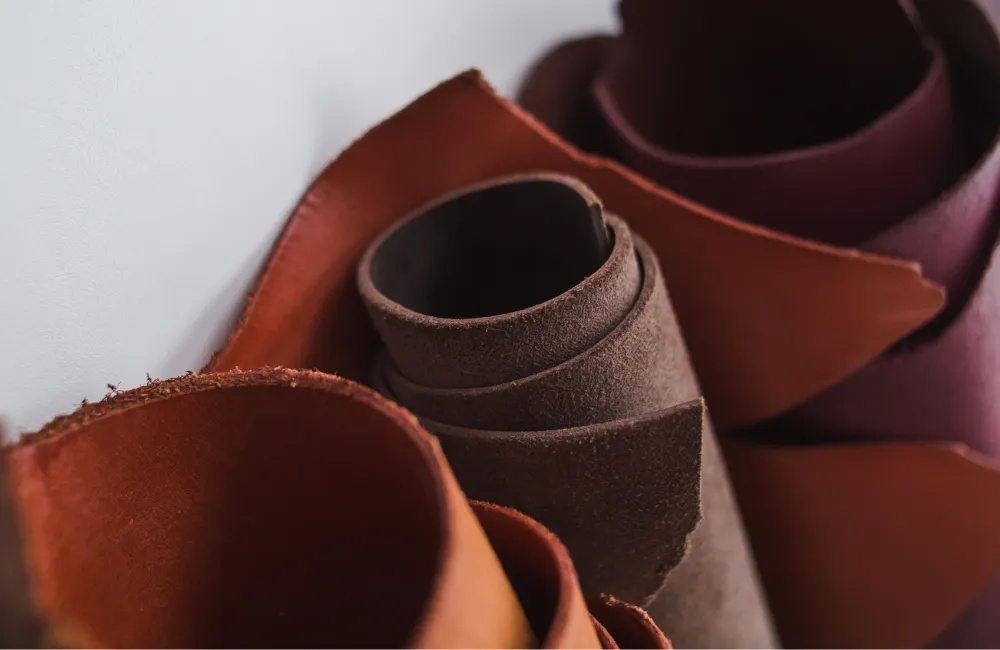
Compare the actual articles and complete product builds. Real leather, coated textiles and reconstituted materials can differ widely within their own categories. None has a universal lifespan, waterproof rating or environmental advantage.
Leather and synthetic materials
A synthetic leather-like material may use a PU or other polymer surface with a textile backing. A PU-coated leather split has a different substrate. Ask for the complete composition rather than treating every PU surface as an entirely synthetic product.
Select relevant tests for the materials being compared. A water-resistant face does not make seams, edges or the whole bag waterproof. Surface feel and breathability also require article-specific evaluation where important to the design.
Leather and reconstituted materials
An intact leather layer differs structurally from a reformed sheet containing leather constituents. Review the proposed composition, backing, finish and product tests. Do not assign a fixed strength ratio or claim every bonded product will fail within a year.
Animal-free and bio-based alternatives
Animal-free is a composition requirement. Bio-based content describes a feedstock attribute and does not prove plastic-free construction, biodegradability or a lower total footprint. Review adhesives, linings and trims as well as the outer face when checking an animal-free brief.
| Material proposal | Request first | Then compare |
|---|---|---|
| Leather article | Species, layer, grain condition and finish | Appearance, function and complete cost |
| Synthetic leather-like material | Polymer, backing and coating description | Relevant ageing, flexing and assembly checks |
| Reconstituted material | Complete composition and content basis | Labelling, interfaces and functional performance |
| Bio-based alternative | Feedstock fraction and full construction | Claim evidence, availability and product suitability |
A fair comparison aligns the design and expected function. If a proposed environmental benefit matters to the purchase, assess its specific evidence separately from appearance and durability.
Where Can a Specified Leather Be Used?
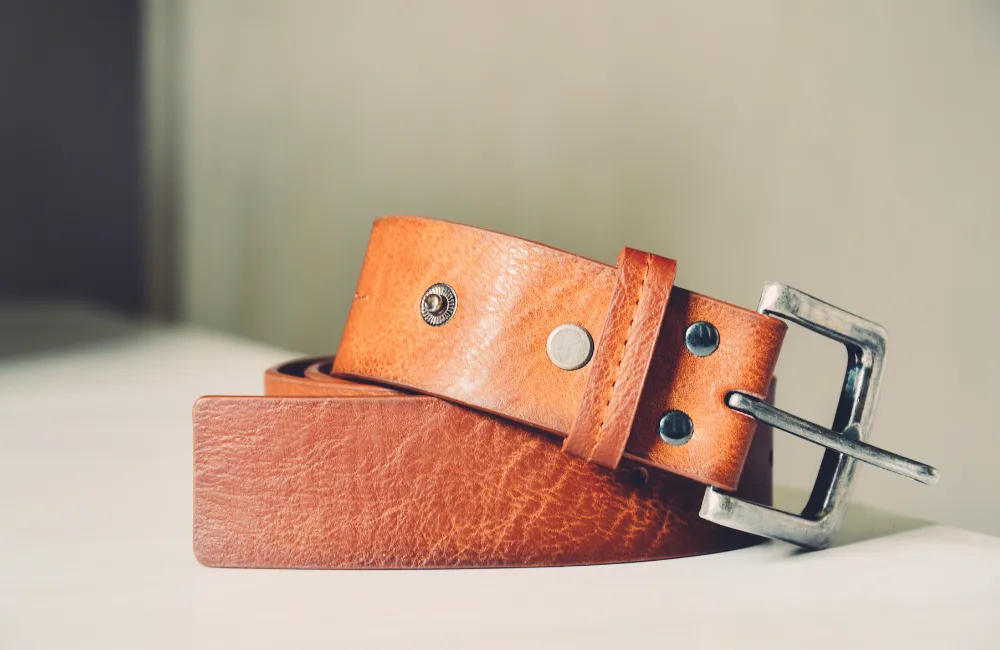
Leather articles are used in many product categories, but the broad genuine-leather description does not establish suitability for any one of them. For Hoplok sourcing, focus the brief on bags, ordinary fashion belts, wallets and related accessories.
Bags
Define the silhouette, intended contents, panel construction, lining, handles and reinforcement. Test the proposed material in the assembled sample, including corners, seams and contact surfaces. A style brief does not remove the need for functional requirements.
Wallets and small accessories
Record the pocket layout, loaded thickness, fold and edge construction. A material that looks right as a shell may need a different specification for internal pockets. Approve decoration on the actual material.
Fashion belts
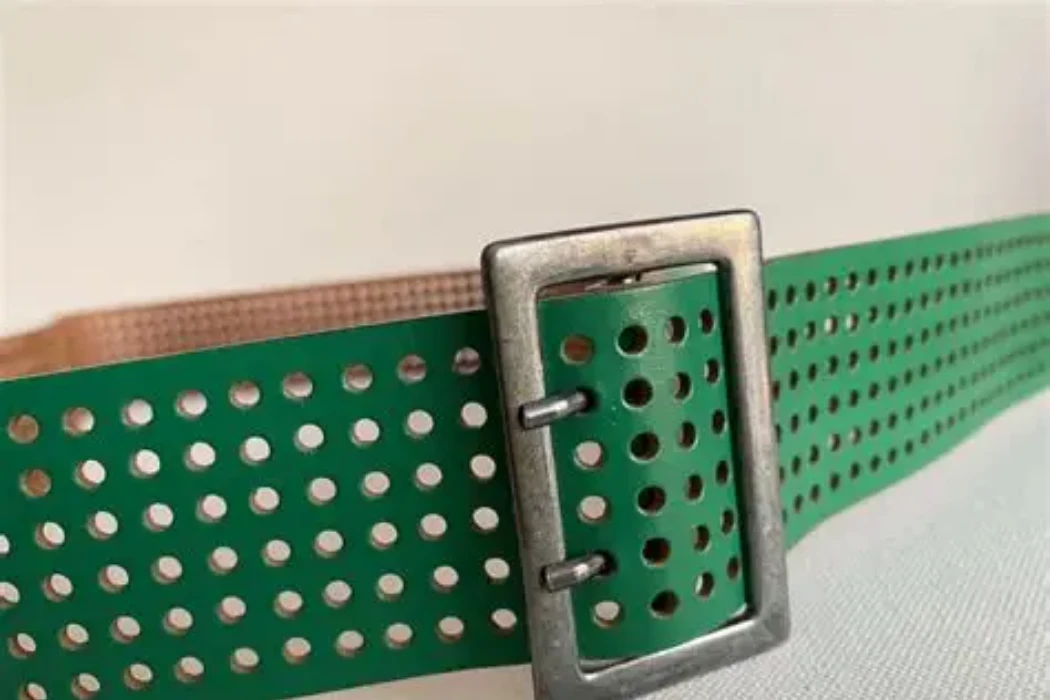
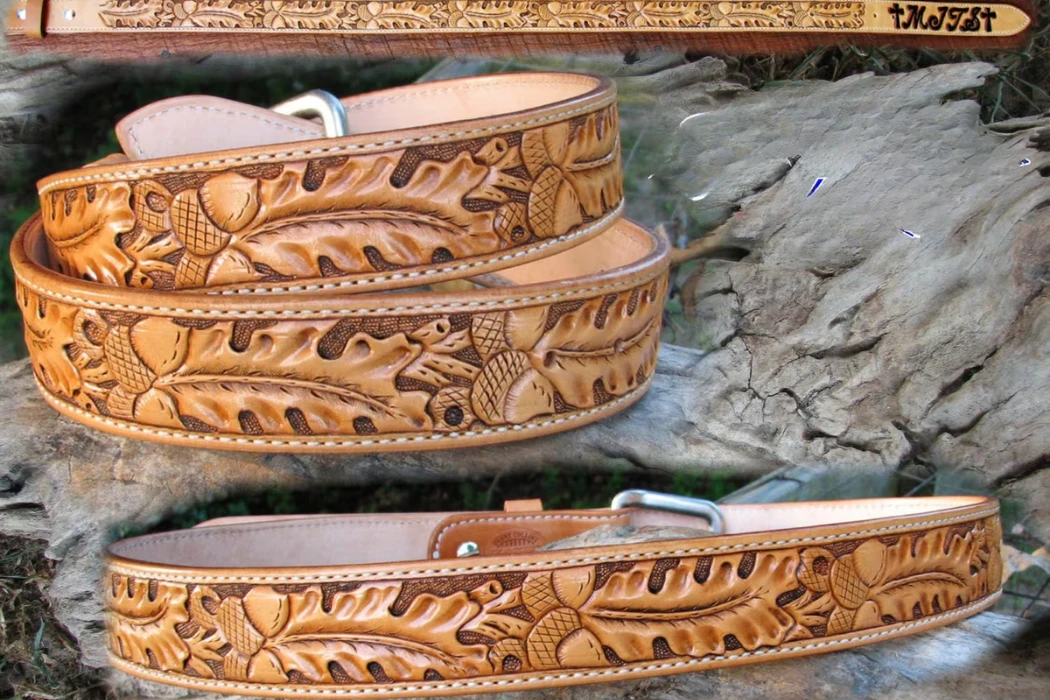
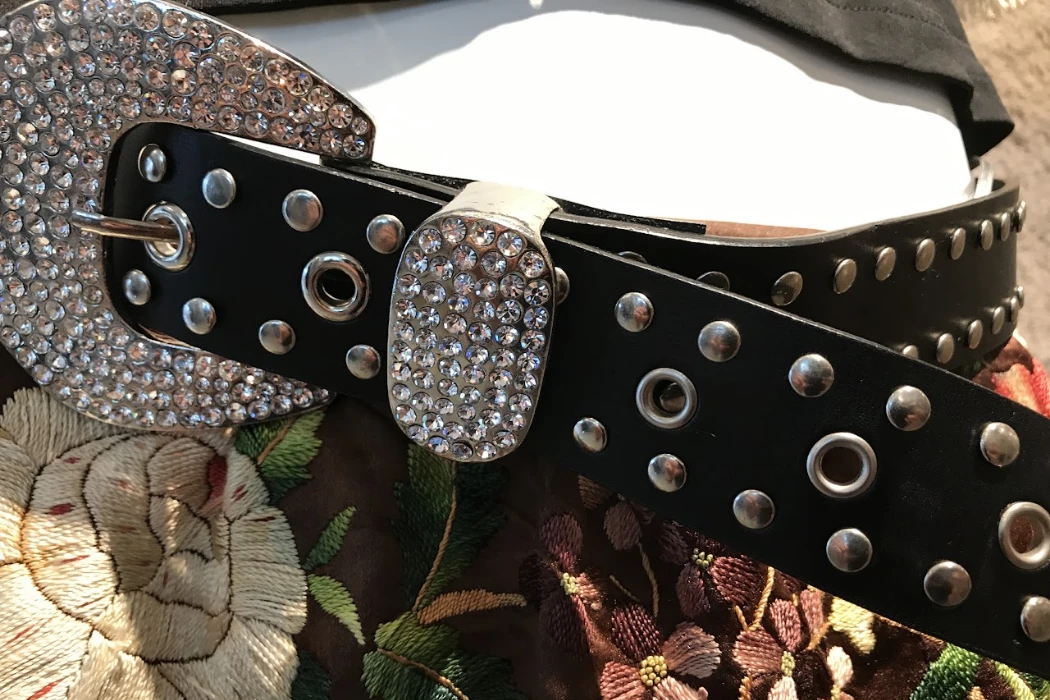
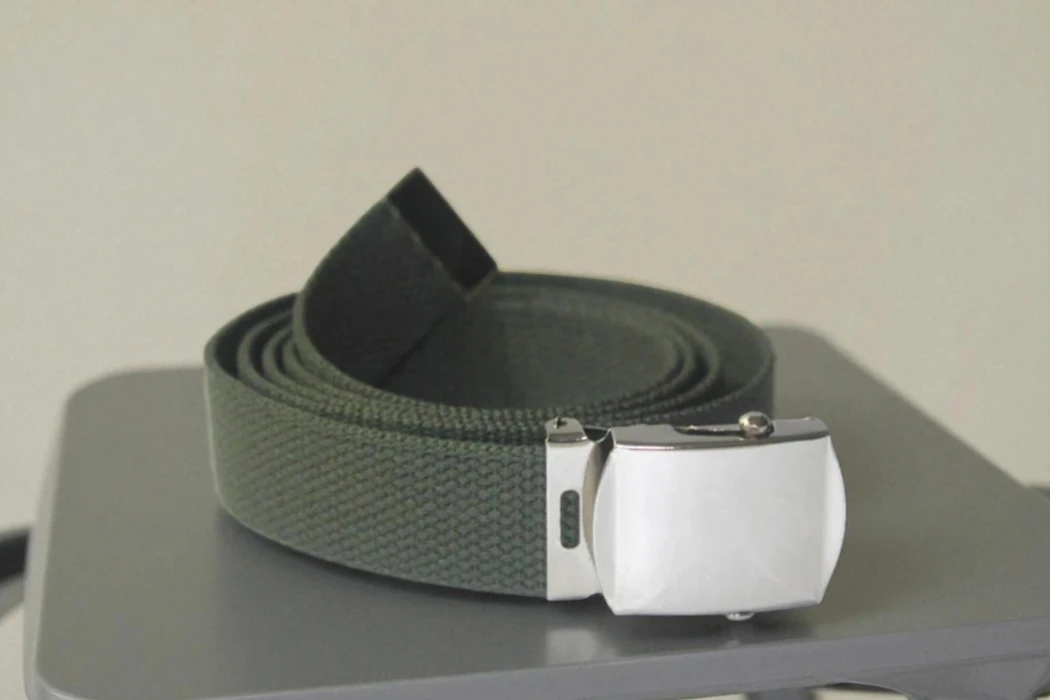
Specify the strap material and build, buckle fit, hole or fastening arrangement and edge finish. Review ordinary apparel use. This is separate from load-bearing, powerlifting, tactical or construction tool-belt requirements, which Hoplok does not offer.
| Product | Useful specification detail | Approval focus |
|---|---|---|
| Bag | Contents, material, lining and attachment build | Loaded shape, seams and handles |
| Wallet | Pocket layout and component thickness | Card access, folds and closure |
| Fashion belt | Strap build and matched buckle | Fit, holes, fold and edge |
| Small accessory | Intended contact and attachment | Material and trim suitability |
Footwear and furniture use different construction and testing requirements. Those applications should not be read as Hoplok manufacturing offers or as evidence for accessory performance.
How Should Care Instructions Be Prepared?
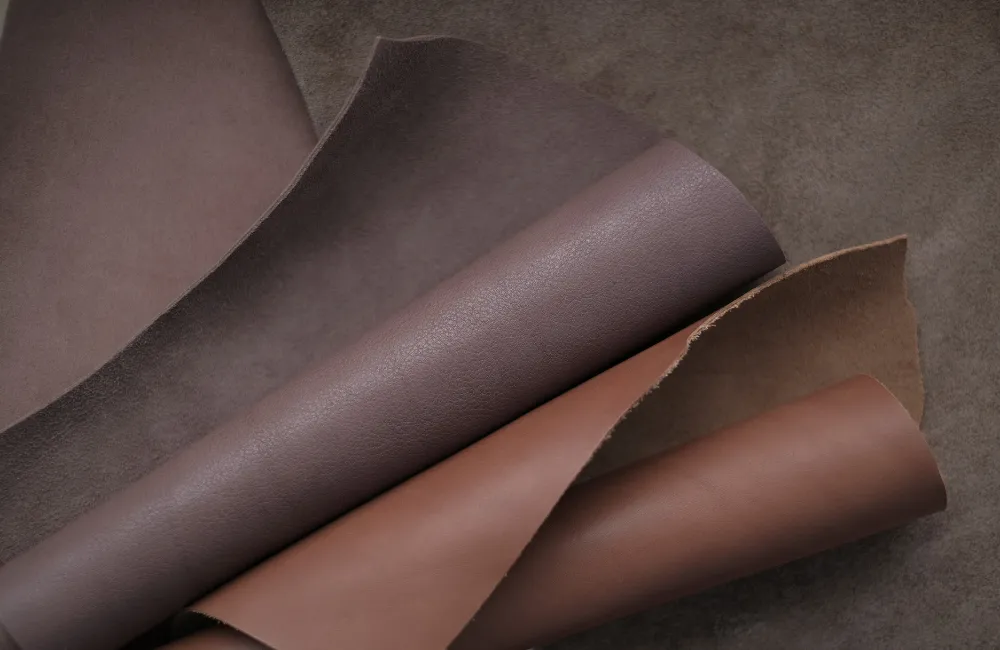
Care depends on the actual leather and finish, not the genuine-leather label. A routine suitable for a smooth coated article may be unsuitable for suede, nubuck, aniline or patent surfaces. Develop instructions with the material supplier and trial them on the approved article.
Routine handling and cleaning
Begin with the supplier’s recommended dry cleaning or dust-removal method. For spills, avoid rubbing contamination into the surface and follow the approved instructions. Do not issue a blanket soap, water or all-purpose-cleaner recommendation for every material.
Conditioner compatibility
Some articles may benefit from an appropriate conditioner; others can darken, change gloss or develop residue. Do not prescribe oiling every three to six months simply because the product is real leather. Trial the product and application method before including it in customer guidance.
Stains, scratches and damaged finishes
Cleaning cannot repair torn leather or a failed bonded interface. Record which surface has been affected and seek a suitable repair assessment where needed. Avoid promising that balm will remove every scratch or prevent all coating cracks.
Storage
Follow the approved storage guidance for the material and finished product. Protect it from prolonged direct sun, excessive heat and unsuitable moisture conditions. Store a bag in a way that supports the intended shape without forcing it into a distorted position.
Keep care wording with the material approval record. If the finish changes, check whether the previous cleaning and storage advice still applies.
What Should Buyers Check About Sourcing and Price?
The genuine-leather label is neither an environmental certificate nor a price category. Assess sourcing, processing, construction and claim evidence for the particular material. Obtain a current quotation with clear units and assumptions.
Environmental evidence
For an environmental comparison, identify the product and assessment boundary. A byproduct description does not make processing impact-free, and vegetable tanning does not establish automatic biodegradability. Check any recycled-content or disposal claim against the actual composition and destination.
Facility records and material traceability
Ask which operation a certificate covers and how the purchased material connects to it. Hoplok’s ProPelli holds valid LWG Gold certification for its crust-leather finishing operation. It is not a raw-hide tannery, and this rating does not certify every factory, product or upstream source.
Animal-welfare or farm-origin claims need their own supporting records. An environmental facility rating is not sufficient proof of humane practices at every farm. Keep the proposed wording within the evidence that can be provided.
Quotation requirements
Compare the same species, article, thickness, finish, selection, order quantity and delivery terms. Ask whether material is priced by area, piece or another basis. For the finished item, include hardware, assembly, decoration, testing, packaging and shipping as applicable.
A fixed $2–$5 per square foot “genuine leather price” is not a reliable budget. The label is too broad and prices depend on the actual offer. Request a dated quotation and review any changes in specification before comparing totals.
Frequently Asked Questions
What is genuine leather?
It is a broad real-leather description, not a defined third-best grade. It does not by itself specify the hide layer, grain treatment, finish or performance. Ask for the actual material and product construction.
Is genuine leather real leather?
The term represents a real-leather claim, but buyers should verify what part it describes and whether the actual composition supports it. It is not proof that every component of a finished item is leather.
How can buyers tell whether a material is leather?
Request the material declaration, supplier article and component list. Review an authorised cross-section and use suitable laboratory identification if needed. A stamp, smell, repeating grain or water test is not conclusive on its own.
What is the difference between genuine and full grain leather?
Genuine is broad, while full grain identifies retention of the grain surface without corrective mechanical removal. The descriptions can apply to the same leather. Full grain does not establish a particular finish or guaranteed lifespan.
Is genuine leather good quality?
The term alone cannot answer that. Evaluate the specified article, construction and test results against the intended product. Both appearance and functional requirements should be part of approval.
What does genuine leather cost?
There is no single market price for the label. Request a current quotation for a defined material, thickness, finish, selection and quantity, or for the complete finished product with its components and delivery terms.
Replace a Broad Label With a Clear Specification
The useful distinction is between a broad material claim and a complete purchase specification. Identify the leather article, grain treatment, finish, component construction and agreed checks. That provides a basis for comparing quotations and reviewing substitutions.
Hoplok can help review materials for a defined design and target cost. Keep the material sample, product sample and final description aligned so purchasing and marketing refer to the same approved construction.
Plan a Custom Leather Goods Order
Share the design, material references, quantity and destination for custom belts, bags or wallets. Confirm the exact material and manufacturing route during quotation.
Hoplok’s stated MOQs are 300 leather belts, 200 leather bags and 300 leather wallets; PU versions start at 1,000 pieces. Confirm style and colour allocation. Belt samples typically take 2–3 weeks and bag samples 3–4 weeks; wallet sampling is quoted by project. Typical bulk production is 60–90 days from agreed start conditions, with shipping additional.