What Does Top-Grain Leather Mean?
Top-grain is used in leather trade and retail descriptions for leather from the grain-bearing part of the hide. Usage is not fully consistent: some sellers use it broadly, while others use it for leather with surface correction. Ask what treatment the supplier means rather than assuming a fixed second-place quality grade.
The useful specification identifies the animal species, grain treatment, tannage, thickness and finish. Full-grain retains the grain without corrective removal; corrected grain has undergone surface correction. “Genuine leather” is not a separate low-quality layer below them.
This guide covers the terminology, manufacturing, appearance, comparisons, applications, identification and care. It explains what buyers can reasonably learn from a label and what needs a material record or a representative sample.

What Is the History and Origin of Top-Grain Leather?
Modern leather production uses splitting, surface preparation and finishing to make materials for different applications. That development does not establish a single documented invention date for everything now sold as top-grain. The term should be understood through the material’s actual construction.
Early Roots of Leather Processing
Leather making has a long history, while industrial equipment has made thickness control and repeatable processing more practical. Splitting separates layers or adjusts thickness; it does not create the animal’s grain structure.
For a documented machinery example, Fortuna’s history traces its leather-machinery business to 1903. That company history should not be treated as the birth date of a universal leather grade.
Development of Surface-Correction Techniques
Buffing and finishing allow processors to manage surface appearance for a design. Correction may reduce selected irregularities, while coatings can add colour or surface effects. These are separate decisions from tanning and thickness selection.
Use precise process terms in the purchase order. A supplier describing top-grain as lightly corrected should confirm the actual treatment; another may use the same term more broadly. This avoids approving different constructions under one commercial label.
Global Influences on Production
Leather is processed in many countries and supplied for different markets. Country of origin alone does not establish softness, quality or a particular finish. Assess the individual supplier, material and application.
A collection may combine leather processing, finishing and product assembly in different locations. Record those stages separately when origin, traceability or customer sourcing requirements matter.
Modern Material Specifications
Current buying decisions should use supplier specifications and evidence rather than unsupported claims about a single year’s dominant trend or market share. Chemical management, material traceability and resource use are relevant questions for every proposed route.
Leather Naturally’s processing overview distinguishes full, snuffed, corrected and split constructions. Its terminology shows why a simple retail ranking cannot capture all the available materials.
How Processing Developments Affect the Specification
| Development | What it changes | What to ask |
|---|---|---|
| Splitting | Layer separation or thickness | Which layer is supplied and at what thickness? |
| Surface correction | Grain appearance | Has the surface been buffed, and to what agreed description? |
| Finishing | Colour, touch, gloss and protection | What finish is applied and how does it perform? |
| Supply-chain control | Evidence about sources and processing | Which records connect the material to the order? |
How Is Top-Grain Leather Made?

There is no single mandatory route attached to the label. Preparation, tanning, thickness adjustment, drying and finishing depend on the material and intended application. Surface correction is optional within the broader commercial use of top-grain.
Hide Sourcing and Initial Preparation
Identify the animal species and required selection. Preparation commonly includes operations to remove unwanted tissue and prepare the hide for tanning. Fleshing and hair removal have different functions and should not be conflated.
Splitting may be performed at different stages depending on the process. A grain-bearing layer and a lower split have different structures, but the layer name alone does not predict the strength or thickness of the supplied article.
Tanning Methods
Chrome, vegetable and other tanning systems can produce leather for different uses. Tannage affects the material but does not define whether the grain has been corrected. Full-grain and corrected-grain articles can share a tanning route.
Ask for the actual tannage and any relevant performance or chemical evidence. Do not assume vegetable tanning is incompatible with a uniform finish or that chrome tanning automatically fixes softness, colour or environmental performance.
Sanding, Buffing and Finishing
Where correction is specified, buffing changes the grain surface before the chosen finish is applied. Pigmented, transparent, textured and other effects involve different formulations and operations. An embossed pattern does not alone prove the grain beneath it was corrected.
Leather Naturally’s manufacturing guide explains these finishing distinctions. Define the finish and approve a sample instead of treating sanding plus a heavy topcoat as compulsory for every top-grain material.
Environmental Considerations in Production
Evaluate the actual facility’s inputs, emissions, waste and management practices. Switching a tanning agent does not by itself establish a lower overall environmental impact. Upstream material and downstream finishing also belong in the assessment.
Ask for relevant facility information and product-specific evidence separately. An environmental rating is not a guarantee that every supplied material meets all chemical requirements.
Production Process Reference
| Stage | Purpose | Approval question |
|---|---|---|
| Preparation and splitting | Prepare material and control layers or thickness | Which substrate and thickness are proposed? |
| Tanning and further processing | Produce leather with the required characteristics | What tannage and properties are specified? |
| Optional surface correction | Modify the grain surface | Is the leather full-grain, snuffed or corrected? |
| Finishing | Develop colour, touch, appearance and protection | Does the finished sample meet the brief? |
What Are the Key Characteristics?

Appearance, feel and durability depend on the actual leather and finish. The word top-grain cannot establish a universal stain resistance, softness, breathability or life expectancy.
Texture, Appearance and Feel
A material may be smooth, textured, natural-looking or heavily finished. Correction can support visual consistency, but acceptable variation should still be defined. Natural marks are neither compulsory nor automatically defects.
Compare colour, gloss and temper on a representative sample. A small swatch may not show how a large bag panel drapes or how a belt bends around its buckle.
Durability, Strength and Longevity
Thickness, fibre structure, finish and assembly affect performance. A material name does not justify a five-to-ten-year promise or a numerical durability score. Inspect both the leather and the finished product’s likely failure points.
Agree relevant flex, rubbing, tear or attachment checks for the application. Record the method and acceptance criteria so later substitutions can be compared meaningfully.
Breathability, Flexibility and Comfort
Coatings and construction influence moisture movement and feel. A heavily coated leather and a lightly finished one can behave differently even when both are sold as top-grain. Flexibility also depends on thickness and temper.
Use the property that matters to the product rather than an unmeasured “breathable” claim. A wallet pocket, handbag body and apparel panel do not require identical stiffness.
Water Resistance and Use Conditions
A suitable finish can improve resistance to surface wetting or staining. The label top-grain does not establish that finish, and full-grain leather can also be coated. Neither category is automatically waterproof.
Evaluate the complete construction, including exposed edges and seams, for any specific claim. Care instructions should reflect the tested or documented material rather than a generic ranking.
Characteristics: What to Compare
| Characteristic | Useful evidence | Insufficient shortcut |
|---|---|---|
| Appearance | Approved physical reference and variation limits | “Top-grain means flawless” |
| Durability | Relevant material and product results | A score out of ten or a fixed lifespan |
| Stain or water resistance | Actual finish and agreed exposure checks | Grain label alone |
| Comfort | Thickness, temper and complete sample | “Always softer than full-grain” |
What Types and Variations Are Available?

Grain treatment and finish are different dimensions of a specification. Use both when ordering. The familiar terms pigmented, semi-aniline and aniline describe finish characteristics rather than a universal ascending quality scale.
Pigmented Finishes
Pigmented finishes add colour and can provide surface protection. Their coverage and formulation vary; they need not all be described as thick plastic layers. A suitable system can support a consistent appearance.
Confirm gloss, colour, texture and relevant wear requirements. Pigment does not guarantee maximum resistance to every scratch, stain or exposure.
Semi-Aniline Finishes
Semi-aniline finishing combines a degree of surface protection with visible natural character. Ask the supplier how the proposed finish is constructed and what variation remains visible.
Compare it with the intended reference and use. It is not automatically softer than every pigmented leather or more durable than every aniline article.
Aniline Finishes
Horween’s glossary describes aniline dyes and finishes as containing no pigment, allowing natural character to remain visible. Aniline does not necessarily mean that no finishing treatment of any kind has been applied.
Such materials can show liquid marks and appearance changes readily. Evaluate suitability for the product and provide appropriate care information rather than assuming a premium label resolves those trade-offs.
Embossed and Perforated Variations
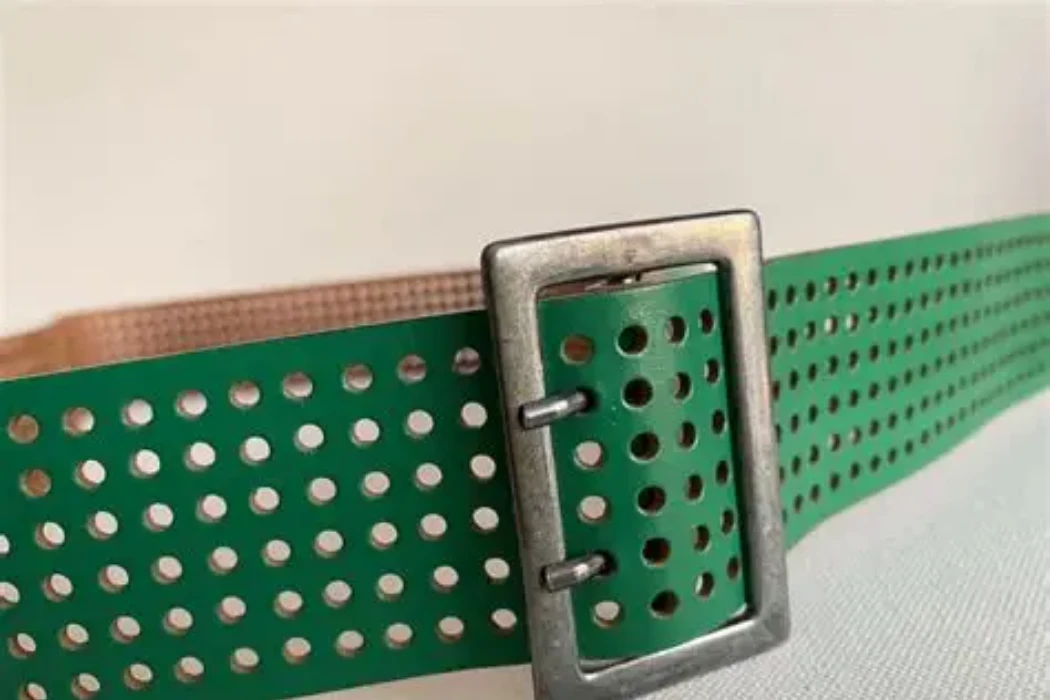
Embossing adds a surface pattern, while perforation introduces openings. These treatments can serve design or functional aims but also change appearance, handling or local strength. Approve them on the actual construction.
An animal-pattern emboss should identify the underlying species or synthetic material. Hoplok offers ordinary leather and synthetic options for appropriate designs, not genuine exotic skins.
Finish Comparison
| Finish | Design opportunity | What to review |
|---|---|---|
| Pigmented | Controlled colour and surface appearance | Coverage, touch and finish performance |
| Semi-aniline | Natural character with a degree of protection | Variation and use-related resistance |
| Aniline | Visible grain and transparent colour | Marking, fading and care expectations |
| Embossed or perforated | Specific texture or construction effect | Pattern, placement and product suitability |
How Does Top-Grain Compare with Other Leathers?

Compare clearly defined constructions. Some terms overlap, while others describe a different layer, surface or composite. Treating them as a single quality ladder causes misleading purchasing decisions.
Top-Grain and Full-Grain
Full-grain is the more specific claim that the grain has not been removed by corrective treatment. Top-grain may be used broadly enough to include it, or more narrowly by a seller for corrected material. Resolve the supplier’s meaning in writing.
The full-grain and top-grain comparison provides further buying context. Do not infer that every full-grain article is stronger or every corrected article is more stain-resistant without comparing the actual finish and construction.
Top-Grain and Genuine Leather
Genuine describes real leather; it is not a standard name for the lower split or a fixed low grade. A genuine-leather description can apply to different leather constructions and tells the buyer relatively little about performance.
Ask which layer, grain treatment and finish are supplied. A specific material specification is more useful than either a positive or negative assumption about the word genuine.
Bonded and Synthetic Materials
Bonded material containing leather fibres and binders differs from intact hide leather. Synthetic leather-like materials use other constructions, often including coatings and textile backings. Obtain the composition and layer description.
Performance varies within each category. Do not promise that every bonded material immediately fails or that every synthetic lacks comfort. Compare appropriate evidence and ensure product descriptions accurately identify the material.
Suede and Nubuck
Nubuck has a buffed grain surface with a nap. Suede commonly uses a flesh-side or split surface to create its fibrous appearance. These are real leather forms with different surface and care considerations.
A napped finish is not a fixed durability grade. Check the nap, colour transfer, staining response and intended handling. Grain-bearing leather can itself be made into nubuck, so the categories do not form mutually exclusive quality steps.
Material Terminology Comparison
| Term | What it describes | What remains to specify |
|---|---|---|
| Top-grain | Commercial term for grain-bearing leather; usage varies | Actual grain treatment and finish |
| Full-grain | Grain retained without corrective removal | Tannage, finish, thickness and performance |
| Genuine leather | Real leather description | Layer and construction details |
| Suede or nubuck | Napped leather surfaces of different origin | Substrate, nap, treatment and care |
| Bonded or synthetic | Different composite or non-hide construction | Composition and application-specific evidence |
What Are the Pros and Cons?
Potential Advantages
A suitable grain-bearing leather can provide the feel, appearance and structural characteristics a design needs. Controlled finishing can support a coordinated collection, and different tempers suit different components.
These are opportunities to evaluate, not automatic benefits of the label. Compare the proposed material with the actual product requirements and cost.
Potential Limitations
A finish may mark, stain, fade or lose adhesion under unsuitable conditions. Natural variation may need sorting, while a heavily controlled appearance may not suit a brand seeking visible patina.
Care and construction also impose limits. No leather category removes the need for proper assembly, appropriate storage and clear consumer instructions.
Is Top-Grain Good Quality?
It can be, but the term alone is insufficient to judge. Review material identity, selection, thickness, finish, relevant tests and the finished product’s construction.
Ask the supplier to demonstrate suitability with a representative sample and supporting records. A low-quality or unsuitable product does not become a good purchase simply because its label says top-grain.
What Are Common Uses?

Bags, Wallets and Belts
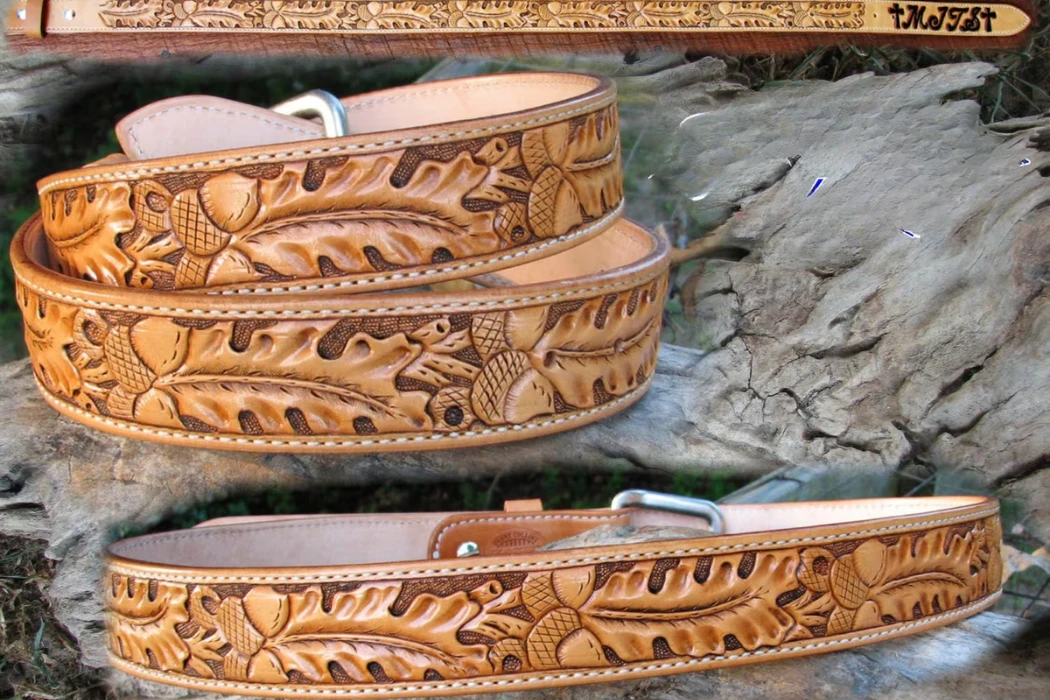
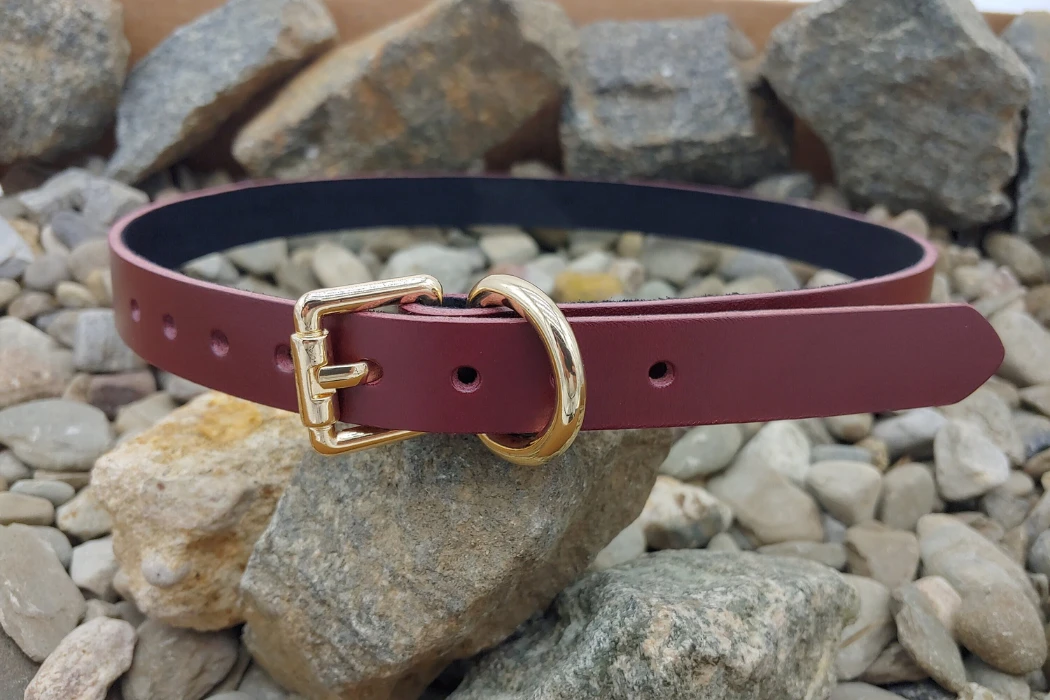
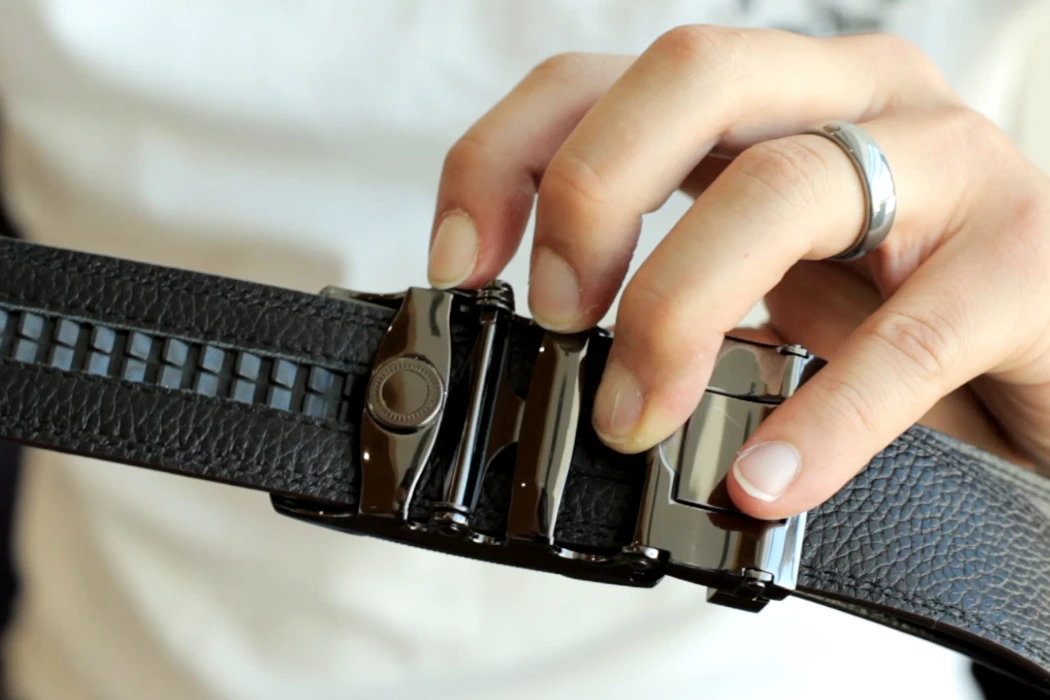
These accessories use leather in different ways. A bag body may need a particular drape or structure; wallet pockets need suitable thickness and fold behaviour; a belt must work with its buckle and adjustment system.
Hoplok develops custom bags, belts, wallets and accessories. Specify each component rather than requiring the same leather throughout solely for a marketing label.
Footwear and Apparel
Grain-bearing leathers are also used in footwear and garments. Those applications have their own requirements for flex, comfort, colour transfer and other properties. A material suitable for one product is not automatically approved for another.
These examples explain the material’s wider use; they do not define Hoplok’s product offering. Evaluate the relevant product construction and supplier capability separately.
Furniture and Upholstery
Upholstery uses leathers with specified appearance, wear and care characteristics. A protective finish may be useful, but the top-grain label alone does not establish stain resistance or suitability for a particular setting.
Check the applicable upholstery specification and care guidance. Avoid judging an accessory leather by furniture price ranges or assuming all upholstery materials behave alike.
Application Reference
| Application | Material questions | Sample review |
|---|---|---|
| Handbag | Temper, panel appearance, lining and finish | Shape, flex, seams and colour transfer |
| Wallet | Thickness and layer combination | Folding, pocket fit and edges |
| Belt | Strap construction and buckle compatibility | Wearing range and attachment |
| Footwear or upholstery | Requirements specific to that application | Use the relevant product specification |
How Do You Identify Top-Grain Leather?
Begin with a reliable specification and supply record. Appearance, touch and smell can suggest questions, but cannot conclusively establish grain treatment or composition.
Visual and Tactile Observations
Inspect the surface, feel and exposed cross-section where available. Uniformity can result from finishing or embossing on different substrates. Softness depends on processing and thickness rather than an automatic full-grain/top-grain distinction.
Use observations to compare the delivered material with the approved sample. If something differs, ask for clarification before accepting a marketing explanation.
Labels and Edge Inspection
A top-grain label should be supported by material details, not treated as independent proof. Painted or folded edges can conceal layers, so an assembled product may not permit a useful visual examination.
ISO 17131 describes microscopic identification of leather. A competent laboratory can advise which examination is appropriate when identity or surface treatment is disputed.
Smell and Water Checks
Leather odour varies with tanning, finishes and storage. A chemical smell does not automatically prove a synthetic, and a leather-like smell does not authenticate a product. Water response largely reflects the surface and can damage a sample.
Avoid water, burn or scratch tests as universal identification methods. Use documentation and suitable examination where a reliable conclusion matters.
Red Flags in a Supplier Claim
Watch for inconsistent descriptions, refusal to identify the substrate or a delivered material that differs from the approved sample. An implausible life guarantee or rigid quality ladder is a reason to ask for evidence.
A smooth or glossy surface alone is not proof of a fake. Resolve the discrepancy using the specification, samples and competent assessment.
How Do You Care for It?
Care follows the actual finish and product construction. Top-grain is too broad a term to prescribe one soap, conditioner or treatment interval for every item.
Routine Cleaning
Remove loose dust gently and follow the maker’s instructions for further cleaning. Blot spills promptly. Trial a compatible cleaner in an inconspicuous area before treating a visible panel.
Leather Naturally’s care guide distinguishes pigmented, aniline and napped surfaces. Do not assume that a method suitable for a protected smooth finish is also suitable for nubuck or aniline leather.
Stains and Scratches
Some superficial marks can be reduced with compatible care, while coating loss or deep cuts need repair assessment. Added conditioner does not restore broken fibres or guarantee that peeling stops.
Avoid aggressive rubbing or repeated treatment when the cause is unclear. For a valuable item or persistent stain, obtain product-specific advice.
Conditioning and Protection
Use conditioner or a protective product only when suitable for the material and its condition. There is no universal three-to-six-month schedule. Treatments can change colour, gloss or touch.
Follow the specified quantity and drying instructions, then inspect the result. A protective spray should not be used to support a new waterproof claim without evidence.
Care Errors to Avoid
Avoid soaking, direct heat and incompatible household chemicals. Prolonged sunlight can affect colour, and damp enclosed storage can create problems. Keep the product clean and appropriately dry before storing it.
For a manufactured collection, validate care instructions on the approved material and construction. Update them when the finish or supplier changes.
Is Top-Grain Leather Sustainable and Ethical?
Neither grain preservation nor surface correction alone answers this question. Consider the material source, processing impacts, product use and the evidence behind each claim.
Production’s Environmental Footprint
Resource use, chemicals, energy, emissions and waste depend on the actual supply route. Chrome-free is not a complete environmental assessment, and being animal-derived does not establish a product’s overall impact.
Request evidence relevant to the claim being made. Avoid broad comparisons with all synthetics unless a suitable assessment supports the defined comparison.
Ethical Sourcing
LWG certification assesses the relevant facility; it does not certify every finished product or automatically prove farm-level animal welfare. Review traceability, social and other sourcing evidence at the appropriate stage.
Connect material records to the order and identify any gaps. A certificate from a facility that did not supply the material cannot substantiate that order’s sourcing claim.
Pricing the Actual Specification
Obtain current quotations for the required species, thickness, finish, selection and quantity. There is no universal price per square foot or fixed certification premium attached to top-grain.
Compare unit of measure, usable yield, delivery terms and development costs. Retail product prices are not a reliable substitute for a material quotation.
Long-Term Product Value
A durable, useful and maintainable product may remain in service longer, but the outcome depends on design and use. A grain label does not guarantee longevity, repairability or lower environmental impact.
Specify the construction and care needed for the intended service, and keep marketing claims proportionate to the evidence. Avoid calling every top-grain product inherently sustainable.
Frequently Asked Questions
What is top-grain leather?
It is a commercial term for grain-bearing leather, with varying usage. Ask whether the supplier means full-grain, lightly corrected or another defined construction, and confirm the finish.
Is it good quality?
It can be. Quality depends on material selection, processing, finish and product construction. The name alone is not a performance guarantee.
How does it compare with full-grain?
Full-grain specifically retains the grain without corrective removal. Top-grain is less precise in commercial use and may overlap. Compare actual grain treatment and finish rather than a fixed grade ladder.
How should it be cared for?
Follow the instructions for the actual finish. Clean gently and use compatible treatments only when appropriate. A fixed conditioning schedule does not suit every article.
Is it waterproof?
Not by definition. Water resistance depends on finish and construction, and any specific claim requires suitable evidence.
What does it cost?
Price varies with specification, quantity, supply and commercial terms. Request comparable current quotations rather than relying on a universal range.
Choosing a Material with Confidence
Replace broad labels with a clear description of the grain, tannage, finish and thickness. Approve the complete sample and evidence for the intended use. This makes the purchase decision more reliable than choosing from a generic quality ranking.
Hoplok’s ProPelli operation receives crust leather for finishing and holds valid facility-level LWG Gold certification. Product performance, composition and market requirements remain separate parts of the order specification.
Develop Your Leather Goods Collection
For a custom leather bag programme, send the design, material reference, quantity and target market. Bag MOQ is 200 leather units or 1,000 PU units; samples take 3–4 weeks and bulk production 60–90 days. Confirm material readiness and approval timing in the quotation.
If your range includes custom leather wallets, specify the pocket layout and layer construction separately. Wallet MOQ is 300 leather units or 1,000 PU units; sample timing is confirmed for the project.