The best leather for a truly durable wallet is full-grain vegetable-tanned leather, prized for its unmatched strength and ability to develop a patina. However, the specific type of leather (like calfskin for softness or kangaroo for thinness) and, most importantly, the construction (stitching, lining, and zippers) are just as critical for a long-lasting wallet.
We’ve all experienced it: a “leather” wallet that cracks at the folds, a zipper that snags and fails, or a clear ID window that splits in cold weather—all in under a year. Why does this happen? The truth is, the wallet’s failure was decided before it was ever stitched, right at the material selection phase.
This is not just another “full-grain vs. genuine” comparison. As a leading manufacturer for global brands, we’re pulling back the curtain on the entire durability equation. This guide will explore the “Trifecta” of a long-lasting wallet: the material, the construction, and the art of making a wallet that is both stylish (e.g., Pink, Camo, or themed) and truly built to last.
What Are the Best Types of Leather for Durable Wallets? (The Foundation)
The best leathers for durable wallets are full-grain and top-grain, prized for their dense fiber structure. Full-grain is the strongest and most durable, developing a rich patina over 10-20 years. Top-grain is slightly thinner, more pliable, and often used for luxury wallets where a uniform, soft finish is desired, offering a balance of style and solid durability.
The Gold Standard: Why Full-Grain is the “Buy it for Life” Choice
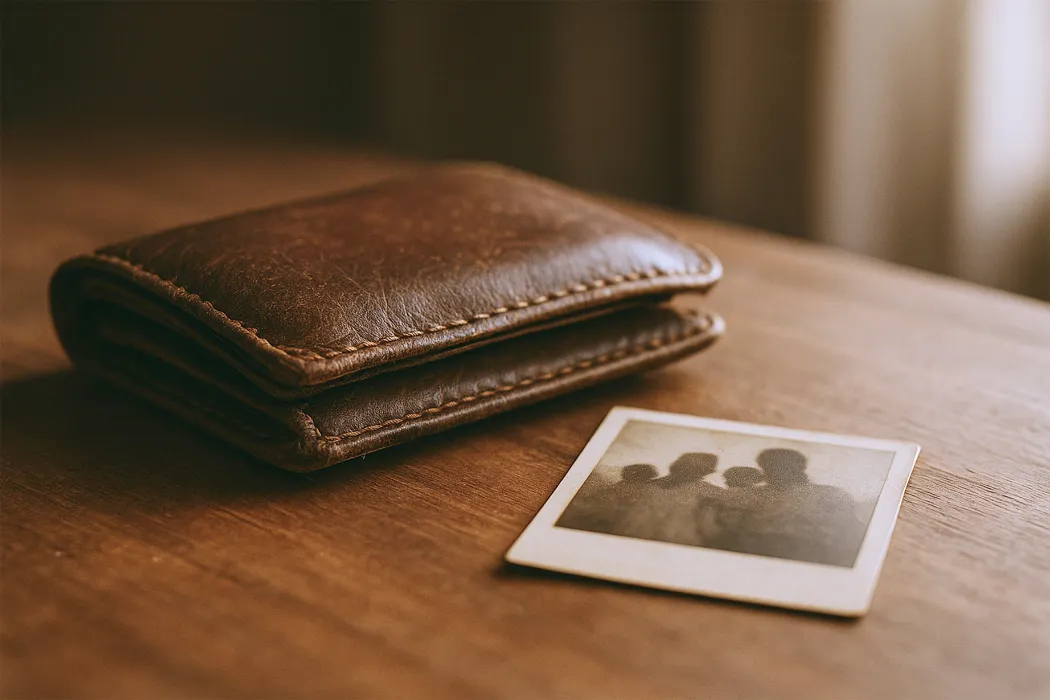
Full-grain leather is the “gold standard” for one simple reason: it is the strongest, most durable part of the hide. It comes from the very top layer, just below the hair, and includes the entire natural grain structure. This dense, interlocking fiber matrix is what gives the leather its immense tensile strength.
- It Ages, It Doesn’t Degrade: Full-grain leather is the only grade that develops a “patina”—a rich, desirable sheen and darkening that comes from years of use. It doesn’t peel or crack; it improves with age.
- Extreme Durability: Because the grain is intact, it is highly resistant to tearing, puncturing, and splitting. A well-made full-grain wallet isn’t just an accessory; it’s an investment that can easily last 15-20 years or more.
- The Feel: It has a natural, authentic feel. You can often see the small imperfections of the original hide, which are considered marks of quality, not flaws.
The Workhorse: Top-Grain Leather for Style and Pliability
Top-grain leather is the second-best quality and the most common choice for premium, stylish wallets. It is also cut from the top layer of the hide, but with one key difference: the very top surface has been lightly sanded or “buffed” to remove imperfections (like scars or bug bites).
This buffing process gives it a softer, more pliable feel and a more uniform, “clean” appearance. It’s often finished with a protective coating, which makes it more resistant to stains and scratches than untreated full-grain. This makes it an excellent choice for “durable and stylish” wallets where a flawless finish and a softer hand-feel are required.
The “Genuine Leather” Trap: Why This Material Fails
This is the single most misleading term in the leather industry and the reason most wallets fail. “Genuine Leather” is not a mark of quality; it’s a marketing term for one of the lowest grades of leather.
It is typically “split” leather, which is the weaker, fibrous layer left after the strong top-grain is split off. Because it has no natural grain or beauty, it is heavily processed:
- It is often “corrected” by sanding down all imperfections.
- An artificial, repetitive grain pattern is embossed onto its surface.
- It is sprayed with a heavy topcoat of paint and polymer to look smooth and uniform.
This material fails because it’s essentially weak fibers held together by paint. The paint is what cracks at the wallet’s folds, and the material itself is prone to splitting. A “Genuine Leather” wallet often looks great on the shelf but can begin to crack and delaminate in as little as 6 to 12 months of use.
Core Leather Grade Comparison
As a manufacturer, understanding this “good-better-best” hierarchy is key to matching a product to your brand’s price point and quality promise.
| Leather Grade | How It’s Made (The Cut) | Durability (Years) | Feel & Finish | How It Wears |
|---|---|---|---|---|
| Full-Grain | Top layer of the hide, grain is 100% intact. | 15-20+ Years | Natural, strong, authentic. Can have small imperfections. | Develops a rich patina. Does not peel or crack. |
| Top-Grain | Top layer, but surface is sanded (“corrected”) to remove flaws. | 5-10 Years | Soft, pliable, and uniform. Often has a protective finish. | Resists light stains, but can scuff. Does not develop a patina. |
| Genuine (Split) | The weaker bottom layer, split from the top. No natural grain. | 6-12 Months | Stiff, plastic-like feel. Artificially embossed grain. | Cracks and peels. The paint layer at the folds is the first to fail. |
| Bonded Leather | Leather dust and scraps glued together with polyurethane. | < 6 Months | Feels like plastic. Smells like chemicals. | Delaminates and falls apart. Not a durable material. |
How Do Calfskin, Goatskin, and Exotic Leathers Compare? (The Specialty Leathers)
Calfskin is prized for its exceptionally soft, smooth, and luxurious feel, making it ideal for high-end bifolds where elegance is key. Goatskin is known for being surprisingly tough, lightweight, and scratch-resistant, perfect for slim wallets. Exotic leathers like alligator or lizard offer unique, durable scale patterns but command premium pricing and require specialized manufacturing.
Calfskin: The Gentleman’s Choice for Softness vs. Durability
Calfskin is a high-end leather sourced from young cattle. Its defining characteristic is a luxurious, fine-grained, and exceptionally soft texture. This is why it’s a favorite for luxury dress wallets and high-end accessories. But is it durable?
Yes, but its value is in softness, not ruggedness. A full-grain calfskin wallet is durable in the sense that its fibers are strong and won’t split, but its smooth surface is more prone to showing scratches and scuffs than a thick, oily cowhide. It’s a trade-off: you get a beautiful, refined look and feel, but it’s not the material you’d choose for a rugged, “throw-it-in-a-toolbox” wallet. It’s the standard for brands that prioritize a slim profile and a sophisticated, non-rugged aesthetic.
Goatskin & Kangaroo: The “Durable but Thin” Champions
This category directly answers the demand for “durable slim wallets.” When a brand wants to create the thinnest possible wallet without sacrificing strength, standard cowhide is often too bulky. The solution lies in leathers with a higher strength-to-weight ratio.
- Kangaroo Leather: Widely considered the toughest leather for its thickness, kangaroo hide has a unique, interlocking fiber structure. On a millimeter-for-millimeter basis, it is often cited as being 10 times stronger than cowhide. This allows manufacturers to “skive” (thin) the leather down to 0.5mm – 0.8mm and still retain incredible tear resistance, making it the ultimate material for ultra-slim, minimalist wallets.
- Goatskin (Chèvre): Goatskin has a distinctive, pebbled texture and is known for being lightweight, water-resistant, and surprisingly resilient. It has a high natural lanolin content, which helps it resist minor scratches and scuffs. This makes it a fantastic choice for items that are handled frequently, like bifolds or cardholders.
Bull Leather: Is It Different from Cowhide?
This is a common question from brands looking for a “tough” or “masculine” aesthetic, often for “durable thick wallets.” The simple answer is yes, bull leather is cowhide, but it comes from a male animal. This has two key impacts on the final material:
- It’s Thicker: Bullhides are generally thicker and denser than cowhides (from female animals), often in the 10-14oz (4mm-5.6mm) range.
- It’s More Rugged: The grain is often more pronounced, and the hide may feature more natural “character marks” like neck wrinkles (or “shoulder”), giving it a tough, robust appearance.
While often too thick for a standard bifold, bull leather is the perfect choice for rugged long wallets, trucker wallets, or heavy-duty card cases where a thick, durable, and “manly” feel is a key selling point.
Exotic Leathers (Alligator, Lizard, Ostrich): A Guide for Men
Exotic leathers are chosen for their unique visual “wow” factor. They are the definition of luxury, but their durability varies. As a manufacturer, working with exotics requires highly specialized equipment and artisans, as the scales and bumps cannot be treated like flat cowhide.
- Alligator/Crocodile: The ultimate luxury. The “belly” cut is prized for its soft, pliable scales. Durability is high, but it requires care to prevent the scales from drying out or splitting. The cost is extreme, often 10-20 times the price of cowhide.
- Lizard (Tegu/Varanus): Known for its small, glossy, and uniform scale pattern. It’s a thin but durable skin, often used as a full exterior on bifolds. It’s tough but can be brittle if it dries out.
- Ostrich: Instantly recognizable by its “quill” bumps (the follicles from the feathers). The leather itself is exceptionally soft, pliable, and naturally oily, making it both durable and resistant to cracking.
Manufacturer’s Insight: Sourcing exotic leathers for brand production requires strict adherence to CITES (Convention on International Trade in Endangered Species) regulations. Brands must partner with manufacturers like Hoplok who can provide the legal documentation to prove sustainable and legal sourcing for every single skin.
Why Does Wallet Construction Matter More Than the Leather Itself? (The Weak Points)
A wallet’s durability is determined by its weakest point. Even a full-grain leather wallet will fail if the stitching is poor, the lining is cheap, or the ID windows are made of brittle plastic. High-quality construction—such as durable stitching, quality zippers, and flexible linings—is just as essential as the leather itself for a long-lasting wallet that can withstand daily use.
The Stitching: Hand-Stitched (Saddle) vs. Machine-Lockstitch
The thread holding the wallet together is a primary failure point. There are two main methods:
- Machine Lockstitch: This is the standard stitch used on over 99% of manufactured goods. It’s fast and efficient, using two threads (a top and a bottom bobbin) that “lock” together in the middle of the leather. Its weakness: if one thread breaks (e.g., from abrasion in a pocket), the “lock” is broken, and the entire seam can unravel over time.
- Hand-Stitched (Saddle Stitch): This is a traditional, time-consuming method that is significantly stronger. A single thread with two needles is passed back and forth through the same hole, creating two independent, interlocking lines of thread. If one stitch breaks, the rest of the seam remains 100% intact. It’s the mark of a truly high-end, durable wallet.
The Lining: Why Pigskin, Fabric, or RFID Lining Beats Raw Leather
Lining a wallet isn’t just a style choice; it’s a critical engineering decision. Using no lining (a “raw” interior) is often marketed as rugged, but it creates two problems: it adds bulk (leather-on-leather is thick) and creates friction, making it hard to slide cards in and out. A good lining solves this.
- Reduces Bulk: A thin fabric or pigskin lining allows for more card slots in the same profile.
- Reduces Friction: Cards slide easily against nylon or polyester.
- Adds Function: Modern RFID-blocking fabric can be integrated into the lining to provide security without adding any noticeable bulk.
The Feature Failure Points: Zippers, ID Windows, and Coin Pouches
The more features a wallet has, the more potential weak points it introduces. This is where most themed or feature-heavy wallets fail, directly answering queries about “multiple ID windows” or “trifold with zipper.”
A manufacturer’s choice of components is what separates a 1-year wallet from a 5-year wallet.
- ID Windows: The clear window is almost always the first part to fail. A cheap window is made of brittle PVC, which becomes stiff in the cold and will crack after just a few months of flexing. A durable wallet uses a high-quality, flexible TPU (thermoplastic polyurethane) window, which can be bent thousands of times without splitting.
- Zippers: This is a classic failure point for “trifold with zipper” wallets. A cheap, unbranded zipper has a failure rate of 5-10% and may fail within 500-1,000 cycles. A top-tier manufacturer will only use a trusted brand like YKK, whose zippers are tested for 5,000+ cycles and have a failure rate of less than 0.1%.
Manufacturer’s Insight: For brands designing wallets with “multiple ID windows” or “phone pockets,” the stress on the seams is immense. Hoplok’s in-house design team reinforces these high-stress points with bar-tack stitching and durable nylon-bonded thread, ensuring the features last as long as the leather itself.
The Tanning Process: Veg-Tanned vs. Chrome-Tanned for Wallets
Finally, the tanning process of the leather must match the wallet’s function. Using the wrong type of leather, even if it’s full-grain, will result in a product that doesn’t function well.
- Vegetable-Tanned (Veg-Tan): This leather is stiff and firm. It’s famous for “molding” to its contents. This is the perfect choice for classic bifolds and cardholders, as it will break in and hold its shape, developing a rich patina.
- Chrome-Tanned (Chrome-Tan): This leather is soft, flexible, and often more water-resistant. It’s the ideal choice for zip wallets, wristlets, or trifolds where the leather needs to be soft and pliable from day one and must flex around a zipper or other components.
How Do You Make a Durable Wallet That is Also [Pink, Camo, or Themed]? (The Customization)
To create a durable pink, camo, or themed wallet (like for the 49ers or Spider-Man), manufacturers cannot just paint cheap leather, as this will peel. The best method is digital UV printing or heat-embossing, which applies the design directly onto a high-quality top-grain or full-grain blank. This bonds the design *to* the durable material, ensuring the image doesn’t peel or flake off.
The “Novelty Wallet” Problem: Why Most Themed Wallets Peel
This is the central problem for dozens of search queries: “durable Spider-Man wallet,” “durable Pokemon wallet,” “Snoopy wallet,” etc. Why do these products so often disappoint, falling apart in months?
The failure is almost never the fault of the character; it’s the fault of the manufacturing. The vast majority of “novelty” or “themed” wallets are made using the cheapest possible methods:
- Material: They often don’t use real leather at all, but cheap PVC or PU. A design is simply printed on the plastic surface, which is prone to cracking and peeling.
- The Sticker Method: Even worse, some are made of “Genuine Leather” (the low-grade split), and the design is a printed vinyl sticker or thin fabric layer glued to the surface. This delaminates and peels off, starting at the corners and folds, often within 3-6 months.
The customer is left with a wallet that looks terrible, and the brand (e.g., Marvel, Nintendo) gets a reputation for poor quality, even though the wallet manufacturer was the one who cut corners.
The Manufacturing Solution: Durable Printing vs. Embossing
A professional manufacturer must ensure the design is as durable as the product itself. This is achieved through two primary methods:
- Digital UV Printing: This is the high-tech solution for complex, multi-color designs like “camo print” or a full-color character. The process works like a high-end inkjet printer, but it sprays specialized inks directly onto the prepared leather surface. Immediately, a high-intensity UV light passes over the ink, curing it instantly and bonding it to the leather’s fibers. This creates a flexible, durable, and abrasion-resistant finish that won’t crack or peel like a sticker.
- Heat-Embossing (Stamping): This is the classic, permanent solution for logos or simpler patterns (like “animal print” or a “49ers” logo). A custom metal die (a stamp) is heated to a precise temperature and pressed into the leather with several tons of pressure. This creates a permanent, three-dimensional impression in the leather that cannot be rubbed off. It is part of the wallet itself.
Can You Have a Durable Pink, Purple, or Green Wallet?
Yes, absolutely. This directly answers the queries for “durable pink wallet,” “purple wallet,” “green wallet,” and so on. The secret to a durable colored wallet is ensuring the color goes all the way through the leather.
The Wrong Way: Budget manufacturers take cheap, finished leather (of any color) and simply spray-paint a pink or purple topcoat on it. Just like “Genuine Leather,” this topcoat of paint will scuff, scratch, and crack, revealing the different-colored leather underneath.
The Right Way: “Drum-Dyeing.” This is a core process that happens at the tannery. The unfinished leather hides are placed inside massive wooden drums, which are then filled with the dye (e.g., pink). The drums tumble for 8-12 hours, allowing the dye to fully penetrate and bond with the entire fiber structure of the hide. The color is not on the leather; it is the leather. This way, even if the wallet gets a deep scratch years later, the color underneath is still the same shade of pink, making the damage nearly invisible.
Manufacturer’s Insight (Hoplok): As a manufacturer for top global brands like J.Crew and Macy’s, Hoplok is a specialist in this exact intersection of durability and customization. We solve this problem for our B2B clients by:
- Sourcing: We leverage our ProPelli tannery relationships to source high-quality, LWG-certified, drum-dyed top-grain leathers in any custom brand color.
- Application: Our in-house design team and production floor use precision UV printing for complex camo or character art, and deep-heat embossing for logos.
This “Trifecta” (durable leather + durable color + durable printing) ensures the final product—whether it’s a “durable camo wallet” or a “durable pink wristlet”—lasts as long as our client’s brand reputation depends on it.
What Is the Best Leather for a Slim Wallet or Wristlet?
The best leather for a “durable slim wallet” is a material with a high strength-to-weight ratio. Kangaroo leather is the top choice, as it’s significantly stronger than cowhide at the same thickness. Full-grain goatskin is another excellent, lightweight, and durable option. For slim cowhide wallets, manufacturers use a 2-3oz (0.8-1.2mm) full-grain leather, skived thin.
The Kangaroo & Goatskin Advantage
As we covered in H2, these specialty leathers are the champions of the “durable but thin” category. For a brand owner, designing a slim wallet is a battle against bulk. If you use a standard 4oz cowhide, a 6-pocket bifold will be nearly an inch thick when full. To solve this, you need a material that can be skived (thinned) down to 1.0mm or less without becoming weak.
- Kangaroo: Its interlocking fiber structure provides incredible tear resistance even when paper-thin. It’s the undisputed king of slim, durable wallets.
- Goatskin (Chèvre): This is the luxury choice. It is naturally thinner than cowhide, has a high abrasion resistance (so it handles pocket-wear well), and is very lightweight.
What About a Durable Wristlet with a Phone Pocket?
This product query—“durable leather wristlet with a phone pocket”—has a different set of engineering needs. Unlike a bifold that lives in a pocket, a wristlet is handled constantly, zipped and unzipped, and must be soft and pliable from day one. It is part-bag, part-wallet.
The best material for this use case is a Chrome-Tanned Top-Grain Leather at 2-3oz (0.8-1.2mm) thickness. Here’s why:
- Softness & Pliability: Chrome-tanning (as discussed in H2.4) results in a soft, flexible leather. This is essential for a product that needs to flex around a phone and other contents without feeling stiff.
- Lightweight: The 2-3oz thickness keeps the product light and comfortable to carry on the wrist.
- Water & Stain Resistance: The top-grain finish and chrome-tanning process make the leather less porous and more resistant to rain, splashes, and fingerprints—all common issues for a product that is held in the hand.
Using a stiff, 4oz vegetable-tanned leather here would be a mistake. It would make the wristlet bulky, rigid, and difficult to use. The material must match the function.
Non-Leather Options: Carbon Fiber and Technical Fabrics
To be thorough, we must acknowledge that for the “slim” and “durable” categories, leather has serious competition from non-leather materials. As a manufacturer, it’s important to know the entire landscape.
- Carbon Fiber: Often made from rigid plates of real carbon fiber, these wallets are exceptionally strong, lightweight, and RFID-blocking. They are, however, completely inflexible.
- Technical Fabrics: Materials like 1000D Cordura® nylon or sailcloth (X-Pac) are extremely durable, waterproof, and super-lightweight. They offer a “tactical” or “sporty” aesthetic and are a popular choice for minimalist or `durable camo wallets`.
While Hoplok specializes in crafting premium leather goods, our US-based design team stays ahead of these market trends, often incorporating technical linings or RFID-blocking fabrics into our classic leather designs.
Are Vegan Leather Wallets a Durable Option?
Most vegan wallets, made from PU or PVC, are not a durable long-term option. They typically last 1-3 years before peeling or cracking at the folds. However, high-end, next-generation “plant-based” leathers (like Desserto from cactus) are showing much better abrasion resistance. Therefore, durability depends entirely on the type and quality of the vegan leather used.
The PU/PVC Problem: Peeling and Cracking Explained
As we’ve discussed, standard vegan leather is a layered plastic product. Its failure is guaranteed by its design. The constant flexing of a wallet in a pocket causes the plasticizers to dry out and the top PU layer to delaminate from the fabric base. This results in the “peeling” and “cracking” that is the #1 complaint. For a brand, this is a “disposable” material, and the customer’s expectation must be set accordingly.
The Plant-Based Hope: Cactus and Pineapple Leather
New materials like Piñatex (pineapple) and Desserto (cactus) are a significant step up in quality. They are bio-composites, mixing plant fibers with a resin binder. They are more breathable and have a much higher abrasion resistance than cheap PU. However, they are still a composite material and their long-term durability is still being tested. Current estimates place their lifespan in the 3-5 year range, putting them significantly above cheap synthetics but still well below full-grain leather.
Sourcing High-Grade Vegan vs. Real Leather
For a brand, the choice isn’t “vegan vs. real”; it’s “which material matches my brand promise and price point?”
Manufacturer’s Insight (Hoplok): As a factory with both LWG-certified tanneries (via our ProPelli facility) and deep sourcing networks for high-grade PU/Vegan materials, we guide our B2B clients to the right choice. We can produce both. If you want a “buy-it-for-life” heritage product, we will use our full-grain leather. If you are an ethics-focused brand targeting a $50 retail price and a 3-year lifespan, we will source a high-grade, REACH-compliant PU or plant-based composite. We provide the data so you can make an informed choice.
Here is a simplified comparison for a wallet, including the all-important “Cost Per Wear” (CPW) metric for a $100 wallet used daily for its lifespan.
| Material | Avg. Lifespan (Daily Use) | Failure Mode | “Cost Per Wear” (Est.) |
|---|---|---|---|
| Full-Grain Leather | 10 Years (3,650 days) | Develops Patina | $0.027 per day |
| Plant-Based (High-End) | 3 Years (1,095 days) | Abrasion, Cracking | $0.091 per day |
| PU Vegan Leather | 1.5 Years (547 days) | Peeling, Cracking | $0.182 per day |
| “Genuine Leather” (Split) | 1 Year (365 days) | Cracking, Peeling | $0.273 per day |
FAQ Section (People Also Ask)
1. How can I tell if a wallet is truly full-grain leather?
Look closely at the grain. True full-grain leather will have a non-uniform, natural pattern, and may even show small imperfections like tiny scars or pores from the original hide. If the grain pattern looks perfectly repetitive or “printed,” it is likely a corrected or genuine-grade leather. Full-grain also has a rich, natural smell, unlike the chemical or plastic smell of fakes.
2. What’s the difference between a bifold and a trifold wallet in terms of durability?
A bifold wallet is generally more durable than a trifold. A trifold has two fold points, which creates more layers of leather (6-9 layers when full) and puts immense stress on those two seams. This extra bulk and stress mean the outer edges and folds will wear out, crack, and split much faster than the single, less-stressed fold of a bifold.
3. Why do my ID windows always crack?
Your ID windows crack because they are made from the wrong material: brittle, cheap PVC (polyvinyl chloride). PVC becomes very stiff in cold weather and cannot handle the constant flexing of a wallet, causing it to split. High-quality, durable wallets use a flexible polymer called TPU (thermoplastic polyurethane), which can be bent and flexed thousands of times, even in the cold, without cracking.
4. Is a calfskin wallet durable enough for everyday use?
Yes, it is durable, but it’s a trade-off. Calfskin has a strong, tight fiber structure (it is full-grain, after all) and will not break. However, its primary feature is its incredible softness and smooth, luxurious finish. This smooth surface will show scratches and scuffs more easily than a rugged, thick cowhide. It is durable enough for daily use, but it is not a “rugged” wallet.
5. Is “bull leather” just cowhide?
Yes, it is cowhide, but specifically from a mature male animal (a bull). This matters because bullhide is typically thicker, denser, and stronger than leather from a cow (female). It often has a more pronounced, rugged grain, making it the perfect choice for heavy-duty or “durable thick wallets” where a robust feel is desired, often in the 10-14oz range.
6. What leather is best for a wallet with a zipper compartment?
The best leather is a chrome-tanned top-grain leather. This is a crucial manufacturing choice. A zipper compartment requires the leather to be soft, flexible, and pliable to move with the zipper and prevent bunching. A stiff, vegetable-tanned leather would fight against the zipper and feel rigid. Chrome-tanned leather provides the necessary softness and flexibility for the feature to function smoothly.
Conclusion: Your Wallet is Your Brand’s Daily Handshake
A durable wallet isn’t just one thing. It’s the “Trifecta” we discussed: the right durable material (like full-grain) combined with the right durable construction (like TPU windows and YKK zippers) and the right durable customization (like drum-dyeing or UV printing).
As a brand, your wallet is in your customer’s hand every single day. It is a daily, physical handshake. Its durability, its feel, and its functionality are your brand’s quality. A wallet that peels or a zipper that fails is a daily reminder of a broken brand promise.
Don’t just choose a material; choose a manufacturing partner that masters the entire system. Hoplok is one of the few global manufacturers that offers true full-turnkey service, from our ProPelli tannery and global sourcing to our in-house US-based design team that produces over 1,500+ prototypes monthly. We understand this “Trifecta,” and we help our clients build custom wallet collections that last.
If you’re ready to build a wallet collection that reflects your brand’s commitment to quality, contact Hoplok Leather for a manufacturing consultation and to get started on your custom samples.