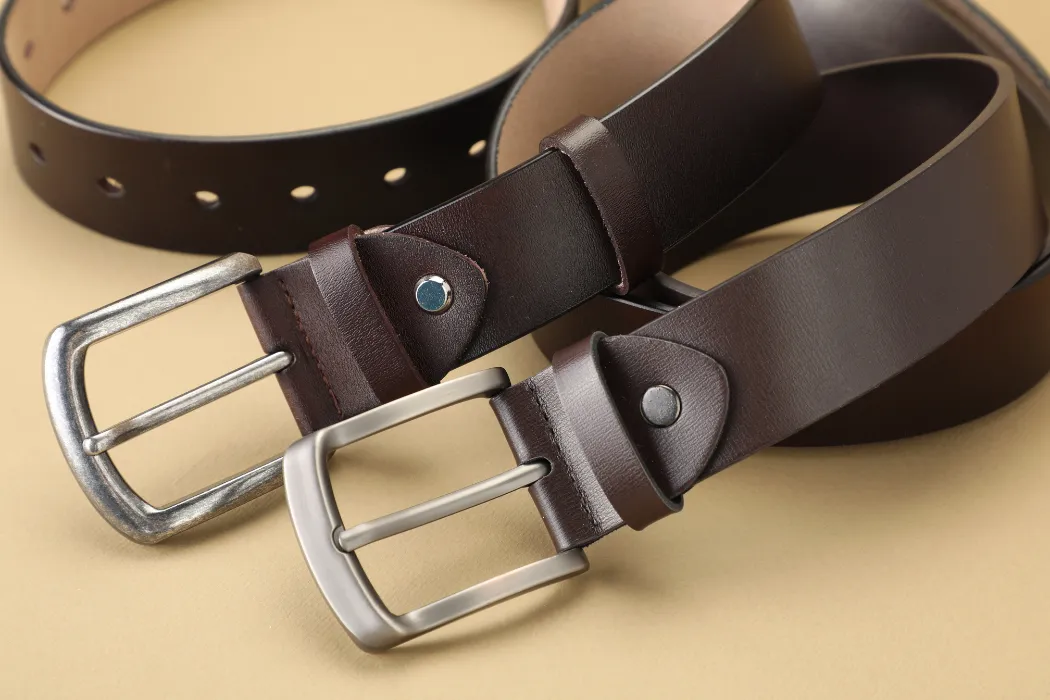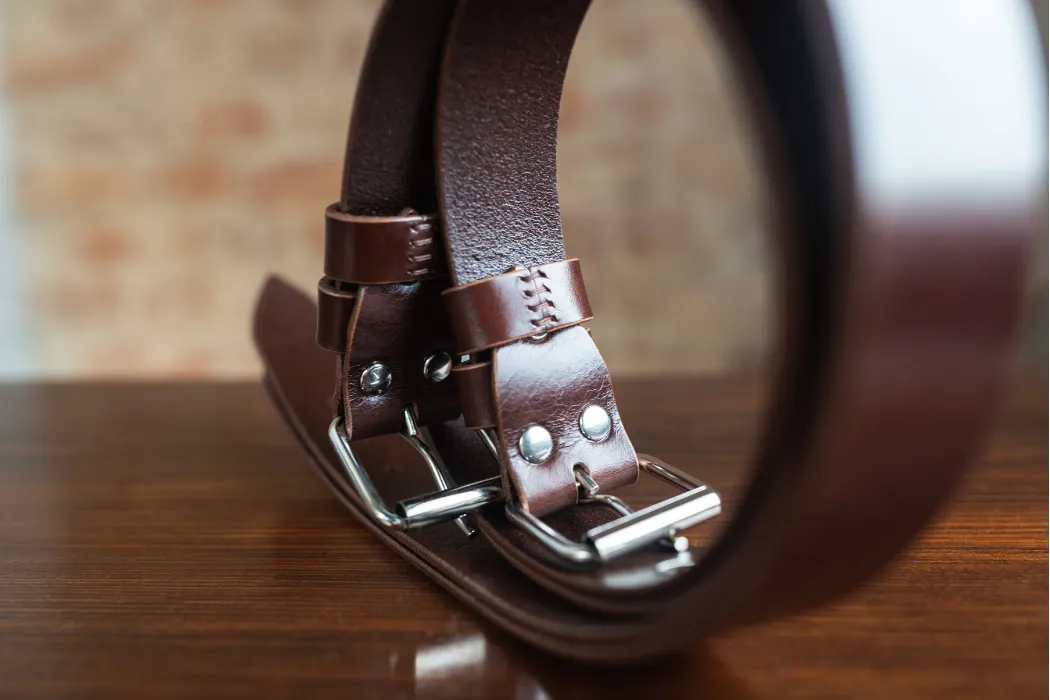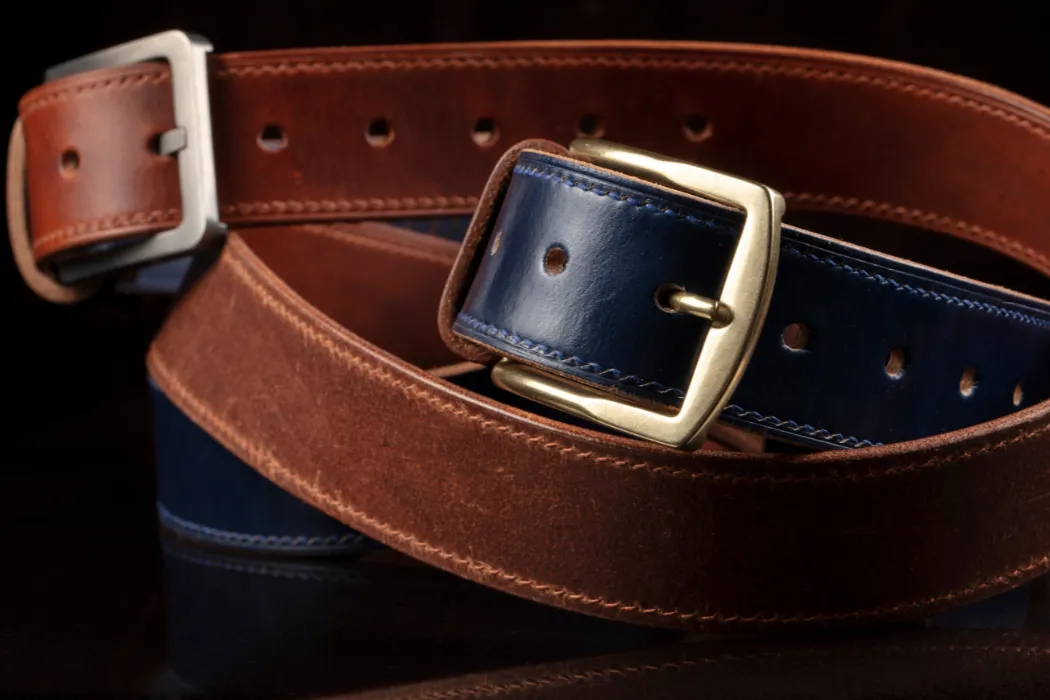
The zinc alloy vs solid brass decision directly impacts your cost of goods and perceived brand quality. Zinc alloy offers a lower unit price but brings the risk of plating failures and returns. Solid brass provides heritage quality but can increase hardware costs by 4-5x, eroding your product margins.
This analysis benchmarks both materials on key production metrics: material density, corrosion resistance, and manufacturing cost. We provide data based on our strict salt spray testing to help you align your hardware selection with your brand strategy, whether you prioritize value or longevity.
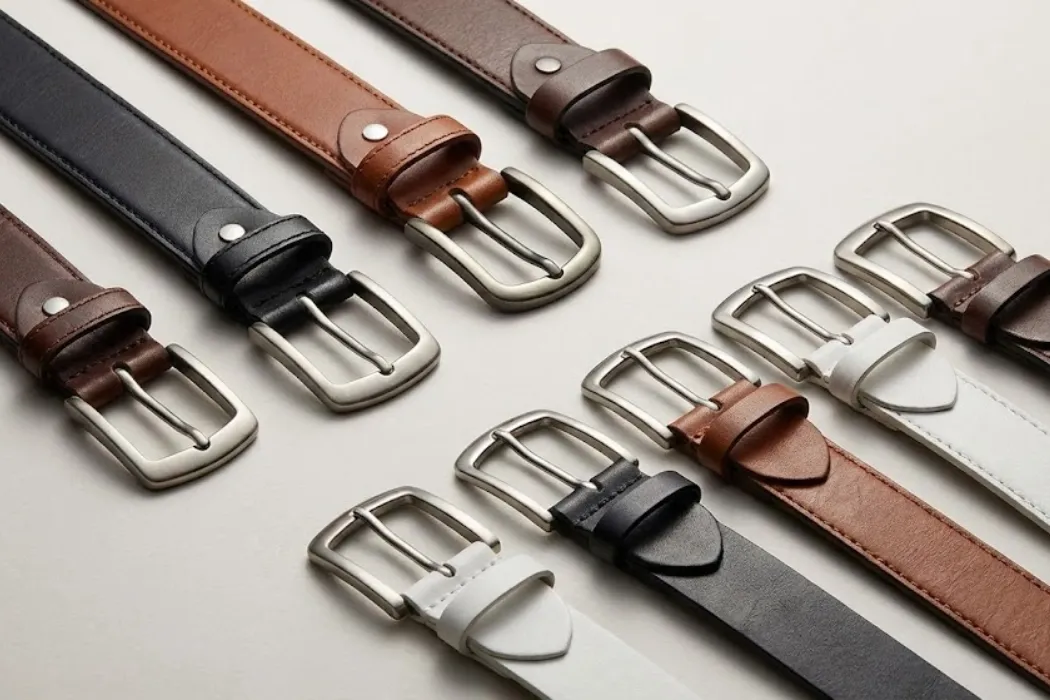
What is Zinc Alloy (Zamak)?
Zinc alloy, or Zamak, is a metal ideal for manufacturing custom belt buckles. Its high castability allows for complex designs while providing reliable performance at a good price point.
Composition and Manufacturing Properties
Zinc alloy is a family of metals based on zinc, combined with alloying elements like aluminum and copper. Its key characteristic for hardware production is its low melting point and high fluidity. This makes it perfect for die-casting, a process where molten metal is injected into a mold under pressure.
This manufacturing method is highly efficient. It allows us to produce complex and intricate shapes with an excellent surface finish. Achieving the same level of detail with other metals like brass or steel would be significantly more difficult and expensive.
Application in High-Durability Belt Buckles
Zinc alloy is one of the primary materials we use for custom belt buckles, precisely because it allows us to open new molds for unique brand shapes and logos. It gives our B2B clients tremendous design flexibility.
The material itself is not as naturally corrosion-resistant as solid brass. That’s a known trade-off. But, we engineer around it. Every zinc alloy buckle we manufacture is anti-rust treated and receives a high-durability plating. To validate this, we use strict salt spray testing to ensure the hardware’s longevity and performance meet international quality standards you can depend on.
What is Solid Brass?
Solid brass is a dense copper-zinc alloy known for corrosion resistance and substantial weight. Unlike plated metals, its uniform composition allows it to be re-polished, ideal for durable, premium hardware.
Composition and Material Integrity
Solid brass is a binary alloy made entirely of copper and zinc. The material is the same from the core to the surface, unlike plated items which have a different base metal underneath. Its appearance is a classic yellow-gold, with the exact tone depending on the copper content in the mix.
The defining physical trait of solid brass is its high density, which falls between 8.3 and 8.7 g/cm³. This gives it a noticeably heavier and more substantial feel compared to zinc alloy. The material also has superior tensile strength, making it significantly stronger and more resistant to bending or breaking under stress.
Application in Premium Belt Buckles
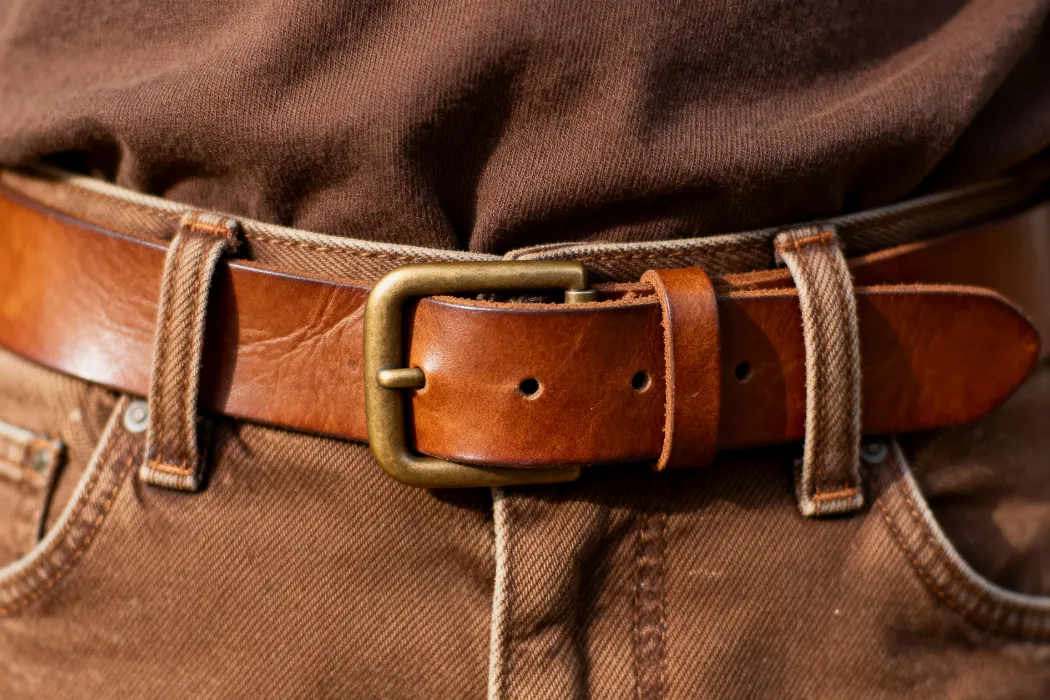
At Hoplok, we offer solid brass as a premium option for custom belt buckles because it delivers heritage quality. Its natural resistance to corrosion ensures the buckle won’t deteriorate over time, even in humid environments or with frequent use. It develops a natural patina instead of degrading.
Plated buckles often peel, bubble, or chip, revealing the less attractive base metal underneath. Solid brass has no plating to fail. Any scratches or tarnish can simply be polished away, restoring its original shine for decades. For the end customer, the substantial weight of a solid brass buckle immediately signals a high-quality, durable product worth the investment.
Scale Your Brand with Premium Custom Belts
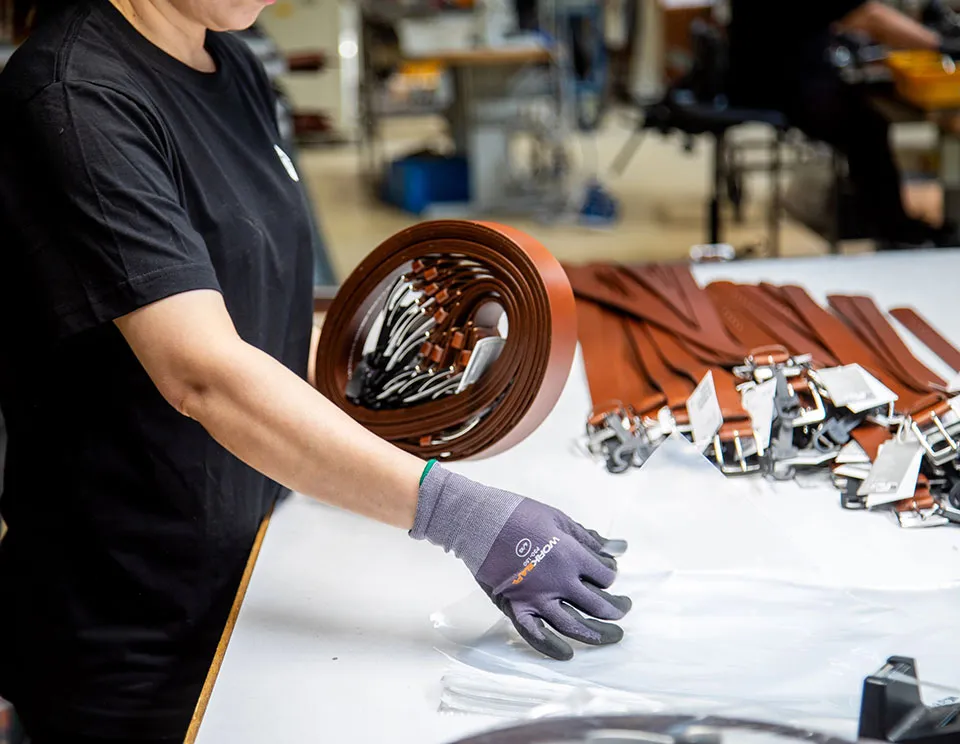
Weight Test: The “Heavy” Feel of Luxury
A heavier belt buckle, often made of solid brass, signals superior quality. Brass is much denser than zinc alloy, giving it a substantial weight consumers associate with value.
Why Heavier Buckles Feel More Premium
When a customer handles a product, its weight is one of the first things they notice. A buckle with substantial heft feels solid and durable in the hand. This weight is immediately associated with better craftsmanship and materials that last, creating a strong perception of quality before they even look at the details.
The difference isn’t subtle. A customer comparing a lightweight zinc buckle with a heavy brass one can instantly feel the contrast. That immediate, physical feedback tells them one product is built to a higher standard than the other.
Material Density: Brass vs. Zinc Alloy Hardware
The technical reason for this weight difference is material density. Solid brass has a density of roughly 8.4 g/cm³, making it significantly heavier and more compact than the much lighter zinc alloy used in standard hardware.
This density gives our optional solid brass buckles the recognizable heft expected from heritage brands and luxury goods. For brand owners developing a high-end belt line, choosing brass is a key customization that delivers a tangible feeling of premium quality right out of the box.
Corrosion Resistance: Which lasts longer?
Solid brass naturally outlasts zinc alloy. Brass forms a protective patina, while zinc corrodes away and requires high-quality plating to achieve any real durability.
When it comes to hardware that can withstand the elements, not all metals are created equal. The lifespan of a belt buckle often comes down to its fundamental reaction to moisture and air. Solid brass and zinc alloy have completely different corrosion profiles.
How Each Metal Reacts to Moisture
The core difference is in how each material ages. Brass develops a shield, but zinc simply breaks down.
- Solid Brass: When exposed to moisture, brass develops a stable green patina. This layer isn’t a flaw; it’s a protective shield that actively slows down any further corrosion, preserving the metal underneath.
- Zinc Alloy: This material reacts very differently. It corrodes into a white powder or shows bubbling under the plating. This “white rust” is a clear sign that the surface is breaking down and losing its integrity.
Protective Plating and Salt Spray Testing
Because zinc alloy is inherently vulnerable, any claim of durability depends entirely on the quality of its protective coating. This is a non-negotiable part of our manufacturing process. We validate the lifespan of our hardware through two key steps.
- Our zinc alloy buckles receive a high-durability plating to create a strong barrier against rust and environmental damage.
- We validate this protection by putting our hardware through strict salt spray testing—an industry standard for measuring and guaranteeing corrosion resistance.
For applications demanding maximum, worry-free lifespan, solid brass is the technically superior choice. But for cost-sensitive projects, our validated, plated zinc alloy provides reliable performance.
Plating Adhesion: Why Zinc Bubbles
Zinc buckles bubble when contaminants or gas gets trapped under the plating. This pressure lifts the coating, creating defects. Proper cleaning and plating control are the only solution.
Root Causes of Plating Failure
A bubble or blister on a plated zinc buckle is a clear sign of adhesion failure. This isn’t a random defect but a direct result of specific process breakdowns. The problem almost always originates from contaminants or gases trapped beneath the finished coating layer.
- Surface Contamination: Oils, dust, or die-release residues from the die-casting process can remain on the buckle’s surface. These contaminants prevent the plating from forming a strong bond, creating a weak point that eventually lifts.
- Trapped Moisture and Gases: If water or air gets sealed under the coating, any temperature change can cause it to expand. The resulting pressure is often enough to push the plating up and form a bubble.
- Hydrogen Accumulation: During the electroplating process, hydrogen can get absorbed into the zinc alloy. Over time, this trapped hydrogen builds internal pressure, pushing outward and causing blisters to appear on the surface.
- Improper Curing: Applying a coating too thickly or drying it too quickly “skins” the surface. This traps solvents underneath, which then vaporize and create pressure bubbles as they try to escape.
Our Approach to Durable Plating
Knowing why plating fails is the first step. Building a production system to prevent it requires strict discipline. We’ve engineered our process to eliminate these common failure points from the start.
- High-Durability Plating: Our methods are optimized to create a strong, permanent bond between the coating and the zinc alloy. We focus on metallurgical adhesion, not just a cosmetic top layer.
- Strict Salt Spray Testing: We subject our buckles to rigorous salt spray testing. This verifies that the plating maintains its adhesion and corrosion resistance even under the harsh conditions brand owners expect their products to endure.
- Meticulous Surface Preparation: Before any buckle enters the plating stage, it goes through a thorough, multi-stage cleaning protocol. This removes all oils, residues, and other contaminants that could compromise the finish.
- Compliance with REACH & CPSIA: All our finishes are guaranteed safe and free from restricted substances. This ensures your final products are compliant for entry into US and European markets without any issues.
Cost Analysis: $0.80 vs $4.00
The price gap between a zinc alloy buckle (~$0.80) and a solid brass one (~$4.00) boils down to brass’s expensive raw material, complex machining, and higher density.
When you’re sourcing belt hardware, the price jump from a zinc alloy buckle to a solid brass version can be jarring. It’s not arbitrary. That 4-5x cost difference reflects fundamental disparities in materials, manufacturing, and perceived value. Understanding these factors is key to matching your buckle choice—and your cost of goods—to your brand’s target market.
| Factor | Zinc Alloy (~$0.80) | Solid Brass (~$4.00) |
|---|---|---|
| Raw Material | Base metal is zinc, a commodity far cheaper than copper. | Alloy is primarily copper, a more expensive industrial metal. |
| Manufacturing | Simple, fast die-casting process suited for high-volume runs. | Slower, more complex machining and cutting required for precision. |
| Material Density | Lower density means less material used per buckle, reducing cost. | Higher density means more raw material per buckle, increasing weight and cost. |
What Drives the 4-5x Price Difference?
Three core factors drive the cost disparity between these two metals. They are not interchangeable, and the price reflects different production realities.
- Base Material Cost: The biggest driver is the cost of the raw metal. The price of brass is directly tied to its copper content. Copper is a more volatile and expensive commodity than zinc, which forms the base of zinc alloy. This difference alone accounts for a significant portion of the final price.
- Processing Complexity: Manufacturing methods are completely different. Zinc alloy is perfect for high-pressure die-casting, a fast and efficient process for creating intricate shapes. Brass is harder and requires more intensive cutting and machining, which takes more time, energy, and skilled labor, adding directly to production costs.
- Material Density: Brass is simply heavier and denser than zinc alloy. For a buckle of the exact same dimensions, you use more raw material by weight if it’s made from brass. This higher material consumption per unit directly translates to a higher final cost.
Choosing the Right Buckle for Your Brand’s Budget
Your choice of buckle material is a strategic decision that positions your product in the market. We support brands at both ends of this spectrum by offering a clear, tiered approach to hardware.
As a B2B-exclusive manufacturer, we provide both zinc alloy and solid brass buckle options. Zinc alloy is the go-to for mass-market brands or fashion-forward lines where styles change quickly and cost control is paramount. For these projects, our high-speed production and flexible MOQ help you launch new collections without massive upfront hardware investment.
Solid brass is the clear choice for heritage, workwear, or premium brands where durability is a non-negotiable selling point. Consumers in this segment associate the weight and longevity of brass with quality. Our **Factory Direct Pricing** on both materials ensures you aren’t paying for middlemen, maximizing your margins whether you’re building a cost-effective private label line or a high-end collection designed to last for decades.
The Verdict: Mass Market vs. Heritage Brand
Zinc alloy serves mass-market brands prioritizing cost and design intricacy. Solid brass is for premium brands where durability and feel justify a higher price. It’s a brand strategy decision.
Choosing your buckle material isn’t just a technical spec—it’s a core business decision. It tells your customer who you are, what your product stands for, and how long you expect it to last. The choice between zinc alloy and solid brass directly reflects your target market and price point.
Zinc for Accessibility, Brass for Longevity
Zinc alloy is the engine of the mass market. Its low cost and excellent performance in die-casting allow for intricate, creative designs that would be prohibitively expensive in brass. This makes it the obvious choice for fashion-forward or value-driven brands where accessible pricing is non-negotiable. Your customers get a stylish product at a great price, but the trade-off is a shorter lifespan under heavy use.
Solid brass takes the opposite approach. It’s significantly heavier, more expensive, and built for the long haul. Brands that use solid brass are making a statement about permanence and quality. The substantial weight, natural corrosion resistance, and ability to last for decades are what justify the premium price tag. For heritage, workwear, or luxury brands, the buckle isn’t just a fastener; it’s an investment that communicates the quality of the entire product.
Hoplok’s Role: Aligning Buckles with Brand Strategy
We understand this isn’t a one-size-fits-all problem. That’s why we manufacture buckles in both Zinc Alloy and Solid Brass. As your production partner, we provide the flexibility to align your hardware directly with your brand strategy and commercial goals.
This capability means you can develop a tiered product line with a single, reliable supplier. Launch a value-driven collection using cost-effective zinc alloy buckles for one channel, and simultaneously build a premium, life-long collection with solid brass for another. We provide the turnkey solution so you can focus on building your brand, not managing multiple hardware vendors.
Frequently Asked Questions
What are the main differences between zinc alloy and solid brass buckles?
Solid brass is significantly more durable, heavier, and corrosion-resistant, making it ideal for premium, long-lasting products. Zinc alloy is less expensive, lighter, and easier to mold into complex designs, but it is more brittle and relies on protective coatings to prevent tarnishing.
Does zinc alloy rust or tarnish?
Zinc alloy does not rust like iron-based metals. It can, however, tarnish over time by developing a dull film or discoloration, especially when exposed to humidity or chemicals. Quality zinc alloys are often coated to slow this process.
Why are solid brass buckles so expensive?
The high cost of solid brass comes from expensive raw materials (copper and zinc) and a labor-intensive manufacturing process like sand casting. Custom mold fees and high minimum order quantities also contribute to the higher price per unit.
What is the best metal for a belt buckle?
The best metal depends on your needs. Choose solid brass for long-term durability and a classic look. Pick stainless steel for maximum strength and corrosion resistance. Select zinc alloy for affordability and intricate design flexibility in fashion or light-duty belts.
How can I tell if my buckle is solid brass or zinc alloy?
There are two simple tests. First, use a magnet; solid brass is not magnetic, but zinc alloy often is. Second, check a scratched or worn area. If the metal underneath is golden-yellow, it’s solid brass. If it’s a silvery-white color, it’s likely zinc alloy.
Is Zamak a good material for belt buckles?
Yes, Zamak (a type of zinc alloy) is excellent for fashion and casual belts where intricate designs and affordability are important. It is lightweight and easy to plate. But for heavy-duty applications requiring maximum durability, solid brass is a better choice.
Final Thoughts
Choosing between a $0.80 zinc buckle and a $4.00 brass one is a brand strategy decision, not just a cost calculation. Plating failures and returns on low-quality hardware directly erode your reputation and margins. Our salt-spray tested plating on zinc alloy provides a reliable mass-market solution, while solid brass delivers the undeniable weight and longevity your premium customers expect.
Don’t guess on quality—verify it yourself. Request a hardware sample kit to feel the substantial difference in weight and finish firsthand. Contact our team to get a factory-direct quote and discuss opening a custom mold for your brand.