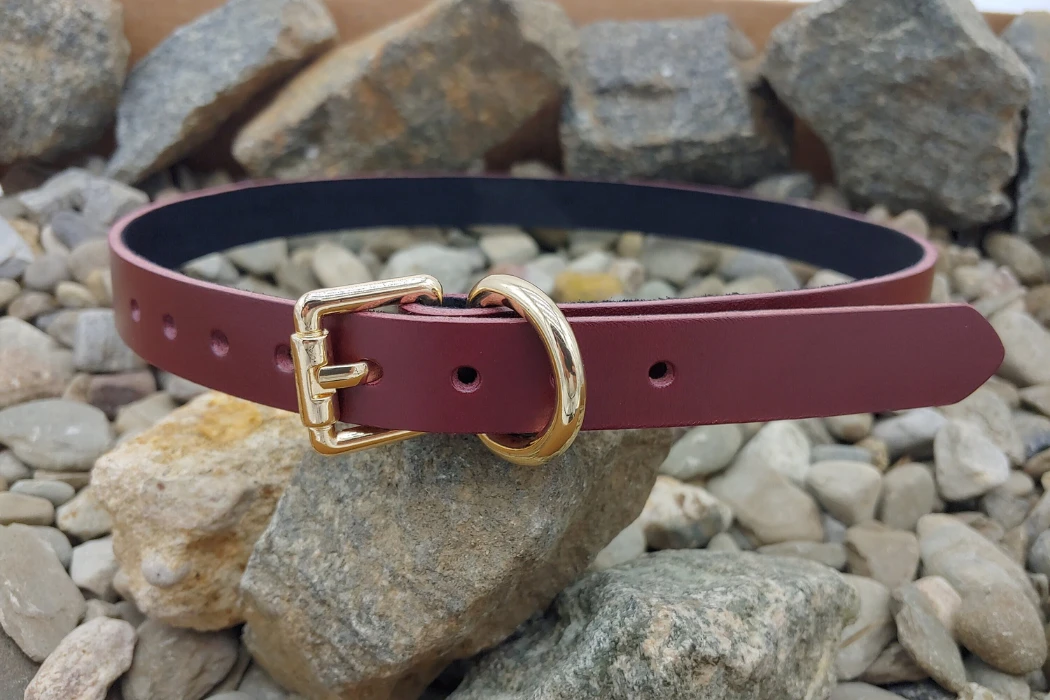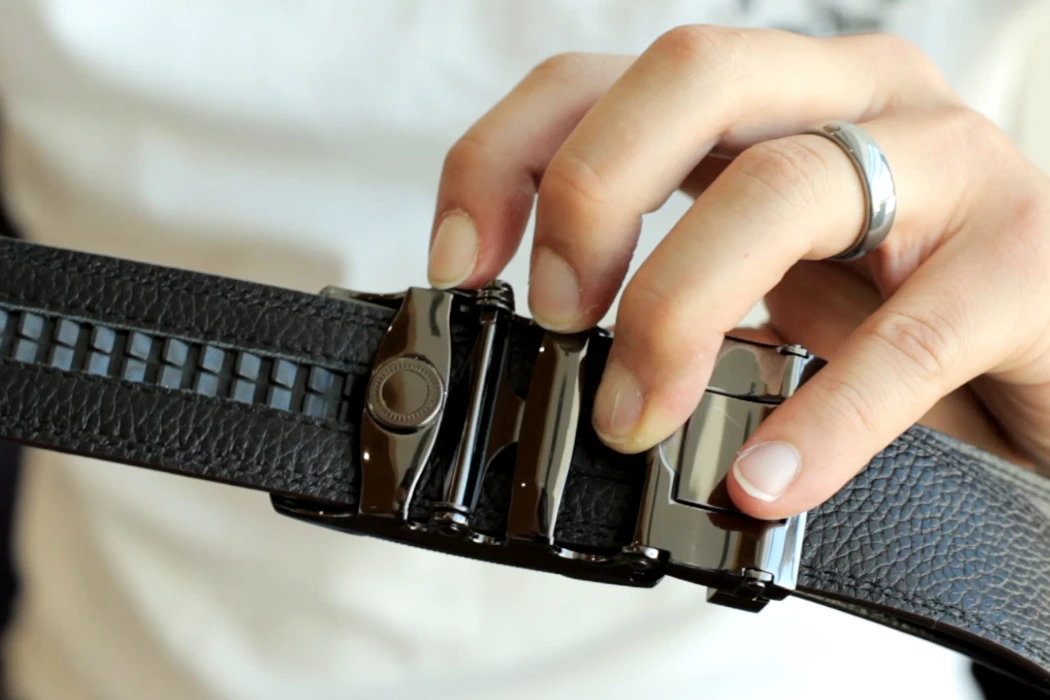
Zinc alloy and solid brass are both options for ordinary fashion-belt buckles. The right choice depends on the alloy, buckle geometry, finish, expected use and quotation. Neither a metal name nor a heavier feel establishes the service life of the finished buckle.
This guide explains the specification and sample checks needed to compare the two options. Request product-specific evidence for the proposed alloy and coating before making a durability or compliance claim.
What is Zinc Alloy (Zamak)?
Zamak is a family of zinc-based casting alloys, rather than a name for every zinc alloy. Its suitability for detailed die-cast shapes makes it relevant to custom buckle development.
Composition and Manufacturing Properties
Conventional Zamak alloys contain zinc with aluminum and controlled alloying additions. Different grades have different properties. The International Zinc Association alloy guide distinguishes conventional Zamak grades from higher-aluminum ZA alloys; specify the grade instead of ordering only “zinc metal.”
Die casting can produce detailed shapes and integrate features into the casting. Tool design, wall sections, draft, surface condition and any later machining affect the result. Compare the actual drawing and production process when assessing whether zinc offers a cost advantage.
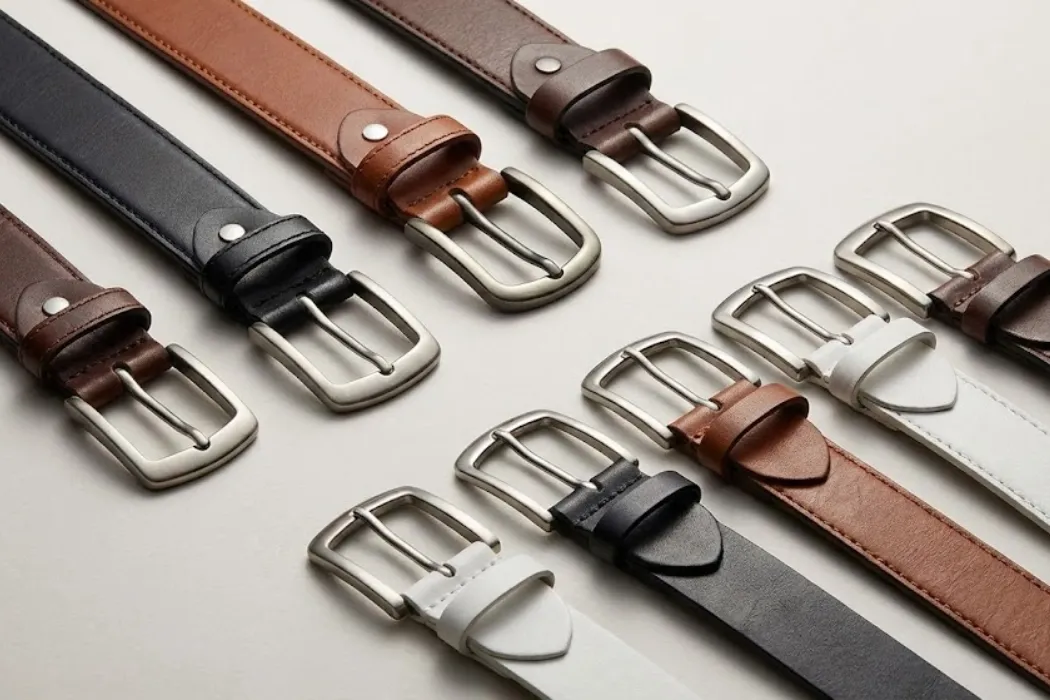
Specifying Zinc-Alloy Belt Buckles
For a custom belt, define buckle width, pin and bar geometry, logo detail and surface finish. Ask Hoplok to evaluate zinc-alloy hardware as part of the complete belt specification and quote any new tooling separately.
A plated zinc buckle needs an agreed coating system and inspection criteria. Confirm the casting quality, surface preparation, coating and tests for the proposed part. A general “anti-rust” description does not establish resistance under every storage or wearing condition.
What is Solid Brass?
Solid brass describes a brass base material rather than merely a brass-colored surface. Brass is based on copper and zinc; the specified grade may contain other alloying additions. A solid-brass buckle may also have plating, lacquer or another finish.
Composition and Material Integrity
Ask for the alloy grade and the finishes applied to the body, pin and other components. Do not assume the whole assembly is the same metal because the visible frame is solid brass. A yellow-gold appearance alone does not identify the underlying alloy.
Strength depends on alloy, temper, processing and geometry. The Copper Development Association data show substantial differences between tempers of the same brass alloy. A generic brass-versus-zinc claim cannot establish the load capacity of a buckle.
Specifying Solid-Brass Belt Buckles
Brass can suit a design that calls for its color, feel or a deliberately aging surface. It can tarnish or corrode under unsuitable conditions. Confirm the finish, care requirements and exposure conditions instead of promising that the metal cannot deteriorate.
Uncoated brass can sometimes be cleaned or polished, but polishing removes material and may alter an antique finish, lacquer or plating. Follow the finish supplier’s care guidance. It cannot reliably restore deep damage or guarantee decades of use.
Scale Your Brand with Premium Custom Belts
Weight Check: Compare the Finished Buckle
Buckle weight is a design variable. Compare the finished samples with the intended belt strap to assess balance and comfort. A heavier buckle may suit one collection and feel excessive on another.
Balance, Fit and Handling
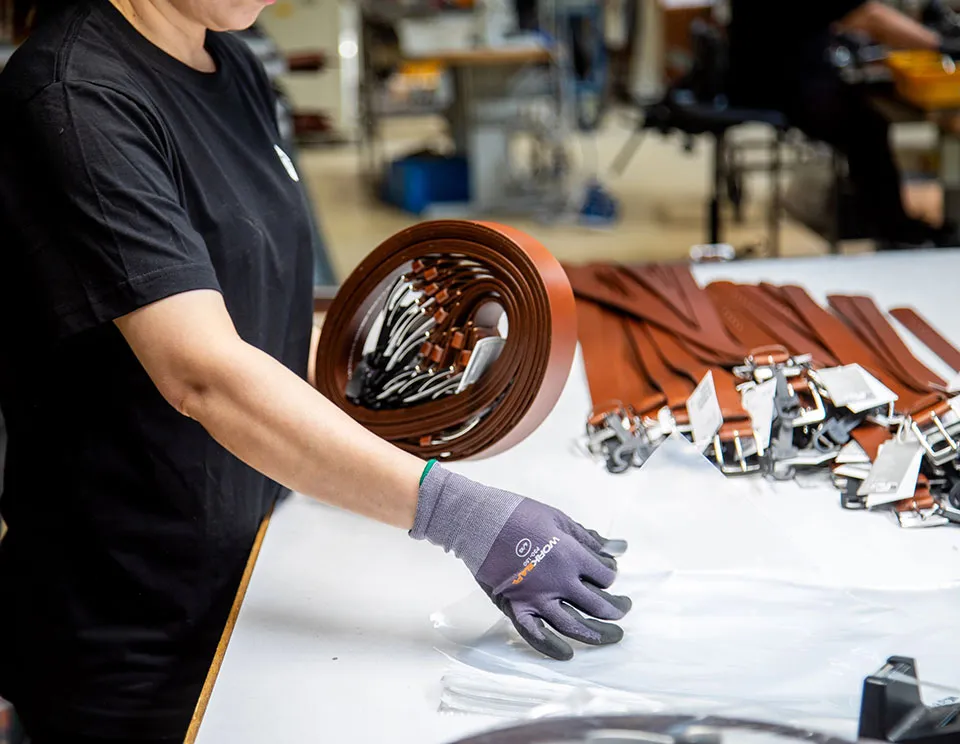
Record the assembled buckle mass, overall dimensions and the belt’s behavior when worn. The customer handles the complete product, so body shape, pin movement, edge smoothness and strap fit matter alongside weight.
Compare parts of the same size and similar construction where possible. A hollow or thinner brass design can weigh less than a bulky zinc casting. Weight alone is not a reliable material identification or quality test.
Material Density: Brass vs. Zinc Alloy Hardware
For a like-for-like geometry, mass depends on material density and metal volume. Use the actual alloy data and the supplier’s drawing rather than a universal density value. Include the pin, bar and other components when checking the assembled buckle.
Approve a physical sample with the intended leather or PU strap. Check whether the buckle pulls the strap forward, moves comfortably through the belt loops and maintains the intended appearance. Set a target weight only when it supports the design.
Corrosion Resistance: Compare the Alloy and Finish
Corrosion behavior depends on the alloy, coating, sweat, moisture, chemicals and wear. Brass is not immune to corrosion, and zinc does not simply fail whenever exposed to air. Compare the specified material-and-finish systems for the intended use.
A belt buckle can encounter perspiration, repeated handling and friction against clothing or a strap. Define the relevant exposures and acceptable changes in appearance before selecting a test program.
How Each Metal Reacts to Moisture
The visible color change and the underlying damage need to be assessed separately. Patina, coating wear, white corrosion deposits and structural corrosion are different findings, and a photograph alone may not identify the cause.
- Brass: Surface tarnish may be acceptable for an antique appearance, but it is not proof of a protective coating. Certain conditions can produce corrosion such as dezincification; behavior depends on the alloy and environment. See CDA guidance on brass corrosion.
- Zinc alloy: Persistent condensation can produce white corrosion deposits. The IZA corrosion guidance explains why exposure conditions and appropriate protection matter; uncoated zinc is not automatically unsuitable for every application.
Protective Plating and Salt Spray Testing
Agree the test method, specimen preparation, exposure duration and acceptance criteria for the exact finish. ISO 9227:2022 describes salt-spray testing, but states that these methods are not intended to rank different materials for corrosion resistance or predict long-term corrosion performance.
- Specify the finish: Identify the coating layers, appearance and relevant acceptance criteria for the proposed buckle.
- Interpret the test: Record the method, specimen and result without treating a laboratory exposure as a service-life guarantee.
Use the result to assess the specified finish and consistency against an agreed requirement. Combine it with relevant finish-adhesion, abrasion and functional checks. Salt-spray hours cannot be converted directly into years of belt wear.
Plating Adhesion: Why Zinc Bubbles
Blistering means the coating or coating system has locally lifted. Possible causes include casting defects, surface preparation, corrosion or process problems. Investigate the affected layer rather than attributing every blister to the same gas or contamination mechanism.
Root Causes of Plating Failure
The International Zinc Association finishing guidance emphasizes the surface quality of castings intended for electroplating. Inspection should begin with the casting and preparation stages, not only the final decorative surface.
- Casting surface: Review porosity, surface defects and damage from polishing before plating.
- Preparation: Check cleaning and activation records and the condition of the part entering the coating process.
- Layer adhesion: Determine where separation occurs and investigate the relevant coating stage with the supplier.
- Organic topcoat: Where lacquer or paint is present, distinguish its curing and adhesion behavior from that of the metallic plating.
How to Review a Plating Problem
When a sample blisters or peels, ask the hardware supplier for a root-cause review and a revised process sample. Identify whether failure occurs at the substrate, between metal layers or in an organic topcoat. Confirm the corrective action on the actual part.
- Revised sample: Require the supplier to document the proposed correction and provide parts made using it.
- Testing: Agree suitable adhesion and corrosion assessments; neither one alone proves every aspect of finish performance.
- Production control: Link approved casting and finishing specifications to the order and investigate any process change.
- Market requirements: Identify applicable chemical and skin-contact requirements for the product and destination. Request relevant reports for the actual materials and finishes and agree the applicable acceptance criteria.
Cost Analysis: Compare Project Quotations
Buckle prices depend on alloy, dimensions, tooling, quantity, finish and inspection scope. There is no fixed zinc-to-brass price ratio that applies to all designs. Obtain comparable project quotations rather than using generic unit-price examples.
Compare the same drawing and order quantity, and show tooling separately from repeat unit cost. A custom casting with several finishing steps can have a different cost structure from a simple stock buckle regardless of the base metal.
| Factor | Zinc-alloy proposal | Solid-brass proposal |
|---|---|---|
| Raw material | Specify the zinc alloy grade and quoted metal requirement. | Specify the brass grade and quoted metal requirement. |
| Manufacturing | Confirm die casting and any secondary operations. | Confirm casting, forming or machining as proposed. |
| Finished part | Weigh the complete sample and check its geometry. | Weigh the complete sample and check its geometry. |
What Changes the Quoted Price?
The useful cost comparison separates material, production operations and finishing. Ask which design choices change the quote and whether a supplier is offering the same material grade and acceptance criteria.
- Material: Record the alloy and the mass required by the drawing, allowing for process yield and supplier pricing.
- Operations: Compare casting, forming, machining, polishing and assembly actually required by each proposal. Brass is not limited to machining, and a zinc casting may still need secondary operations.
- Finish and tooling: Include coating steps, new molds or dies, sample work and quality checks. Separate one-time charges from the production unit price.
Choosing the Right Buckle for Your Brand’s Budget
Set the target appearance, mass, function and budget before choosing the material. Evaluate changes to the pattern or finish through samples, and keep the approved specification tied to the quotation.
Zinc alloy can be a candidate when detailed casting and repeatable shapes are important. Confirm the proposed grade, coating, tooling life and available quantity. Avoid assuming that every zinc buckle has a low MOQ or requires little upfront investment.
Brass can be a candidate when its appearance, finish options or material behavior fit the brief. Ask for a defined alloy and complete part specification, then compare the actual unit cost. Neither material guarantees a particular retail margin or consumer response.
The Decision: Match the Buckle to the Belt
Select the material that meets the complete belt specification, rather than assigning zinc only to low-value products and brass only to heritage collections. Design and manufacturing quality remain important for both.
The final choice should be supported by the drawing, material declaration, approved sample and relevant test results. Product positioning can guide the desired appearance, but it does not replace a functional acceptance standard.
What to Check for Each Material
For zinc, review casting detail, surface preparation, coating integrity and the pin-and-bar assembly. A detailed logo may benefit from die casting, while a simpler design may have several viable manufacturing routes. Confirm cost and performance on that design.
For brass, review alloy grade, finished weight, surface treatment and care instructions. Check the same functional and appearance requirements as for zinc. An aging brass surface should be an intentional design choice, not a substitute for investigating corrosion damage.
Hoplok’s Role: Aligning Buckles with Brand Strategy
Ask Hoplok to assess zinc-alloy and solid-brass buckle options for the proposed fashion belt. Confirm the hardware specification and any external component production steps as part of the order.
For a belt project, MOQ is 300 pieces for genuine leather or 1,000 for PU. Belt sampling takes 2–3 weeks and bulk production takes 60–90 days. Confirm custom hardware tooling, component quantities and any additional development requirements in the quotation.
Frequently Asked Questions
What are the main differences between zinc alloy and solid brass buckles?
Zamak offers casting options suited to detailed shapes; brass offers a different alloy family, appearance and material behavior. Finished weight, strength, corrosion resistance and price depend on the actual grade, geometry and finish, so compare the completed samples.
Does zinc alloy rust or tarnish?
Zinc alloys do not form iron rust, but they can tarnish or develop corrosion products. Persistent moisture can lead to visible white deposits. A suitable finish may help, but its performance depends on preparation, coating quality and the exposure conditions.
What drives the price of a solid-brass buckle?
Material content, manufacturing operations, finishing, tooling and order quantity all affect the price. Brass may cost more for a particular design, but a fixed price multiple or universal MOQ is not established by the metal name. Request a quote for the same drawing.
What is the best metal for a belt buckle?
There is no universal best metal for a fashion-belt buckle. Start with shape, finished weight, finish appearance, skin-contact requirements, function and budget. Choose the grade and coating supported by the approved sample and relevant evidence.
How can I tell if my buckle is solid brass or zinc alloy?
A magnet cannot reliably distinguish brass from Zamak: both are normally non-magnetic. A steel pin or other component may attract a magnet. Color and scratches are also inconclusive when coatings are present. Request an alloy declaration and suitable material analysis where verification is needed.
Is Zamak a good material for belt buckles?
Zamak can be suitable for ordinary belt buckles when the grade, casting design and finishing are appropriate. Review the complete assembly and relevant tests. Its suitability should not be decided by a blanket claim that zinc is brittle or brass always lasts longer.
Final Thoughts
Compare zinc alloy and solid brass using the same belt brief, finished sample and inspection criteria. Require evidence for the selected coating and functional performance. A fixed price comparison, heavier feel or generic salt-spray claim does not establish the better choice.
Send the drawing, strap width and thickness, preferred finish, quantities and target market through Hoplok’s custom leather belt page. Request samples and a project quotation covering hardware, tooling and the agreed testing scope.