Not all leather is created equal. It’s a common disappointment: you buy a bag labeled “Genuine Leather,” expecting it to last a lifetime, only to see it peel and crack in as little as 12-18 months. The truth is, that term often describes lower-quality material. If you want a bag that truly endures—one that develops a rich patina and can last for 20-30+ years—you need to look for Full-Grain Leather.
In this guide, we cut through the marketing noise to bring you the definitive list of the top 20 full-grain leather bag brands for 2025. As industry analysts with 20 years of experience, we didn’t just pick popular names. We evaluated dozens of brands against 7 rigorous manufacturing standards, ranging from stitching density to hardware plating. We will explore these criteria in-depth before revealing the list.
Whether you’re looking for an investment-grade luxury piece, a reliable mid-range commuter bag, or a rugged workhorse, this guide will help you understand what defines true quality and assist you in selecting the perfect brand for your needs.
What Criteria Define a Top-Tier Full Grain Leather Brand?
Our ranking is not based on fame or marketing budgets. To truly measure a brand’s worth, we established 7 quantifiable manufacturing standards. These criteria separate the “expensive” from the “valuable” and are the same principles we at Hoplokleather follow when manufacturing products for global brands.
1. Leather Grade Integrity
The most important criterion. We exclusively selected brands that clearly and primarily use Full-Grain Leather. This is the top layer of the hide, left unsanded and unbuffed, retaining all its natural pores and markings. This integrity gives the leather its maximum strength, offering up to 4 times the tensile strength of “Genuine Leather.” Unlike coated leathers, it is the only grade that absorbs oils and develops a unique patina, improving with age rather than peeling.
- Prioritizes: Brands using 100% full-grain hides.
- Authenticity: Retains natural pores and markings, making each bag unique.
- Durability: Offers the strongest fiber density for a maximum lifespan, often 20+ years.
2. Tanning & Patina Potential
A leather’s soul comes from its tanning. We focused on brands skilled in Vegetable Tanning (Veg-Tan). This ancient, eco-friendly process uses natural tannins from bark and leaves, a cycle that can take 30-60 days to complete. It produces a firm, structured leather with a rich aroma that develops a beautiful patina. While Chrome Tanning (used in ~80% of all leather) is faster, we favor brands whose products get better with age, which is the true magic of full-grain leather.
- Process Matters: Vegetable tanning creates a leather that ages gracefully.
- Patina: The development of a deep, rich color and shine over 5-10 years of use.
- Contrast: Chrome-tanned is softer, but veg-tanned offers more character.
3. Stitching & Construction
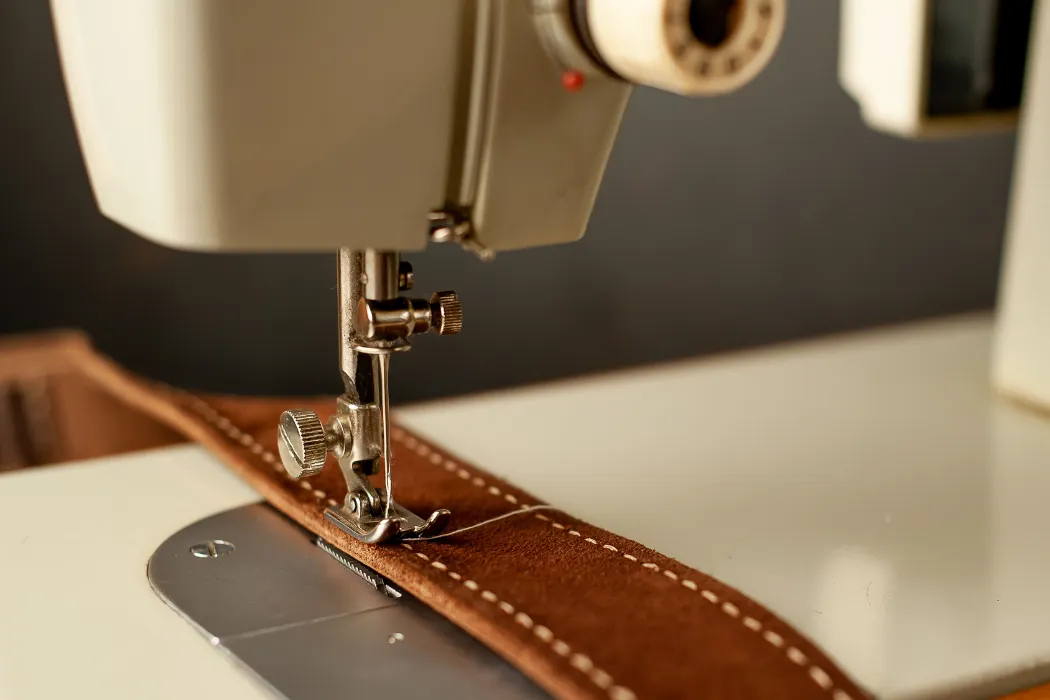
A bag is only as strong as its seams. We evaluated thread density (SPI – Stitches Per Inch), thread material, and reinforcement at stress points. High-end bags aim for 8-10 SPI, while a lower-quality bag may only have 4-5 SPI. We also admire brands using the Saddle Stitch—a hand-sewing technique where two needles pass through the same hole. Unlike a machine’s “Lock Stitch,” if one thread in a saddle stitch breaks, the seam will not unravel.
- Thread: Look for strong, rot-proof bonded nylon or polyester thread.
- Technique: A hand-sewn saddle stitch can take an artisan over 10 hours for one bag but is non-replicable by machine.
- Stress Points: Handles and straps must have rivets or box-stitching for reinforcement.
4. Hardware Durability
Hardware failure is a primary reason cheap bags are discarded. Our standard demands Solid Brass, Stainless Steel, or high-grade alloys that will not rust or break. This hardware can add $20-$30 to the manufacturing cost but will not chip like plated zinc alloy, which can fail within **6 months** of use. Zippers are a clear quality indicator: we look for industry benchmarks like YKK Excella (with individually polished teeth) or Riri zippers.
- Material: Solid brass or stainless steel is the standard for high-quality, non-rusting hardware.
- Avoid: Cheap, plated zinc alloys that break or peel.
- Zippers: Top-tier YKK Excella or Riri zippers indicate a no-compromise approach.
5. Edge Finishing
The cut edges of leather are a “magnifying glass” for craftsmanship. Low-quality bags hide raw edges with thick, rubbery paint that cracks and peels off after 6-12 months of flexing. We looked for brands that use meticulous, multi-layer hand-painting and burnishing, a process that can take 5-7 individual layers and 24 hours to cure. An alternative, superior technique is Turned Edges, where the leather is thinned and folded inward before stitching for the cleanest finish.
- Good: Multi-layer, painted, and burnished edges that are smooth and flexible.
- Bad: Thick, rubbery paint that will crack and peel.
- Best: Turned Edges, where leather is folded in for a seamless look.
6. Sustainability & Certifications
In 2025, “luxury” includes responsibility. We prioritized brands that are transparent about their supply chains. A key indicator is certification from the Leather Working Group (LWG), which audits tanneries for environmental performance, aiming to reduce water usage by **up to 20%** and eliminate restricted chemicals. (Our own tannery, ProPelli, adheres to LWG standards). We also value brands with strong repair programs, as the most sustainable bag is one you can use for life.
- LWG Certified: Ensures tanneries meet strict environmental and chemical safety standards.
- Transparency: Brands that are open about their supply chain and labor practices.
- Repair Programs: A commitment to longevity over disposability.
7. Price-to-Value Ratio
Finally, we assessed the “Real Value.” A well-made $400 full-grain bag used for **10 years** has a Cost Per Wear of $0.11/day. In contrast, a $150 ‘Genuine Leather’ bag replaced every **2 years** costs **$0.20/day** and creates more waste. While luxury always includes a brand premium, we favored brands that are “honest” in their pricing, where the cost reflects the quality of the materials and the skill of the artisan, offering you a durable, inheritable product.
- Honest Pricing: The price reflects the cost of materials and labor, not just marketing.
- Cost Per Wear: A durable bag is a better long-term financial investment.
- Long-Term Value: A well-made bag that lasts 30 years is cheaper than buying a new bag every two years.
Quality Criteria Summary Table:
| Quality Check | Top-Tier Standard (What to Look For) | Low-Quality Sign (What to Avoid) |
|---|---|---|
| Leather Grade | Full-Grain (Natural, pores visible) | “Genuine Leather” or Bonded (Plastic-coated, peels) |
| Stitching | High density (8-10 SPI), Saddle-stitch, Bonded Nylon | Low density (4-5 SPI), thin cotton thread, unravels |
| Hardware | Solid Brass or Stainless Steel, YKK Excella zippers | Plated Zinc Alloy (chips/breaks), generic zippers |
| Edge Finish | Multi-layer painted/burnished or Turned Edges | Thick, rubbery paint that cracks and peels |
| Tanning | Vegetable-Tanned (develops patina) or LWG-Certified | Non-certified tanneries, heavy chemical smell |
The “Genuine Leather” Myth: Why Full-Grain is Superior
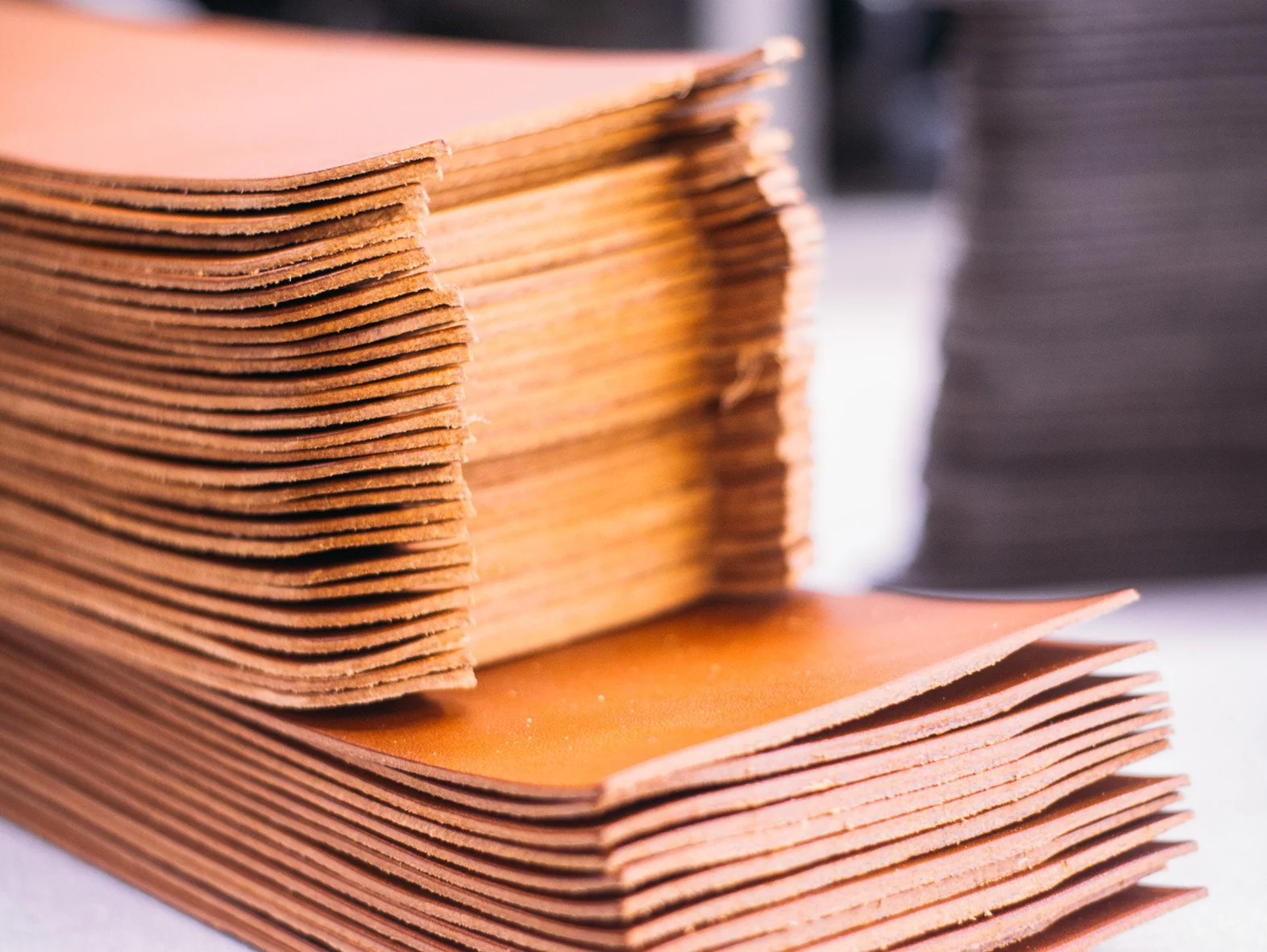
Before we introduce the brands, it’s critical to understand the industry terms that are often used to mislead consumers. A hide is split into several layers, and the layer you get determines the lifespan of your bag. Here is the simple truth, summarized in a table.
| Leather Grade | Layer & Process | Characteristics | Durability / Lifespan |
|---|---|---|---|
| Full-Grain (The Best) | Outermost layer, un-sanded | Natural pores, scars, breathable. Develops a rich patina. | 20-30+ Years |
| Top-Grain (The Standard) | Outermost layer, sanded & buffed | Uniform, smooth, “perfected” look. More stain-resistant. | 10-15 Years |
| Genuine Leather (The Trap) | Lower “split” layer, coated & embossed | Plastic-like feel. No natural grain. Will crack and peel. | 1-2 Years |
| Bonded Leather (The Worst) | Shredded scraps (17-20% leather) glued together | Smells like plastic. Tears and disintegrates quickly. | 6-12 Months |
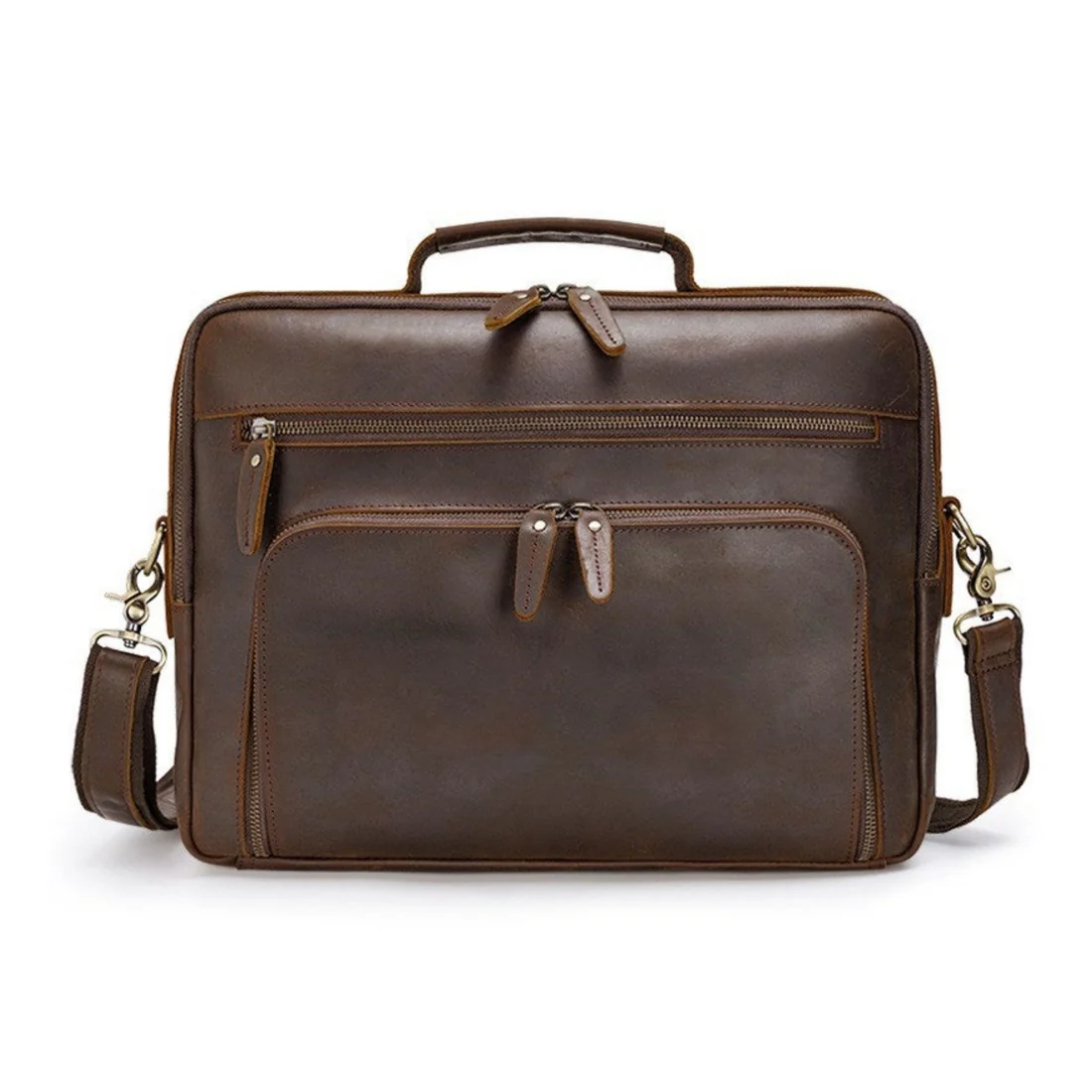
The 20 Best Full Grain Leather Bag Brands
Here is our curated list, divided into categories from top-tier luxury to rugged workhorses. Following the list, we will dive into a detailed guide on how to select the right brand for your personal needs.
| Brand | Country | Price Range | Best For (Style/Function) | Signature Material |
|---|---|---|---|---|
| Hermès | France | $$$$$+ | Ultimate Luxury | Barenia / Togo Leather |
| Bottega Veneta | Italy | $$$$$ | Woven Craftsmanship | Nappa Intrecciato |
| Loewe | Spain | $$$$ | Modern Artistry | Nappa Calfskin |
| Mulberry | UK | $$$$ | British Heritage | Heavy Grain Leather |
| Berluti | France | $$$$$ | Artisanal Patina | Venezia Leather |
| Delvaux | Belgium | $$$$$ | Timeless Structure | Box Calfskin |
| Polène | France | $$-$$$ | Sculptural Minimalism | Grained Calfskin |
| Strathberry | Scotland | $$$ | Accessible Elegance | Signature Bar Hardware |
| Mansur Gavriel | USA | $$-$$$ | Modern Minimalism | Vegetable-Tanned Leather |
| DeMellier | UK | $$$ | Ethical Luxury | Grained Calfskin |
| Senreve | USA | $$$ | Professional Versatility | Peccary Leather |
| Coach | USA | $$-$$$ | American Heritage | Glove-Tanned Leather |
| Fossil | USA | $$ | Vintage Casual | Soft Milled Leather |
| Madewell | USA | $-$$ | The Everyday Tote | Vegetable-Tanned Leather |
| Leatherology | USA | $$ | Custom Gifting | Grained Leather |
| Portland Leather | USA | $-$$ | Rustic Value | “Almost Perfect” Full Grain |
| Saddleback Leather | USA | $$$ | Extreme Durability | Thick Full-Grain |
| Filson | USA | $$$ | Rugged Workwear | Bridle Leather & Tin Cloth |
| Shinola | USA | $$$$ | American Assembly | Vachetta Leather |
| Ghurka | USA | $$$$ | Vintage Adventure | Twill & Bridle Leather |
Category A: Top-Tier Heritage (The Craftsmanship Icons)
These brands represent the pinnacle of leather craftsmanship, where heritage, handwork, and the finest full-grain leathers create true “investment” pieces that last for generations.
1. Hermès
Origin: France | Price: $$$$$+
Hermès is the undisputed benchmark for leather quality. Originally a harness maker, its equestrian roots are visible in the flawless saddle-stitching, which is still done by hand. Their proprietary Barenia and Togo full-grain leathers are legendary, developing a unique patina while remaining incredibly durable. An Hermès bag is the pinnacle of artisanal craftsmanship.
2. Bottega Veneta
Origin: Italy | Price: $$$$$
Bottega Veneta defines “stealth luxury” with its logo-free “Intrecciato” weave. This signature technique uses strips of supple full-grain Nappa leather, woven by hand to create a material that is both incredibly strong and visually dynamic. The brand’s philosophy prioritizes tactile quality and artisanal skill over overt branding.
3. Loewe
Origin: Spain | Price: $$$$
As one of the world’s oldest luxury houses, Loewe’s expertise is in making leather feel uniquely soft and supple. Their full-grain Nappa calfskin is famously buttery, and their complex, deconstructed designs (like the Puzzle Bag) showcase an unparalleled mastery of leather as a sculptural, artistic medium.
4. Mulberry
Origin: UK | Price: $$$$
Mulberry embodies classic British heritage. The brand is famous for its thick, heavy-grain leathers that are built to withstand the damp English weather. Their iconic Bayswater bag and signature Postman’s Lock hardware are symbols of a durable, timeless design that perfectly balances form and function.
5. Berluti
Origin: France | Price: $$$$$
Berluti is to men’s leather goods what Savile Row is to suits. Their specialty is the artisanal patina, where master colorists hand-dye each bag to achieve a deep, unique color. They primarily use their proprietary Venezia full-grain leather, creating pieces that are less like bags and more like wearable art.
6. Delvaux
Origin: Belgium | Price: $$$$$
Founded in 1829, Delvaux is the oldest fine leather goods house in the world—even older than the Kingdom of Belgium itself. This brand is a master of structure, using the finest full-grain Box Calfskin to create architectural, timeless silhouettes like “Le Brillant” that exude royal-grade elegance and precision.
Category B: Contemporary Luxury (The New Guard)
These brands have gained immense popularity by offering modern, minimalist designs, high-quality full-grain leathers, and a more accessible price point than the heritage houses.
7. Polène
Origin: France | Price: $$-$$$
Polène has become a global phenomenon by mastering sculptural, minimalist design. They use high-quality, full-grain grained calfskin sourced from top European tanneries. Their bags, like the “Numéro Un,” are known for their unique curves and high-end construction, offering a luxury feel without the extreme price tag.
8. Strathberry
Origin: Scotland | Price: $$$
Instantly recognizable by its signature bar closure, Strathberry blends Scottish heritage with Spanish craftsmanship. The brand uses soft, full-grain leathers and structured silhouettes. Their rise was fueled by royal endorsements, but the quality stands on its own, offering a clean, elegant, and modern aesthetic.
9. Mansur Gavriel
Origin: USA | Price: $$-$$$
Mansur Gavriel redefined modern luxury by launching their iconic Bucket Bag. They championed the use of high-contrast interiors and durable, stiff vegetable-tanned full-grain leather. Their focus on clean lines and pure form cemented their status as a minimalist powerhouse in the 2010s.
10. DeMellier
Origin: UK | Price: $$$
DeMellier built its brand on a foundation of ethical luxury and social responsibility. For every bag sold, the brand funds vaccines for children in need. They use supple, full-grain leathers from Spain and Italy, creating chic, understated designs like “The Vancouver” that appeal to the modern, conscious consumer.
11. Senreve
Origin: USA | Price: $$$
Designed for the modern professional, Senreve’s bags are built for versatility and durability. Their signature Maestra bag can be worn as a satchel, crossbody, or backpack. They use a durable, scratch-resistant, full-grain pebbled leather that is both water-resistant and built to withstand a demanding daily commute.
Category C: Quality Mid-Range (The Value Champions)
These brands offer the best price-to-value ratio on the market. They use genuine full-grain leathers—often the same types as luxury brands—but make them accessible for everyday use.
12. Coach
Origin: USA | Price: $$-$$$
Coach is the king of accessible American luxury and has built its legacy on glove-tanned full-grain leather since 1941. While they offer many styles, their core products (like the Rogue and Tabby) showcase a commitment to quality leather that is thick, durable, and ages beautifully, offering incredible value.
13. Fossil
Origin: USA | Price: $$
Fossil excels at creating a “vintage casual” aesthetic with soft, supple full-grain leathers that feel broken-in from day one. They are a master of high-volume production without sacrificing the integrity of the material, making them a go-to for reliable, stylish, and affordable everyday bags.
14. Madewell
Origin: USA | Price: $-$$
Madewell’s iconic Transport Tote is a workhorse, beloved for its simple, functional design and durable full-grain vegetable-tanned leather. It is the definition of a “gets better with age” bag, designed to be used, scratched, and worn daily, all while developing a unique, personal patina.
15. Leatherology
Origin: USA | Price: $$
Leatherology focuses on timeless, minimalist designs and high-quality materials without the retail markup. They offer a wide range of full-grain leathers, including a premium pebbled option, and specialize in personalization. They are a top choice for high-quality, monogrammed leather essentials and gifts.
16. Portland Leather
Origin: USA | Price: $-$$
This brand has built a cult following by selling “Almost Perfect” full-grain leather goods at unbeatable prices. They embrace the natural imperfections of the hide, like scars and marks, which is the true essence of full-grain. They offer rustic, durable totes and crossbody bags for a value-conscious audience.
Category D: Work/Durability (The “Built for Life” Icons)
These brands build bags meant to be used, abused, and passed down. They prioritize function and extreme durability, often using thick, rugged full-grain leathers like bridle and “Crazy Horse” oil-tanned variants.
17. Saddleback Leather
Origin: USA | Price: $$$
Saddleback is legendary for its “100-Year Warranty” and over-engineered construction. They use an incredibly thick, tough full-grain leather and avoid all breakable parts like zippers or magnets. Their bags are heavy, indestructible, and designed to be the last bag you will ever need to buy.
18. Filson
Origin: USA | Price: $$$
Filson is the gold standard for rugged outdoor and workwear. While famous for their Tin Cloth, their bags (like the iconic Original Briefcase) are reinforced with the thickest Bridle Leather—a vegetable-tanned full-grain leather so strong it’s traditionally used for horse harnesses. Their products are unfailing, functional, and quintessentially American.
19. Shinola
Origin: USA | Price: $$$$
Built on a story of American optimism and Detroit manufacturing, Shinola focuses on high-quality materials. They utilize premium full-grain leathers, including Vachetta, which is famous for developing a deep, honey-colored patina over time. Their bags, like the Runwell Briefcase, combine classic design with a tangible sense of quality.
20. Ghurka
Origin: USA | Price: $$$$
Inspired by the rugged gear of British Ghurka soldiers in India, this brand creates vintage “adventure” style goods. They pair their signature twill canvas with robust, full-grain bridle leather trim and solid brass hardware. A Ghurka bag is a statement of timeless, heirloom quality and a life well-lived.
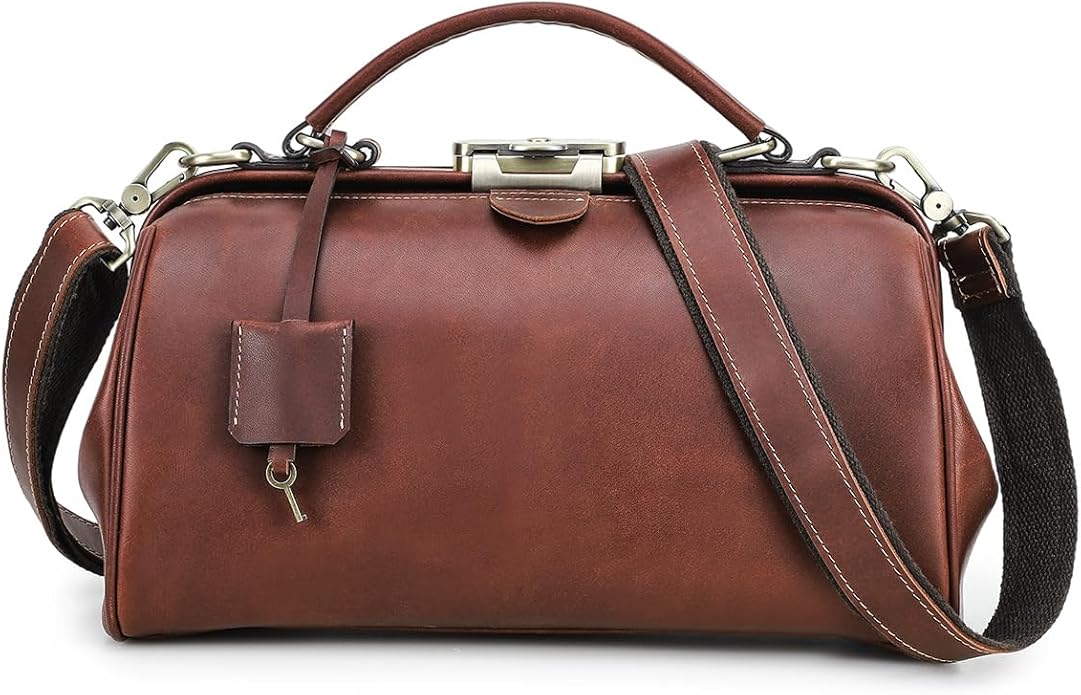
How to Choose the Right Leather Brand For You
Now that you’ve seen the top 20 brands, how do you narrow it down? Choosing the right brand is often more important than choosing a single bag. A brand dictates the overall quality, long-term value, and after-care support you will receive. Here are six factors to consider before you invest.
1. Aligning Brand Style with Your Identity
First, consider the brand’s core aesthetic. Are you a minimalist who would thrive with Polène or Mansur Gavriel? Or do you prefer a rugged, heritage look like Filson or Saddleback? A brand’s style is its philosophy. Choosing one that aligns with your personal or professional identity ensures the bag will be a long-term staple, not a passing trend. Don’t just buy a bag because it’s popular; buy it because the brand’s story and style resonate with you.
- Minimalist: Polène, Mansur Gavriel
- Classic/Heritage: Hermès, Delvaux, Mulberry
- Rugged/Workwear: Filson, Saddleback Leather
- Modern/Chic: Strathberry, DeMellier
2. Resale Value & Investment
Think of this as a long-term financial decision. Brands like Hermès, Delvaux, and even Bottega Veneta are considered “investment-grade,” often retaining 80-120% of their retail value on the resale market. Other brands, like Coach or Polène, have a strong secondary market but will typically retain 40-60% of their value. Finally, brands like Saddleback are “utility investments”—their value is in their 100-year warranty, not resale.
- Investment Grade: Hermès, Delvaux (High resale value).
- Strong Resale: Loewe, Polène (Good value retention).
- Utility Investment: Saddleback, Filson (Lifetime durability).
3. Warranty & Repair Services
A brand’s confidence in its product is shown in its after-care. This is a critical factor that separates top-tier brands from fast-fashion. Brands like Saddleback (100-year warranty) and Filson (lifetime guarantee) are legendary for their commitment. Luxury houses like Hermès offer extensive spa and repair services, treating their products as inheritable assets. A strong warranty (5+ years) is a sign the bag was built to last.
- Lifetime Guarantee: Filson, Saddleback.
- Luxury Repair “Spas”: Hermès, Delvaux.
- Standard Warranty: Look for at least 1-2 years.
4. Sustainability & Ethical Stance
Your purchase is a vote for a brand’s practices. If sustainability is important to you, look beyond the logo. Does the brand use LWG-certified tanneries, as we discussed in our criteria? DeMellier is a great example of a brand that builds its identity on ethical production (funding vaccines for every bag sold). Does the brand use eco-friendly vegetable-tanned leather, or does it offer transparent supply chain information?
- LWG-Certified: Look for brands that source from LWG tanneries.
- Ethical Programs: DeMellier (social impact) or brands with repair programs.
- Tanning Process: Vegetable-tanned is often a more eco-friendly choice.
5. Country of Origin
While not a perfect rule, a brand’s “Made In” label often signifies a specific style of craftsmanship. Italian-made (Bottega Veneta, Berluti) often implies incredibly soft, supple leathers and a fashion-forward approach. Spanish (Loewe) or French (Polène) craftsmanship is known for meticulous construction and artistry. American-made (Filson, Shinola) typically suggests a rugged, durable, and workwear-oriented build. This “terroir” of crafting can help you find a bag that matches your quality preferences.
- Italy: Softness, fashion-forward, artisanal finishes.
- Spain/France: Meticulous construction, sculptural design.
- USA: Rugged, durable, and workwear-focused.
6. Intended Use (Function vs. Status)
Finally, be honest about your needs. Are you buying a “status” bag for social events, where design and brand recognition (Hermès, Loewe) are paramount? Or are you buying a “workhorse” bag for daily commuting, where durability, water resistance, and versatility (Senreve, Filson) are more important? A Saddleback briefcase is one of the best-made bags in the world, but at over 7 pounds, it may be too heavy for a 2-mile walk to the office.
- Status/Occasion: Hermès, Berluti, Delvaux.
- Daily Commute/Work: Senreve, Coach, Filson.
- Casual/Everyday: Madewell, Portland Leather.
| Factor | What to Look For |
|---|---|
| Brand Style | Minimalist, Rugged, Classic, or Modern? Choose a brand that matches your personal identity. |
| Resale Value | Is it an “investment” (retains 80-120%) or a “utility” (lifetime warranty)? |
| Warranty & Repair | Look for lifetime guarantees or accessible repair services as a sign of quality. |
| Sustainability | Check for LWG-certified tanneries and transparent, ethical production policies. |
| Country of Origin | Italian (Softness), French (Artistry), or American (Rugged)? The “Made In” label hints at the style. |
| Intended Use | Be honest. Are you buying for “Status” (events) or “Function” (daily commute)? |
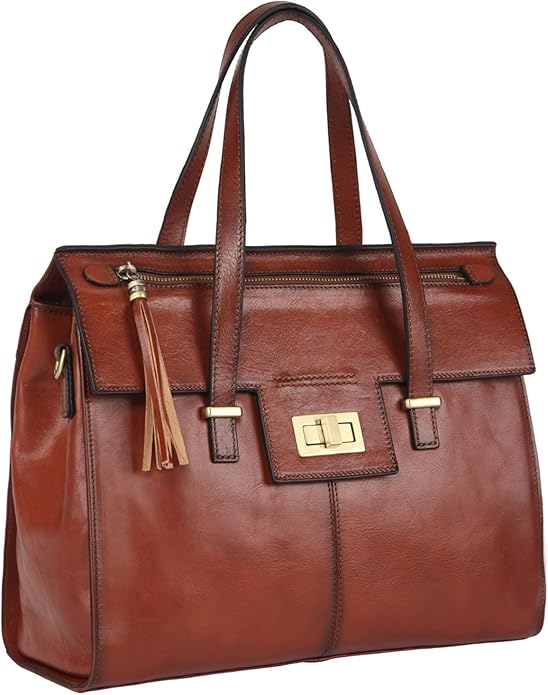
A Quick Guide to Full-Grain Leather Care
Investing in a full-grain leather bag is just the first step. With the right care, it can outlive you. These simple maintenance tips will keep your bag hydrated, protected, and aging beautifully.
| Task | Recommended Frequency | Key Tips & Products |
|---|---|---|
| Cleaning (Dusting) | Weekly or after each use | Use a soft, dry microfiber cloth. Avoid household chemicals or soaps. |
| Conditioning | Every 3-6 months | Use a dedicated leather conditioner (e.g., Bick 4). Test on a hidden spot first. Apply a dime-sized amount. |
| Storage | When not in use | Store in a breathable cotton dust bag (not plastic). Stuff with acid-free paper to maintain shape. |
| Dealing with Scratches | As needed | Rub light scratches with a warm finger. For deeper marks, use a small amount of conditioner on the spot. |
Conclusion: An Investment in True Quality
Investing in a high-quality, full-grain leather bag is one of the best purchases you can make. As we’ve seen, it’s a choice that favors longevity over temporary trends and craftsmanship over marketing. A well-made bag from a reputable brand will not only serve you for decades but will also tell a story as it develops a unique patina. Whether you choose a top-tier heritage icon, a modern minimalist piece, or a rugged workhorse, you are investing in a product that lasts.
Ultimately, true quality is not just a logo; it is a set of measurable standards. It’s the integrity of a full-grain hide, the strength of an 8-SPI stitch, the durability of solid brass hardware, and the responsibility of an LWG-certified tannery. These are the principles that guide the best brands in the world.
As a leading manufacturer for brands like Calvin Klein, Macy’s, and J.Crew, we at Hoplokleather are built on these same principles. Our in-house ProPelli tannery and 4,500 skilled artisans exist to bring these standards to life. If you are a brand seeking a manufacturing partner who understands this level of quality from the source, we invite you to contact our team.