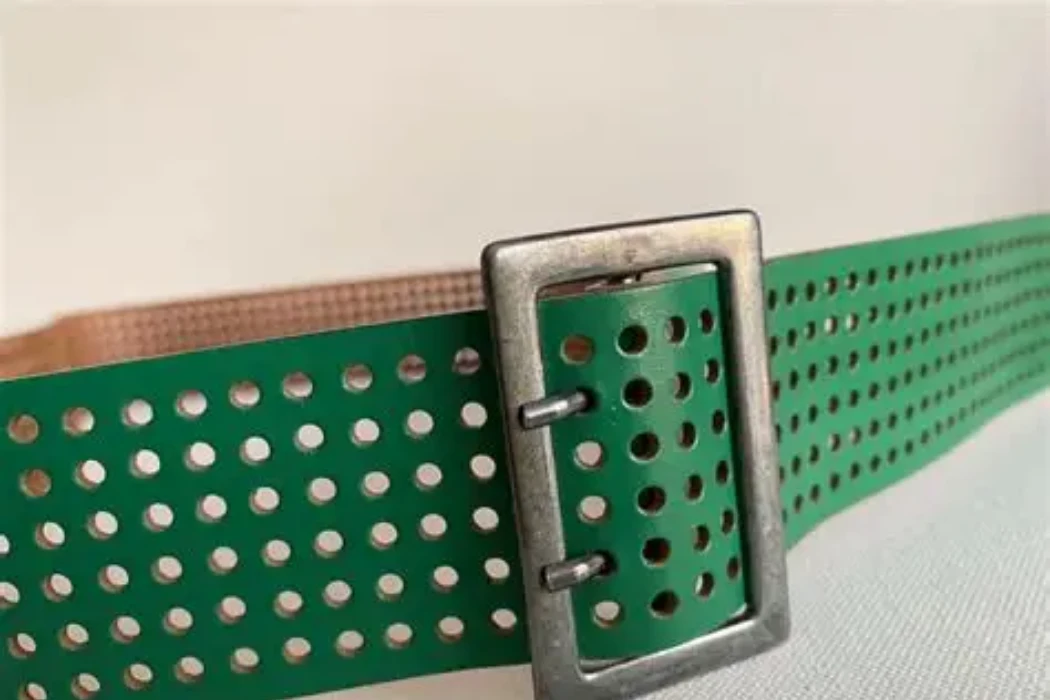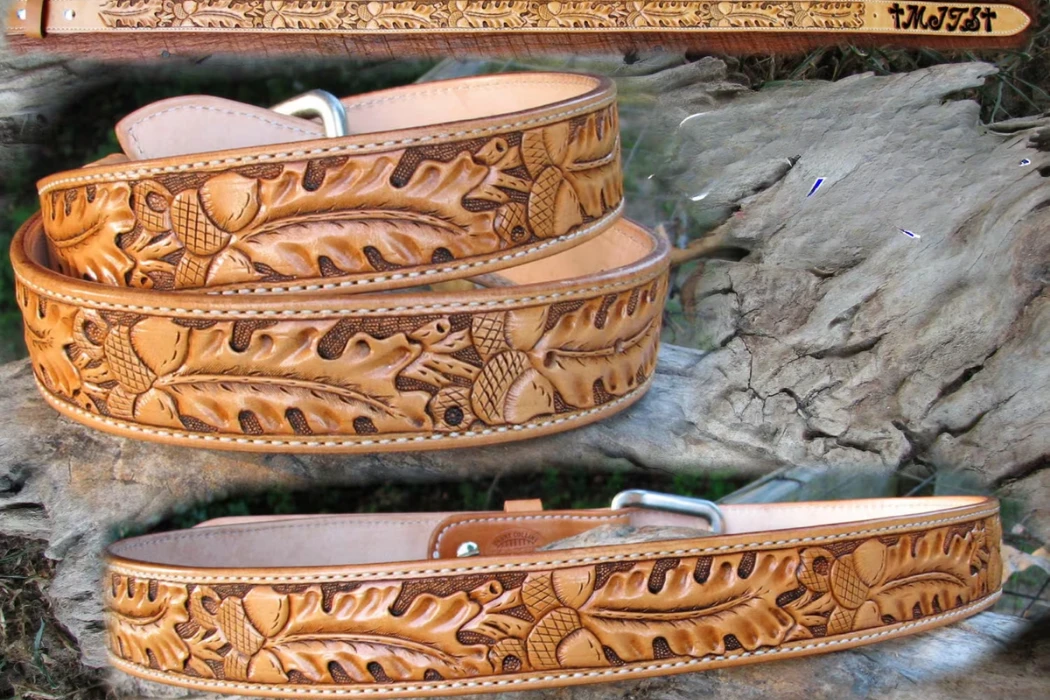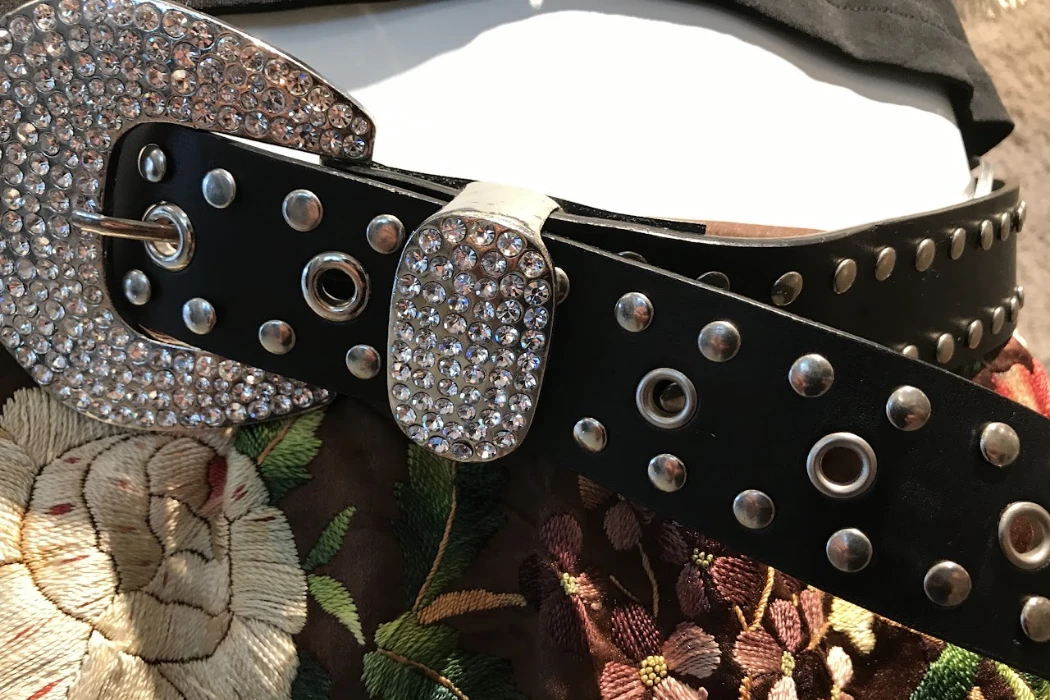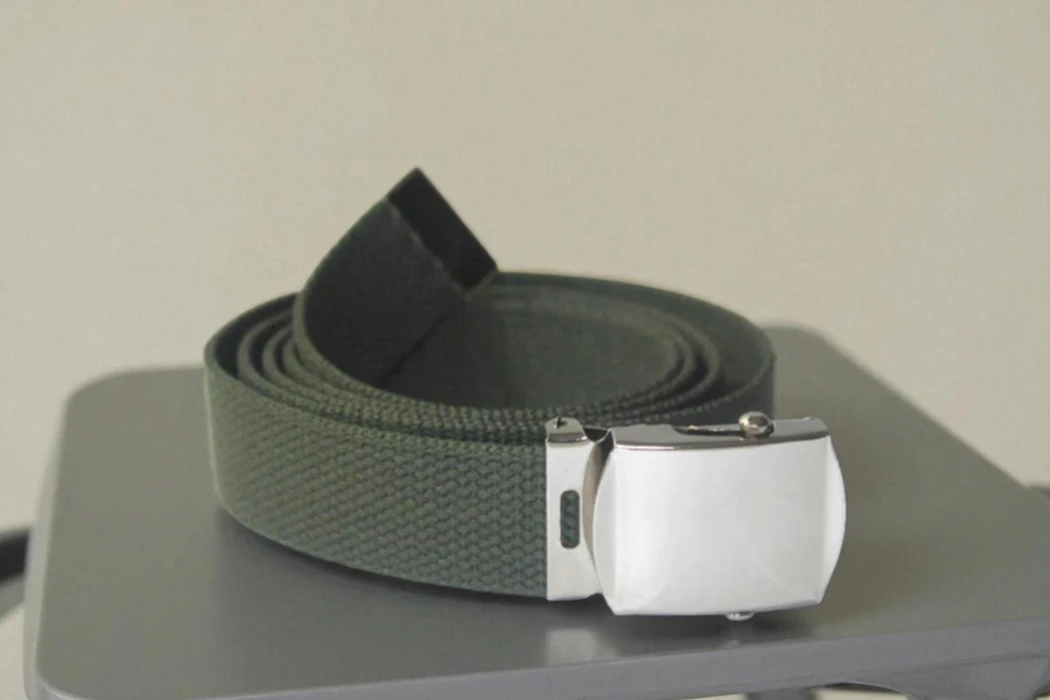
Choosing a leather belt supplier starts with the business model: a factory developing your own collection, a brand selling finished belts to retailers, or a material supplier providing leather to an assembler. These are different relationships. Compare the service you need before judging samples, prices and delivery promises.
This guide presents six belt makers and brands with identifiable official product information, followed by practical supplier-qualification checks. It is a sourcing shortlist, not a ranking based on factory audits or comparative laboratory testing. Private-label access, current MOQs and lead times must be confirmed with each company.
Use the supplier profiles and evaluation checklist to compare the service you need, the proposed materials, order quantities and sample approval process. Confirm each candidate’s current offer before sending an RFQ.
A useful shortlist reduces avoidable sample rounds by matching the supplier’s actual scope with your technical pack. For example, a retailer seeking a branded assortment may need a wholesale account, while a new label needs written confirmation of development, branding and production responsibilities. A good retail product does not prove that its maker will accept an OEM order.
What Makes a Top Leather Belt Manufacturer Stand Out?
A suitable manufacturer can explain its material sourcing, development responsibilities, production allocation and quality controls for your specific belt. Assess these against the design and quantity; no single equipment list or factory size makes a supplier the right choice for every project.
Raw Material Excellence
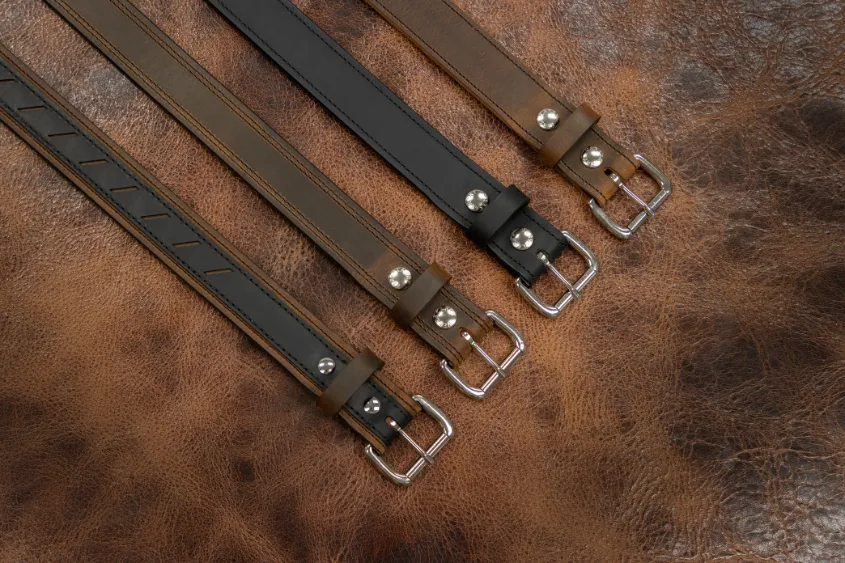
Ask for the leather article, animal source, grain description, finish and thickness, together with relevant supplier evidence. LWG certification relates to the audited operation and scope; it does not guarantee a blemish-free hide, a fixed thickness or the performance of a finished belt. Keep material appearance and product testing separate from facility certification.
- Full-grain or other clearly described leather suitable for the design
- Specified finish, temper and permitted surface variation
- Traceable supplier and correctly scoped certification documents
- Specialty leathers: nubuck, suede, embossed patterns
In‑House Design and R&D
Determine who develops the pattern and hardware, and which work is subcontracted. Review a comparable sample and the revision process. Tooling and material development have their own schedules; in-house design does not guarantee a sample in a few days.
- Trend‑driven concept boards and technical sketching
- Hardware drawings or prototypes appropriate to the project
- Material testing for tensile strength and colorfastness
- Collaborative tech‑pack refinement with clients
Production Scale, Lead Times & MOQ
Ask for capacity that can actually be allocated to the order, including material and subcontractor constraints. MOQ and timing depend on the specification. Hoplok’s confirmed belt MOQ is 300 for leather and 1,000 for PU; belt samples normally take 2–3 weeks and bulk production 60–90 days. Confirm the project calendar separately.
- MOQ confirmed for the chosen material and design
- Available allocation for the proposed order
- Production timing linked to material and sample approval
- Agreed progress reporting and delay escalation
Value‑Added Services
Ask which services are included in the quotation: development, logo tooling, packaging, inspection and shipment coordination. Warehousing, drop-shipping and retail fulfilment are separate capabilities and should only be included when the supplier confirms them.
- Sample timing agreed for the actual materials and hardware
- Custom embossing, engraved buckles, and logo plates
- Private‑label packaging design and assembly
- Shipment coordination and clearly agreed delivery scope
Craftsmanship & Technology Intersection
Compare the result of the cutting, stitching and finishing process on repeat samples. Machinery may improve repeatability, while hand operations remain useful for some details. Neither automation nor handwork proves quality without a clear specification and inspection.
- Cutting accuracy verified against agreed dimensions
- Stitching suitable for the material and seam
- Hand‑applied edge painting and burnishing
- Defined in-process and final inspection criteria
How Do You Choose the Right Leather Belt Manufacturer?
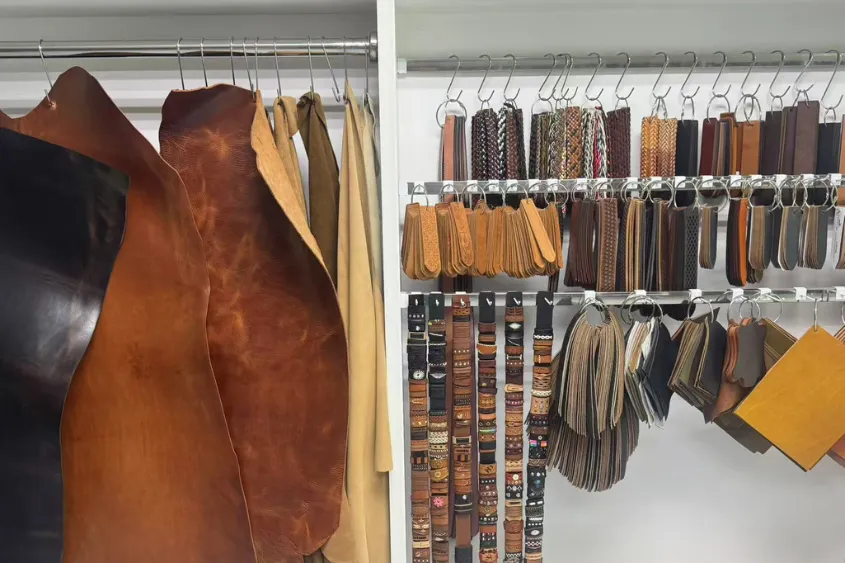
Selecting the ideal manufacturer requires a holistic assessment of product quality, production capacity, ethical standards, and service offerings. You need to evaluate raw material sourcing, technical expertise, facility certifications, and communication responsiveness. Asking targeted questions—about minimum orders, lead times, customization options, and quality control protocols—will help you narrow down partners who align with your brand’s needs and values.
What Factors Should You Evaluate?
Key evaluation criteria ensure you choose a reliable, high‑quality partner rather than a risky supplier. Focus on:
| Evaluation Factor | Why It Matters | Example Metrics |
|---|---|---|
| Raw Material Quality | Determines belt durability and finish | Hide grade, tan method, supplier certifications |
| Production Capacity | Ensures timely fulfillment at scale | Monthly output, number of lines, buffer for rush orders |
| Certifications | Shows the scope and findings of the relevant assessment | Check certificate scope separately from social-audit reports |
| Customization Options | Supports brand differentiation | Hardware engraving, embossing, edge finishes |
| Pricing & MOQ | Impacts budget and inventory risk | Unit cost tiers, MOQ thresholds, volume discounts |
How Do You Evaluate Manufacturer Capabilities?
Assessing capabilities goes beyond brochures. Use these tactics:
- Factory Audits: Review facility cleanliness, workflow organization (5S), and equipment maintenance logs.
- Sample Reviews: Inspect belt stitch quality, edge finishing, buckle alignment, and material consistency across multiple samples.
- Reference Checks: Talk to existing clients about on‑time delivery rates, communication clarity, and problem resolution.
- Document verification: Check the named site, scope, dates and issuing organization. Review social-audit findings and corrective actions rather than accepting a logo as proof of full compliance.
- Pilot Orders: Place a small batch to test lead time accuracy, packaging quality, and post‑delivery service.
Which Questions Should You Ask Prospective Partners?
Asking the right questions uncovers hidden risks and strengths:
- “What is your average lead time for orders of 500 and 5,000 units?”
- “Can you share recent audit reports and customer references?”
- “What are the defect definitions, sampling plan and acceptance criteria for this order?”
- “Which customization services do you offer in‑house versus outsourced?”
- “How do you handle order changes or rush requests?”
- “What eco‑friendly materials and processes do you support?”
- “Do you provide private‑label packaging and drop‑shipping?”
Communication & Project Management
Strong communication and project management practices prevent misunderstandings and delays. Top manufacturers assign dedicated account managers, provide regular progress updates, and use collaborative tools for real‑time feedback. Clear escalation protocols ensure urgent issues are resolved quickly.
- Named contact with agreed working hours and response expectations
- Weekly video calls and progress reports
- Shared project dashboards for sample approvals and timelines
- Escalation matrix for quality or delivery concerns
- Language support and cultural fluency across regions
Financial Stability & Scalability
Evaluating a manufacturer’s financial health and scalability ensures long‑term partnership viability. Review audited financial statements, credit ratings, and investment in capacity expansion. Stable cash flow and ongoing capital expenditures signal ability to support growing order volumes and invest in new technologies.
- Audited financial reports and bank references
- Credit ratings from recognized agencies
- Recent investments in machinery or facility upgrades
- Demonstrated ability to scale production rapidly
- Insurance coverage and risk‑management practices
Which Regions Are Global Leaders in Belt Production?
Use geography to shortlist possible production routes, then qualify the actual supplier. Material availability, workmanship, order size and delivery cost vary within every region. Country of origin is not a quality grade or an automatic duty preference.
Europe: Material and Workshop Selection
| Country | Strength | Key Regions |
|---|---|---|
| Italy | Assess the specific leather and finishing capability | Confirm the actual manufacturing site |
| Spain | Assess the workshop and belt-product experience | Confirm the actual manufacturing site |
| Portugal | Compare material access and quotation scope | Confirm the actual manufacturing site |
- Workmanship: Inspect edge finishing, seams and decoration on the actual sample.
- Materials: Request the tannery article and source documents for the proposed leather.
- Customization: Confirm which pattern, hardware and branding changes the supplier accepts.
Asia: Capacity and Material Planning
For China, India, Vietnam or Cambodia, compare material readiness, available production slots and the route to the destination. Avoid applying a region-wide low MOQ, cost saving or short delivery promise.
- China: Confirm local and imported component supply, production location and sample approvals.
- India: Compare actual leather and workmanship evidence against the same specification.
- Vietnam: Include any incoming-material transfer and supplier allocation in the schedule.
- Cambodia: Verify the actual origin and import treatment; an address alone does not establish preferential duty.
The Americas: Product Scope and Delivery Routes
USA
- Identify the tannery article where a particular leather is specified
- Confirm whether the offer is a branded collection or custom production
- Compare the actual sample and production calendar
Brazil & Argentina
- Confirm animal source, finish and usable cutting quality
- Ask for evidence supporting environmental claims
- Verify destination-specific origin and import requirements
Compare location alongside the approved sample, commercial terms and delivery route. The supplier’s demonstrated capability should determine the final shortlist.
Six Belt Makers and Brands to Evaluate
How to Use This Shortlist
The official sources linked below identify products and business scope. Inclusion is not an independent quality ranking, proof of ethical compliance or confirmation of open OEM capacity. Hoplok publishes this guide and is included as a custom-production option. For other brands, ask directly whether your enquiry is for branded wholesale, promotional customization or private-label manufacturing.
| Company | Verified public scope | First purchasing question |
|---|---|---|
| Tanner Goods | Leather belts and accessories under its own brand | Which trade arrangements are available? |
| Anderson’s | Parma belt maker and brand, including woven and leather styles | Can the company supply the required collection or development scope? |
| Ezra Arthur | US-made leather belt collection | Is the proposed enquiry eligible for a trade account or customization? |
| Hoplok Leather | Custom fashion belts with China/Cambodia production planning | Which specification, MOQ and schedule apply? |
| w.kleinberg | Atlanta leather-goods maker with a belt collection | Which material and retail-partner arrangements fit the project? |
| Mission Belt | Belt brand with retailer and custom-account enquiries | Does its custom program cover the required design? |
1. Tanner Goods
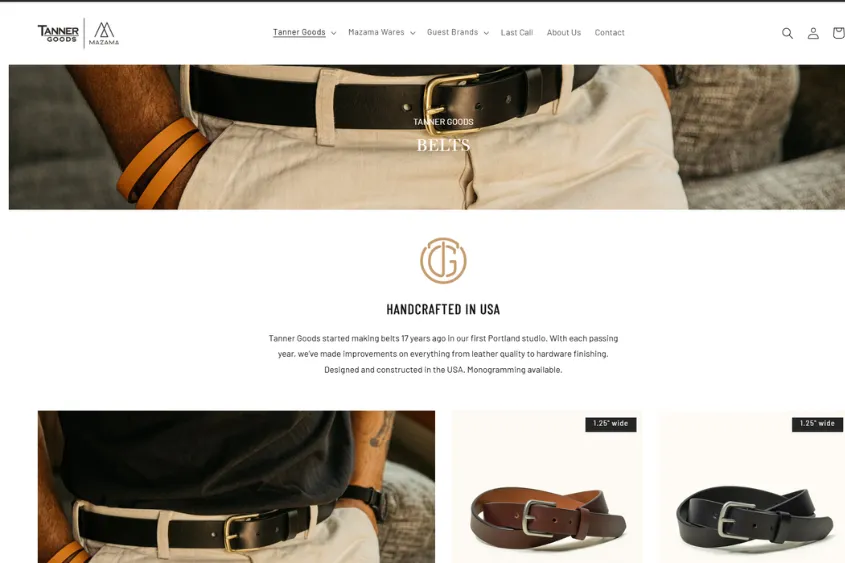
Illustrative archive screenshot of the Tanner Goods belt collection; use the linked official site for current products and terms.
Tanner Goods’ official history dates its work to 2006. Its current site lists leather belts, wallets and accessories and describes its belts as handcrafted in the USA. Its current catalogue is a useful starting point for a branded leather-accessory assortment. Confirm commercial terms separately.
- Evaluate: The current belt model, leather specification, buckle, sizing and finish.
- Confirm: Trade access, order minimum, replenishment and any branding permissions directly with the company.
- Do not assume: A retail collection is evidence of contract manufacturing, a particular tensile value or closed-loop tanning operations.
2. Anderson’s
Anderson’s official site identifies a family belt-making business in Parma, Italy, founded by Carlo Valenti. It describes woven, stretch and leather belt styles and its own manufacturing heritage. Use the linked company site to identify the relevant contact and collection.
- Evaluate: The relevant woven or leather construction, finish variation and available collection.
- Confirm: The sales arrangement, current minimums, availability and any development or private-label scope.
- Do not assume: The brand’s public product range confirms every custom-development or manufacturing service you may need.
3. Ezra Arthur
Ezra Arthur’s official belt collection describes handmade full-grain leather belts made in America and lists several buckle styles and widths. Compare the actual product you intend to buy. Use the current brand and product details in the enquiry so the requested model and commercial scope are clear.
- Evaluate: The selected belt’s width, leather, buckle and available sizes.
- Confirm: Current trade terms and whether custom branding or manufacturing for another label is offered.
- Do not assume: A brand name identifies the animal species or guarantees a particular sourcing certification.
4. Hoplok Leather
Hoplok offers custom fashion belts, bags and small leather goods. Its four facilities in China and Cambodia total 19,000 m². ProPelli carries out finishing on externally supplied crust leather. Confirm which facility and process apply to the proposed order.
- MOQ: 300 for leather belts and 1,000 for PU belts.
- Timing: Belt samples normally take 2–3 weeks; bulk production takes 60–90 days, with the full project schedule agreed separately.
- Specification: Submit the belt dimensions, leather or synthetic article, lining, hardware, logo, packaging and destination.
- Evidence: Request the documents and sample checks relevant to the actual materials and responsible facility. Certification scope should not be extended to every finished product.
Discuss a custom belt project with Hoplok.
5. w.kleinberg
w.kleinberg’s official company profile states that the business was established in 1984 and designs, manufactures and ships from a facility in Atlanta, Georgia. Its current collection includes calf-leather belts as well as specialist materials. Ask for the specification and availability of the selected model.
- Evaluate: The specific calf-leather model if the project requires conventional fashion leather.
- Confirm: Wholesale or other trade arrangements, current sizing, materials and delivery terms.
- Keep scope clear: Another company’s specialist materials do not establish Hoplok’s capabilities. No exotic-skin production is offered by Hoplok in this guide.
6. Mission Belt
Mission Belt’s contact page identifies an Orem, Utah address and welcomes retailer enquiries. It separately provides custom-account information for promotional or retail programs. These are identifiable purchasing routes; they do not establish an unrestricted private-label factory service.
- Evaluate: The selected strap, buckle system, sizing and available customization.
- Confirm: Account eligibility, design limitations, order minimum, delivery and current warranty terms.
- Do not assume: Warranty coverage, delivery terms or manufacturing origin without checking the applicable offer.
Separate Leather Suppliers from Finished-Belt Makers
A tannery may be valuable for nominating leather without making complete belts. For example, the Tuscan consortium identifies Badalassi Carlo as a vegetable-tanned leather producer. If a collection specifies that material, identify the belt assembler separately and agree responsibility for ordering, cutting yield, finishing and traceability. Do not treat a leather supplier’s profile as evidence of buckle development or finished-belt MOQ.
What Tests and Compliance Evidence Should You Request?
Product performance tests, management-system certification, social audits and chemical rules answer different questions. Define the belt’s intended fashion use and destination first, then request the relevant evidence. None of the schemes below is a universal guarantee of durability.
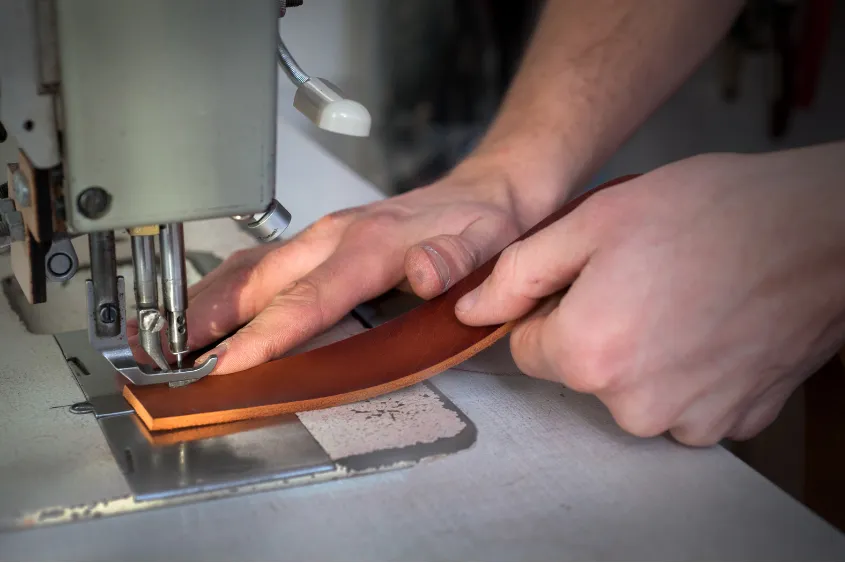
Distinguish Certificates, Audits and Legal Requirements
Check the document type, responsible site and applicable scope:
| Document or requirement | Scope |
|---|---|
| ISO 9001 | Quality-management system; not a finished-belt durability certificate |
| Leather Working Group (LWG) | Certification of the named leather supply-chain operation and scope |
| SMETA / BSCI | Social-audit approaches; review findings and corrective actions |
| REACH | EU chemical requirements relevant to the product and substances |
| CE Mark | Only for products covered by EU rules requiring CE marking; not a general fashion-belt quality label |
Sedex explains that SMETA is not a certification model; amfori explains its audit ratings. EU guidance limits CE marking to covered products. For lot inspection, ISO 2859-1 concerns AQL-indexed sampling, not a belt-strength threshold.
How Do Testing Protocols Safeguard Your Brand?
Rigorous tests catch defects early and verify performance:
- Leather strength: Agree a relevant test method and requirement for the actual material. A universal 15 MPa minimum is not established here.
- Abrasion and flexing: Specify method, exposure and acceptance criteria for the finish and construction rather than using an unexplained rub-count target.
- Hardware and attachments: Test against the agreed fashion-belt use. Do not claim a 200 kg load rating or suitability for safety equipment.
- Colorfastness: Assess dye migration under light and moisture exposure.
- Seams and inspection: Define stitch and defect criteria separately from the sampling plan. AQL does not specify stitch density or guarantee a maximum defect percentage in every shipment.
How Do Customization, MOQ & Pricing Impact Your Order?
Customization options, minimum order quantities (MOQs), and pricing structures directly influence your upfront investment, product flexibility, and time to market. Understanding typical bespoke features, regional MOQ norms, and pricing models helps you balance brand differentiation with budget and inventory risk.
What Custom Options Are Typically Offered?
Manufacturers provide a range of personalization services to align products with your brand identity:
- Hardware Customization: Buckle shapes, finishes (antique, polished, matte), and metal alloys.
- Embossing & Debossing: Logos, monograms, and patterns pressed into leather.
- Edge Finishing: Painted, burnished, or raw-edge treatments in custom colors.
- Stitching Styles: Contrast threads, stitch-per-inch variations, and decorative patterns.
- Packaging: Private‑label dust bags, branded boxes, and custom swing tags.
How Should You Compare Minimum Order Quantities?
Request actual MOQ terms from each supplier and separate finished-belt minimums from material, color and tooling commitments. The following table lists what to clarify, rather than assumed regional minimums.
| Region | MOQ enquiry | Notes |
|---|---|---|
| Europe (Italy, Spain) | Request the proposed supplier’s current minimum | Separate stock-material options from custom development |
| Asia (China, Vietnam, India) | Request the proposed supplier’s current minimum | Check material and hardware minimums as well as pieces |
| Americas (USA, Mexico) | Request the proposed supplier’s current minimum | Distinguish branded wholesale from private-label production |
| South America (Brazil, Argentina) | Request the proposed supplier’s current minimum | Confirm cutting yield and material availability |
Which Pricing Models Are Common?
Manufacturers deploy various pricing approaches to suit different business models:
- Tiered Unit Pricing: Request volume-tier quotations for the same specification and compare the actual unit price, setup charges and total order cost.
- Cost‑Plus: Base material and labor cost plus a fixed markup percentage.
- Flat‑Rate Prototyping: One‑time sampling fee followed by tiered production pricing.
- All‑Inclusive Packages: Bundled pricing covering materials, labor, hardware, and basic packaging.
- Repeat-order terms: If ongoing production is planned, agree price validity, material commitments and reorder conditions in writing.
How Can You Forge a Successful Partnership with a Belt Manufacturer?
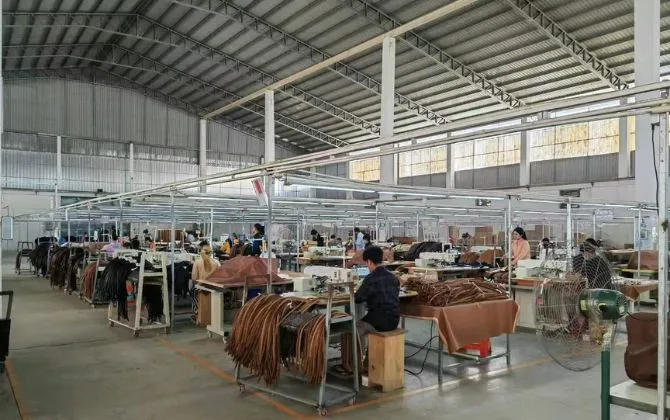
Building a strong manufacturer relationship hinges on clear onboarding, transparent communication, and rigorous quality and delivery management. Establish mutual expectations early, invest in process validation, and use data‑driven reviews to keep production on track and maintain product excellence.
What Onboarding Steps Are Essential?
Effective onboarding lays a solid foundation. Follow these steps:
| Step | Purpose |
|---|---|
| Kick‑off Meeting | Align on design vision, technical specs, timelines, and roles |
| Tech Pack Approval | Finalize dimensions, materials, hardware, and stitching details |
| Sample Sign‑Off | Validate prototype quality, fit, and finish before mass production |
| Contract & PO | Agree on MOQs, pricing tiers, payment terms, and penalties |
| Set Up Communication Channels | Establish points of contact, reporting cadence, and escalation paths |
How Do You Maintain Quality & Timely Delivery?
Use the agreed milestones and inspection results to identify issues while there is time to act:
- Regular Progress Checks: Weekly status calls and dashboard updates on production milestones.
- Inline Inspections: Pre‑defined quality checkpoints during cutting, stitching, and hardware installation.
- Batch inspection: Apply the agreed sampling plan and defect definitions; sampling does not examine every item.
- Schedule contingency: Set a buffer from actual material, approval and transport risks rather than a universal percentage.
- Performance Reviews: Monthly supplier scorecards tracking on‑time delivery, defect rates, and responsiveness.
Conclusion
A supplier shortlist becomes useful when each candidate is checked against the same belt specification and commercial scope. Confirm its role, inspect the complete sample, verify documents and agree a production plan. These steps support a purchasing decision without relying on unsupported rankings or guaranteed outcomes.
For a custom fashion-belt project, contact Hoplok with your reference, material, dimensions, quantity and destination. The team can discuss sample development and a production quotation for the agreed scope.