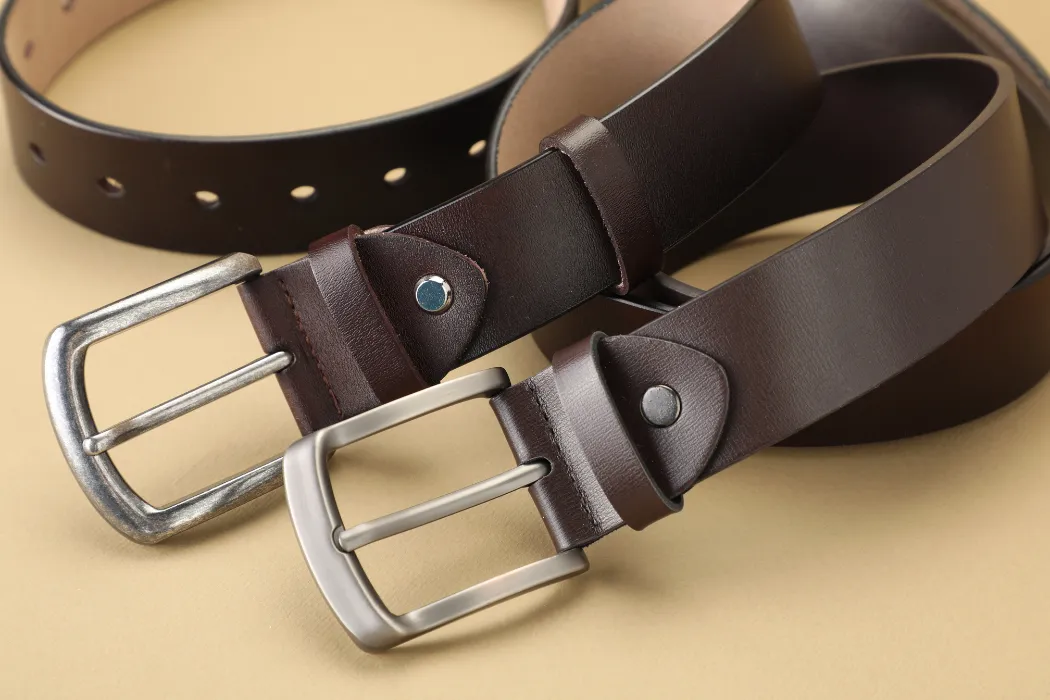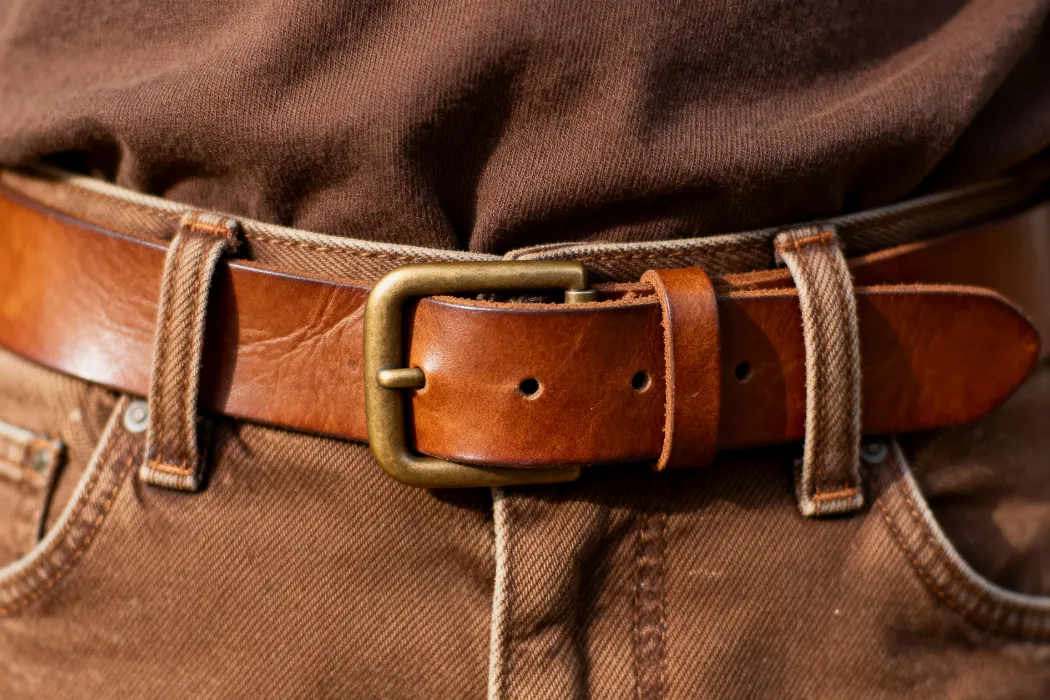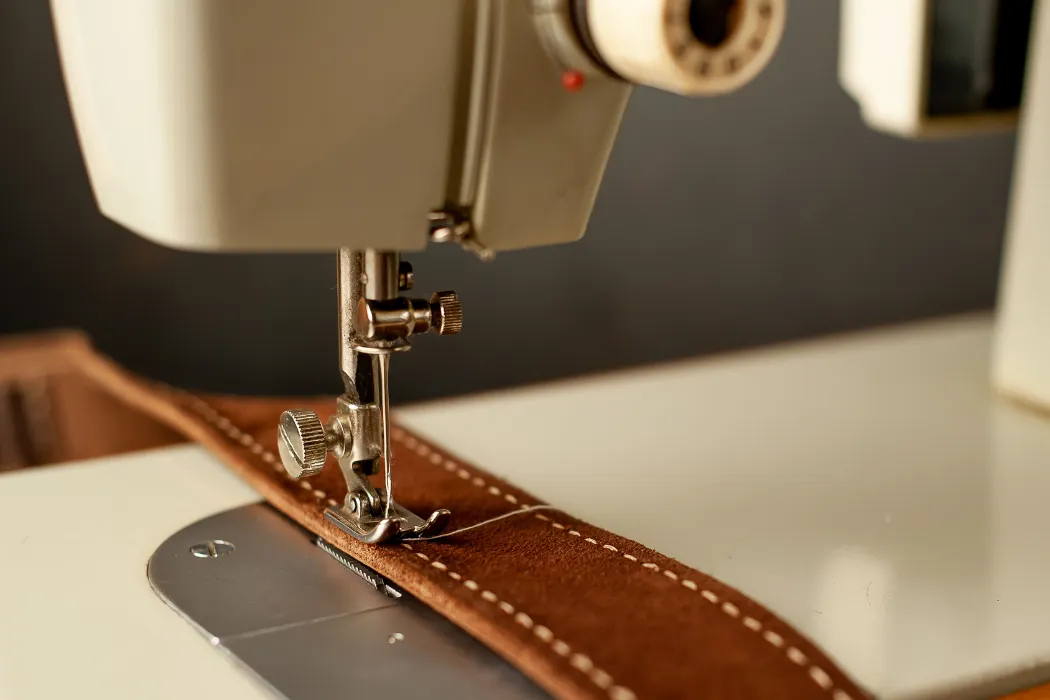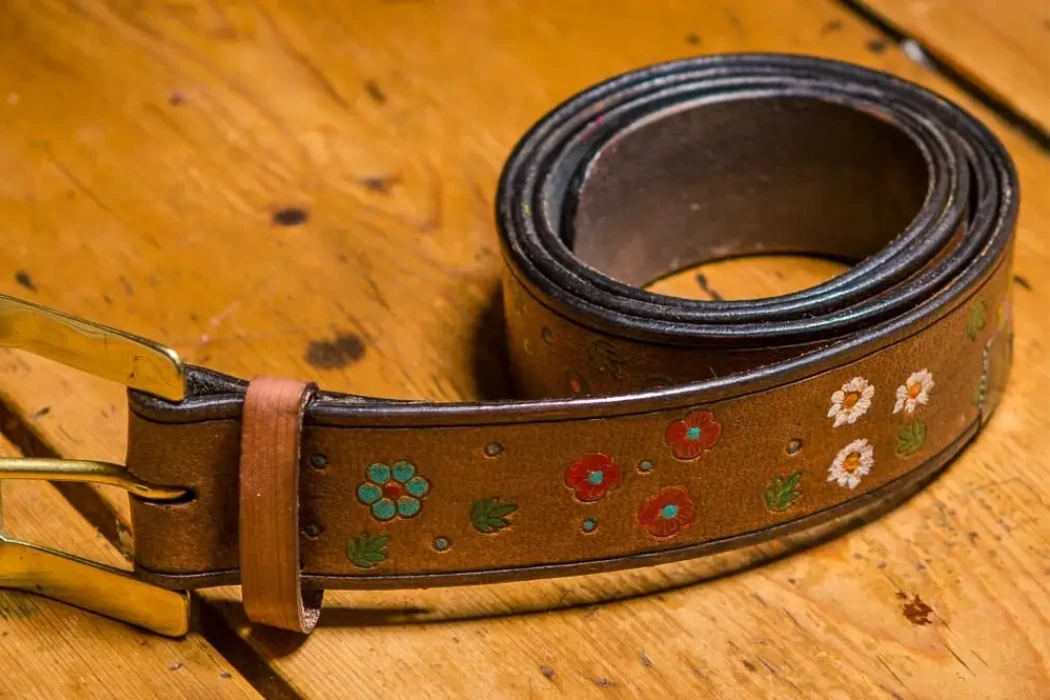
Choosing the best leather for belts is a critical sourcing decision that directly impacts customer returns and profit margins. Selecting lower-grade materials often leads to cracking and delamination, eroding brand trust and increasing warranty claims that damage your bottom line.
This analysis benchmarks full-grain, top-grain, and genuine leather sourced from LWG certified tanneries. We evaluate each option based on technical specs like edge processing and commercial viability factors like MOQ flexibility to help you secure a reliable factory partner.
Why “Best” Depends on Your Market Positioning
The ideal leather for a belt depends entirely on your brand’s strategy. A luxury brand requires full-grain leather for its durability and premium feel. A value-focused retailer might find high-quality PU leather is the ‘best’ option to meet a specific price point and production scale. Success lies in aligning the material with your market goals.
Matching the Material to Your Brand’s Price Point
Choosing a material is a core strategic decision that directly shapes your brand identity and customer perception. For a premium brand that promises longevity, the “best” choice is often Full-Grain leather. Its ability to develop a unique patina over time supports a high-end positioning. But for a fast-fashion or high-volume brand, the “best” material might be a high-quality PU or Bonded Leather. These options allow you to hit a competitive retail price point and meet large-scale demand, which is a different kind of success.
Material Tiers for Every Market Segment
We offer a range of materials structured to support any business model, ensuring you can align quality with your commercial goals.
- Premium Tier: For brands focused on ultimate durability and a luxury feel, we provide Full-Grain and Top-Grain leathers sourced from LWG Certified tanneries. This guarantees both quality and a commitment to sustainable sourcing that resonates with discerning customers.
- Mid-Tier/Fashion: This tier includes Vegetable-Tanned, Split, and various Embossed leathers. With our in-house Pro Pelli finishing, we can create unique aesthetics like crackled, washed, or snake-skin effects perfect for fashion-forward collections.
- Value & Volume Tier: High-quality PU, Vegan, and Recycled leather options are ideal for large-scale production. With a capacity of up to 800,000 PU belts per month, we can help you meet mass-market demand at an accessible price.
How Your Choice Impacts Production and Margin
Your material selection directly influences your production strategy and profit margins. We help you optimize both by using our dual-factory system. Our China factory is geared for complex, high-end leather belts requiring detailed development. For large-scale production, our Cambodia facility offers massive capacity and a potential Cambodia Duty Advantage for certain regions, lowering your landed costs.
This vertical integration allows us to offer a true Factory Direct Price. By helping you choose the right material for the right production facility, we eliminate middlemen and ensure the final product balances cost against perceived value. The goal is simple: to maximize your brand’s market competitiveness and protect your profit margin.
Full Grain: The Best for Durability & Patina
Full-grain leather is the strongest part of the hide because it uses the dense outer layer that isn’t sanded or weakened. This ensures maximum durability and a product that lasts. Over time, it develops a rich patina—a unique character that signifies premium quality—making it the ideal material for high-end work, casual, and heritage belt collections.
What Makes Full-Grain Leather the Strongest Option?
We use full-grain leather by taking the outermost layer of the hide, right below the hair, where the fibers are most dense and tightly woven. Unlike other grades, this material is not sanded or buffed to remove surface marks. These natural textures are a sign of authenticity and are integral to the leather’s structural integrity.
By preserving this original grain, we provide a material with superior strength and natural water resistance. For our partners, this means offering customers a premium product that resists wear and tear, leading to higher satisfaction and fewer warranty claims. We source our full-grain hides from premier LWG-certified tanneries to guarantee a foundation of quality from the very start.
Our Craftsmanship for Work & Heavy-Duty Belts
Our expertise is most evident in our Work/Heavy Duty Belts. For this category, we select thick cuts of full-grain leather specifically for their resilience under stress. The goal is to build a belt that won’t stretch, sag, or fail, even with daily, demanding use.
To achieve this, we reinforce the construction at critical points. We use heavy-duty nylon thread for all stitching to prevent seams from fraying or breaking. Special attention is paid to the buckle fold, a common point of failure in belts, which we reinforce to ensure it withstands constant force. This level of engineering protects your brand’s reputation for quality.
Developing a Rich Patina with Custom Finishes
A key selling point of full-grain leather is its ability to develop a patina—the beautiful sheen and character it acquires with age and use. This is a hallmark of a high-quality product that gets better over time, not one that wears out. This unique aging process is highly valued in the premium casual, vintage, and heritage markets.
Our vertical integration with our Pro Pelli in-house finishing facility in Cambodia gives us total control over this process. We can create unique finishes designed to age beautifully, including Crazy Horse, Oil Tanned, and Pull-up effects. This capability allows our partners to develop distinctive, high-margin products that stand out from mass-market competitors.
Top Grain: The Best for Uniform Color
Top-grain leather is sanded to remove surface imperfections, creating a perfect canvas for even dye application. This makes it the superior choice for achieving consistent color across large orders, which is essential for formal dress belts and fashion collections where brand image depends on uniformity.
What Makes Top Grain Ideal for Consistent Color?
To create top-grain leather, we sand and buff the outermost surface layer of the hide. This corrective process removes blemishes, scars, and other natural imperfections. The result is a smooth, consistent surface that allows for perfectly even and predictable dye absorption.
This process produces a solid, single-tone appearance without the natural grain variations found in full-grain leather. It is the go-to choice for products that demand a clean and uniform finish.
Achieving Precise Color with In-House Finishing
Our vertical integration gives you a significant advantage in color consistency. Our in-house Pro Pelli finishing facility in Cambodia provides us with direct control over the entire dyeing and finishing process. This eliminates reliance on third parties and ensures quality standards are met at every step.
For specific branding needs, we offer a Pantone Color Choice service to precisely match the colors required for your brand identity. This capability guarantees that every belt in a large production run—from the first to the last—will have an identical and consistent color.
Why Color Uniformity is Crucial for Your Brand
Uniform color ensures brand consistency across thousands of units, a critical requirement for established retailers and wholesalers. It ensures every customer receives a product that perfectly matches your brand’s standards.
This material is ideal for formal collections, such as our Classic Dress Belts, where a clean and professional aesthetic is necessary. Consistent finishing also reduces your business risk by minimizing defects from color mismatches, protecting your production investment and helping ensure on-time delivery to your market.
Elevate Your Brand with Premium Custom Belts
Genuine Leather: Best for Budget, Worst for Life
Genuine leather is technically real leather, but we produce it from the lower layers of the hide, also known as split leather. It is a budget-friendly choice for brands that want to offer a “real leather” product at a low price point. It lacks the strength and longevity of our top-grain or full-grain options and will wear out more quickly instead of aging well.
What ‘Genuine Leather’ Actually Means
The term “genuine leather” often misleads end-users, but in the manufacturing industry, it refers to a specific grade. When we process a hide, we separate it into layers. The strong, premium outer layer becomes full-grain and top-grain leather. The bottom layers left behind are what we use to create split leather, which is then marketed as genuine leather. This material lacks the dense, tight fiber structure of higher grades.
To create a uniform appearance, we sand the surface and apply a finish. This can range from a simple spray-paint coating to more complex textures. Our in-house Pro Pelli finishing facility allows us to apply sophisticated embossed patterns like Crocodile, Snake, or Saffiano to create a high-end look on a cost-effective base material.
The Manufacturing Advantage for Budget Lines
For our B2B partners, the primary benefit of genuine leather is its low cost. By using the more affordable split leather, we help you develop product lines that can hit entry-level price points in competitive retail markets. This allows your brand to offer an item labeled as “real leather” while maximizing profit margins.
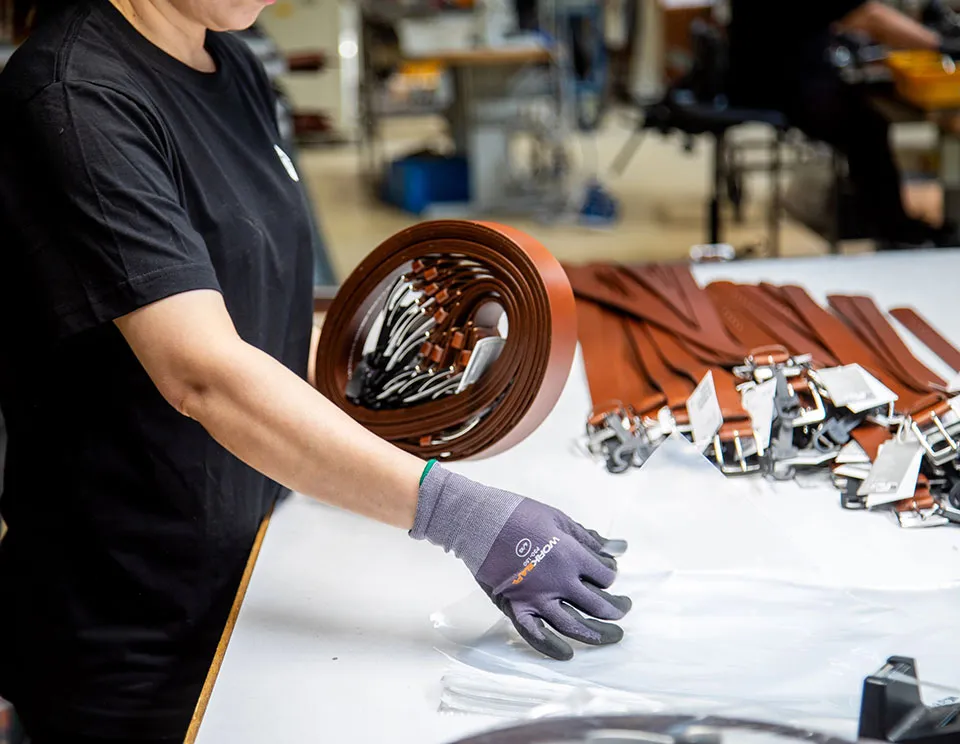
This material is perfectly suited for cost-optimized, high-volume production. Our Cambodia factory is set up for large-scale manufacturing, capable of producing hundreds of thousands of belts monthly. For brands targeting mass-market retail, this is a strategic choice that balances factory-direct pricing with the appeal of a natural material.
The Trade-Off: Limited Durability and Rapid Wear
We believe in transparency with our partners, so it’s important to understand the performance trade-offs. Unlike our full-grain options that develop a rich patina, genuine leather does not age gracefully. Over time, it tends to crack, peel, or delaminate, especially around stress points like the buckle fold and adjustment holes.
The material offers poor resistance to stretching and is unsuitable for any application requiring durability, such as our heavy-duty work belts. The artificial surface is also prone to scuffs. This finish cannot be repaired or conditioned like our Crazy Horse or oil-tanned leathers, which is an important factor to consider for long-term customer satisfaction and potential warranty claims.
Bonded Leather: When is it the Best Option?
Bonded leather is a strategic choice for brand partners who need to reach a low price point for high-volume or fast-fashion collections. We provide it as a cost-effective material that delivers a leather-like appearance, but it has significantly less durability than our genuine leather options.
What Exactly is Bonded Leather?
Bonded leather is an engineered material, not a solid leather hide. We manufacture it by taking leather scraps and shredded fibers and binding them together with a polyurethane binder. This mixture is then pressed onto a backing material. To finish, we apply a synthetic surface coating and emboss it with a grain pattern to mimic the look of genuine top-grain leather.
The Primary Use Case: Maximizing Margins on a Budget
We offer bonded leather for specific business needs where cost is the primary driver. It is ideal for promotional products, entry-level fashion lines, or high-volume orders that require a very competitive price. This material allows our partners to offer products with the scent and feel of leather at a price closer to PU, maximizing profit margins. It’s a key part of how we deliver a “Factory Direct Price” advantage for mass-market collections.
Appearance vs. Longevity: The Key Trade-Off
The main trade-off with bonded leather is durability. While it provides a consistent, uniform appearance, it does not have the strength of genuine leather. Over time, especially with frequent bending and stress, the surface can delaminate, crack, or peel. For this reason, we recommend it for fashion accessories with a shorter expected lifespan. It is not suitable for products that need long-term resilience, like our Work/Heavy Duty belts made from full-grain leather.
Maintaining Quality with Alternative Materials
Even when working with budget-focused materials, our commitment to quality construction does not change. We ensure every bonded leather belt is built to last for its intended application, using techniques like strong, straight stitching with heavy-duty thread and smoothly painted edges to prevent fraying. All materials we use, including bonded leather, are fully “Reach & CPSIA Compliant,” ensuring your products are safe and ready for EU and US markets without compliance issues.
The Garage Guru’s Verdict: Material ROI
The best material for your brand depends on your target market and goals. Premium options like Full-Grain leather often produce higher margins and build customer loyalty, justifying their initial cost. Budget-friendly materials like PU are better for fast-fashion segments where price is the main factor. True Return on Investment (ROI) balances upfront cost, product durability, and brand perception.
Defining ROI for Your Belt Collection
For brand owners, true ROI is more than just the per-unit production cost. It’s a complete picture that includes your retail margin, customer satisfaction, and long-term brand reputation. A cheap belt that fails quickly can destroy profits through returns, negative reviews, and warranty claims. But a durable, well-crafted belt supports a higher price point, builds customer trust, and encourages repeat business, delivering a much stronger return over time.
Material Cost vs. Perceived Market Value
Choosing the right material is about aligning product quality with your customers’ expectations. We offer a range of options so you can find the perfect balance between cost and value for your specific market segment.
| Material Option | Ideal Market Segment | ROI Focus |
|---|---|---|
| LWG Certified Full-Grain Leather | Premium & Heritage Brands | Highest perceived value, justifies premium pricing, builds brand loyalty. |
| High-Quality PU / Vegan Leather | Fast-Fashion & Price-Sensitive Markets | Low upfront cost, enables competitive pricing, ideal for high-volume sales. |
| Split Leather with Pro Pelli Finish | Mid-Market & Fashion-Forward Brands | Achieves unique looks like Crazy Horse or vintage effects at a balanced cost. |
Our in-house Pro Pelli finishing facility gives you a unique advantage. We can apply premium finishes to different tiers of leather, helping you create a high-value look without committing to the highest material cost.
Calculating Long-Term Gains from Quality Specs
Small upfront investments in quality components pay off by eliminating common points of failure and protecting your brand’s reputation. We build our belts to last, which directly secures your ROI.
- Durable Hardware: We use anti-rust treated Zinc Alloy and Stainless Steel buckles that pass strict salt spray testing. This prevents customer complaints about rust and premature failure.
- Clean Construction: Smoothly painted or burnished edges and heavy-duty nylon stitching prevent the fraying and splitting that plague lower-quality belts, justifying a higher retail price for your customers.
- Compliance Assurance: Our materials are Reach & CPSIA compliant from the start. This protects your investment by preventing costly product recalls or customs issues in major markets like the USA and Europe.
How Factory Strategy Directly Impacts Your ROI
Partnering with the right manufacturer offers financial benefits that go beyond the product itself. Our operational model is designed to maximize your profitability and reduce supply chain risks.
- Dual-Country Advantage: Our factory in Cambodia can offer significant duty-free advantages for importers in certain regions, directly lowering your landed cost and boosting your profit margin.
- Vertical Integration: By controlling the leather finishing process ourselves, we cut out middlemen. This gives you factory-direct pricing on finished leather and guarantees consistent quality.
- Flexible MOQs: We understand growing brands. Our flexible Minimum Order Quantity policy allows you to test new materials and styles in your market without the risk of committing to a massive inventory.
Final Thoughts
While generic “Genuine Leather” belts offer a lower upfront cost, using LWG Certified Full-Grain leather is the only way to protect your brand from returns due to cracking and peeling. This material standard ensures your inventory builds market reputation, not customer complaints.
Don’t guess on quality—verify it. Request a sample kit to physically evaluate our leather grades and construction. Contact us to get your samples started and discuss your private label requirements.
Frequently Asked Questions
What is the most durable leather for belts?
For maximum durability and customer satisfaction, full-grain leather is the best choice. We use this material for our heavy-duty and work belt lines because it comes from the strongest part of the hide. A belt made from our LWG Certified full-grain leather can last for decades, ensuring your customers are satisfied and minimizing warranty claims related to breakage or tearing.
Is full grain leather better than top grain?
Full-grain leather is superior in terms of pure durability, making it ideal for premium or work-focused belt collections. Top-grain leather offers a different advantage: it provides a more uniform finish and is more cost-effective, making it a great choice for fashion belts where appearance and price point are key. We offer both options to help you build a balanced and profitable product range that serves different customer needs.
How long does a full grain leather belt last?
A well-made full-grain leather belt can last over a decade, and often a lifetime. This longevity is a powerful selling point for your customers. We ensure our full-grain belts meet this expectation by pairing the durable LWG Certified leather with heavy-duty nylon stitching and anti-rust brass or stainless steel buckles. This focus on total construction quality means you’re selling a product built to last.
What is the best budget leather for mass production?
For mass production, we recommend either top-grain leather or high-quality PU, depending on your target cost. Top-grain offers the feel of genuine leather at a competitive price. For maximum volume and cost-efficiency, our high-quality PU is an excellent choice. Our Cambodian factory has a capacity of up to 800,000 PU belts per month and may offer duty-free advantages for your market, directly improving your profit margins.
Does genuine leather crack easily?
Lower-grade leathers, such as split or bonded leather (often sold as ‘genuine leather’), are more prone to cracking than full-grain or top-grain. We are transparent about material grades to help you make the right choice for your brand. To prevent issues, even on our more economical belts, we use high-quality edge painting and reinforced stitching at stress points. This focus on construction quality minimizes returns and protects your brand’s reputation.