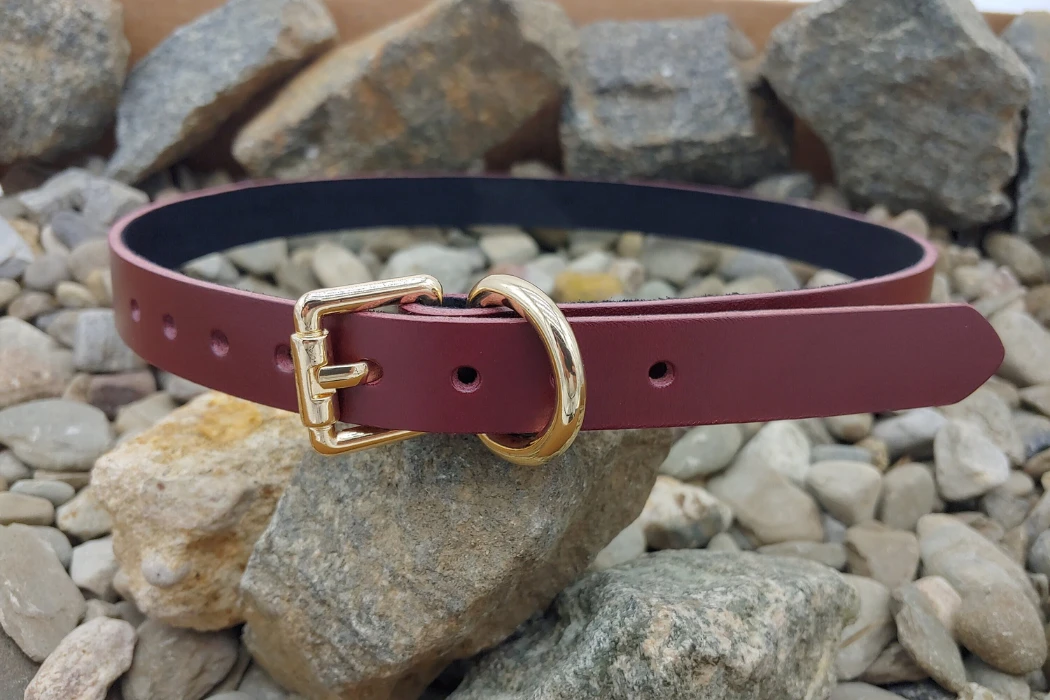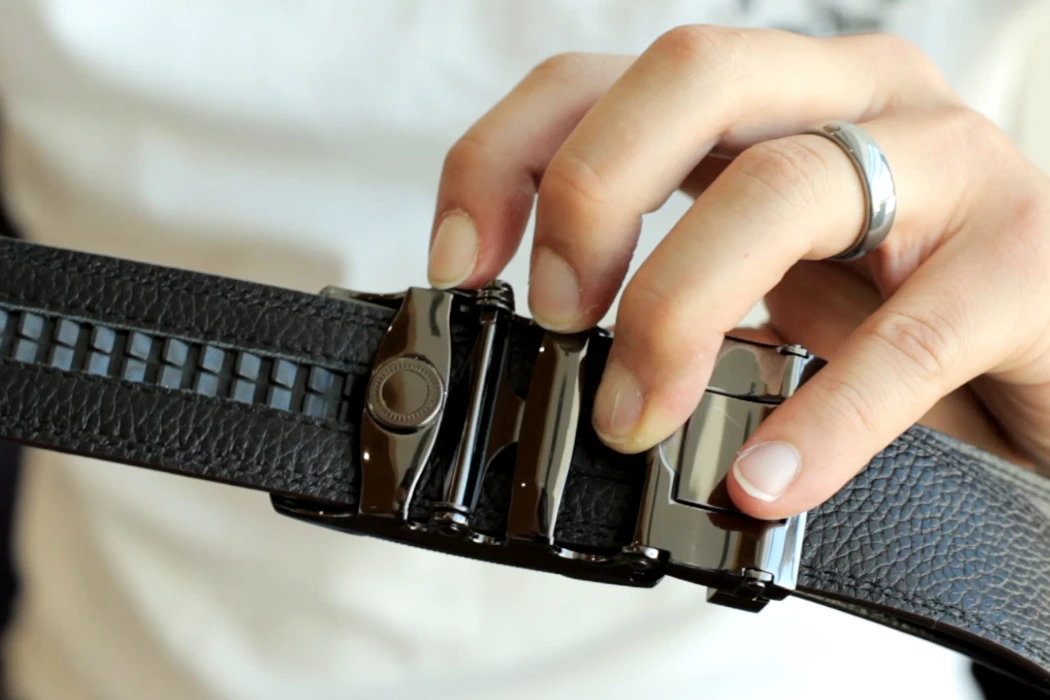
Sourcing an OEM supplier for a niche fashion belt starts with the feature that makes the design different: a braid, decorative pattern, reversible construction, unusual buckle or distinctive surface. Ask for evidence that the supplier can develop that feature on your proposed material. A general factory presentation does not settle the question.
Separate ordinary fashion and accessory designs from protective or load-bearing products that require specialist development. A Western-inspired appearance, for example, does not establish a safety function. Define the intended use before asking for samples or performance claims.
Turn the design feature into a capability question
| Feature | Evidence to request | Sample detail to inspect |
|---|---|---|
| Braided strap | Proposed braid construction and end treatment | Consistency, attachment, adjustment and finished length |
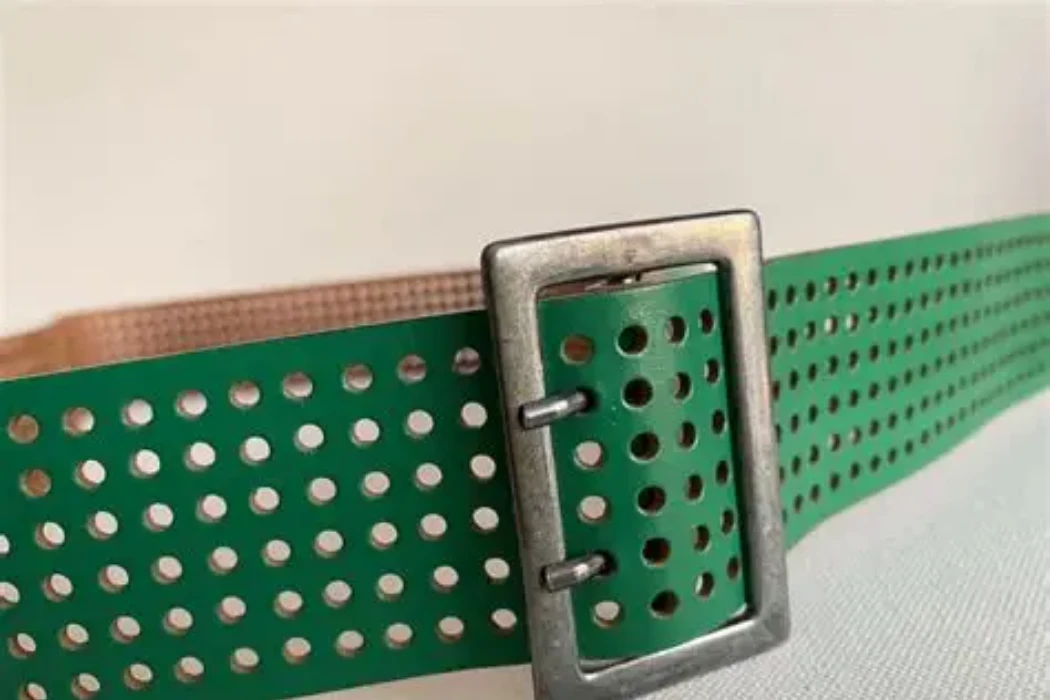
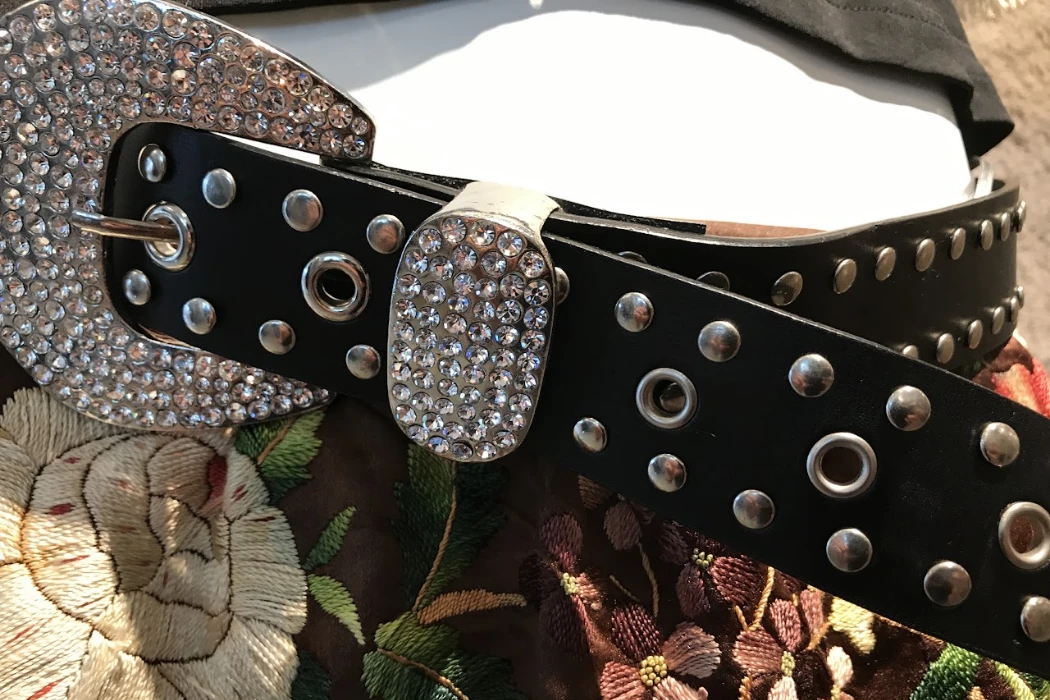
| Studs or decorative fittings | Fixing method and reverse-side construction | Spacing, retention, sharp edges and clothing contact |
| Reversible belt | Both face materials and the actual turning mechanism | Operation, logo orientation and finish on both sides |
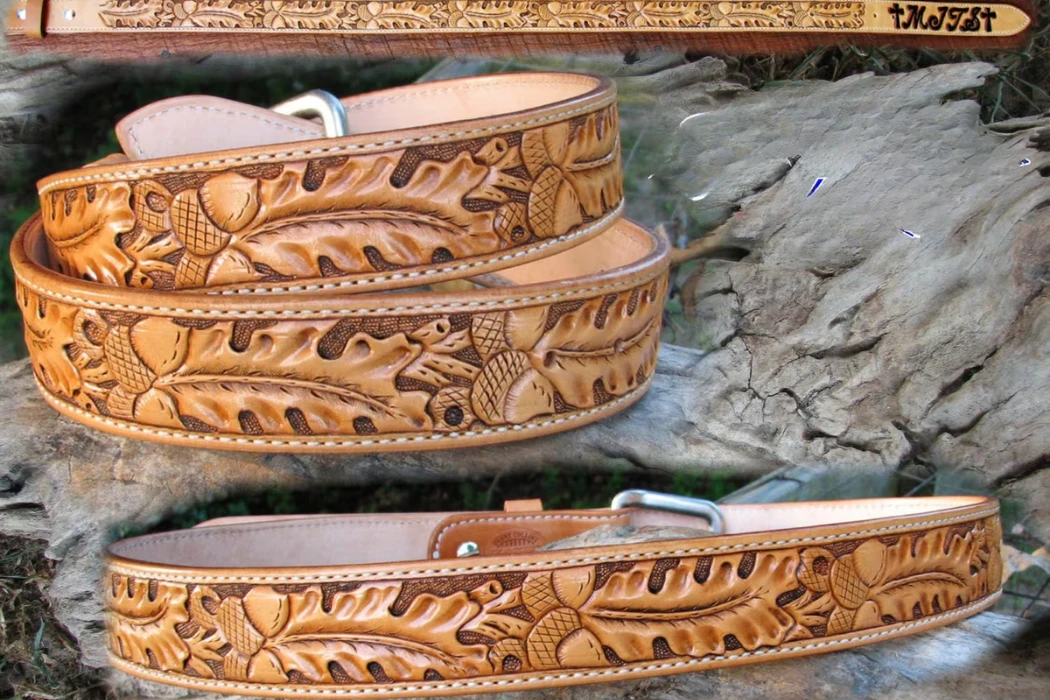
| Embossed or tooled appearance | Process, artwork and tooling proposal | Pattern placement, repeat and bending appearance |
| Custom buckle | Drawing, material, finish and manufacturing route | Strap fit, fastening and attachment |
Ask which processes are performed in the factory and which rely on a component supplier or processor. An outsourced operation can be appropriate when responsibility, approval and repeatability are clear. Owning every machine is not a substitute for those controls.
Confirm material feasibility before pricing the range
Provide a reference sample or an explicit composition, surface and handle brief. Identify animal leather, synthetic coating, lining and reinforcement separately. A suede-like or embossed surface does not establish the underlying material.
Unusual materials may change usable dimensions, cutting orientation, finishing or availability. Request feasibility for the named article instead of assuming that every niche option is already in the supplier’s range. For colour, agree a physical reference and acceptable variation; a screen colour code is a starting point for discussion.
Inspect construction rather than a list of machines
During a sample review or factory visit, follow the proposed product through cutting, component preparation, assembly and finishing. Examine how the distinctive feature affects the rest of the belt. A decorative fitting can interfere with the keeper; a braid can alter usable length; a reversible buckle can change the measurement datum.
Ask how the factory records approved settings and examples of acceptable variation. The important output is a repeatable product specification. Do not accept fixed skiving thicknesses or universal tolerances merely because they appear in a generic supplier checklist.
Include the full size range in artwork and fit approval
Show the buckle reference point, usable adjustment range, width and tail requirement for each size. Check how patterns and fittings move when the strap length changes. A motif that is centred on one size may be interrupted by holes or the buckle fold on another.
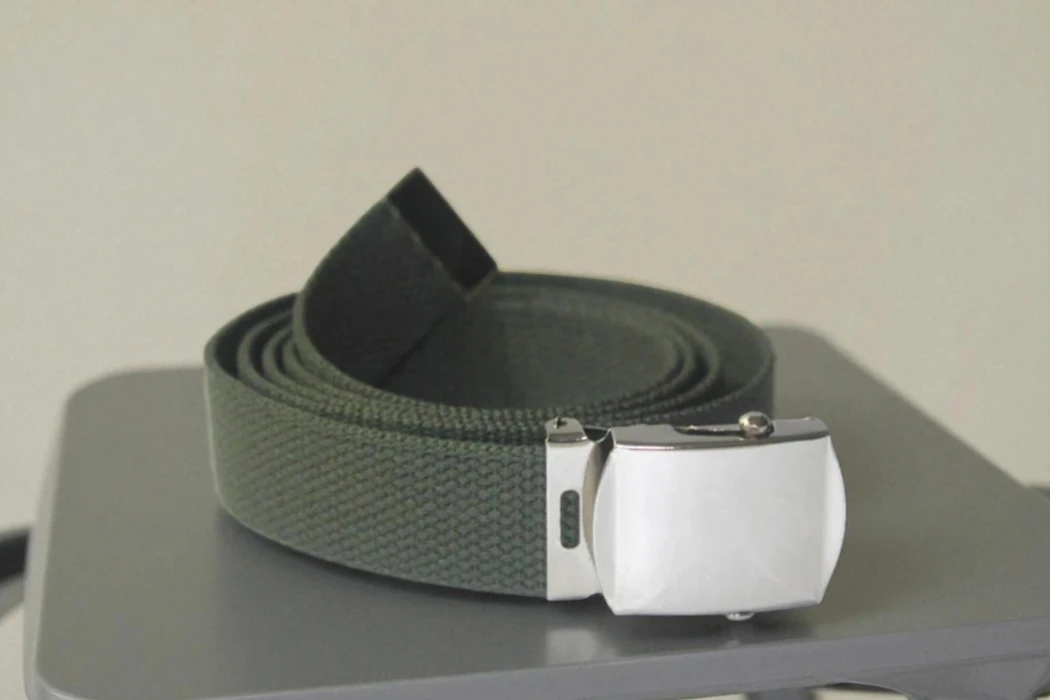
For non-hole mechanisms, assess the usable range and tail handling directly. For braided designs, confirm where fastening is intended to engage; do not promise unlimited adjustment without checking the construction.
Agree the assessment for the intended use
Review the strap, edges, decorative components and buckle as an assembly. Consider finish rubbing, bending, attachment function and contact with clothing where relevant. Choose appropriate assessment methods and acceptance criteria for the project; a generic pull or salt-spray number is not a universal quality standard.
Ask for material and market-specific compliance evidence where required. Facility audit documents, restricted-substance reports and finished-product performance records have different purposes. A water-based paint label or LWG facility rating alone does not establish every requirement for the complete belt.
Make the quotation and schedule comparable
Give suppliers the same construction, size mix, artwork, quantity and delivery basis. Separate tooling, development, product, inspection and packing costs. Record how custom hardware revisions and material substitutions affect approval and timing.
Hoplok’s confirmed MOQ is 300 leather belts or 1,000 PU belts. Belt samples take 2–3 weeks and bulk production takes 60–90 days. Confirm the allowed assortment and any additional component-development or shipping time for the order. These figures are not an assurance that every specialist design is already production-ready.
Discuss the development route with Hoplok
Hoplok has belt manufacturing facilities in Dongguan, China and Cambodia. Its ProPelli operation in Cambodia receives crust from partner tanneries for leather finishing; it does not carry out tannery operations. Confirm the production route for your particular design during enquiry.
Send the distinctive feature, material reference, drawing and quantity through custom belt development. Review design and sampling alongside that brief so the proposed feature becomes a documented manufacturing requirement.