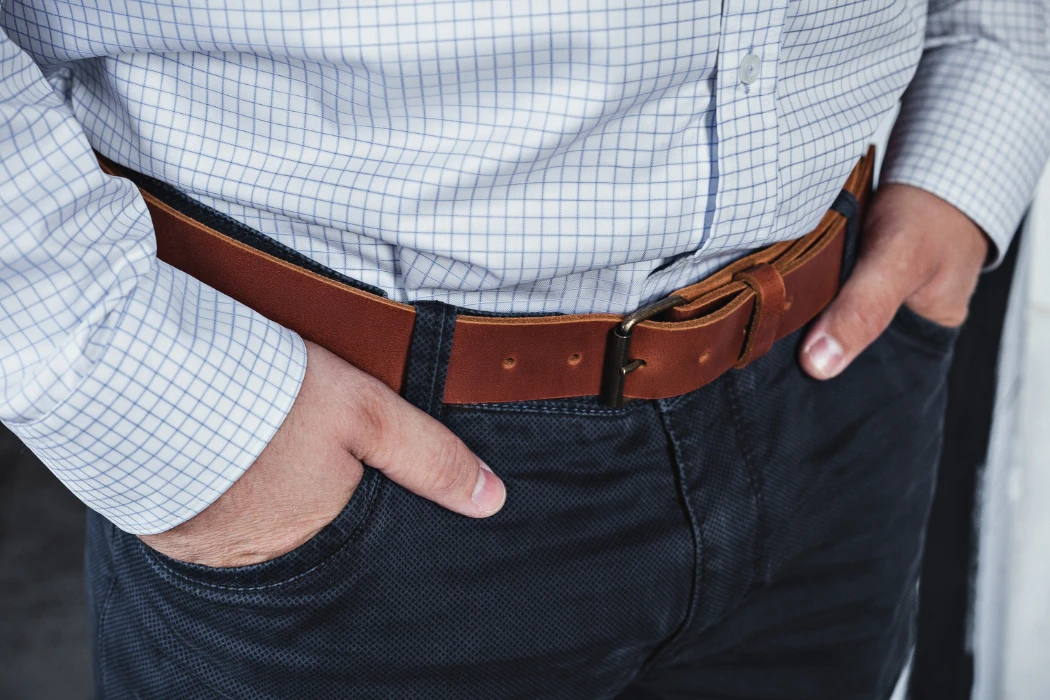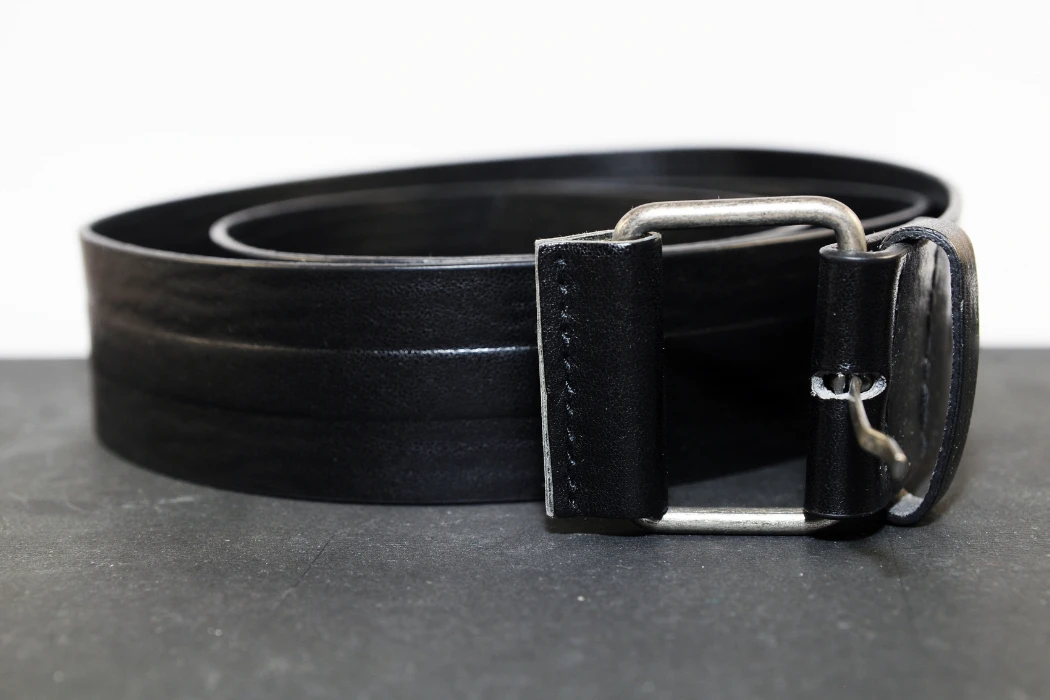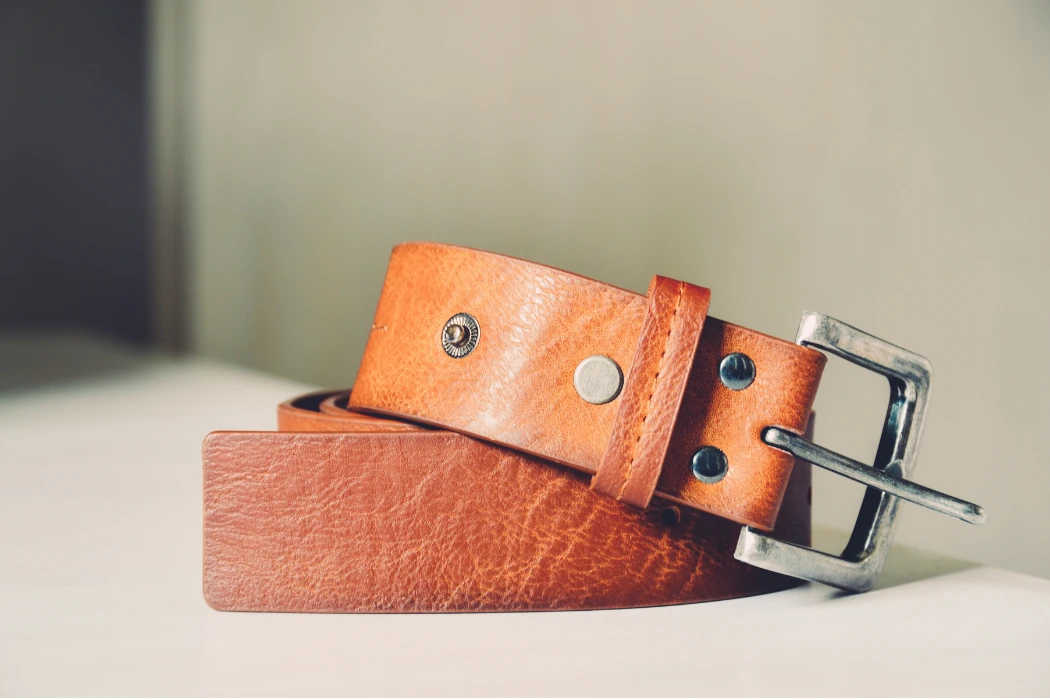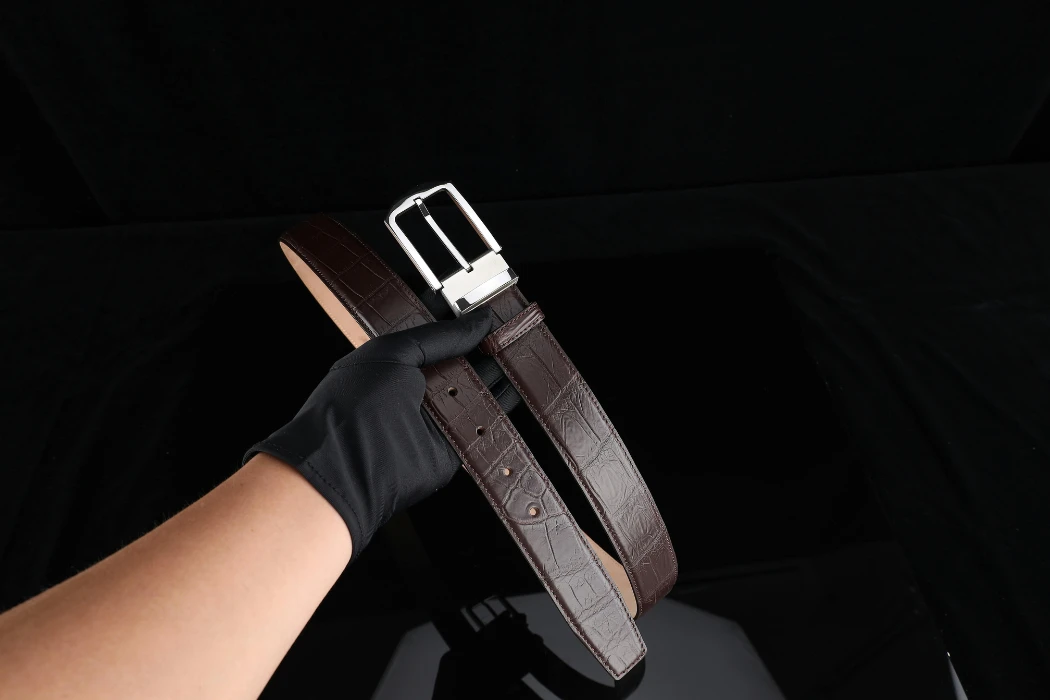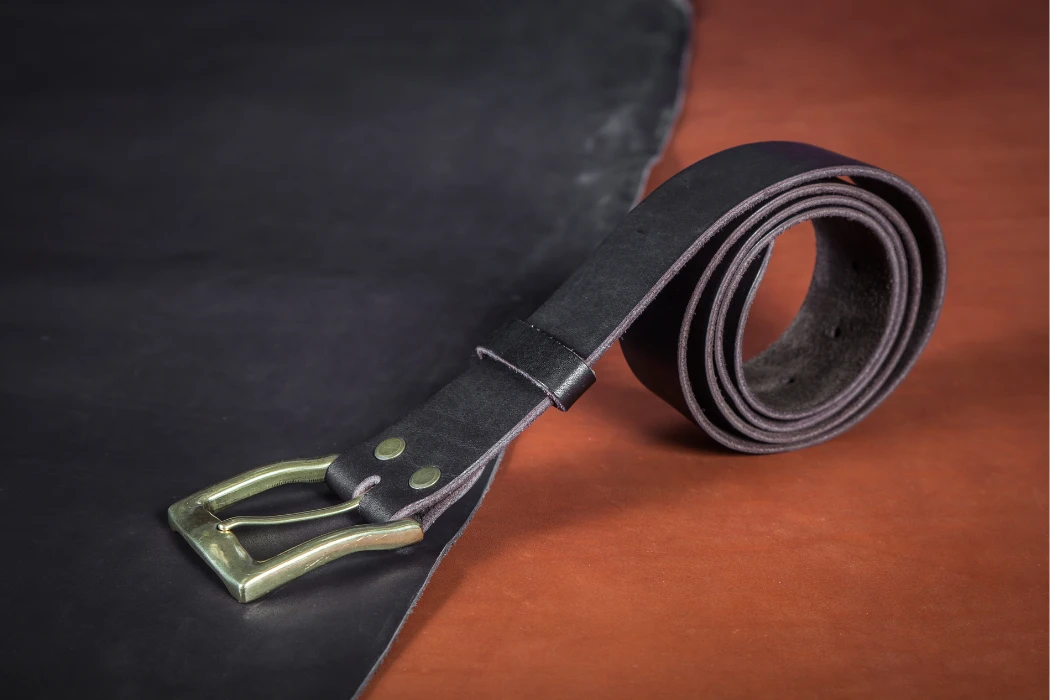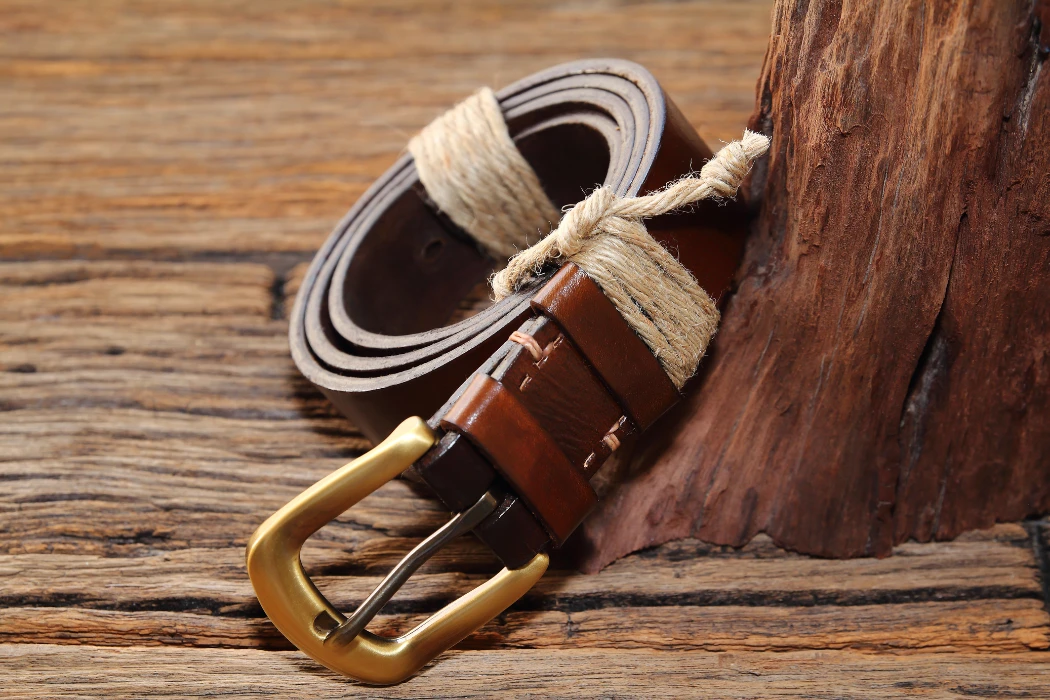
Buckle Sourcing Strategy classifies hardware procurement into two distinct paths: Stock Hardware utilizes existing “Open Molds” owned by the factory, offering zero tooling fees and rapid lead times but lacking market exclusivity. Custom Tooling involves engineering proprietary molds, requiring an upfront NRE (Non-Recurring Engineering) investment of $300–$800, but delivering 100% design control and brand defensibility. The decision hinges on a brand’s SKU Budget and Time-to-Market requirements.
Key Takeaways for Product Developers
- The “Me-Too” Risk: Utilizing stock hardware means your competitors can (and likely do) sell the exact same buckle silhouette. Relying solely on a laser-etched logo offers zero defense against market saturation.
- Tooling Amortization: Custom molds are a fixed cost. The economics typically make sense only when order volumes exceed 500–1,000 units, allowing the amortized mold cost per unit to drop below the premium charged for exclusive stock designs.
- Material Physics: Custom tooling grants you control over metallurgy. You can specify Solid Brass or Stainless Steel for durability, whereas stock hardware defaults to the cheapest available Zinc Alloy (Zamak).
- Brand Equity: In-Mold Branding (3D relief/embossing) offers significantly higher perceived value and counterfeit protection compared to superficial Laser Etching, which can wear off over time.
The “Open Mold” Ecosystem: Understanding Stock Hardware Limitations
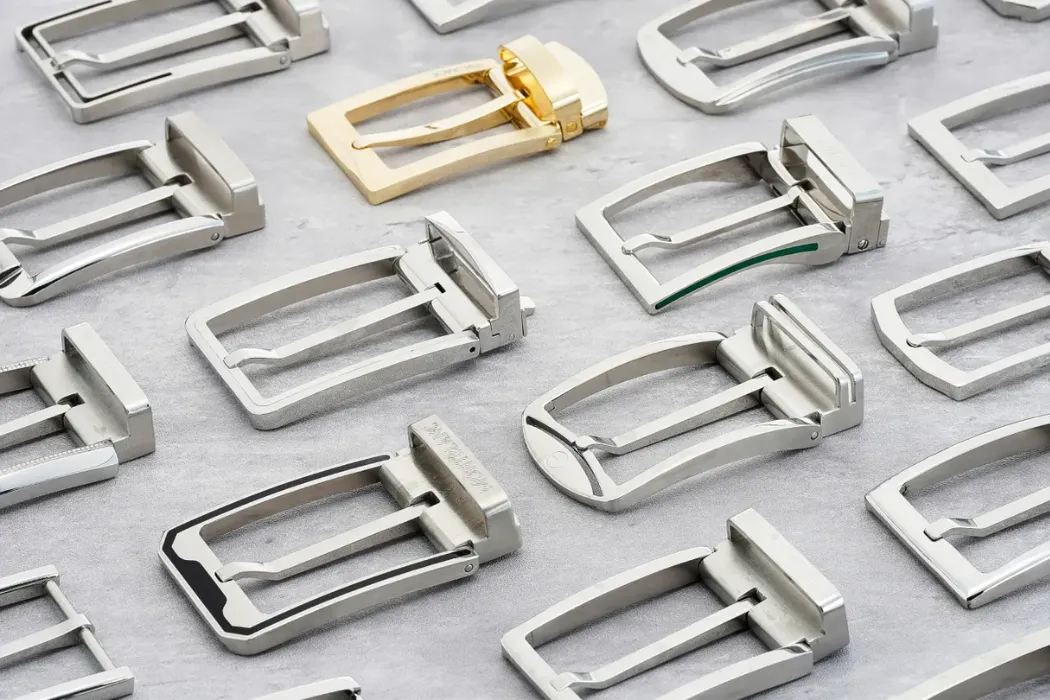
For startups and brands testing the market, “Open Mold” (Stock) hardware is the default entry point. Factories maintain catalogs of thousands of pre-existing buckle designs that require zero tooling investment. While this eliminates upfront CAPEX, it introduces significant long-term risks to brand identity and supply chain stability that sourcing managers must weigh carefully.
Zero Tooling Cost vs. Market Saturation
The immediate appeal of stock hardware is financial: you save the $300–$500 mold fee. However, the cost is exclusivity. Because the mold is owned by the hardware factory, they sell the exact same buckle to hundreds of brands globally.
- The “Reverse Image Search” Threat: In the e-commerce era, consumers are savvy. If a customer uses Google Lens or Amazon Image Search on your “unique” belt buckle and finds 50 other brands selling the identical hardware at half your price, your brand’s pricing power is instantly destroyed. You are effectively selling a commodity, not a brand.
Restricted Customization (The “Laser” Trap)
Since stock buckles are already cast and plated before you order them, you cannot alter their physical shape or 3D features. Your only option for branding is Laser Etching.
- Surface Level Branding: Laser etching simply burns away the top layer of plating to reveal the base metal color. It has zero depth. From a tactile perspective, it feels cheap.
- Durability Issues: Because the logo is essentially a surface scar, it is prone to fading. Friction from daily wear can rub a shallow laser logo into obscurity within a year, erasing your brand presence from the product entirely.
Supply Chain Volatility
Reliance on stock hardware places your supply chain in the hands of a third-party vendor’s inventory decisions.
- Discontinuation Risk: Hardware factories constantly purge low-volume molds. If the factory decides that “Buckle Model #8842” is no longer profitable globally, they will scrap the mold without consulting you. We have seen brands forced to redesign their best-selling SKU overnight because their stock buckle was abruptly discontinued. Custom tooling is the only way to own your supply chain destiny.
Custom Tooling Economics: CAPEX, Amortization, and MOQ Thresholds
Transitioning to custom hardware is a shift from variable costs to fixed asset investment (CAPEX). While the upfront “Sticker Shock” of a mold fee ($300–$800) can deter startups, the long-term amortization math proves that custom tooling is the only scalable path for serious brands.
The Break-Even Calculation
Sourcing managers must analyze the “Per-Unit Mold Impact.” The mold fee is a one-time NRE (Non-Recurring Engineering) cost. As volume increases, the impact vanishes.
- The Math: Assume a standard Zinc Alloy mold costs $300.
- On a pilot order of 100 units, the mold adds $3.00 to each belt’s cost (Prohibitive).
- On a production order of 1,000 units, the mold adds only $0.30 to each belt (Negligible).
- The Tipping Point: Once a SKU exceeds 500 units in lifetime sales, custom tooling becomes economically viable compared to the “exclusivity premium” often charged for high-end stock buckles.
3D CAD to CNC Prototype (The Hoplok Process)
The fear of “getting it wrong” often stops brands from customizing. At Hoplok, we mitigate this risk through a rapid 7-day prototyping cycle.
- Step 1: 3D Printing: Before cutting steel, we print a high-resolution resin model of your buckle. This allows you to check physical proportions and fit on the strap for less than $50.
- Step 2: CNC Machining: Once the 3D print is approved, we cut the master mold using CNC precision. This ensures the final cast part matches the CAD drawing within a tolerance of +/- 0.05mm.
Ownership and Exclusivity
In the murky waters of Asian manufacturing, intellectual property theft is a valid concern. We operate differently.
- Exclusive Mold Agreement: At Hoplok, if you pay the full mold fee, you own the mold. We sign a binding agreement stating that your unique buckle design will never be displayed in our showroom or offered to another client. It is your proprietary asset, stored securely in our mold vault.
| Decision Factor | Stock Hardware (Open Mold) | Custom Tooling (Private Mold) |
|---|---|---|
| Initial Investment (NRE) | $0 (None) | $300 – $800 (One-time) |
| Lead Time | Ready to Ship (3–7 Days) | 25–35 Days (Mold + Production) |
| Brand Protection | Low (Competitors can copy) | High (Exclusive IP rights) |
| Minimum Order (MOQ) | Low (Often 50–100 pcs) | High (Min. 300–500 pcs) |
| Design Freedom | Zero (Pick from catalog) | 100% (Any shape/texture) |
Material Selection: Zinc Alloy (Zamak) vs. Solid Brass vs. Stainless Steel
The visual design of a buckle is only half the battle; the base metal dictates the hand-feel, weight, and longevity. A beautiful design cast in cheap metal will feel hollow and pit within months. Sourcing managers must specify the metallurgy on the PO (Purchase Order) to ensure the product matches the brand’s price positioning.
Zinc Alloy (The Industry Workhorse)
Also known as Zamak, this is the standard for 90% of fashion belts (retail price under $50).
- The Die-Casting Process: Molten zinc is injected into steel molds at high pressure. This allows for incredible detail and complex shapes at a very low unit cost.
- The Trade-off: Zinc is brittle. It has low tensile strength and can snap under sudden impact. Furthermore, if the plating is breached, the reactive zinc base corrodes rapidly, leading to “pitting” (small bubbles under the surface). It is cost-effective but lacks heirloom durability.
Solid Brass (The Heritage Choice)
For brands retailing above $80, Solid Brass is the expected standard. It is a copper-zinc alloy that offers a substantial, dense weight in the hand.
- Sand Casting & Forging: Brass is typically sand-cast (resulting in a textured, rustic finish) or hot-forged (for high strength).
- The Patina Factor: Brass does not rust; it oxidizes. Over time, raw brass develops a rich, golden-brown patina that is highly prized in the heritage market. Even if plated, if the plating wears off, the underlying brass simply adds character rather than looking like broken trash.
Stainless Steel (The Surgical Standard)
The pinnacle of durability, Stainless Steel (Grade 304 or 316) is virtually indestructible.
- CNC Machining Requirement: Because steel has a high melting point, it cannot be easily die-cast like zinc. It must be cut from solid blocks using CNC machines or MIM (Metal Injection Molding). This labor-intensive process makes it the most expensive option.
- Hypoallergenic: It is the only true solution for customers with nickel allergies. Unlike plated zinc or brass, which may contain trace nickel in the under-plating, surgical-grade stainless steel is inert and safe for all skin types.
| Material | Manufacturing Method | Weight / Feel | Corrosion Resistance | Unit Cost Index |
|---|---|---|---|---|
| Zinc Alloy (Zamak) | Die-Casting | Light / Hollow | Low (Pits easily) | $ (Baseline) |
| Solid Brass | Sand Cast / Forging | Heavy / Dense | High (Patina, no rust) | $$$ (3x Zinc) |
| Stainless Steel | CNC Machining / MIM | Very Heavy / Solid | Extreme (Medical Grade) | $$$$$ (5x Zinc) |
Branding Application: Laser Etching vs. Deep Engraving (In-Mold)
How you apply your logo communicates your brand’s tier. A luxury brand never “prints” its logo on hardware; it engineers the logo into the hardware. Sourcing managers must distinguish between surface-level treatments (OpEx) and structural features (CapEx).
Laser Etching (Surface Level)
Laser etching is the standard for stock hardware because it requires no mold modification. A high-powered laser beam ablates (burns off) the top layer of electroplating to reveal the base metal underneath.
- The Cost Advantage: It is fast and cheap, typically adding only $0.10 – $0.15 per unit. It allows for high-resolution graphics on small batches.
- The Longevity Flaw: Because the etching depth is measured in microns, it is essentially 2D. Constant friction from the belt strap or handling will eventually polish the logo away. Furthermore, it is easy for counterfeiters to replicate using a cheap desktop laser engraver.
Deep Engraving / Debossing (Structural)
Deep engraving (or debossing) involves machining the negative of your logo directly into the steel master mold. When the molten metal is injected, the logo is cast as a physical, 3D feature of the buckle.
- The Luxury Standard: This creates a Z-depth of 0.3mm – 0.5mm with crisp, chamfered edges. It catches the light and offers tactile feedback.
- Permanence: An in-mold logo is structural. It cannot be rubbed off, scratched away, or chemically removed without destroying the buckle itself. It signals to the consumer that the hardware was custom-made for this specific product line, instantly elevating the perceived value.
Roller Buckle Knurling
For heritage and workwear brands using roller buckles, texture is a functional brand signature.
- Diamond Knurling: Custom tooling allows us to CNC-machine complex “diamond” or “coin-edge” knurling patterns onto the roller cylinder. This is not just aesthetic; it provides mechanical grip to roll the leather strap smoothly without slippage. Stock rollers are almost always smooth tubes; a knurled roller is a definitive sign of custom engineering.
Plating and Finishing: The PVD Advantage for Luxury Hardware
The finish is the first thing the customer touches and the first thing to fail. Sourcing managers often specify the color (e.g., “Gunmetal”) without specifying the technology, leading to catastrophic field failures where the finish rubs off within months.
Electroplating Limitations
Traditional Rack Plating is the industry standard, but it has chemical vulnerabilities.
- The Acid Test: Human sweat has a pH of 4.5–5.5. Over time, this acidity attacks the thin layer of electroplated nickel or gold. Even high-quality rack plating (0.2 microns) is eventually sacrificial.
- Micro-Scratching: Electroplating is relatively soft (Hardness ~300 HV). Daily contact with zippers or desk edges creates a network of micro-scratches that dulls the luster, turning a mirror finish into a hazy gray.
PVD Coating (Physical Vapor Deposition)
For luxury brands retailing at $150+, Hoplok recommends upgrading to PVD. This technology, borrowed from the high-end watch industry, deposits titanium nitride particles in a vacuum chamber.
- Extreme Hardness: PVD coatings achieve a hardness of 2000+ Vickers (HV), which is 10 times harder than standard electroplating. It is effectively scratch-proof against daily hazards.
- The Matte Black Solution: Achieving a durable “Matte Black” is notoriously difficult. Paint chips; black nickel plating fades to copper. PVD is the only engineering solution that creates a permanent, non-fading jet black finish that bonds molecularly with the substrate.
Brushed vs. Polished vs. Tumbled
The surface texture dictates the labor cost significantly.
- Tumbled (Stonewash): The cheapest option. Buckles are vibrated with ceramic stones. It hides defects but looks industrial.
- Brushed (Satin): The most expensive. A worker must manually hold the buckle against a grit wheel to create perfectly parallel lines. If the lines are crooked, the part is scrapped. This manual labor adds $0.30 – $0.50 per unit but offers a sophisticated look that hides fingerprints.
Intellectual Property Risks: Who Owns the Mold?
Custom tooling is an asset. However, in the global supply chain, ownership can be ambiguous unless contractually defined. Brands must be vigilant against factories that subsidize mold fees in exchange for IP rights.
The “Public Mold” Trap
Some factories offer “discounted” mold fees to attract orders. This is often a trap. If you pay less than the full cost of the tooling, the factory retains partial ownership and the right to list your design as a “Public Mold” in their catalog after a set period (usually 6–12 months).
- The Commercial Consequence: You essentially pay for the R&D, only to have your competitors buy the finished product off the shelf a year later. Always pay the full NRE fee to secure 100% exclusivity.
Hoplok’s NDA Protocol
We operate on a strict Work-for-Hire basis for tooling, backed by international IP law.
- Total Ownership Certificate: When you pay the full NRE fee at Hoplok, the mold is 100% your property. We issue a formal certificate of ownership.
- Mechanism Protection: For complex reversible buckles or ratchet mechanisms, we enforce strict compartmentalization in our factories in China and Cambodia. This ensures your unique mechanism is not visible to other clients visiting the production line.
| Technology | Durability (Vickers Hardness) | Cost Multiplier | Color Range | Eco-Friendliness |
|---|---|---|---|---|
| Barrel Plating | Low (~200 HV) | 1.0x (Base) | Basic (Gold, Silver, Gunmetal) | Low (High water usage) |
| Rack Plating | Medium (~300 HV) | 3.0x | Wide (Antique, Satin, Gloss) | Medium (Chemical waste) |
| PVD Coating | Extreme (~2500 HV) | 10.0x | Specialized (Matte Black, Rainbow) | High (Vacuum process, no waste) |
Frequently Asked Questions
How much does a custom belt buckle mold cost?
Mold fees vary by material complexity. A standard Zinc Alloy die-cast mold typically ranges from $200 to $300 due to the softer tooling steel required. However, Solid Brass (sand cast) or Stainless Steel (MIM/Forging) tooling is more labor-intensive to cut, pushing the investment to $500–$1,000 depending on the 3D intricacy and runner design.
What is the lead time for custom hardware?
Expect a 45-day total cycle for new development. The process follows a strict timeline: 3D CAD approval (2 days) → Mold cutting (10–14 days) → Sample casting and polishing (5–7 days) → Client Approval → Mass Production (25–30 days). Stock hardware, by comparison, can often ship within 3–7 days if inventory exists.
Can I modify a stock buckle to make it unique?
Yes, but only superficially. You cannot alter the physical geometry or shape of an existing mold. However, you can customize the finish (e.g., changing shiny nickel to antique brass), apply a specific texture (e.g., brushed vs. tumbled), or add material inserts like a leather wrap on the keeper loop to differentiate a stock SKU.
The Verdict: Invest in Identity
Stock hardware is a valid logistical strategy for testing a new concept, but it is not a foundation for a scalable brand. In a crowded marketplace, custom hardware is the moat that protects your margins. If your buckle can be sourced by your competitors on Alibaba, you are selling a commodity. If your buckle is a proprietary design with a structural logo, you are building an asset.
You Don’t Need to Be an Engineer
Many creative directors hesitate to customize because they lack technical CAD skills. At Hoplok, we bridge that gap. You do not need to be a CAD expert. Give us a napkin sketch, a mood board, or a rough 2D drawing, and our in-house engineering team will translate your vision into a manufacturable 3D file within 48 hours.
Launch Your Custom Hardware Program
If you are ready to move beyond the “Open Mold” ecosystem and establish true brand exclusivity, contact the Hoplok Hardware Development Team today. From complex 3D modeling to PVD coating and mechanical assembly, we provide the turnkey engineering support you need to turn a sketch into solid metal reality.
— The Hoplok Hardware Development Department