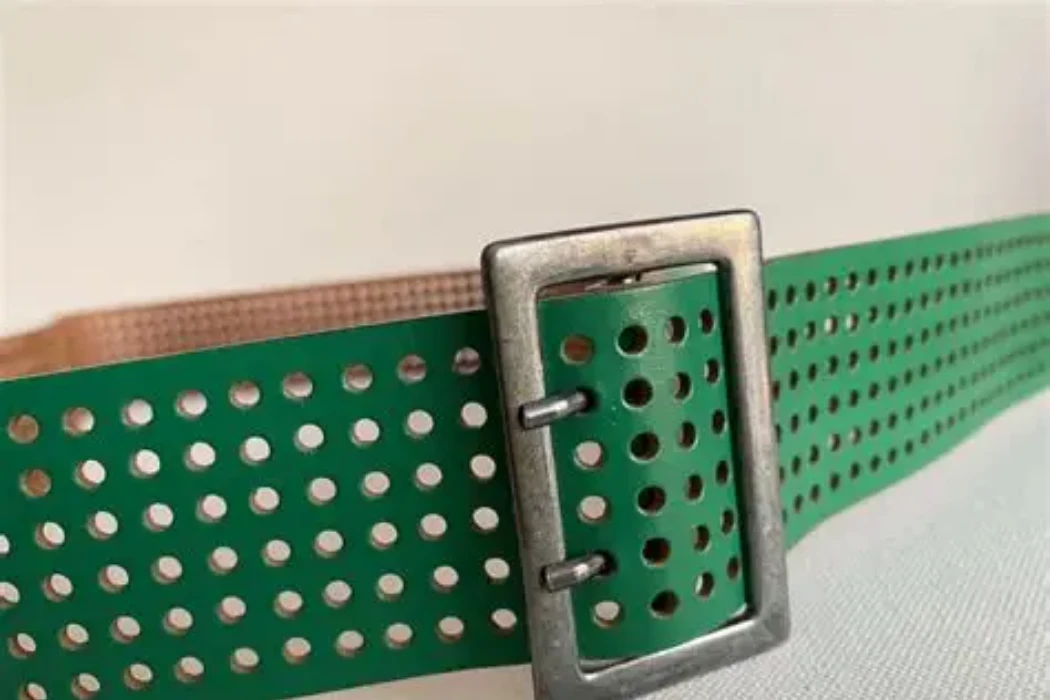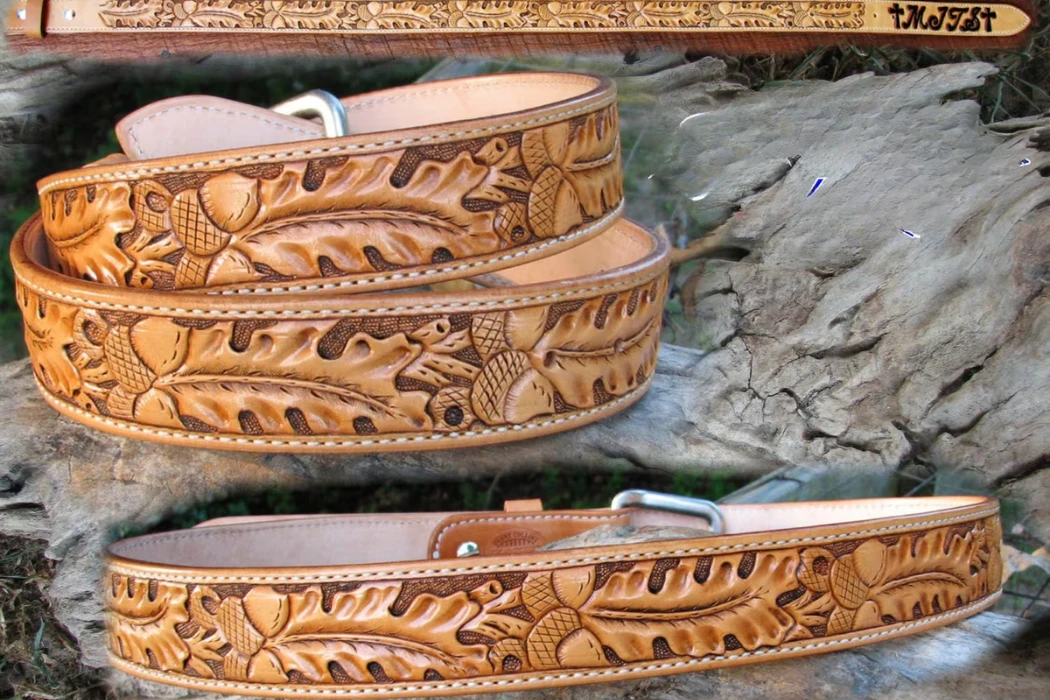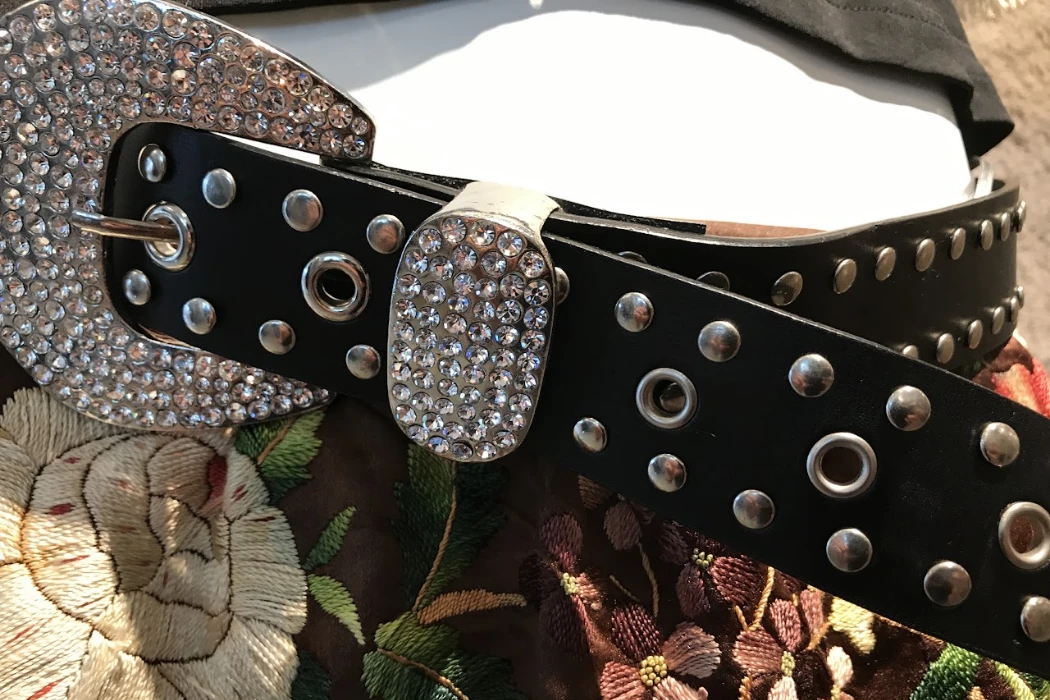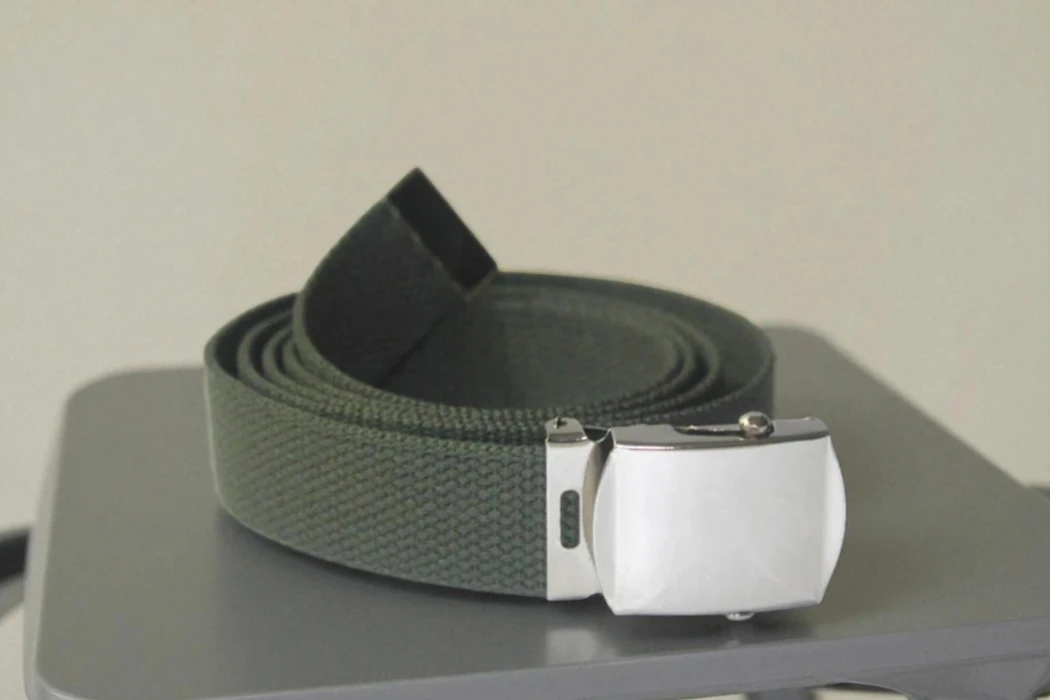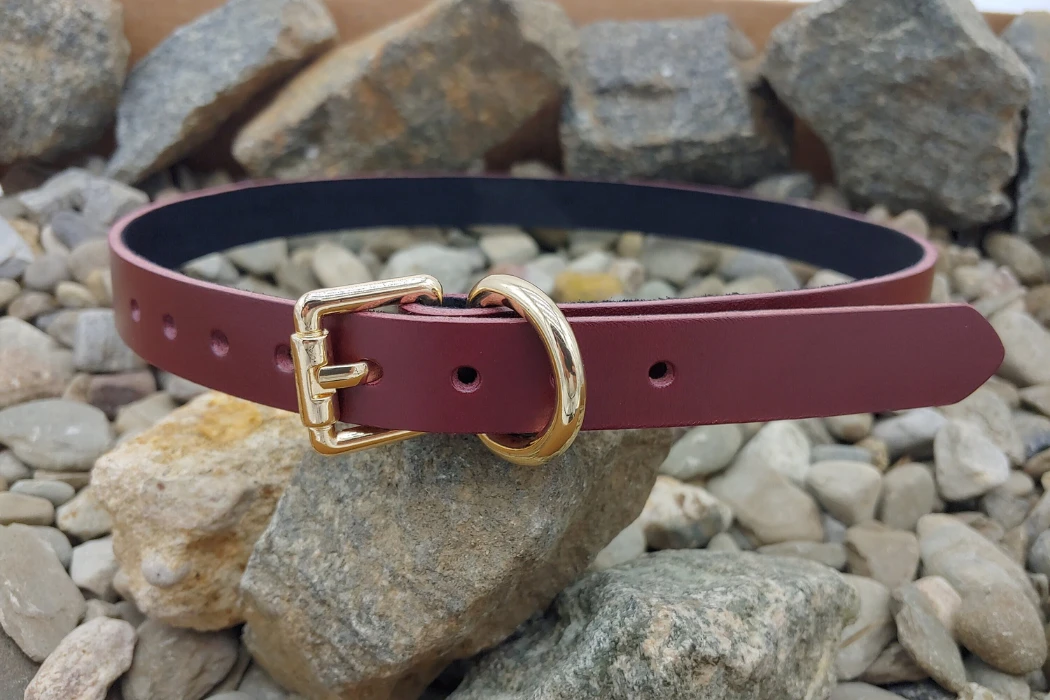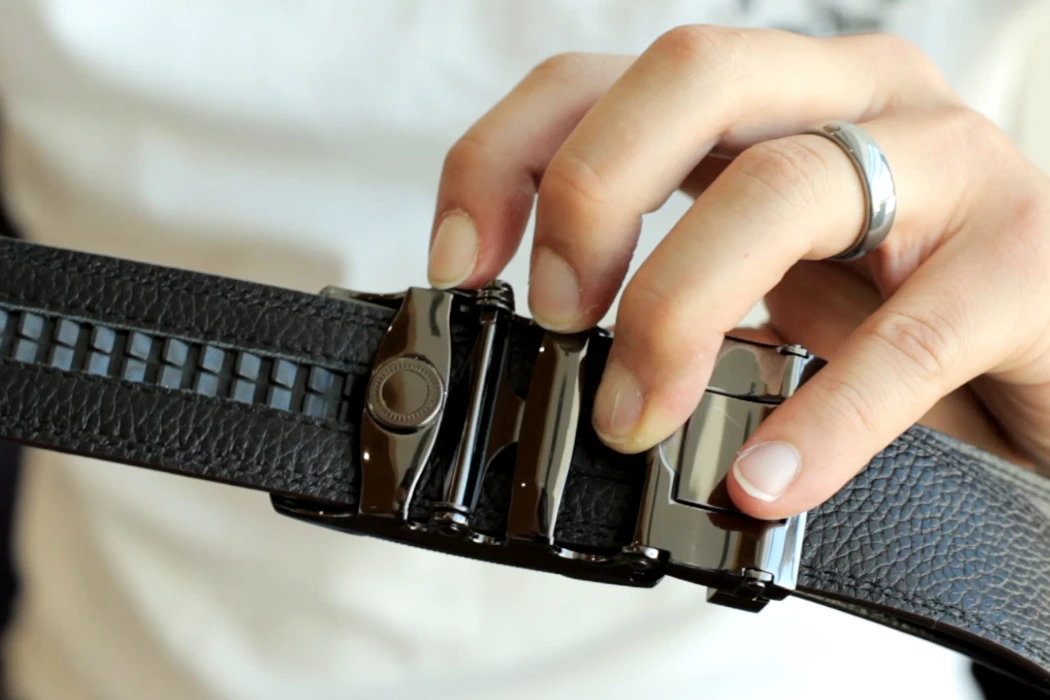
Both hanging and loose rolling can be suitable ways to store a leather belt. Choose the arrangement that supports the finished product without sharp bends, concentrated pressure or metal rubbing against the leather. The best choice depends on the strap construction, buckle, available space and storage duration—not a universal rule that hanging always extends life.
For brands and retailers, storage is also a packaging and display decision. A neatly presented belt still needs to arrive without creases, scratches or a buckle imprint. Test the actual belt in its proposed hanger, sleeve or gift box before approving that format for an order.
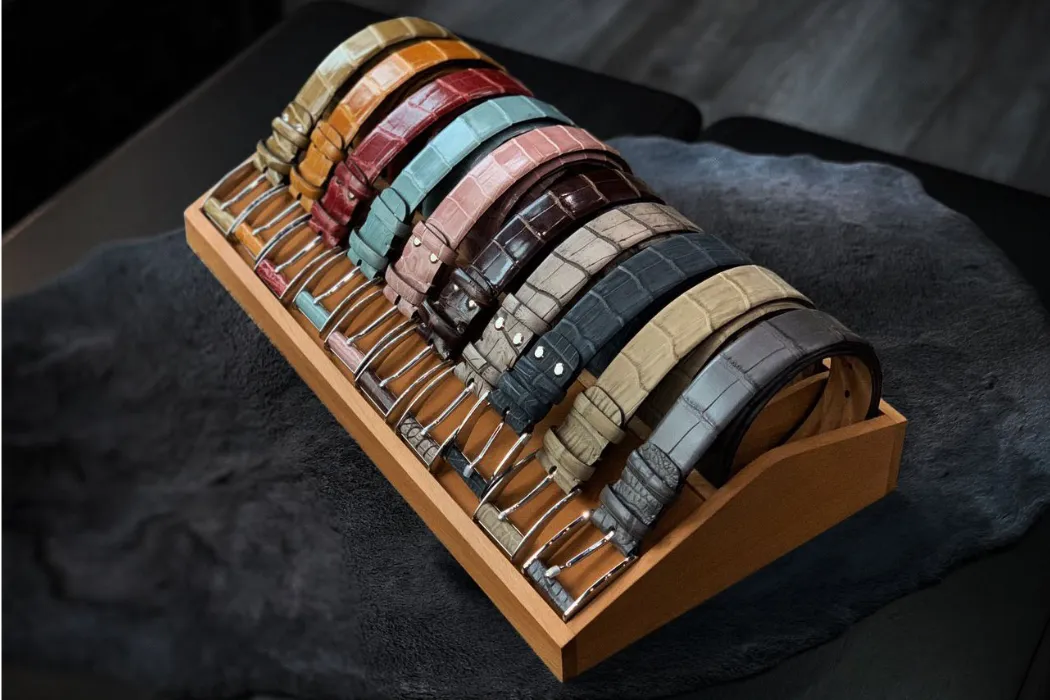
When hanging makes sense
Hanging can keep a belt visible and avoid a tight coil. Use a smooth support compatible with the buckle or the intended retail hanging attachment. Make sure the belt clears the shelf or floor and does not rub against neighbouring buckles. Do not clamp a visible leather area with a toothed clip.
The buckle attachment matters. A heavy decorative buckle, an unusual clasp or delicate ornament may need a different support. Inspect the complete assembly instead of assuming all metal components are safe hanging points. Hanging does not repair a torn hole or guarantee that a worn belt will straighten.
When rolling or laying flat is preferable
A loose coil is practical for drawers and travel when the construction bends comfortably. Keep the buckle from pressing into the face or lining, using compatible non-marking separation where needed. Do not force the belt into a smaller box with a tight elastic band. A visible crease when unpacked is evidence to change the packing method, not to add conditioner to every unit.
Laying a strap flat may suit a sample archive or a particularly rigid construction if enough space is available. Support its length and keep heavy items off it. There is no verified Hoplok minimum roll diameter that applies to every belt; specify the packing dimensions after checking the actual article.
| Method | Useful situation | Inspect before approval |
|---|---|---|
| Hanging | Shop display or daily access | Buckle support, hanger marks, rubbing and clearance |
| Loose coil | Drawer, gift box or travel packing | Curve recovery, buckle imprint and surface contact |
| Flat support | Reference sample or rigid strap | Available length, stacking pressure and dust protection |
Material names do not settle the decision
Thickness, lining, reinforcement, edge finish and buckle construction all affect how a belt behaves in a package. Two full-grain belts can bend differently. “Genuine leather” is not a synonym for bonded material and does not prove that a belt must never be rolled. A PU coating or laminated construction also needs examination for surface marks and separation after unpacking.
For a reversible belt, check both faces. For a painted edge, inspect the outer curve after packing. For a buckle with stones or sharp decorative details, prevent direct contact with the strap. These are product-specific checks that a simple hang-versus-roll comparison can miss.
Control the storage environment
Keep belts dry and away from concentrated heat and direct sunlight. Avoid packing a damp item or leaving products in a humid, crowded location. Separate storage damage from the hanger decision: a good rack cannot correct condensation, wet cartons or a leaking warehouse wall.
The Canadian Conservation Institute recommends enough storage space to avoid compression and creases. Its museum guidance supports that general principle; it is not a commercial shipping specification or proof of a fixed service life for belts.
A packaging trial for a private-label order
- Record the approved material, strap dimensions, buckle and edge construction.
- Photograph an unpacked reference belt under consistent lighting.
- Pack representative finished samples in the proposed hanger, sleeve or box, including the actual protective materials.
- Use an agreed storage and handling trial that represents the intended distribution route. Record its conditions rather than calling an arbitrary trial a standard test.
- After unpacking, compare shape, surface, edge paint, buckle finish and odour with the reference. Check that hangtags and stickers have not transferred marks.
- Adjust the packing and repeat the relevant check when a component changes.
Define acceptable curvature and cosmetic condition with photographs or approved samples. A statement such as “no damage” is hard to inspect consistently without an agreed reference.
What to do with a misshapen stored belt
Remove the packing pressure and support the belt in its intended shape at room conditions. Inspect before flexing it. Do not reverse-roll tightly, heat it, hang weights on it or soak it to force a correction. If it remains distorted or shows cracking, ask the supplier to assess the item and its construction.
For retail claims, retain the packaging, batch identification and photographs of where marks occurred. Compare affected units with an unopened carton from the same lot. This helps distinguish the original strap shape from packing compression, transit handling or an unsuitable display fixture.
Specify storage alongside the belt
Hoplok’s custom belt projects can be discussed with the required display and packaging format in the brief. Confirmed belt MOQ is 300 pieces for leather and 1,000 for PU; sampling takes 2–3 weeks and bulk lead time is 60–90 days. Agree quantity splits and schedule in the quotation.
Send a photograph or drawing of the intended hanger or box through the contact page. Keep its care wording consistent with the belt care instructions.
Frequently asked questions
Is hanging always better than rolling?
No. Use the method that supports the actual belt without sharp bends or pressure, and check the result after storage.
What diameter should a rolled belt have?
Agree it for the finished construction and packaging trial. There is no single validated diameter for every leather, lining and buckle.
Can hanging remove cracks or deep creases?
Hanging is a storage method, not a structural repair. Persistent distortion or cracking needs assessment.