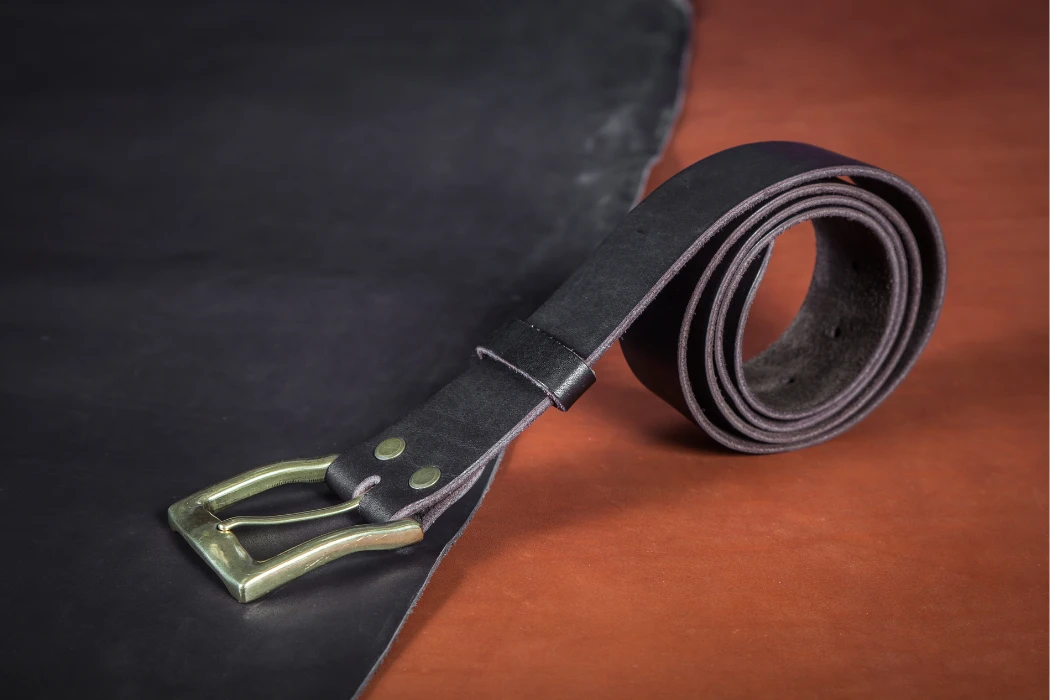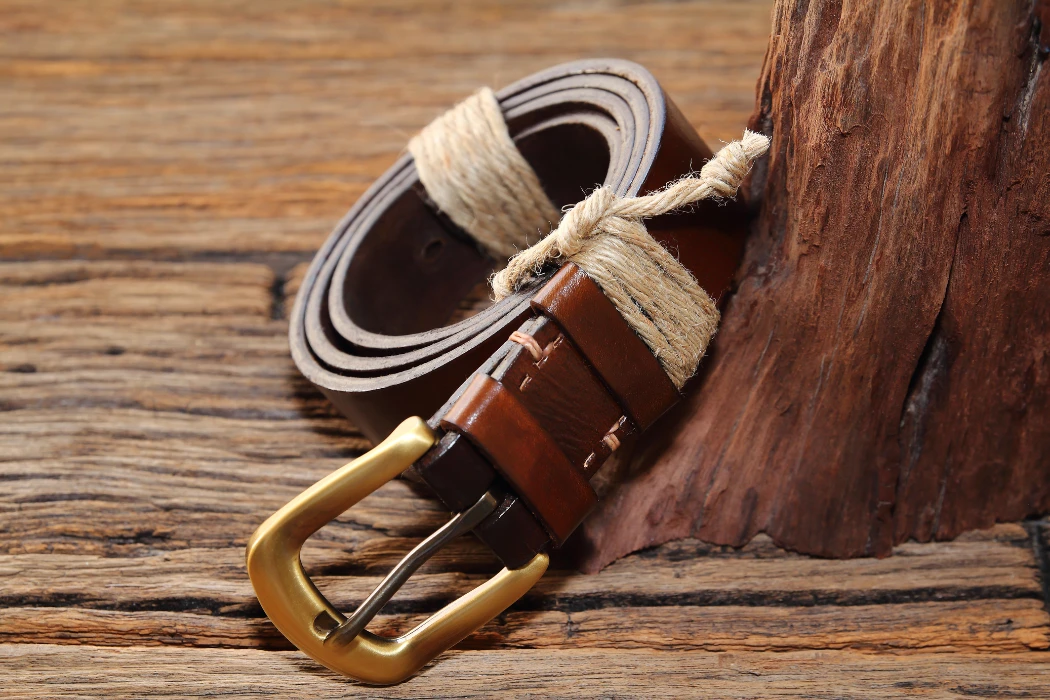
As global fashion brands accelerate their China Plus One strategies, Cambodia has emerged as the premier destination for leather belt manufacturing. Driven by the need to mitigate rising tariffs and labor costs in traditional hubs, procurement teams are shifting focus to this Southeast Asian powerhouse, capitalizing on its GSP (Generalized System of Preferences) status which offers significant duty-free advantages for exports to key Western markets.
Beyond tax incentives, Cambodia boasts a maturing industrial ecosystem capable of handling complex OEM demands at scale. This guide analyzes the Top 10 Manufacturers, ranging from international heavyweights to specialized local leaders. Heading this list is Hoplok Leather, the undisputed capacity champion producing over 800,000 belts monthly, whose vertical integration and self-owned tannery offer a blueprint for balancing extreme cost-efficiency with uncompromising quality.
The Strategic Advantage of Made-in-Cambodia
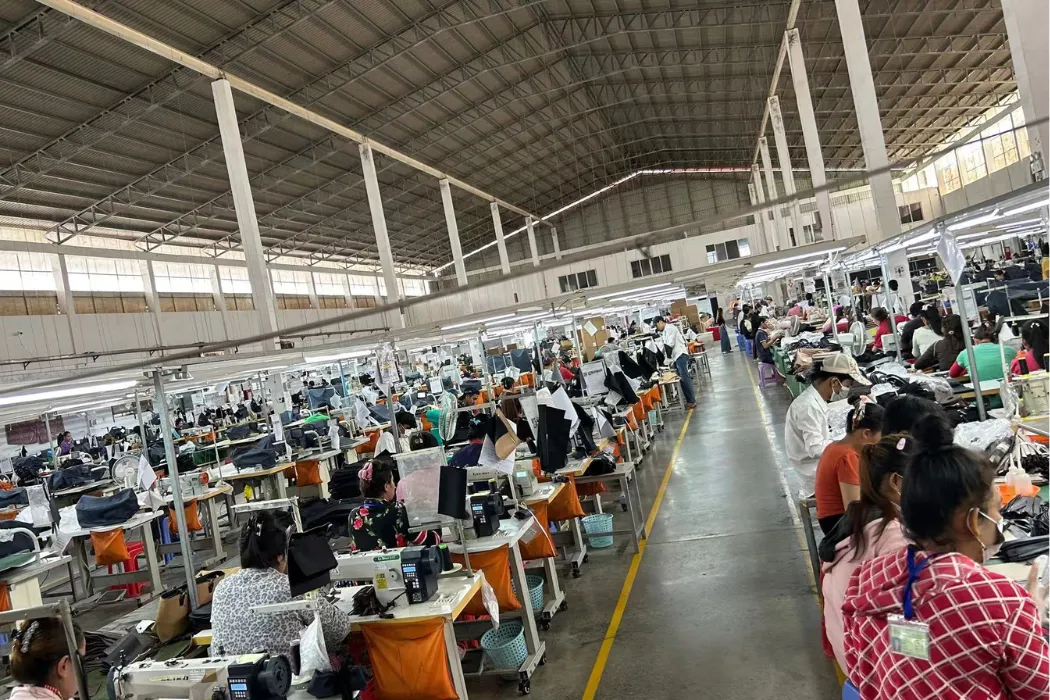
Manufacturing in Cambodia offers a dual competitive edge: significantly lower operating costs and preferential market access. With minimum wages hovering around $204/month (2024)—roughly 60-70% lower than coastal China—and duty-free export privileges to major Western economies under GSP schemes, brands can reduce their Total Landed Cost per unit by up to 20-25% compared to traditional sourcing hubs.
Duty-Free Access: A Margin Multiplier
The primary driver for shifting belt production to Cambodia is the Generalized System of Preferences (GSP), which fundamentally alters the landed cost structure for international buyers.
- 0% Duty Markets: Eligible travel goods and leather accessories enter key markets like the EU, UK, and Canada at 0% duty.
- Tariff Avoidance (USA): For US buyers, sourcing from Cambodia bypasses the punitive Section 301 tariffs (often 25%) applied to Chinese goods.
- Profit Impact: These savings offer an immediate and substantial boost to net profit margins on every shipment without changing the retail price.
For high-volume importers, the savings on import duties alone can often offset the entire logistics cost, making Cambodia a financially superior choice over non-GSP nations.
Labor Cost Arbitrage: Cambodia vs. China vs. Vietnam
Beyond tariffs, the labor arbitrage is compelling. As traditional manufacturing hubs become more expensive, Cambodia remains a bastion of cost-efficiency.
- China (Pearl River Delta): Factory wages have surged past $700-$900/month, forcing FOB prices upward.
- Vietnam: Rates are climbing toward $300-$450/month as industrial zones become saturated.
- Cambodia: Wages remain stable around $204/month, offering a sustainable long-term production base.
This stability allows manufacturers like Hoplok to invest heavily in training skilled artisans for labor-intensive tasks—such as hand-weaving and precise edge-painting—without inflating the unit price, ensuring that “low cost” does not equate to “low quality.”
Criteria for Top Cambodian Manufacturers
Selecting a manufacturing partner in Cambodia requires evaluating more than just the price tag. A top-tier manufacturer is defined by its level of vertical integration—specifically owning internal tanneries—and its adherence to rigorous compliance frameworks like Better Work Cambodia. Procurement managers should prioritize facilities with a verified monthly capacity exceeding 200,000 units and robust global material sourcing networks, which act as a buffer against raw material price volatility and supply chain disruptions.
1. Vertical Integration (Own Tannery)
The most significant differentiator in the leather belt industry is control over the raw material. While most factories are simple assembly points, leaders like Hoplok operate their own finishing facilities (such as Pro Pelli), fundamentally changing the value proposition.
- Cost Control: In-house tanning eliminates middleman markups, reducing raw material costs by approximately 15-20%.
- R&D Speed: Custom finishes like Crazy Horse or Oil Tanned effects can be developed in 3-5 days rather than weeks.
- Quality Consistency: Direct oversight ensures uniform color and thickness across massive production runs, reducing rejection rates to below 2%.
2. Compliance (Better Work Cambodia/BSCI)
For brands targeting Western markets, ethical compliance is a gateway requirement. Cambodia is unique for its Better Work program, a partnership between the UN’s ILO and the IFC, which monitors factory conditions.
- Mandatory Standards: Top factories actively participate in Better Work Cambodia, ensuring strict adherence to labor laws and safety standards.
- Third-Party Audits: A valid BSCI (Grade A/B) or SMETA 4-Pillar audit is essential for onboarding with retailers like Walmart or Target.
- Risk Mitigation: rigorous compliance protects global brands from reputational damage and supply chain liabilities.
3. Material Sourcing Capabilities
A manufacturer’s ability to source diverse hides determines the range of products they can offer. Elite manufacturers maintain a global supply chain that extends far beyond local sourcing.
- Global Network: Capabilities to import premium crusts directly from Italy, Brazil, and Argentina to meet different price points.
- LWG Certification: Partnering exclusively with Leather Working Group certified tanneries to ensure environmental sustainability.
- Inventory Resilience: Maintaining a raw material safety stock equivalent to 2-3 months of production to buffer against logistics delays.
4. Production Capacity (Monthly Output)
Scalability is critical for fast-fashion and high-volume retail brands. The manufacturing partner must demonstrate the ability to handle peak season demands without compromising lead times.
- Volume Thresholds: Leading facilities boast a minimum capacity of 200,000 to 800,000 belts per month.
- Flexibility: The operational agility to scale production up by 30% within a 4-week window during Q3/Q4 rushes.
- Automation: Utilization of automated cutting machines to ensure precise sizing and reduce material wastage.
5. Hardware Supply Chain
For leather belts, the buckle is as important as the strap. A top manufacturer must have a tightly integrated hardware supply chain to ensure durability and safety.
- Custom Tooling: Ability to open new molds for custom branded buckles within 7-10 days.
- Safety Standards: Guaranteeing all metal hardware is nickel-free and lead-free, complying with REACH (EU) and Prop 65 (US) standards.
- Durability Testing: In-house capability to perform salt spray tests (24-48 hours) to ensure corrosion resistance during ocean freight.
Belt Material Grades Explained
The single largest cost driver in belt manufacturing is the material grade, accounting for 40-60% of the FOB price. Understanding the distinction between Full-Grain (the entire hide integrity) and PU (synthetic polyurethane) is crucial for aligning product quality with your target price point. While full-grain belts can last decades, bonded or synthetic options are engineered for cost-efficiency and seasonal trends, offering a lower entry point for fast-fashion markets.
Belt Leather Comparison Table
| Material Grade | Cost Index | Durability (1-10) | Best Application |
|---|---|---|---|
| Full-Grain Leather | $$$$$ | 10/10 | Luxury Casual, Heritage Jeans Belts |
| Top-Grain Leather | $$$$ | 8/10 | Premium Dress Belts, Formal Wear |
| Bonded / Split Leather | $$ | 4/10 | Mass Market Retail, Reversible Belts |
| PU (Synthetic) | $ | 2/10 | Fast Fashion, Vegan Collections |
Quick Comparison: Top 10 Manufacturers
This comparison matrix provides a snapshot of the top 10 belt manufacturers operating in Cambodia today. We have ranked them by production capabilities and strategic value to international buyers.
| Manufacturer Name | Location | Monthly Capacity | Key Strength | Certifications |
|---|---|---|---|---|
| Hoplok Leather | Phnom Penh | 800,000+ Belts | Own Tannery & Turnkey Solution | BSCI, ISO, LWG |
| JS Corporation | Phnom Penh | High Volume | Global Luxury OEM (Handbags Focus) | ISO 14001, SA8000 |
| Superl Group | Kampong Speu | High Volume | Mature Supply Chain for Coach/MK | ISO 9001, OHSAS |
| Simone | Phnom Penh | Medium-High | Premium ODM Design Capabilities | WRAP, Better Work |
| Wai Tat | Kandal Province | Medium | Specialized Small Leather Goods | ISO 9001 |
| Topy Enterprise | Phnom Penh | Medium | Hardware & Belt Integration | BSCI |
| Relish Industrial | Phnom Penh | Medium | Fashion Belt Responsiveness | Sedex |
| June Textile | Kandal Province | High Volume | Casual Woven & Textile Belts | Oeko-Tex, BSCI |
| Starlite | Phnom Penh | High Volume | Cost-Effective PU/Bonded Belts | BSCI |
| Qiway Leatherware | Sihanoukville | High Volume | US Export Focus (SEZ Location) | ISO 9001 |
Top 10 Leather Belt Manufacturers in Cambodia
The following list represents the elite tier of belt manufacturing in Cambodia. We have verified these facilities based on their ability to offer duty-free export, their compliance with international labor standards (Better Work), and their capacity to handle industrial-scale orders.
1. Hoplok Leather (Pro Pelli)
Year Established: 2002
Location: Phnom Penh (Mfg) / New York (Design)
Monthly Capacity: 800,000+ Belts
Key Clients: GUESS, Calvin Klein, J.CREW
As the undisputed leader in Cambodian leather manufacturing, Hoplok Leather offers a unique vertical solution. Unlike mere assembly plants, they own the Pro Pelli tannery, allowing for direct control over leather finishes and costs, making them the preferred partner for brands seeking duty-free advantages without quality compromise.
What Sets Hoplok Leather Apart:
- Operates the internal Pro Pelli tannery to control leather costs and R&D speed.
- Boasts a massive monthly capacity of 800,000 belts and 60,000 leather bags.
- Leverages a US-based design team to bridge the gap between Western trends and manufacturing.
- Maintains strict compliance with BSCI and SMETA standards for risk-free global sourcing.
- Provides specialized finishes like oil-tanned and crackled effects developed in-house within days.
2. JS Corporation
Year Established: 1985 (Global Ops)
Location: Phnom Penh SEZ
Monthly Capacity: 500,000+ Units
Key Clients: Kate Spade, Michael Kors, Coach
A heavyweight in the global luxury sector, JS Corporation brings Korean management precision to its Cambodian operations. They are primarily known for manufacturing handbags for top-tier accessible luxury brands but maintain robust production lines dedicated to high-quality leather belts and small leather goods.
What Sets JS Corporation Apart:
- Operates as a publicly traded Korean entity with immense financial backing and stability.
- Specializes in complex handbag and belt coordination for global accessible luxury fashion houses.
- Maintains a highly automated production floor to ensure consistency across millions of units.
- Holds extensive ISO 14001 and SA8000 certifications for environmental and social compliance.
- Focuses on high-volume orders with rigid MOQs suitable for established global conglomerates.
3. Superl Group
Year Established: 1980 (Global Ops)
Location: Kampong Speu Province
Monthly Capacity: 400,000+ Units
Key Clients: Coach, Tory Burch, Tumi
With headquarters in Hong Kong and massive facilities in Cambodia, Superl Group is a cornerstone of the global leather supply chain. They excel in supply chain management, offering a reliable, high-volume solution for brands that require strict adherence to delivery schedules and quality protocols.
What Sets Superl Group Apart:
- Leverages a mature Hong Kong management team to ensure seamless communication and logistics.
- Specializes in assembling mixed-material belts that combine premium leather with custom hardware components.
- Provides extensive warehousing and logistics support for brands distributing directly to global markets.
- Known for rigorous internal testing labs that verify every batch of raw materials.
- Best suited for large-scale retail brands requiring predictable lead times and massive throughput.
4. Simone
Year Established: 1987
Location: Phnom Penh
Monthly Capacity: 300,000+ Units
Key Clients: DKNY, Marc Jacobs, Loewe
Recognized as one of the world’s largest ODMs for luxury handbags, Simone applies its legendary craftsmanship standards to leather belts. Their Cambodian facilities are designed to replicate the quality of their Korean and Chinese plants, offering a lower-cost alternative for premium accessory lines.
What Sets Simone Apart:
- Brings over 30 years of ODM experience serving the world’s top luxury brands.
- Offers advanced R&D capabilities for developing complex belt structures and hardware mechanisms.
- Maintains a “Smart Factory” environment with real-time tracking of production line efficiency.
- Focuses on the upper-premium market segment where finish quality justifies higher unit costs.
- Provides comprehensive design support from initial concept sketching to final mass production prototyping.
5. Wai Tat (Cambodia)
Year Established: 1990s (Parent)
Location: Kandal Province
Monthly Capacity: 250,000+ Units
Key Clients: Private Label, Mass Market Retailers
Focusing specifically on small leather goods and belts, Wai Tat offers a specialized manufacturing solution. Unlike generalist bag factories, their production lines are optimized for the linear efficiency required in belt manufacturing, making them a cost-effective choice for mid-market brands and private labels.
What Sets Wai Tat Apart:
- Specializes exclusively in manufacturing belts and small leather goods rather than large handbags.
- Offers highly competitive pricing structures ideal for mass-market retail and discount chains.
- Equipped with specialized automated cutting machinery tailored specifically for leather strap production.
- Maintains a flexible approach to material sourcing, working with both leather and PU.
- Located in Kandal Province, benefiting from stable labor access and lower operational costs.
6. Topy Enterprise
Year Established: 2011 (Cambodia Ops)
Location: Phnom Penh
Monthly Capacity: 200,000+ Units
Key Clients: Japanese Brands, Mid-Tier Fashion
With a management philosophy rooted in Japanese quality control standards, Topy Enterprise excels in producing belts that require complex hardware integration. Their facility is structured to handle intricate assembly tasks, ensuring that buckles and metal fittings are attached with precision and durability.
What Sets Topy Enterprise Apart:
- Implements rigorous Japanese-style quality control protocols throughout the entire assembly process.
- Specializes in belts featuring complex metal hardware, studs, and decorative elements.
- Maintains strong relationships with high-quality hardware suppliers for consistent metal finishing.
- Offers a clean and organized production environment that meets strict compliance audits.
- Best for brands requiring detailed craftsmanship and flawless hardware integration on belts.
7. Relish Industrial
Year Established: 2014
Location: Phnom Penh
Monthly Capacity: 300,000+ Units
Key Clients: Fast Fashion Chains, High Street Brands
Designed for speed and responsiveness, Relish Industrial caters to the fast-fashion sector. They have optimized their supply chain to handle shorter lead times and frequent style changes, making them a strategic partner for high-street brands that need to react quickly to market trends.
What Sets Relish Industrial Apart:
- Optimized for speed-to-market with shorter lead times for seasonal fashion collections.
- Highly responsive design team capable of quickly adapting to changing fashion trends.
- Offers flexible Minimum Order Quantities to support diverse SKU assortments.
- Maintains Sedex certification to ensure ethical compliance despite fast production cycles.
- Ideal for high-street fashion retailers needing rapid replenishment of trendy belt styles.
8. June Textile
Year Established: 2011
Location: Kandal Province
Monthly Capacity: 400,000+ Units
Key Clients: Casual Wear Brands, Sportswear Labels
While the name implies textiles, June Textile is a dominant player in the casual belt market. They specialize in mixed-material belts, such as woven fabric, elastic, and leather-trimmed designs. Their capabilities are perfect for casual wear and sportswear brands looking for non-traditional leather accessories.
What Sets June Textile Apart:
- Market leader in manufacturing casual woven, braided, and elastic webbed belts.
- Combines textile expertise with leather accents for versatile mixed-material accessory designs.
- Holds Oeko-Tex certification ensuring all textile components are free from harmful substances.
- High-volume production capacity suitable for global casual wear and sportswear giants.
- Offers cost-effective solutions for non-formal belt categories and summer collections.
9. Starlite
Year Established: 2013
Location: Phnom Penh
Monthly Capacity: 600,000+ Units
Key Clients: Budget Retailers, Supermarket Chains
For buyers prioritizing volume and price, Starlite is the go-to manufacturer for PU (synthetic) and bonded leather belts. Their facility is engineered for mass production with minimal overhead, allowing them to offer some of the lowest FOB prices in the region for entry-level markets.
What Sets Starlite Apart:
- Engineered for extreme cost-efficiency in producing PU and bonded leather belts.
- Massive throughput capacity designed to meet the demands of global supermarket chains.
- Utilizes automated assembly lines to minimize labor costs per unit significantly.
- Maintains BSCI compliance to ensure ethical standards in low-cost manufacturing environments.
- Perfect partner for price-sensitive brands and discount retailers requiring high volume.
10. Qiway Leatherware
Year Established: 2014
Location: Sihanoukville SEZ
Monthly Capacity: 400,000+ Units
Key Clients: US Department Stores
Strategically located in the Sihanoukville Special Economic Zone (SEZ), Qiway Leatherware benefits from direct access to Cambodia’s deep-sea port. This logistical advantage, combined with a focus on US export compliance, makes them a highly efficient partner for American department stores sourcing large orders.
What Sets Qiway Leatherware Apart:
- Located in Sihanoukville SEZ for immediate access to deep-sea shipping routes.
- Streamlined logistics reduce transit time and shipping costs for international export.
- Specializes in meeting the specific compliance and labeling requirements of US retailers.
- Focuses on scalable production of classic leather belts for department store programs.
- Offers a stable and secure manufacturing environment within a managed economic zone.
How to Verify Quality in Offshore Factories
Verifying quality in offshore Cambodian factories requires a dual-pronged approach: validating social compliance through Better Work Cambodia database checks and demanding technical rigor via ISO 17025 accredited lab reports. Buyers should strictly audit for specific metrics like tensile strength (min. 200N for straps) and color fastness (Grade 4/5) to prevent retail returns, ensuring the partner meets global export standards like REACH and Prop 65.
1. Validate Better Work Cambodia Participation
Unlike other manufacturing hubs, Cambodia offers a unique transparency layer through the Better Work program (a collaboration between the UN’s ILO and the IFC). Participation is mandatory for garment and footwear exporters, but optional for travel goods; top-tier belt factories opt-in voluntarily.
- Database Checks: Access the Better Work transparency portal to verify a factory’s compliance history regarding wages, safety, and working hours.
- Risk Mitigation: Factories with high compliance scores are 40% less likely to face labor strikes or production stoppages.
- Brand Protection: Sourcing from a participating factory safeguards your brand against modern slavery allegations in supply chain audits.
2. Demand Technical Material Testing Reports
Visual inspection is insufficient for leather belts. You must request recent (within 6 months) lab reports from accredited agencies like SGS, Intertek, or Bureau Veritas. Top manufacturers like Hoplok perform these tests in-house daily.
- Tensile Strength: Leather straps must withstand a minimum force of 200 Newtons to prevent snapping under tension.
- Color Fastness (Rub Test): Demand a Grade 4/5 result on dry/wet rub tests (ISO 11640) to ensure dye does not transfer to clothing.
- Flex Resistance: For coated leather or PU, the material should pass 50,000 flex cycles without cracking.
- Chemical Compliance: Ensure materials are tested for Chromium VI (EU REACH) and Lead content (US Prop 65, under 90ppm).
3. Implement AQL 2.5 Inspection Protocols
Establish a clear Acceptable Quality Limit (AQL) standard in your purchase order. For fashion accessories, the industry standard is typically AQL 2.5 for major defects and AQL 4.0 for minor defects.
- Pre-Shipment Inspection (PSI): Send third-party inspectors to check a statistically significant sample size before goods leave the factory.
- Hardware Corrosion Test: Verify that buckles have passed a 24-hour salt spray test to ensure they won’t rust during ocean freight.
- Edge Adhesion: Perform a tape test on painted edges to ensure the finish does not peel off.
Logistics from Cambodia have matured significantly, with ocean transit times to the US West Coast now averaging 22-28 days via direct feeders connecting through Singapore or Hong Kong. While slightly longer than China’s 14-18 days, the massive 0% duty savings far outweigh the marginal inventory holding costs, especially when utilizing the modernized deep-sea capabilities of the Sihanoukville Autonomous Port (PAS).
Key Logistics Hubs & Timelines
- Sihanoukville Autonomous Port (PAS): The country’s sole deep-water port handles over 70% of container traffic, recently expanded to accommodate larger mother vessels for direct export.
- Phnom Penh Autonomous Port (PPAP): Ideal for barge transport down the Mekong Delta to Vietnam for transshipment, offering a cost-effective alternative for European shipments.
- Air Freight Capability: Urgent samples or restocking orders can reach New York or London in 3-5 days via Phnom Penh International Airport (PNH).
Country Comparison Matrix: China vs. Cambodia vs. Vietnam
This decision matrix compares the three dominant manufacturing hubs in Asia, highlighting why Cambodia (represented by Hoplok’s vertically integrated model) offers the most competitive Total Landed Cost.
| Factor | China (Traditional Hub) | Cambodia (Hoplok Strategy) | Vietnam (Alternative) |
|---|---|---|---|
| Labor Cost (Monthly) | High ($700 – $900) | Low (~$204) | Medium ($300 – $450) |
| US Import Duty (Belts) | High (Up to 25% + Section 301) | 0% (GSP Eligible) | Varies (MFN Rates) |
| Raw Material Access | Excellent (Local Supply) | High (Own Tannery – Pro Pelli) | Medium (Import Dependent) |
| Production Lead Time | Fast (30-40 Days) | Moderate (40-50 Days) | Moderate (40-50 Days) |
Typical Leather Belt Cost Breakdown
Transparency is key to a successful partnership. The following breakdown illustrates the typical cost structure of a premium leather belt, helping buyers understand where their investment goes and highlighting the value of sourcing from a manufacturer with an internal tannery.
| Cost Component | Percentage Estimate | Notes |
|---|---|---|
| Leather Strap Material | 45% – 55% | Full-grain or Top-grain hides drive the bulk of the FOB price. |
| Buckle & Hardware | 15% – 20% | Zinc alloy, brass, or stainless steel molds and plating. |
| Labor & Overhead | 15% – 20% | Cutting, precise edge painting, stitching, and factory utilities. |
| Packaging & Tags | 5% – 10% | Custom branded boxes, hangtags, and moisture-proof silica gels. |
| Manufacturer Profit | 10% – 15% | Standard industry margin for sustainable operations and compliance. |
Conclusion: The Strategic Choice for 2025
Sourcing from Cambodia is no longer just a defensive move against tariffs; it is a proactive strategy for margin expansion. The manufacturers profiled in this guide demonstrate that brands can achieve a 20-25% reduction in landed costs without compromising on the craftsmanship expected by Western consumers. As the “China Plus One” ecosystem matures, the competitive advantage belongs to those who partner with vertically integrated suppliers capable of navigating complex compliance landscapes.
Standing at the forefront of this evolution is Hoplok Leather. Ranked #1 for a reason, Hoplok transcends the traditional role of an assembly factory by offering total control over the supply chain through its internal Pro Pelli tannery. This unique capability ensures price stability and R&D agility that pure-play manufacturers simply cannot match.
Ready to transform your supply chain?
Don’t just source; partner with the leader. Contact Hoplok Leather today to schedule a factory tour (virtual or physical) and get a quote that redefines your profit potential.