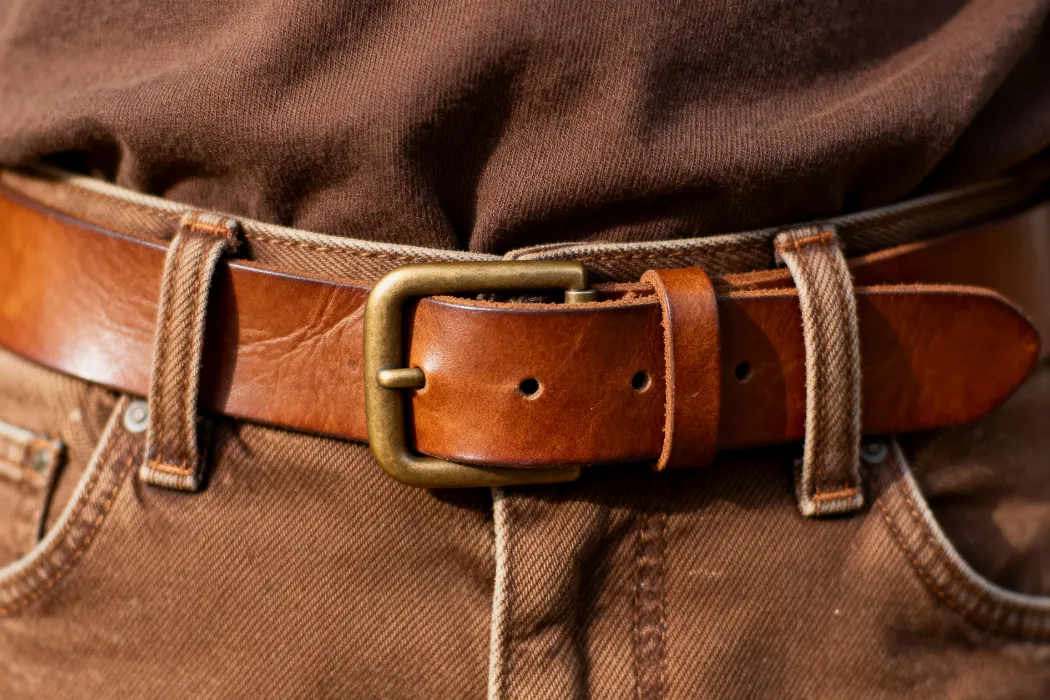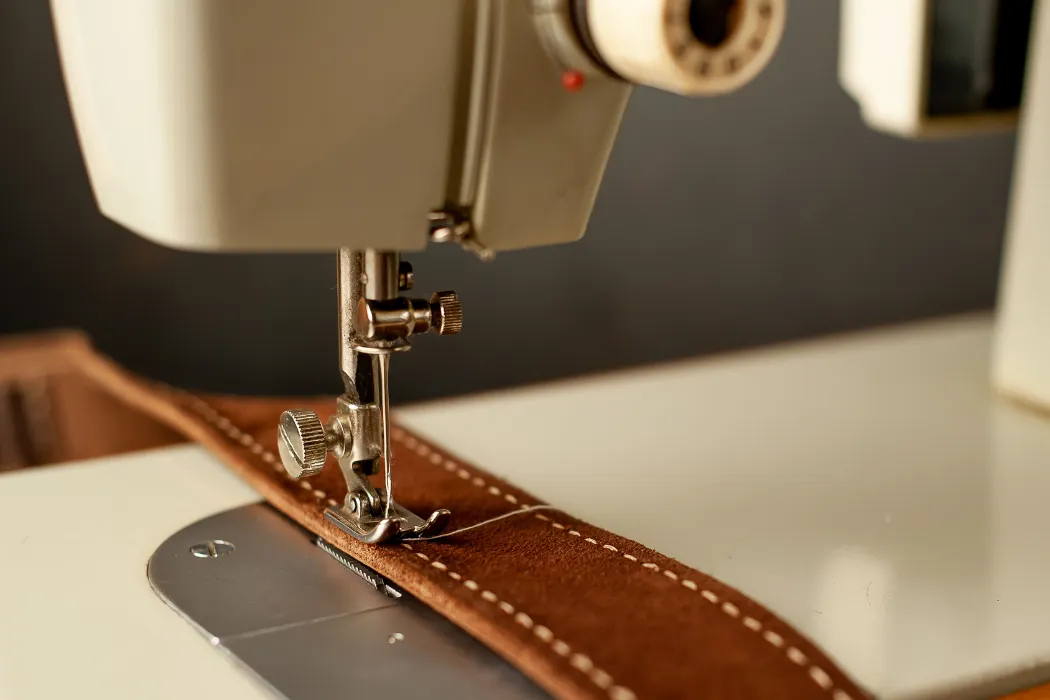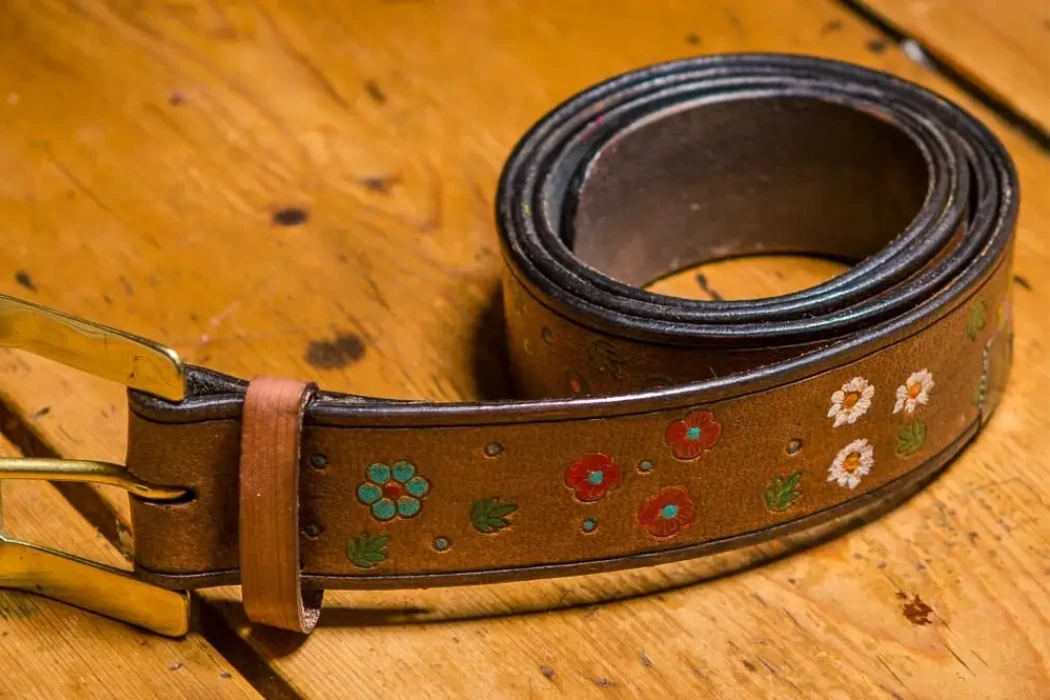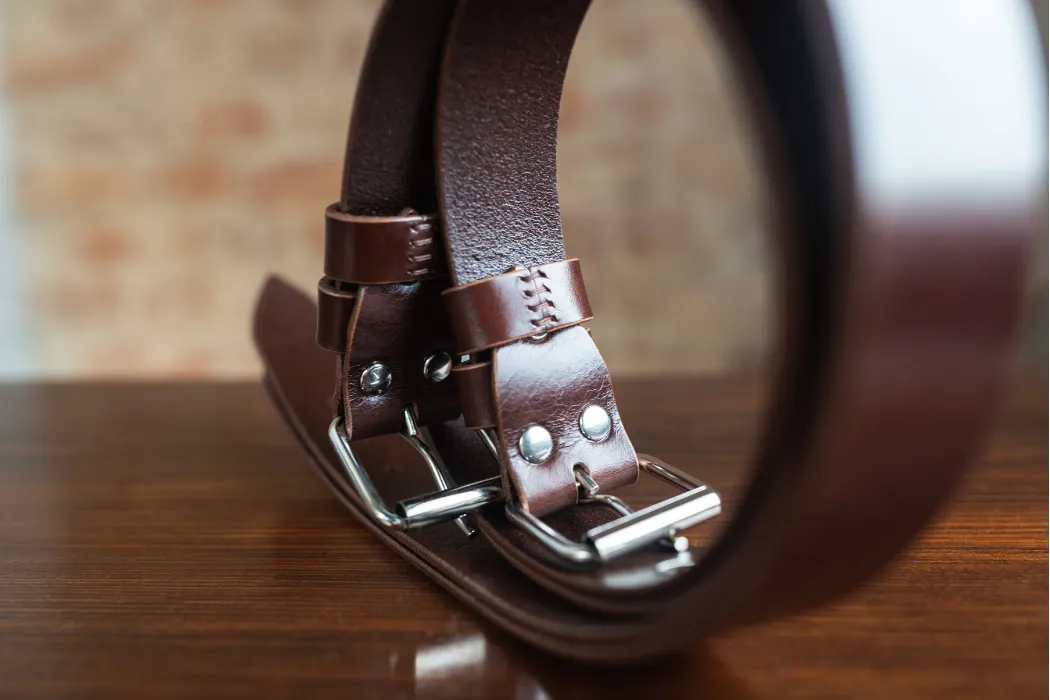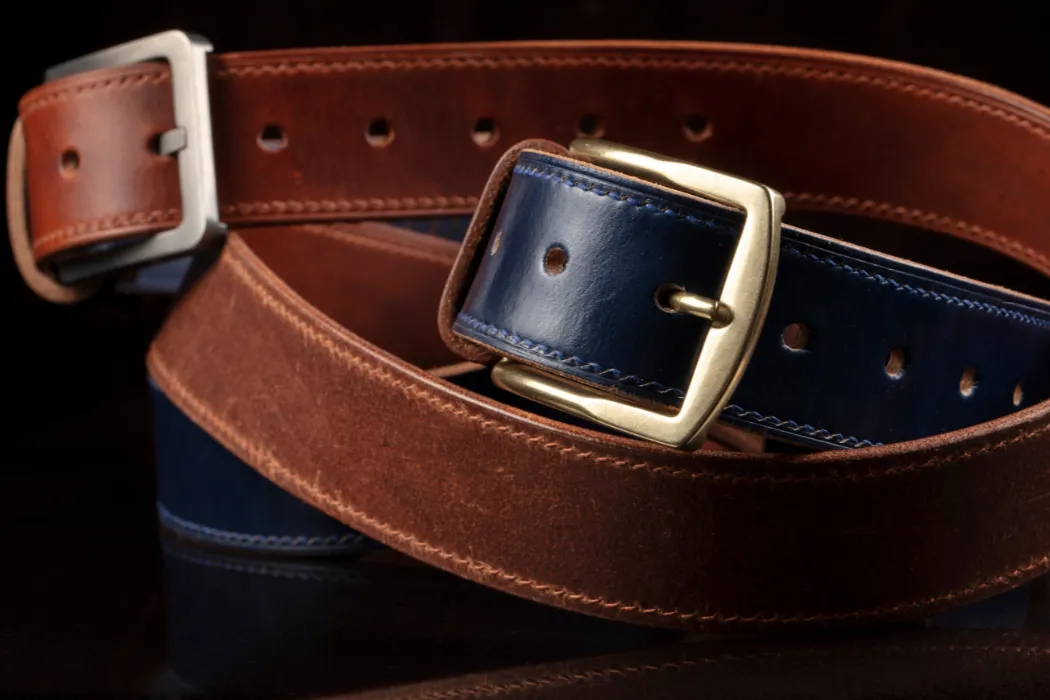
Finding a reliable factory for leather belts is easy, but protecting your brand from supply chain failures is hard. Many fashion brands lose money because they do not write strict manufacturing contracts. Poor contracts lead to bad leather quality, delayed shipments, and stolen designs.
What exactly makes a solid OEM manufacturing agreement? A safe contract acts as a strict rulebook for the factory. It clearly defines the exact leather grades, sets maximum defect limits, and locks in lead times. It also outlines clear penalties if the factory fails to meet your standard.
Building this contract does not require a law degree. But you do need to understand manufacturing data. By setting precise technical benchmarks, you force the factory to take your business seriously. Let us look at the exact rules, data, and standards you need to structure a bulletproof leather belt manufacturing contract.
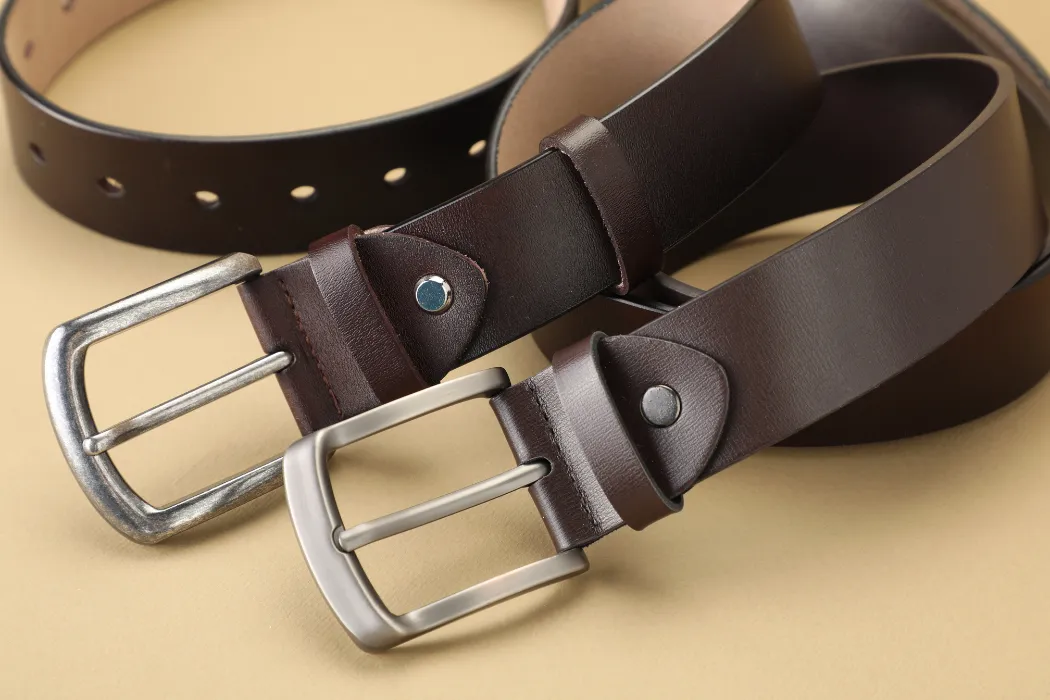
What Must a Leather Belt Contract Include?
A good contract leaves zero room for guesswork. You must define every physical part of the belt in writing.
Defining the Scope of Work
The scope of work explains exactly what the factory will do. It covers everything from making the first sample to packing the final boxes.
- Design Specs: Attach detailed tech packs showing exact belt widths (e.g., 35mm or 40mm).
- Production Steps: State if the factory will handle cutting, edge painting, and stitching.
- Packaging Details: Specify if belts need individual polybags or custom gift boxes.
Clear rules prevent the factory from taking shortcuts during assembly.
Specifying Leather Grades and Hardware
Never just write “leather” on a contract. You must be completely specific about the materials.
- Leather Type: State clearly if you want Full-Grain, Top-Grain, or PU Leather.
- Thickness: Require an exact thickness, such as 3.0mm to 3.5mm for durable men’s belts.
- Hardware Plating: Specify the metal finish, like anti-scratch brass or zinc alloy.
If you do not specify the exact materials, the factory might use cheaper substitutes to save money.
Detailing Edge Finishing and Stitching Techniques
How the edges and threads are treated makes a huge difference in belt durability.
- Edge Paint: Require exact steps, such as 3 layers of hand-applied edge paint.
- Stitching Density: Specify the thread count, like 8 to 9 stitches per inch (SPI).
- Thread Material: Demand durable options like bonded nylon instead of cheap cotton.
Exact finishing rules stop the factory from skipping steps to save time and money.
| Component | Vague Specification (Bad) | Contract-Ready Specification (Good) |
|---|---|---|
| Leather | Real Leather | 100% Full-Grain Cowhide, 3.2mm thickness |
| Color | Brown | Pantone 469C |
| Buckle | Metal Buckle | Zinc Alloy, Roller Buckle, Antique Brass Finish |
| Edges | Finished Edges | Burnished and edge-painted (2 layers) |
How Do You Set Clear Quality Control Standards?
Quality control (QC) is the most critical part of your contract. You must define what makes a belt “acceptable” or “defective.”
Setting the Acceptable Quality Limit (AQL)
AQL is a standard system used globally to measure production quality. It tells the factory exactly how many defects you will tolerate.
- Major Defects: Set your AQL to 2.5 for major issues (like broken stitching or deep leather scratches).
- Minor Defects: Set your AQL to 4.0 for minor issues (like slightly uneven edge paint).
- Inspection Timing: State that inspections will happen before the final payment.
Using strict AQL data gives you the legal right to reject bad inventory.
Testing Physical Properties
Visual checks are not enough. The contract must mandate physical performance tests.
- Tensile Strength: The leather must not tear under heavy pulling stress.
- Rub Fastness: The belt dye must not bleed onto clothing (test both dry and wet rubbing).
- Hardware Durability: Buckles must pass salt-spray tests to ensure they will not rust quickly.
Physical testing ensures your belts will survive daily wear and tear.
Setting Strict Dimensional Tolerances
Leather naturally stretches, so you must define how much size variation is legally acceptable.
- Length Variance: Set a strict maximum limit of +/- 5mm for the total belt length.
- Width Variance: Allow no more than +/- 1mm variation in the strap width.
- Hole Spacing: Require belt holes to be exactly 25mm apart.
Controlling these exact dimensions ensures every single belt fits your customers perfectly.
What Are the Rules for Minimum Order Quantities (MOQ)?
Factories use MOQs to make production profitable. Your contract must clarify exactly how these numbers are broken down.
Splitting MOQs by Color and Size
A global MOQ is not helpful if you need multiple styles. You must negotiate the split.
- Total Order MOQ: Establish the base number, such as 1,000 pieces total.
- Color Split: Require a sub-MOQ, like 300 pieces per color.
- Size Distribution: Ensure the factory allows mixed sizes (S, M, L) within that color MOQ.
Detailed MOQ rules prevent the factory from forcing you to buy 1,000 black belts in only one size.
Handling Production Overruns and Underruns
Factories rarely produce the exact number of units you order. The contract must handle this variance.
- Allowed Variance: Set a strict limit of +/- 3% to 5% of the total order.
- Overrun Payment: State if you will pay for extra units produced within the 5% limit.
- Shortages: Define the penalty if the factory delivers fewer units than the allowed underrun.
This clause stops the factory from suddenly charging you for 500 extra belts they accidentally made.
Negotiating Trial Orders for New Designs
When testing a new belt style, you do not want to buy a massive volume immediately.
- Test Batch MOQ: Set a smaller trial run, such as 100 to 200 pieces.
- Surcharge Agreements: Agree to pay a 10% to 15% surcharge for the small run.
- Future Rebates: Require the factory to refund the surcharge if you place a larger bulk order later.
A trial run clause lets you test the market safely without risking a massive inventory investment.
| MOQ Type | Typical Manufacturer Rule | Brand-Friendly Contract Rule |
|---|---|---|
| Base MOQ | 1,000 pieces per style/color | 1,000 pieces total (split across 3 colors) |
| Size Breakdown | Extra charge for >3 sizes | No extra charge for standard 5-size run (S-XXL) |
| Variance Allowance | +/- 10% | Strictly capped at +/- 5% |
How Can You Protect Your Brand Intellectual Property (IP)?
If you design a unique belt, the factory might try to sell your design to other buyers. A strong IP clause prevents this.
Securing Custom Buckle Molds
If you pay to create a custom buckle, you own the metal mold.
- Mold Ownership: State clearly that the brand owns all custom hardware molds.
- Exclusivity: The factory cannot use your mold to produce hardware for any other client.
- Mold Return: You have the right to demand the physical mold back at any time.
Controlling the mold stops the factory from illegally reproducing your signature hardware.
Confidentiality for Leather Finishes and Embossing
Your unique leather textures and logos must remain secret.
- Non-Disclosure Agreement (NDA): The factory must sign an NDA covering your tech packs and designs.
- Logo Protection: The factory cannot display your embossed logos in their public showrooms or websites without permission.
- Custom Finishes: If you develop a unique vintage pull-up effect, the formula must remain exclusive to your brand.
Strict IP rules ensure your unique designs do not suddenly appear on cheap competitor websites.
Preventing Secret Subcontracting
Sometimes an approved factory will secretly send your order to a cheaper, unapproved facility.
- Zero Subcontracting Rule: Strictly forbid outsourcing any part of the assembly without written permission.
- Authorized Facilities: List the exact approved factory addresses in the contract.
- Surprise Audits: Retain the right to inspect the listed facility at any time.
Keeping all production inside the approved building stops your designs from leaking to the gray market.
What Happens If Production Is Delayed?
Late deliveries destroy marketing campaigns and retail relationships. Your contract must set hard deadlines and strict penalties.
Defining Lead Times for Sampling and Bulk
Do not accept vague estimates like “around a month.”
- Sampling Time: Mandate a strict 2 to 7 days for prototype creation.
- Bulk Production: Set a firm window, such as 15 to 30 days after final sample approval.
- Material Delays: Clarify who is responsible if the tannery delivers the raw hides late.
Precise timelines give you a measurable standard to track production progress.
Establishing Late Delivery Penalties
A deadline is useless without a financial penalty attached to it.
- Grace Period: Allow a short 3 to 5 day grace period for minor factory issues.
- Daily Penalty: Charge a penalty (e.g., 1% of the total order value) for every day the shipment is late.
- Air Freight Clause: If the delay causes you to miss a retail deadline, the factory must pay the difference for expedited air shipping.
Financial penalties force the factory manager to prioritize your order over smaller clients.
Creating Force Majeure and Buffer Clauses
Some delays happen because of unavoidable global events, like port strikes or extreme weather.
- Valid Excuses: Clearly define what counts as a disaster (e.g., government shutdowns or natural disasters).
- Invalid Excuses: State that running out of common materials like glue or basic thread is not a valid excuse.
- Communication Window: The factory must report any disaster delay within 48 hours.
This rule protects you by clearly separating real global emergencies from bad factory management.
| Production Stage | Standard Lead Time Goal | Contract Penalty Trigger |
|---|---|---|
| First Sample | 2 – 7 Days | Late > 10 Days |
| Material Sourcing | 7 – 14 Days | Supplier delays must be reported within 48 hrs |
| Bulk Assembly | 15 – 30 Days | Late > 5 days triggers 1% daily penalty |
How Do You Structure Payment Terms Safely?
Never pay 100% upfront. The contract must structure payments to protect your cash flow and guarantee quality.
The Standard Deposit and Balance Split
A phased payment structure is the safest method in overseas manufacturing.
- The Deposit: Pay a standard 30% deposit to allow the factory to buy raw materials.
- The Balance: Hold the remaining 70% balance until the goods are fully finished.
- Tooling Costs: Pay for custom hardware molds separately before the main deposit.
Holding the 70% balance ensures the factory stays motivated to finish the job correctly.
Tying Payments to Quality Inspections
The balance payment must always depend on passing the final quality check.
- Inspection Requirement: State that you will only release the 70% balance after a passed third-party QC report.
- Rework Costs: If the belts fail inspection, the factory must fix the defects at their own cost.
- Re-inspection Fees: If a second inspection is needed because of factory errors, the factory pays the inspector’s fee.
Linking money directly to quality is the most effective way to ensure you receive perfect belts.
Managing Currency Exchange and Hidden Fees
International payments often suffer from sudden currency shifts and hidden banking fees.
- Locked Exchange Rates: Fix the price in a stable currency (like USD) for a set period, such as 60 days.
- Payment Methods: Define exactly how the money will move, using a Bank T/T or a Letter of Credit (LC).
- Fee Allocation: State that the buyer pays the sending bank fees, and the factory pays the receiving bank fees.
Clarifying the exact money transfer details prevents sudden price jumps right before your shipment leaves.
Why Is Social Compliance Crucial in the Contract?
Global retail chains demand ethical manufacturing. Your contract must prove your supply chain is clean.
Requiring BSCI or SMETA Audits
If you want to sell to big department stores, your factory must pass strict social audits.
- Valid Certifications: The contract must require the factory to hold active BSCI or SMETA certifications.
- Fair Labor: The factory must guarantee safe working conditions and fair wages for assembly workers.
- Audit Rights: You must retain the right to send independent auditors to the factory unannounced.
Working with audited factories protects your brand from severe PR disasters.
Mandating Traceable Leather Sources
Sustainability is now a legal requirement in many regions. You must know where your hides come from.
- Tannery Certification: Mandate that the raw materials come from Leather Working Group (LWG) certified tanneries.
- Chemical Compliance: Ensure the leather processing complies with REACH (Europe) or CPSIA (USA) standards to avoid toxic chemicals.
- Material Traceability: Require the factory to provide origin documents for all imported crusts (e.g., from Italy or Argentina).
Traceable, clean leather allows you to market your belts as premium and eco-friendly products.
Banning Restricted Chemicals and Heavy Metals
Leather tanning relies on chemicals, but certain toxic metals are heavily restricted in global retail.
- Heavy Metal Limits: Require lead and cadmium levels to be strictly under 90 ppm (parts per million).
- Banned Chemicals: Completely ban the use of Chromium VI, which is illegal in European markets.
- PU Restrictions: If making vegan belts, ensure the synthetic materials are completely phthalate-free.
Writing strict chemical limits into your contract keeps your products legal and safe for your end consumers.
| Certification Standard | What It Evaluates | Why Your Brand Needs It |
|---|---|---|
| ISO 9001 | Quality Management Systems | Ensures consistent production processes and lower defect rates. |
| BSCI / SMETA | Social Compliance & Labor Rights | Required by major global retailers; protects brand reputation. |
| Leather Working Group (LWG) | Environmental Impact of Tanneries | Proves leather is sourced sustainably with proper chemical management. |
| REACH / CPSIA | Chemical Safety Limits | Legally required to sell products in European and US markets. |
FAQ: Structuring Manufacturing Contracts
How do you negotiate a manufacturing contract?
You negotiate a manufacturing contract by knowing your technical data. Do not just ask for a lower price. Negotiate the exact leather thickness, the AQL defect limits, and the lead time penalties. When you focus on technical standards, factories realize you are a professional buyer, and they will usually offer better terms.
What is an OEM manufacturing agreement?
An Original Equipment Manufacturer (OEM) agreement is a contract where a factory produces goods based entirely on your specific designs. You provide the tech packs, logo files, and material choices, and the factory strictly follows those rules to build the product under your brand name.
Can you break a manufacturing contract if quality fails?
Yes, but only if your contract clearly defines the failure. This is why you must include strict AQL (Acceptable Quality Limit) numbers. If the final third-party inspection shows the defect rate exceeds your contracted AQL of 2.5, you legally have the right to reject the goods and cancel the balance payment.
Who owns the buckle molds in a manufacturing contract?
If you pay a tooling fee to create a custom buckle or hardware piece, you own the mold. However, your contract must explicitly state this. It should also include an exclusivity clause stating the factory cannot use your custom mold for any other client’s orders.
What is a standard defect rate in leather goods production?
In professional leather goods manufacturing, a standard defect rate is usually measured using AQL 2.5 for major defects and AQL 4.0 for minor defects. This means you generally accept that around 2.5% of the batch might have notable flaws, which is a normal variance in mass production.
How do you protect designs from overseas manufacturers?
You protect designs by enforcing strict Non-Disclosure Agreements (NDAs) and IP ownership clauses before sharing tech packs. You must also legally claim ownership of all custom hardware molds and prohibit the factory from displaying your branded products in their showrooms or trade show booths.
Structuring a strict, data-driven contract ensures your leather belts arrive on time and pass strict retail standards. By locking in precise material specs, defining rigid AQL limits, and demanding LWG-certified leather, you eliminate the massive risks of overseas production. For brands seeking a partner that already operates under these strict international standards, Hoplok provides the fully compliant, high-capacity manufacturing solution.