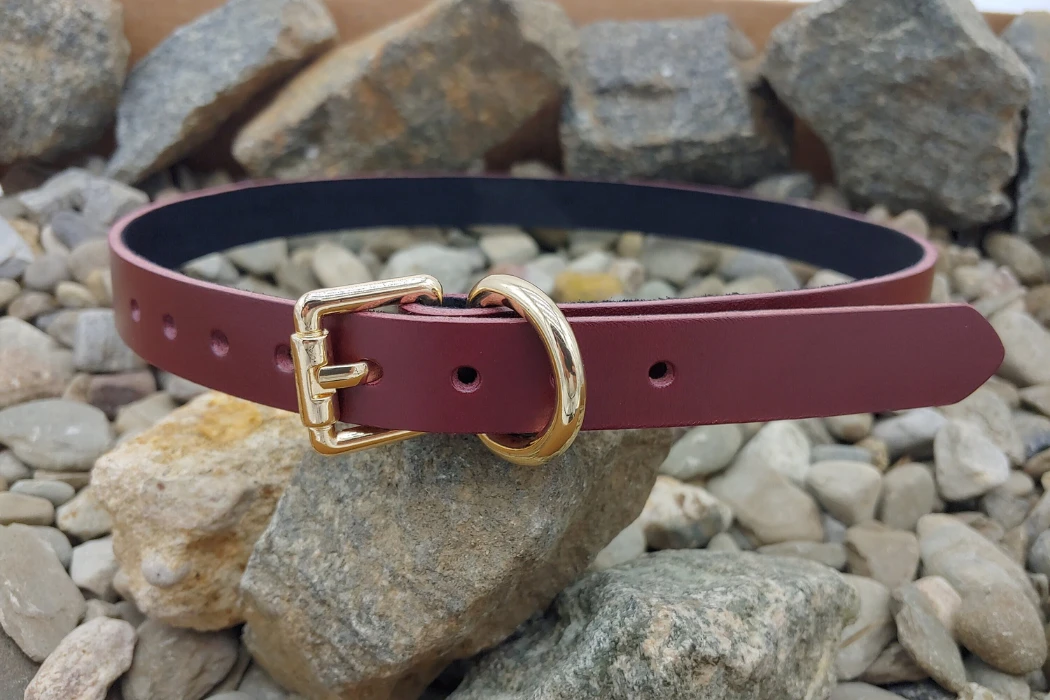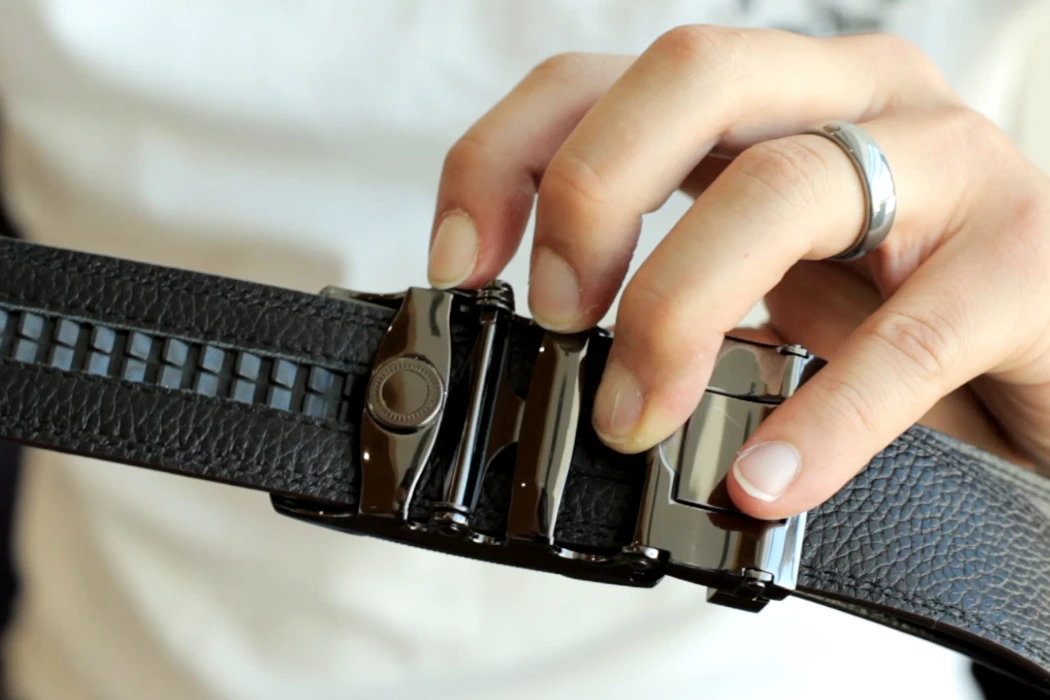
Leather manufacturing covers several distinct activities: converting a hide into leather, preparing its finished surface, and making a product from that material. These may take place at different facilities. For a buyer sourcing belts, bags or wallets, knowing who handles each stage makes specifications and supplier claims easier to verify.

From raw hide to tanned leather
A raw hide must be prepared and tanned before it becomes leather. Preparation can include cleaning and removing unwanted tissue or hair, followed by operations suited to the intended tanning route. Tanning stabilises the material. Vegetable, chrome and other tanning systems use different processes; a single recipe cannot describe every leather article.
This is a general process outline, not an operating procedure. Chemical selection, process control and environmental handling belong to the qualified facility performing the work. Buyers should ask which tannery supplies the material and which sourcing evidence is available for the order.
Splitting and thickness control
Hides can be split into a grain-bearing layer and lower split layers. The original grain surface is on the outside of the hide; it is not the bottom layer. Full-grain leather retains that original grain. A lower split does not become full-grain merely because an embossed coating is added.
Splitting, shaving and other thickness-control operations depend on the production route and end use. State the required finished thickness and tolerance for the proposed article, then verify it with the supplier. The thickness of a loose leather sample is also different from the total thickness of a lined or reinforced product.
Post-tanning work and the crust stage
Further processing can include retanning, dyeing, fatliquoring, drying and mechanical conditioning. The sequence and settings vary with the article. Their purpose includes developing the required colour and handle before or alongside later finishing operations.
Crust leather has already been tanned and brought to a dry stage before final finishing. It may be dyed or undyed. The Leather Working Group glossary provides terminology for these intermediate and finished materials. An order for crust should describe what has already been done and the remaining finishing brief.
What leather finishing does
Finishing develops the specified surface appearance and handle. Depending on the article, it may include colour application, coatings, embossing, polishing or other surface and mechanical operations. A matte natural-looking article and a glossy patent article require different specifications.
Full-grain does not mean that all finishing is absent. It refers to retaining the grain surface. Similarly, embossing describes a surface treatment rather than proving the animal source or hide layer. Buyers need the underlying material declaration as well as the finished appearance standard.
Where ProPelli fits in this process
ProPelli is Hoplok’s leather finishing facility in Cambodia. It receives crust leather from partner tanneries and specialises in belt leather and other leather finishing. It is not a tannery. Its confirmed facility area is 5,000 square metres, and it holds a current LWG Gold rating.
The facility rating should be understood within its scope. It does not replace the composition declaration or finished product tests for an individual order. Discuss available sourcing and finishing details through Hoplok’s material sourcing and finishing service.
Finished goods manufacturing starts with the product pattern
| Product stage | Typical decisions | Buyer approval |
|---|---|---|
| Pattern and material planning | Panel dimensions, cutting orientation and usable area | Drawing, material and appearance limits |
| Component preparation | Cutting, skiving and reinforcement where needed | Thickness and construction details |
| Assembly | Stitching, adhesion, lining and hardware attachment | Complete prototype |
| Finishing and inspection | Edges, final appearance, dimensions and packaging | Agreed quality and packing requirements |
A belt, bag and wallet place different demands on the same leather. Large bag panels need matching areas; a belt needs usable strap lengths; a wallet requires careful control at stacked folds. The product factory should therefore assess material suitability with the actual pattern.
Documents that connect the supply chain
Keep the material article reference, composition, finish specification, approved sample and required testing evidence with the order. Ask which facility handles tanning, finishing and assembly. Record any proposed material substitution before production so the approval can be reviewed.
For a Hoplok enquiry, provide the product drawing, quantity, colour and handle references, destination and quality requirements. Full-service manufacturing connects development with product assembly. A clear allocation of responsibilities is more useful than calling every stage a tannery operation.