...
x
Send Your Inquiry Today
Quick Quote

Men’s Belts vs. Women’s Belts: Key Differences Explained

Reading Time: 18 min  |  Word Count: 4838

Men’s Belts vs. Women’s Belts Comparison

You’re standing in front of your closet, putting the finishing touches on your outfit. You reach for a belt. But which one? You might grab a classic leather belt that belonged to your dad, or maybe you borrow a chic, skinny belt from your partner. It fits, it holds up your pants—job done, right? But have you ever wondered if there’s more to it? A belt seems like the simplest accessory, yet a subtle set of rules has governed its design for over a century. It’s an item so universal that we often overlook the distinct, gendered characteristics that have been meticulously crafted into its very form, from the width of the strap to the direction it’s meant to be worn.

These differences, born from a mix of military history, fashion evolution, and practical tailoring, are more than just arbitrary rules. They tell a story about how we dress, how clothing is constructed, and how function and fashion intersect in one of our most essential accessories. Understanding them doesn’t just satisfy curiosity; it empowers you to be a more intentional and knowledgeable consumer.

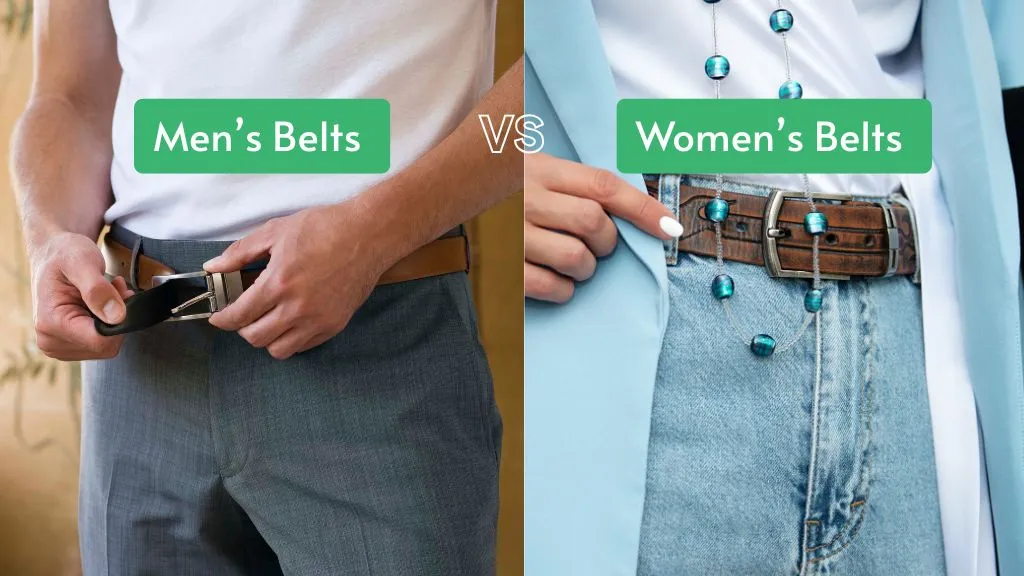
The primary differences between men’s and women’s belts lie in their width, length, buckle design, and wearing direction. Men’s belts are typically wider and more uniform in size, with functional, heavier buckles. Women’s belts come in a vast range of widths, from skinny to wide, and often feature more decorative or ornate buckles. Traditionally, men’s belts are worn with the end pointing to the left, while women’s belts point to the right.

But in a world where fashion is increasingly fluid, do these distinctions even matter anymore? Can you confidently wear a belt from any section of the store? The answer is more complex and interesting than you might think. To truly get it, we need to unravel the “why” behind each of these differences—from the practical reasons a man’s belt buckle is a certain size to the fashion-forward logic behind a woman’s waist-cinching statement piece. Let’s dive in and explore the fascinating world of belts, one detail at a time.


What Are the Main Differences Between Men’s and Women’s Belts?

Is it Just About Style or Are There Functional Distinctions?

While it’s easy to assume the differences are purely cosmetic, they are deeply rooted in function. For men, a belt has historically been a utilitarian tool: its primary job is to hold up trousers. This is why men’s pants have standardized belt loops, and in turn, why men’s belts have a standardized width. The design prioritizes function, strength, and longevity. The buckle needs to be robust, the leather needs to be durable, and the width needs to be compatible with the pants it’s holding up.

For women, the belt’s role has always been more fluid. Yes, it can hold up pants, but it’s just as often used as a purely aesthetic accessory to cinch the waist of a dress, add definition to a coat, or provide a pop of color. This dual purpose—function and high fashion—is why women’s belts are so much more diverse. There’s no single “standard” because the belt isn’t serving a single standard purpose. It might need to be skinny enough to thread through delicate loops on a pair of slacks or wide enough to create an hourglass silhouette over a flowy tunic. The function *is* the fashion.

A Quick Look: Width, Length, Buckles, and Direction

Let’s break down the four core physical differences you can typically spot immediately:

  • Width: Look at a wall of belts in a department store. The men’s section will feature belts mostly in the 1.25″ to 1.5″ range. The women’s section will look like a wild assortment, with everything from pencil-thin 0.5″ straps to dramatic 3″+ corset belts.
  • Length: While both are sized based on waist measurements, the overall length and the number of holes can differ. Men’s belts are designed for a specific, predictable fit through trouser loops. Women’s belts, which might be worn at the natural waist or low on the hips, sometimes offer more sizing flexibility.
  • Buckles: Men’s belt buckles are generally straightforward: a frame-style buckle, a plate buckle, or a box-frame buckle, usually in understated metals like silver, brass, or gunmetal. Women’s buckles are a playground for designers—they can be logos, intricate metalwork, jeweled, or sculptural art pieces.
  • Direction: This is the most subtle difference. Traditionally, a man threads his belt through the loops to his left, so the tail end points to his left. A woman threads hers to the right. We’ll get into the fascinating history behind this later on.

How Fashion Has Blurred the Lines Over Time

It’s crucial to note that while these traditional distinctions exist, modern fashion loves to break the rules. The rise of androgynous and gender-fluid styling, along with the popularity of oversized and “boyfriend” fits, has made borrowing from different departments more common than ever. Women frequently wear classic men’s leather belts with jeans for a timeless, rugged look. Similarly, an increasing number of men are embracing more unique or decorative buckles that were once considered exclusively feminine.

Today, the most important rule is personal style. The “men’s” and “women’s” labels are becoming more like suggestions—guidelines based on historical design rather than strict regulations. Understanding the traditional differences gives you the knowledge to be a more informed shopper, but it shouldn’t stop you from choosing the belt that looks and feels right for you and your outfit.


How Do Belt Width and Length Differ for Men and Women?

What is the Standard Width for a Man’s Dress or Casual Belt?

For men’s belts, width is a code that signals intent. It’s a subtle language that communicates the formality of an outfit. The rules are quite specific and are dictated by the size of the belt loops on different types of pants.

Here’s a simple breakdown:

Belt Width Common Use Description
1.25 inches (approx. 3.2 cm) Dress Belts This is the classic width for formalwear. It’s designed to fit perfectly through the smaller belt loops of dress trousers, suit pants, and chinos. It’s sleek, understated, and professional.
1.5 inches (approx. 3.8 cm) Casual Belts This is the go-to width for casual pants like jeans and heavier cotton trousers. The wider strap is more proportional to the sturdier fabric and larger belt loops of casualwear.
1.75+ inches (approx. 4.4 cm+) Statement/Utility Belts Anything wider than 1.5 inches enters the realm of statement fashion or specialized utility belts (like for workwear). It’s a bolder look not typically seen in everyday professional or casual settings.

This standardization is a man’s best friend. It makes shopping simple. If you’re buying a belt for your suits, you know exactly what width to look for. If it’s for your weekend jeans, there’s a clear standard for that, too.

Why Do Women’s Belts Come in So Many Different Widths?

A woman’s belt isn’t just holding up pants; it’s creating a shape, defining a waistline, or adding a finishing touch. Its function is as much about aesthetics as it is about utility, which is why the variety is so immense.

  • Skinny Belts (0.5″ – 0.75″): These are delicate accents. They’re perfect for defining the waist on a simple sheath dress, threading through the loops of high-waisted trousers, or adding a touch of polish to a cardigan without overwhelming the look.
  • Standard Belts (1″ – 1.5″): This width is the most versatile and is often used for wearing with jeans or trousers, much like a man’s casual belt. It’s functional but can still feature unique buckles or textures.
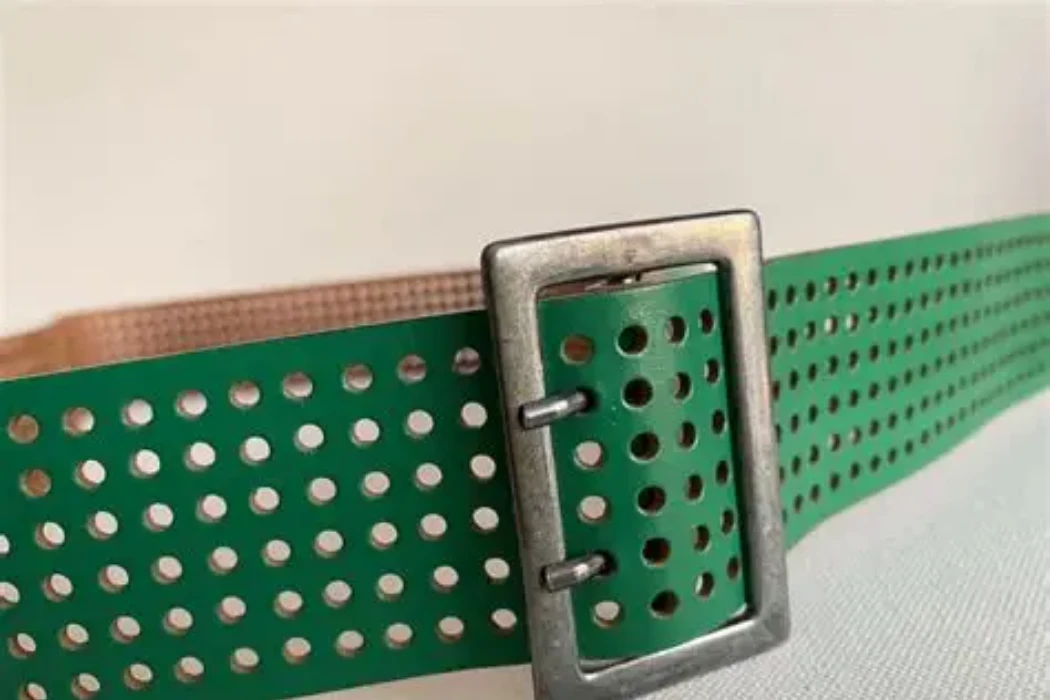
  • Wide Belts (2″ – 4″+): These are pure fashion statements. A wide belt is designed to dramatically cinch the waist over a dress, a blazer, or a long coat. It creates an hourglass figure and becomes the focal point of the outfit. It has little to do with holding anything up and everything to do with creating a powerful silhouette.

Are Belt Sizes Measured Differently? (Waist vs. Hip Measurement)

This is where a lot of confusion comes from. For men, it’s pretty simple. A man’s belt size is typically his pant waist size plus two inches. For example, if he wears size 34 pants, he should buy a size 36 belt. This provides enough length to comfortably fasten the buckle in the middle hole with a few inches of tail left over.

For women, it’s more complicated. Since a woman might wear a belt at her natural waist (which is smaller) or slung low on her hips (which is wider), a single “pant size” isn’t a reliable guide. A woman who is a size 28 in jeans might need a size 34 belt to wear with her low-rise pants, but a size 28 belt to wear over a dress at her natural waist. Because of this, many women’s belts are sold in general sizes (S, M, L) rather than specific inch measurements, and it’s always recommended to measure the area where you intend to wear the belt.

How to Find Your Correct Belt Size

The most foolproof way to find your belt size is to measure an existing belt that fits you well. Measure from the base of the buckle (where the leather folds over) to the hole you use most often. That measurement, in inches, is your belt size. When you buy a new belt, this size should correspond to the middle hole, giving you room to adjust in either direction.

Pro Tip: If you don’t have a belt to measure, use a flexible measuring tape. Thread it through the loops of your favorite pants (or wrap it around your waist where you plan to wear the belt) and note the measurement. Add two inches to this number, and that’s the belt size you should look for.


What Are the Typical Buckle and Hardware Differences?

Men’s Buckles: Are They Always Heavier and More Utilitarian?

Traditionally, yes. The design philosophy behind men’s buckles is “form follows function.” They need to be strong, reliable, and easy to use. This has led to a few classic styles dominating the market:

  • Frame-Style Buckle: This is the most common type. The strap threads through a metal frame, and a prong goes through a hole in the leather. It’s simple, secure, and timeless. The frame can be square, rounded, or rectangular, but the mechanism is the same.
  • Plate-Style Buckle: These are usually detachable. A solid metal plate is attached to one end of the strap, and a hook on the back of the plate goes through a hole on the other end. They often feature brand logos or simple engravings.
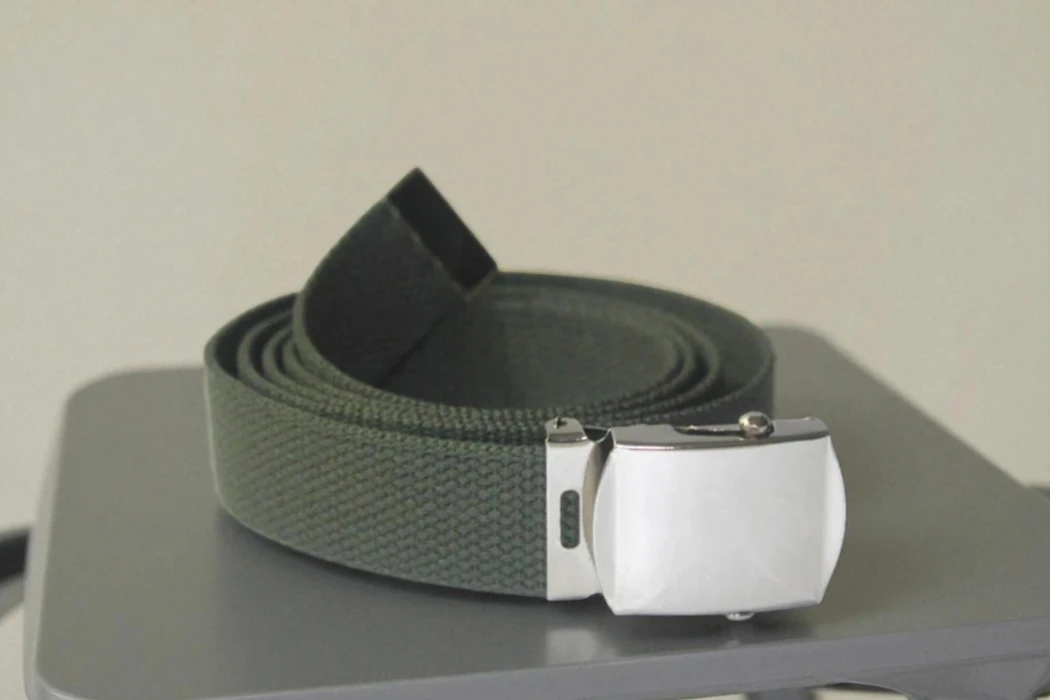
  • Box-Frame Buckle: This is a hollow metal box with a post inside. The leather strap presses against the post, and friction holds it in place. It’s a clean, modern look often found on webbed or fabric belts.

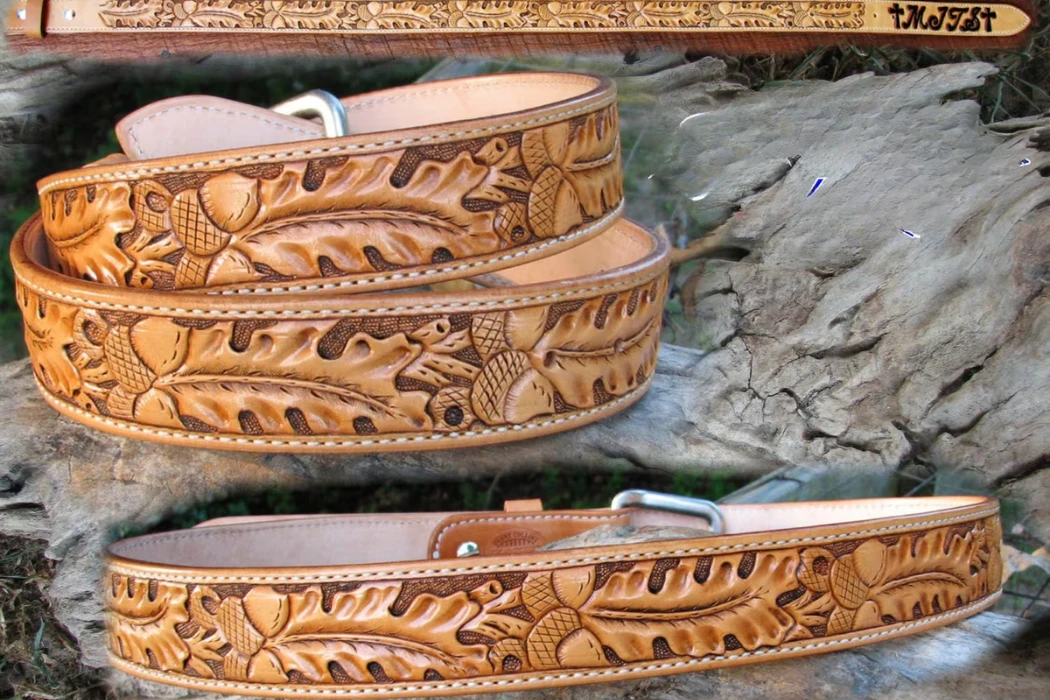
The materials are also chosen for durability. Solid brass is a premium choice because it’s strong and won’t rust. Stainless steel is another excellent, corrosion-resistant option. While you can find more decorative buckles in men’s fashion, especially in Western wear (think large, engraved silver buckles), the everyday belt for work or casual wear sticks to these functional, robust designs.

Women’s Buckles: Exploring Decorative, Ornate, and Branded Designs

If men’s buckles are about engineering, women’s buckles are about artistry. The buckle is often the main event, transforming a simple strap of leather into a piece of jewelry for the waist. The possibilities are virtually endless:

  • Logo Buckles: The iconic double-G of Gucci, the H of Hermès, or the YSL of Saint Laurent. These branded buckles turn the accessory into a status symbol.
  • Sculptural and Abstract Designs: Buckles can be shaped like animals, flowers, geometric forms, or interlocking rings. They are designed to be a conversation starter.
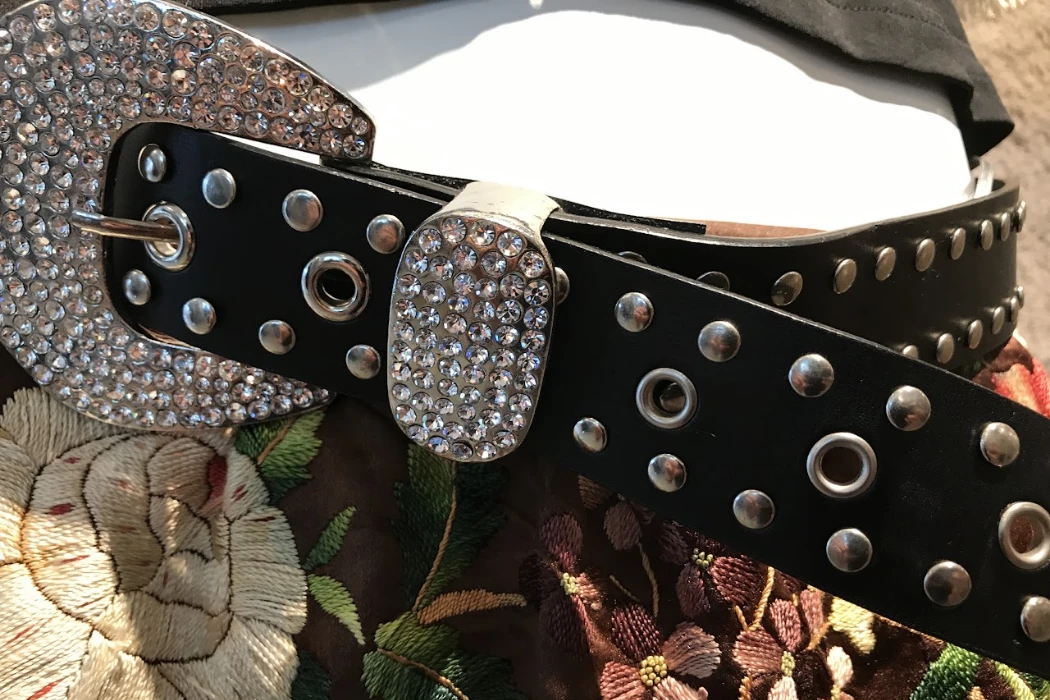
  • Jeweled and Embellished: It’s common to see women’s belt buckles adorned with crystals, pearls, enamel, or colorful stones, coordinating with other jewelry.
  • Unique Closures: Instead of a traditional prong, a woman’s belt might close with a hook, a tie, or a clever interlocking mechanism that is part of the decorative design.

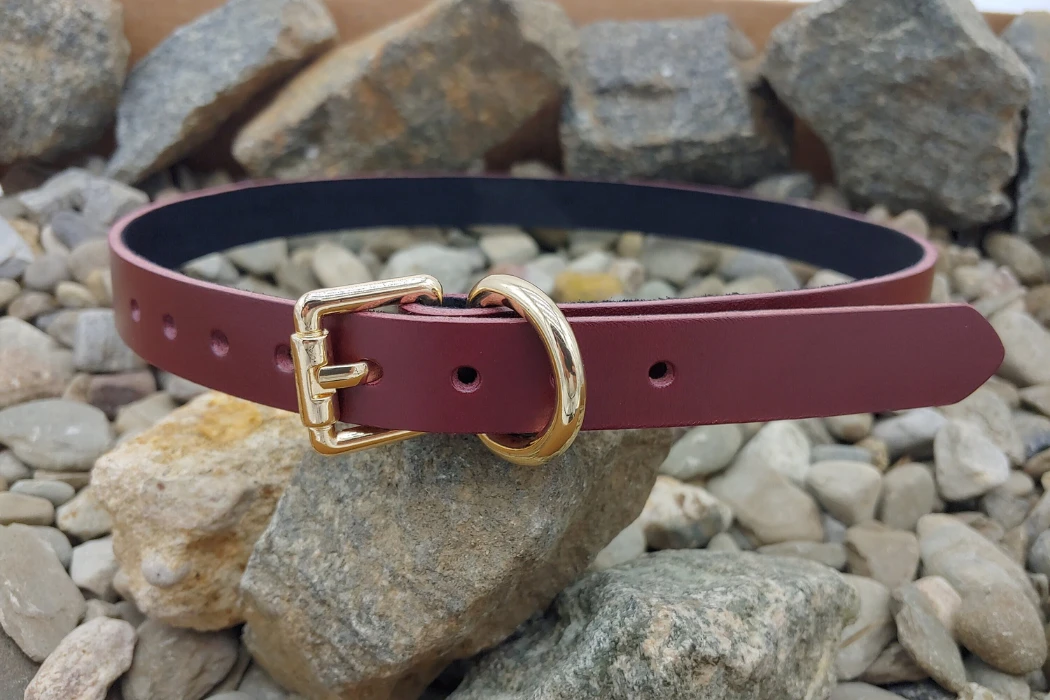
The buckle’s design is directly related to the belt’s purpose. A skinny belt for a dress might have a tiny, elegant gold clasp, while a wide corset belt might feature a dramatic, oversized buckle to balance its proportions. The buckle isn’t just a fastener; it’s the centerpiece.

Which Materials Are Used for High-Quality Buckles?

Regardless of gender, the quality of the buckle is a huge indicator of the quality of the belt. A beautiful full-grain leather strap paired with a cheap, flimsy buckle is a poorly made product. Here’s what to look for:

Solid brass is the gold standard for high-quality buckles. It’s a dense, durable alloy that won’t break, and it develops a beautiful, rich patina over time. Stainless steel is another top-tier choice, prized for its strength and resistance to tarnish and rust. Cheaper belts often use zinc alloy, which is lighter, more brittle, and often plated with a thin layer of chrome or brass-colored finish that can chip or wear away over time. If a buckle feels lightweight and hollow, it’s likely a lower-quality material.

When you’re investing in a good leather belt, always pay attention to the hardware. A heavy, solid buckle is a sign that the manufacturer didn’t cut corners and that the belt is built to last, whether it’s a simple men’s dress belt or a highly decorative women’s fashion piece.


Which Way Should a Belt Be Worn?

The Traditional Rule for Men: Why Does the End Point to the Left?

The “men’s belts point left” rule is a fascinating relic of military history. For centuries, a soldier’s sword was worn on his left hip, allowing for a right-handed draw. To keep the sword’s scabbard from being impeded, accessories like belts were designed to fasten with the excess strap pointing to the left, away from the weapon. This practical consideration for a right-handed swordsman eventually became the standard for civilian men’s clothing.

This tradition was further cemented by the way men’s trousers were tailored. For a long time, men’s pants fastened from right to left. Threading the belt to the left (counter-clockwise) follows the natural direction of the trouser closure, making it feel more intuitive and secure. It became an unspoken rule of menswear, passed down through generations of tailors and designers.

The Traditional Rule for Women: Why Does the End Point to the Right?

The “women’s belts point right” rule is tied to the historical convention of women’s clothing fastening in the opposite direction of men’s. The most common theory for this dates back to when wealthy women were dressed by their maids. Since most people are right-handed, having buttons and fasteners on the left side of the garment made it easier for a right-handed maid, standing opposite, to do them up. Men, on the other hand, typically dressed themselves, so their fasteners were on the right for their own convenience.

As a result, women’s trousers and skirts were designed to fasten left-to-right. To follow this closure, a belt would naturally be threaded through the loops to the right (clockwise), with the tail end also pointing right. It’s a convention born not from the wearer’s own action, but from the action of the person dressing them. It’s a small detail that reveals a lot about historical class and gender roles.

Do These Old-Fashioned Rules Still Apply Today?

Honestly? Not really. In the 21st century, these rules are almost entirely obsolete. 99% of people you meet will never notice or care which way your belt is pointing. Fashion is now about personal expression, and the idea of a “correct” direction for a belt feels incredibly dated.

The vast majority of belts sold today can be considered unisex in their function. While the traditional directions are still often followed by high-end, classic menswear and womenswear brands, it’s no longer a rule you need to worry about. If you find a belt you love, wear it in whichever direction feels most comfortable or looks best to you. The only person who needs to like it is you. The history is interesting to know, but it shouldn’t dictate your style choices today.


Can You Wear a Belt Designed for the Opposite Gender?

The Rise of the Unisex Belt: What to Look For

The best “unisex” belts are often those with classic, minimalist designs. A simple leather strap between 1″ and 1.25″ wide with a clean, understated frame-style buckle in a metallic finish like silver or brass works for virtually everyone. These belts are chameleons; their character changes based on the outfit they’re paired with. On a man, with jeans and a t-shirt, it looks classic and masculine. On a woman, with high-waisted trousers and a blazer, it looks chic and powerful.

When shopping for a unisex belt, focus on quality over gendered marketing. Look for:

  • Full-Grain Leather: It’s the most durable and will age beautifully, making it a great long-term investment for any wardrobe.
  • Solid Hardware: A solid brass or stainless steel buckle will feel substantial and last forever.
  • Versatile Color: A classic black, dark brown, or tan belt will get the most use and work with the widest range of outfits.

How to Style a Man’s Belt for a Woman’s Outfit

This is a very popular styling trick, and for good reason. A classic men’s leather belt can add a touch of handsome, rugged structure to a feminine outfit. It’s all about creating a pleasing contrast.

One of the most popular ways to do this is by pairing a standard 1.5″ men’s brown leather belt with high-waisted, light-wash “mom jeans” or “boyfriend jeans.” The sturdiness of the belt grounds the look and gives it an effortlessly cool, vintage vibe. It also works beautifully to cinch a slightly oversized blazer or a chunky knit cardigan, defining the waist and adding a bit of polish to a relaxed silhouette.

The key is to be mindful of proportions. A very wide, heavy men’s belt might overwhelm a petite frame or a delicate silk dress, but a standard-width belt is incredibly versatile. Don’t be afraid to experiment.

Are There Any Styling Rules to Keep in Mind?

The only “rule” that really matters is fit. A belt that is clearly the wrong size will look awkward, regardless of its style. If you’re borrowing from another department, make sure the length is right for you. A man wearing a woman’s belt might need to get a longer size, and a woman wearing a man’s belt might need to have a few extra holes punched by a cobbler to get a snug fit. A good leather professional can do this easily and cheaply, and it makes all the difference.

Beyond that, the old rules are made to be broken. The idea that your belt must perfectly match your shoes and handbag is a very traditional, formal guideline. For modern, casual styling, a belt can be a standalone statement. It can be a contrasting color, a different texture, or simply a functional piece that blends in. The most stylish people are those who wear their accessories with confidence. So if you find a belt you love, whether it’s from the men’s or women’s section, buy it and wear it with pride.


What Materials and Craftsmanship Should You Look For in Any Belt?

Which Leather is Best? Full-Grain vs. Top-Grain vs. Genuine Leather

The term “real leather” is used a lot, but not all leather is created equal. The quality of the hide used is the single most important factor in a belt’s longevity. Here’s the hierarchy:

  • Full-Grain Leather: This is the champion. It’s the top layer of the hide with the natural grain intact. It’s the strongest, most durable part of the hide and will develop a beautiful, rich patina over time. A full-grain leather belt is an investment that can last for decades.
  • Top-Grain Leather: This is the second-best quality. The very top surface has been sanded off to remove imperfections, and a finish is applied. It’s still very strong and durable, but it won’t develop the same character as full-grain. Many high-quality dress belts are made from top-grain for its uniform, clean look.
  • “Genuine” Leather: This term is misleading. It’s a marketing buzzword that usually means you’re getting one of the lower-quality layers of the hide. It’s made from the leftover scraps after the top layers have been split off. It’s technically real leather, but it lacks the strength and durability of full-grain or top-grain and will not last nearly as long.

When you’re buying a belt, always look for the words “Full-Grain” or “Top-Grain.” If it just says “Genuine Leather,” you’re likely buying a lower-quality product.

How to Identify Quality Stitching and Edge Finishing

The difference between a premium belt and a cheap one is often in the small details. Take a moment to inspect the craftsmanship. First, look at the stitching, especially around the buckle and the keeper loop. On a well-made belt, the stitches will be tight, straight, and perfectly even. There should be no loose threads. This indicates that care was taken during assembly.

Next, and perhaps most importantly, look at the edges of the belt. On a cheap belt, the edges will feel sharp and raw, or they might be covered with a thin, plastic-like coating that will eventually peel and crack. On a high-quality belt, the edges will be smooth, rounded, and colored. This is the result of a labor-intensive process called burnishing, where the edges are sanded, beveled, heated, and painted to seal the leather fibers. A beautifully finished edge is a hallmark of superior craftsmanship.

Do Different Styles Require Different Types of Leather?

Yes, absolutely. The choice of leather should match the belt’s purpose. A rugged, casual belt for jeans is best made from a thick, sturdy strap of full-grain cowhide. It’s strong enough to handle daily wear and will look even better as it gets scuffed and broken in.

A formal dress belt, however, requires a different touch. These are often made from top-grain calfskin. Calfskin has a finer, tighter grain and a more refined appearance than cowhide, making it the perfect choice for a sleek, elegant dress belt. For women’s fashion belts, designers might use more exotic or delicate leathers like suede, nubuck, or even embossed leathers like Saffiano or croc-print to achieve a specific stylistic effect. The right leather is always the one that best serves the belt’s function and fashion goals.


How Do You Choose the Right Belt for Your Outfit?

Is Matching Your Belt to Your Shoes Still a Golden Rule?

For formal and business settings, yes. This is one of the classic rules of style that still holds true. If you’re wearing a suit or dress trousers with black leather shoes, you should wear a black leather belt. Brown shoes? Brown belt. Matching the leather color and finish creates a cohesive, polished, and intentional look. It shows you pay attention to the details. The metal on your buckle should also ideally match your other metal accessories, like your watch or cufflinks.

For casual outfits, however, this rule is much more flexible. With jeans and sneakers, you don’t need to worry about a perfect match. In fact, a contrasting belt can add a point of interest. You could wear a tan belt with white sneakers or a braided belt with canvas shoes. The goal of casual style is to look relaxed and effortless, so you have much more room to play.

Which Belt Width Works Best for Jeans, Trousers, or Dresses?

This goes back to the principle of proportion. The belt width should complement the garment it’s being worn with.

  • For Jeans: A 1.5-inch belt is the undisputed champion. The width is proportional to the sturdy denim fabric and the larger belt loops. Anything much thinner can look lost, and anything wider can look overly bulky.
  • For Dress Trousers/Chinos: A slimmer 1.25-inch belt is the correct choice. It fits the smaller loops perfectly and has a more elegant, refined look that matches the lighter fabric.
  • For Dresses: This is where you have the most options. A skinny belt (under 1″) is great for subtly defining the waist on a delicate dress. A standard-width belt (1″-1.5″) can look great on a shirt-dress or a more structured style. A wide belt (2″+) is a bold choice used to create a dramatic hourglass shape on a fuller-skirted or more voluminous dress.

How a Belt Can Be the Centerpiece of Your Look

Don’t underestimate the power of a belt to transform an outfit. A simple, neutral outfit—like black trousers and a white shirt, or a monochrome dress—can be instantly elevated by a statement belt. This is your opportunity to inject personality.

Think of a classic tan leather belt adding warmth to an all-black ensemble. Imagine a brightly colored skinny belt providing a surprising pop of color on a navy dress. Consider a belt with a unique, sculptural buckle turning a simple jeans-and-tee combo into a deliberate fashion statement. In these cases, the belt isn’t just an accessory; it’s the focal point. It draws the eye, adds definition, and communicates your personal style. It proves that sometimes, the smallest details can make the biggest impact.


Create the Perfect Belt for Your Brand with Hoplok Leather

Understanding the nuances of belt design is one thing; manufacturing them to the highest standard is another. For over 22 years, Hoplok Leather has been the trusted partner for brands looking to create exceptional, custom-made leather belts for men and women.

We speak the language of leather, from sourcing the finest full-grain hides to perfecting the art of edge burnishing. Whether your brand needs a line of classic men’s dress belts or a collection of fashion-forward women’s statement pieces, our end-to-end manufacturing solutions bring your vision to life. With flexible MOQs, rapid sampling, and internationally certified quality, we help you create products that your customers will love and wear for years to come.

Contact Us for a Free Consultation & to Start Your Custom Project


Scroll to Top

Get a Quick Quote

Send us a message if you have any questions or request a quote. We will be back to you ASAP!