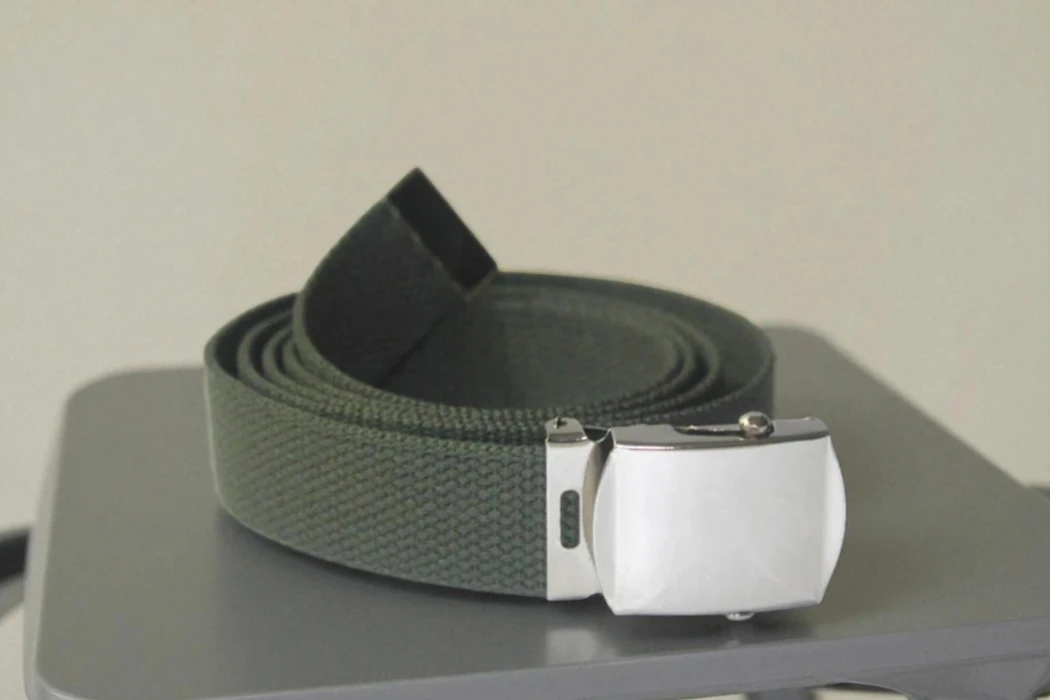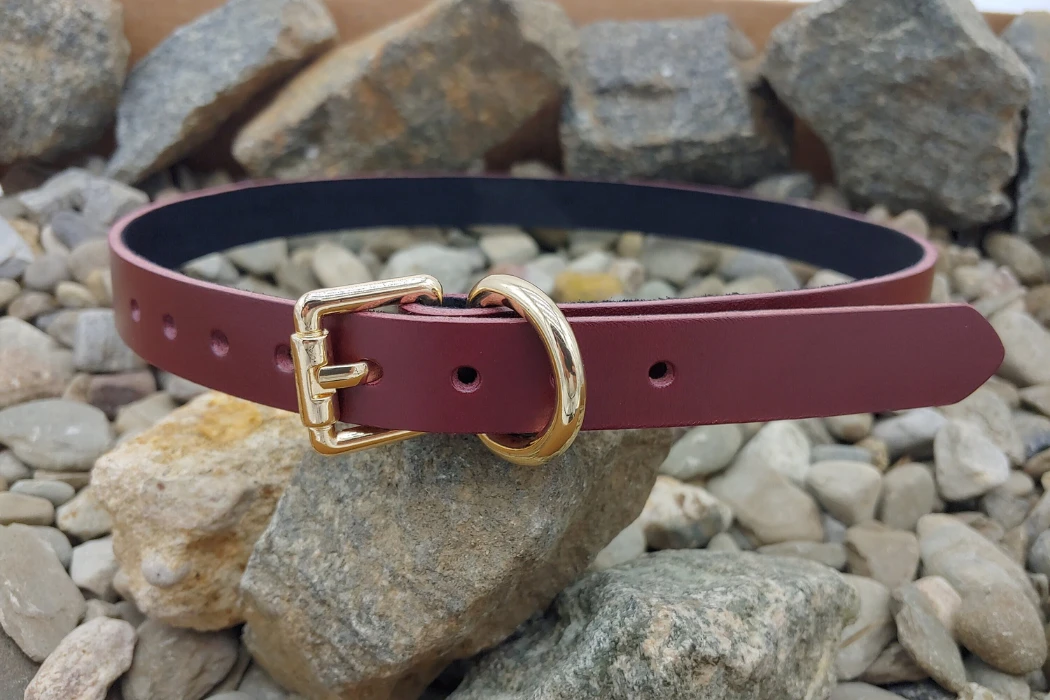
Police and law enforcement officers rely heavily on their tactical gear every single day. Because of this, a custom heavy-duty duty belt is never just a simple fashion accessory. It is a critical, life-saving tool. These belts must securely hold heavy radios, firearms, handcuffs, and utility pouches without sagging, stretching, or breaking under pressure. Therefore, durability is the absolute priority for any global tactical brand.
So, what exactly makes a reliable duty belt during mass production? The answer lies in strict OEM manufacturing standards. To build a tough belt, factories must use highly durable materials like thick full-grain or top-grain leather. Next, they must combine this strong leather with heavy-duty stainless steel or solid brass hardware. Then, rigorous quality control testing is applied. This ensures the finished belt can easily withstand extreme daily physical stress in the field.
But building these high-performance law enforcement belts requires highly specialized factory techniques. From heavy machinery to precise stitching, every step matters. Let’s break down the exact materials, raw hide processing techniques, and critical quality testing methods needed to manufacture reliable tactical belts at scale.
What Materials Make a Reliable Duty Belt?
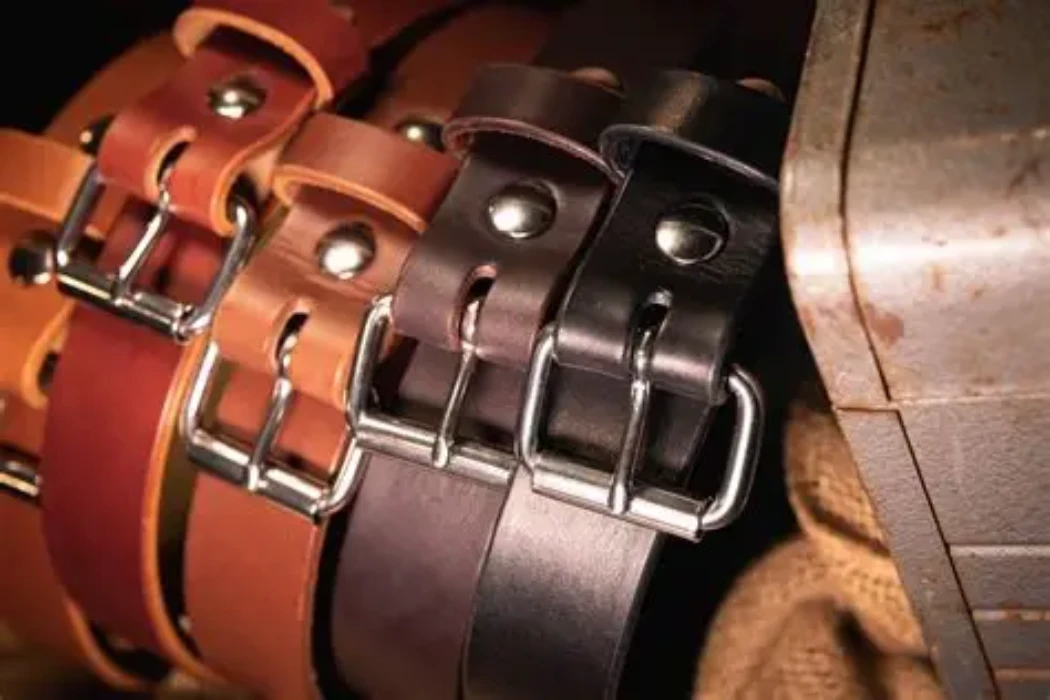
A reliable duty belt needs materials that do not stretch or crack. Factories start by selecting thick full-grain leather or top-grain leather. Then, they pair this leather with strong hardware like stainless steel or solid brass. This combination creates a tough foundation. Because of this, the belt can easily support heavy gear day after day.
Selecting Full-Grain and Top-Grain Leather
Factories must choose the exact right leather base to prevent the belt from breaking under pressure.
- Full-Grain Cow Leather: This is the strongest layer of the animal hide. It keeps all the natural fibers tightly packed together. Because of this, it offers the highest tensile strength for carrying heavy radios and firearms.
- Top-Grain Leather: Engineers sand away the very top layer to remove natural scars. Then, they apply a clean finish. It is slightly softer but remains highly durable for daily use.
- Global Sourcing: Top factories source raw hides from countries like Italy, Argentina, and Brazil. These locations provide consistent, high-grade hides for bulk manufacturing.
- Thickness Specifications: Tactical belts require thick, rigid platforms. Engineers specifically select hides measuring up to 3.0mm to 4.0mm thick for maximum load-bearing stability.
Choosing these premium hides ensures the tactical belt will not warp or stretch over time.
Evaluating Heavy-Duty Hardware
A strong leather strap is completely useless if the metal buckle fails during a foot pursuit.
- Solid Brass Buckles: Brass does not rust or corrode easily. It handles sweat and rain very well. So, it provides a strong, reliable hold in harsh environments.
- Stainless Steel Holes: Heavy gear pulls hard on the sizing holes. Factories often reinforce these holes with stainless steel rings. This stops the metal buckle pin from stretching or tearing the leather.
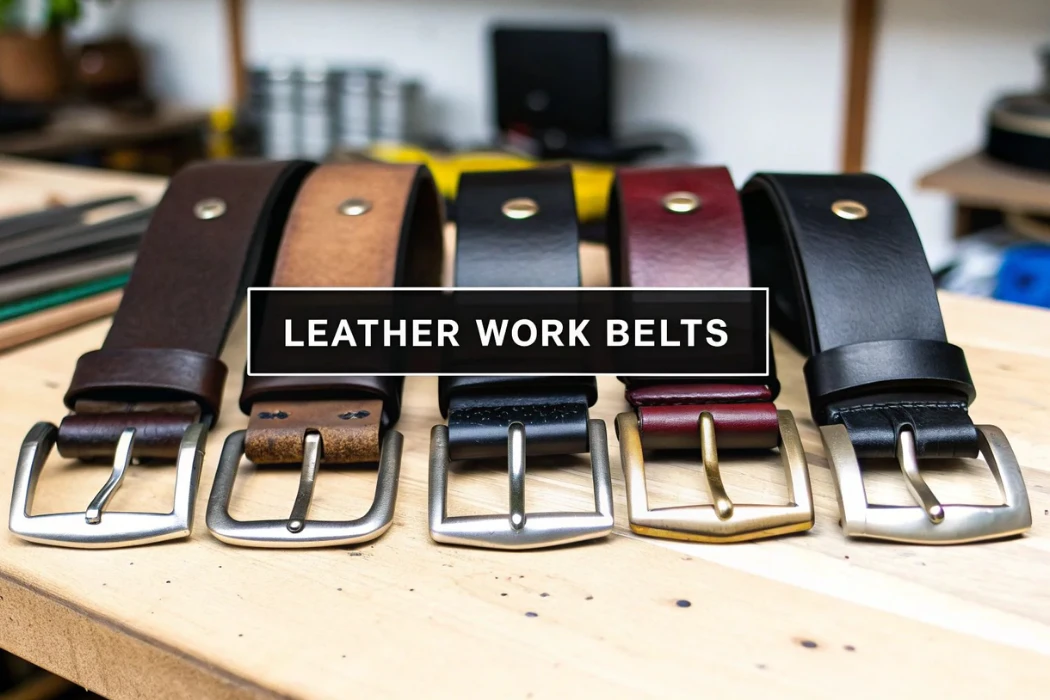
- Metal Roller Buckles: This specific buckle design features a spinning metal tube. This allows the thick leather to glide smoothly through the buckle. Officers can fasten the belt quickly without scraping the leather edges.
- Rivet Reinforcement: For belts featuring attachments, factories use heavy rivet reinforcements to lock components permanently together.
High-quality metal hardware keeps the heavy gear safely locked in place all day long.
Reinforcing the Strap for Daily Stress
Factories add specific construction details to handle the extreme weight of police equipment.
- Double Layer Bonding: Engineers often glue and stitch two separate layers of genuine leather together. This creates a highly rigid, stiff platform that stops holsters from digging into the waist.
- Joint Triple Stitching: Factories use thick, synthetic threads to hold the belt together. They apply straight stitches and triple stitching at stress points like the buckle fold.
- Custom Surface Textures: Depending on the uniform code, factories press patterns into the leather. Popular options include pebble grain or Saffiano texture to hide scratches from daily wear.
- Edge Burnishing: Raw leather edges easily absorb water. So, workers polish, paint, and seal the edges tightly. This protects the inner core of the leather from weather damage.
These careful construction steps add many years of life to the tactical belt.
| Material Type | Durability Level | Best Tactical Use Case |
|---|---|---|
| Full-Grain Leather | Very High | Heavy duty holsters and primary tactical duty belts. |
| Top-Grain Leather | High | Standard police uniform belts and accessory straps. |
| Corrected Grain Leather | Medium-High | Uniform belts requiring a perfectly smooth, identical look. |
| PU Leather (High Quality) | Medium | Budget-friendly security belts or training gear. |
How Do Factories Process and Finish Thick Leather?
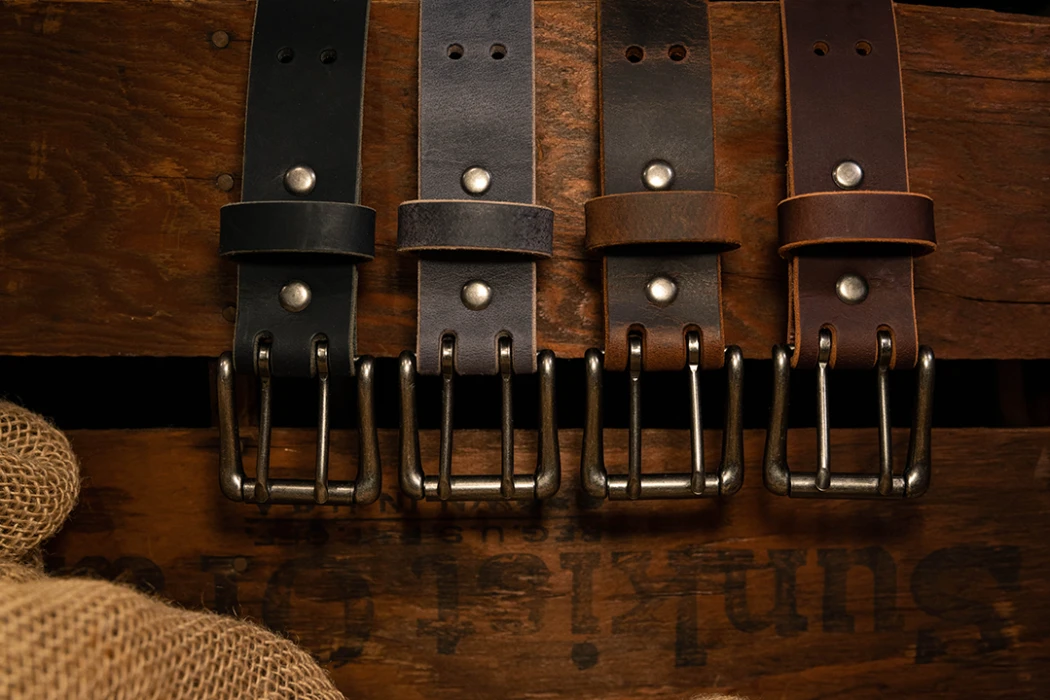
Raw hides arrive at the factory thick and rough. First, engineers must cut and shave the leather to an exact, uniform thickness. Then, machines treat the hides with heavy oils and protective waxes. Finally, workers seal the edges to stop moisture damage. This careful process turns a stiff animal hide into a flexible, weather-resistant tactical belt.
Skiving and Evening the Leather Hides
Heavy-duty belts require a perfectly flat and even base to hold gear properly.
- Precision Skiving: Large machines slice the bottom of the hide. This guarantees the strap maintains an exact 3.0mm to 4.0mm thickness from end to end.
- Buffing the Surface: Heavy metal rollers smooth out the raw crusts. This easily removes any natural bumps or rough spots on the skin.
- Softening in Drums: Sometimes, the thick hide is too stiff for daily wear. Factories place the leather into giant wooden drums. Tumbling the leather softens the fibers so the belt wraps comfortably around the waist.
These preparation steps ensure the final belt looks uniform and bends easily without cracking.
Applying Protective Oils and Waxes
Tactical belts must survive heavy rain, sweat, and dirt without rotting.
- Oil Tanning: Technicians apply deep, heavy oils directly into the leather pores. This makes the belt highly water-resistant.
- Crazy Horse Finish: Workers rub special waxes into the surface. When the leather bends, the wax moves and creates a unique, rugged pattern. This finish is very famous for hiding deep scratches.
- Pull-Up Effect: Similar to crazy horse, this process uses hot oils. It gives the leather a rich color that brightens slightly when stretched.
- Heat Polishing: Massive heated presses iron the leather surface. This melts the waxes and seals the top layer completely.
Because of these heavy oil treatments, the belt easily rejects water and handles extreme outdoor weather.
Polishing and Sealing the Edges
The cut edge of a thick leather strap is the most vulnerable part of the belt.
- Raw Natural Edges: Some tactical belts leave the edge raw for a rugged look. However, factories usually treat these raw edges with a light, clear glaze to stop fraying.
- Hand Burnishing: Workers vigorously rub the edges with a specialized wooden tool and friction wax. The high heat seals the raw fibers tightly together.
- Edge Painting: Factories often apply thick rubber edge paint. Then, they bake it, sand it, and paint it again up to three times to block all moisture.
A perfectly sealed edge stops sweat and rain from destroying the leather core over time.
Why Is Quality Control Critical for Enforcement Belts?
A police belt carries heavy, expensive, and dangerous equipment. If a belt snaps or a buckle fails, it puts the officer in immediate danger. Because of this, strict quality control (QC) testing is mandatory during mass production. Factories use advanced testing machines to verify that every single strap and metal buckle meets international safety standards. This guarantees the gear will survive the physical stress of law enforcement work.
Testing Tensile Strength and Seam Integrity
A tactical belt must never snap when an officer runs, jumps, or wrestles.
- Tensile Strength Tests: Machines pull the leather strap from both ends with extreme force. This proves the 3.0mm to 4.0mm thick leather will not tear.
- Stress Testing Seams: Inspectors closely examine the triple stitching around the buckle fold. They ensure the synthetic threads hold tightly together under high pressure.
- Flexibility Checks: The belt is bent back and forth thousands of times. This confirms the inner core fibers will not crack from daily bending.
These pulling and bending tests guarantee the belt’s structural core remains completely solid.
Checking Hardware Functionality and Fastening
The metal hardware is the primary locking mechanism for the entire utility belt.
- Buckle Stress Tests: Engineers apply heavy weight directly to the solid brass buckle pin. They verify it will not bend or snap out of place.
- Corrosion Resistance: The stainless steel and brass parts sit in a salt spray chamber. This ensures they will not rust from heavy sweat or salty coastal air.
- Rivet Security: Inspectors pull hard on the rivet reinforcements. Every single rivet must stay permanently locked into the leather.
Reliable metal hardware ensures the belt fastens securely and releases exactly when needed.
Monitoring Color Fastness and Appearance
A high-quality uniform belt must look professional and clean for many years.
- Dry Rub Fastness: Machines rub a dry white cloth violently against the dyed leather. This proves the rich color will not transfer onto light-colored uniform shirts.
- Wet Rub Fastness: The exact same rubbing test is repeated using a wet cloth. This simulates heavy rain and extreme body sweat during a long shift.
- Surface Inspection: Workers check the pebble grain or smooth surface for any uneven dye spots or natural skin flaws.
Passing these rubbing tests ensures the belt maintains a sharp, professional appearance in any weather.
| Testing Phase | Key Focus Area | Tactical Benefit |
|---|---|---|
| 1. Raw Material Inspection | Hide thickness and hardware finish | Prevents weak spots before cutting begins. |
| 2. Inline Production Check | Stitching accuracy and edge sealing | Stops errors during the sewing and assembly process. |
| 3. Laboratory Testing | Tensile strength and wet rub fastness | Proves physical durability and uniform color safety. |
| 4. Final Visual Inspection | Overall appearance and correct sizing | Ensures the uniform gear looks perfectly professional. |
Can Brands Customize Sizing and Specifications?
A police department in New York might need different gear than a security team in London. Because of this, tactical brands must customize their belts for different markets. Factories offer deep customization options. They adjust lengths, modify buckle holes, and press permanent logos into the thick leather. This flexibility allows global brands to build the exact belt their specific users need.
Standardizing Men’s and Women’s Belt Sizing
Factories must accurately scale the leather strap to fit every body type perfectly.
- Men’s Sizing: Production lines cut belts for men ranging from 28 inches up to 50 inches.
- Women’s Sizing: Factories adjust the width and length for women, typically scaling from 26 inches to 46 inches.
- Youth and Cadet Sizing: Some security or training programs require smaller gear. Factories cut youth belts starting at exactly 22 inches.
Accurate scaling ensures the heavy gear sits balanced on any officer’s waist.
Customizing Stainless Steel Holes and Roller Buckles
The fastening system must match the exact weight requirements of the attached gear.
- Stainless Steel Holes: Brands can request specific hole spacing. Factories punch these holes and add heavy stainless steel rings to stop the leather from stretching out.
- Metal Roller Buckles: Brands often choose a solid metal roller buckle. This design lets officers pull the thick leather tight without friction.
- Adjustable Clasps: For belts without traditional holes, engineers install secure, sliding metal clasps.
Custom hardware options keep the heavy utility belt completely secure during fast foot pursuits.
Integrating Brand Logos via Embossing or Metal Stamps
Global tactical brands need their logos clearly visible but highly resistant to wear.
- Embossing and Debossing: Heavy presses push the brand logo deep into the leather. This creates a permanent mark that will never fade or peel off.
- Metal Plate Logos: Factories attach custom metal badges directly to the belt strap. They secure these plates tightly with heavy rivets.
- Laser Engraving: For highly detailed tactical designs, technicians use hot lasers to burn the logo directly into the leather surface.
These tough branding methods ensure the company logo survives extreme outdoor conditions.
How Does the OEM Bulk Production Process Work?
Turning a custom belt design into thousands of identical products takes careful planning. Factories follow a strict, step-by-step manufacturing process. First, engineers build a physical sample from paper patterns. Next, heavy machines cut the thick leather into exact straps. Then, workers assemble the hardware and inspect every detail. This structured workflow ensures every single belt matches the approved standard before it ships out.
Developing the Initial Pattern and Sample
Everything starts with a perfect physical prototype.
- Design Communication: Engineers study the specific load-bearing needs and hardware requirements of the tactical brand.
- Paper Mould Making: Technicians cut exact paper shapes to map out the buckle placement and sizing holes.
- Sample Execution: The sample room builds the first physical belt. They test the chosen 3.0mm to 4.0mm thick leather and metal hardware together.
- Fast Turnaround: A professional factory typically finishes this initial sample in about 2 to 7 days for client approval.
A flawless sample serves as the exact blueprint for the entire bulk order.
Precision Cutting and Assembly
Once the brand approves the sample, mass production begins immediately.
- Automated Cutting: Massive steel blades slice large leather crusts into hundreds of perfectly straight straps.
- Edge Preparation: Workers skive the leather down to a uniform thickness. Then, they paint and burnish the edges to seal out moisture.
- Hardware Assembly: Heavy presses punch sizing holes. Then, workers lock the solid brass or stainless steel buckles into place using permanent rivets.
- Rapid Manufacturing: Highly trained factory teams can complete a large tactical belt order in an average of 15 to 20 days.
This organized assembly line guarantees that belt number one thousand is perfectly identical to belt number one.
Final Inspection and Secure Packaging
The factory must confirm total quality before any gear leaves the building.
- Visual Checks: Quality control teams closely examine the leather surface for any natural flaws or uneven dye spots.
- Hardware Verification: Inspectors pull hard on every single buckle and rivet. They ensure the metal pieces will never rip out under heavy pressure.
- Accurate Sizing: Workers measure the finished belts again. They verify the sizing perfectly matches the required 28 to 50 inches range.
- Secure Shipping: Finally, the belts are packed securely with appropriate labels, hang tags, and moisture-absorbing packets for safe global transport.
Thorough final checks protect the tactical brand’s reputation and keep law enforcement officers safe.
What is the best leather for heavy-duty duty belts?
Full-grain leather is the absolute best choice. It keeps all the natural skin fibers completely intact. Because of this, it provides the highest tensile strength and prevents stretching under the extreme heavy weight of tactical gear.
How do factories test the tensile strength of a belt?
Factories use specialized testing machines to pull the leather strap from opposite ends with extreme force. This physical test proves the thick leather and the stitched seams will not snap during a physical struggle.
Why do duty belts require stainless steel or solid brass buckles?
Tactical belts must survive harsh outdoor environments. Stainless steel and solid brass do not rust easily when exposed to heavy sweat, rain, or salty coastal air. So, they keep the belt safely locked in any weather.
Can tactical belts be made from vegan or PU leather?
Yes, some budget-friendly security belts use high-quality PU leather or vegan leather. But, these synthetic materials generally offer lower durability than genuine top-grain leather for intense, daily law enforcement use.
How are duty belt edges finished to prevent fraying?
Factories use a process called edge burnishing. Workers vigorously rub the raw edges with a wooden tool and friction wax. The high heat melts the wax and permanently seals the leather fibers together. They also apply thick edge paint to block moisture.
How long does it take to manufacture a custom leather belt sample?
A professional leather manufacturing facility usually takes about 2 to 7 days to build a physical sample. Then, they require an average of 15 to 20 days to complete the full bulk production run.
Choose a Trusted Partner for Custom Tactical Belts
Building a reliable tactical duty belt requires thick hides, heavy-duty hardware, and strict factory testing. If the leather stretches or a buckle fails, it puts officers at serious risk. Because of this, global brands need a reliable manufacturing partner. Hoplok Leather Goods provides this exact level of precision. With over 22 years of experience and integrated factories in China and Cambodia, Hoplok delivers fully customized, high-capacity OEM production. So, if your brand needs heavy-duty belts built to extreme safety standards, Hoplok is ready to help.