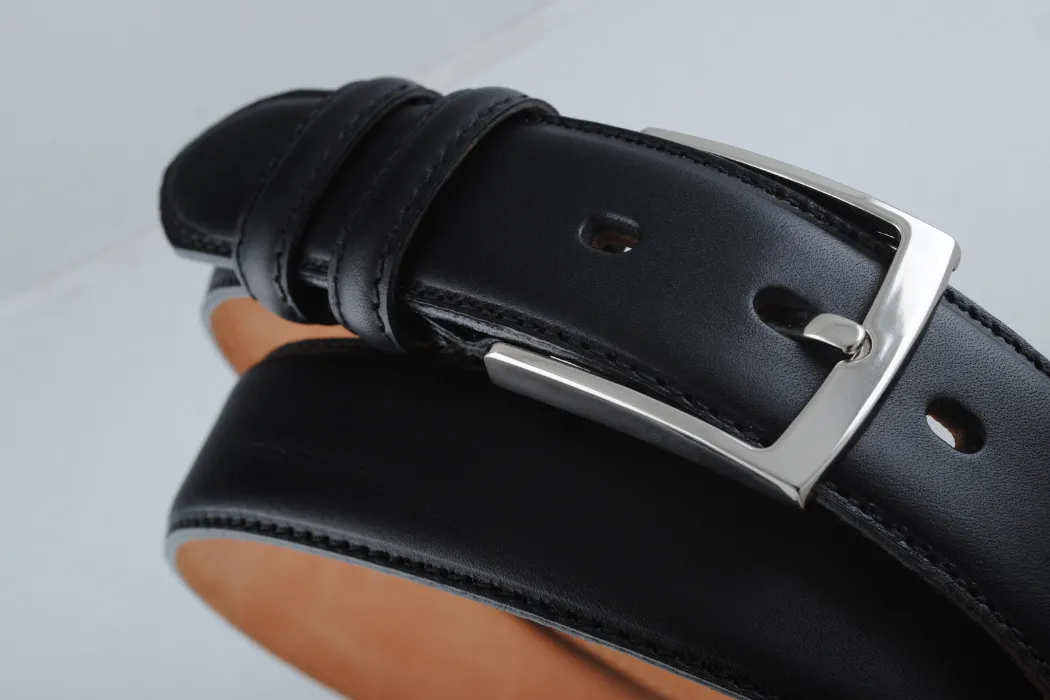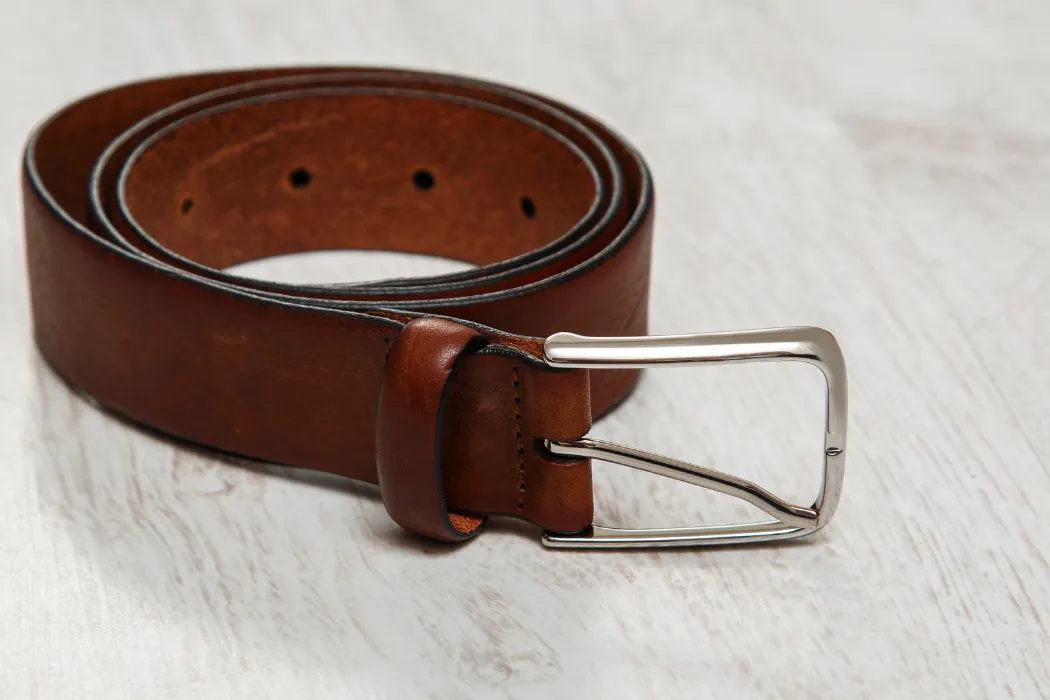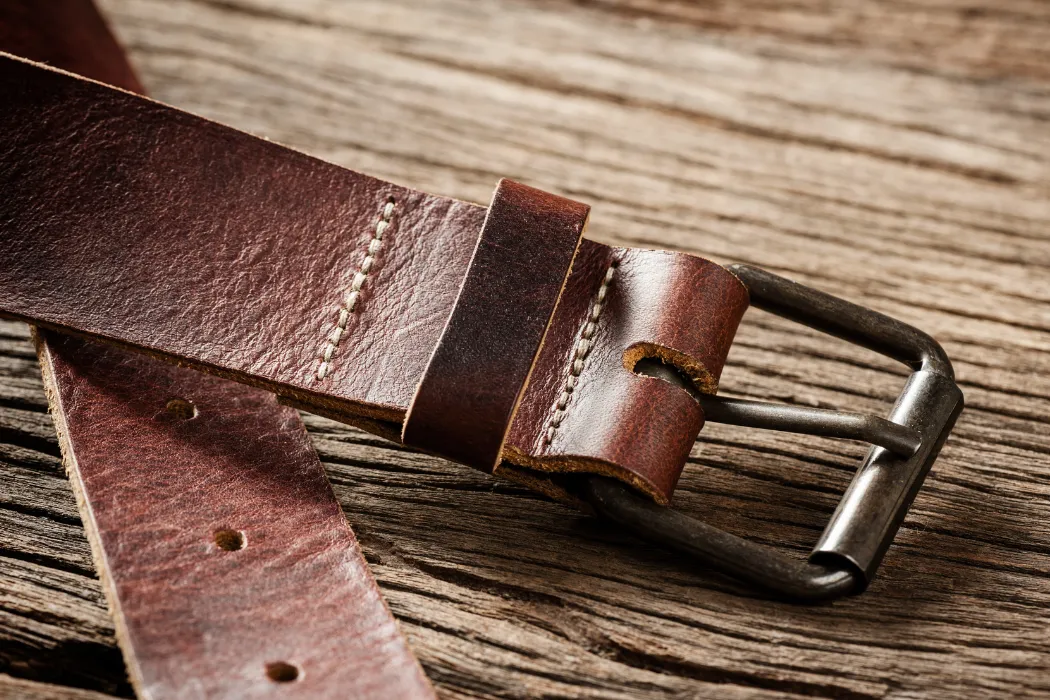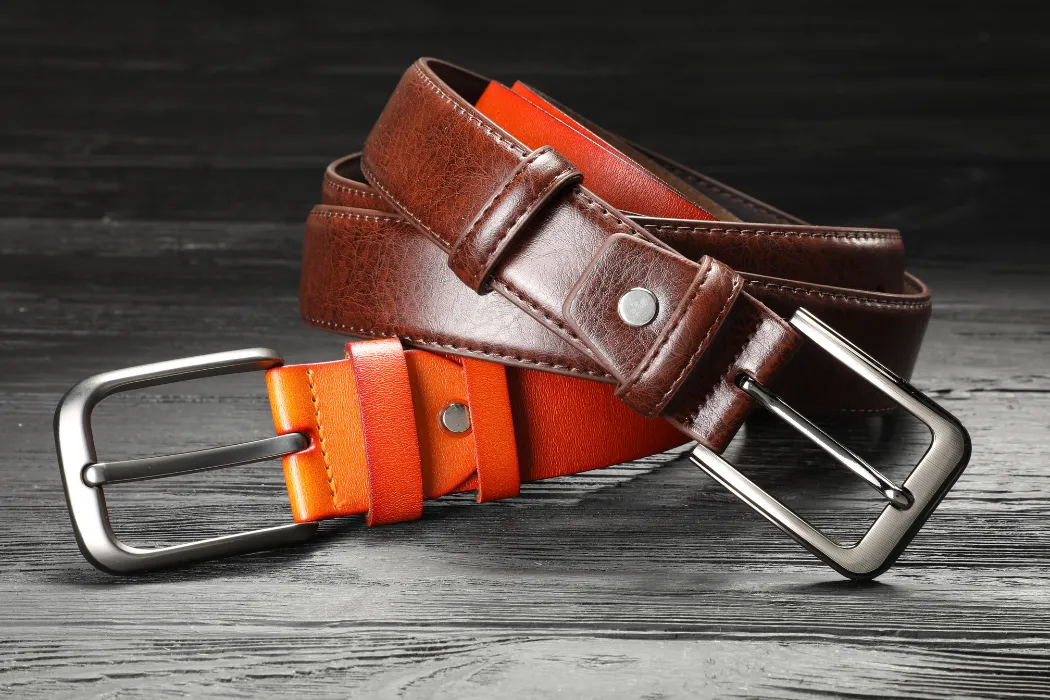
Understanding volume tier pricing is essential for brands buying custom leather belts. When you order large quantities, factories lower the unit cost. This happens because bulk orders spread out the initial setup costs. Fixed expenses, like creating hardware molds, become much cheaper per belt when you order 10,000 pieces instead of 500 pieces. So, mastering this negotiation protects your profit margins.
To negotiate effectively, you must understand how a manufacturer builds their cost structure. You achieve the best rates by consolidating hardware choices, committing to predictable annual schedules, and standardizing leather finishes. Buyers also gain leverage when they share clear target prices upfront. Then, factories can optimize production lines and raw material purchasing to meet those budget goals.
But securing the best price requires more than just asking for a discount. You must know the hidden factors that influence factory minimums. The following chapters break down the exact components of custom belt costs. We will explore how volume impacts your final invoice, and we will share actionable tactics to secure the lowest possible pricing tiers.
What Drives the Base Cost of a Custom Leather Belt?
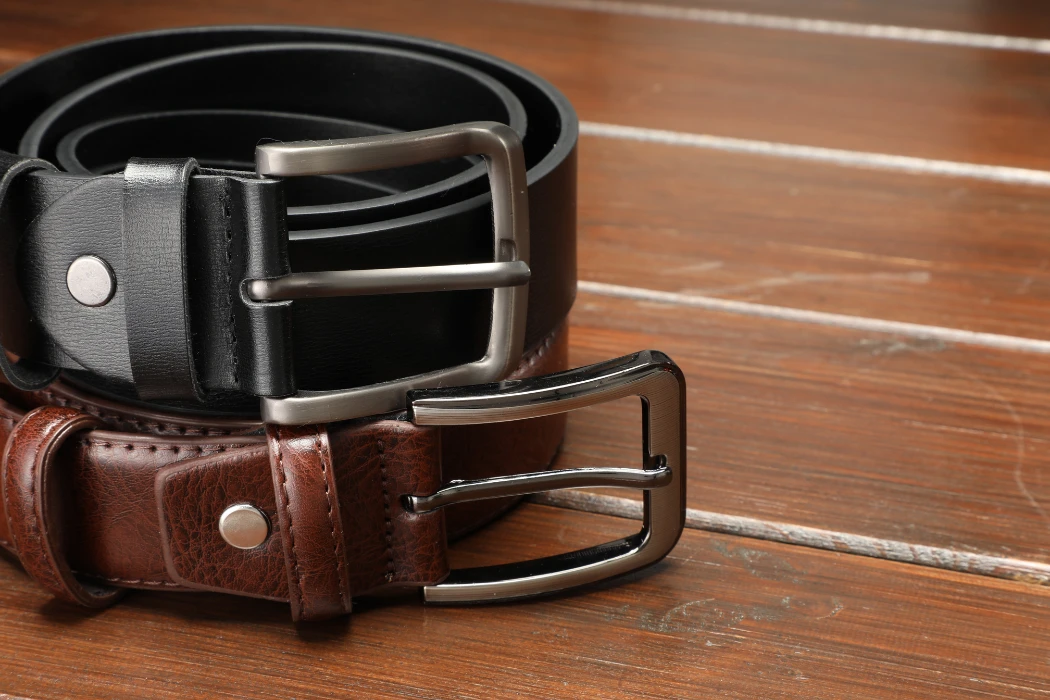
The base cost of a custom leather belt depends on three main things. First, the type and origin of the leather determine the raw material price. Second, the hardware choices, like custom buckles versus standard metals, add to the cost. Finally, the complexity of the cutting, stitching, and edge finishing requires different levels of labor. When you understand these parts, you can control your total expenses better.
Leather Quality and Sourcing
The largest portion of a belt’s cost comes directly from the leather you choose.
- Full-grain leather is the highest quality and costs the most because it uses the strongest top layer of the hide.
- PU leather (polyurethane) is much cheaper and offers a consistent look, making it perfect for budget-friendly fashion belts.
- Hides sourced from countries like Italy or Argentina usually cost more than hides from other regions because of different tanning regulations and shipping fees.
So, choosing the right material balance is the fastest way to hit your target budget.
Hardware and Buckle Selection
Hardware is the second largest expense, but it is highly controllable.
- Standard buckles made from zinc alloy are inexpensive and readily available in the market.
- Custom buckles require a brand new metal mold, which usually adds a one-time fee of $50 to $150 depending on the design.
- High-end materials like solid brass will significantly increase the unit price compared to standard metals.
Because custom molds cost extra money upfront, using standard hardware designs helps keep your initial costs very low.
Cutting and Stitching Labor
Every extra detail you add to a belt design increases the time workers spend making it.
- Simple, raw-edge belts require very little labor because workers just cut the strap and punch the holes.
- Belts with painted edges take much longer because the worker must apply multiple layers of paint and wait for them to dry.
- Adding heavy-duty stitching or braided details slows down production line speeds.
Then, keeping the design simple and clean will directly reduce the labor costs per unit.
| Belt Component | Estimated Cost Share | Main Cost Driver |
|---|---|---|
| Leather / Raw Material | 40% – 60% | Hide origin, material grade (PU vs. Full-Grain). |
| Hardware (Buckles, Rivets) | 15% – 25% | Custom metal molds, solid brass vs. zinc alloy. |
| Labor and Edge Finishing | 15% – 20% | Hand-painted edges, intricate stitching, or braiding. |
| Packaging and Logistics | 5% – 10% | Custom printed boxes, hang tags, and shipping materials. |
How Do Factories Set Volume Pricing Tiers?
Factories set volume pricing tiers based on simple economies of scale. When you order more belts, the factory buys materials in bulk at much cheaper rates. Larger orders also allow production lines to run continuously without costly changeover stops. Therefore, buying 5,000 belts triggers much larger discounts than buying 500 belts.
The Impact of Minimum Order Quantities (MOQ)
Minimum Order Quantities exist because preparing a factory line for a new design costs significant time and money.
- Before making a single belt, technicians must build custom cutting dies to stamp out the exact strap shapes.
- Workers must also calibrate heavy sewing machines for different leather thicknesses, which takes hours of careful adjustment.
- If you order just 300 pieces, the factory spreads a $300 setup cost over a very small batch, adding $1.00 to every belt.
- When you scale up and order 10,000 pieces, that identical setup cost drops to a mere $0.03 per belt.
Therefore, hitting higher volume tiers effectively eliminates these hidden setup fees from your final invoice.
Material Purchasing Thresholds
Belt factories do not make the raw materials themselves, so they rely on tannery pricing structures to determine your costs.
- Manufacturers purchase genuine leather hides by the square foot, and suppliers heavily reward bulk orders.
- Ordering 2,000 square feet of full-grain cowhide incurs standard wholesale pricing and higher shipping rates per hide.
- However, if a factory orders 50,000 square feet to fulfill your massive belt program, the tannery provides deep discounts.
- The same rule applies to hardware; buying 20,000 zinc alloy buckles is drastically cheaper per unit than buying a few hundred.
Because raw materials account for the largest percentage of the total cost, these bulk supply chain savings automatically push you into better pricing tiers.
Production Line Efficiency
Fast, uninterrupted manufacturing is the ultimate secret to unlocking the lowest possible labor costs.
- Switching a production line from a 35mm brown stitched belt to a 25mm black braided belt forces the factory to halt all work.
- During this reset period, machines stop running, but the factory still pays the wages of hundreds of skilled workers.
- Large volume orders prevent these costly delays because they allow workers to focus on one continuous task for weeks at a time.
- As workers repeat the same cutting, edging, and sewing motions, their daily speed increases significantly.
Ultimately, this high level of operational efficiency reduces the labor cost per belt, creating savings that factories pass back to the buyer.
| Volume Tier (Pieces) | Expected Unit Discount | Primary Reason for Savings |
|---|---|---|
| 300 – 1,000 | Base Price | Standard MOQ met, covers initial setup and mold fees. |
| 1,001 – 5,000 | 5% – 8% | Better material purchasing power and reduced setup penalty. |
| 5,001 – 10,000 | 10% – 15% | Highly efficient production line runs and lower labor costs. |
| 10,000+ | Custom Negotiated | Maximum tannery discounts and uninterrupted manufacturing speeds. |
Why Does Order Frequency Change Your Price?
Order frequency matters because it gives the factory a predictable schedule. When a buyer commits to placing orders every single month, the factory can plan its workforce and buy raw materials in steady batches. This stability eliminates expensive factory downtime. Because the factory saves money on smooth, continuous operations, they pass those savings back to you as a lower unit price.
Predictable Factory Scheduling
Regular orders allow factory managers to build highly efficient production calendars.
- Factories hate empty assembly lines because they still must pay workers their daily wages even when machines stop.
- When you guarantee an order of 5,000 belts every month, the factory reserves a dedicated team just for your brand.
- This dedicated team learns your specific quality standards quickly and cuts production time by up to 15%.
So, securing a steady spot on the production calendar directly lowers your overall manufacturing costs.
Raw Material Stockpiling
Frequent orders also change how the factory buys and stores your leather and hardware.
- Without regular orders, a factory buys exactly enough zinc alloy buckles for one small batch, paying a higher premium price.
- With a monthly commitment, the factory confidently buys 50,000 buckles at once and stores them in their own warehouse.
- They also stockpile large quantities of PU leather or untreated genuine leather crusts to protect you against sudden market price spikes.
Buying and holding these massive material batches in advance locks in your low price for the entire year.
Long-Term Partnership Value
Manufacturers always prioritize stable, long-term buyers over random, one-time purchasers.
- A factory views a predictable client as a very low-risk investment for their business.
- They will gladly reduce their profit margin by 3% to 5% just to keep a reliable buyer happy and ordering.
- They also prioritize regular buyers during busy peak seasons, ensuring your bulk shipments leave the loading dock in exactly 15 to 20 days.
Building this mutual trust turns your frequent orders into a powerful negotiation tool for better pricing tiers.
Can Component Standardization Lower Belt Costs?
Yes, standardizing your belt components drastically reduces your manufacturing costs. When you use the same buckles, leather finishes, and packaging across multiple belt styles, you unlock bulk discounts faster. You avoid paying multiple mold fees, and the factory spends less time switching materials on the production line. Therefore, smart design planning saves you money before production even begins.
Sharing Buckles Across Multiple Styles
Designing several belt styles around a single hardware choice is a highly effective cost-saving strategy.
- Instead of buying 500 unique buckles for four different belts, you buy 2,000 identical buckles.
- This higher volume quickly pushes you past the hardware supplier’s minimum order quantity.
- You also completely avoid paying the $50 to $150 custom mold fee for every new buckle shape.
Because you consolidate your hardware order, the factory secures a much lower unit price from the metal supplier.
Using Common Leather Finishes
Buying raw leather in large batches always guarantees a better price per square foot.
- If you choose a standard smooth black PU leather for three different belt designs, the factory buys one massive roll.
- Buying a 5,000-meter roll of PU costs significantly less per meter than buying 500 meters of three different colors.
- For genuine leather, ordering 10,000 square feet of the exact same crazy horse finish triggers deep tannery discounts.
So, keeping your core material colors consistent automatically moves your entire order into a cheaper volume tier.
Streamlining Packaging Needs
Many brands forget that custom boxes and labels add unnecessary expenses to small orders.
- Printing 1,000 custom-sized boxes for one specific belt style costs a premium rate at the printing facility.
- Instead, designing one universal box that fits all your belts lets you order 10,000 boxes at once.
- You can also standardize your woven labels and paper hang tags to hit bulk printing minimums quickly.
Ultimately, standardizing these small details strips away hidden logistics costs from your final belt price.
What Are the Best Negotiation Tactics for Buyers?
Negotiating with a belt factory requires strategy, not just asking for a lower price. You get the best results when you align your purchasing goals with the factory’s production needs. So, buyers who offer transparent budgets, long-term forecasts, and flexible timelines always win the best rates. Here is how you can build a strong negotiation strategy.
Sharing Clear Target Prices
Telling the factory your exact budget upfront saves weeks of useless back-and-forth emails.
- If you need a belt for $4.50, the factory immediately knows they cannot use full-grain Italian leather.
- Instead, they will instantly calculate a solution using high-quality PU leather and standard zinc alloy buckles.
- Transparency also prevents the factory from adding hidden safety margins to their initial price quote.
Therefore, giving a target price anchors the negotiation and forces the factory to engineer a belt that fits your budget.
Committing to Annual Volumes
Factories care much more about your yearly total than your first single order.
- If you only need 1,000 belts today, you usually pay the highest base price.
- But, if you sign a contract projecting 50,000 belts over the next 12 months, the math changes completely.
- The factory will often give you the 10,000-piece tier discount on your very first small order to secure your long-term business.
Because you promise future volume, the factory gladly absorbs the initial setup costs.
Offering Flexible Delivery Dates
Allowing a factory to produce your belts during their slow season creates massive pricing leverage.
- Belt factories experience extreme rush periods before major holidays when everyone needs fast shipping.
- If you allow a 45-day lead time instead of demanding a rushed 15-day delivery, the factory can fill empty gaps in their schedule.
- Factory managers will often discount the labor cost by 3% to 5% just to keep their workers busy during slow weeks.
Ultimately, trading your timeline flexibility for a lower unit price is the smartest negotiation tactic you can use.
Frequently Asked Questions
What is a reasonable target price for genuine leather belts?
It depends heavily on the hide origin and hardware choices. A basic full-grain leather belt usually starts around $6.00 to $9.00 at standard volumes. Highly customized hardware or intricate stitching will push this base price higher.
How much volume discount should I expect at 1,000 pieces?
At 1,000 pieces, you usually pay the standard base price. Factories typically unlock the first real discounts of 5% to 8% when your order exceeds 1,000 pieces and approaches the 5,000-piece mark.
Do factories charge for belt samples before volume orders?
Yes, factories usually charge a small sample fee to cover their initial labor and material sourcing costs. However, they almost always refund this sample fee once you place a bulk order that meets the minimum quantity.
Can I split my volume tier across different belt sizes?
Yes, you can usually split sizes like Small, Medium, and Large within the exact same volume tier. Because the factory uses the same leather finish and buckles, changing the strap length does not stop the production line.
Why do PU belts have different volume tiers than full-grain leather?
PU leather comes in massive continuous rolls, while genuine leather comes in individual animal hides. Factories can cut PU rolls much faster and with zero material waste, allowing them to offer deeper discounts at lower volume tiers.
How does the production time scale with larger volume orders?
Once the factory sets up the machines, production speed increases rapidly. While 500 belts might take 15 days, producing 10,000 belts might only take 20 days because the assembly line operates at maximum efficiency.
Scaling Your Custom Belt Production
Mastering volume tier pricing empowers you to build highly profitable accessory lines. By standardizing your hardware, planning annual volumes, and communicating clear targets, you completely control your base costs. For brands seeking a reliable manufacturing partner to execute this strategy, Hoplok Leather provides the perfect solution. With three specialized factories across China and Cambodia, an in-house tannery, and massive production capacity, Hoplok delivers premium custom belts on time. We help global retailers and fashion brands hit their exact target prices without ever compromising on quality.