Sourcing OEM suppliers for specialty and niche leather belts requires more than just finding a basic factory. Markets for western, golf, braided, and studded belts are growing fast because consumers want unique designs. But standard fashion leather belt manufacturer often lack the tools to handle complex hardware, custom widths, or rare materials like haircalf and vegan leather.
What is the secret to finding the right manufacturing partner in 2026? Buyers must look for specialized OEM facilities that offer integrated leather finishing, precision cutting, and flexible production volumes. A capable supplier controls the entire supply chain, from sourcing raw hides to testing final buckle pull strength. This ensures high margins and consistent quality for niche brands.
Navigating international supply chains often feels overwhelming. So, this guide breaks down everything buyers need to know. It explores the technical differences between standard and niche belt production, key quality control steps, and typical manufacturing timelines. Read on to learn how to evaluate an OEM factory floor and secure reliable production for any custom belt business.
What Are Specialty and Niche Leather Belts?
Identifying High-Margin Categories
Standard fashion belts focus on basic utility, but niche belts serve specific lifestyles.
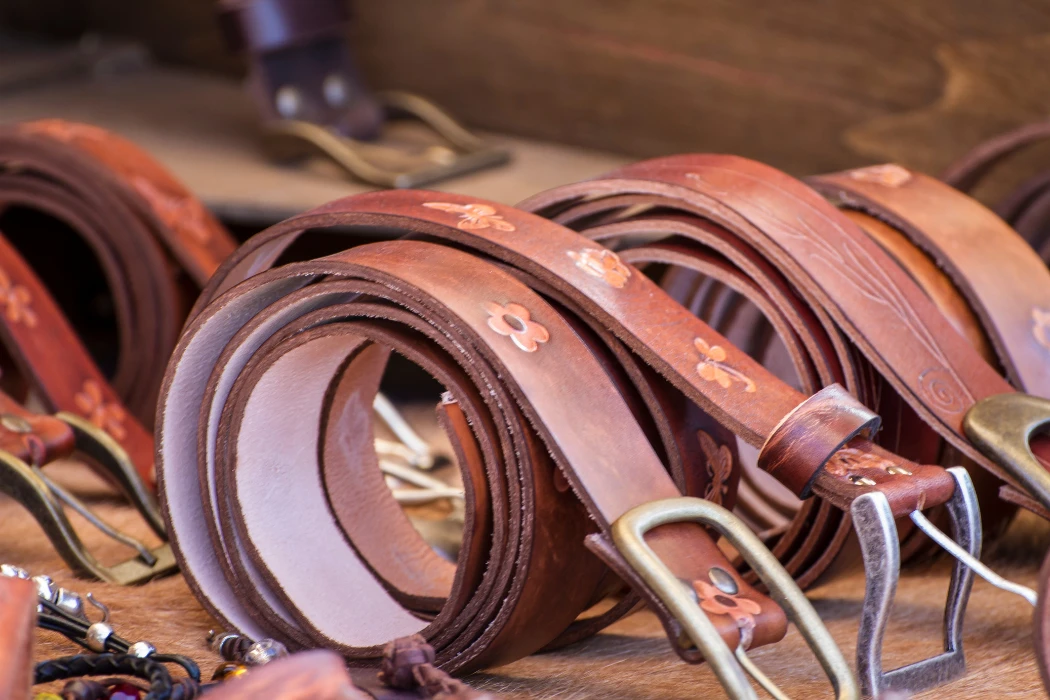
- Western Belts: Require heavy tooling and wide profiles up to 44mm.
- Golf Belts: Need flexible, sweat-resistant materials and often use braided structures.
- Studded Belts: Demand thick hides to hold heavy metal rivets without tearing.
- Braided Belts: Take extra labor and use thin leather strips woven together.
These styles command higher retail prices because they require specialized machines and expert craftsmanship.
Understanding Unique Material Requirements
Niche belts rarely use basic smooth cowhide.
- Haircalf Leather: Requires careful cutting to keep the natural hair pattern intact.
- Suede Leather: Needs special edge treatments because standard edge paint ruins the soft nap.
- Vegan Leather: Uses synthetic bases like PU or recycled materials that require different heat settings during production.
- Vegetable-Tanned Leather: Offers a stiff structure that develops a natural patina over time.
Buyers must find factories that understand how each specific material behaves during the cutting and sewing process.
Recognizing Hardware Differences
The buckle often defines a specialty belt.
- Ratchet Systems: Use hidden track systems instead of traditional holes for exact micro-adjustments.
- Reversible Buckles: Require precise twisting mechanisms that survive thousands of rotations.
- Heavy Western Buckles: Need strong snaps or Chicago screws so end-users can swap buckles easily.
A standard belt factory might fail here because custom hardware requires exact tooling and high pull-strength tolerances.
Why Do Niche Belts Require Specialized OEM Capabilities?
Managing Complex Assembly and Stitching Techniques
Standard belts usually require simple straight stitching, but niche designs demand advanced construction methods.
- Braided Belts: Workers must hand-weave or machine-braid thin leather strips without stretching the material.
- Studded Belts: Require precise punching tools to align heavy metal rivets evenly across thick hides.
- Reversible Belts: Need double-sided finishing and perfectly aligned edge painting to prevent peeling on either side.
Factories must employ skilled technicians who know how to assemble these complex structures without damaging the premium raw materials.
Handling Custom Tooling for Unique Hardware
Basic belt buckles come from standard molds, whereas specialty belts often rely on proprietary hardware.
- Custom Molds: Factories must create unique metal molds for branded buckles or oversized western designs.
- Attachment Methods: Heavy buckles require reinforced stitching or strong Chicago screws to stay secure.
- Track Systems: Ratchet belts need exact plastic or nylon tracks sewn flawlessly into the leather backing.
A specialized OEM supplier invests in advanced tooling equipment to match these strict hardware specifications.
Adapting to Flexible Volume Requirements
Niche belt markets often start with smaller test runs before scaling into bulk production.
- Low Minimum Order Quantities (MOQ): Emerging brands need factories willing to produce smaller initial batches.
- Rapid Prototyping: Suppliers must quickly turn tech packs into physical samples, often within 2-7 days.
- Scalability: Once a design succeeds, the factory must scale up to produce thousands of units in 15-20 days.
Flexible production lines allow brands to test new specialty designs without risking massive inventory overstock.
| Manufacturing Feature | Standard Belts | Specialty & Niche Belts |
|---|---|---|
| Leather Type | Basic split or PU leather | Haircalf, suede, vegetable-tanned, vegan |
| Hardware | Standard pin buckles | Ratchet tracks, custom molds, heavy rivets |
| Edge Treatment | Basic edge paint | Hand-burnishing, raw edges, double-sided paint |
| Stitching | Single straight stitch | Braiding, quilting, reinforced joints |
How Can Buyers Evaluate an OEM Supplier’s Production Floor?
Checking Precision Cutting and Skiving Machinery
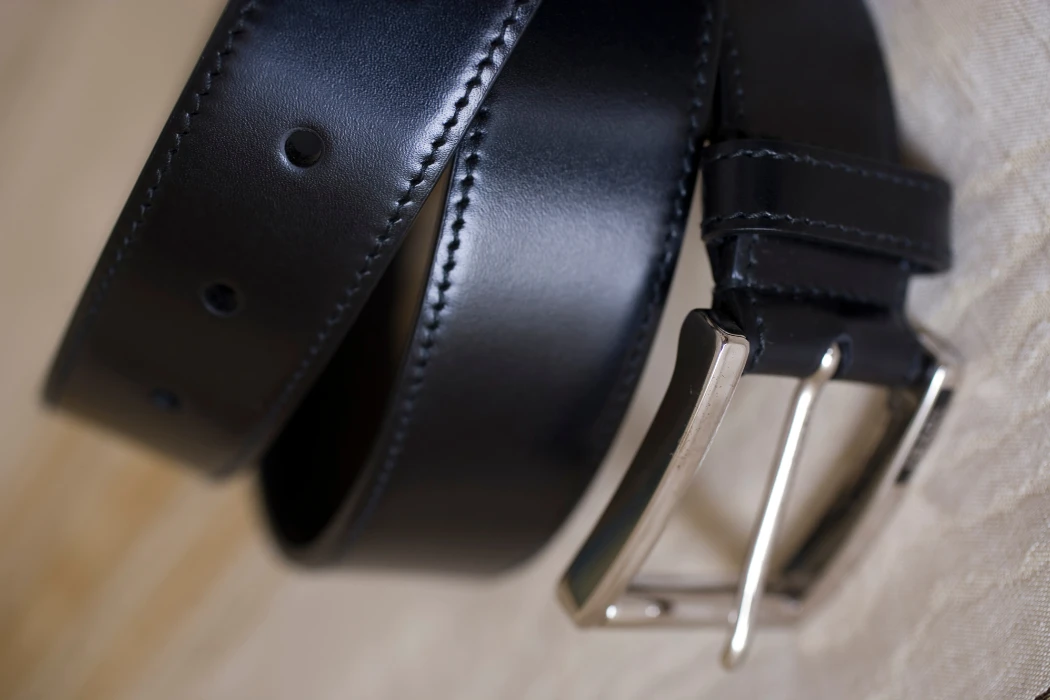
A clean cut determines the final quality of any leather belt.
- Clicker Presses: Look for heavy-duty presses that cut thick hides without fraying the raw edges.
- Skiving Machines: Check if the factory uses advanced skivers to thin out leather edges down to 0.5mm for smooth buckle folding.
- Grain Alignment: Watch how operators position the cutting dies to follow the natural grain direction of the hide.
Proper cutting and skiving prevent the leather from stretching or snapping when the final customer wears the belt.
Verifying Edge Finishing and Polishing Processes
Raw edges look cheap, so high-end specialty belts require careful edge treatments.
- Edge Painting: Observe if workers apply multiple thin coats of paint instead of one thick, messy layer.
- Burnishing Tools: Check for high-speed friction wheels that polish natural vegetable-tanned edges until they shine.
- Heating Machinery: Note if the factory uses heat-setting machines to bond the edge paint permanently to the leather.
A well-finished edge seals the leather against moisture and stops the belt strap from splitting over time.
Reviewing Integrated Leather Finishing Facilities
Factories that finish their own leather offer better consistency and lower production costs.
- Tumbling Drums: Look for large wooden drums used to soften stiff leather crusts or create a broken-in vintage look.
- Spraying Booths: Check if technicians apply even coats of oil or wax to create custom pull-up effects.
- Embossing Presses: Verify the machines that stamp deep, permanent patterns like crocodile or pebble grain directly onto the hides.
When a supplier controls the tanning and finishing steps, buyers avoid major supply chain delays and color-matching errors.
Which Quality Control Steps Matter Most for Custom Belts?
Inspecting Raw Hide Imperfections and Grain Direction
Catching flaws early saves time and materials during mass production.
- Visual Checks: Inspectors scan hides for natural scars, tick bites, or branding marks before cutting begins.
- Grain Direction: Technicians map the leather to ensure straps are cut parallel to the spine for maximum strength.
- Thickness Consistency: Calipers measure the hide to guarantee it meets exact tech pack specs, such as 3.5mm to 4.0mm.
Removing weak spots prevents finished belts from stretching unevenly or breaking around the waist.
Testing Hardware Fastening and Pull Strength
Heavy metal buckles and custom rivets require intense durability testing.
- Tensile Strength Testing: Machines pull the buckle and the strap in opposite directions to find the exact breaking point.
- Fastener Checks: Inspectors verify that snaps and Chicago screws stay locked tightly during repeated movement.
- Finish Durability: Hardware undergoes salt spray tests to ensure brass or silver finishes resist rust and scratches.
Hardware failures ruin consumer trust, making these strict stress tests non-negotiable for specialty brands.
Measuring Dimension Accuracy for Niche Sizes
Custom markets demand precise sizing across a wide range of body types.
- Kids Belt Sizing: Inspectors verify safety standards and precise lengths ranging from 22 inches (56cm) to 30 inches (76cm).
- Hole Placement: Machines measure the exact distance between belt holes to properly center the prongs.
- Width Tolerances: Technicians check that a 38mm belt does not vary by more than a fraction of a millimeter across its entire length.
Accurate sizing prevents costly consumer returns and ensures a comfortable fit across all demographics.
| QC Stage | Testing Method | Primary Purpose |
|---|---|---|
| Raw Material | Visual inspection & caliper checks | Find hide scars and verify exact leather thickness. |
| Assembly | Tensile pull tests & seam checks | Ensure buckles, rivets, and stitches hold under stress. |
| Finished Product | Wet/Dry rub fastness testing | Confirm color stability and prevent dye bleeding onto clothes. |
Are Eco-Friendly Materials Changing Niche Belt Manufacturing?
Sourcing Leather Working Group (LWG) Certified Hides
Sustainability now drives major purchasing decisions in the specialty belt market.
- LWG Certification: Buyers increasingly demand hides from tanneries that actively minimize water usage and energy waste.
- Global Sourcing: Top OEM suppliers source raw crusts from certified facilities in countries like Italy, Argentina, and Brazil.
- Supply Traceability: Modern manufacturing systems track the exact origin of a hide to guarantee ethical farming practices.
Partnering with LWG-certified suppliers protects a brand’s reputation and helps meet strict corporate environmental goals.
Exploring Bonded, Recycled, and Low-Impact Materials
Niche brands actively seek alternatives to traditional full-grain cowhide to satisfy eco-conscious consumers.
- Recycled Leather: Factories compress discarded leather scraps and bind them with natural latex to reduce landfill waste.
- Vegan Leather: Advanced synthetics like high-quality PU (polyurethane) offer great durability without using animal products.
- Vegetable Tanning: This natural process uses tree bark tannins instead of harsh chromium salts to dye and preserve the leather.
Offering a mix of recycled and vegan options allows niche brands to capture a wider, environmentally aware audience.
Implementing REACH and CPSIA Compliant Chemical Processes
Chemical safety is just as important as the physical material when manufacturing leather belts.
- REACH Compliance: European markets strictly ban harmful chemicals like lead and specific azo dyes during leather finishing.
- CPSIA Standards: The USA requires rigorous testing for lead and phthalates, especially for kids belt sizing.
- Safe Edge Paints: Responsible factories utilize water-based edge paints instead of highly toxic solvent-based alternatives.
Meeting these international compliance standards ensures that custom belts pass customs inspections easily and remain safe for daily consumer wear.
What Is the Standard Timeline for Custom Belt Production?
Aligning Prototyping and Tech Packs
Moving from a sketch to a physical belt requires clear communication and precise engineering.
- Tech Pack Review: Engineers analyze design files to confirm exact stitch counts, edge treatments, and dimensions.
- Initial Sampling: Factories produce the first physical prototype quickly, typically within 2 to 7 days.
- Revisions: Buyers review the physical sample to adjust fit, color, or hardware placement before approving mass production.
A precise prototyping phase prevents expensive mistakes from ruining a large bulk order.
Sourcing Raw Materials and Custom Buckles
Securing the right components often takes the most time in the entire manufacturing process.
- Leather Procurement: Sourcing specialty hides like haircalf or vegetable-tanned leather requires coordinating with global tanneries.
- Hardware Molding: Creating custom metal molds for oversized western buckles or ratchet systems adds extra time to the schedule.
- Pantone Matching: Technicians formulate specific dyes to match the exact Pantone color codes requested by the brand.
Efficient supply chains keep this sourcing phase short so that bulk assembly can begin on time.
Executing Bulk Production and Final Quality Checks
Once materials arrive, the factory floor shifts into high-speed, systematic assembly.
- Mass Cutting and Skiving: Operators prepare thousands of straps, ensuring every piece matches the strict 0.5mm tolerance limits.
- Assembly Line Operations: Skilled workers weave braided belts or set heavy metal rivets into studded designs.
- Final Output: Capable factories complete the entire bulk production run in an average of 15 to 20 days.
Strong quality control during this final stage ensures every single belt matches the approved prototype perfectly.
| Production Phase | Average Timeline | Key Milestones |
|---|---|---|
| Prototyping & Tech Packs | 2-7 Days | Pattern making, sample cutting, and initial hardware testing. |
| Material Sourcing | Variable (Depends on custom needs) | Hide selection, custom mold creation, and Pantone color matching. |
| Bulk Assembly & QC | 15-20 Days | Mass cutting, edge painting, and final tensile strength tests. |
How Do Global Supply Chains Impact Belt Sourcing in 2026?
Balancing Import Tariffs and Lead Times
Sourcing managers must weigh the cost of taxes against the speed of delivery.
- Tariff Engineering: Buyers shift production to duty-free zones to avoid high import taxes in the USA and Europe.
- Shipping Costs: Freight prices fluctuate, making lightweight components and efficient packing essential for profit margins.
- Lead Times: Ocean freight often takes 30 to 40 days, so brands must order seasonal inventory months in advance.
Smart logistics planning prevents shipping delays from destroying a profitable product launch.
Diversifying Across Southeast Asian Manufacturing Hubs
Relying on a single country for manufacturing creates massive business risk.
- Cambodia: Offers duty-free export benefits to major Western markets and possesses large-scale assembly facilities.
- China: Remains the global hub for complex hardware, custom molds, and rapid prototyping capabilities.
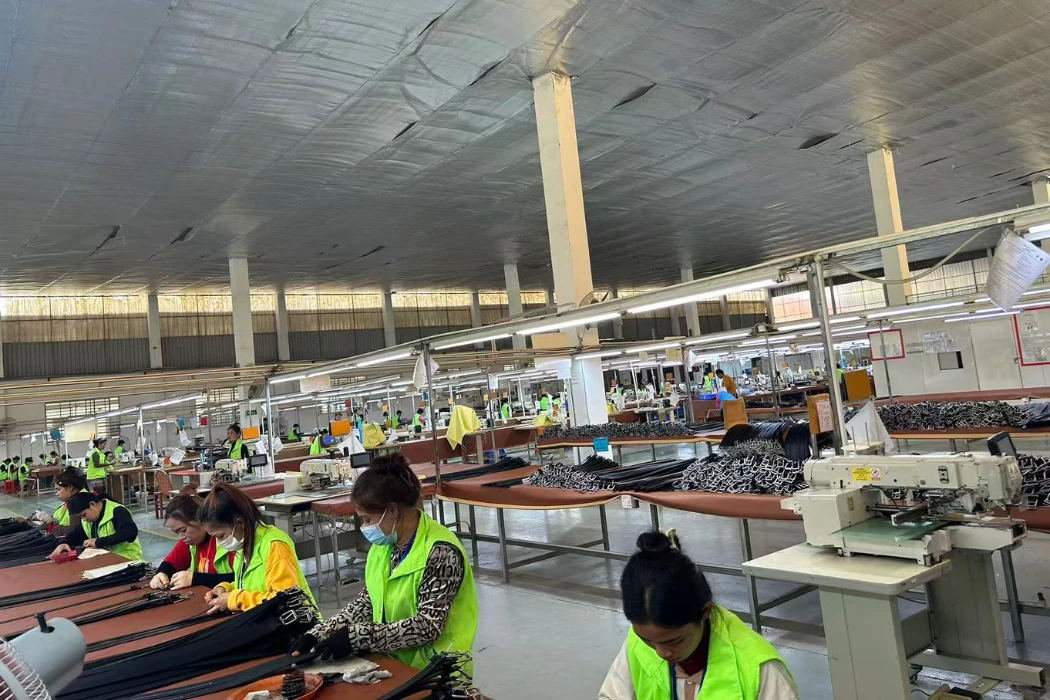
- Dual-Country Strategies: Top OEM suppliers split orders, handling complex development in China and bulk assembly in Southeast Asia.
A diversified manufacturing footprint ensures stable production even if regional disruptions occur.
Securing Stable Raw Material Supply Chains
A belt factory cannot operate if its leather and hardware suppliers fail to deliver.
- Vertical Integration: Factories that own their leather finishing facilities avoid long waits for raw crusts.
- Global Tanneries: Reliable suppliers import premium hides from Italy, Brazil, and Argentina to maintain consistent quality.
- Hardware Stockpiling: Manufacturers keep high volumes of common buckles and Chicago screws ready to prevent sudden shortages.
Direct control over raw materials allows factories to lock in prices and guarantee on-time delivery.
Frequently Asked Questions (FAQ)
What is the best leather for heavy-duty belts?
Full-grain and vegetable-tanned leathers are the best choices for heavy-duty belts because they retain the hide’s natural strength. Unlike split leather, they do not stretch easily under pressure.
How do you verify the quality of a leather belt manufacturer?
Buyers should check if the factory owns precision skiving machines, uses multi-layer edge painting, and conducts physical pull tests. A reliable OEM supplier will also hold certifications like ISO 9001 and SMETA.
Can OEM suppliers match specific Pantone colors for belts?
Yes, top manufacturers can match exact Pantone colors. They achieve this by working with their own integrated leather finishing facilities to mix custom dyes and apply exact coatings to the raw crusts.
What is a normal minimum order quantity (MOQ) for custom belts?
Minimum order quantities vary widely depending on the hardware and materials required. However, many flexible factories start test runs at lower volumes to help brands test the market safely.
Are vegan leather belts as durable as genuine leather?
High-quality PU and modern vegan leathers offer excellent durability and water resistance. While they may not develop a natural patina like cowhide, they resist scratches well and provide a consistent finish.
How long does it take to get a custom belt sample?
A professional factory usually produces a physical prototype in 2 to 7 days. But, if the design requires a custom metal mold for the buckle, the sampling process will take much longer.
Conclusion
Sourcing specialty leather belts requires exact engineering, reliable materials, and strict quality control. From precision skiving to tensile strength testing, every step matters. Brands need a partner that controls the entire process, from raw hide finishing to final assembly. Hoplok Leather Goods provides exactly this solution. With dual-country factories in China and Cambodia, and an in-house tannery, Hoplok delivers rapid sampling, flexible volumes, and LWG-certified materials. If your brand needs high-quality custom belts delivered on time, Hoplok has the expertise to bring your designs to life.